Skip to content

JournalEvaluationNo. 02

Choosing go-to-market automation for a small sales team with no ops function.

A small team needs fewer moving parts, not more dashboards. Four questions to decide what to automate and what to keep in human hands.

Contents
  1. 01Start with the work nobody owns
  2. 02Ask what the tool does without a person in the loop
  3. 03Check whether a human can review before anything is sent
  4. 04Count the connections you must maintain
  5. 05Pick the smallest setup you can review in a week

01Start with the work nobody owns

A small sales team rarely lacks tools. It lacks someone whose job is to keep them running. Prospect lists go stale, signals arrive in a tab nobody opens, and the follow-up that was promised on a call never gets scheduled.

Before you compare platforms, write down the three tasks that currently fall through the cracks each week. Those are the candidates for automation. Anything else is a nice-to-have that will cost attention later.

02Ask what the tool does without a person in the loop

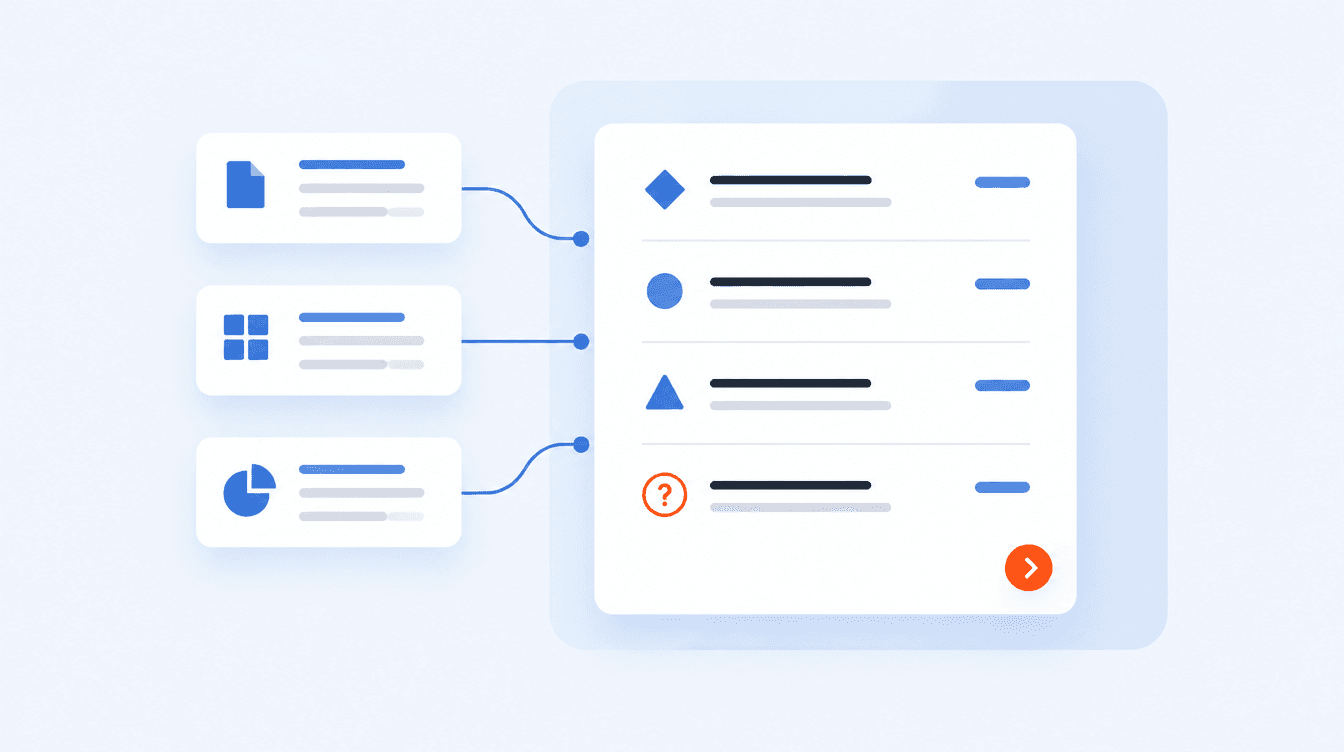
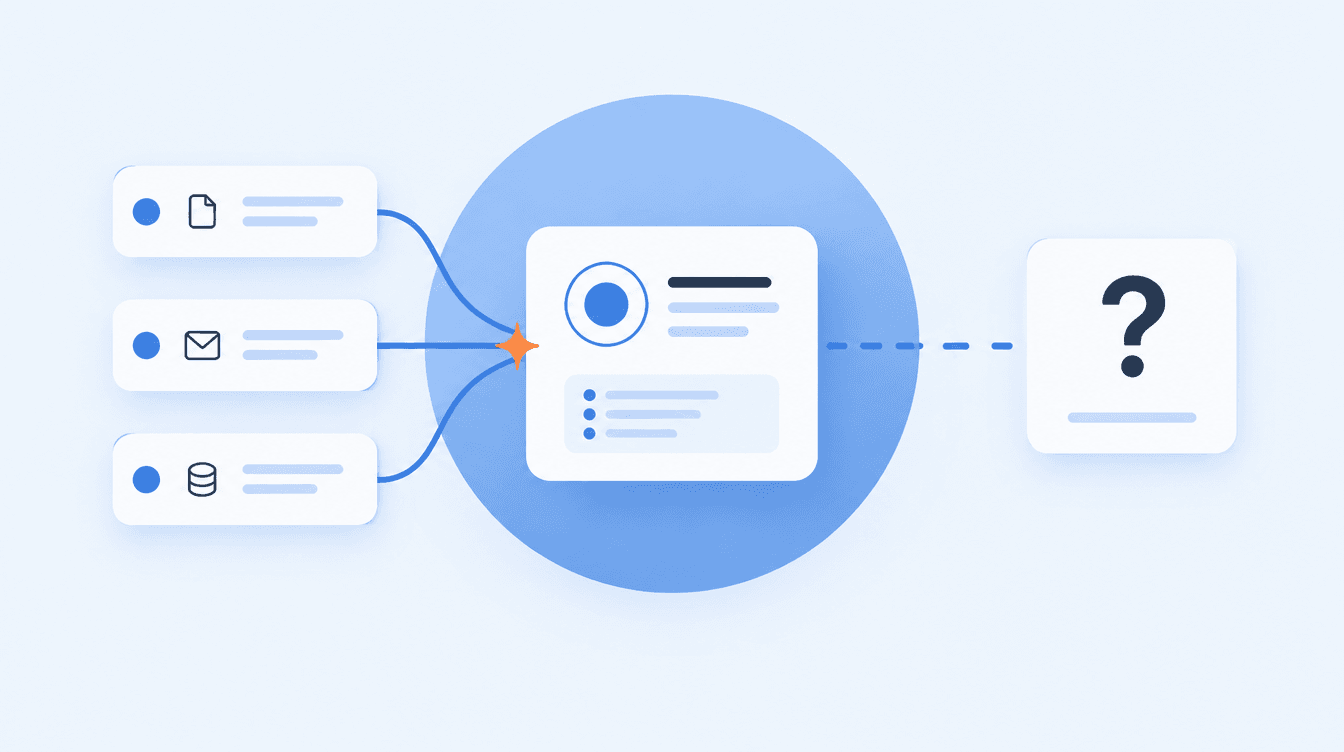
Many platforms can generate leads, messages, and sequences. Fewer can explain where each lead came from, what evidence supports it, and what a reviewer should check before anything goes out.

For a team without ops support, that explanation matters more than the feature count. If a lead cannot be traced back to a public source and a date, someone will spend time reconstructing it, or will stop trusting the list.

03Check whether a human can review before anything is sent

Automation is safe for a small team when it prepares work and a person decides what leaves the building. Look for a review step between a drafted message and a sent one, and for a clear record of who approved what.

Ask the vendor what happens when a draft is wrong. The answer should be a stop, not a silent send.

04Count the connections you must maintain

Every integration is a thing to maintain. A tool that writes to your CRM in one direction, with a clear owner for the field mapping, is easier to run than one that needs weekly fixes.

Ask how changes in your CRM are reflected in the tool, and who on the team would notice if the sync broke.

05Pick the smallest setup you can review in a week

Start with one segment, one signal type, and one message template. Run it for a few weeks, read every output, and only then widen the scope.

If you cannot review a week of output in an hour, the setup is too large for a team without ops. Narrow it before you add more automation.

Keep reading8 more
01

Migrating From Manual Prospecting to an Automated Signal-Based Go-to-Market System

How to move from manual prospecting to an automated signal-based go-to-market system: what changes, the stages, the data and workflow work, and the pitfalls.

Signals11 min read
03

Signal-based prospecting for startups that need predictable pipeline.

Volume outbound makes pipeline feel random. Prospecting against observable buying moments gives a startup a steadier rhythm, if the signals are checked first.

Signals2 min read
04

Moving from manual prospecting to signal-based outbound without breaking your pipeline.

Switch one segment at a time, keep the current process running as a control, and judge the new system on reviewed outcomes rather than enthusiasm.

Outreach2 min read
05

Tools That Help Sales Development Teams Prioritize High-Intent Accounts Without Manual Research

How intent data, scoring and enrichment tools help sales development teams prioritize high-intent accounts without manual research, plus a comparison table.

Evaluation8 min read
06

Evaluating Customer Support and Track Record in Signal-Based Sales Platforms

How to evaluate customer support and track record when you compare signal-based sales platforms, from reference calls to CRM sync and time-to-first-signal.

Signals13 min read
07

A signal is not a buying intent.

A new hire tells you something changed. It does not tell you someone is ready to buy. Better outbound starts with that distinction.

Signals2 min read
08

What belongs in a lead brief?

The source, the change, the timing, and the unanswered question. A small brief that makes an outbound decision easier to review.

Research2 min read
09

Write the question before the pitch.

A practical way to turn account research into an opener that earns a conversation without overstating what you know.

Outreach2 min read

Put your GTM in perpetual motion.

Get started

You decide what goes out.

Choosing go-to-market automation for a small sales team with no ops function. — Perpetual