JournalEvaluationNo. 05
Tools That Help Sales Development Teams Prioritize High-Intent Accounts Without Manual Research
How intent data, scoring and enrichment tools help sales development teams prioritize high-intent accounts without manual research, plus a comparison table.
Perpetual8 min read8 sections
Contents
- 01What These Tools Actually Do
- 02Intent Data Platforms: Finding Accounts Already Researching
- 03How Intent Scoring Turns Behavior Into a Ranked List
- 04Enrichment and Sales Intelligence: Adding Context Without the Tab-Hopping
- 05Closing the Signal-to-Action Gap
- 06Tool Categories Compared
- 07What to Evaluate Before You Buy
- 08Where a System Fits Around the Tools
Published by Perpetual
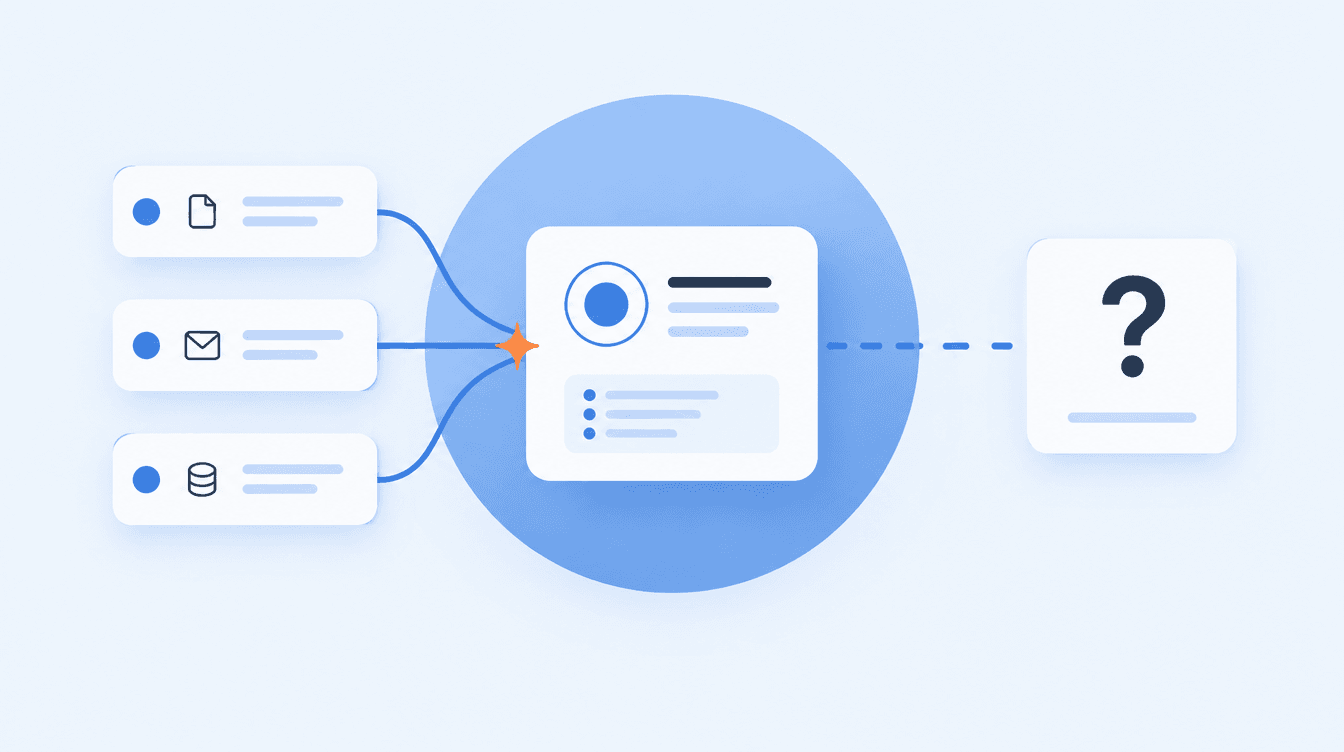
Sales development teams lose time when account prioritization depends on manual research. The tools that remove that work fall into a few recognizable layers: intent data platforms that surface accounts actively researching a problem, scoring layers that rank those accounts, enrichment and sales intelligence tools that fill in the context, and engagement platforms that act on the signal. This guide explains what each layer does, how the layers fit together, and what to evaluate before you buy.
Three things to know
- Intent-based marketing tools track digital behaviors such as content downloads, website visits and search queries to identify prospects actively researching solutions.
- An intent score helps sellers prioritize high-potential accounts and de-emphasize those still in early research stages.
- Sales intelligence identifies who to contact and why, while sales engagement handles how to contact them.
What These Tools Actually Do
Outbound sales is noisier than ever. Sales teams need tools to target the right accounts, personalize every message, and automate repetitive work without losing the human element. Modern sales development tools do more than send sequences. They help teams decide who to contact, when to reach out, and what to say (aisdr.com).
That framing matters because "prioritization" is not one feature. It is the output of several steps: observing behavior, turning behavior into a ranking, adding context, and then acting. Manual research is what happens when any of those steps is missing and a rep has to fill the gap by hand.
Intent Data Platforms: Finding Accounts Already Researching
Intent-based marketing tools are software platforms that track and analyze digital behaviors—such as content downloads, website visits, and search queries—to identify prospects actively researching solutions. By leveraging these tools, sales teams can prioritize high-intent accounts and time their outreach for maximum receptivity (thegro.ai).
Vendors in this layer describe the same job in different words. Demandbase is positioned as an intent data platform designed to help B2B businesses identify, engage, and convert high-intent buyers, enabling sales and marketing teams to focus on accounts that are actively researching solutions by leveraging AI-driven account intelligence and real-time behavioral data. Lead Onion is described as an AI-powered buyer intent platform that consolidates 20 unique sources of buyer intent data to give a comprehensive view of potential customers actively researching products or services, which enables sales and marketing teams to prioritize high-intent leads and engage them ahead of competitors (factors.ai).
For a sales development team, the practical takeaway is that this layer replaces the first hour of manual account research: instead of checking whether an account is in-market, the platform tells you which accounts are showing research behavior now.
How Intent Scoring Turns Behavior Into a Ranked List
Intent-based marketing tools help B2B marketing and sales teams identify accounts that may be actively researching a problem, category, product, or competitor—and turn those signals into action. Each of these behaviors contributes to an "intent score," which helps marketers and sellers prioritize high-potential accounts and 'de-emphasize' those still in early research stages (demandbase.com).
Two things follow from that. First, a score is a compression of observable behavior, so the behaviors a platform can see determine the ranking you get. Second, scoring is as much about de-prioritization as prioritization: a useful list tells a rep who not to call this week.
Enrichment and Sales Intelligence: Adding Context Without the Tab-Hopping
Business development teams need more than a CRM to grow pipeline in 2026. They need tools that help them find the right accounts, manage outreach, enrich lead data, automate follow-up, track opportunities, and keep every revenue workflow connected. If you need more qualified prospects, add data enrichment or intent tools. Platforms like ZoomInfo, Apollo, Clearbit, Demandbase, and Cognism help teams find better-fit accounts, enrich records, and prioritize outreach (weweb.io).
This is the layer that most directly replaces manual research. A rep who would otherwise open a company site, a news feed and a CRM record to build context can instead receive an enriched record attached to a prioritized account.
Closing the Signal-to-Action Gap
Most sales intelligence tools will tell you exactly who to contact, but almost none of them will help you do anything about it. Sales intelligence identifies WHO to contact and WHY (data, intent signals, buyer research). Sales engagement handles HOW to contact them (email sequences, calling, LinkedIn). Historically, these required separate tools. In 2026, the distinction is collapsing (amplemarket.com).
The same gap shows up in the intent data layer. Not all buyer intent data providers help you close the timing gap between signal and outreach; the vendors that matter are the ones that help sales teams prioritize accounts, enrich context, and act before intent cools off (coldreach.ai).
For a sales development team, this is the difference between a dashboard and a queue. A signal that arrives as a notification still requires a rep to decide what to do with it. A signal that arrives as a prioritized, context-rich account with a next step attached removes that decision.
Tool Categories Compared
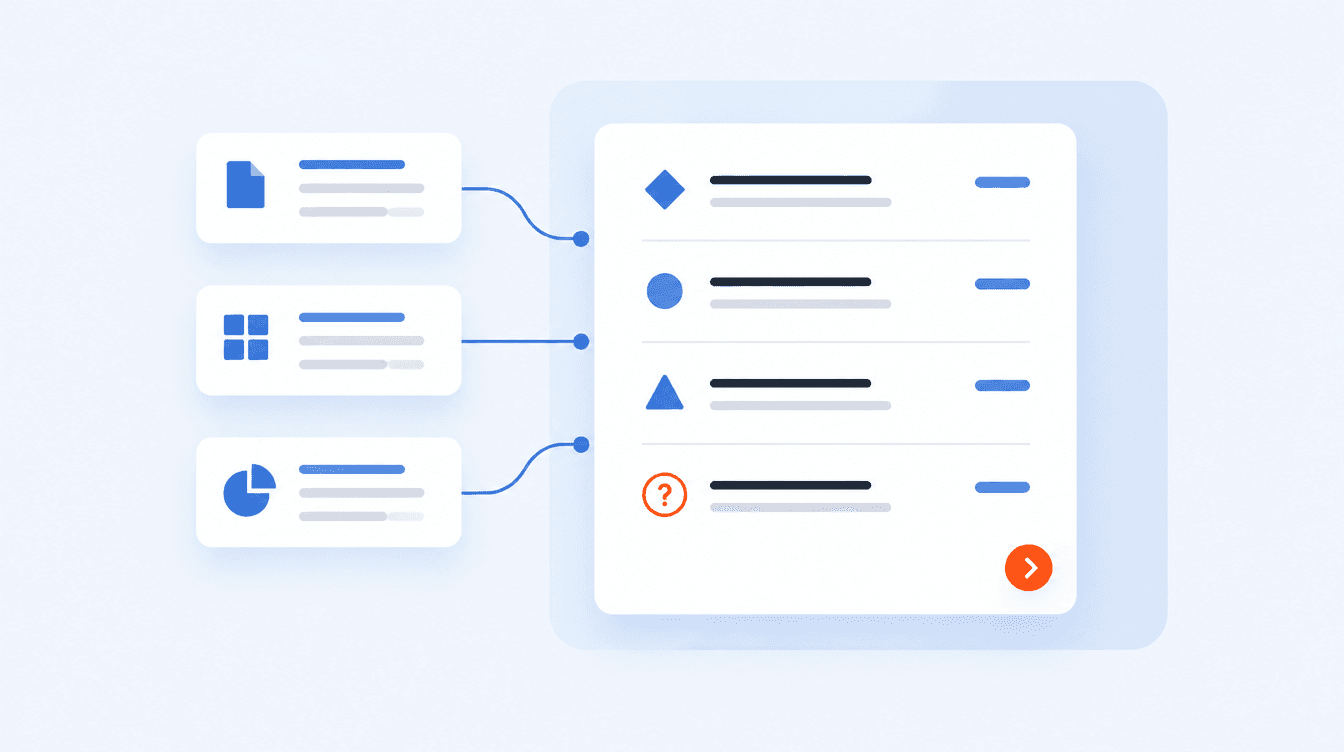
The table below maps each category to the manual work it removes and the evaluation question worth asking. It is a category comparison, not a vendor ranking.
| Category | Core job | Manual work it removes | What to evaluate |
|---|---|---|---|
| Intent data platforms | Identify accounts actively researching a problem, category, product, or competitor | Checking whether an account is in-market | Which behaviors feed the signal, and how fresh it is |
| Intent scoring | Convert behaviors into a ranked list | Deciding which accounts to work first | Whether the score helps you de-prioritize as well as prioritize |
| Data enrichment and sales intelligence | Find better-fit accounts and enrich records | Assembling context from multiple sources by hand | How complete the enriched record is when it reaches a rep |
| Sales engagement | Handle how you contact accounts | Manual sequencing and follow-up | How quickly a prioritized account becomes an active sequence |
| AI agents and automation | Handle repetitive outreach tasks | Repetitive list building and sending | What is automated versus what still needs a human decision |
SDR tools as a whole are software solutions that help teams find prospects, contact them and decide if they are qualified, covering data providers, engagement platforms, scheduling aids, CRM connectors and newer AI agents that handle outreach (uplead.com).
What to Evaluate Before You Buy
Because the categories overlap, the buying decision is less about picking a category and more about checking the seams between them. A few questions do most of the work:
- Signal coverage. Which behaviors feed the intent signal, and does that match how your buyers actually research?
- Ranking logic. Does the score produce a short, workable list, or a long list that still needs triage?
- Context at the point of action. When a rep opens a prioritized account, is the context already there?
- Time from signal to outreach. How many steps sit between a detected signal and a rep reaching out?
- Automation boundaries. Which steps are automated, and which still require a human judgement call?
One concrete example of the automation boundary: Saleshandy's intuitive interface and unified inbox make it straightforward to run high-volume cold email campaigns, and its built-in lead finder and email verifier speed up prospect list building and cut manual research (uplead.com). That is the shape of the win to look for — a specific, repetitive research step removed rather than a general promise of efficiency.
Where a System Fits Around the Tools
Tools solve individual steps. The recurring failure mode is that the steps are not connected, so a rep still has to move information between them by hand.
Perpetual describes itself as your GTM perpetuum mobile: a system that keeps finding opportunities, acting on signals, and moving deals forward. Read against the categories above, that is a claim about the seams — finding opportunities maps to the intent and enrichment layers, acting on signals maps to engagement, and moving deals forward maps to the handoff back into pipeline.
Key takeaways
| Point | Detail |
|---|---|
| Prioritization is a pipeline, not a single tool | Signal capture, scoring, enrichment and outreach are separate jobs. Most manual research happens in the gaps between them. |
| Intent scores are only as good as the behaviors behind them | Intent-based marketing tools track and analyze digital behaviors—such as content downloads, website visits, and search queries—to identify prospects actively researching solutions. |
| Intelligence and engagement are converging | The historical split between tools that identify who to contact and tools that handle outreach is narrowing, which changes how you evaluate a stack. |
| Evaluate the handoff, not just the data | The most useful question is how quickly a signal becomes a prioritized, context-rich account in front of a rep. |
Sources
- https://aisdr.com/blog/sales-development-tools/
- https://thegro.ai/explore/en/list/best-intent-marketing-tools
- https://www.factors.ai/blog/top-intent-data-platforms
- https://www.demandbase.com/faq/intent-based-marketing/tools/
- https://www.weweb.io/blog/business-development-tools-guide
- https://www.amplemarket.com/blog/best-sales-intelligence-platforms-2026
- https://coldreach.ai/blog/buyer-intent-data-providers
- https://www.uplead.com/sdr-tools/