JournalEvaluationNo. 08
CRM vs. Dedicated GTM Automation Platform: Which Do You Actually Need?
A CRM keeps the record; a GTM automation platform starts the work. How to tell which layer is missing in your stack, what each should own, and where the two must connect.
Marko Raković8 min read8 sections
Contents
- 01Record versus action: the core difference
- 02What a CRM does well, and where it stops
- 03What a dedicated GTM automation platform adds
- 04CRM vs. GTM automation platform at a glance
- 05How to decide which layers a platform should own
- 06The integration gap most comparisons miss
- 07Where Perpetual fits
- 08Which do you actually need?
Published by Perpetual
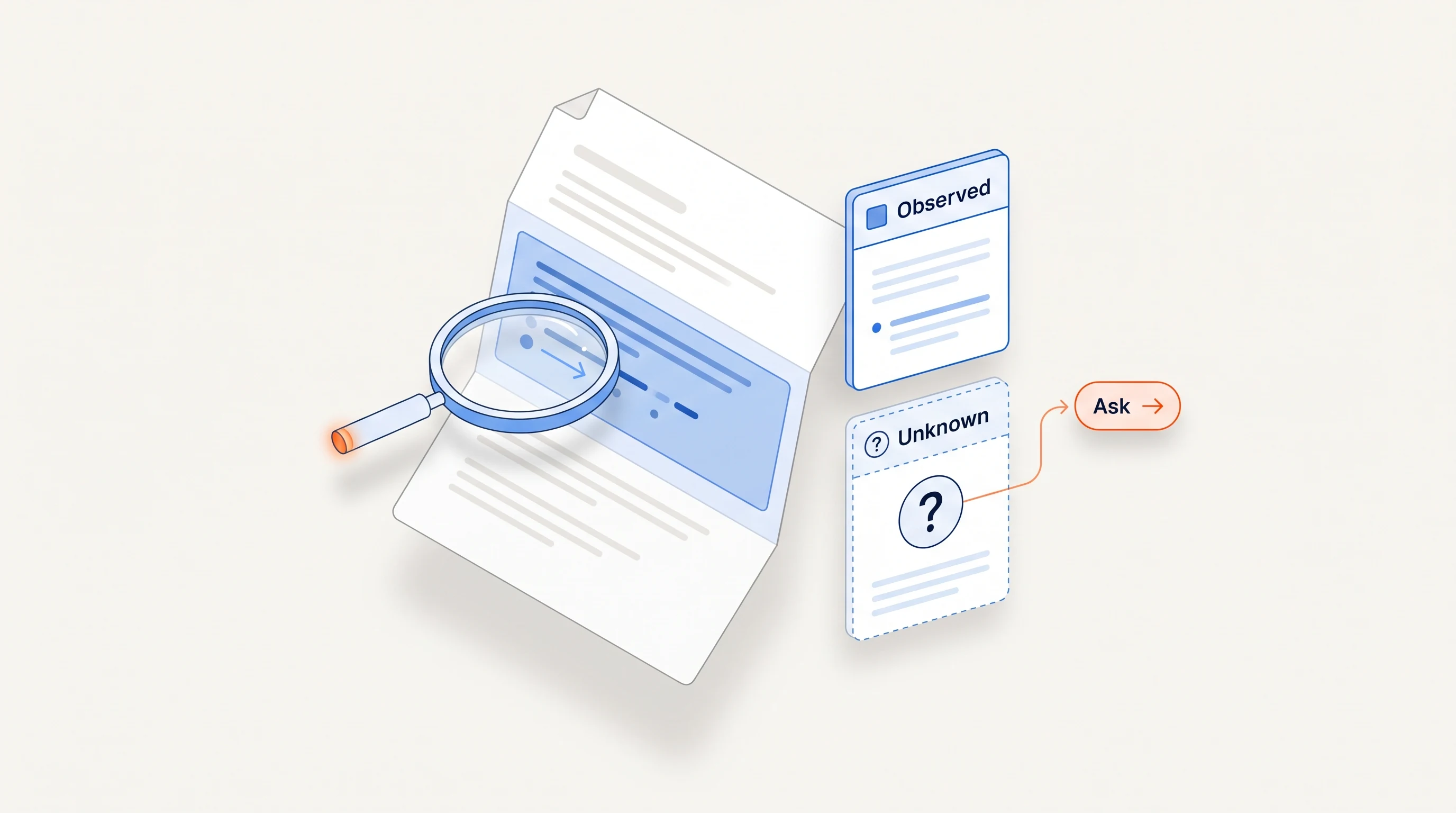
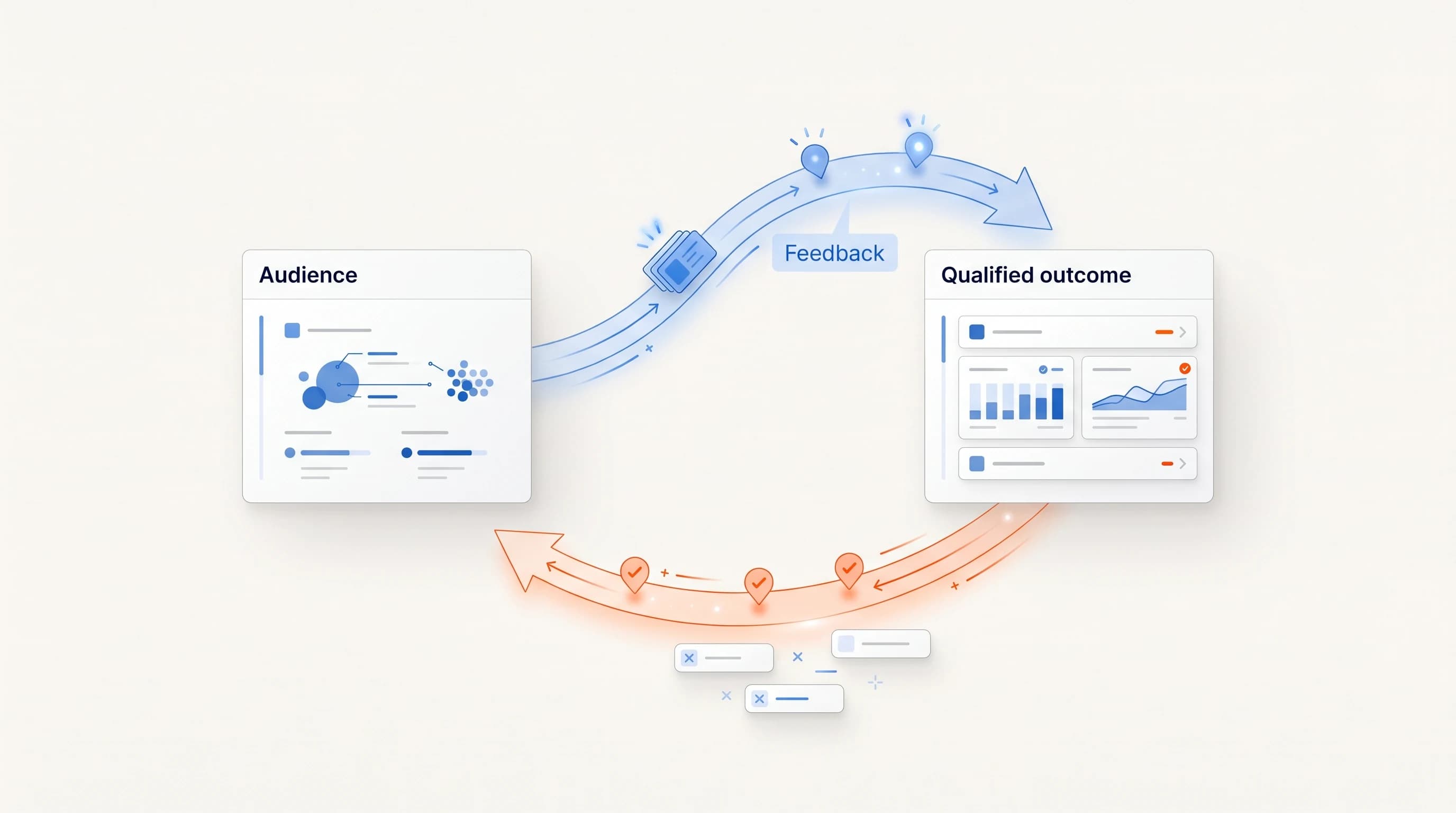
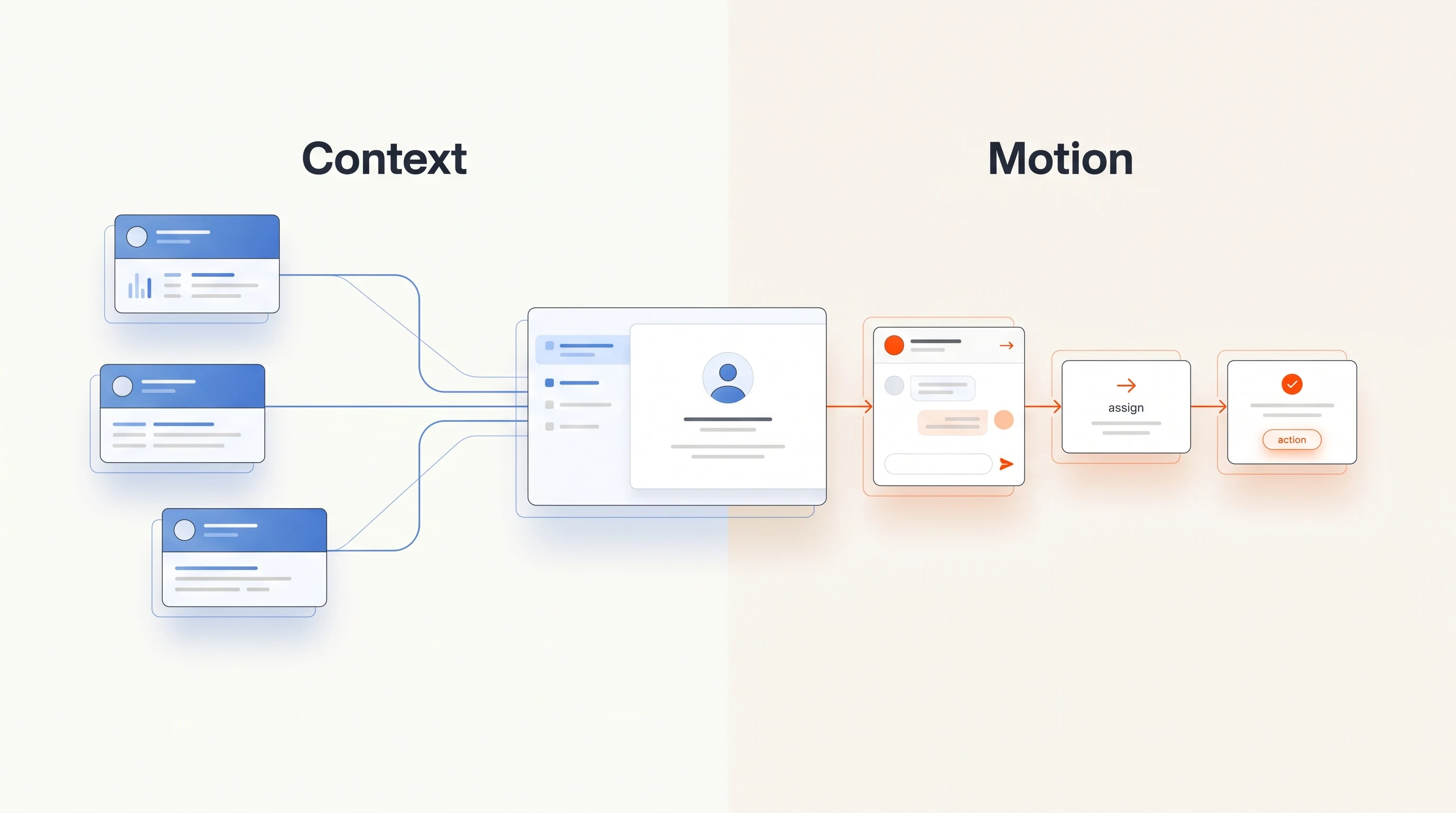
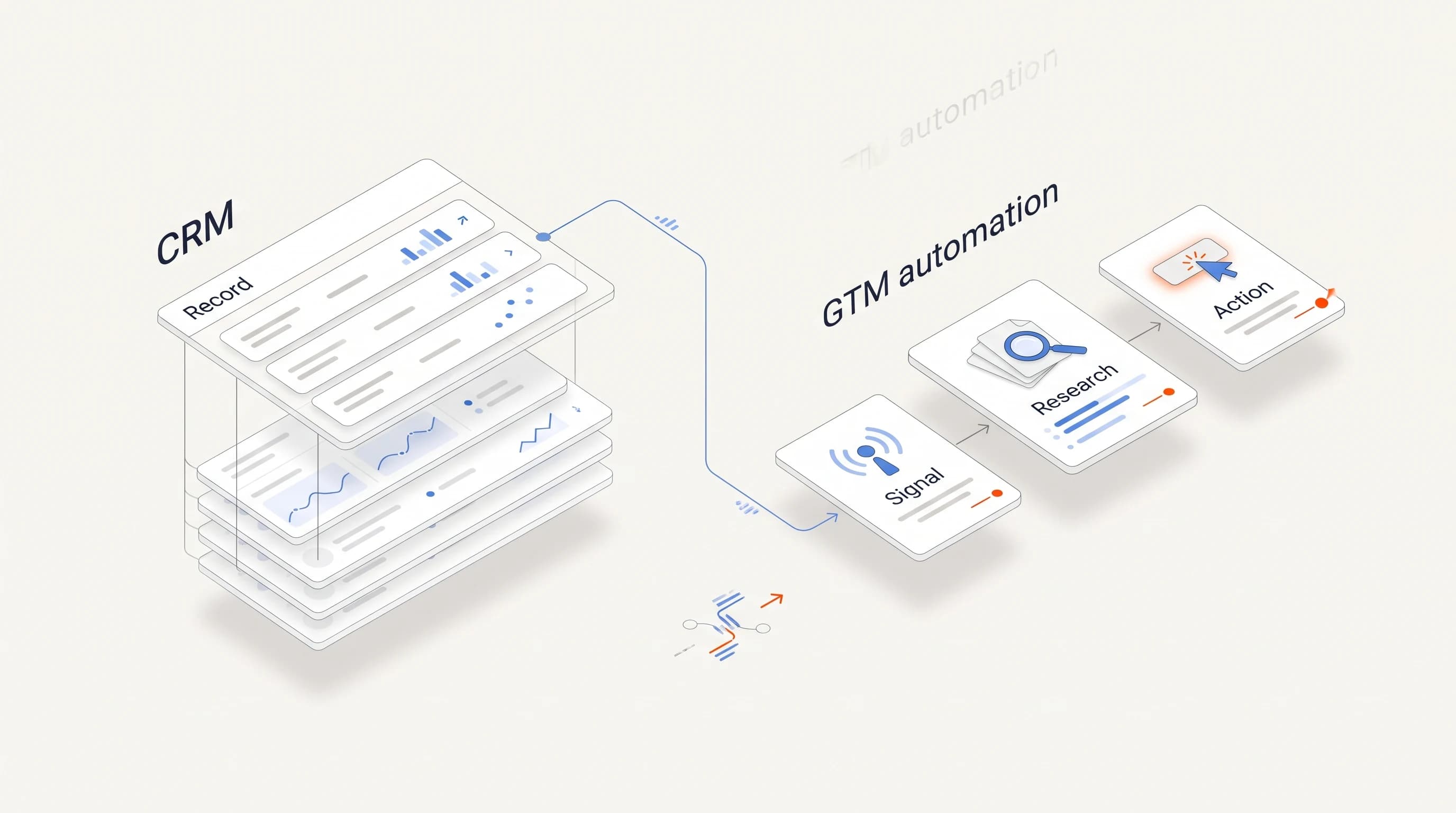
A CRM is a system of record: it stores your accounts, contacts, deals and the activity your team logs. A dedicated GTM automation platform is a system of action: it finds accounts worth contacting, decides who to reach and when, and carries out the next step. Most B2B teams need both, in different roles. The real decision is which work is still manual today, and which tool should own it.
Three things to know
- A CRM records what your team already knows; a GTM automation platform creates new work, such as a qualified account, a selected contact or a drafted message.
- Buying a GTM platform rarely means replacing the CRM. It means deciding which steps of your go-to-market process the platform owns.
- The most common failure is not picking the wrong category but leaving a gap between them: activity that never gets written back to the CRM.
Record versus action: the core difference
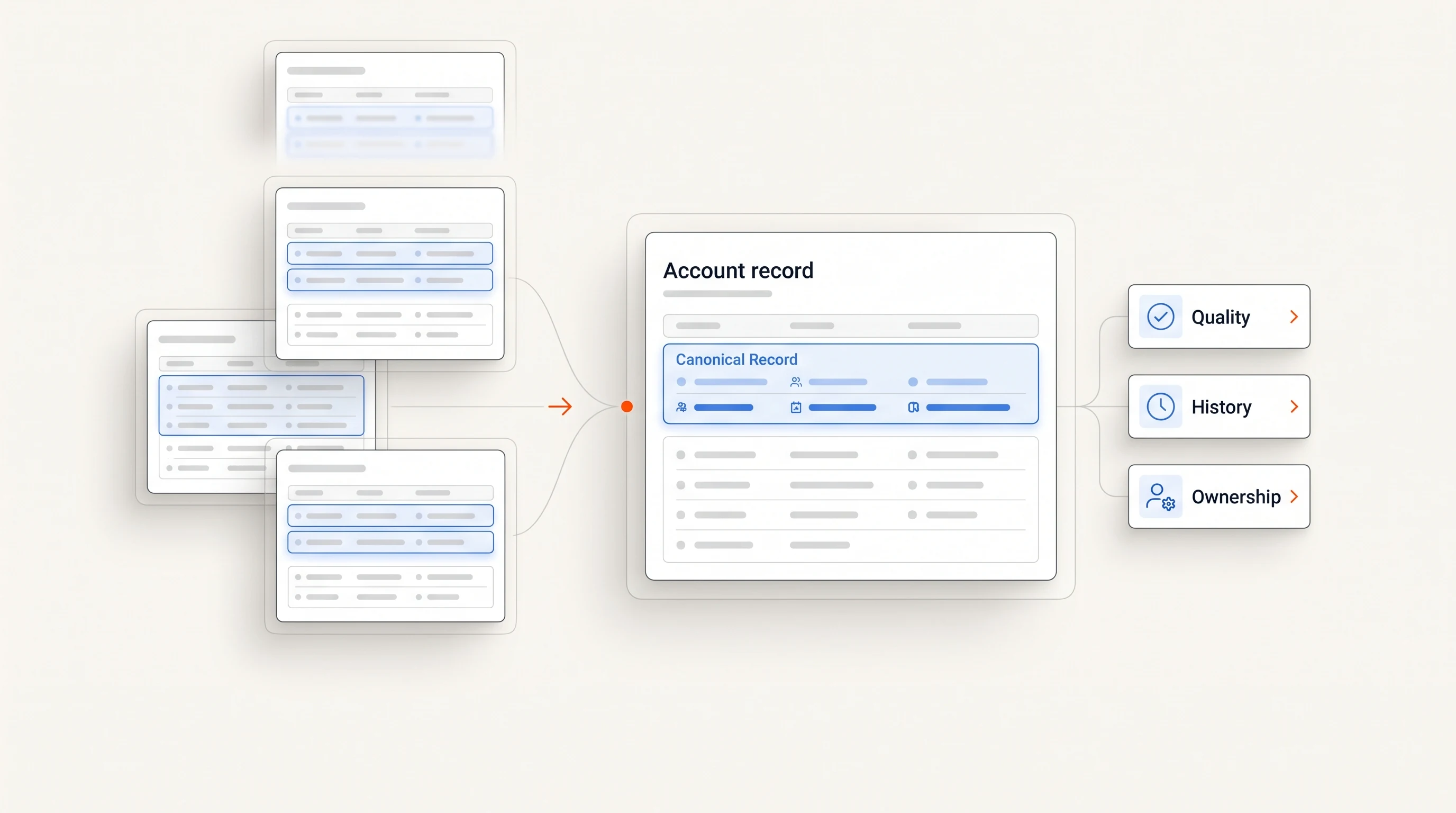
A CRM answers the question "what has happened with this account?" It holds the shared context: who owns the account, which deals are open, what was said on the last call. It is also where pipeline reporting and forecasting live. A CRM is mostly passive. It changes when a person, or an integration, writes to it (Intempt).
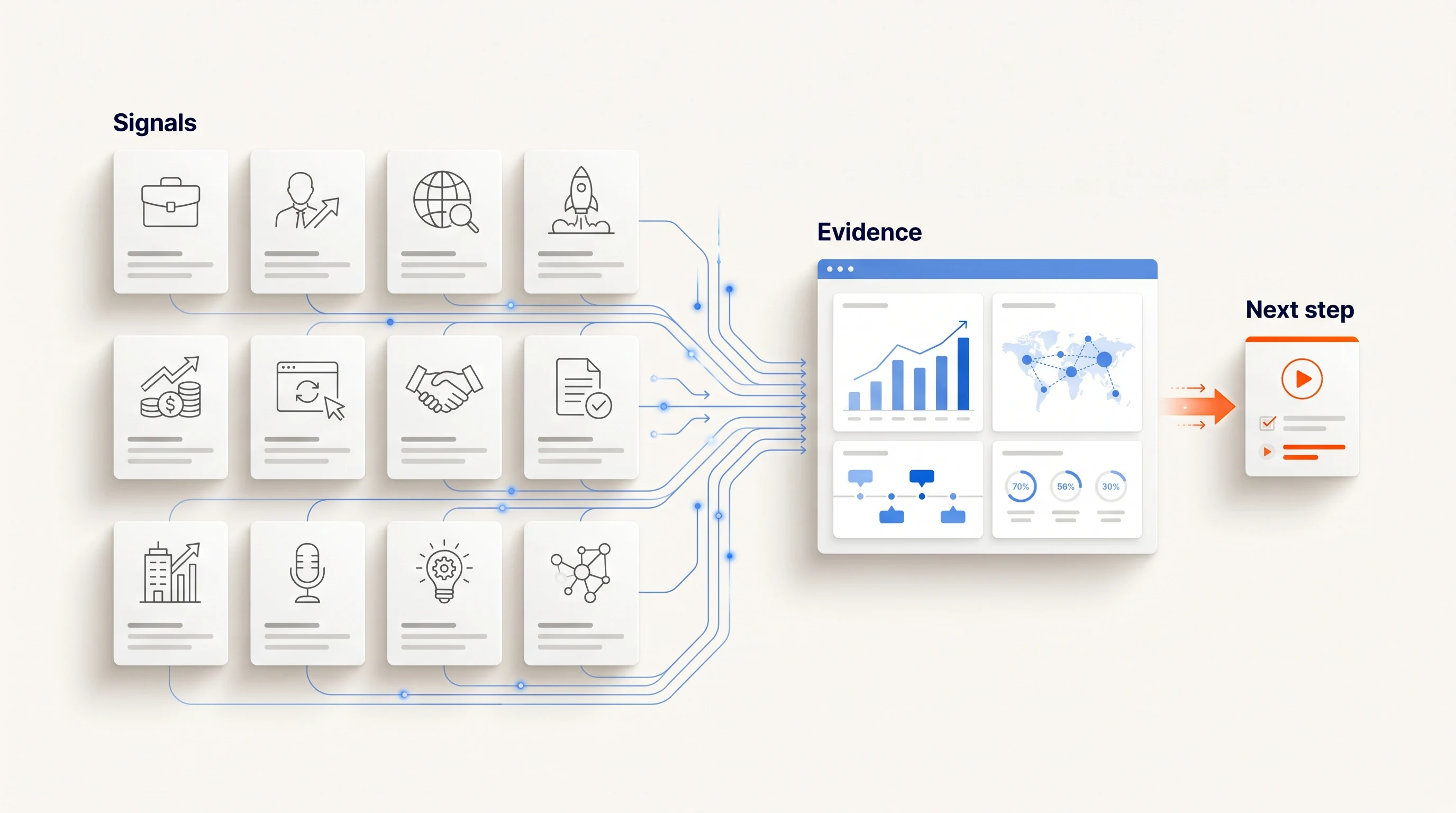
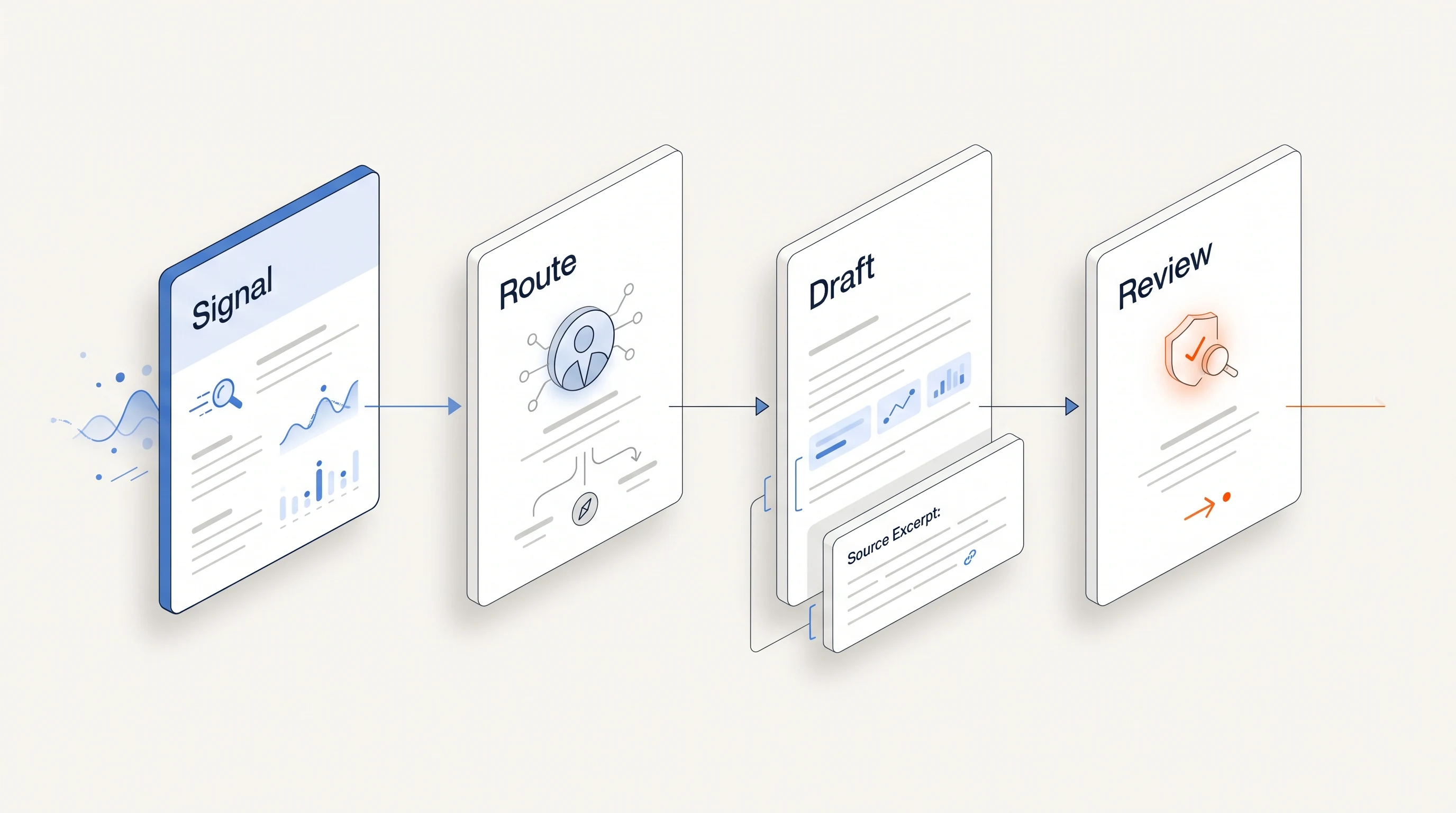
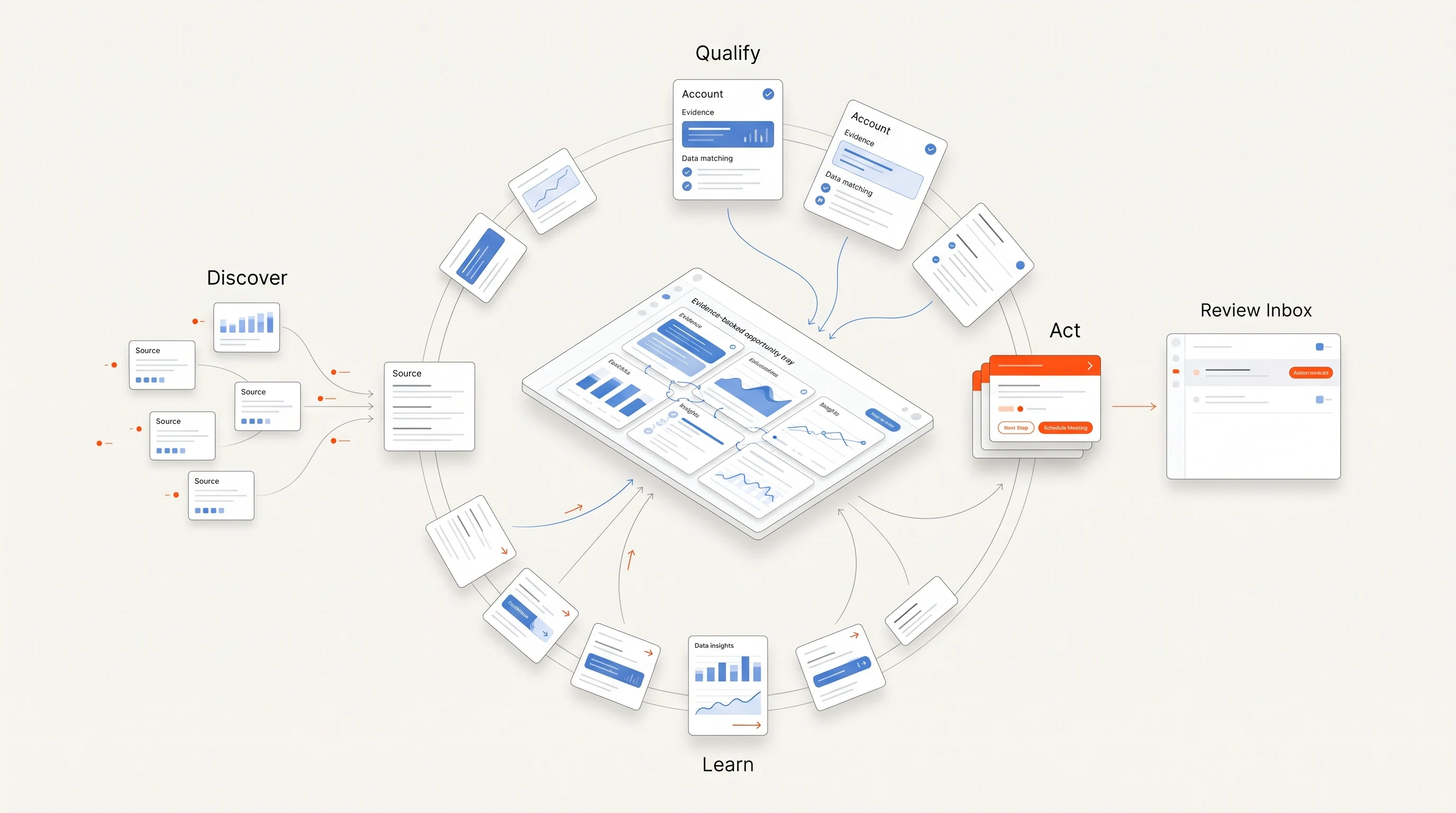
A GTM automation platform answers a different question: "what should happen next, and with whom?" It watches for signals, qualifies accounts against your criteria, picks a contact and starts an action. Vendors use the label loosely, for everything from a CRM suite with sequences to an AI outbound engine, so the useful question is not whether a product is a "GTM platform" but which parts of your go-to-market it actually runs (Salesworx).
What a CRM does well, and where it stops
A CRM is good at the things a team needs to agree on:
- one record per account and contact, with a clear owner;
- deal stages, pipeline and forecasting;
- a history of activity that anyone on the team can read.
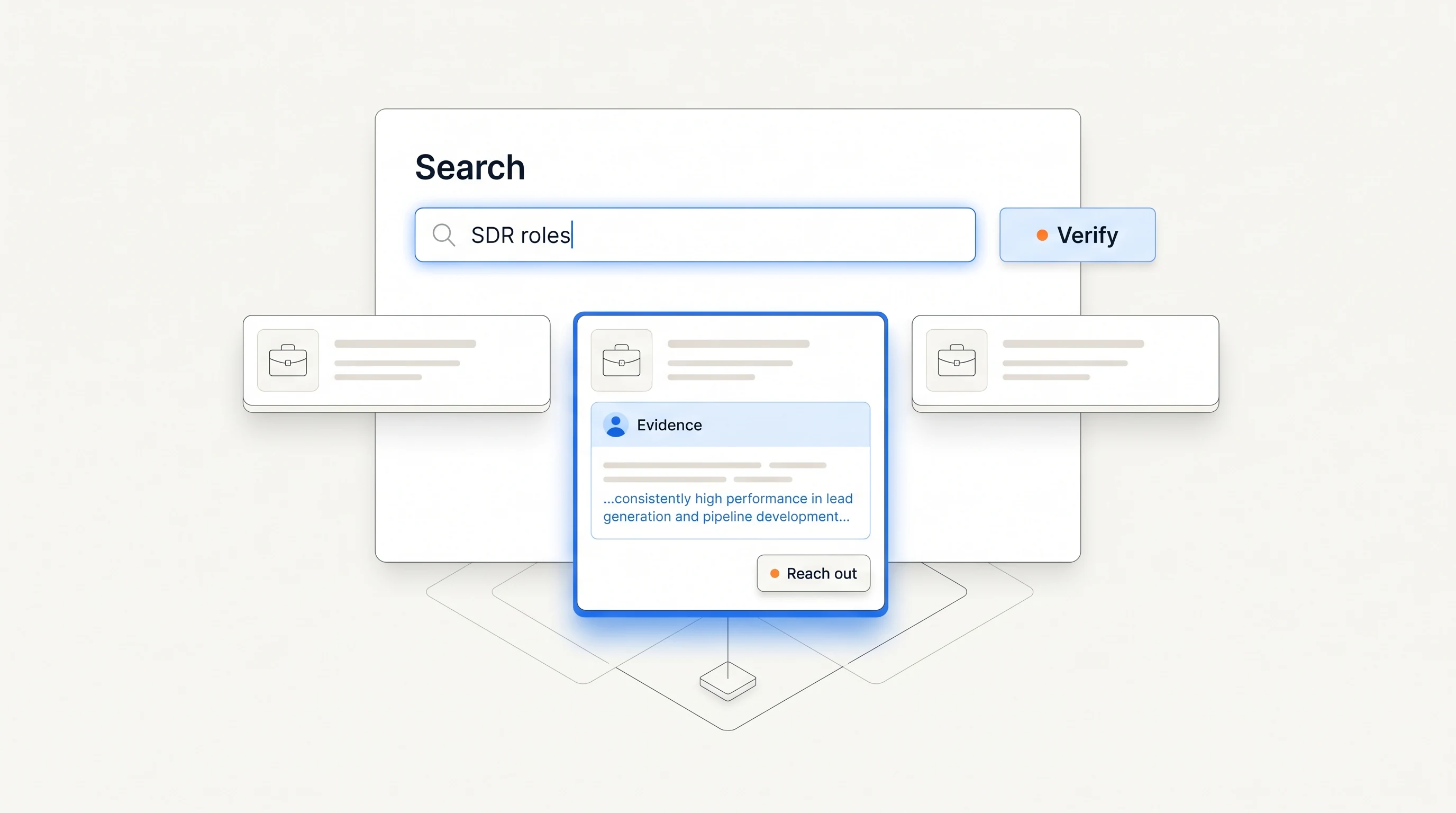
Where it stops is the moment work needs to be started rather than recorded. A CRM does not notice that a target account just opened three sales roles, and it does not decide who there should hear from you. Native workflow automation can create a task when a field changes, but it only reacts to data that has already reached the CRM. If finding new accounts, choosing contacts and writing first messages are still manual, a better CRM will not fix that.
What a dedicated GTM automation platform adds
A GTM automation platform takes over steps that a person would otherwise start by hand:
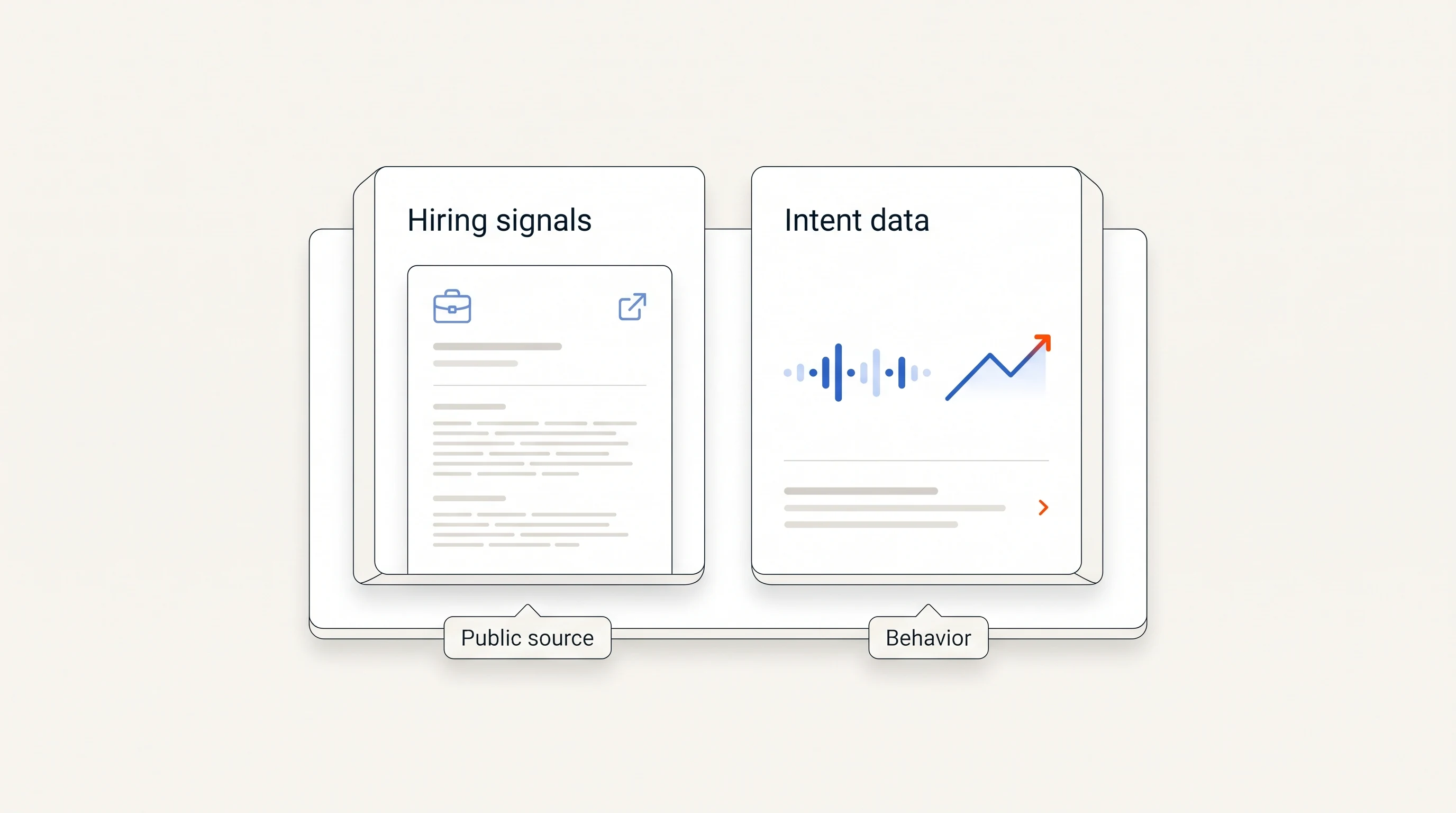
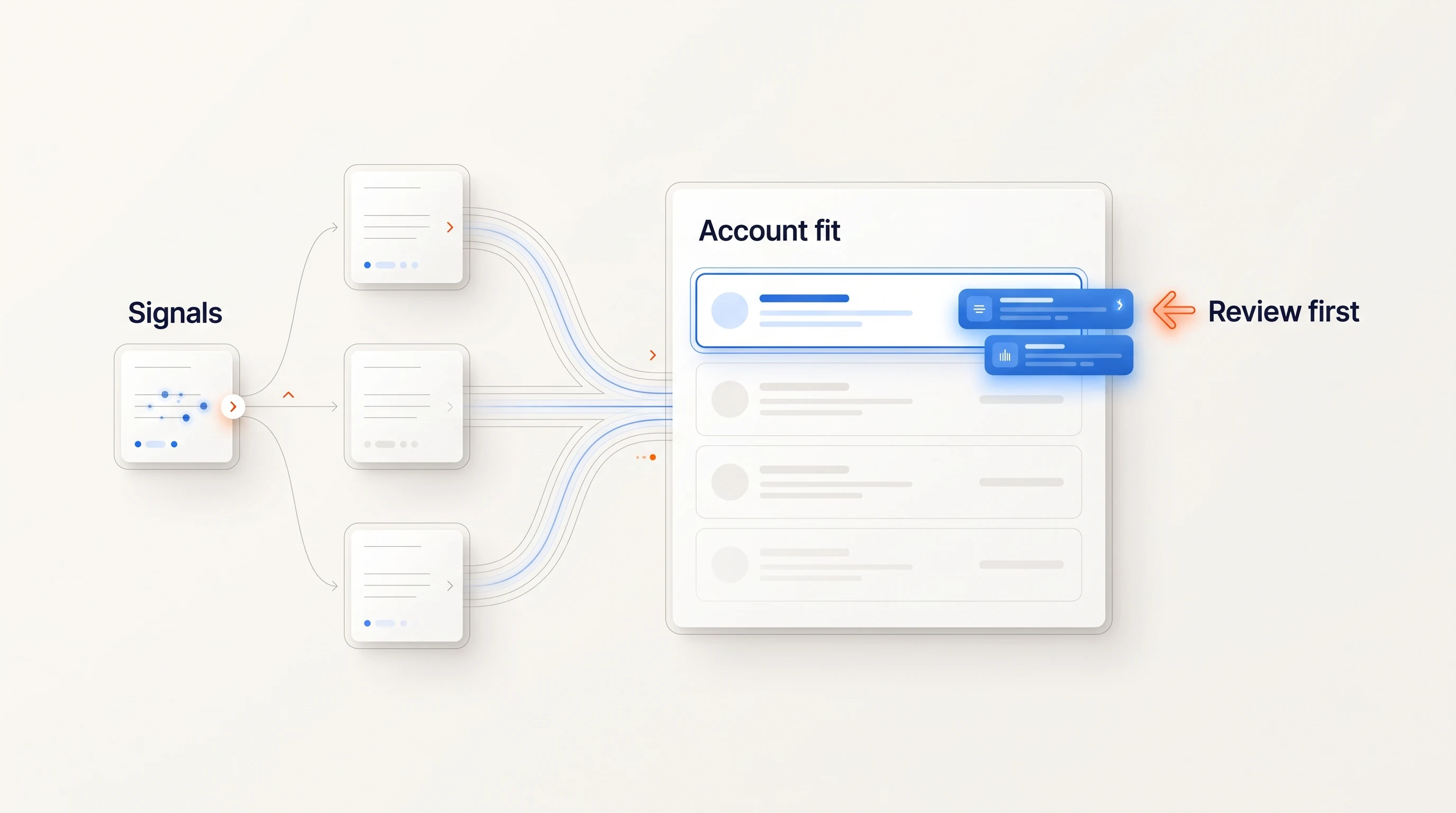
- Signal detection: watching public or first-party sources for changes such as hiring, funding, product usage or website visits.
- Qualification: checking each account against your ideal customer profile before anyone spends time on it.
- Contact selection: choosing who at the account should be contacted, and why.
- Execution: drafting the message, sending within limits and stopping follow-ups when someone replies.
Coverage varies a lot between vendors. Some platforms only handle outbound prospecting; others also cover deal progression or the existing customer base. Ask which of these steps a vendor runs end to end, and which still need a person.
CRM vs. GTM automation platform at a glance
| Criterion | CRM | GTM automation platform |
|---|---|---|
| Primary job | Keep the record of accounts, contacts, deals and activity | Find and start new work: accounts, contacts, messages, follow-ups |
| Orientation | Inward: what the team already knows | Outward: what changed in the market |
| How data arrives | People and integrations write to it | It creates records and actions from signals |
| Core strength | Shared context, pipeline, forecasting | Timing, qualification, consistent follow-through |
| Typical gap | Nothing happens until someone acts | Often covers only one motion, such as outbound |
| What to evaluate | Data model, API access, native automation, admin effort | Which steps it owns, the evidence behind each action, what it writes back |
How to decide which layers a platform should own
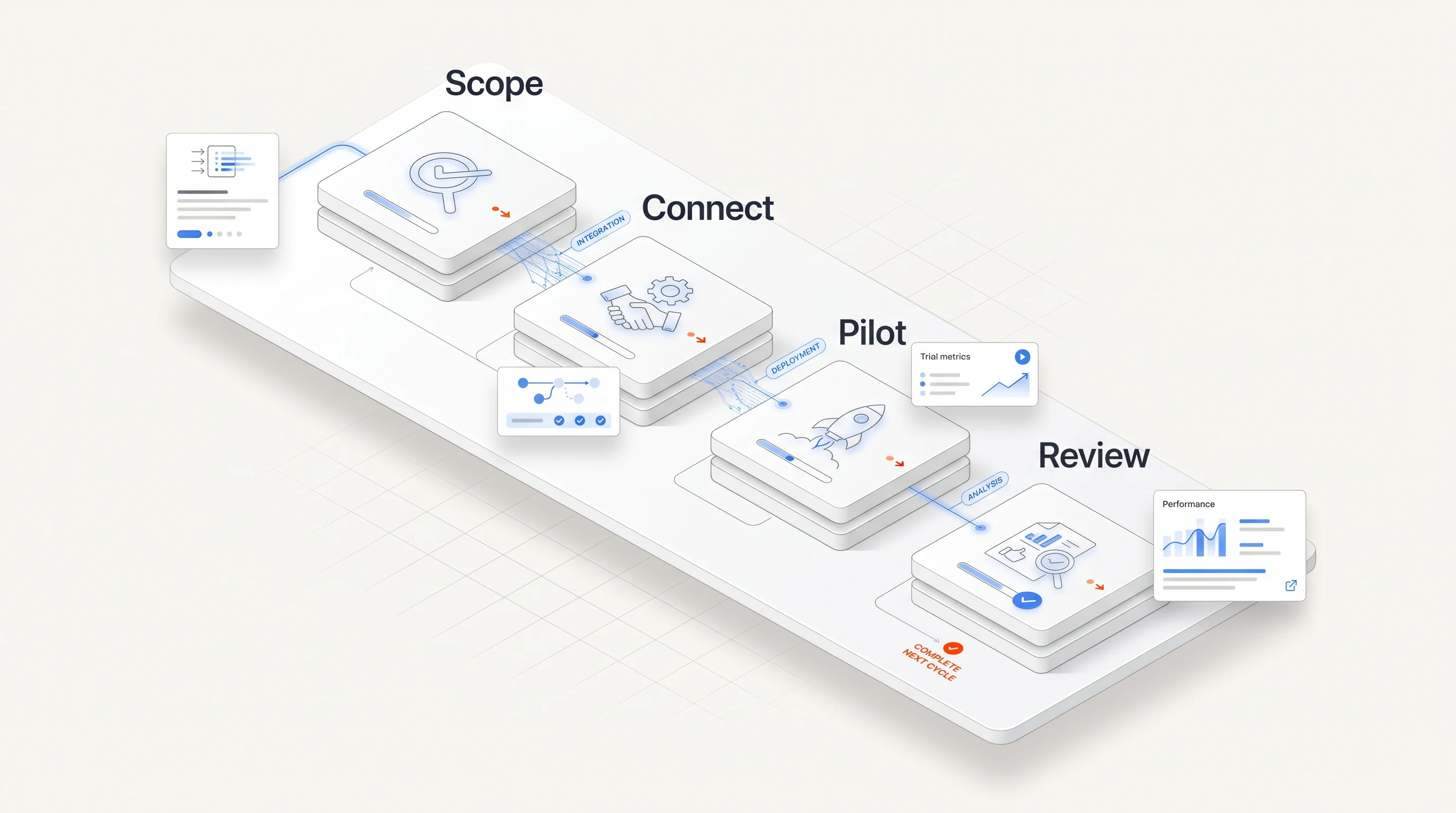
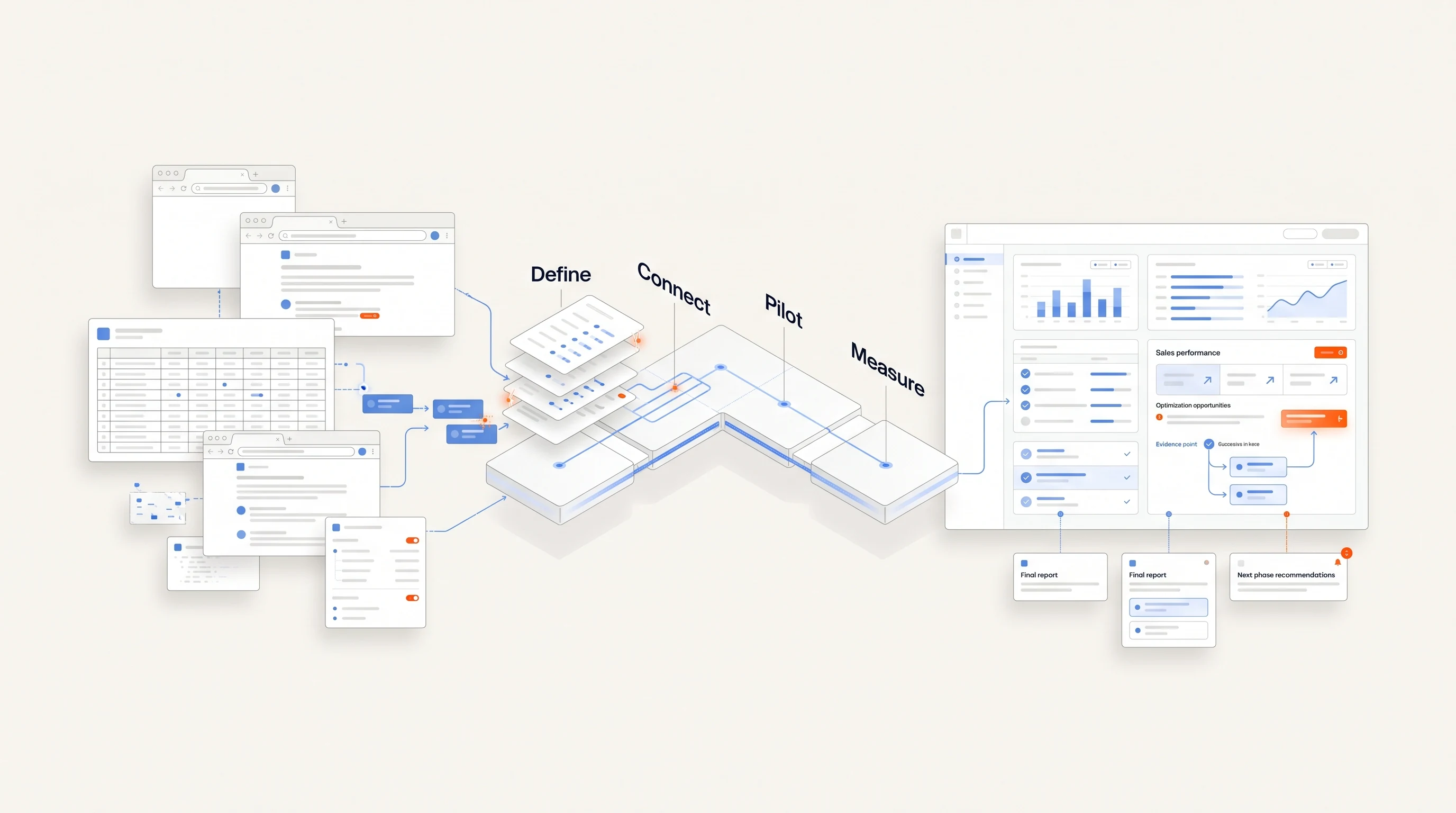
Start with the work, not the category. Write down five things that should happen every week and currently depend on someone remembering them. For example: checking target accounts for changes, researching who to contact, writing a first message, following up after no reply, and logging the outcome. For each one, decide whether the bottleneck is recording or starting.
- If the bottleneck is recording and reporting (deals not updated, unreliable forecasts, no single view of an account), invest in the CRM: its data model, field hygiene and built-in automation.
- If the bottleneck is starting work (good accounts noticed too late, hours of research per lead, follow-ups that slip), that is the layer a GTM automation platform should own.
Judge the CRM on how easy it is to build on: the depth of its data model, the quality of its API and whether its automation is native, because every other tool in the stack connects to it (The GTM Builder). Judge a GTM platform on coverage and on the evidence it keeps for each action.
The integration gap most comparisons miss
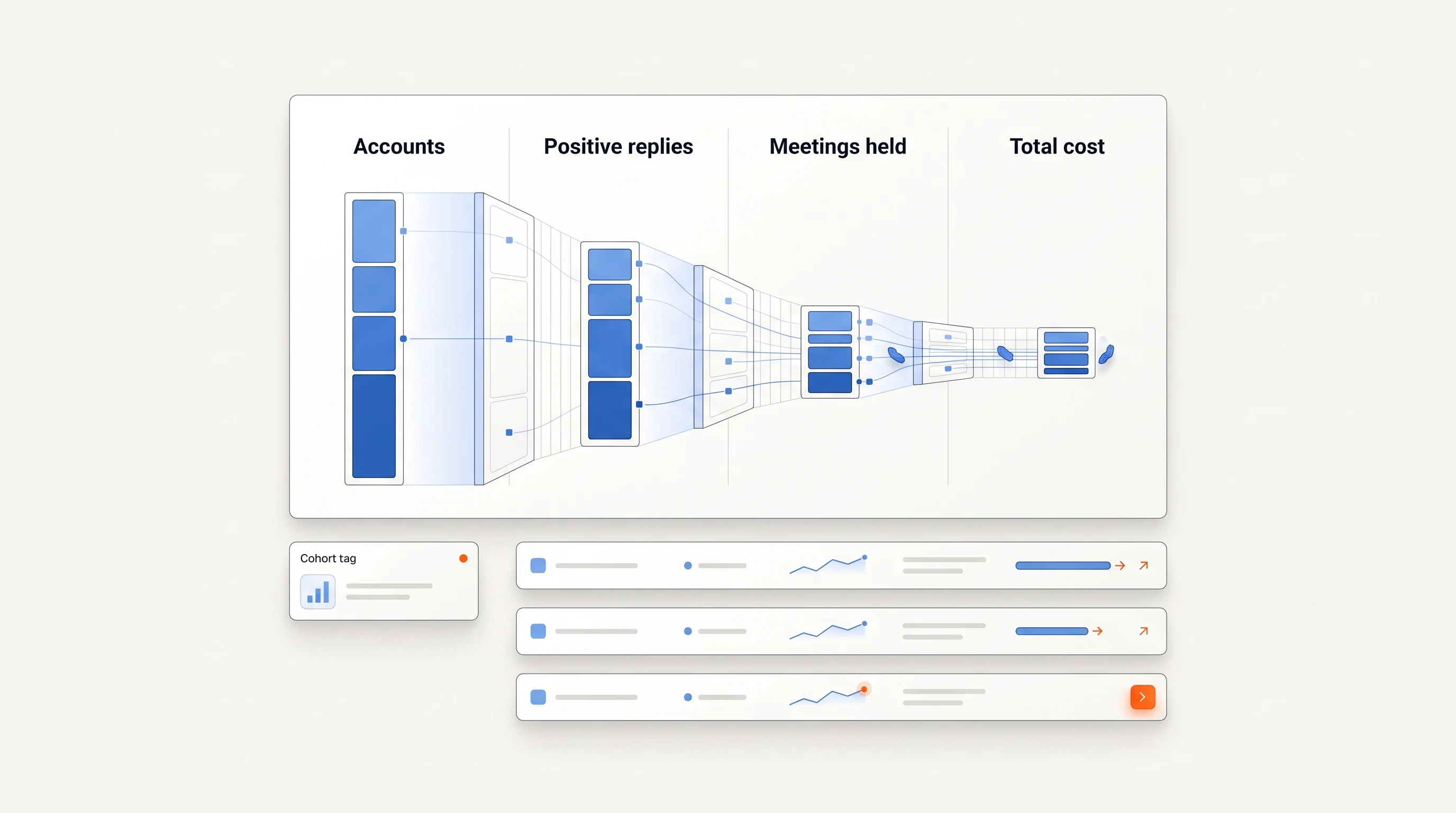
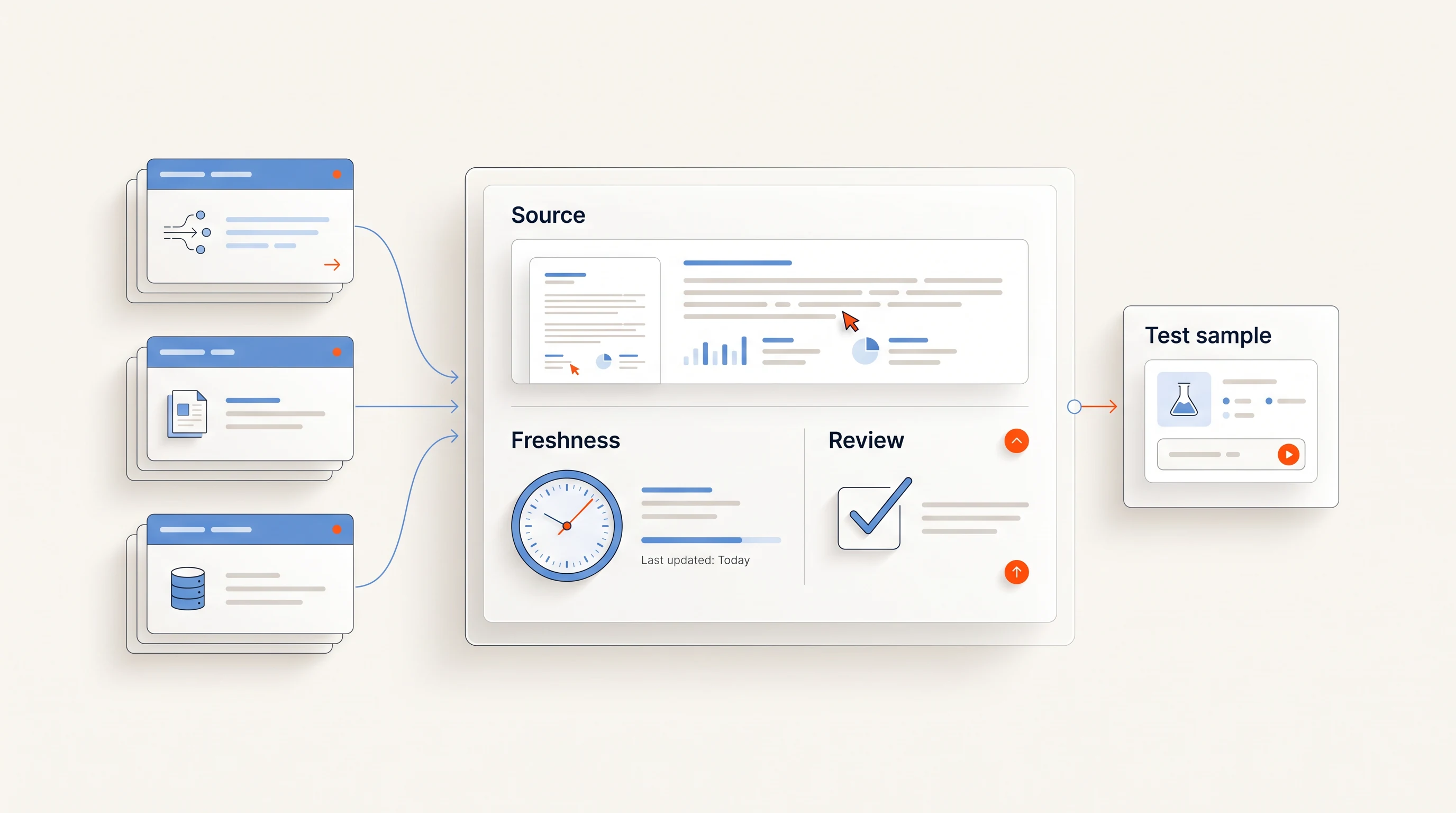
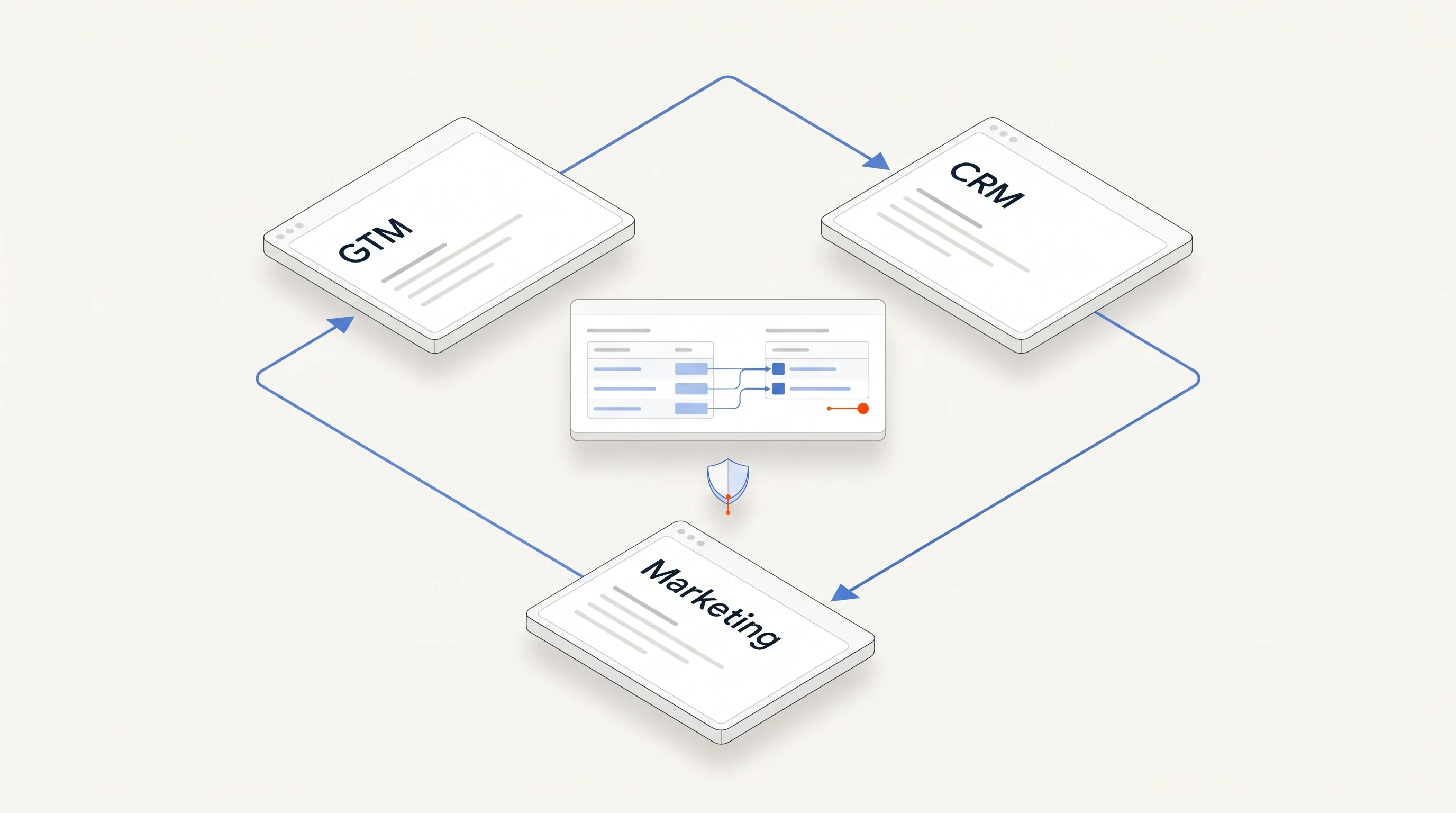
The bigger risk is a gap between the two systems. When activity stays inside an outreach tool and never reaches the CRM, you cannot measure what turns a lead into a meeting or a meeting into a qualified opportunity. One demand-generation guide gives a concrete example: when an SDR accepts a lead, that acceptance needs a timestamp in both the CRM and the marketing automation platform, or you cannot measure response times or tell marketing whether its leads are worked quickly (Lative).
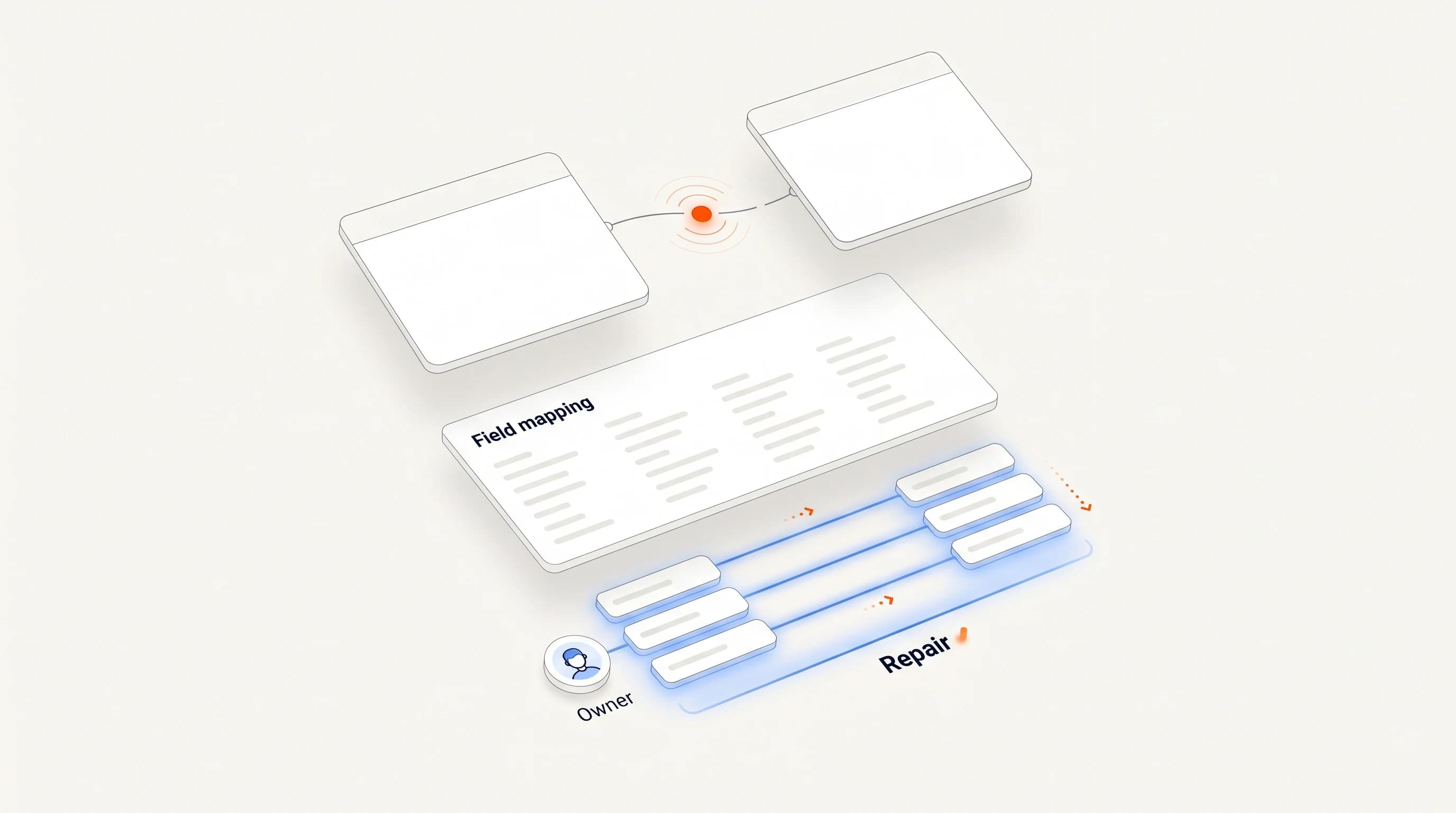
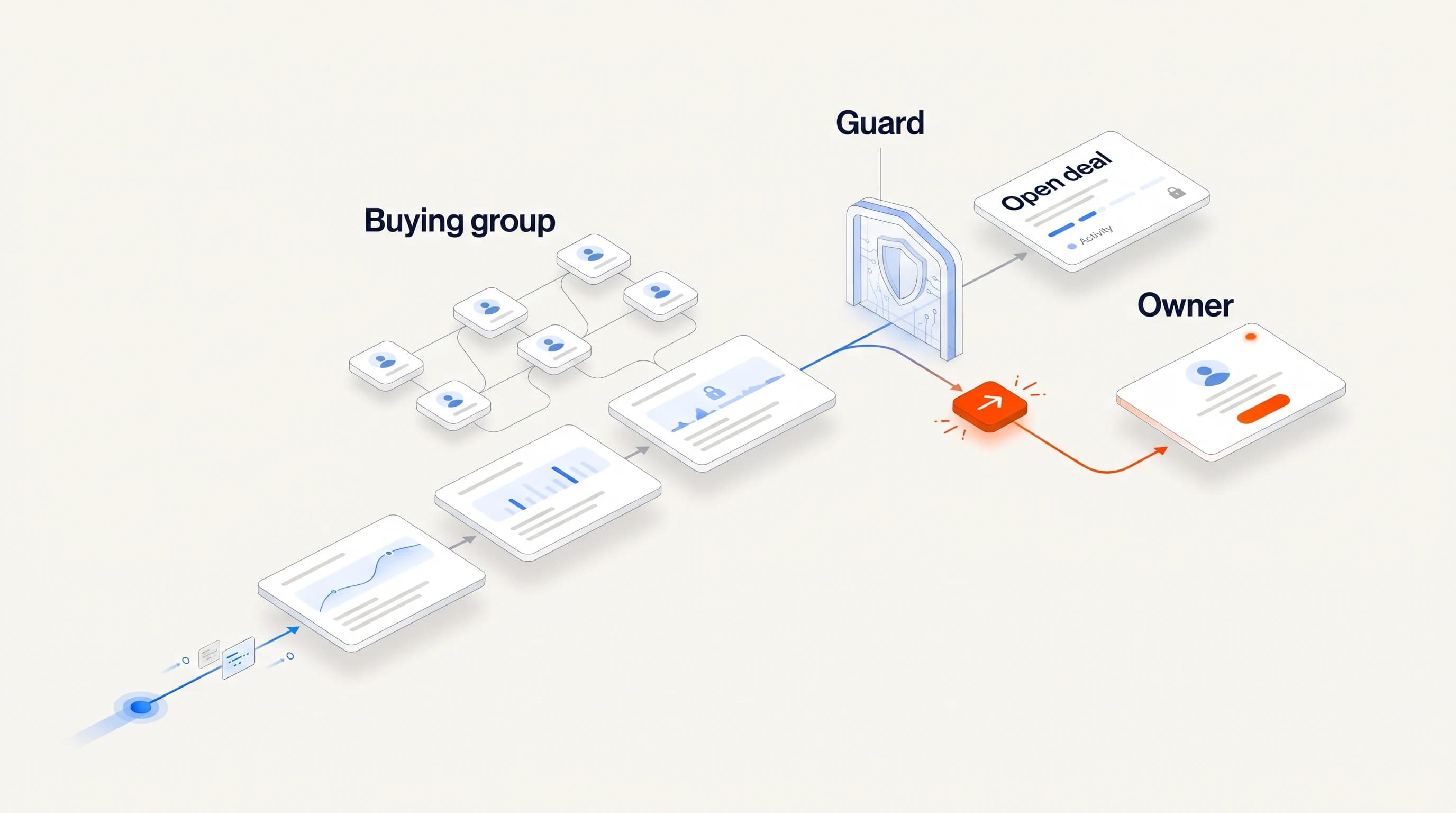
Before you buy, ask which fields and timestamps the platform writes back, which CRM fields it will never overwrite, and how it checks ownership and do-not-contact status before it acts. Our CRM integration checklist turns those questions into a one-week test.
Where Perpetual fits
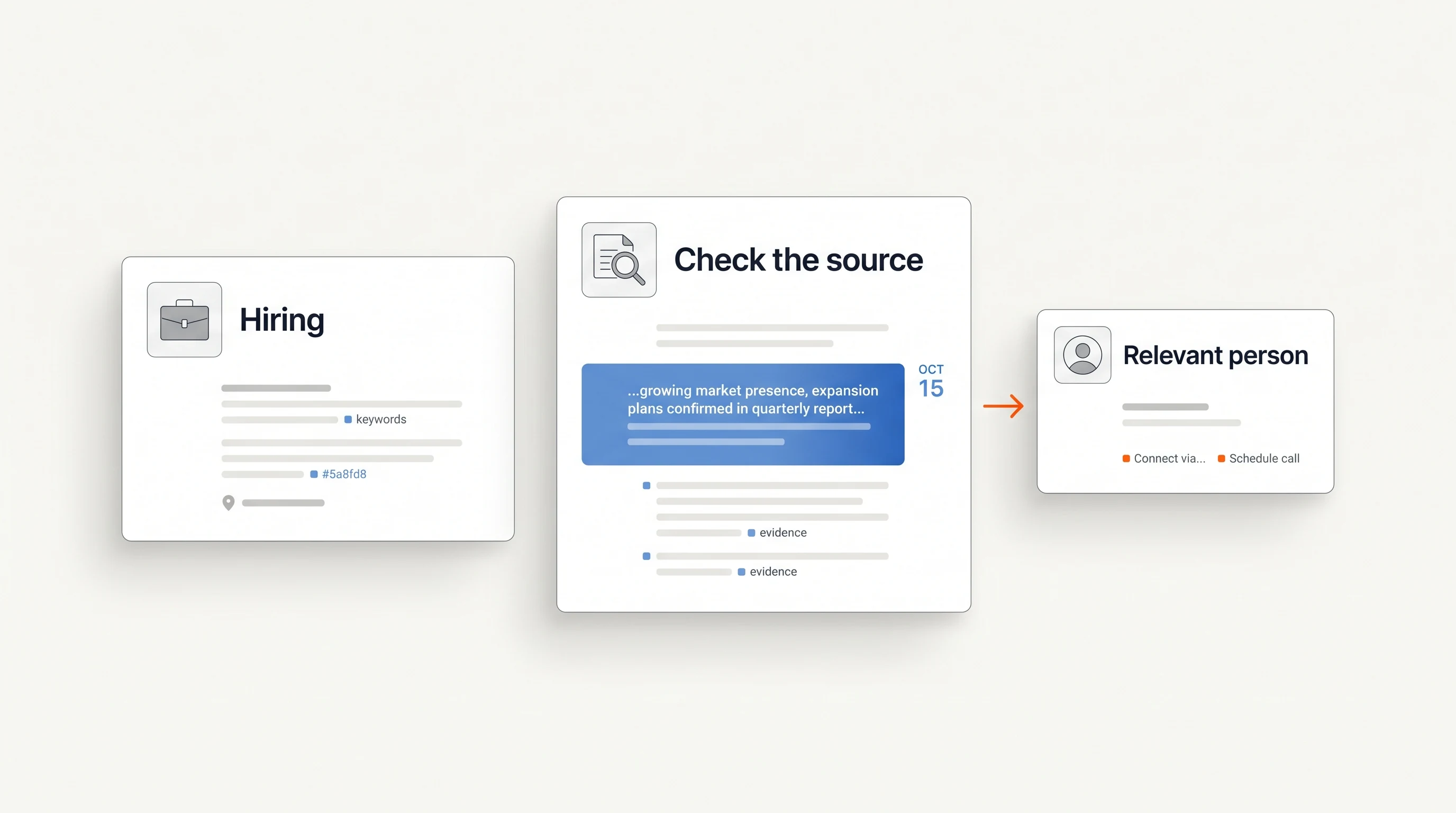
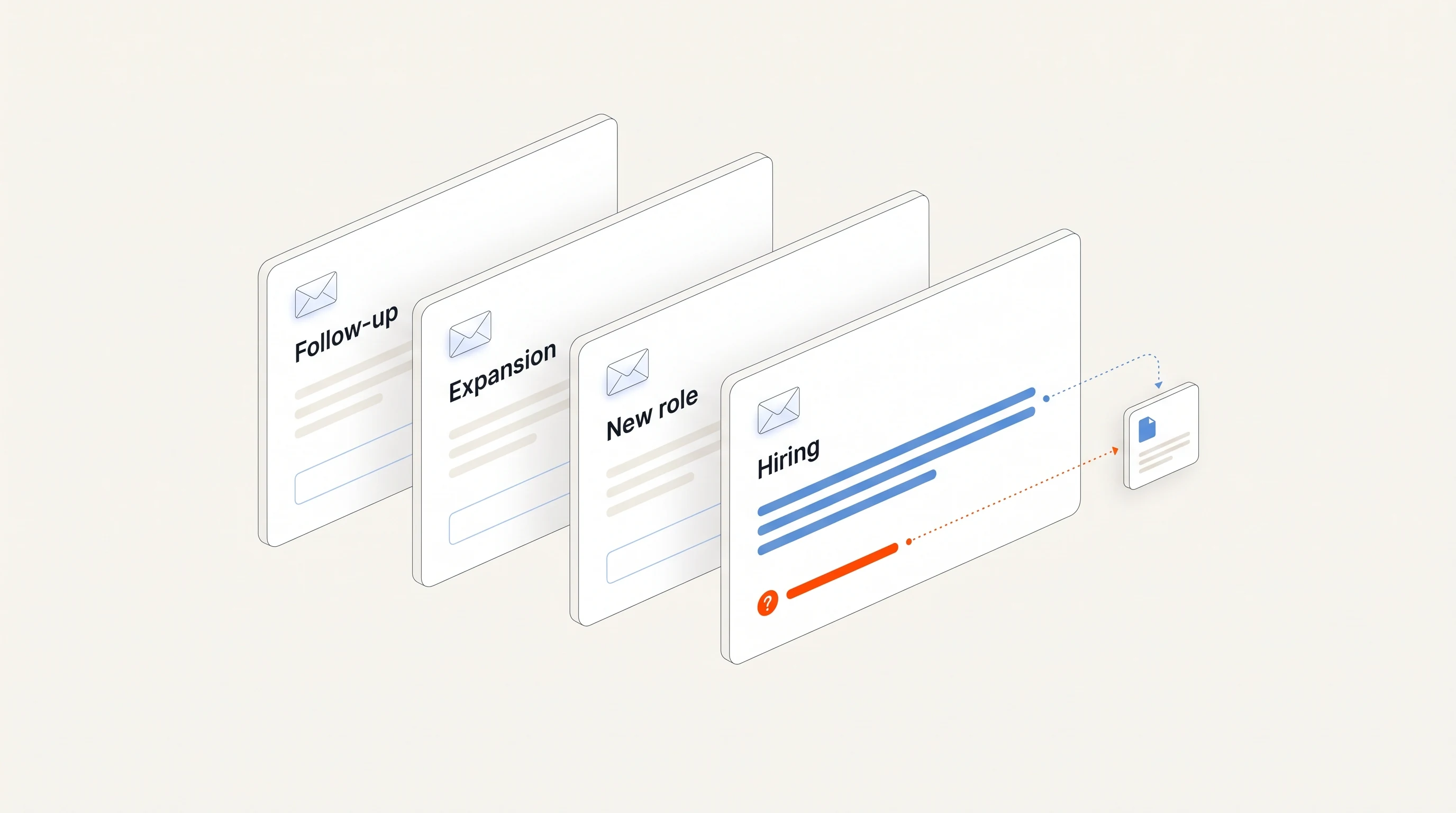
Perpetual is a GTM automation layer for one motion: signal-based outbound to new accounts. It starts from public hiring activity, qualifies companies against your offer, selects one relevant person with an explanation, and writes an opener grounded in the public source. Email is sent from your own connected mailboxes within a saved sending policy, and replies and opt-outs stop email follow-ups automatically.
Perpetual does not replace your CRM and it is not a lead database. Keep the CRM as the system of record for ownership, deals and forecasting, and use Perpetual for the work a CRM leaves to a person: noticing the change, choosing who to contact and starting the conversation.
Which do you actually need?
For most B2B teams the answer is both, in different roles: a CRM as the record the team trusts, and automation on top of it for the work that still depends on someone remembering.
The deciding question is where your missing next actions are. If your problem is recording and reporting, a stronger CRM is the fix. If good accounts go unnoticed and follow-ups slip, the missing layer is automation that starts work. A very early team with a handful of deals can begin with a lightweight CRM and add automation when finding and starting conversations becomes the constraint.
Key takeaways
| Point | Detail |
|---|---|
| Record vs. action | A CRM stores what happened; a GTM automation platform finds and starts the next piece of work. |
| You likely need both | Most teams keep their CRM and decide which steps a platform should own. |
| Find the real bottleneck | Recording problems point to the CRM; starting problems point to automation. |
| Close the gap | Whatever you buy must write outcomes and timestamps back to the CRM. |
Frequently asked questions
Is a GTM automation platform the same thing as a CRM?
No. A CRM is the system of record for accounts, contacts and deals. A GTM automation platform finds accounts, chooses contacts and starts actions. Some suites bundle both, but the jobs are different.
Do I need to replace my CRM with a GTM platform?
Usually not. Most teams keep the CRM as the system of record and add a platform for the steps that are still manual, such as finding accounts and starting outreach.
What should a GTM platform write back to my CRM?
At minimum, outcomes such as replies and meetings, with timestamps and the contact and company they belong to. It should not overwrite fields your team maintains by hand, such as owner, stage or deal amount.