Skip to content

JournalEvaluationNo. 20

Affordable Signal-Based Pipeline Generation Tools for Bootstrapped Startups

A practical guide to affordable signal-based pipeline generation tools for bootstrapped startups, with what to look for and where to start.

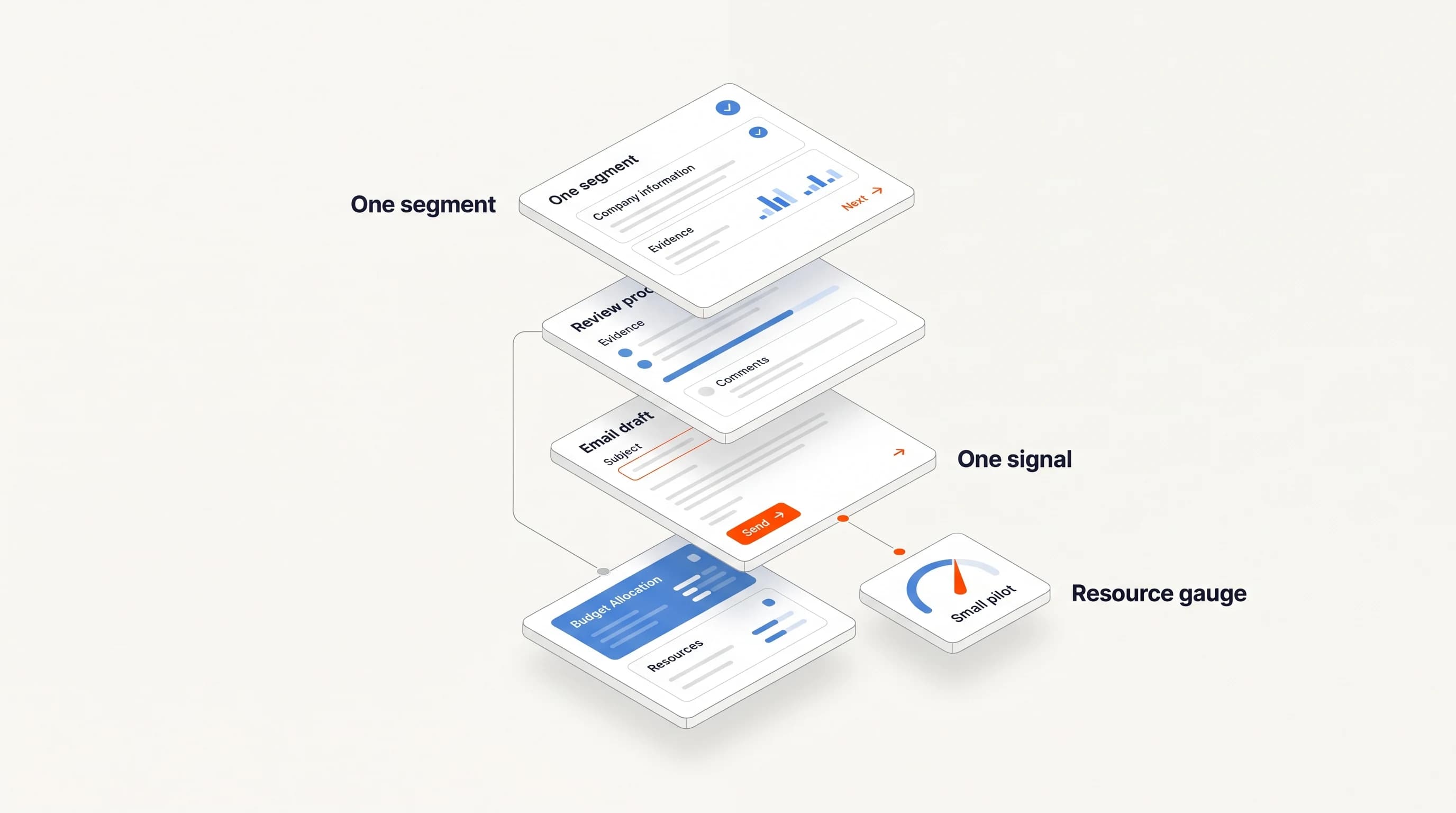
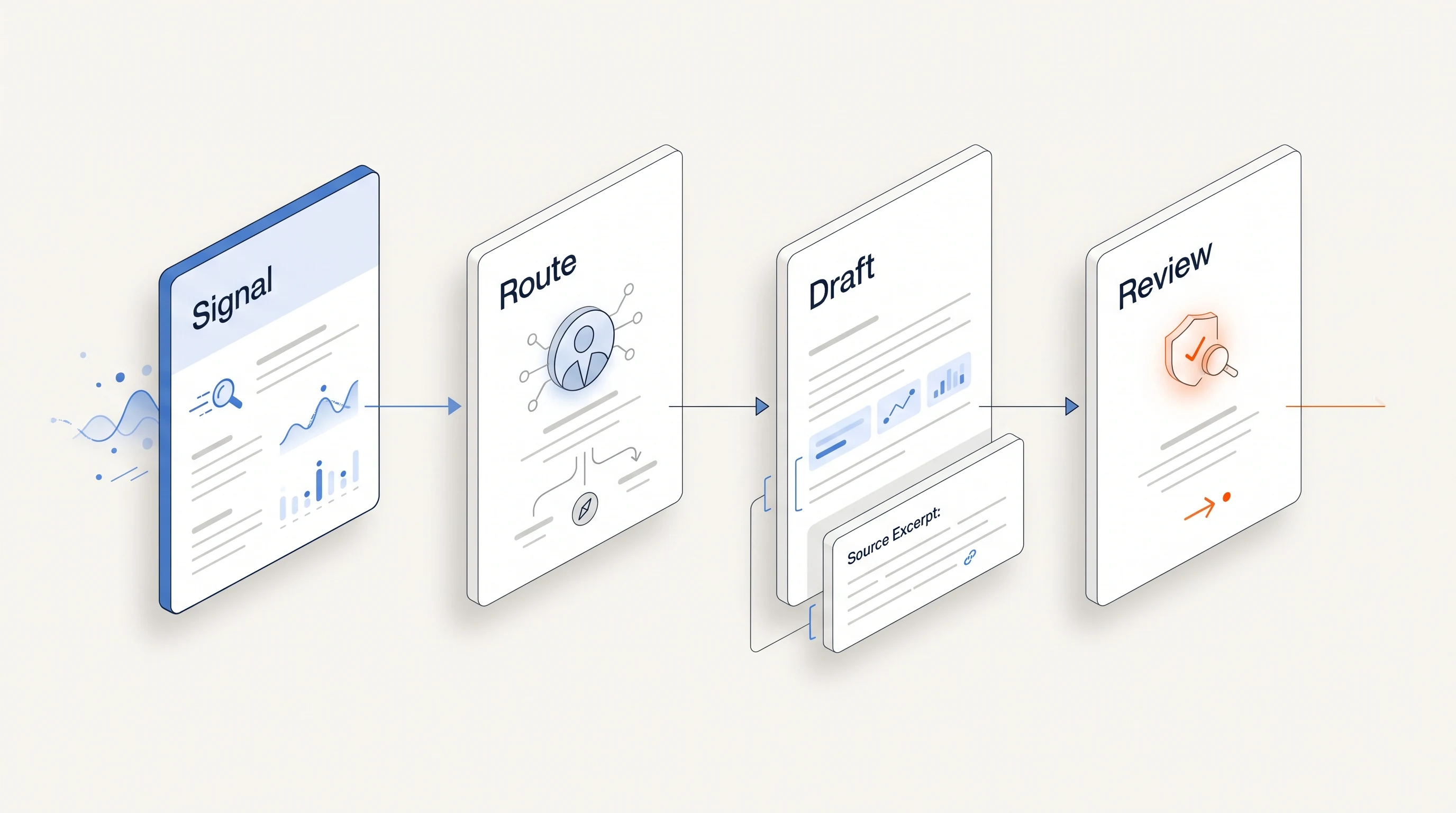
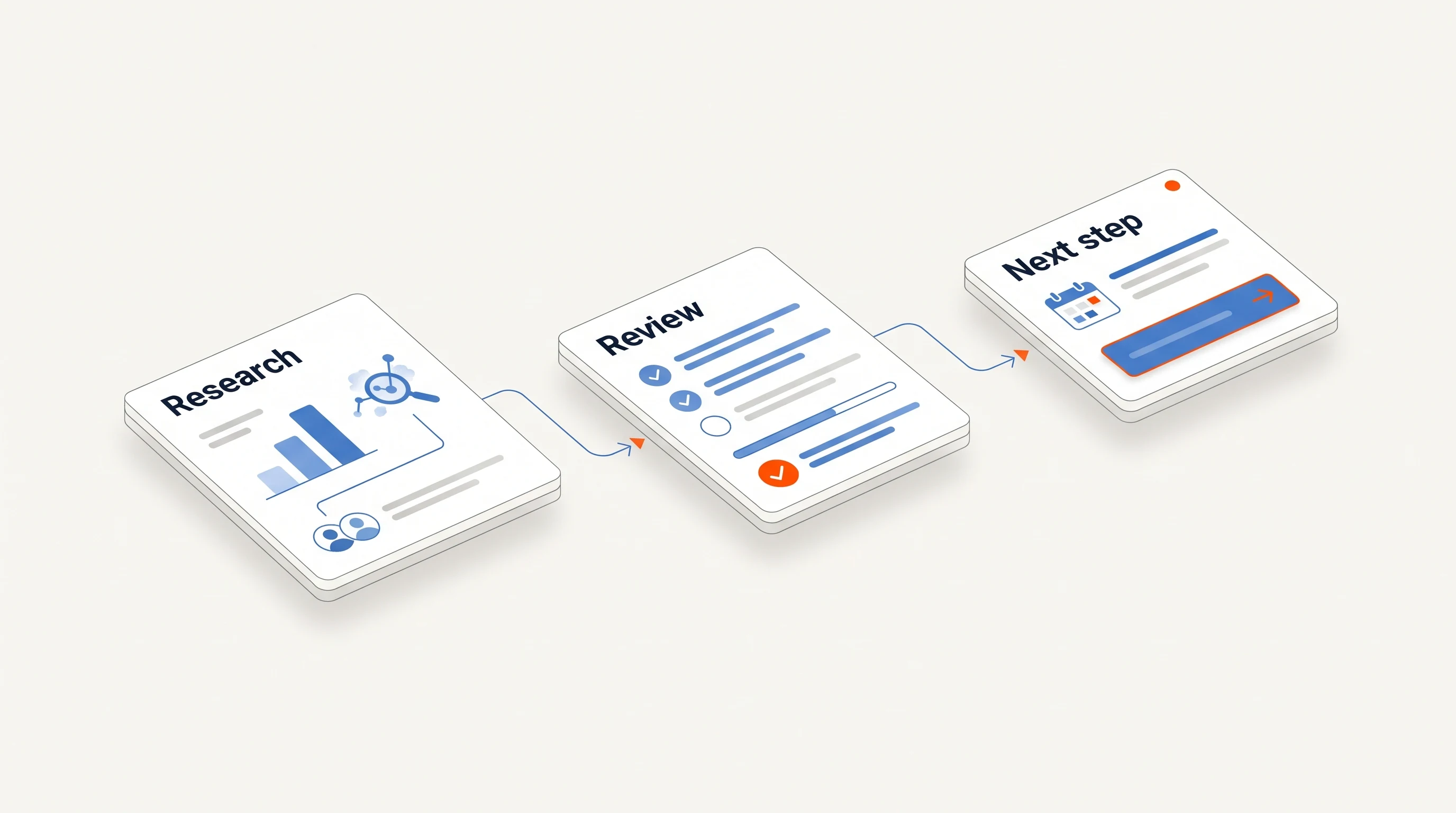
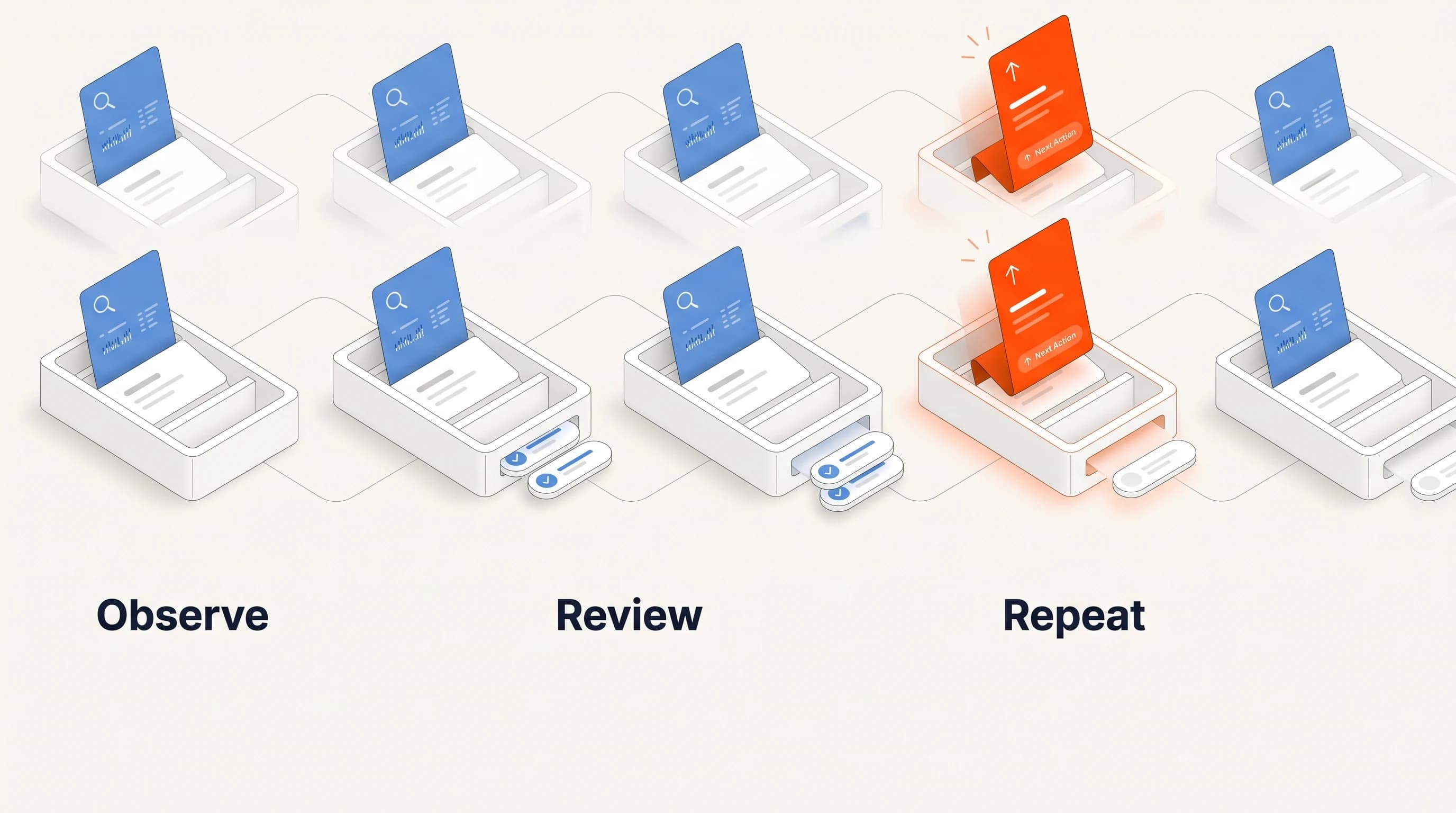
A lean pipeline setup focuses on one segment, one signal and a small pilot.
Contents
  1. 01What signal-based pipeline generation actually means
  2. 02Why affordability matters for bootstrapped teams
  3. 03Start with a free CRM to hold your pipeline
  4. 04All-in-one platforms that bundle the stack
  5. 05What separates a good pipeline tool from a time sink
  6. 06Avoid tools that need a dedicated admin
  7. 07How to choose without overspending
  8. 08Where Perpetual fits

Published by Perpetual

Signal-based pipeline generation means finding prospects who are already showing intent — browsing your pricing page, asking for recommendations, or hiring for a role your product serves — instead of buying static contact lists. For a bootstrapped startup, the practical question is how to capture those signals without an enterprise budget. The short answer: start with a free or low-cost CRM to hold your pipeline, layer on one or two signal-monitoring tools, and only pay for features you will actually use in the next six months.

Three things to know

  • Signal-based tools surface prospects already showing intent rather than cold, purchased lists.
  • A free CRM tier can often carry a bootstrapped startup through its first 6–12 months.
  • Affordable all-in-one platforms bundle CRM, pipeline, and automation to avoid paying for five separate tools.

What signal-based pipeline generation actually means

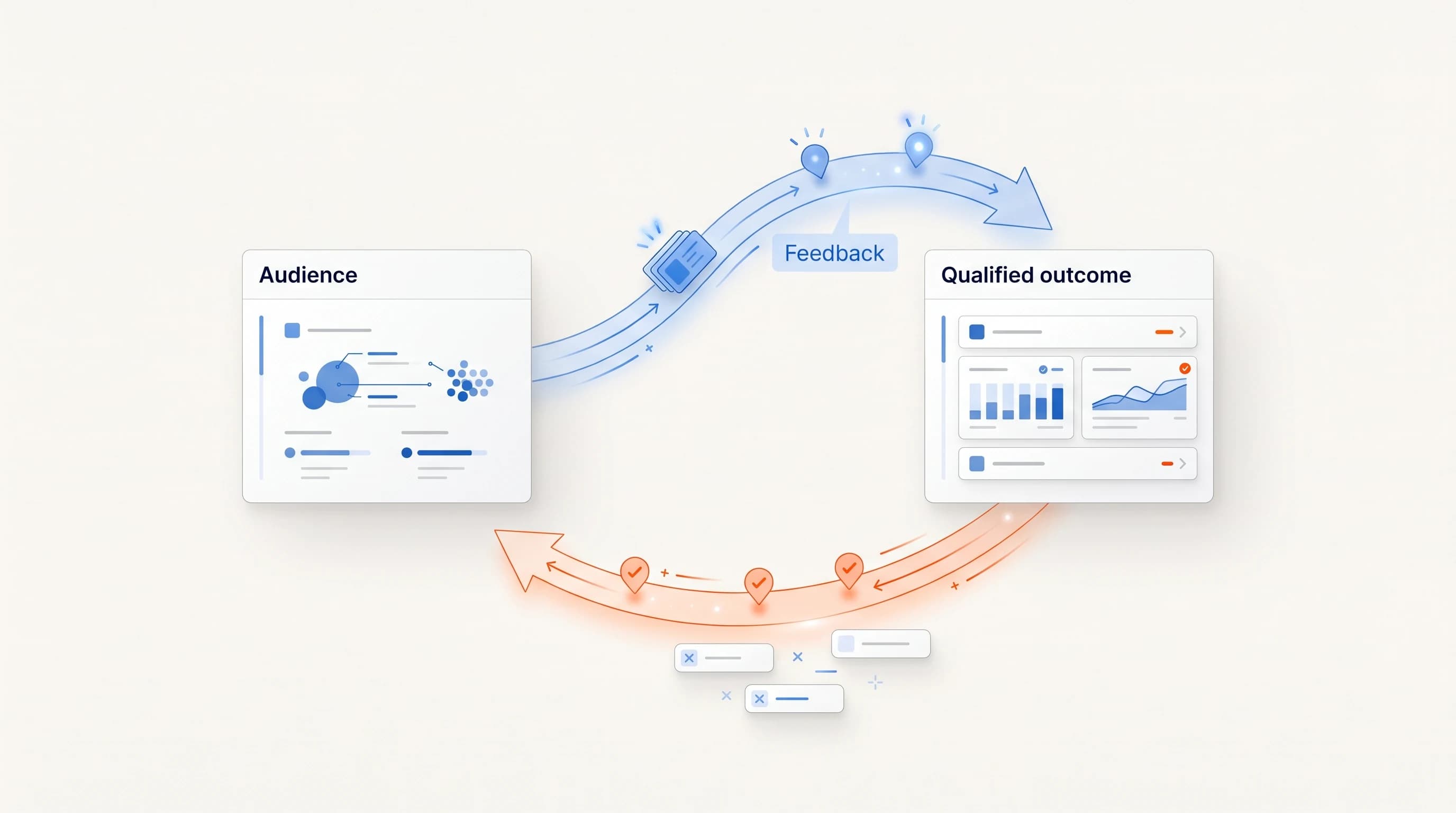
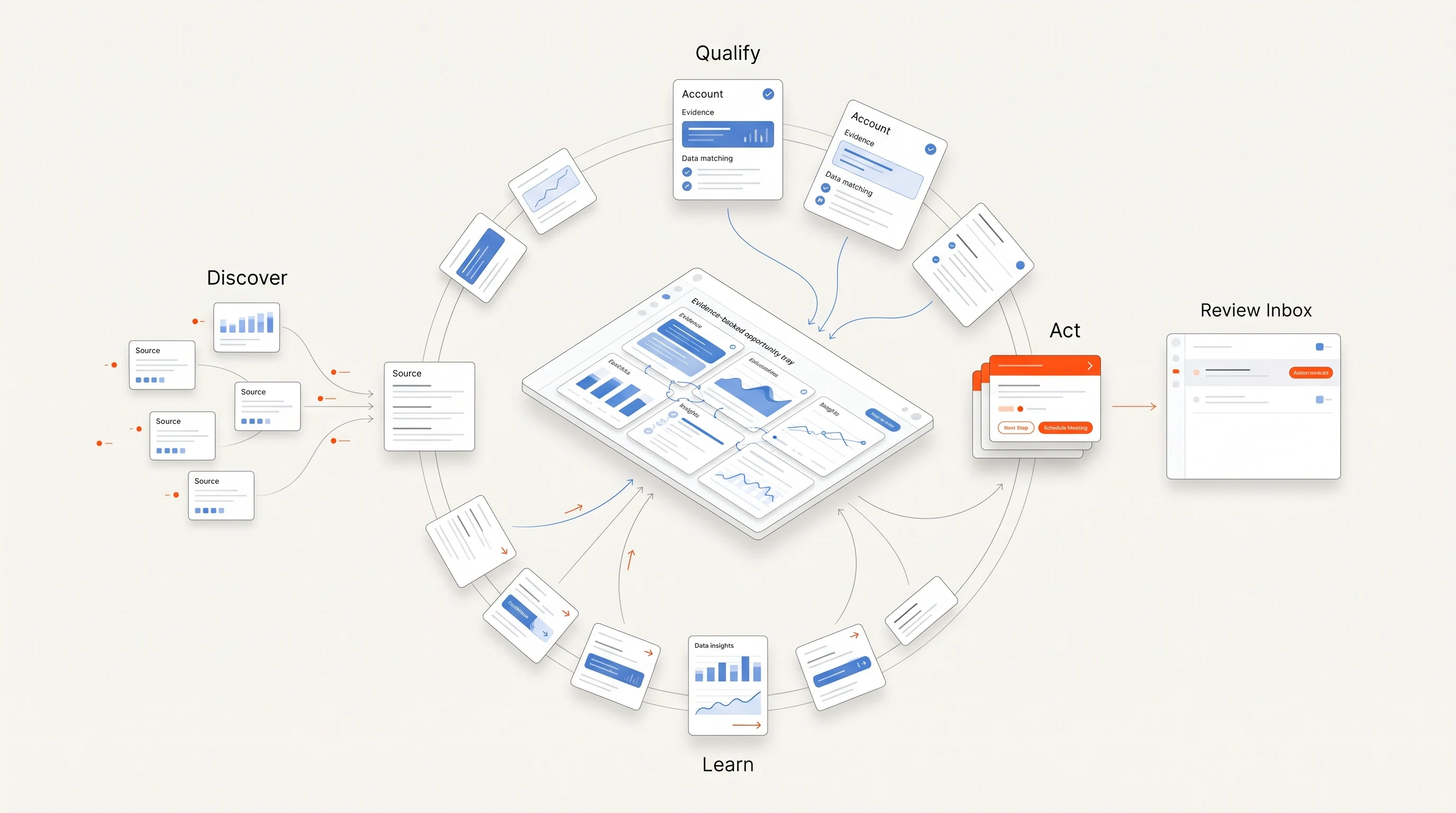
Signal-based pipeline generation flips the traditional outbound model. Instead of buying a list of contacts and emailing them cold, you watch for prospects who are already showing intent: browsing your pricing page, posting on Reddit about a tool they want to replace, hiring for a role that implies your product, or commenting on a competitor's LinkedIn post. The tools in this category capture those signals and route them to your inbox before a competitor notices.

Why affordability matters for bootstrapped teams

Bootstrapped startups have no venture runway to burn on a five-tool sales stack. The cost trap is real: some platforms start at a low per-user price and climb steeply once you need the features that actually matter. Salesforce starts at $25 per user per month and quickly climbs to $300 or more, while HubSpot's paid plans start at $20 per month but balloon to $800 or more for the features most businesses actually need. For a small team, there are platforms that deliver most of the functionality at a fraction of the price.

Start with a free CRM to hold your pipeline

Before you buy any signal tool, you need somewhere to put the leads it finds. A free CRM tier is often enough for the first 6 to 12 months: you can manage your pipeline, log conversations, and keep track of where every deal stands without paying anything. HubSpot CRM, for example, combines contact management and deal tracking with marketing, customer service, and sales tools, which can help a B2B business connect lead generation with sales activity.

All-in-one platforms that bundle the stack

One way to keep costs down is to buy one system instead of five. Engagebay positions itself as an affordable all-in-one option, bundling CRM, sales pipeline management, marketing automation, and helpdesk tools into a single platform. For small and medium-sized businesses that want one system rather than five, that combination is appealing, and reviewers consistently rate its pipeline and lead management features well relative to its price.

What separates a good pipeline tool from a time sink

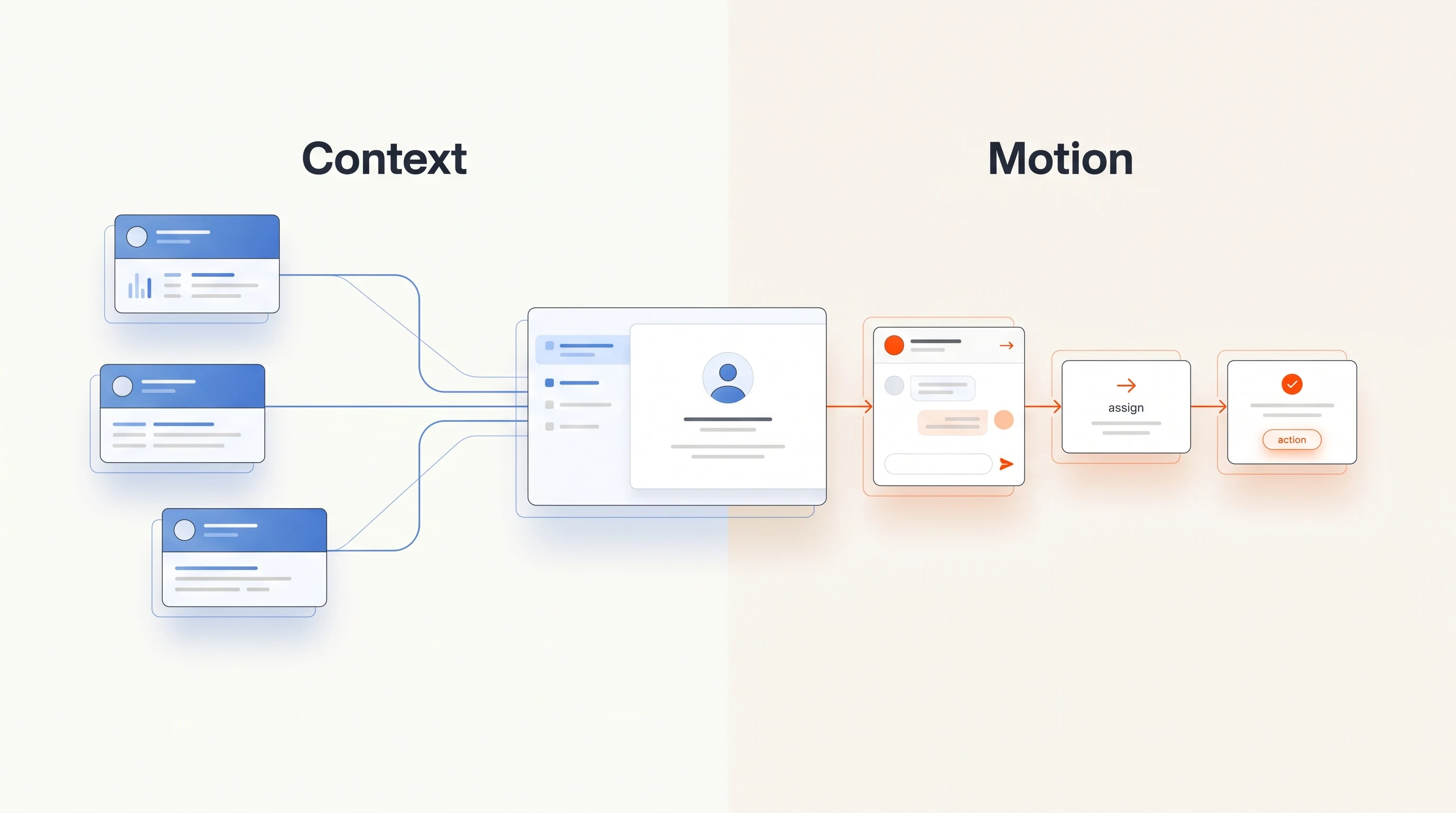
The better tools go further than basic contact storage. They connect to your CRM and marketing platforms, automate the admin around moving a deal forward, and give you forecasting based on real historical conversion rates rather than a rep's gut feel. A good CRM for a small B2B pipeline should also support workflow automation, provide insight into sales cycles, and help your team close deals.

Avoid tools that need a dedicated admin

A hidden cost of many CRMs is setup time. Many traditional CRMs need a dedicated administrator to configure roles, permissions, pipelines, and workflows before anyone can sell, which leaves sales reps idle while IT handles setup. Salesforce implementations typically require a certified administrator before end-users can start, and Zoho CRM's advanced customization often takes weeks of practice. Agent-led tools reduce this burden substantially because the software handles data entry from day one, so reps can start working without learning complex field structures or logging workflows.

How to choose without overspending

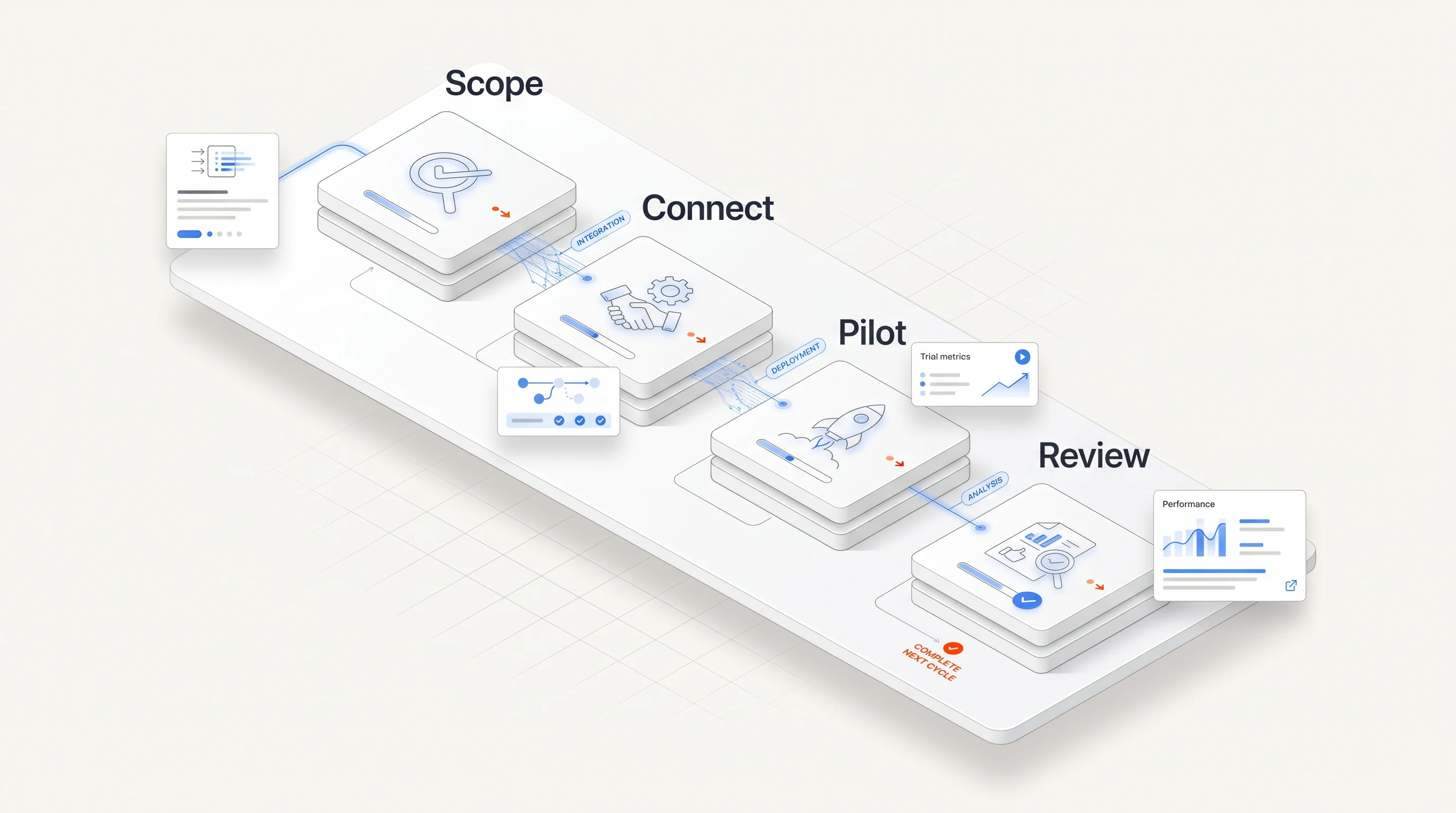
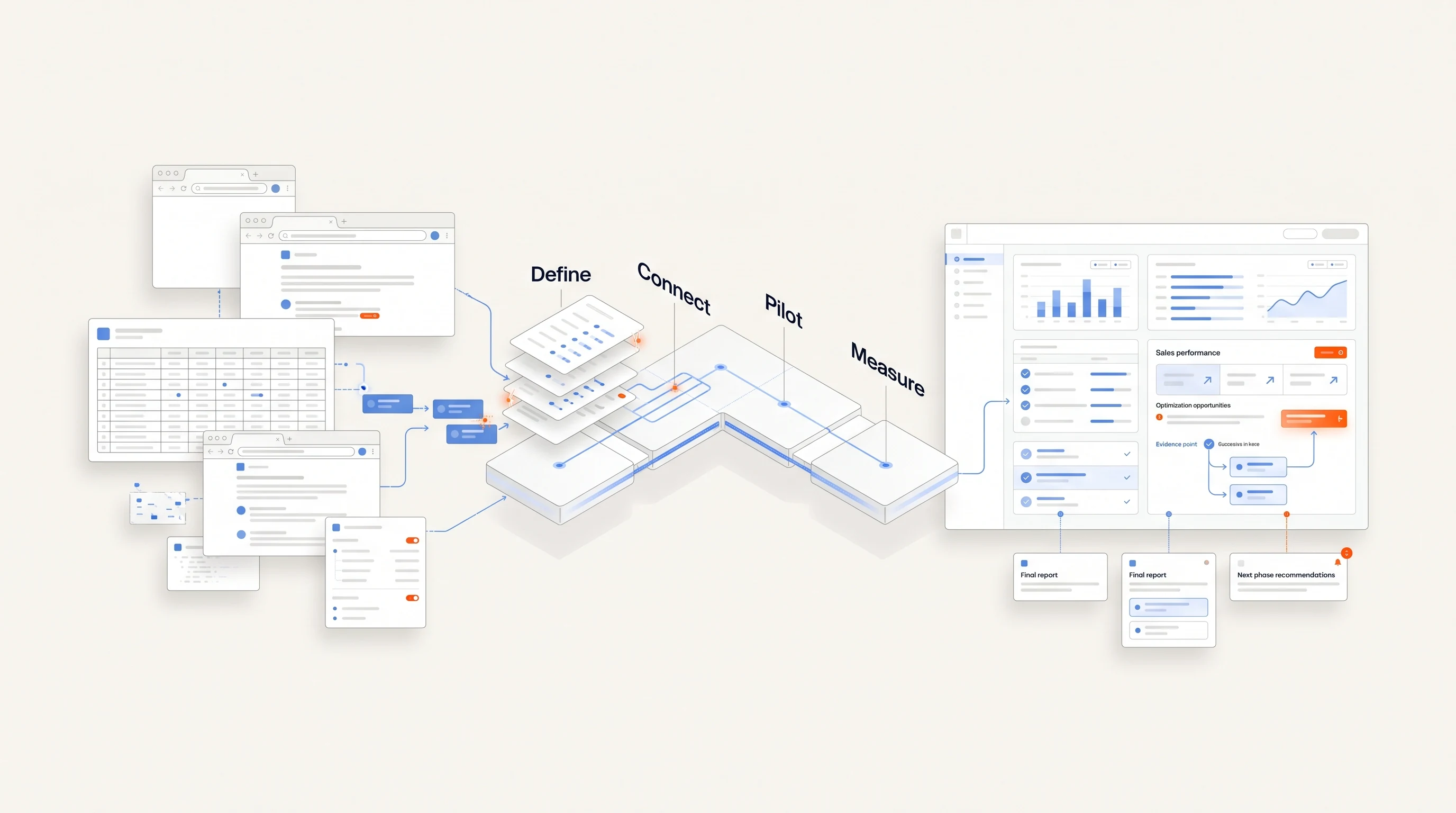
The practical selection process for a bootstrapped team is simple. Compare free plans, long-term costs, and features before choosing. Use a CRM to help each deal manager track key takeaways and monitor sales activity in real time. Then layer signal capture on top only once the pipeline itself is working, and only pay for the signal sources that map to how your buyers actually show intent.

Where Perpetual fits

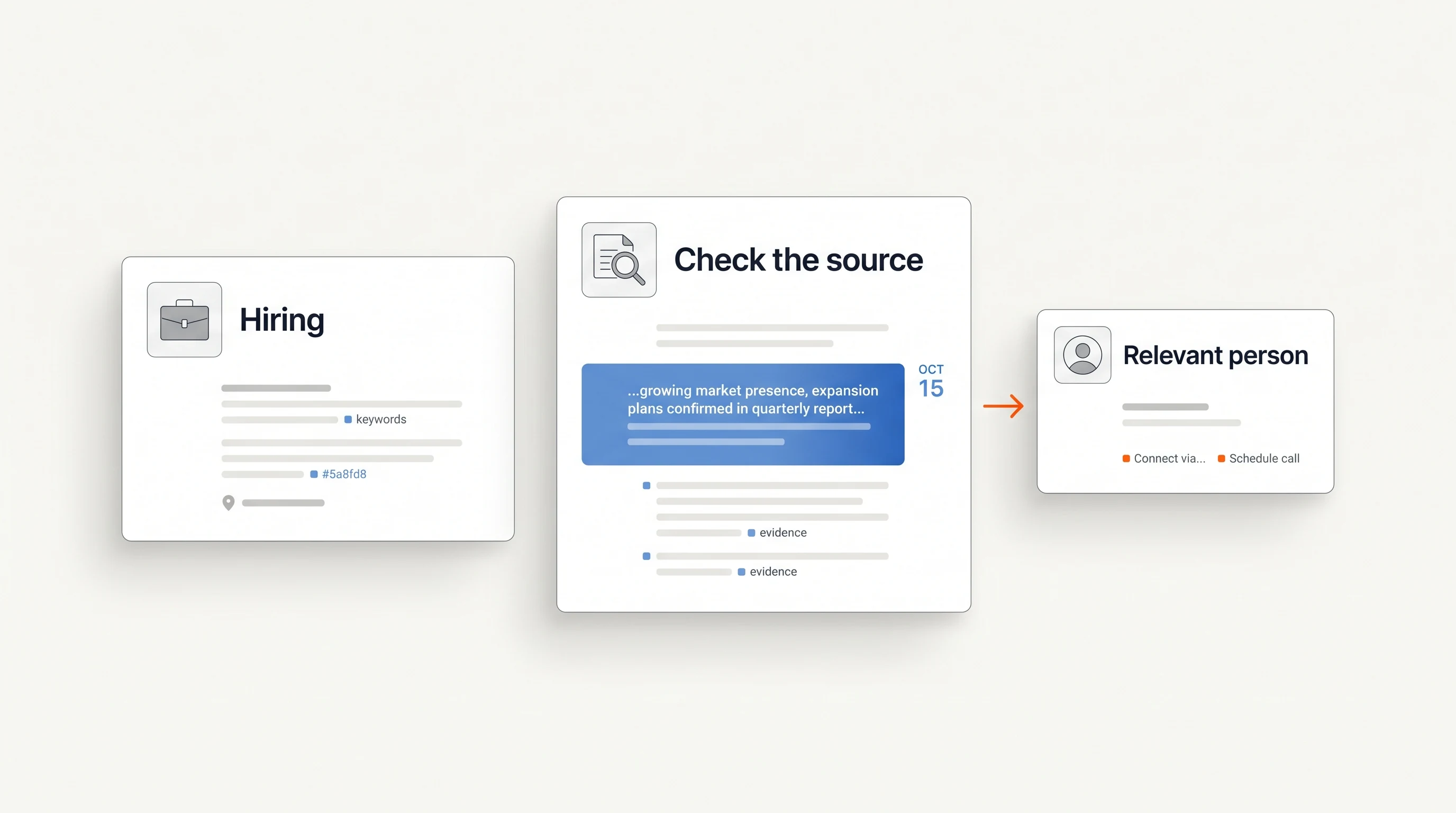
Perpetual is a signal-based outbound tool for founders and B2B sales teams: it turns public hiring activity into qualified companies, selects one relevant person at each with an explanation, and writes a first email grounded in the public source. It is not a lead database or a bulk email blaster, so it suits a small team that wants a short, reviewable list rather than more contacts. Email goes out from your own connected mailboxes within limits such as 200 actions per day, and LinkedIn steps stay manual tasks. The quickstart guide walks from account creation to a first automatic email campaign.

Key takeaways

PointDetail
Start with a free CRM tierA free tier is often enough for the first 6–12 months to manage pipeline, log conversations, and track deals.
Layer signal capture on topIntent signals like pricing-page visits and recommendation threads convert better than bought lists.
Prefer one system over fiveAffordable all-in-one platforms bundle CRM, pipeline, and automation to cut total cost.
Check long-term cost, not just entry priceEntry prices can climb steeply once you need the features that actually matter.

Sources

  1. https://www.buska.io/blog/9-tools-to-find-high-intent-leads-in-2026
  2. https://insights.velocityaipartners.co/alternatives/best-affordable-crm-software-small-business
  3. https://www.salesforge.ai/blog/sales-tools-for-startups
  4. https://baserow.io/blog/best-crm-small-b2b-sales-pipeline
  5. https://www.ruleranalytics.com/blog/sales/sales-pipeline-tools/
  6. https://www.coffee.ai/articles/best-crm-small-business-pipeline/
Keep reading27 more
01

12 Buying Signal Examples and What to Do Next

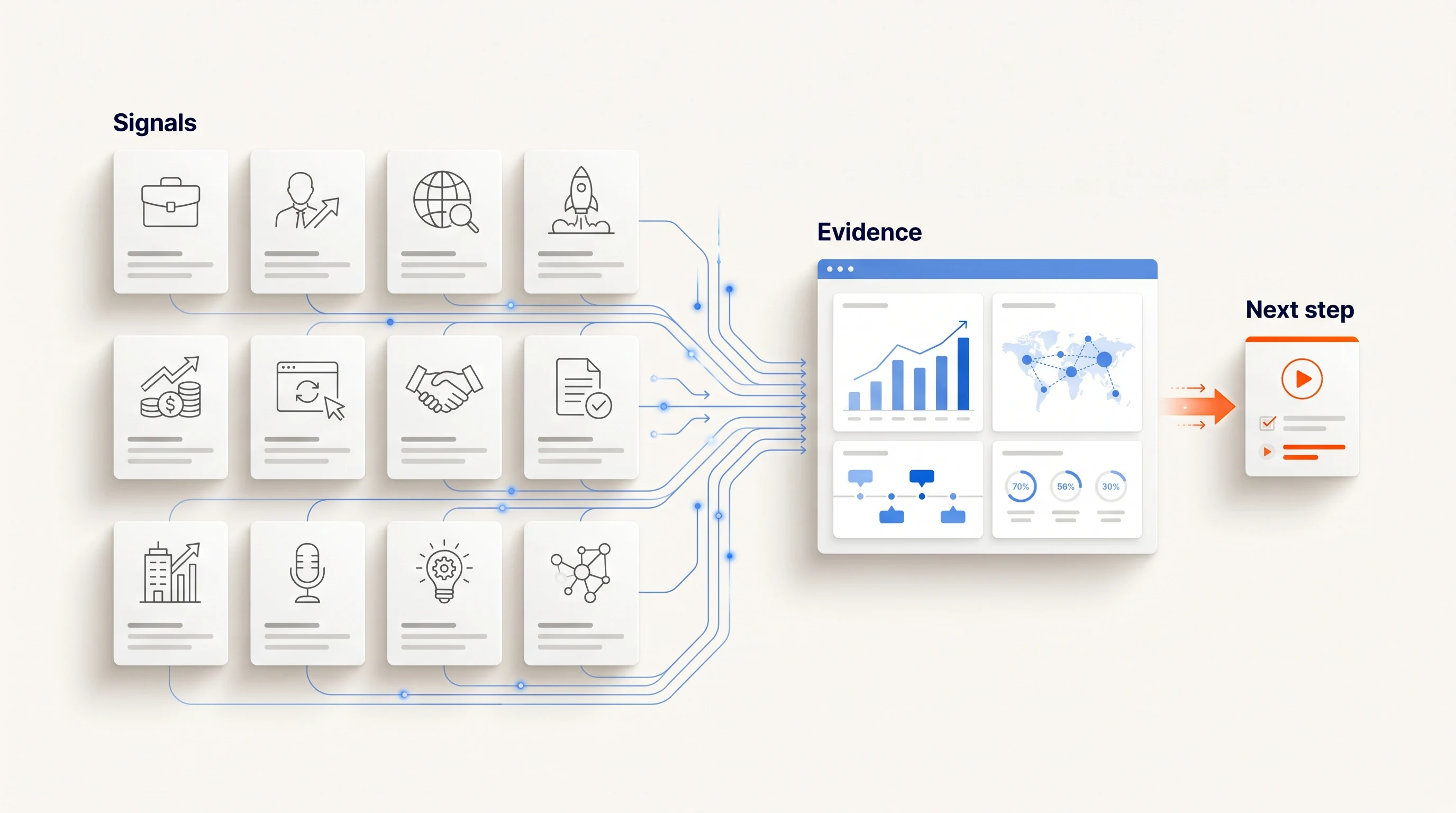
A practical buying-signal library: what each observation supports, what remains unknown, and the next step to take. Includes a free CSV worksheet.

Signals7 min read
02

How to Use Hiring Signals for Sales Prospecting

Turn public job postings into a focused prospecting play: check account fit, verify the evidence, find the responsible person and write a relevant opener.

Research8 min read
03

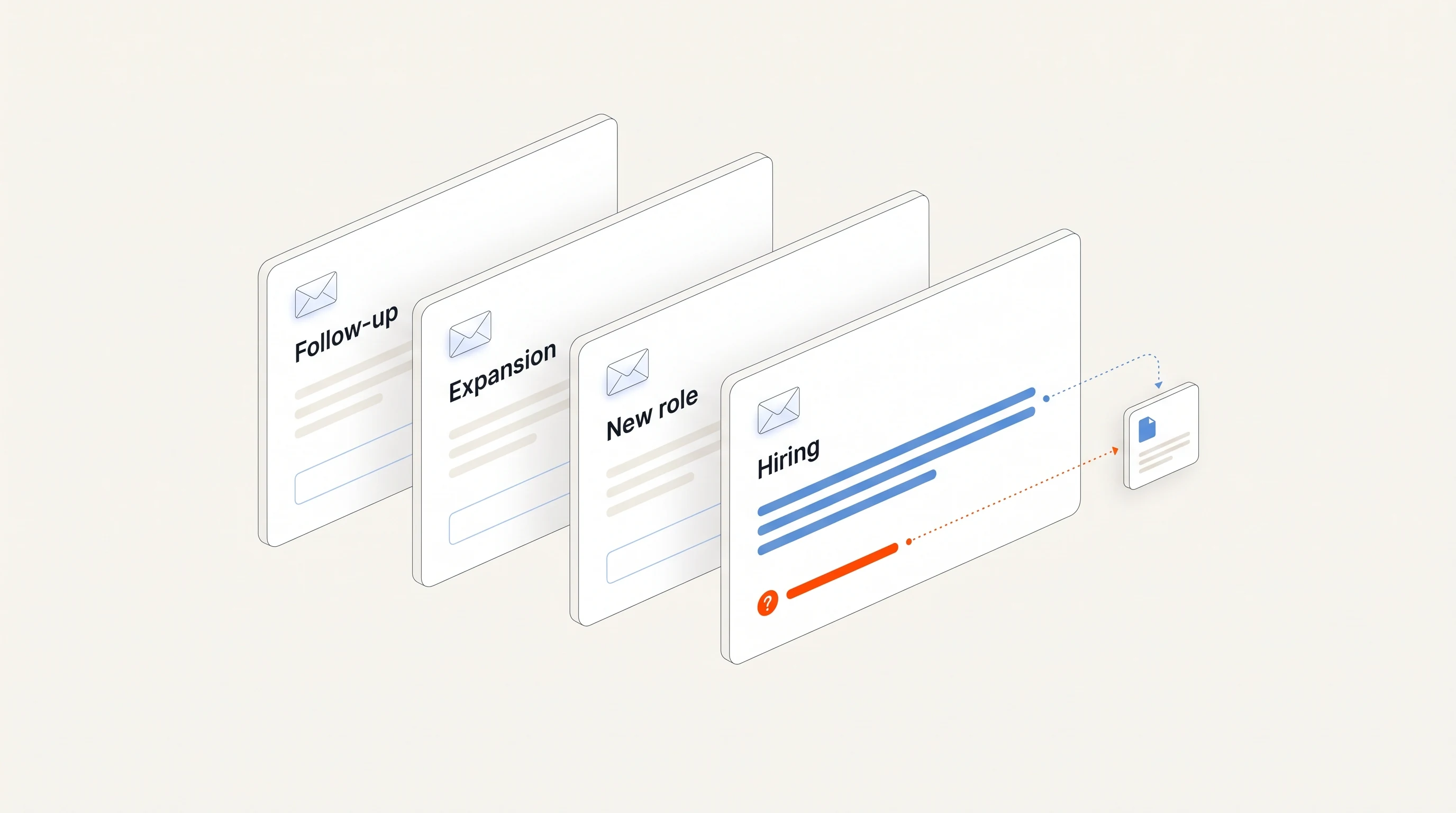
4 Signal-Based Cold Email Templates You Can Adapt

Original cold email templates for relevant hiring, new responsibilities, expansion and useful follow-ups. Includes source checks and a free CSV download.

Outreach7 min read
04

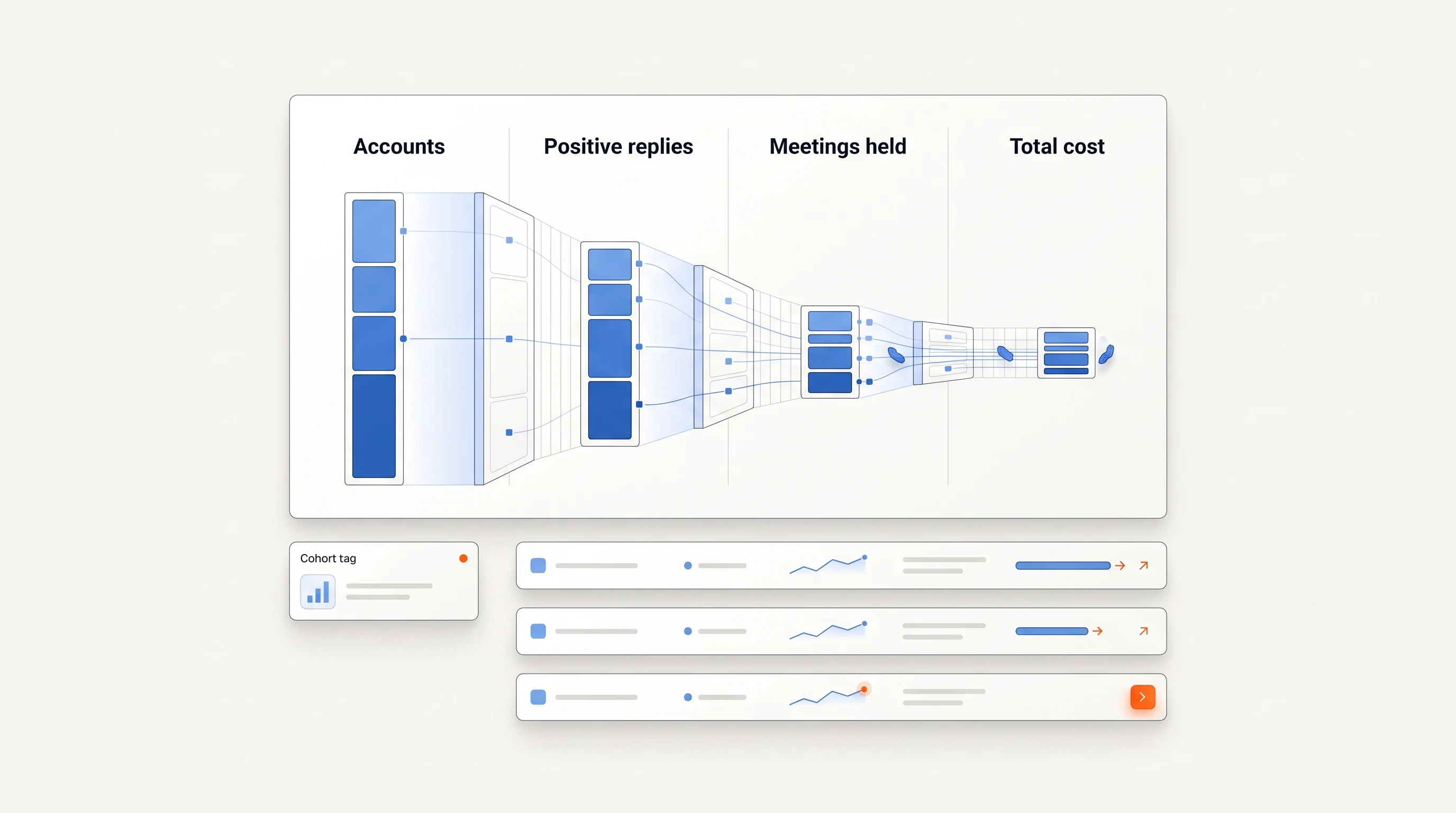
How to Measure Signal-Based Outbound: A Campaign Scorecard

Measure account selection, positive replies, qualified meetings held and total cost with clear denominators. Includes a free account-level CSV worksheet.

Research8 min read
05

Job Postings as Buying Signals: What They Tell You

Which job postings matter for which offer: clustered roles, a first hire in a new function or a reposted role, and what a posting does not prove.

Signals10 min read
06

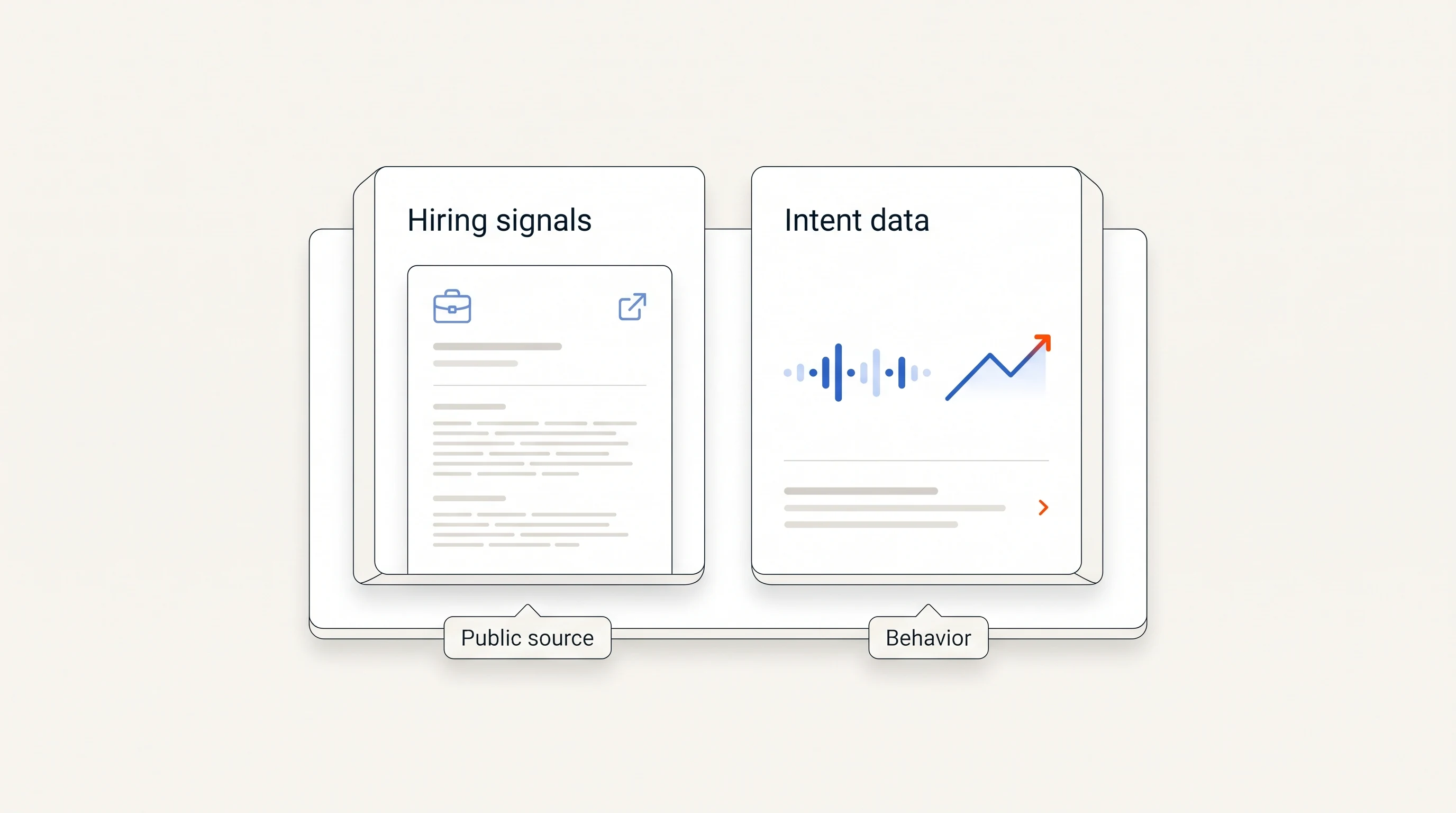
Hiring Signals vs. Intent Data: What Each Shows

Where hiring signals and third-party intent data come from, how fresh and checkable each is, and when to use one, the other or both.

Signals9 min read
07

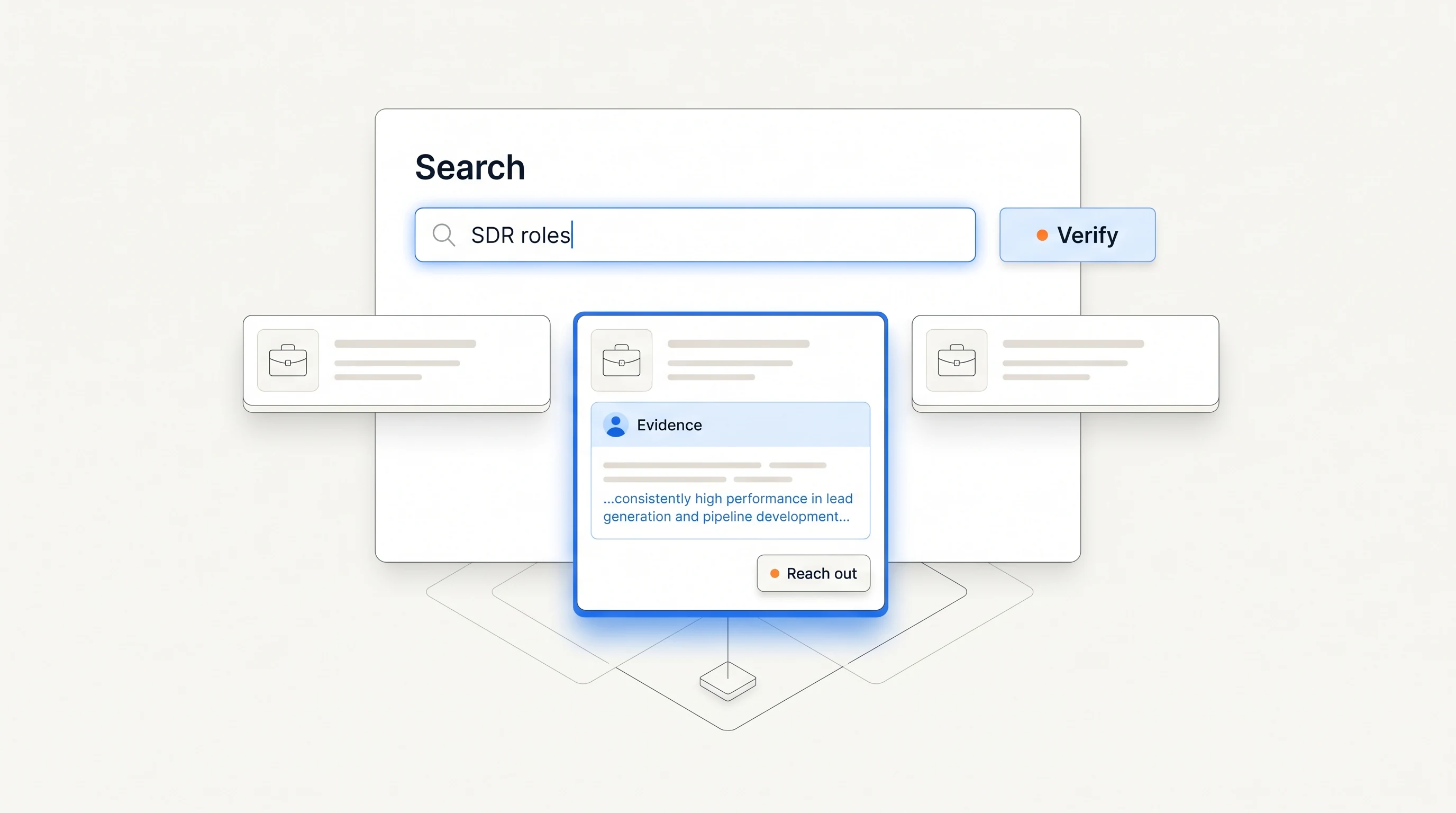
How to Find Companies Hiring SDRs (and When to Reach Out)

Find companies hiring SDRs on careers pages, job boards and LinkedIn Jobs, judge each posting, and decide whom to email and when.

Research9 min read
08

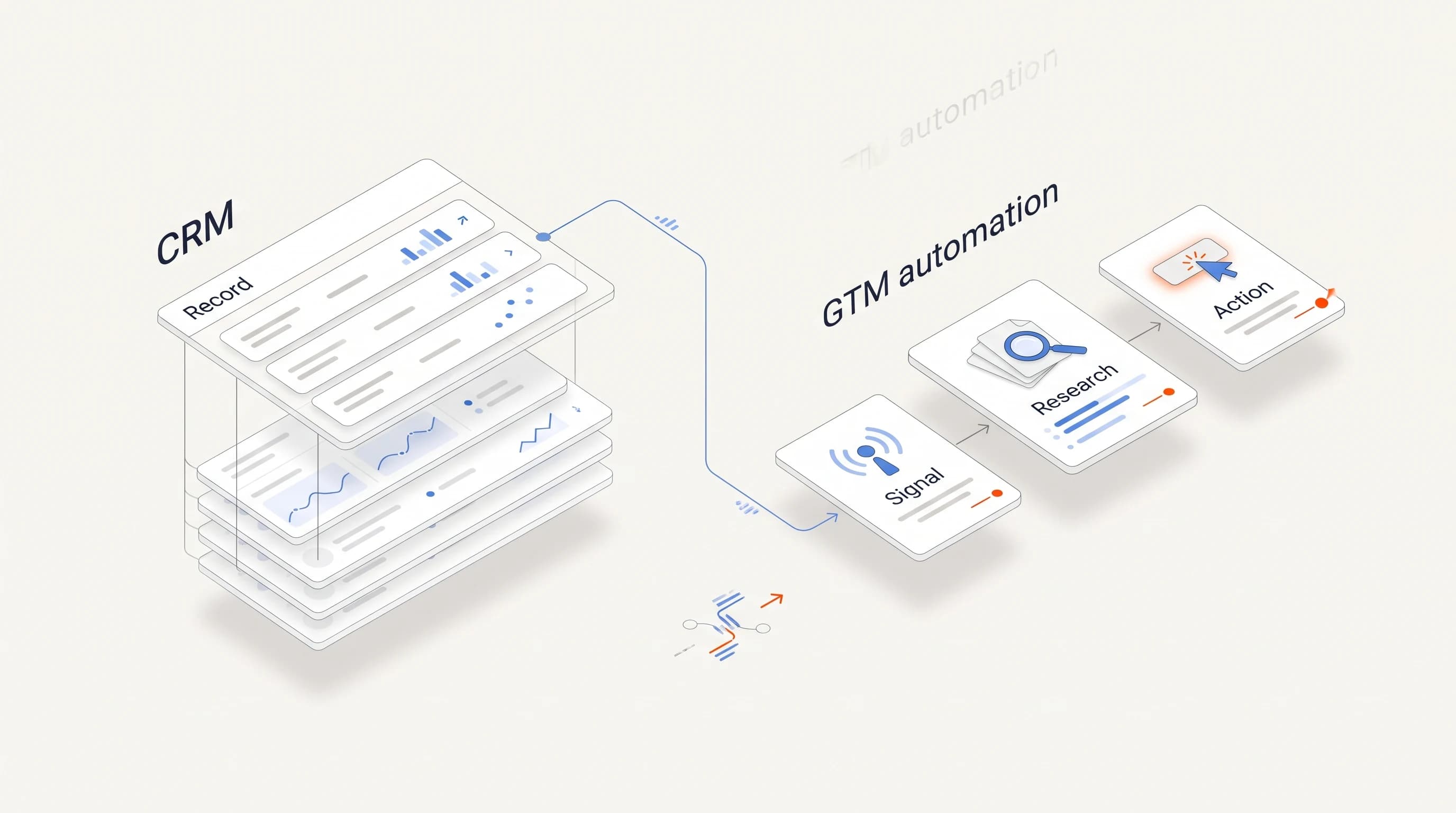
CRM vs. Dedicated GTM Automation Platform: Which Do You Actually Need?

A CRM keeps the record; a GTM automation platform starts the work. How to tell which layer is missing in your stack, what each should own, and where the two must connect.

Evaluation8 min read
09

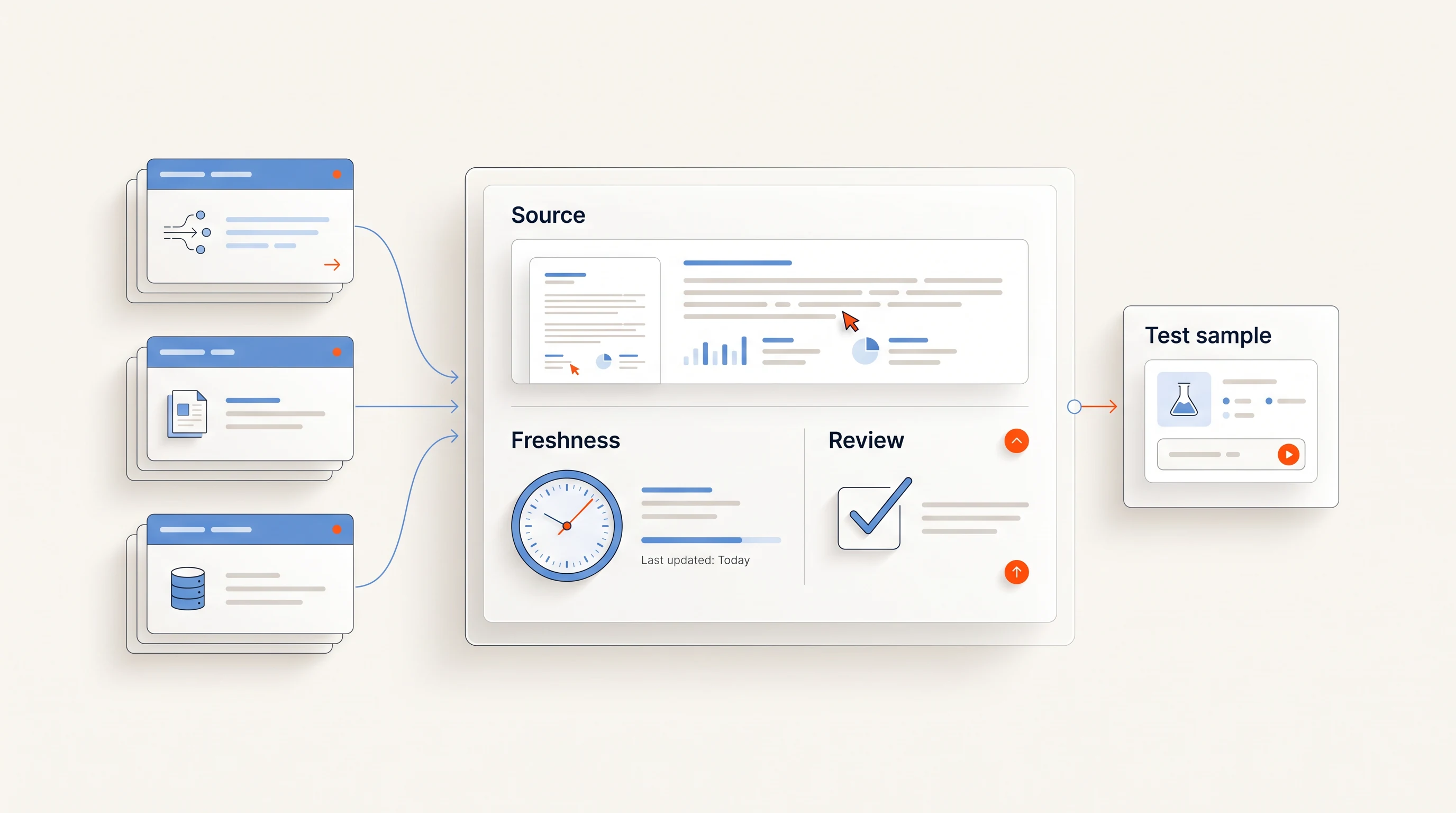
How to Evaluate a GTM Automation Vendor's Approach to Intent Signals

A checklist for evaluating how a GTM automation vendor sources, qualifies and acts on intent signals, and how to test it on your own data before you buy.

Evaluation7 min read
10

Using Signal Data to Optimize Paid Acquisition Campaigns

How to use signal data in paid acquisition: send ad platforms the conversions and values that matter, clean noisy events, and, in B2B, feed pipeline stages and account signals back into targeting.

Signals7 min read
11

When to Bring In CRM and GTM Integration Experts

The signs that it is time to hire CRM and GTM integration help, which kind of expert fits which problem, what to settle before you hire, and when you do not need one yet.

Evaluation6 min read
12

Account Data Management: What Sales Teams Should Evaluate Before Buying

What sales teams should check before buying account data management software: data quality you can test, ownership, how context moves between systems, failure handling and change tracking.

Evaluation6 min read
13

Signal-Based Prospecting for Enterprise RevOps Teams With Complex Deal Cycles

How enterprise RevOps teams use buying signals to reach accounts before the RFP, keep them out of open deals, reach the buying group and measure pipeline.

Signals8 min read
14

How to Automate Acting on Buying Signals to Move Deals Forward

How to automate acting on buying signals: a playbook per signal type, what stays human, routing, drafting from evidence and a four-week rollout.

Outreach8 min read
15

Real-Time Buying Signal Detection: How to Evaluate Go-to-Market Platforms That Make It Core

What real-time buying signal detection means per signal family, how fresh each should be, and how to tell a core capability from a bolt-on feature.

Signals7 min read
16

Go-to-Market Platforms That Integrate With Your CRM and Marketing Automation: What to Check Before You Buy

How to judge whether a go-to-market platform integrates well with your CRM and marketing automation: patterns, read and write rules, suppression and a one-week test.

Evaluation7 min read
17

Sales Automation Platforms With Fast Implementation: How to Get Live in Weeks, Not Quarters

What makes sales automation slow to implement, what fast implementation looks like, questions to ask before you sign, and a four-week plan to go live.

Evaluation6 min read
18

Revenue Automation Platforms for Mid-Market Teams Pursuing Continuous Opportunity Discovery

A practical guide to revenue automation platforms that help mid-market teams find opportunities continuously, act on signals, and move deals forward.

Evaluation9 min read
19

Unified Go-to-Market Platforms: Combining Signal Detection and Deal Progression

What unified go-to-market platforms are, how they combine signal detection with deal progression, and what to look for when evaluating them.

Signals7 min read
21

Migrating From Manual Prospecting to an Automated Signal-Based Go-to-Market System

How to move from manual prospecting to an automated signal-based go-to-market system: what changes, the stages, the data work and the pitfalls.

Signals12 min read
22

Choosing go-to-market automation for a small sales team with no ops function.

A small team needs fewer moving parts, not more dashboards. Four questions to decide what to automate and what to keep in human hands.

Evaluation2 min read
23

Signal-based prospecting for startups that need predictable pipeline.

Volume outbound makes pipeline feel random. Prospecting against observable buying moments gives a startup a steadier rhythm, if the signals are checked first.

Signals2 min read
24

Tools That Help Sales Development Teams Prioritize High-Intent Accounts Without Manual Research

How intent data, scoring and enrichment tools help SDR teams prioritize high-intent accounts without manual research, plus a comparison table.

Evaluation9 min read
25

Evaluating Customer Support and Track Record in Signal-Based Sales Platforms

How to evaluate customer support and track record when you compare signal-based sales platforms, from reference calls to CRM sync and time-to-first-signal.

Signals13 min read
26

A signal is not a buying intent.

A new hire tells you something changed. It does not tell you someone is ready to buy. Better outbound starts with that distinction.

Signals2 min read
27

What belongs in a lead brief?

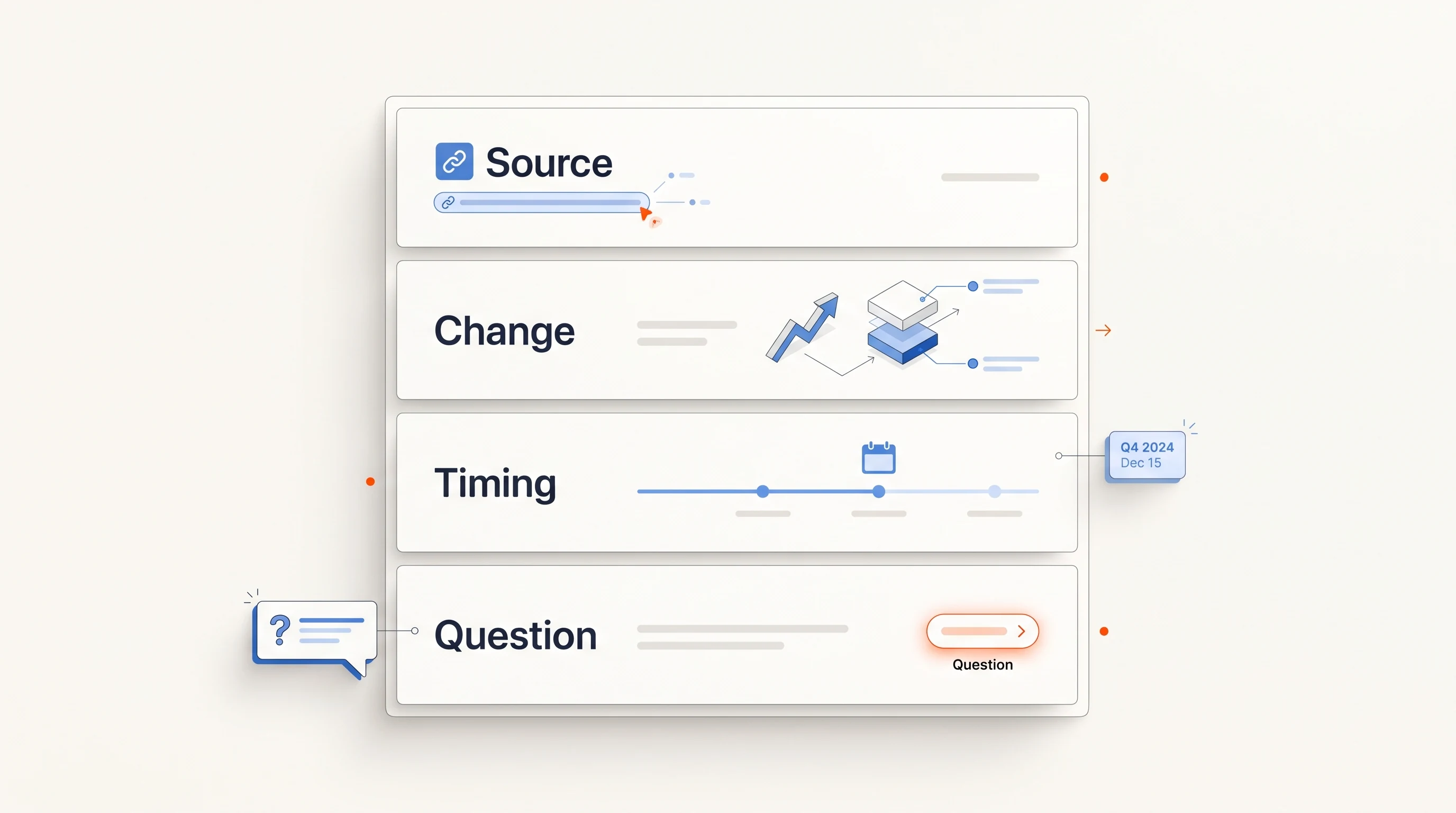
The source, the change, the timing, and the unanswered question. A small brief that makes an outbound decision easier to review.

Research2 min read
28

Write the question before the pitch.

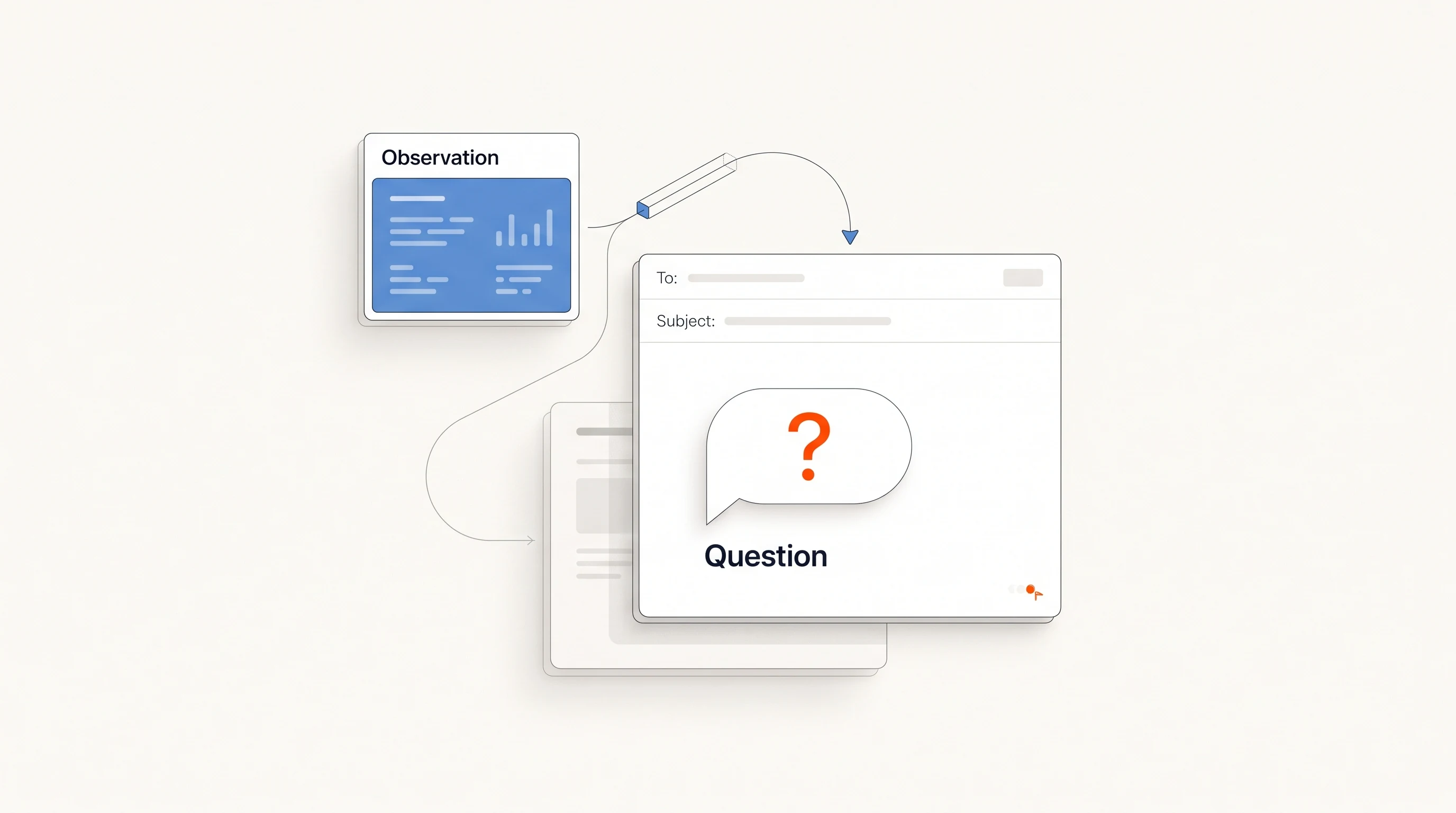
A practical way to turn account research into an opener that earns a conversation without overstating what you know.

Outreach2 min read

Put your GTM in perpetual motion.

Get started

Sending stays within the limits you set, and you can pause it any time.

Affordable Signal-Based Pipeline Tools for Startups