JournalSignalsNo. 13
Signal-Based Prospecting for Enterprise RevOps Teams With Complex Deal Cycles
How enterprise RevOps teams use buying signals to reach accounts before the RFP, keep them out of open deals, reach the buying group and measure pipeline.
Petar Jovanović8 min read10 sections
Contents
- 01What signal-based prospecting means for enterprise RevOps
- 02Why list-based outbound produces volatile pipeline
- 03A signal is not buying intent
- 04Signals enterprise teams actually track
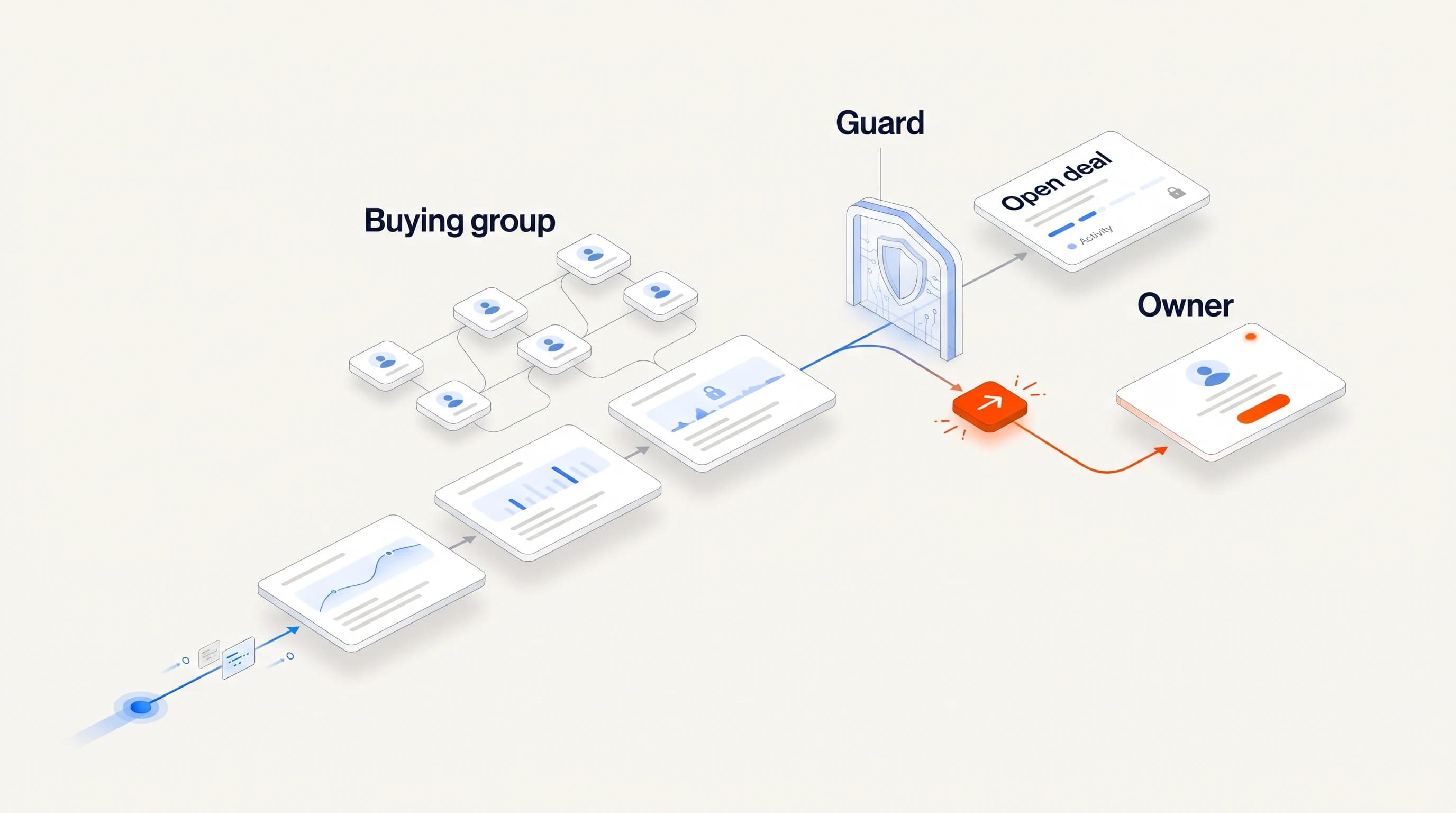
- 05Route signals to owners and keep them out of open deals
- 06Reach the buying group, not one contact
- 07Match tools to the job, not a ranking
- 08Measure signals by pipeline, not activity
- 09How to start without disrupting the pipeline
- 10Where Perpetual fits
Published by Perpetual
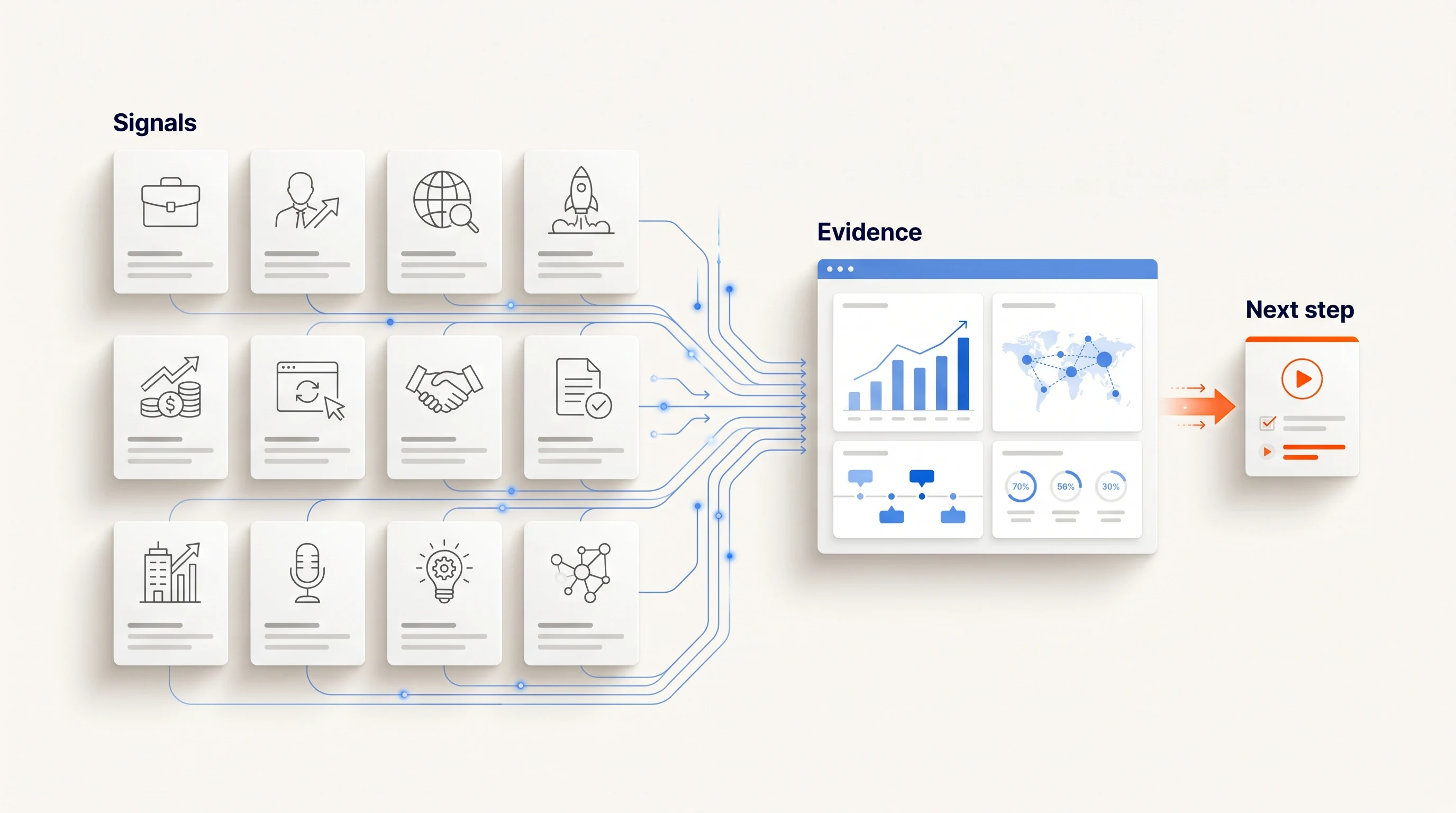
Signal-based prospecting means starting outreach when an account shows a concrete change, not because it sits on a static list. For enterprise RevOps teams with long, multi-stakeholder deal cycles, the benefit is entering the conversation before a formal RFP exists. The work is mostly operational: routing each signal to the right owner, keeping it away from accounts already in a deal, reaching more than one person in the buying group, and measuring whether signals actually turn into pipeline.
Three things to know
- Signals help you reach the window between a trigger event and the RFP, when the buyer is open to conversation and has no shortlist yet.
- A signal is a reason to start a conversation, not proof of buying intent; enterprise deals still need qualification across the buying group.
- For RevOps, the hard part is not finding signals but routing, suppressing and measuring them inside the existing stack.
What signal-based prospecting means for enterprise RevOps
Signal-based prospecting triggers outreach on observable changes rather than on a fixed list of accounts that match your ideal customer profile. The core idea is timing: many B2B buying processes have a small window between the trigger event and the RFP, when the buyer is open to conversation and has not built a shortlist (Salesforge). Reaching them then lets you shape how they think about the problem instead of competing on a formal evaluation.
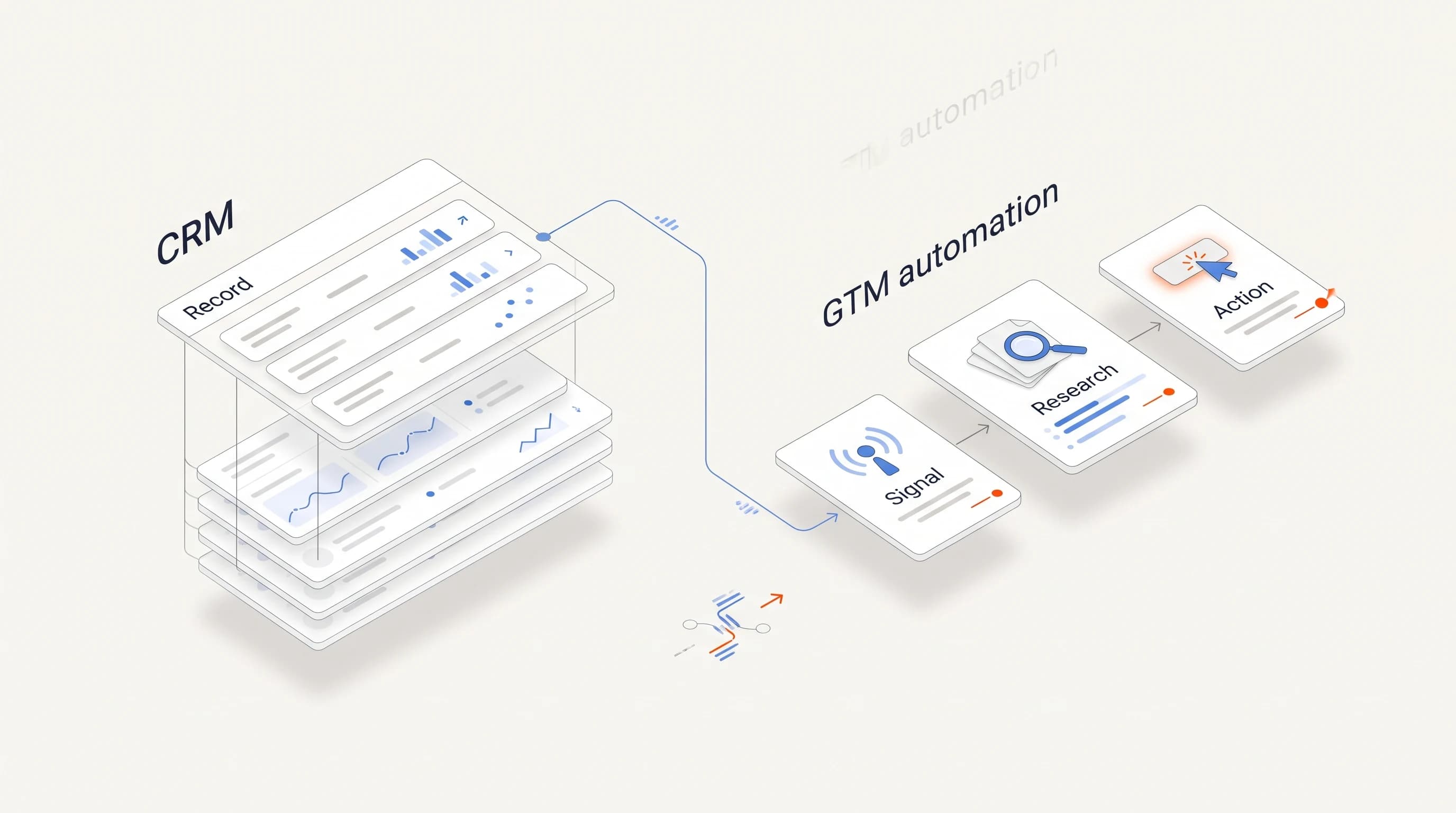
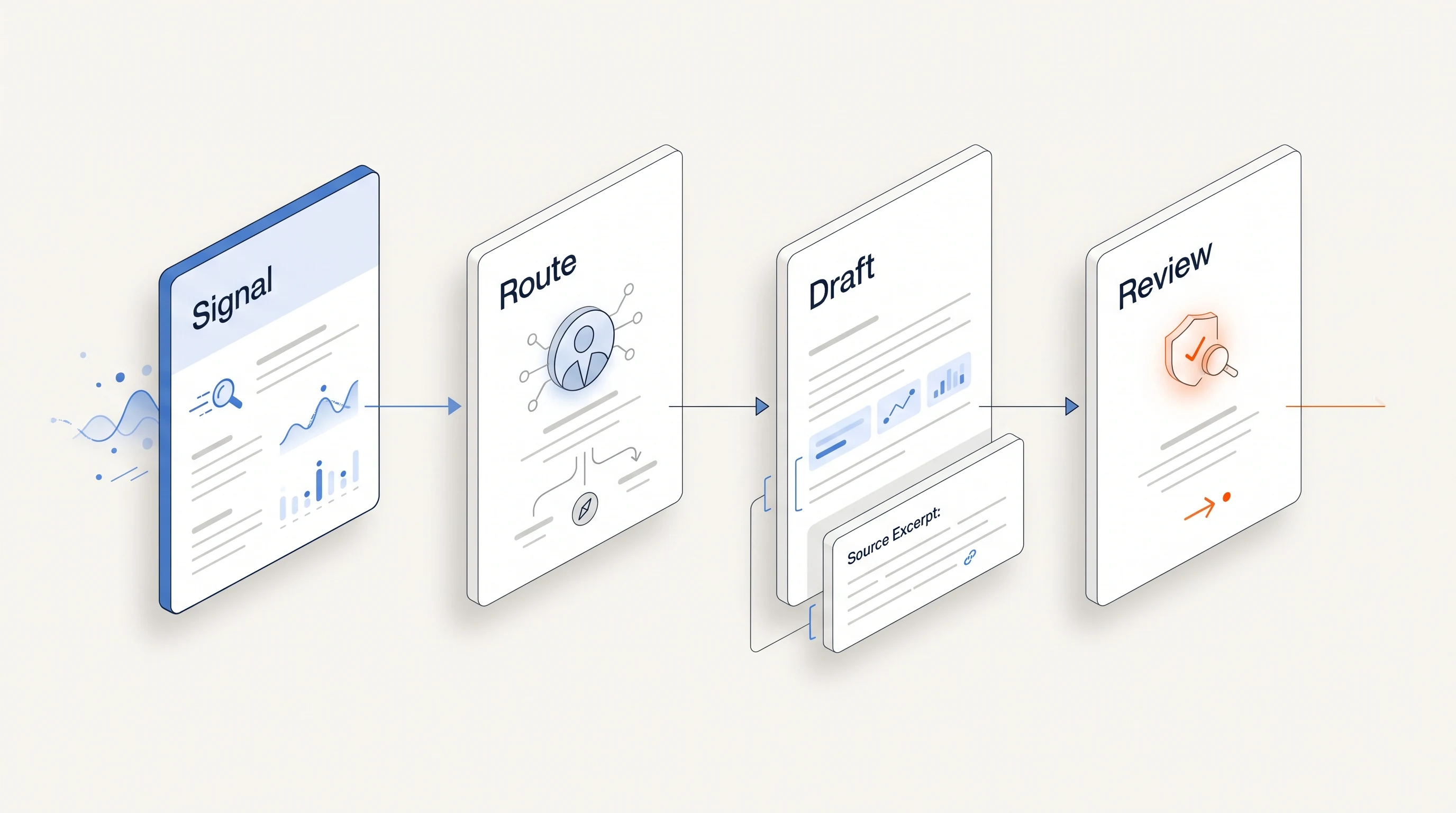
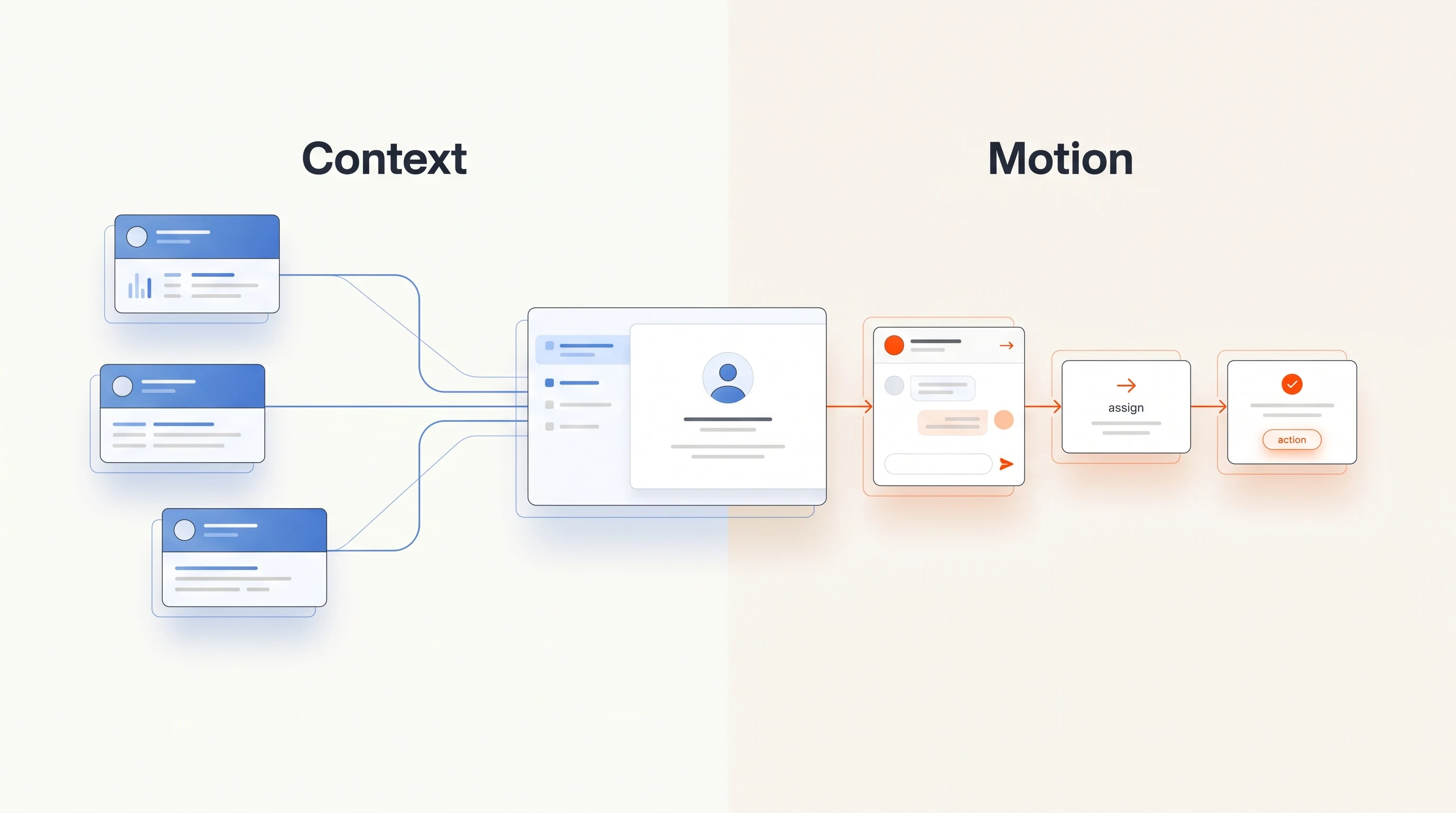
For an enterprise RevOps team this is less a rep tactic than a data and routing problem. Signals arrive from many systems, accounts already have owners and open opportunities, and a complex deal cycle means the signal has to reach the right person before it goes stale.
Why list-based outbound produces volatile pipeline
Outbound driven only by a static list produces uneven pipeline. Some weeks the right accounts happen to be active; other weeks they are not and forecasts miss. Prospecting against observed changes reduces that volatility, because outreach is tied to something that happened at the account rather than to the calendar (Salesforge).
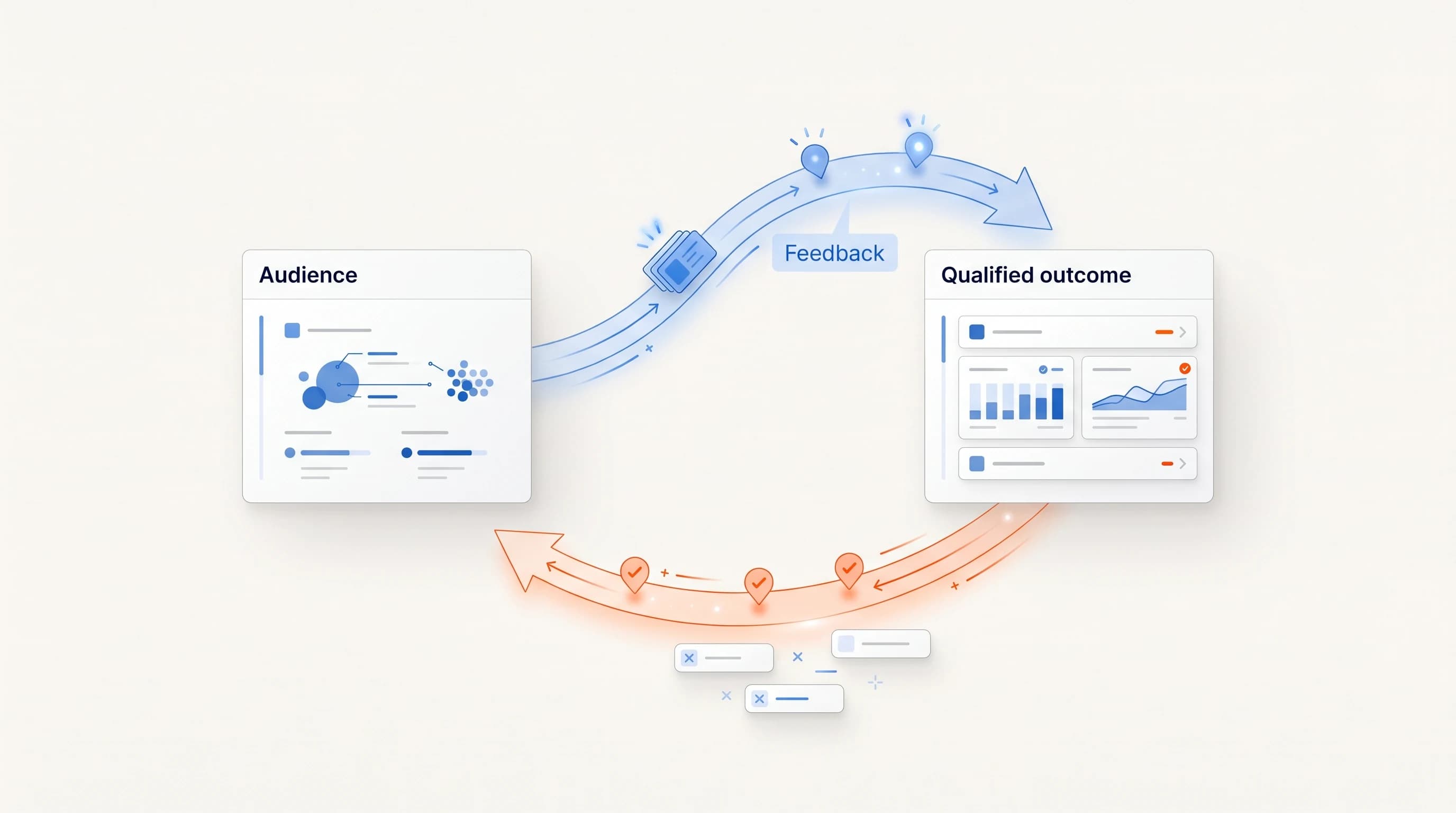
That does not make signal-sourced pipeline more certain on its own. It makes the reason for each conversation clearer, which gives RevOps something to measure: which signals lead to meetings and opportunities, and which only create activity.
A signal is not buying intent
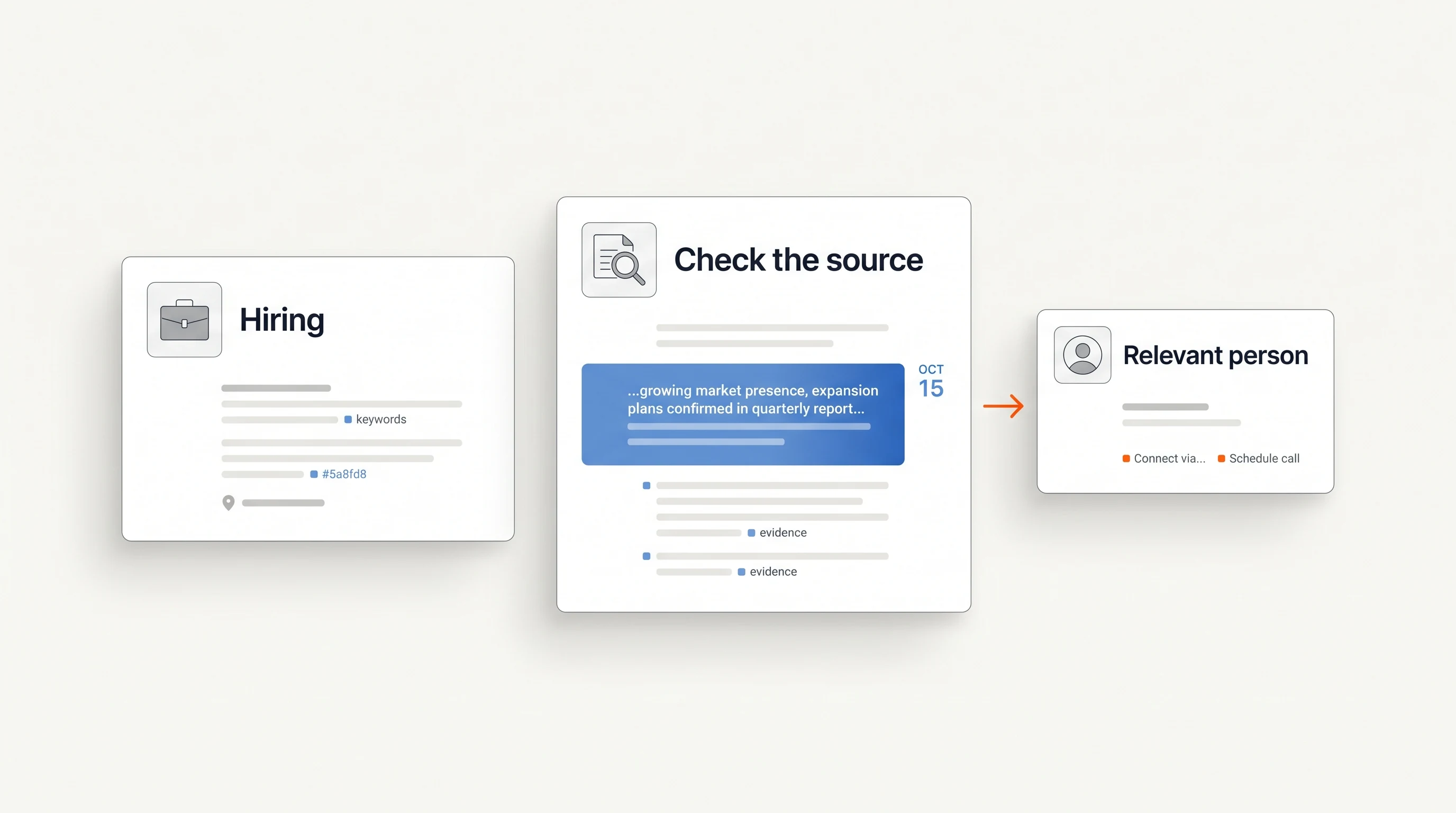
A trigger event tells you an account may be changing. It does not tell you anyone is ready to buy. A job change, a funding round, a burst of hiring or a website visit has to be combined with account context before it justifies outreach; for hiring, our guide to using hiring signals for prospecting shows what that check looks like. Treating every signal as intent leads to the same spray-and-pray behavior signal-based prospecting is meant to replace. We cover this in more depth in A signal is not a buying intent.
The practical rule is to treat a signal as a reason to start a conversation, then qualify against the buying group, budget and timeline before counting it as pipeline.
Signals enterprise teams actually track
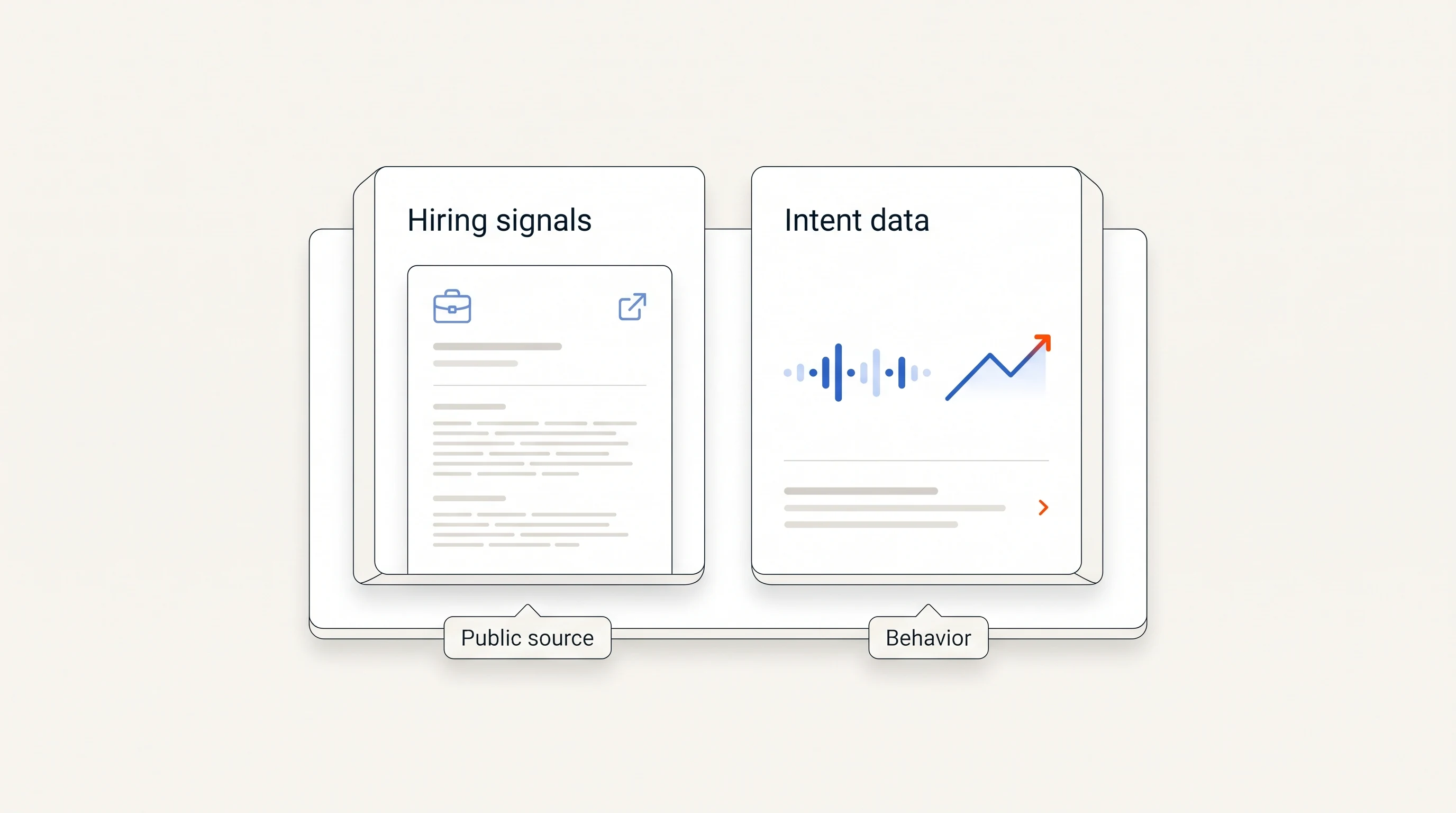
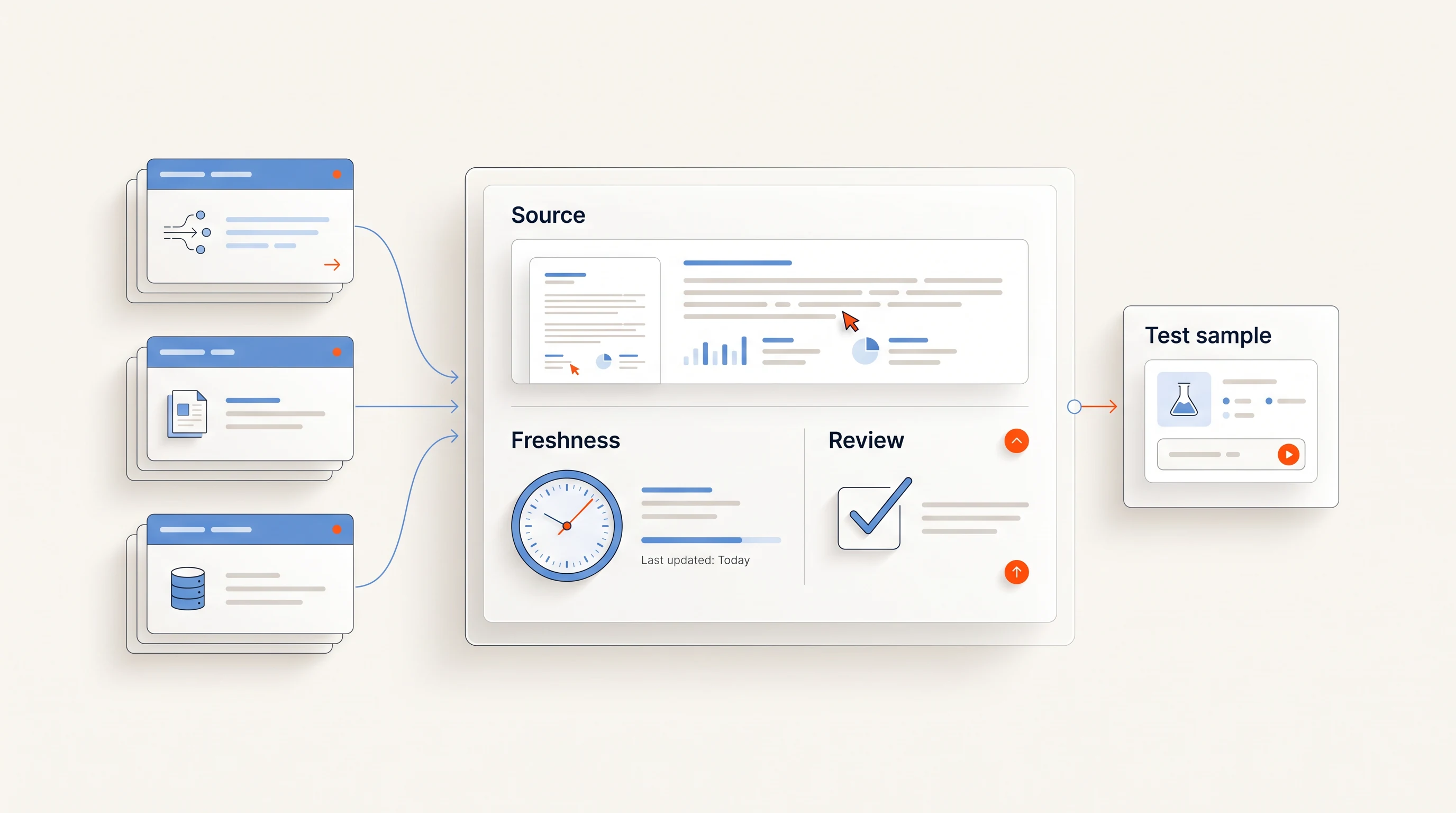
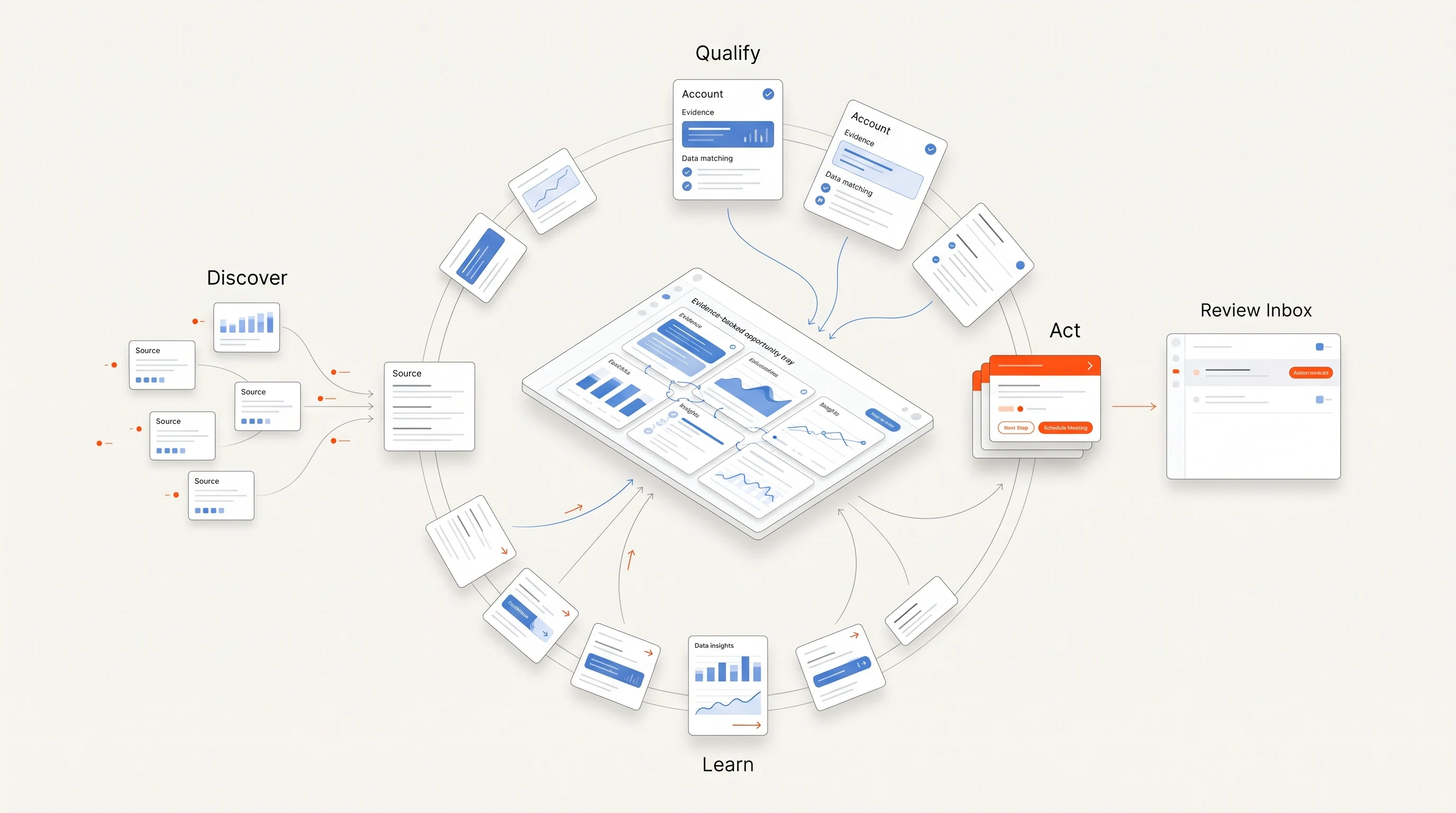
Prospecting tools increasingly ship their own signals rather than only contacts and sending. Common types across recent roundups include intent topics, job changes and company news, funding and hiring activity, and website visits (Salesmotion, Zeliq). Some platforms combine signals from the data warehouse, inboxes, call transcripts, product usage, billing and support systems to keep a running view of each account (Rox).
For RevOps, the useful question is not which signals exist, but which ones your stack can already see and act on automatically, and which ones are strong enough to justify interrupting a rep.
Route signals to owners and keep them out of open deals
Enterprise accounts usually have an owner, and many already have open opportunities or existing contracts. A signal-based workflow has to respect that:
- Owned accounts: send the signal to the account owner as context, not into a generic sequence.
- Open opportunities: never start cold outreach to an account in an active deal; add the signal to the deal record instead.
- Customers: route expansion signals to the account manager, not to new-business outbound.
- Opt-outs and do-not-contact: check them at send time, not in a nightly sync.
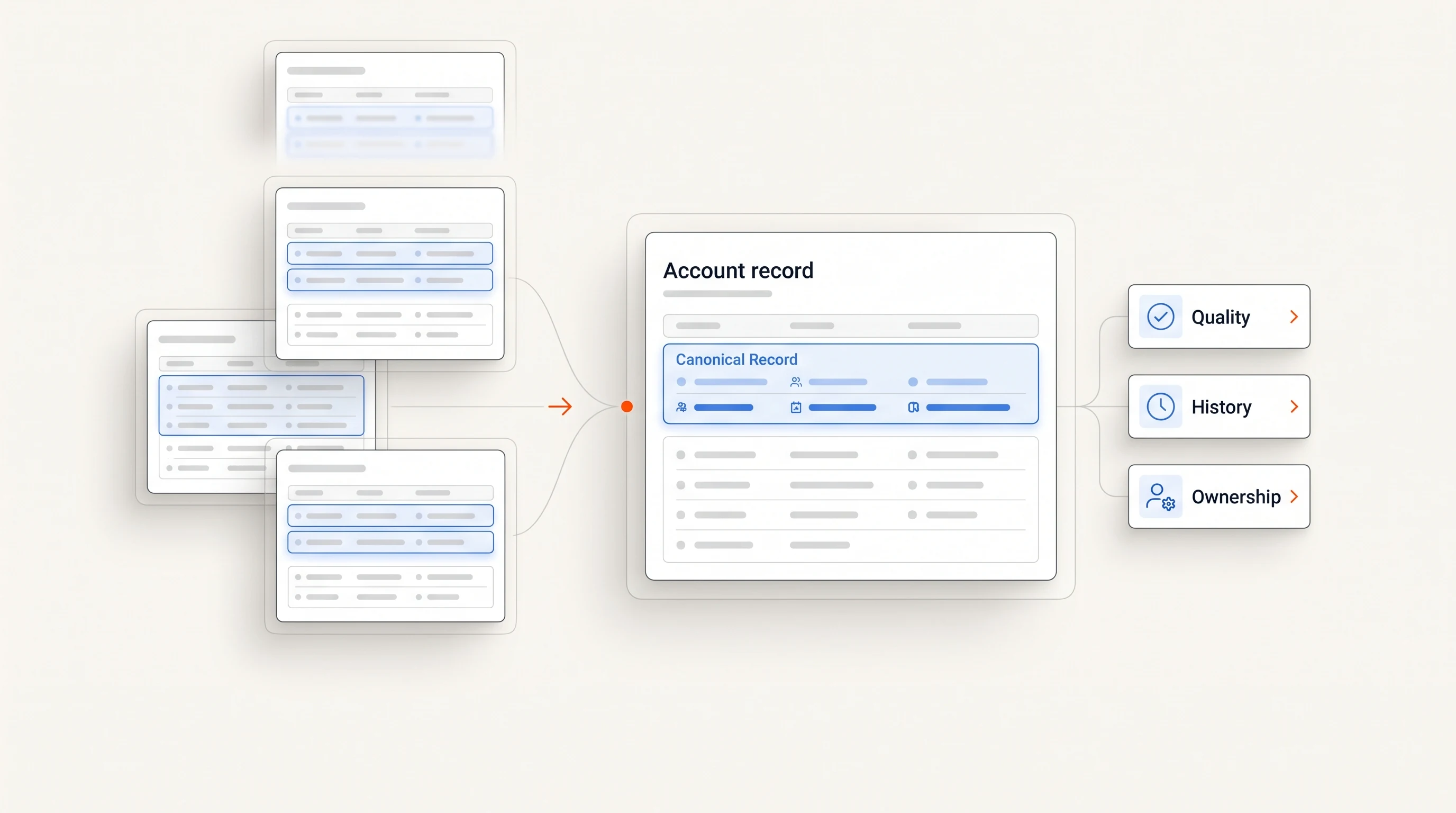
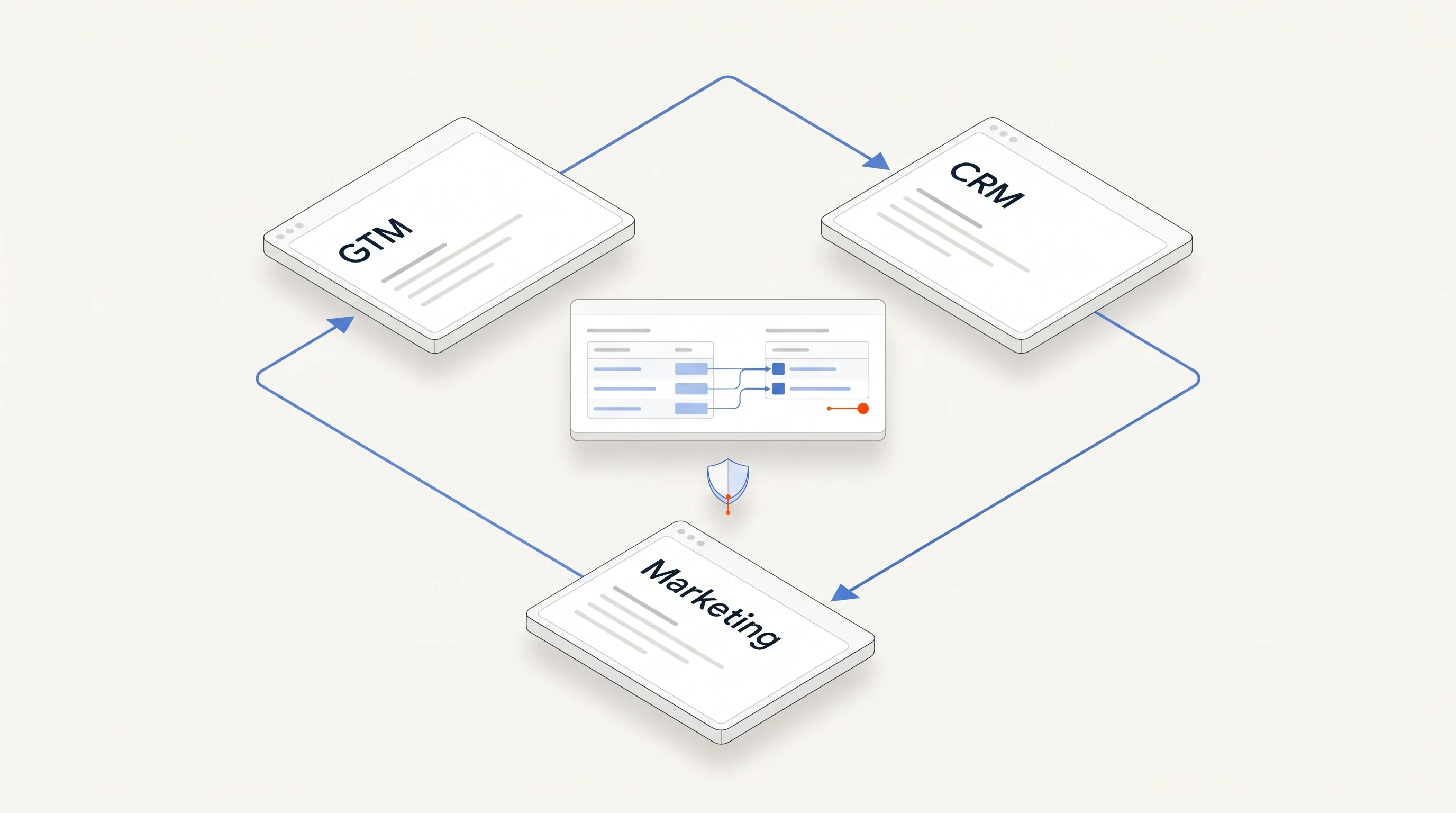
These rules belong in the routing layer, not in reps' memory. Our CRM integration checklist includes a test for each.
Reach the buying group, not one contact
Complex deals involve several stakeholders. A signal usually points to a function, such as a new sales leadership team or a growing data team, more than to one person. Use it to decide who is most likely to own the problem, start with that person, and plan how to reach the others over time with a reason specific to each role.
Keep the number of people contacted per account deliberately small at first. Five generic emails to the same account in one week look like volume, not relevance.
Match tools to the job, not a ranking
Tool selection should follow the jobs your team needs done and the complexity of your ideal customer profile, not a generic ranking. One practical framework: list the top one to three jobs for this quarter, identify the strongest tool category for each, then choose within the category by geography, budget and your existing stack (Salesmotion).
For enterprise teams, ask whether you are adding another tool or replacing a workflow, and how much of the result lands in the systems your forecast already uses.
Measure signals by pipeline, not activity
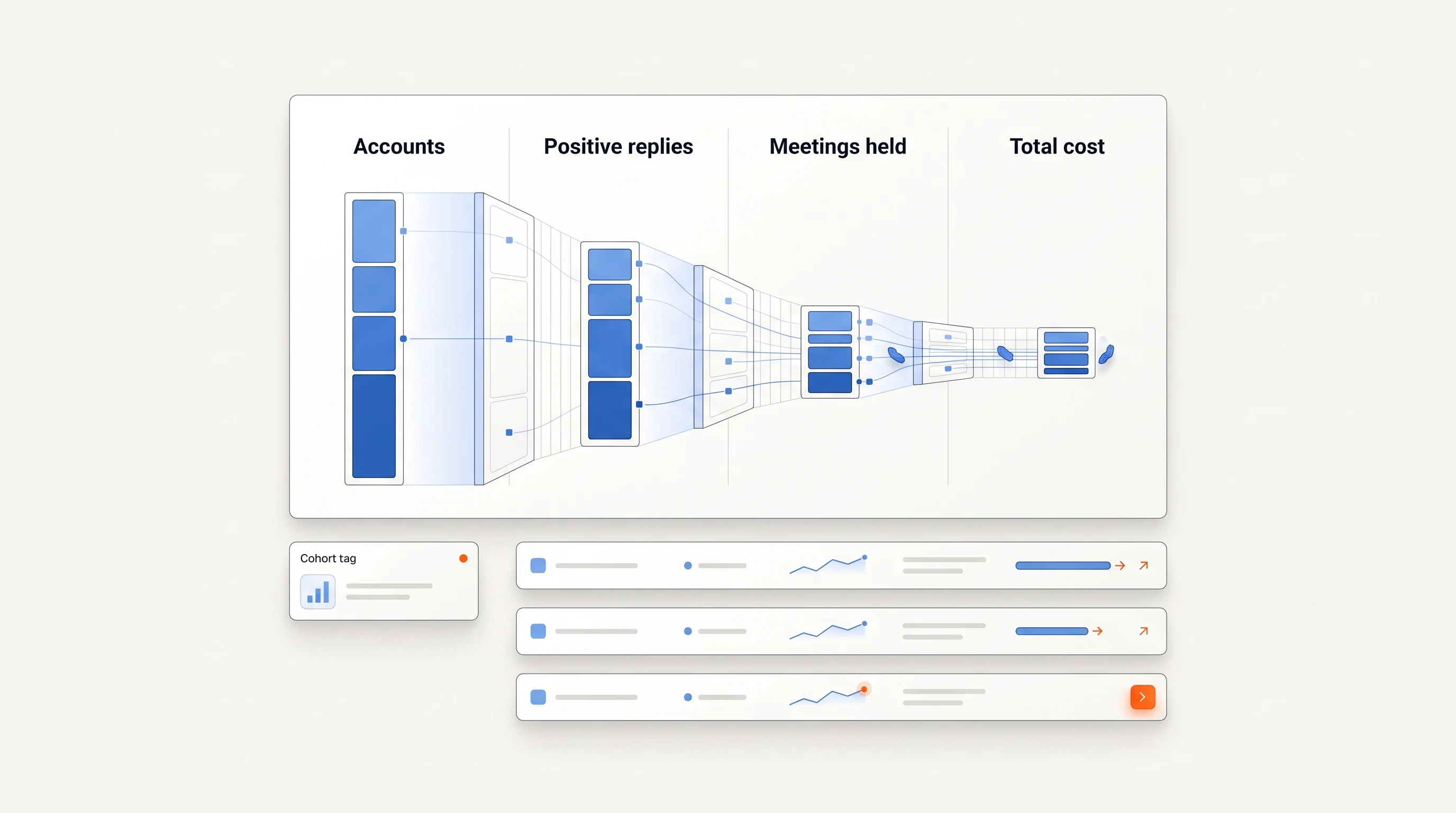
Signal programs are easy to judge by activity: signals found, emails sent, replies. RevOps should judge them by what reaches the forecast. Track, per signal type:
| Metric | Why it matters |
|---|---|
| Signals routed to an owner | Shows coverage and routing gaps |
| Meetings held | Shows whether the reason for outreach landed |
| Qualified opportunities created | Separates interest from real pipeline |
| Win rate and cycle length vs. other sources | Shows whether signal timing changes outcomes |
With long cycles, the last row takes quarters to read. Set the comparison up at the start so the program is not judged only on early activity.
How to start without disrupting the pipeline
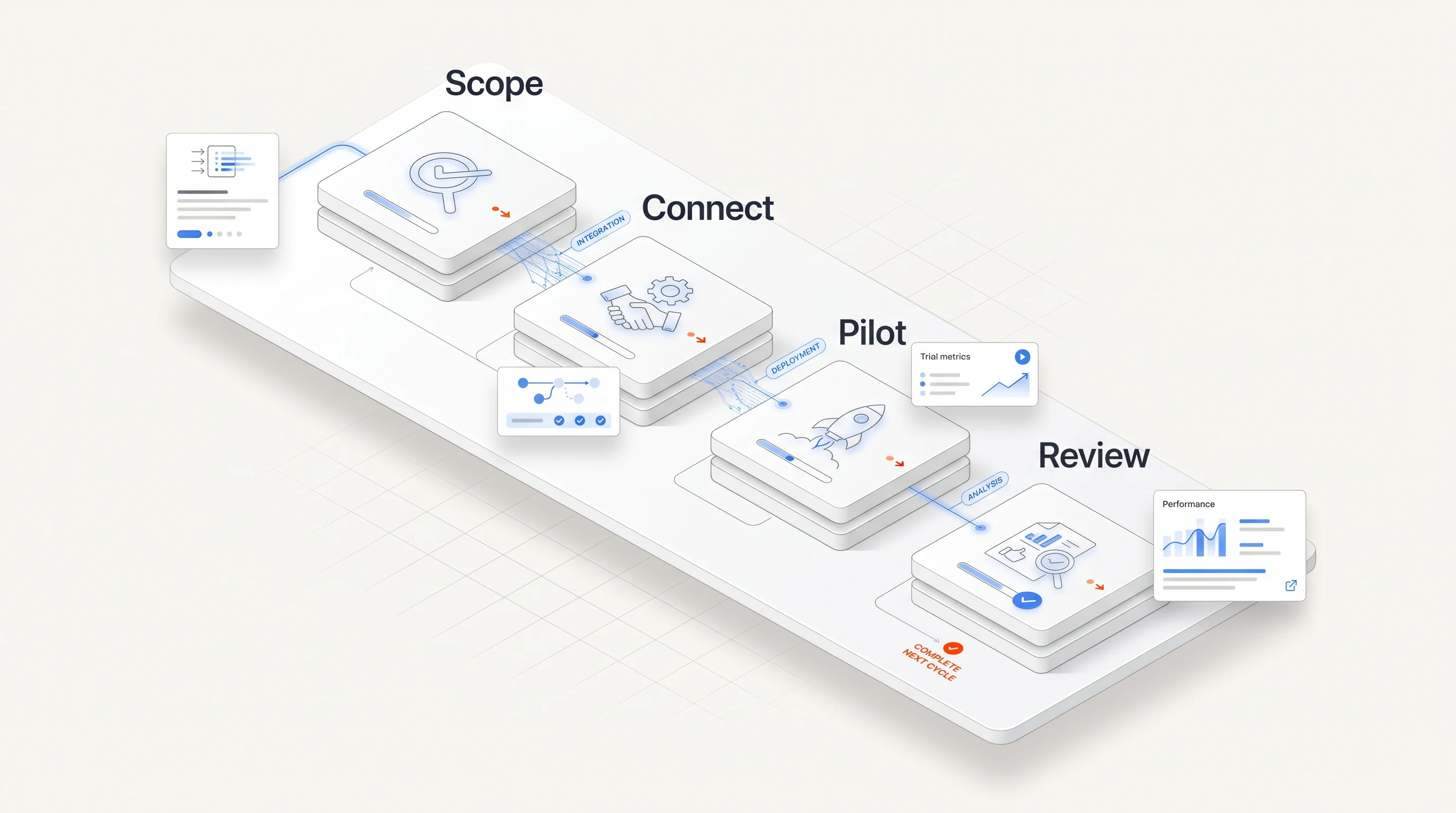
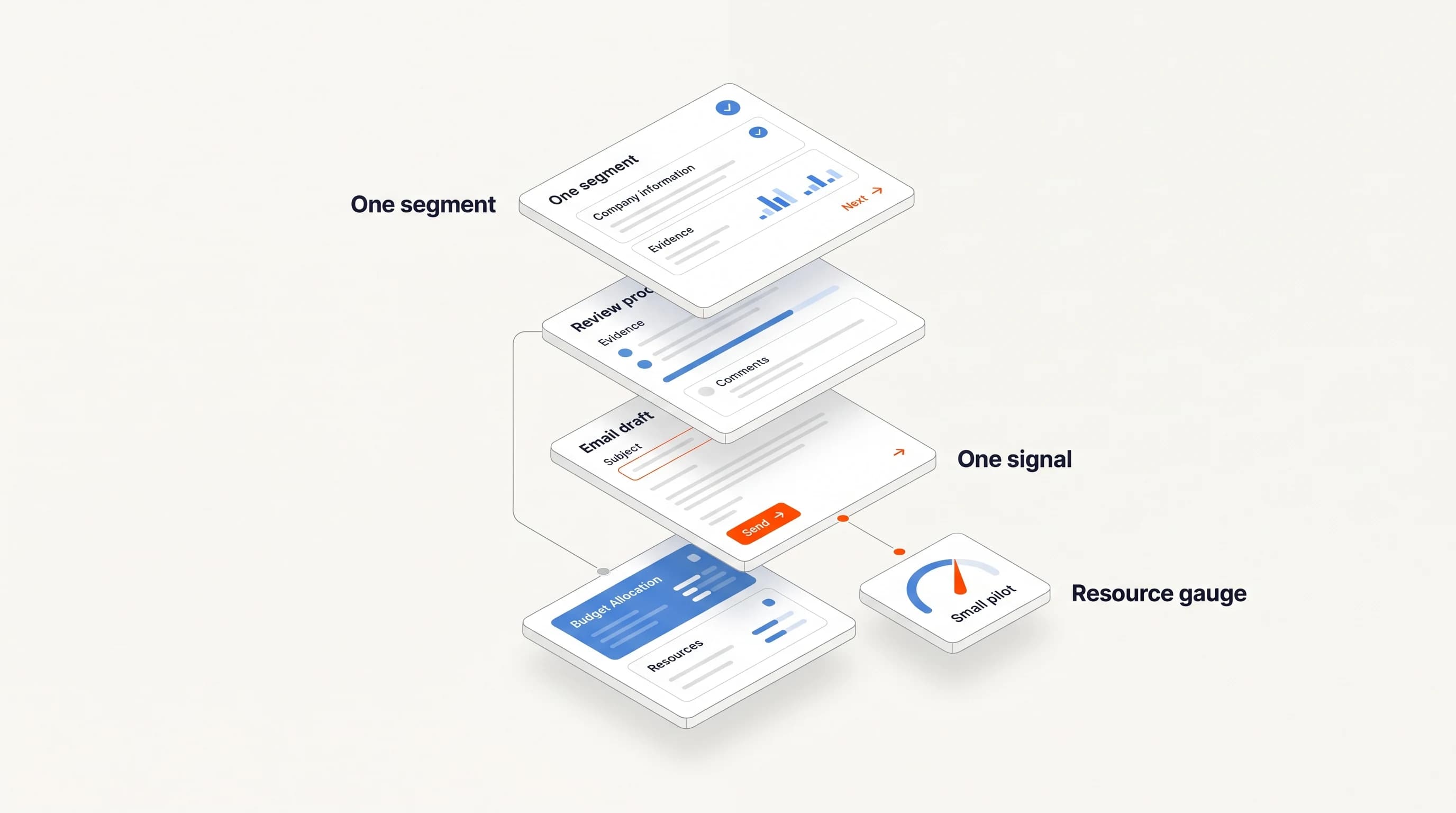
Start small: pick one signal your team can already see, one segment, and one owner. Define what the signal should trigger, apply the routing and suppression rules above, and keep the rest of outbound running unchanged as a comparison. Expand only when the first loop produces meetings your sales team agrees were worth having.
Where Perpetual fits
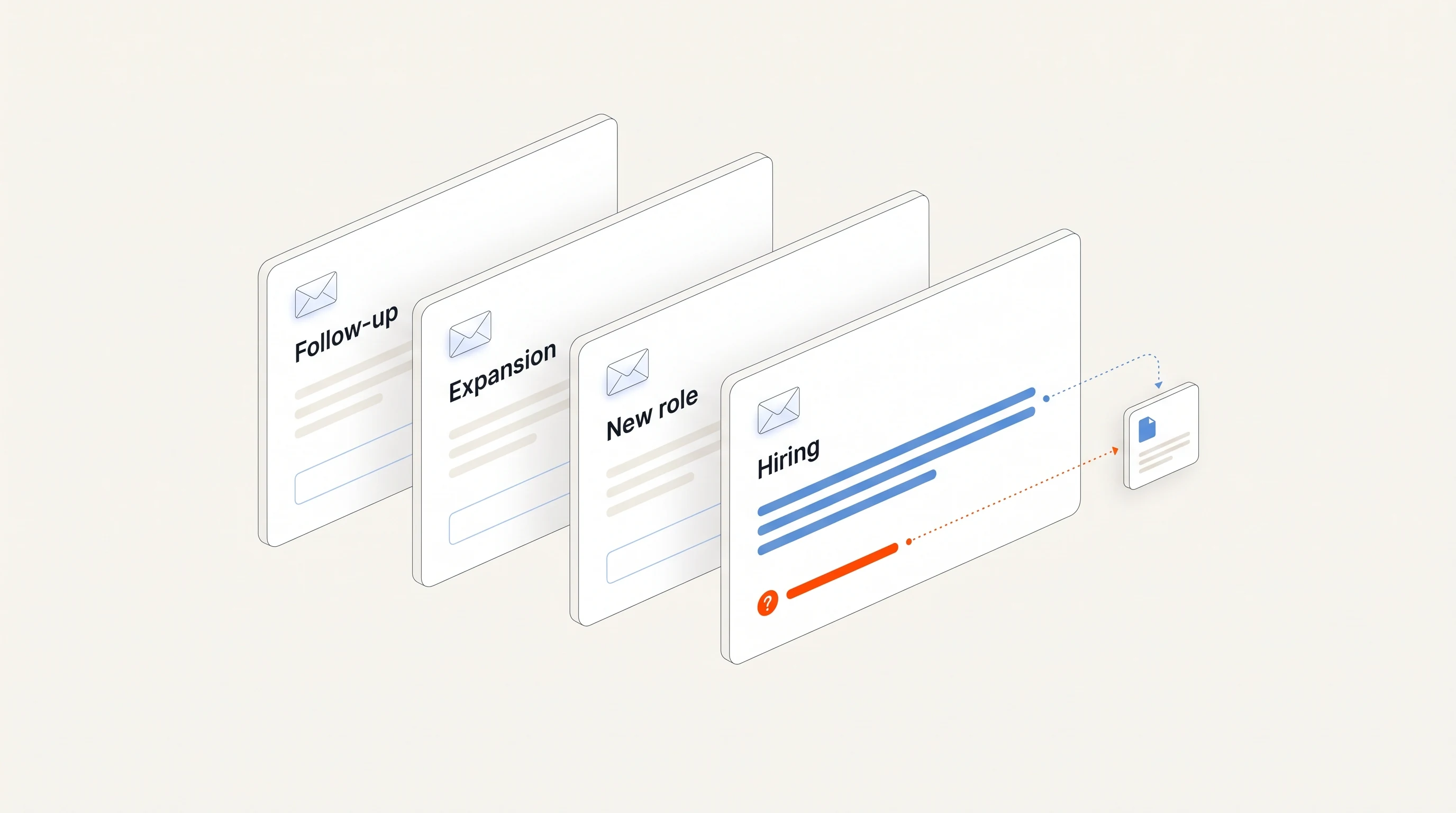
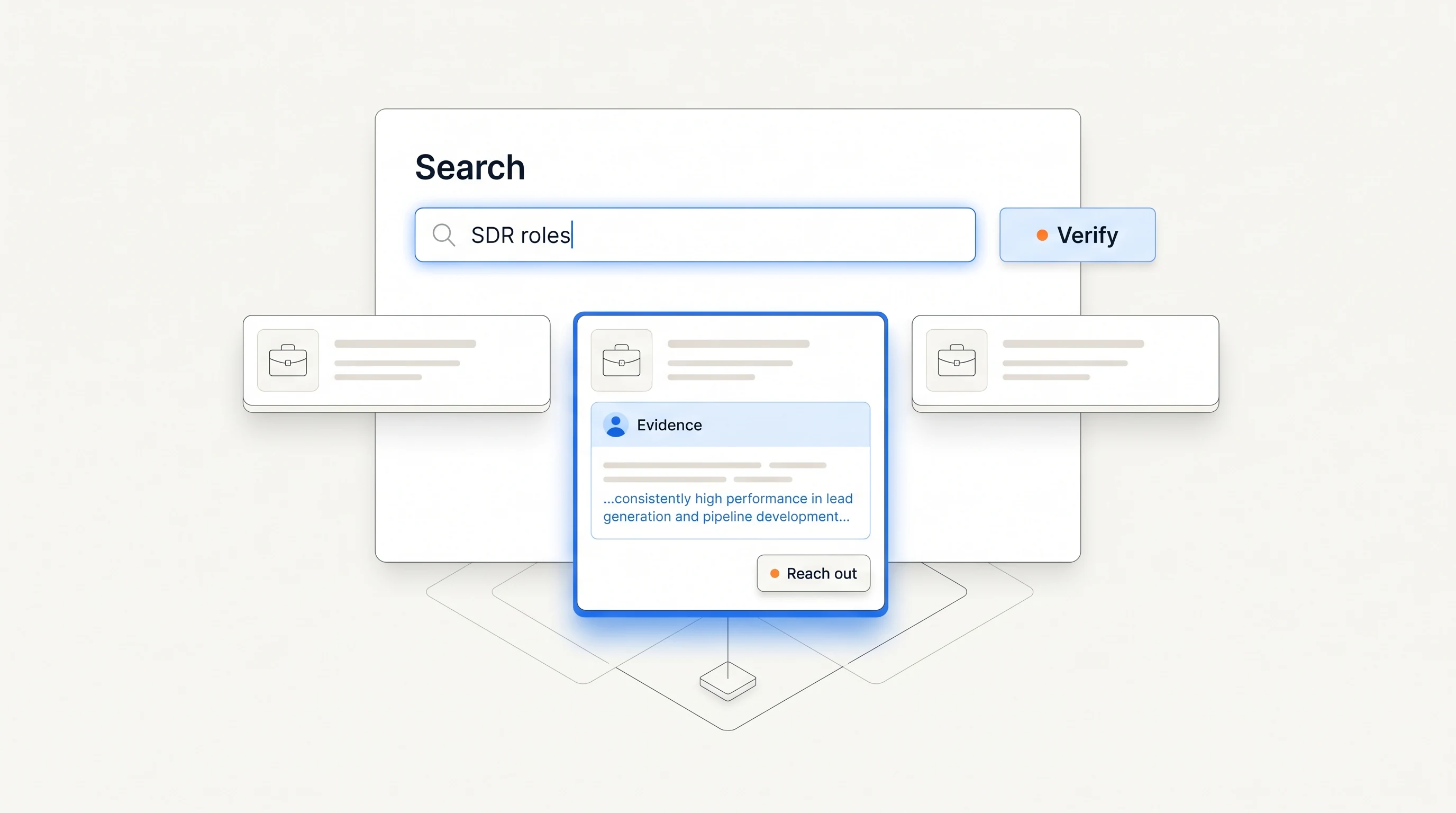
Perpetual turns public hiring activity into qualified companies, selects one relevant person at each with an explanation, and writes an opener grounded in the public source. Email is sent from your own connected mailboxes within a saved sending policy, and replies and opt-outs stop email follow-ups automatically. Each opportunity states what its evidence does not prove. Perpetual is built for founders and B2B sales teams running a focused outbound process, with limits such as five mailboxes and 200 actions per day, so enterprise teams typically use it for one segment or a pilot rather than as the whole outbound program.
Key takeaways
| Point | Detail |
|---|---|
| Enter the window before the RFP | Signals help you start conversations before a shortlist exists. |
| Signals start conversations; qualification creates pipeline | Treat each signal as a reason to reach out, then qualify across the buying group. |
| Routing is the real work | Respect owners, open deals, customers and opt-outs at the moment of action. |
| Measure by pipeline | Compare meetings, opportunities, win rate and cycle length by signal type. |
Frequently asked questions
Is a buying signal the same as buying intent?
No. A signal is a change that suggests an account may be in motion. Intent means someone is actively looking to buy. In enterprise deals, a signal still has to be qualified against the buying group, budget and timeline before it counts as pipeline.
How should signals interact with accounts that already have an owner?
Signals at owned accounts should go to the owner as context, and accounts with open opportunities should never receive separate cold outreach. These rules should be enforced by the routing layer, not left to reps.
How long before we know whether signal-based prospecting works?
Meetings and replies show within weeks. Opportunity creation, win rate and cycle length take one or more full sales cycles, so set up the comparison against other sources from the start.