JournalSignalsNo. 19
Unified Go-to-Market Platforms: Combining Signal Detection and Deal Progression
What unified go-to-market platforms are, how they combine signal detection with deal progression, and what to look for when evaluating them.
Matija Nikolić7 min read7 sections
Contents
Published by Perpetual
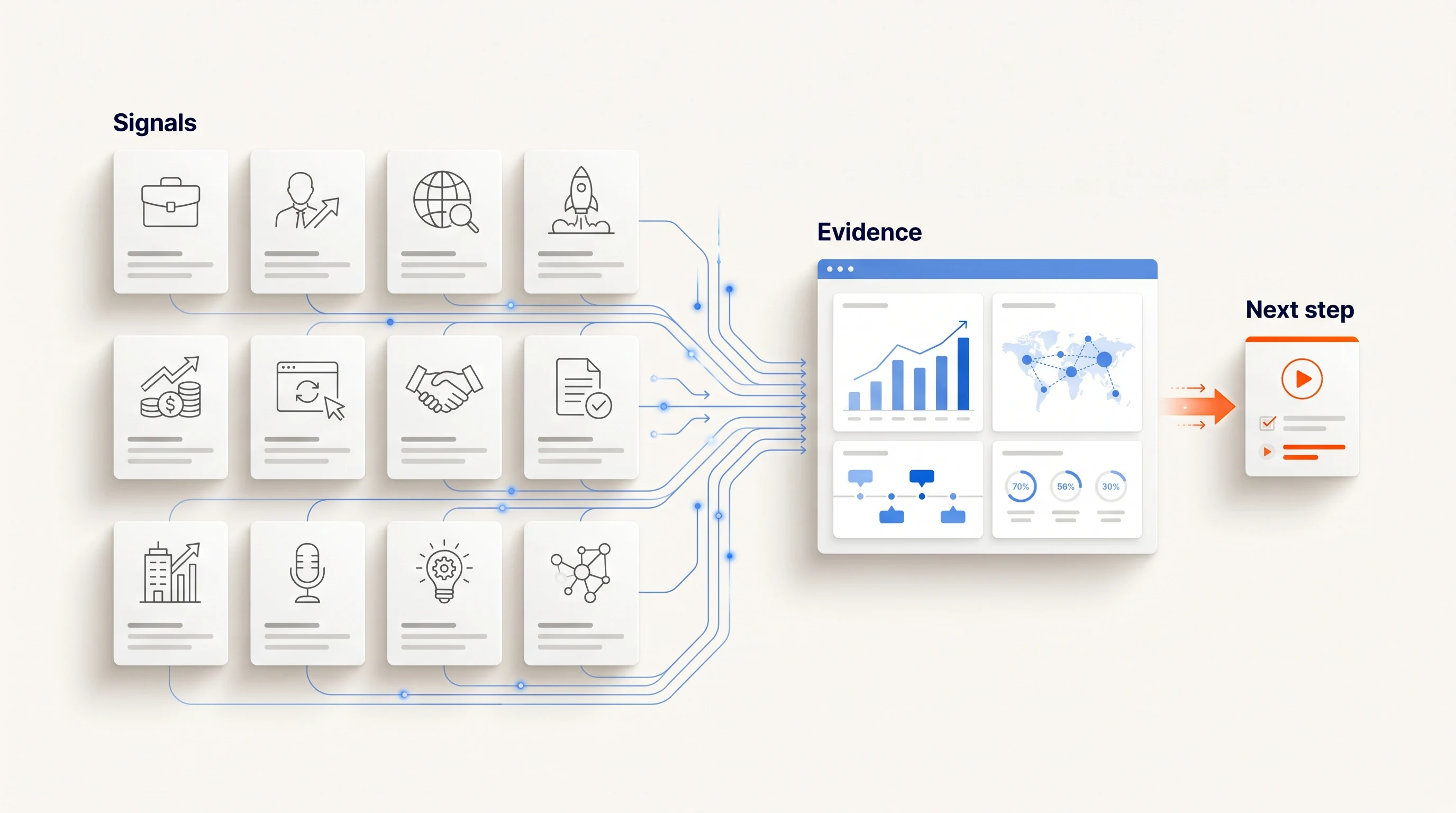
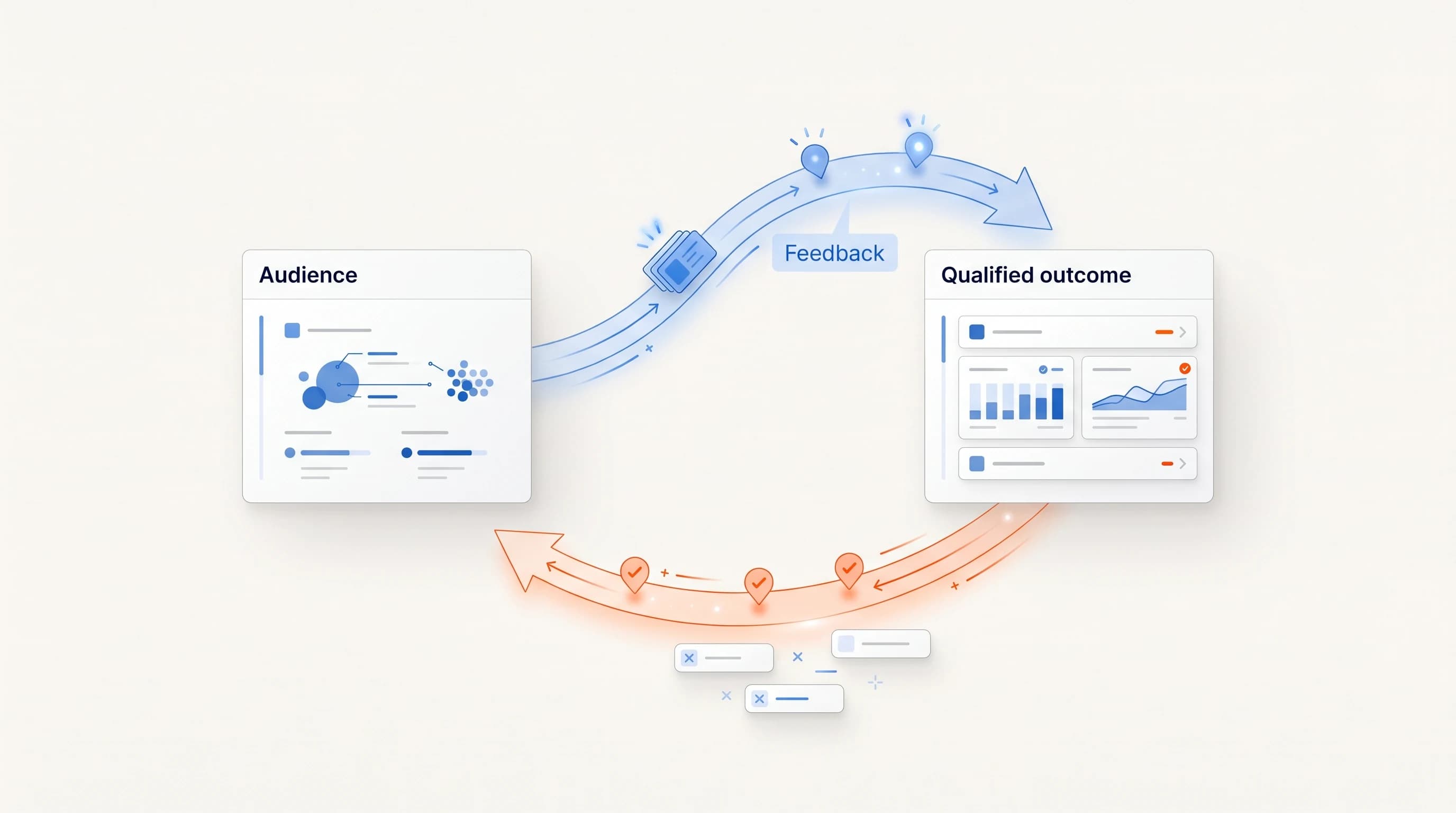
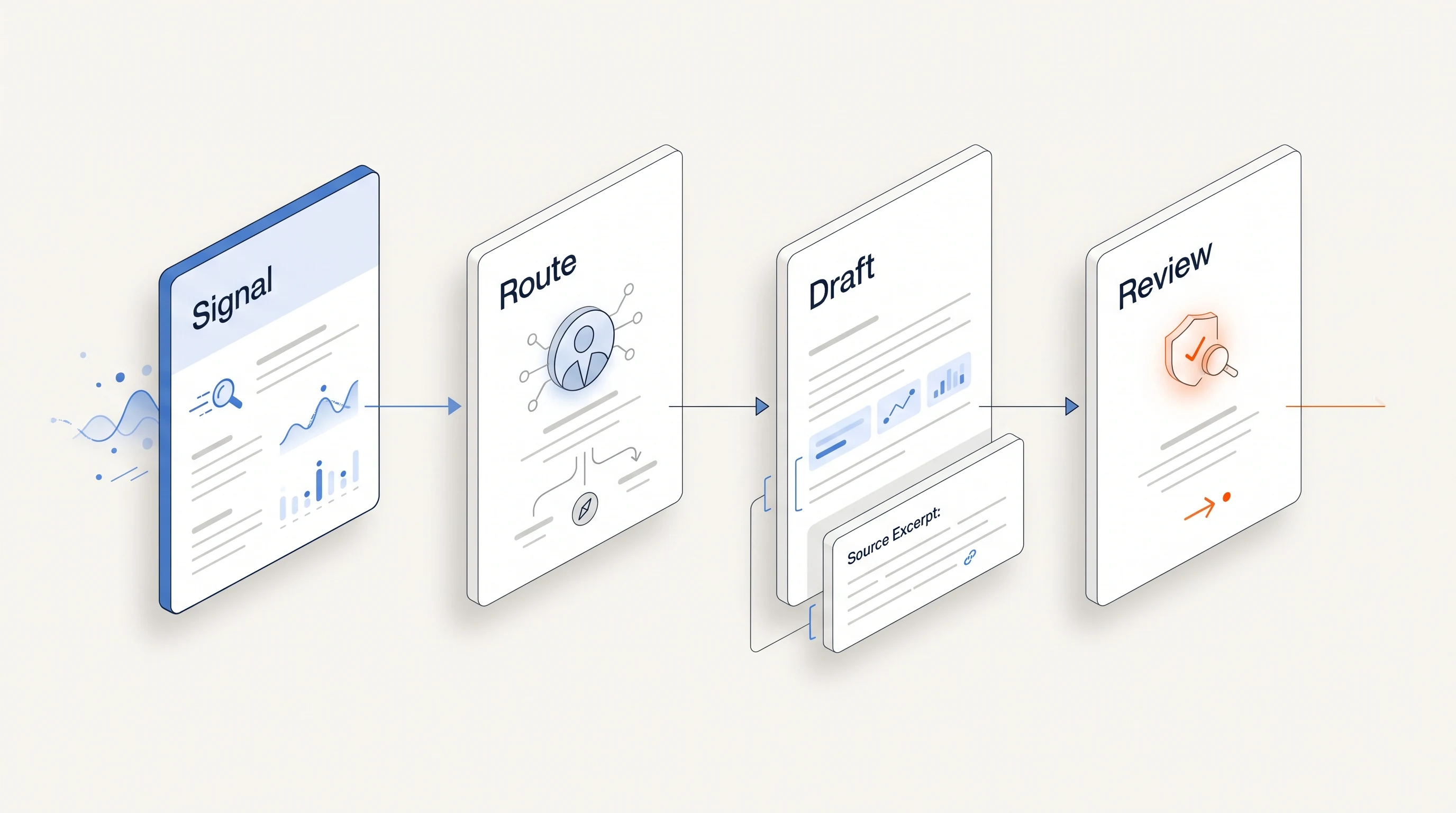
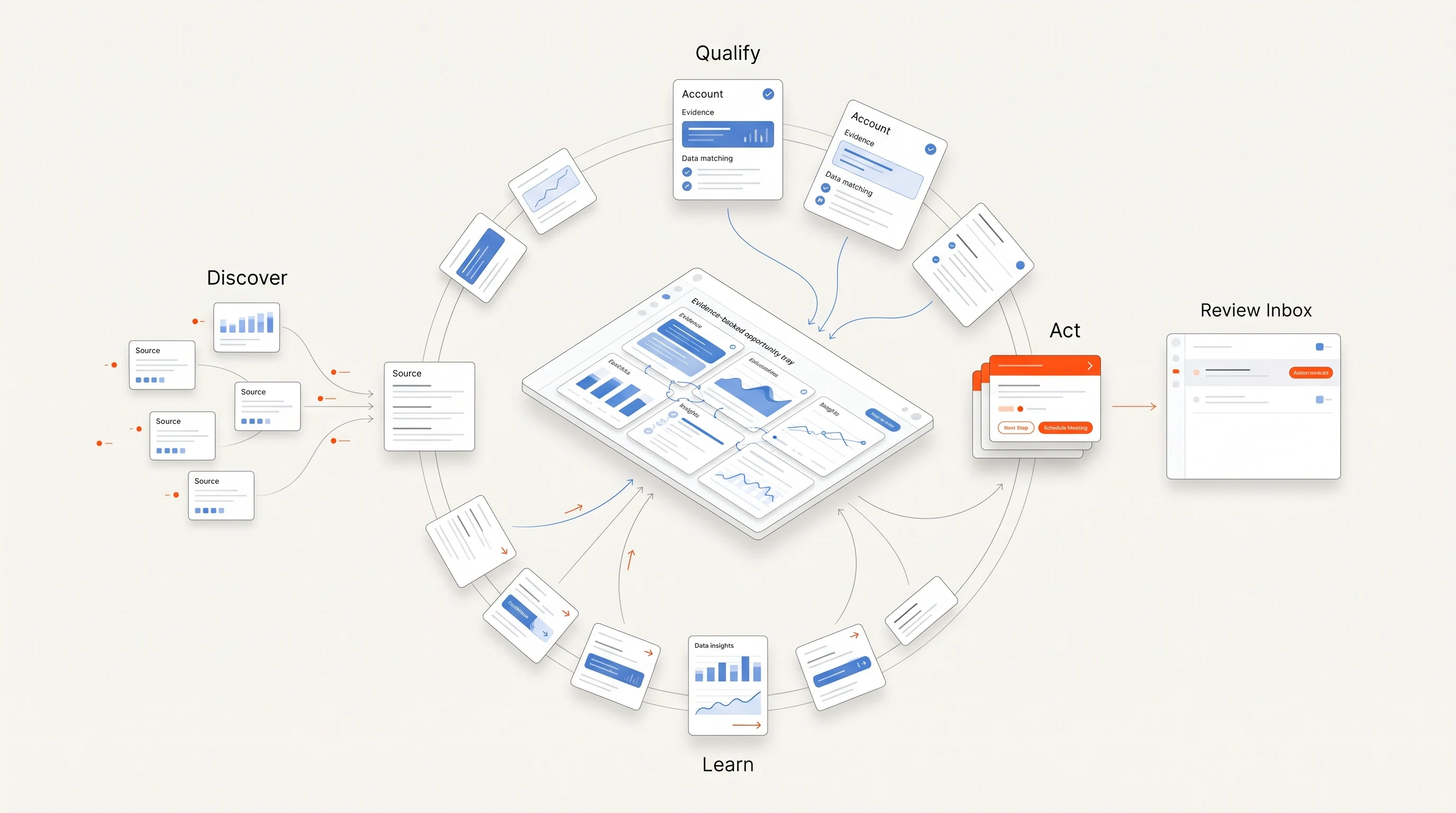
A unified go-to-market (GTM) platform is software that brings market and customer data, buying-signal detection, and deal-progression workflows into a single workspace, so sales, marketing, and success teams can act on signals and move deals forward without toggling between disconnected tools. The core idea is a closed loop: detect a signal, decide what to do next, take action, and track how the deal advances.
Three things to know
- A unified GTM platform combines data, signal detection, and deal-motion workflows in one place.
- Signal detection surfaces buying signals; deal progression turns those signals into pipeline movement and revenue.
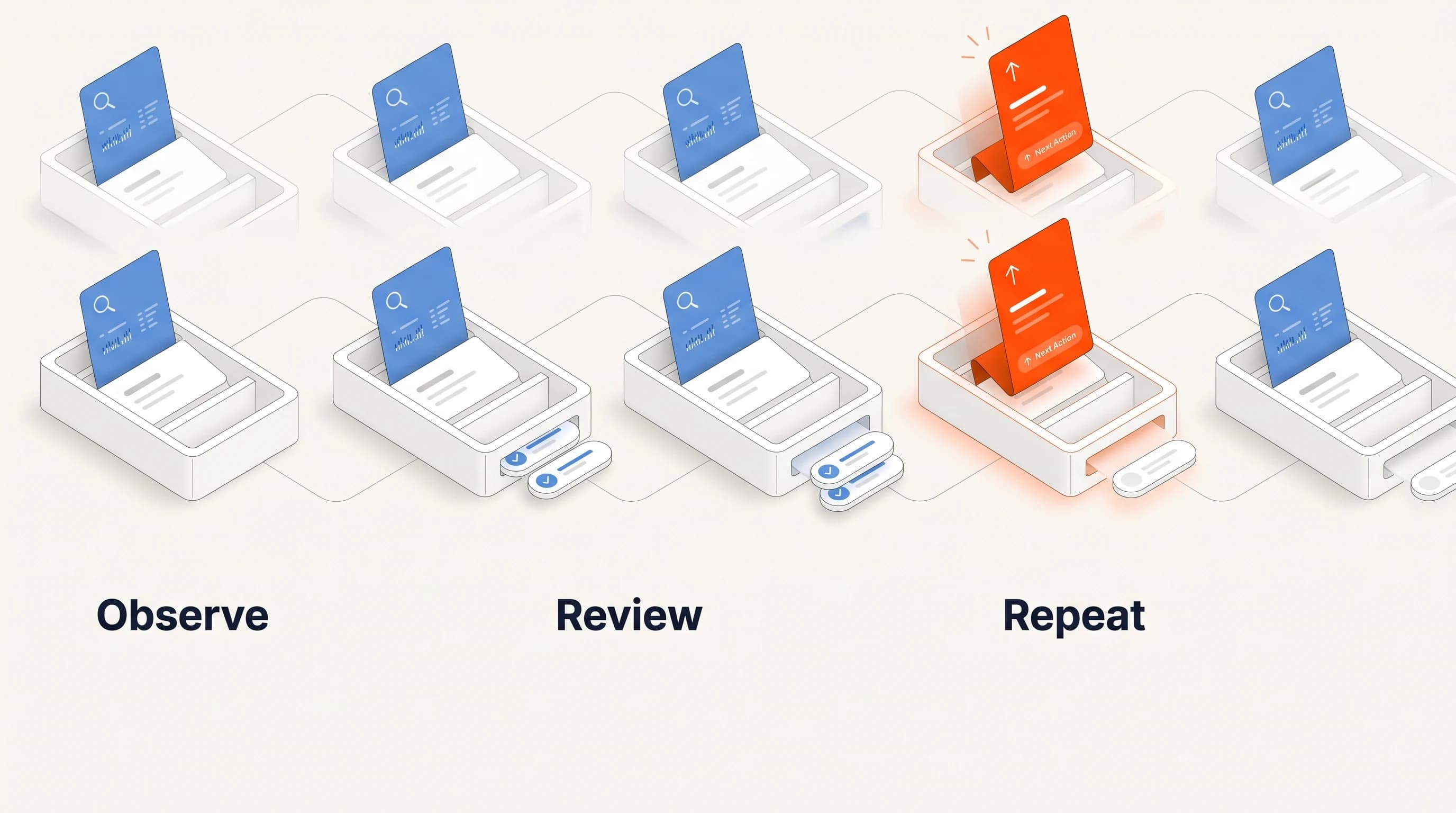
- The value is a closed loop: detect, decide, act, and measure how accounts move through the funnel.
What is a unified go-to-market platform?
A unified go-to-market (GTM) platform is software that brings together the data, signals, and execution workflows a revenue team needs into one workspace. Rather than toggling between separate tools for enrichment, outreach, CRM updates, and reporting, a unified platform connects these into a single system that runs on triggers, signals, or schedules.
GTM tools help teams launch, engage, and drive revenue across sales, marketing, and success. These platforms unify market and customer data, define ideal customer profiles (ICPs) and Total Addressable Market (TAM), surface buying signals, score and route leads, and orchestrate personalized, multichannel outreach. They also enable pipeline management and forecasting, conversation and deal intelligence, account-based marketing (ABM) execution, and full-funnel attribution.
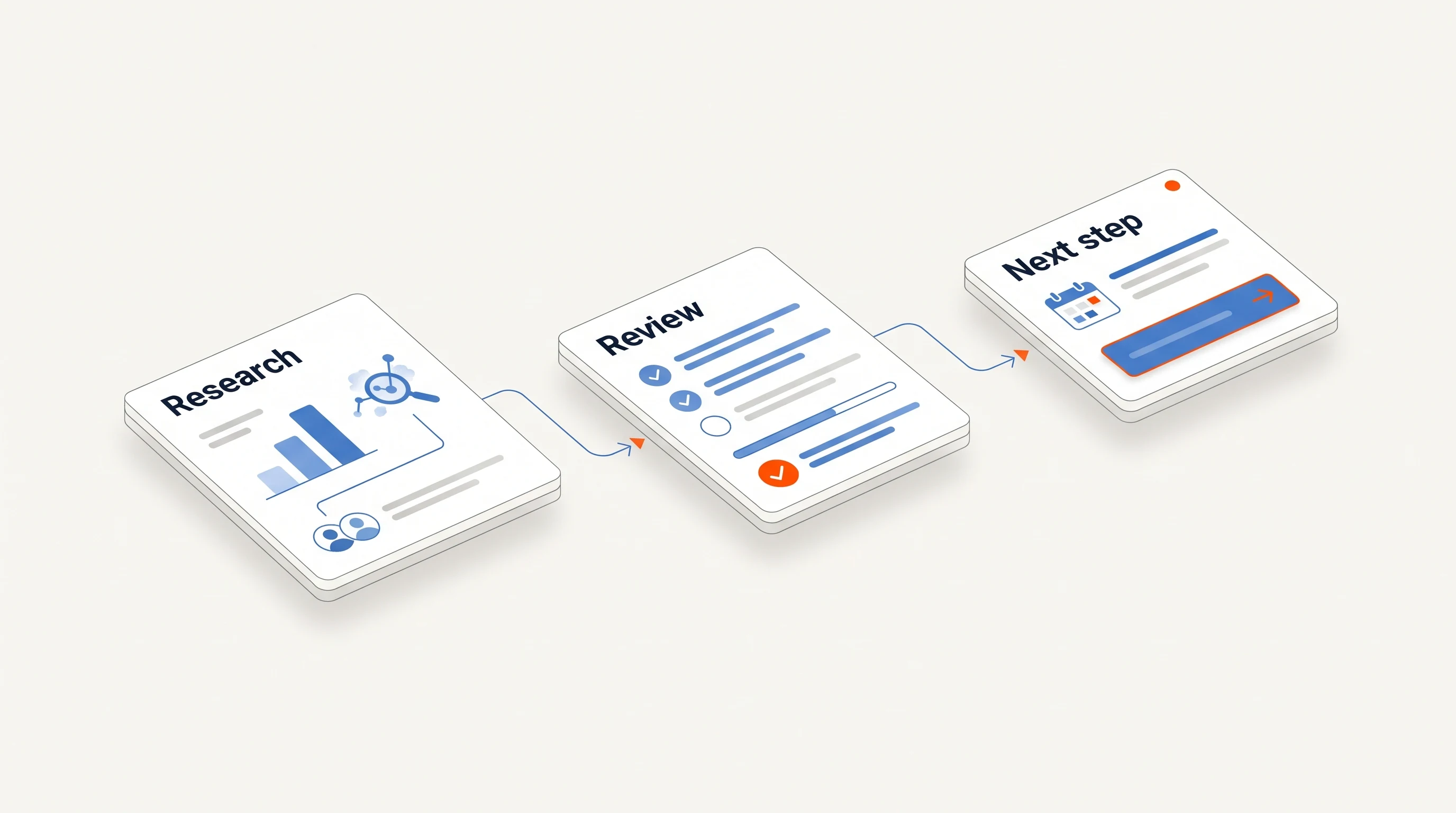
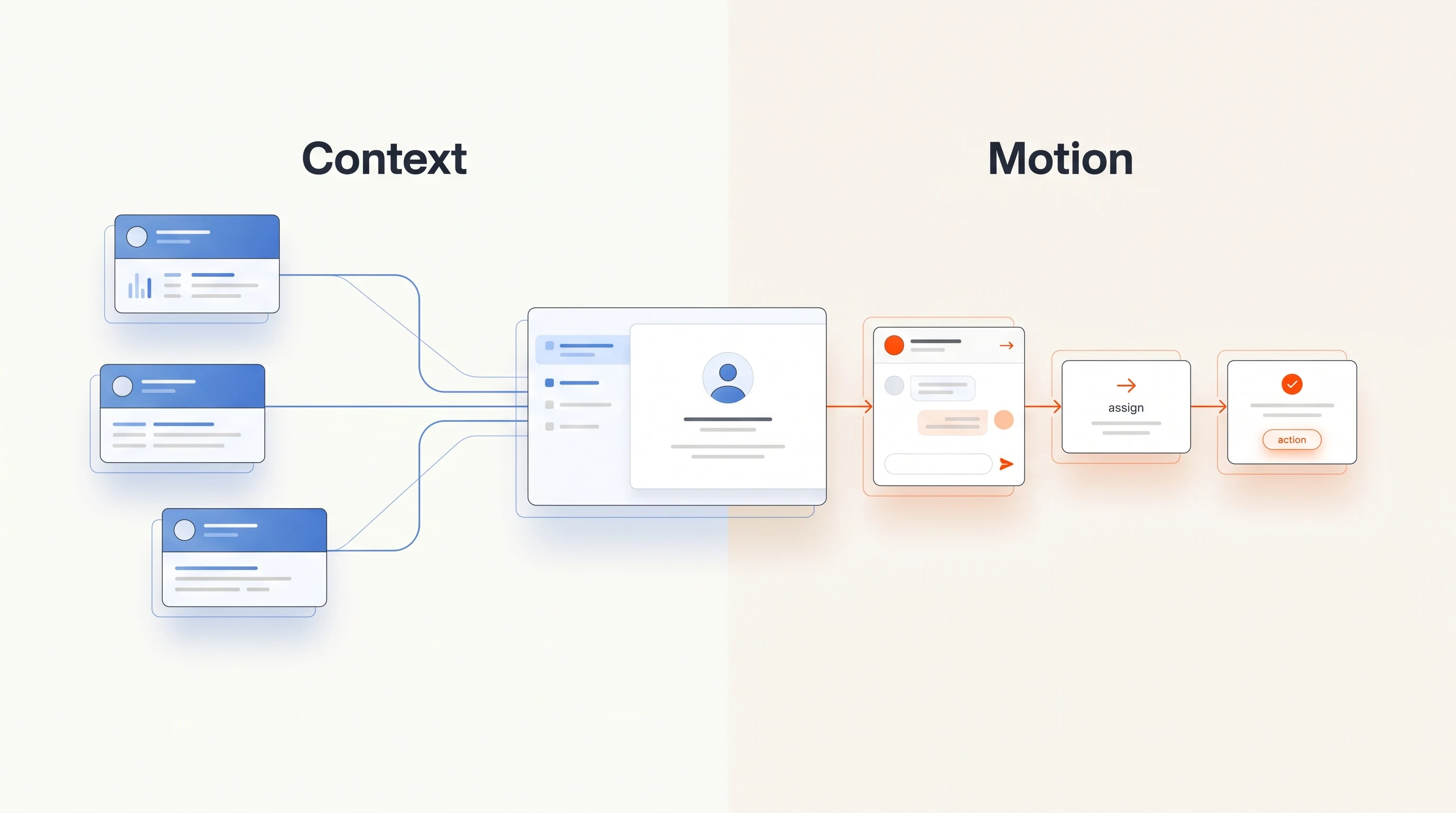
The defining characteristic is the combination of two capabilities that are often split across separate products: signal detection (finding the moments that indicate a prospect is ready to engage) and deal progression (acting on those moments and moving the opportunity forward).
The signal detection half
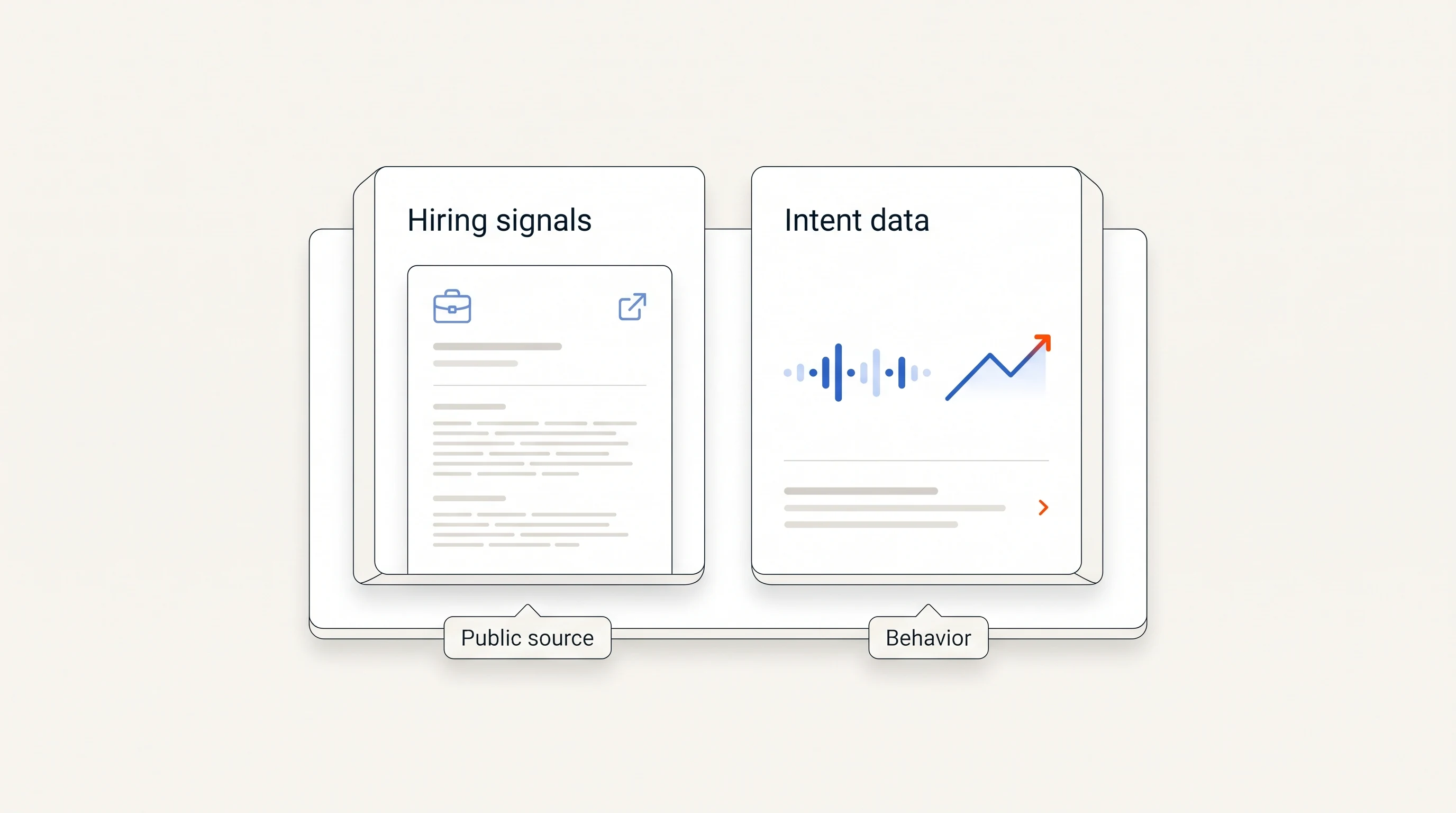
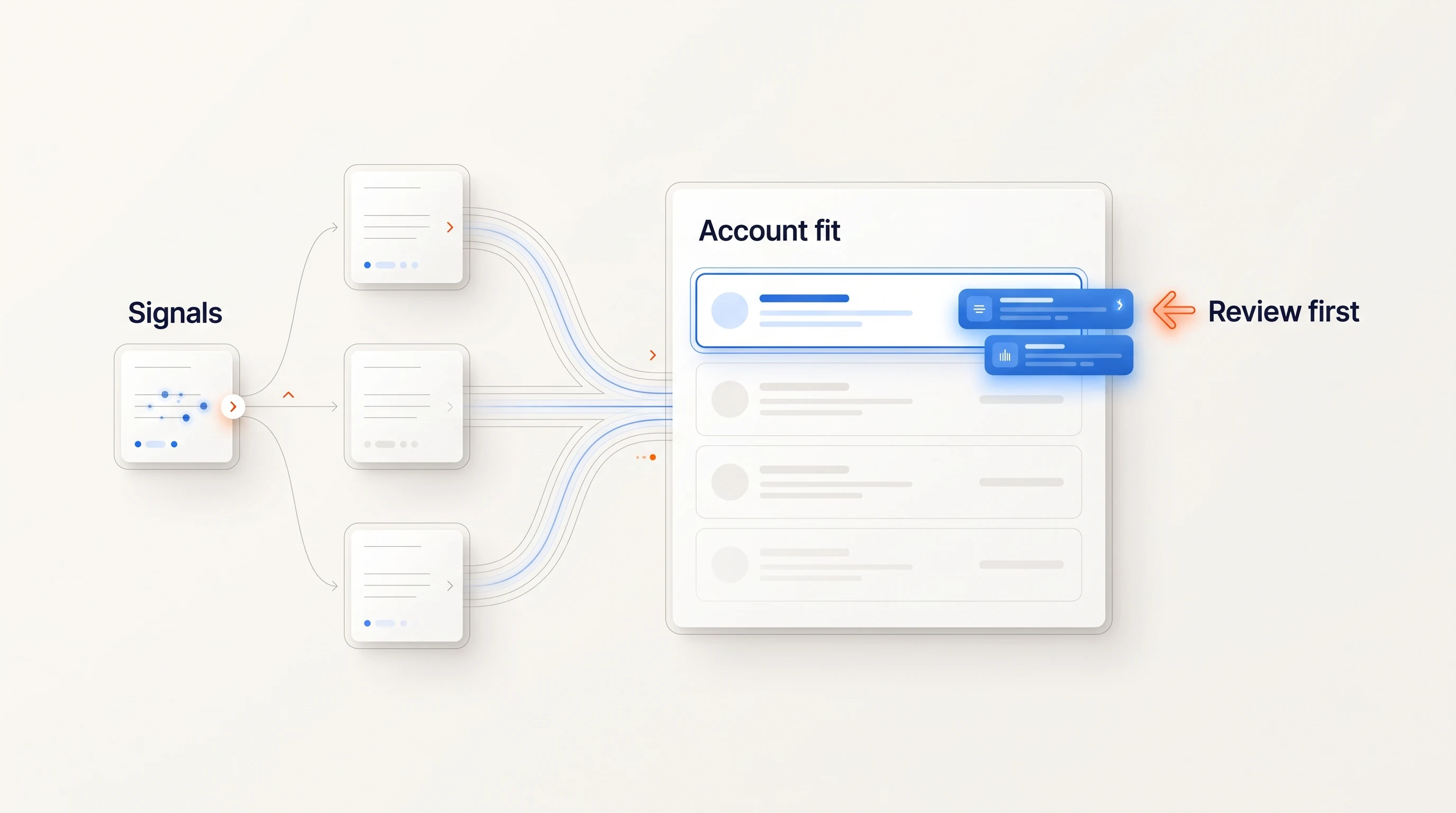
Signal detection is the part of the platform that watches for the moments that indicate a prospect or account is ready to engage. These signals can come from first-party data (your CRM, marketing automation, and website analytics) and third-party data (firmographics, technographics, and intent signals).
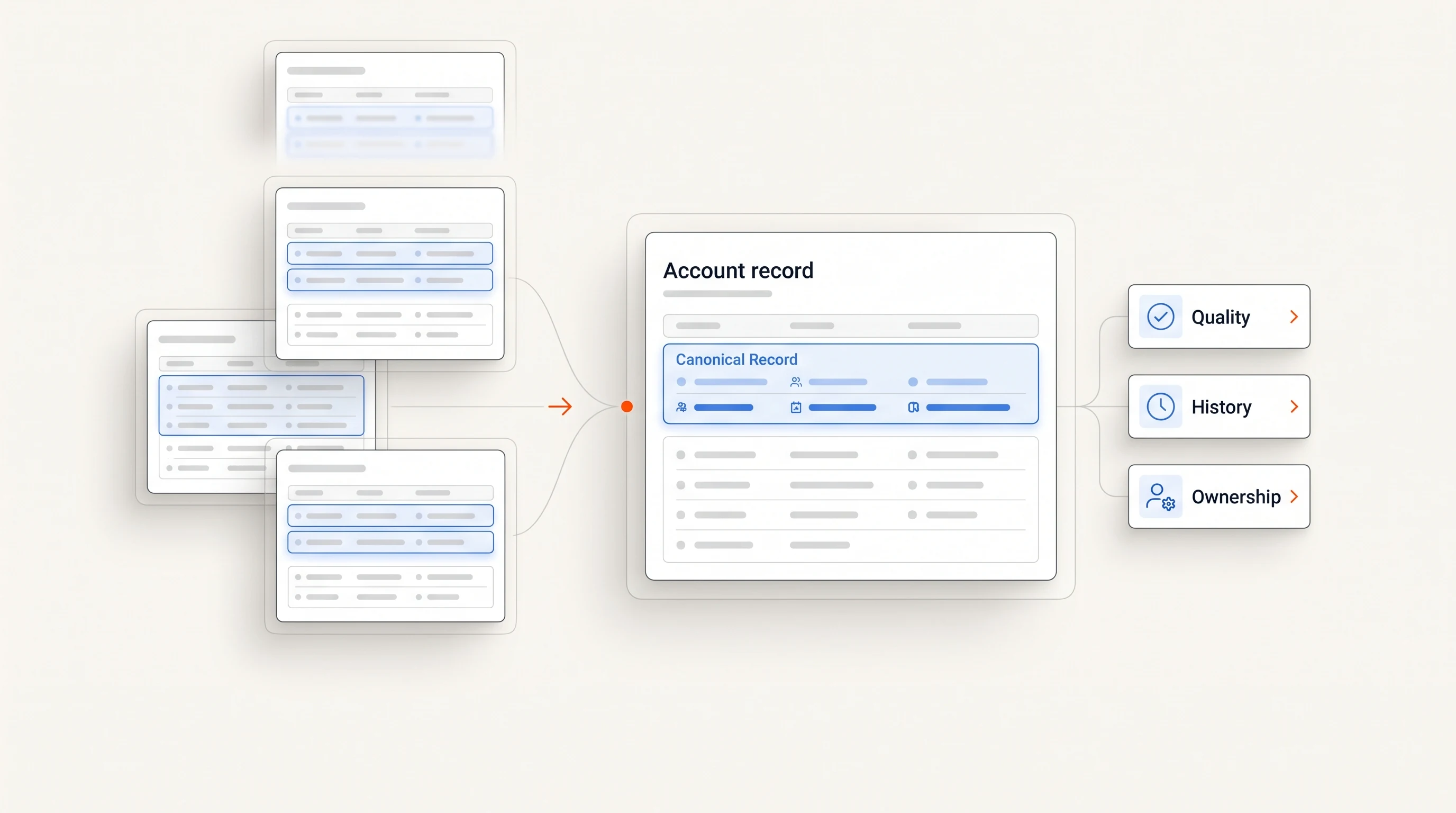
A unified platform combines these sources to build unified account profiles and detect buying signals at the account and buying-group level. The goal is to surface the right account at the right moment, rather than relying on static lists or manual research.
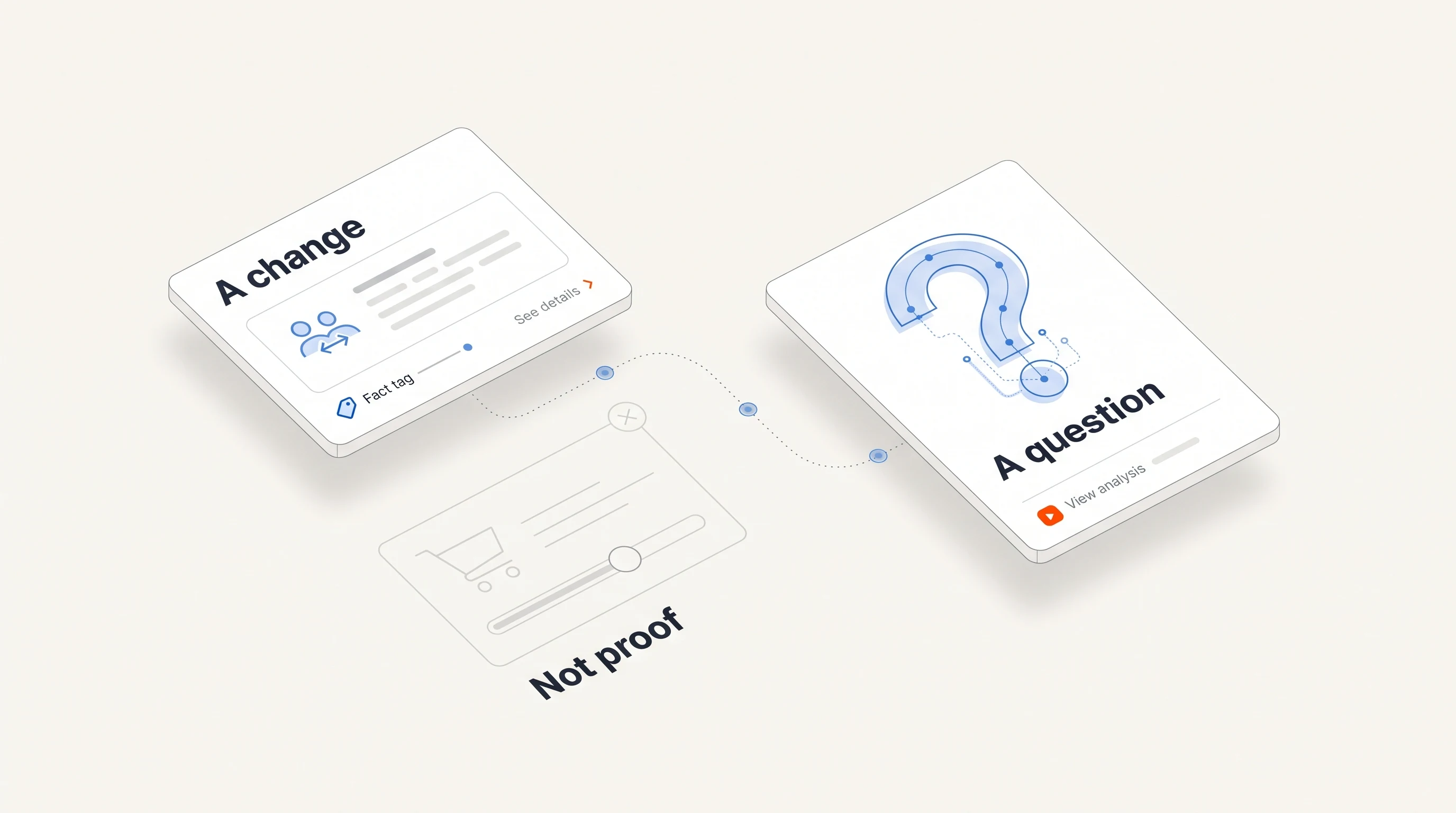
It is worth being precise about what a signal is. A signal is an observable change in behavior or circumstance, not a guarantee of intent to buy. The distinction matters because acting on every signal as if it were confirmed intent produces noise, not pipeline.
The deal progression half
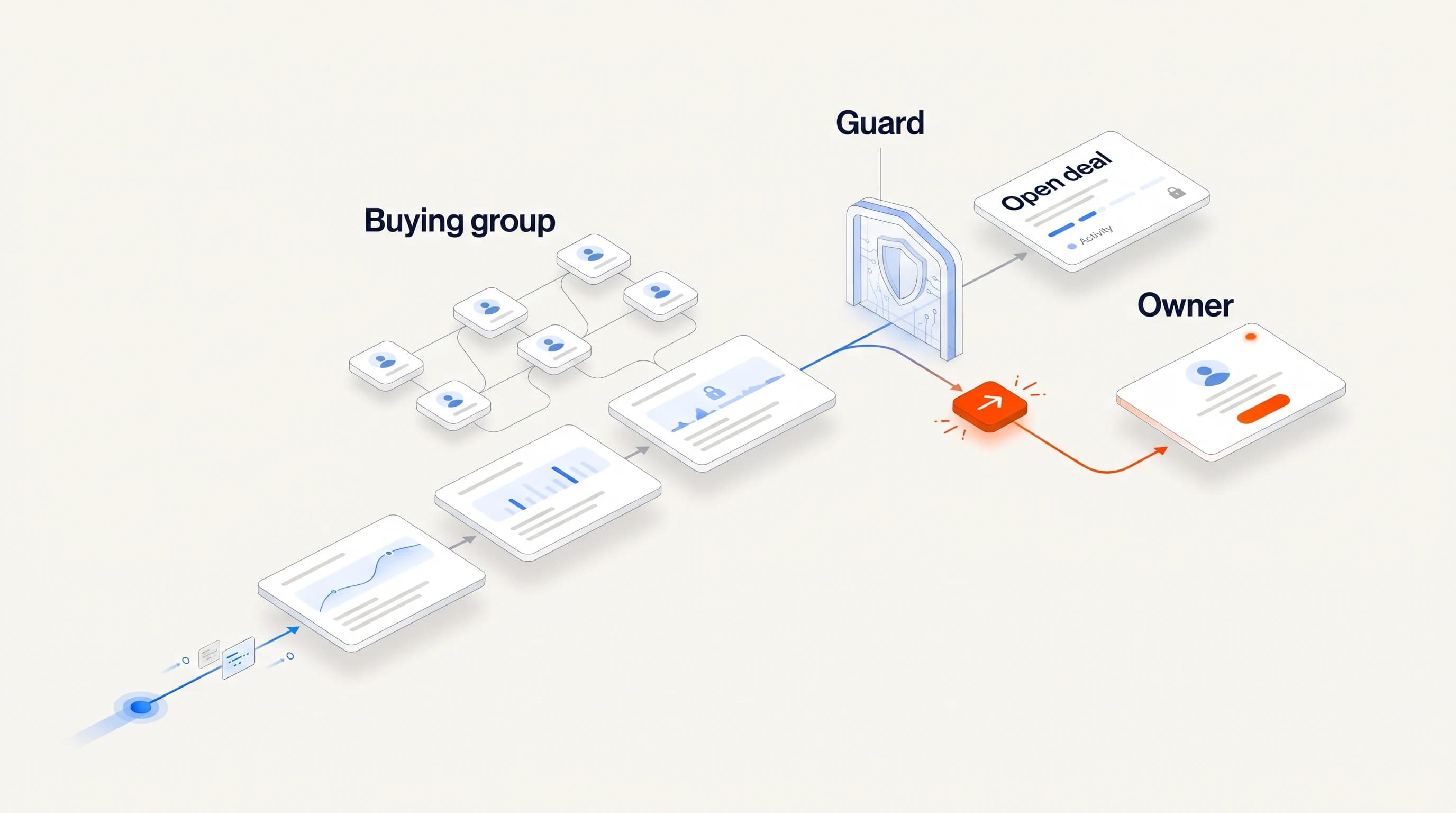
Deal progression is the part of the platform that turns a detected signal into forward motion. Once a signal is surfaced, the platform decides what to do next and takes action: scoring and routing the lead, triggering outreach, updating the CRM, and tracking how the account moves through the funnel.
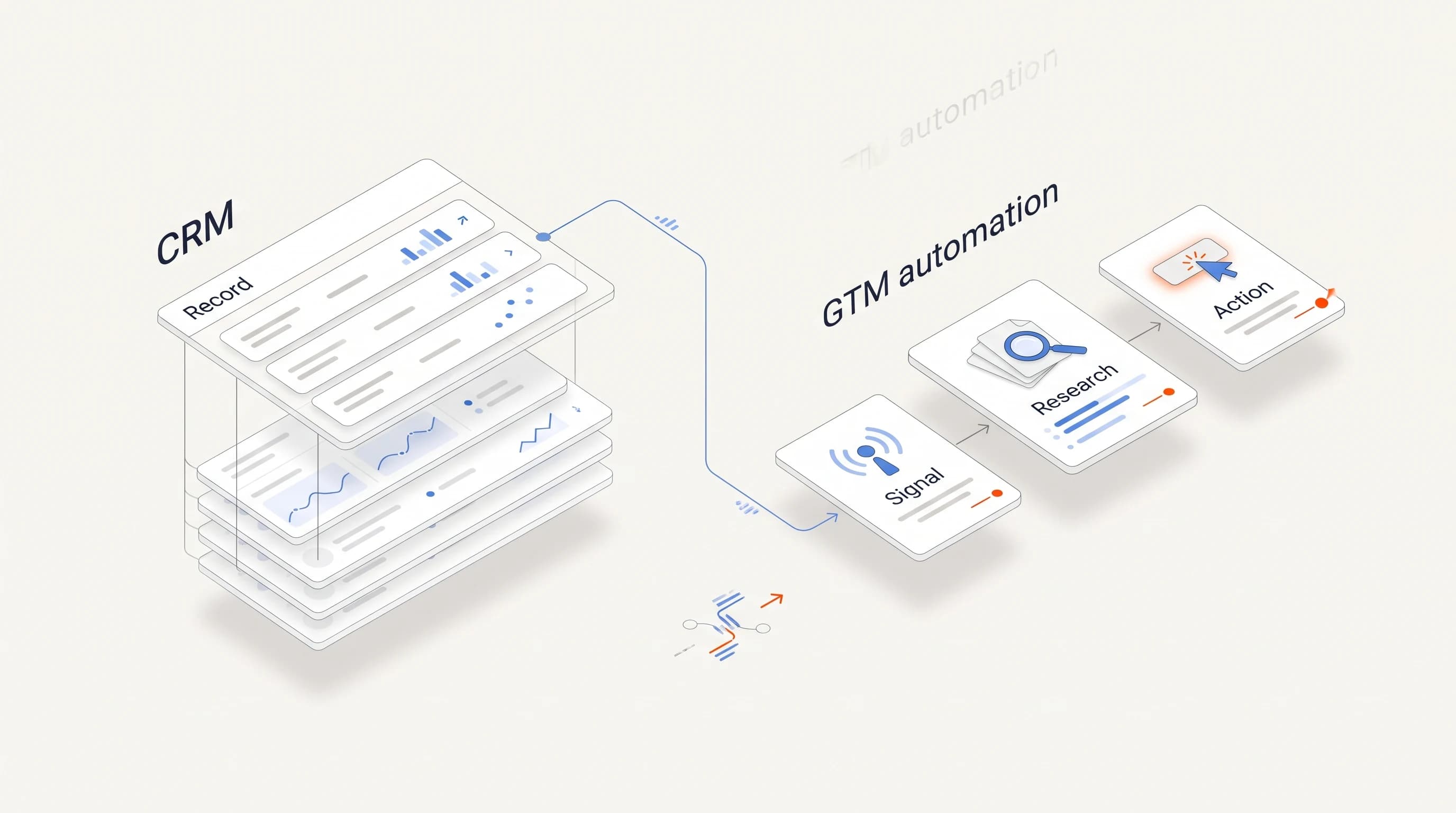
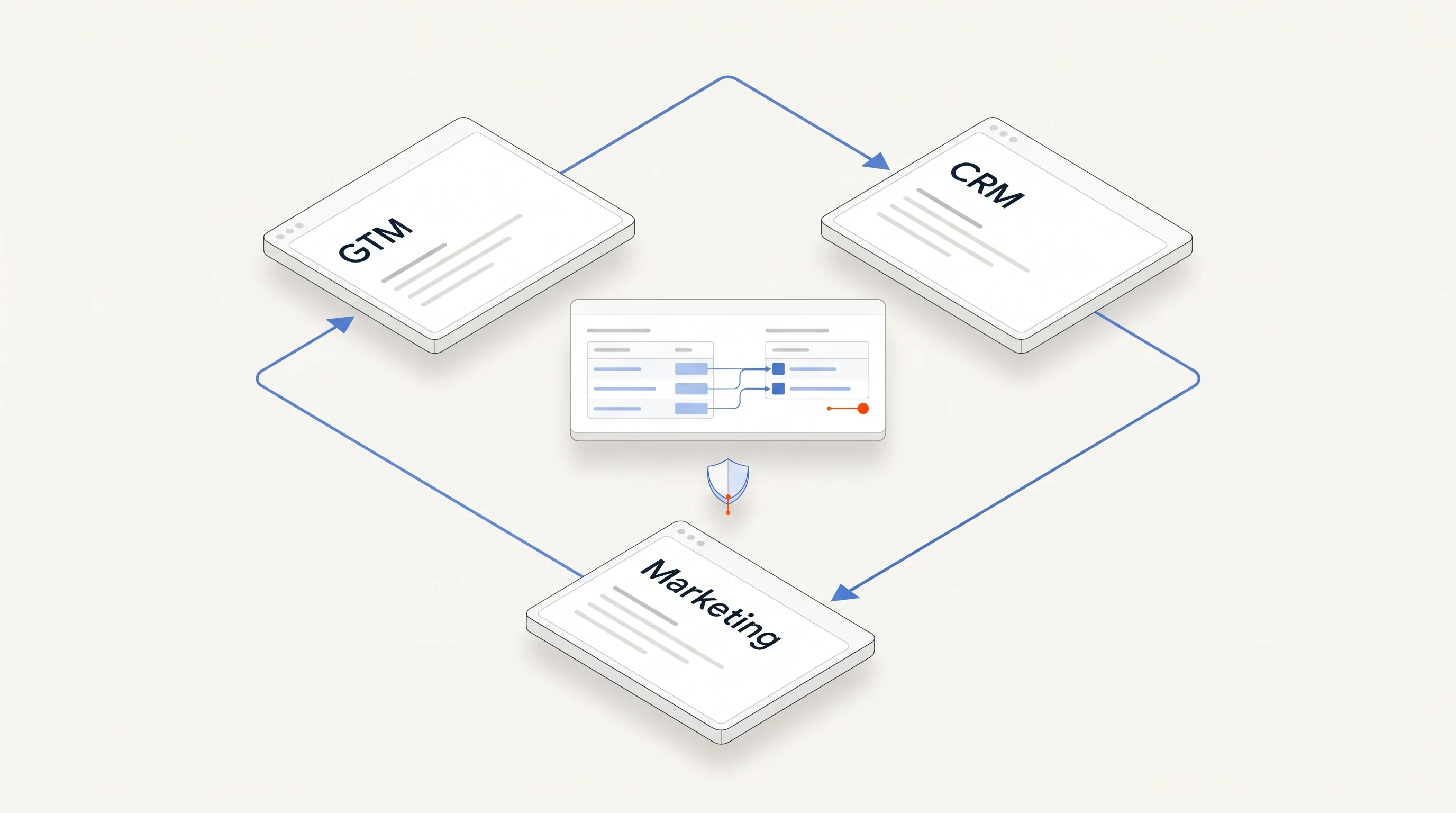
A CRM is the system of record where deals and contacts live. A unified GTM platform sits around or on top of it, bringing in outside data and signals, deciding what to do next, and taking action. Some platforms add that intelligence layer directly to the CRM, while others orchestrate across whatever CRM a team already runs.
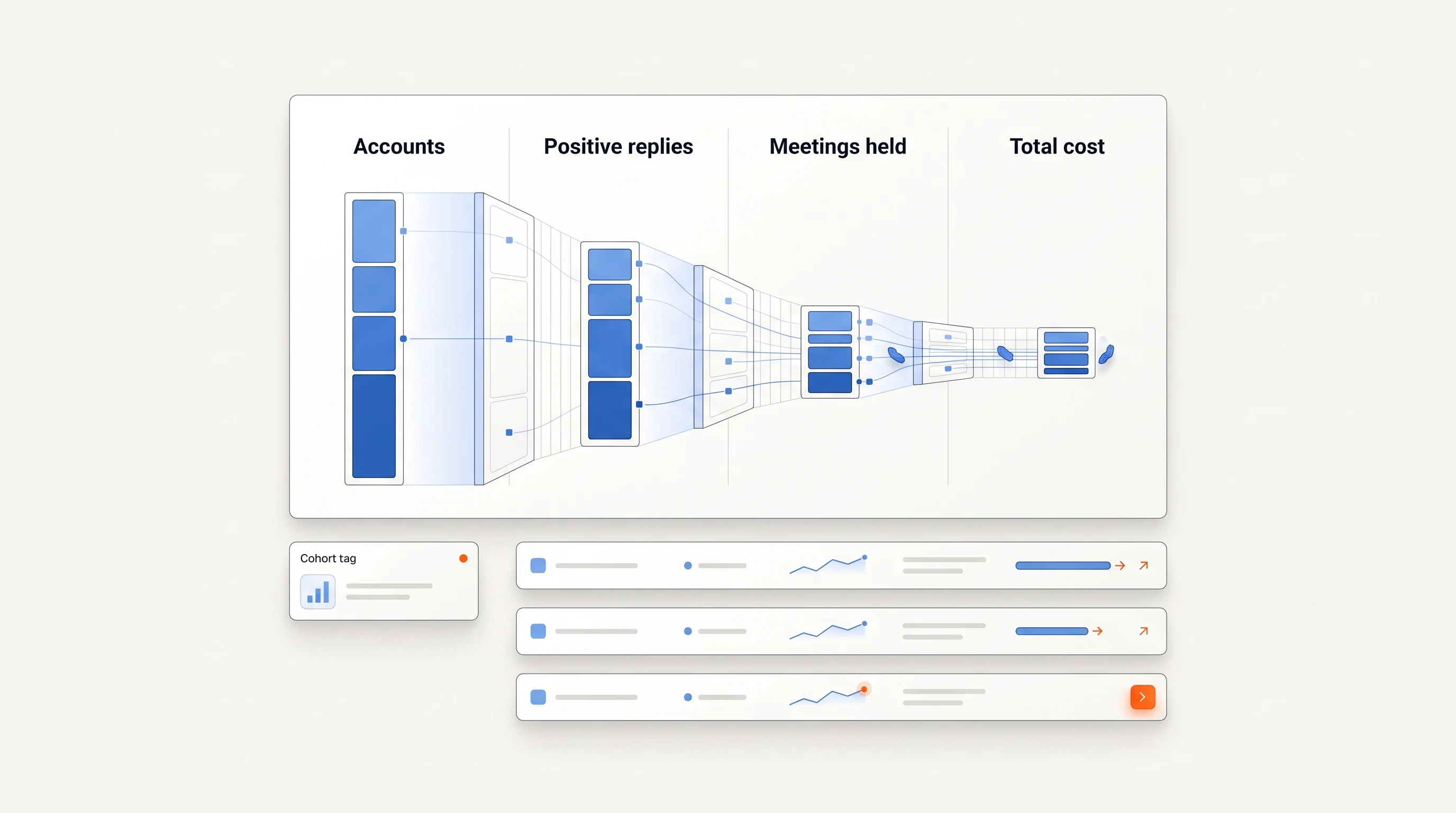
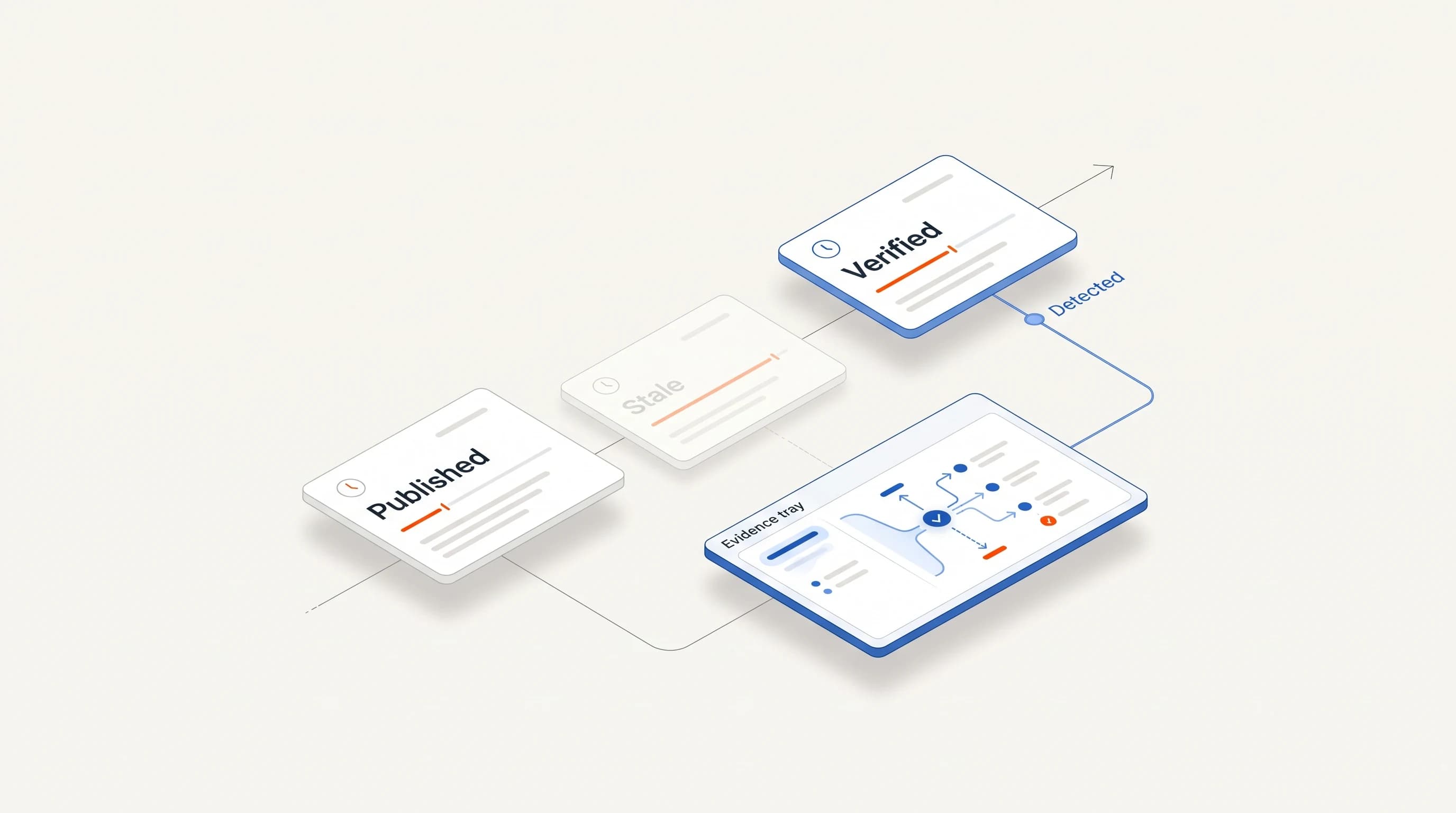
The progression side also includes measurement: seeing how accounts move through the funnel and which signals and plays influence the pipeline. This closes the loop between detection and outcome, which is what distinguishes a unified platform from a collection of point tools.
Why combining them matters
The reason a unified platform is valuable is that signal detection and deal progression are two halves of the same loop. Detection without progression leaves teams with a pile of interesting signals and no coordinated way to act on them. Progression without detection means teams are executing against stale or guessed-at priorities.
When the two are combined, the platform can align teams and automate workflows so that a signal triggers an action, and the action's result feeds back into what the platform detects next. This is the difference between a dashboard that reports on the market and a system that keeps finding opportunities, acting on signals, and moving deals forward.
A recurring theme across evaluations of these platforms is that the intelligence is only as good as its inputs. A platform is only as smart as the data and signals feeding it, so the quality and coverage of data sources should be a primary evaluation criterion rather than an afterthought.
How unified platforms differ
Not every platform that calls itself unified combines signal detection and deal progression to the same degree. Some are built around a large contact and company database, combining it with buyer intent signals, sales outreach automation, and AI-powered prospecting tools. Others focus on scoring and routing, using machine learning to predict who is most likely to buy by combining firmographics, product signals, and historical CRM activity.
A useful way to evaluate the differences is to look at where the platform sits relative to the CRM. Some add an intelligence layer directly to the CRM, while others orchestrate across whatever CRM a team already runs.
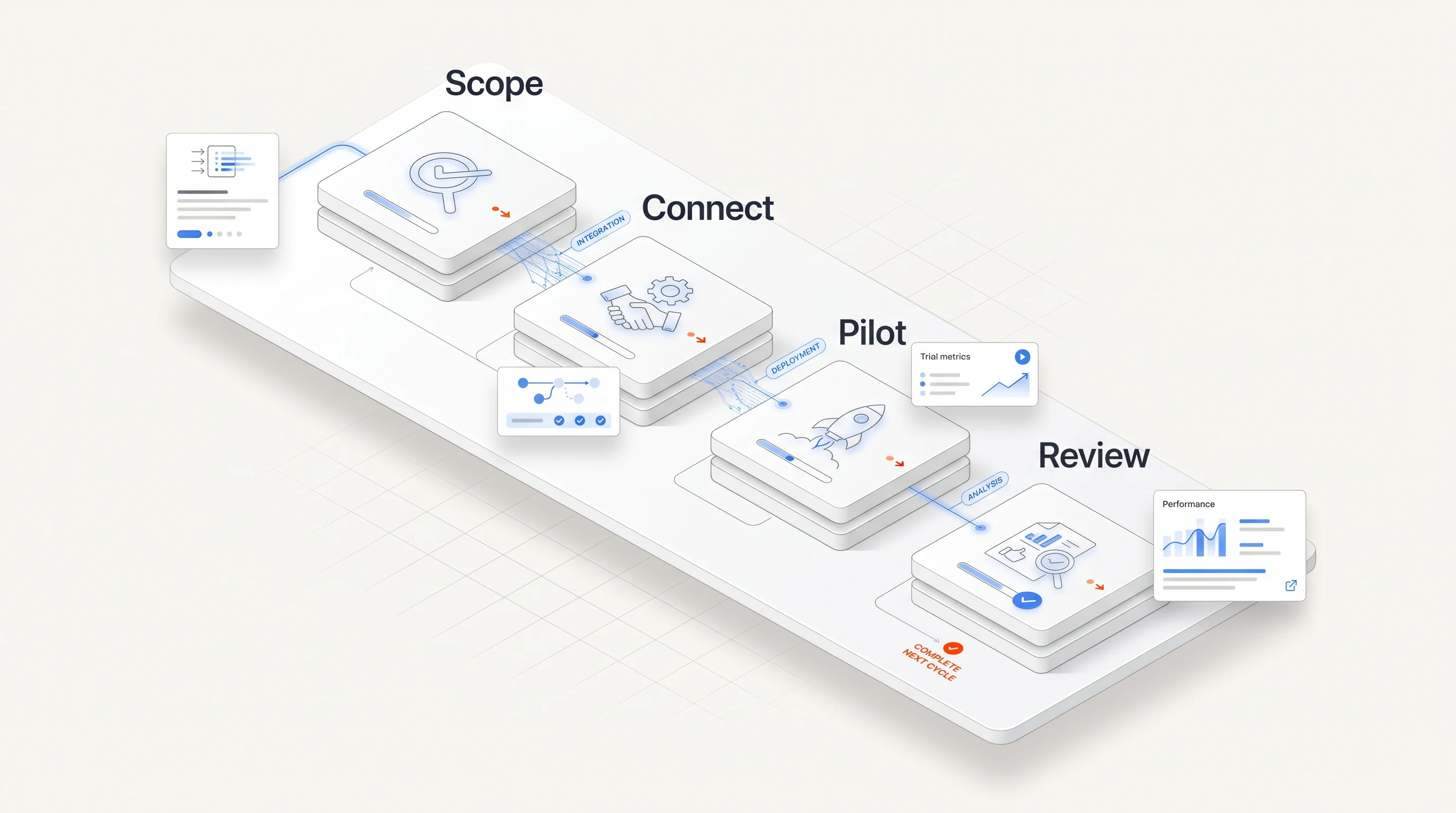
When comparing options, focus on the same criteria for each: what data sources feed the platform, how signals are detected and scored, how actions are triggered and routed, and how the platform measures deal progression back to the signals that started it.
What to look for when evaluating a unified GTM platform
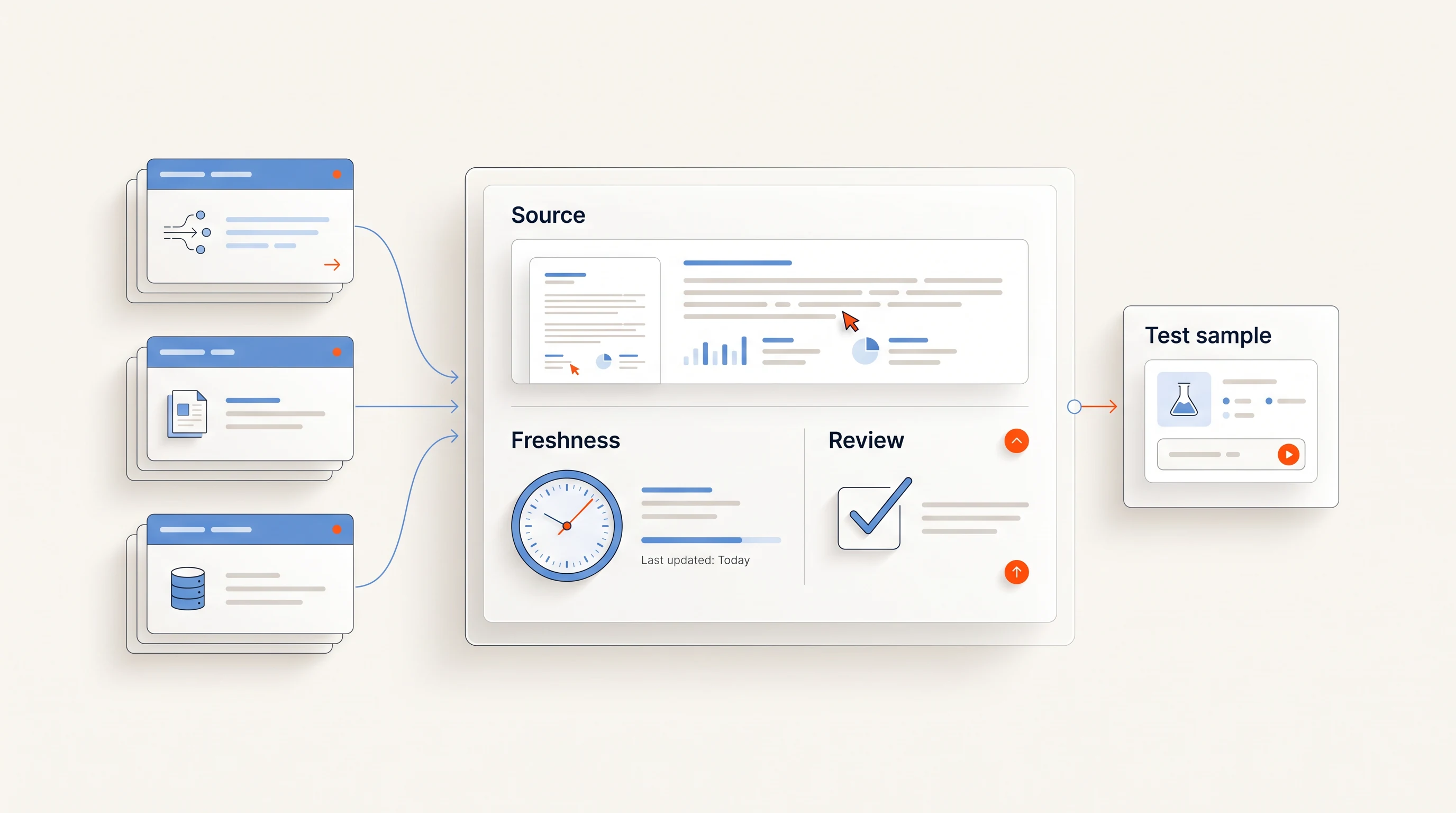
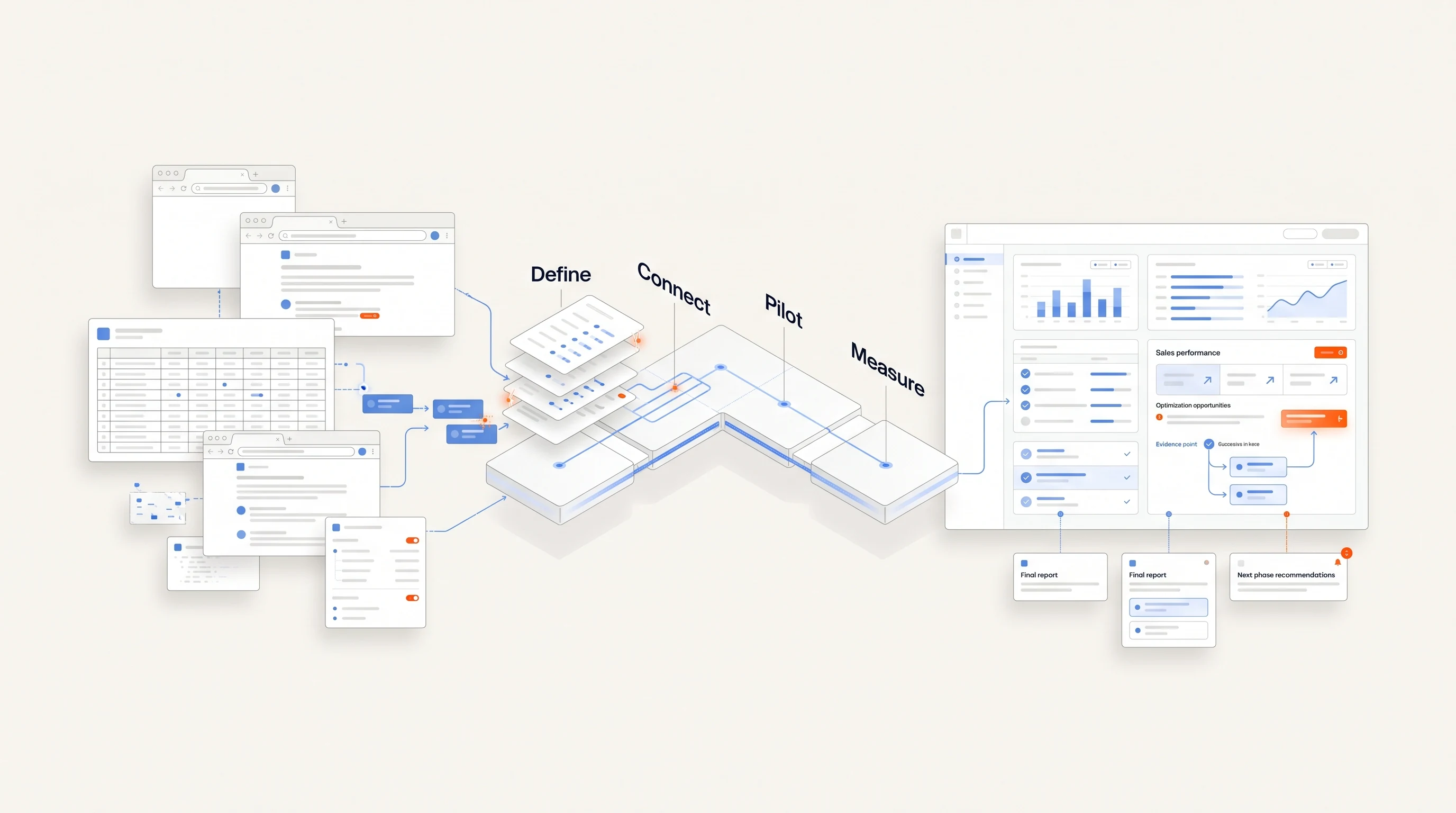
Because a unified platform is only as good as its inputs, evaluation should start with data and signals rather than features. Ask what first-party and third-party sources the platform ingests, how it builds account profiles, and how it detects and scores signals.
Next, look at the progression side: how the platform decides what to do next, how it triggers and routes actions, and whether it measures outcomes back to the signals that started them. A platform that detects well but cannot show which signals influenced the pipeline is only half the loop.
Finally, consider fit. Some platforms target enterprise buyers, while others offer a usable free tier and per-user pricing aimed at startups and mid-market teams. The right choice depends on the team's size, existing CRM, and how much of the workflow the team wants the platform to own.
Where Perpetual fits
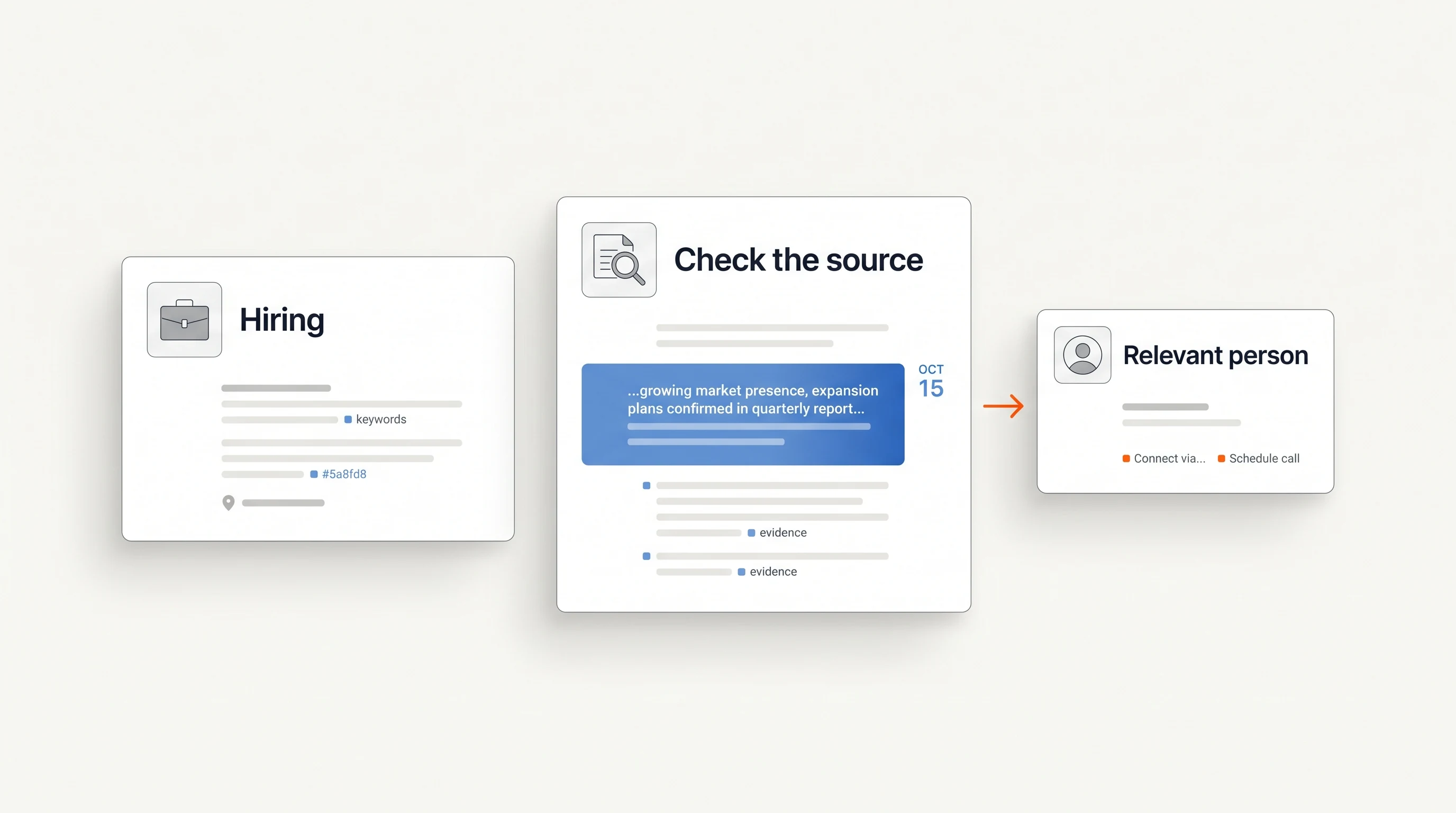
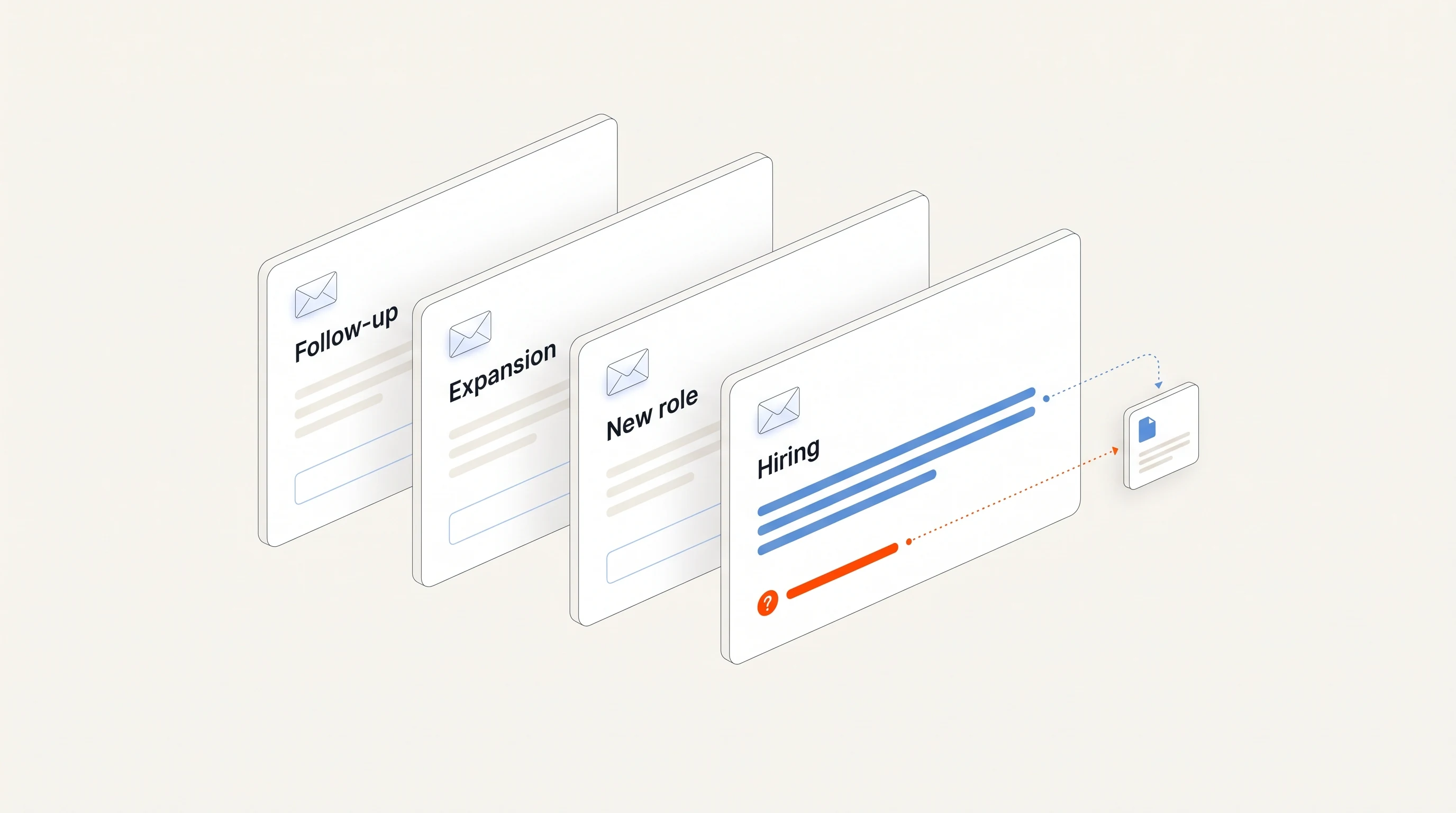
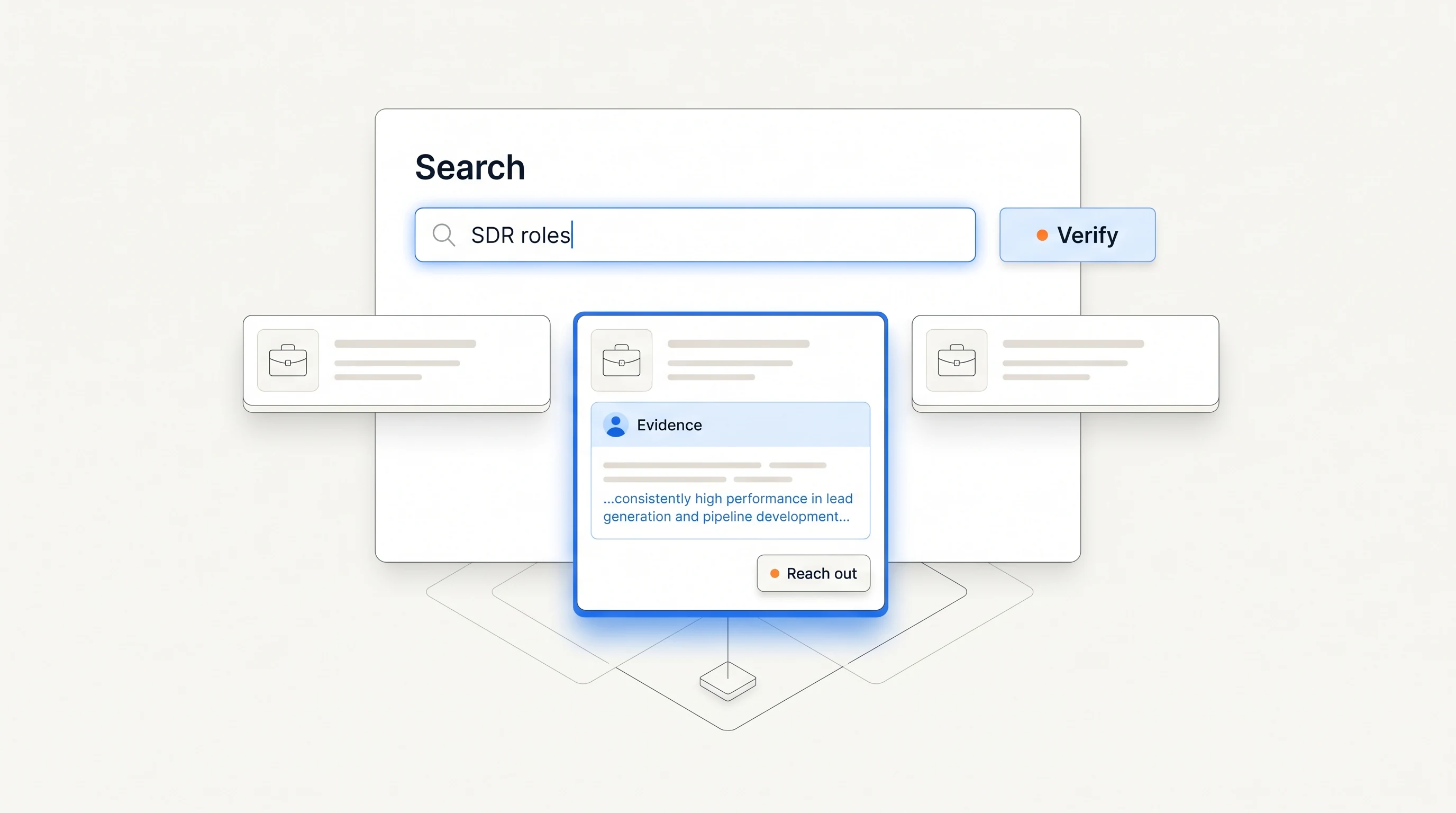
Perpetual is a signal-based outbound tool for founders and B2B sales teams that connects one kind of signal detection to the first steps of deal progression: it turns public hiring activity into qualified companies, selects one relevant person with an explanation, writes the opener and keeps follow-ups moving within the sending policy you set. Our guide to using hiring signals for prospecting explains that signal. Replies and opt-outs stop email follow-ups, and LinkedIn steps are manual tasks. Every send is tied to a signal, a selected person and your sending limits. The quickstart guide shows the setup.
Key takeaways
| Point | Detail |
|---|---|
| Unified means one workspace, not a stack of tools | These platforms unify market and customer data, surface buying signals, score and route leads, and orchestrate outreach in a single system. |
| Signal detection and deal progression are two halves of one loop | Detection finds the opportunity; progression acts on it and tracks how the deal advances through the funnel. |
| Data quality is the ceiling | A platform is only as smart as the data and signals feeding it, so evaluation should start with data sources and signal quality. |
Frequently asked questions
What is the difference between a CRM and a unified GTM platform?
A CRM is the system of record where deals and contacts live. A unified GTM platform sits around or on top of it, bringing in outside data and signals, deciding what to do next, and taking action.
What is GTM workflow automation?
GTM workflow automation is the practice of using software to connect, orchestrate, and execute go-to-market tasks across sales, marketing, and RevOps without manual handoffs.
Sources
- https://pipeline.zoominfo.com/sales/best-gtm-tools
- https://www.nrev.ai/blog/gtm-workflow-automation
- https://www.demandbase.com/blog/best-ai-gtm-orchestration-tools/
- https://www.clay.com/guides/best/ai-gtm-platforms
- https://www.demandbase.com/blog/gtm-intelligence-platform/
- https://www.default.com/post/go-to-market-tools-software