JournalEvaluationNo. 18
Revenue Automation Platforms for Mid-Market Teams Pursuing Continuous Opportunity Discovery
A practical guide to revenue automation platforms that help mid-market teams find opportunities continuously, act on signals, and move deals forward.
Petar Jovanović9 min read9 sections
Contents
- 01What revenue automation platforms actually do
- 02Why continuous opportunity discovery matters for mid-market teams
- 03How AI and automation turn insights into action
- 04Matching the platform to your stage of growth
- 05A practical framework for choosing a platform
- 06Avoiding automation that creates more overhead than value
- 07Signals are not the same as buying intent
- 08Getting started without breaking your pipeline
- 09Where Perpetual fits
Published by Perpetual
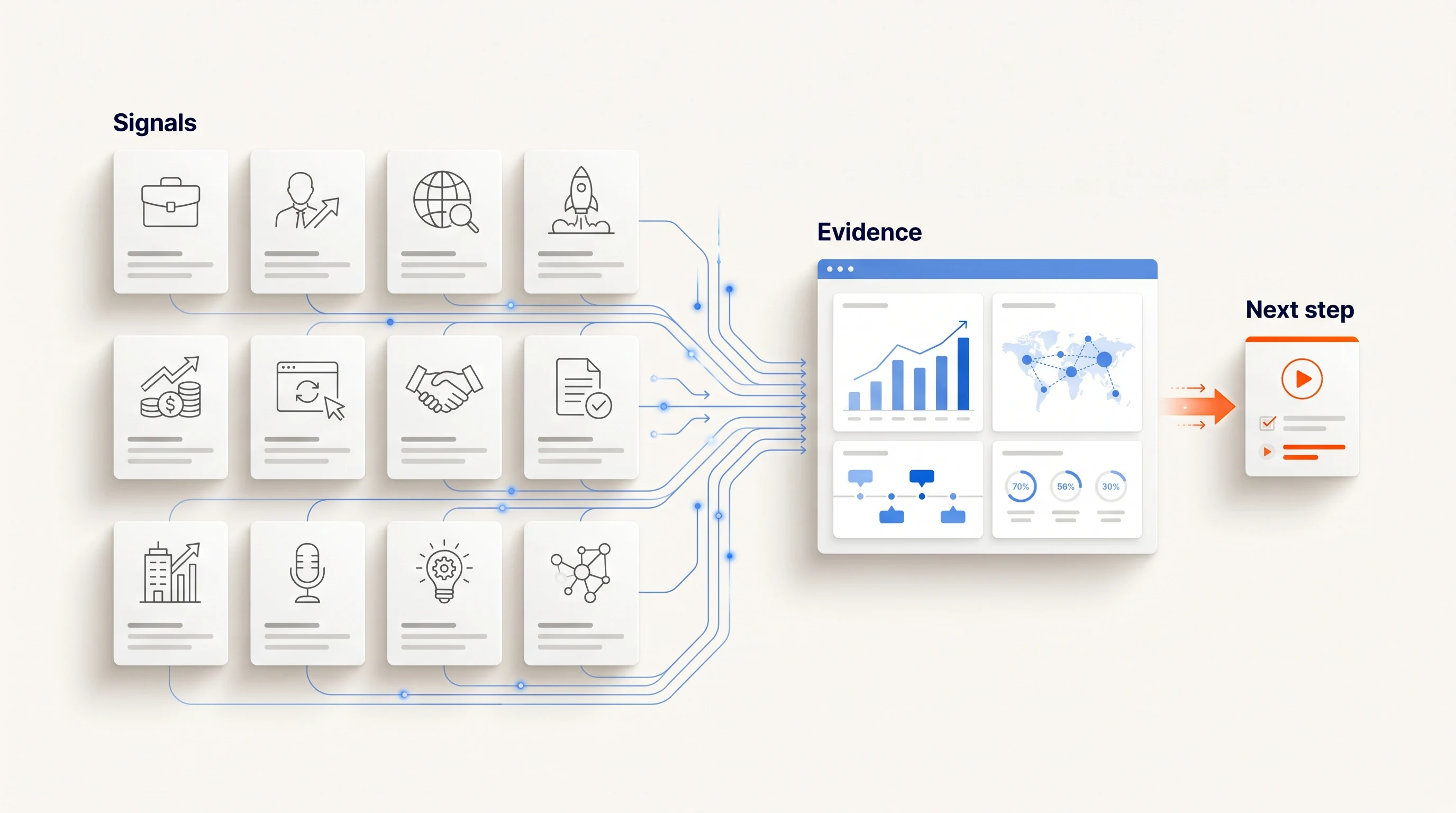
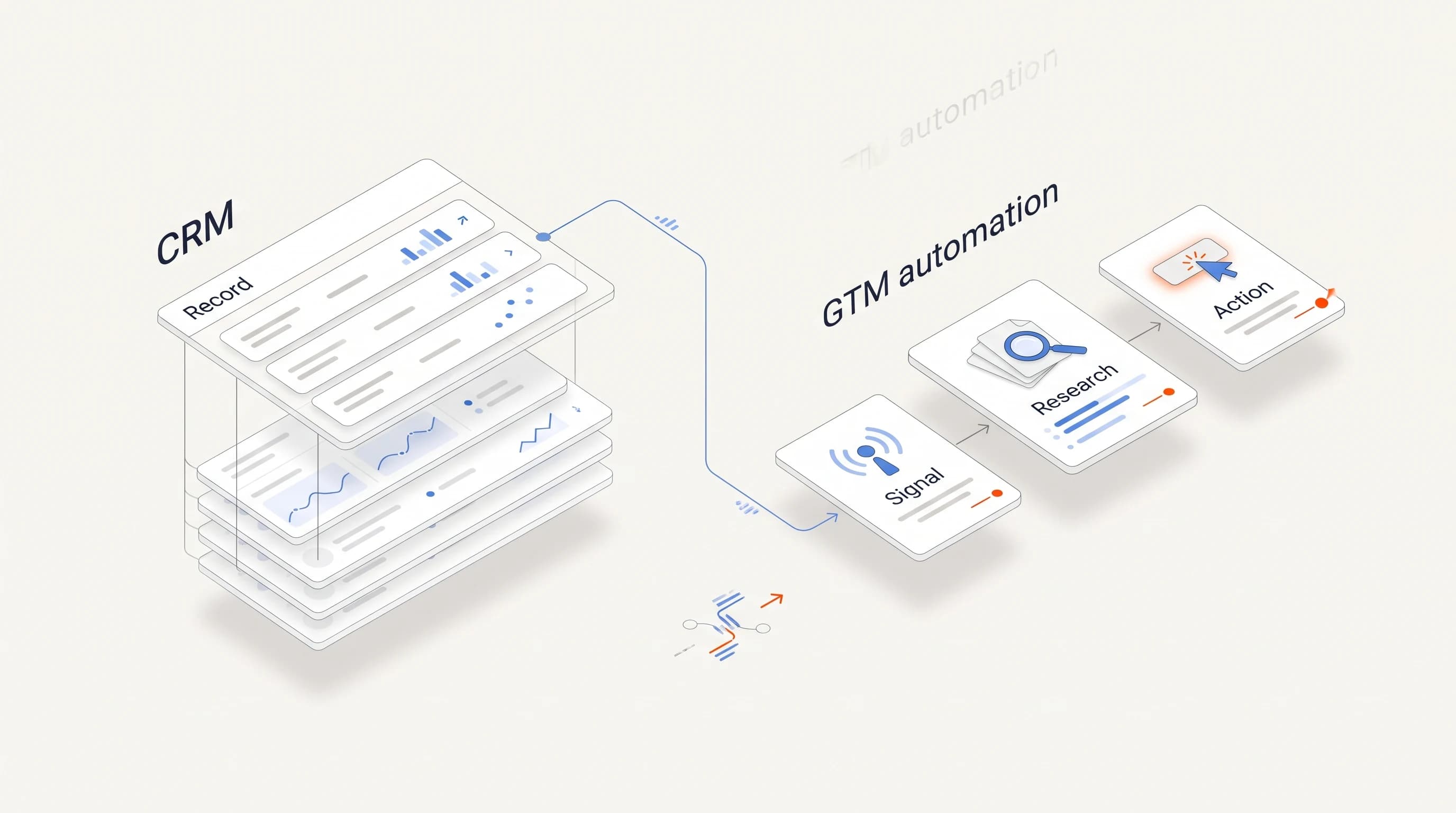
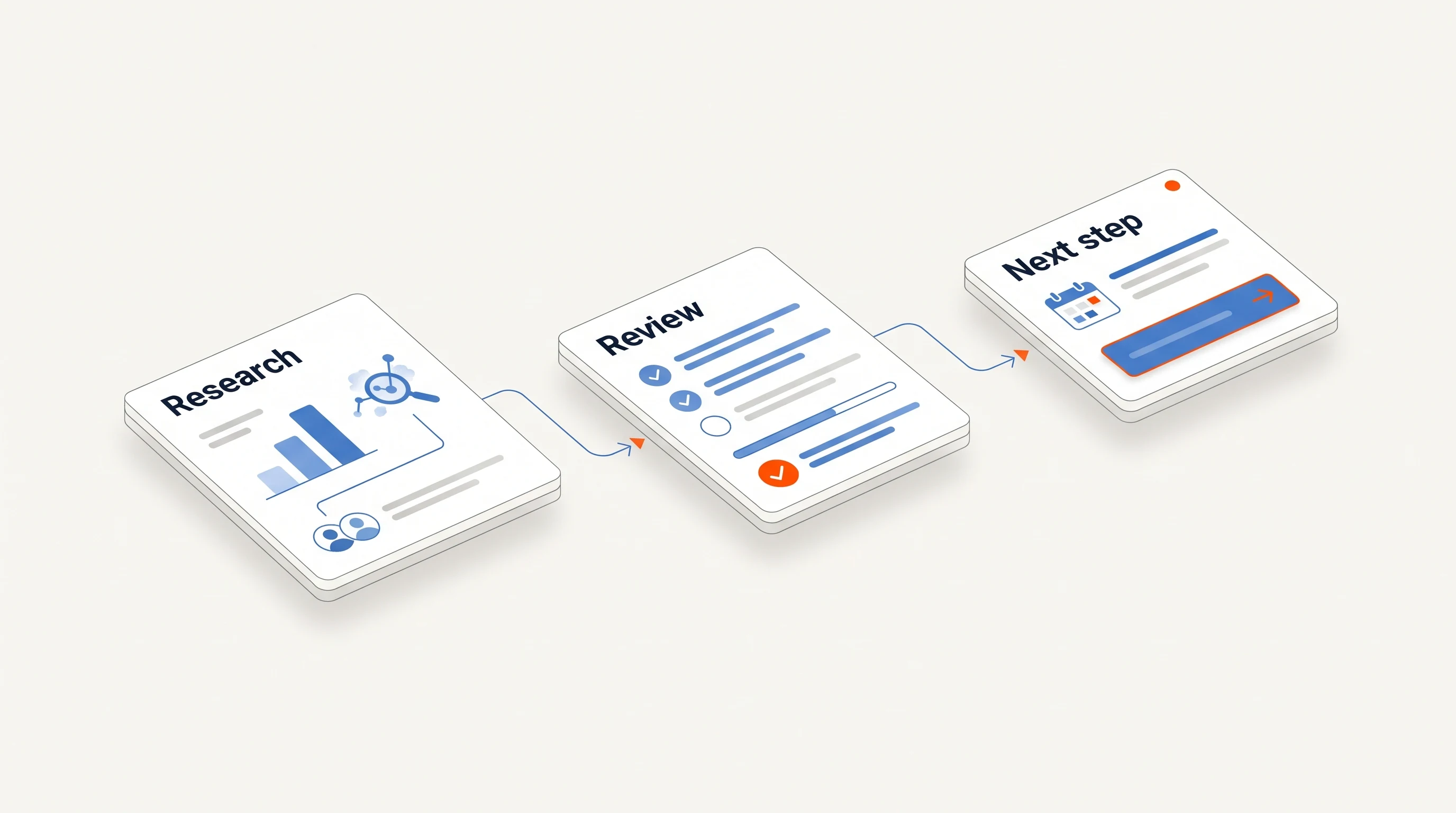
Revenue automation platforms help mid-market teams turn scattered signals into a continuous flow of opportunities. Rather than relying on reps to log activity and manually hunt for the next deal, these platforms tie conversations, pipeline data, and account signals to the opportunity, the buying committee, and the forecast, then suggest the next step a rep should take. The core distinction is scope: CRM-based reporting shows what reps logged, while revenue intelligence and automation connect every conversation to the deal and flag risks and opportunities in real time.
Three things to know
- Revenue automation platforms connect conversations, pipeline data, and account signals to the opportunity and forecast, rather than just reporting what reps logged.
- The core value for mid-market teams is continuous discovery: surfacing which accounts are entering a buying cycle and suggesting the next step, instead of waiting for manual research.
- AI and automation turn insights into action by flagging pipeline risks, suggesting next steps for stalled leads, and identifying expansion and cross-sell opportunities.
What revenue automation platforms actually do
A revenue automation platform is software that helps a revenue team find, prioritize, and act on opportunities without relying on manual research and rep-logged activity alone. The defining difference from basic CRM reporting is scope: CRM-based sales reporting shows what reps logged, while revenue intelligence ties every conversation to the opportunity, the buying committee, and the forecast. That is why RevOps teams treat it as part of the revenue operations stack.
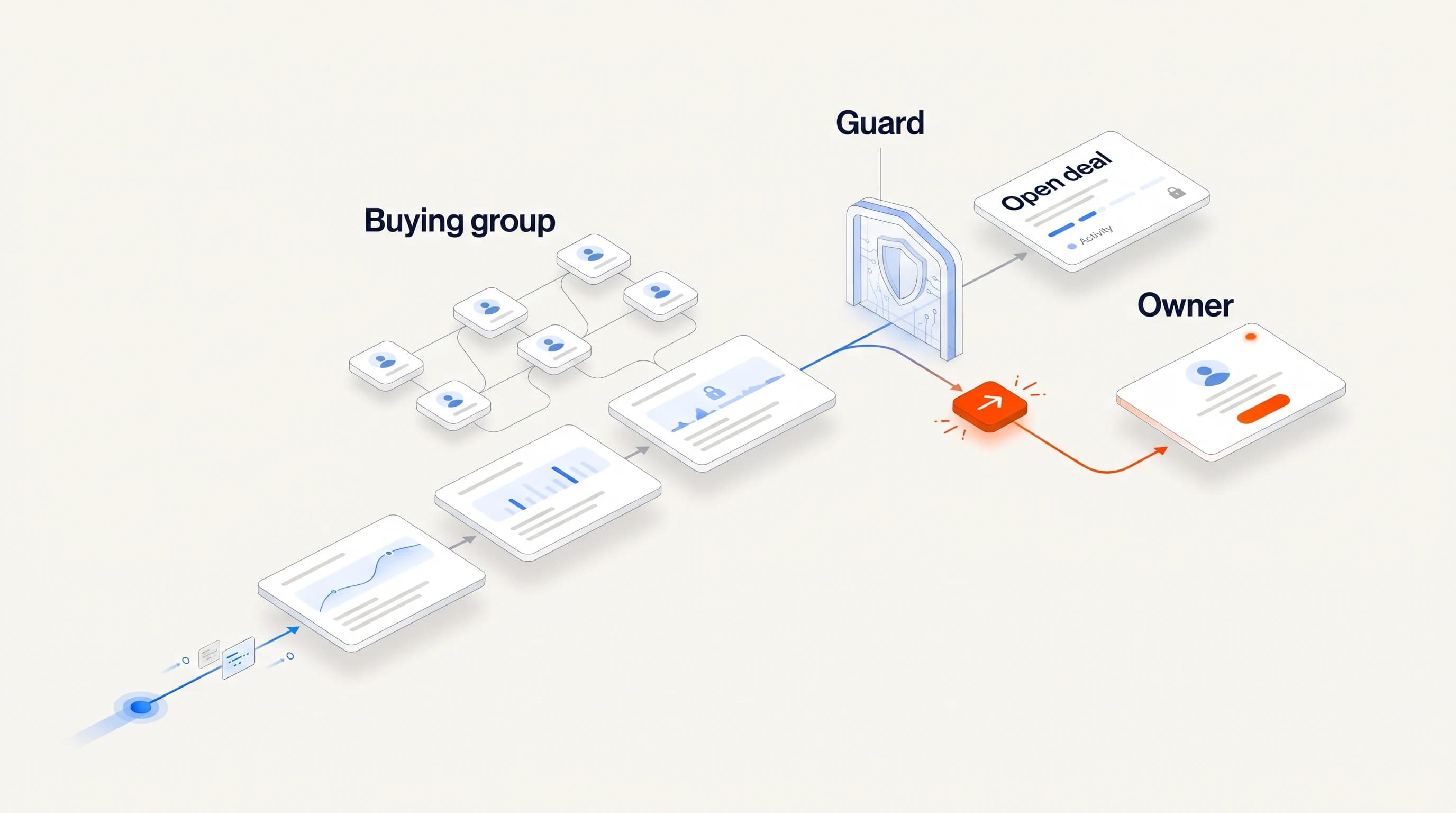
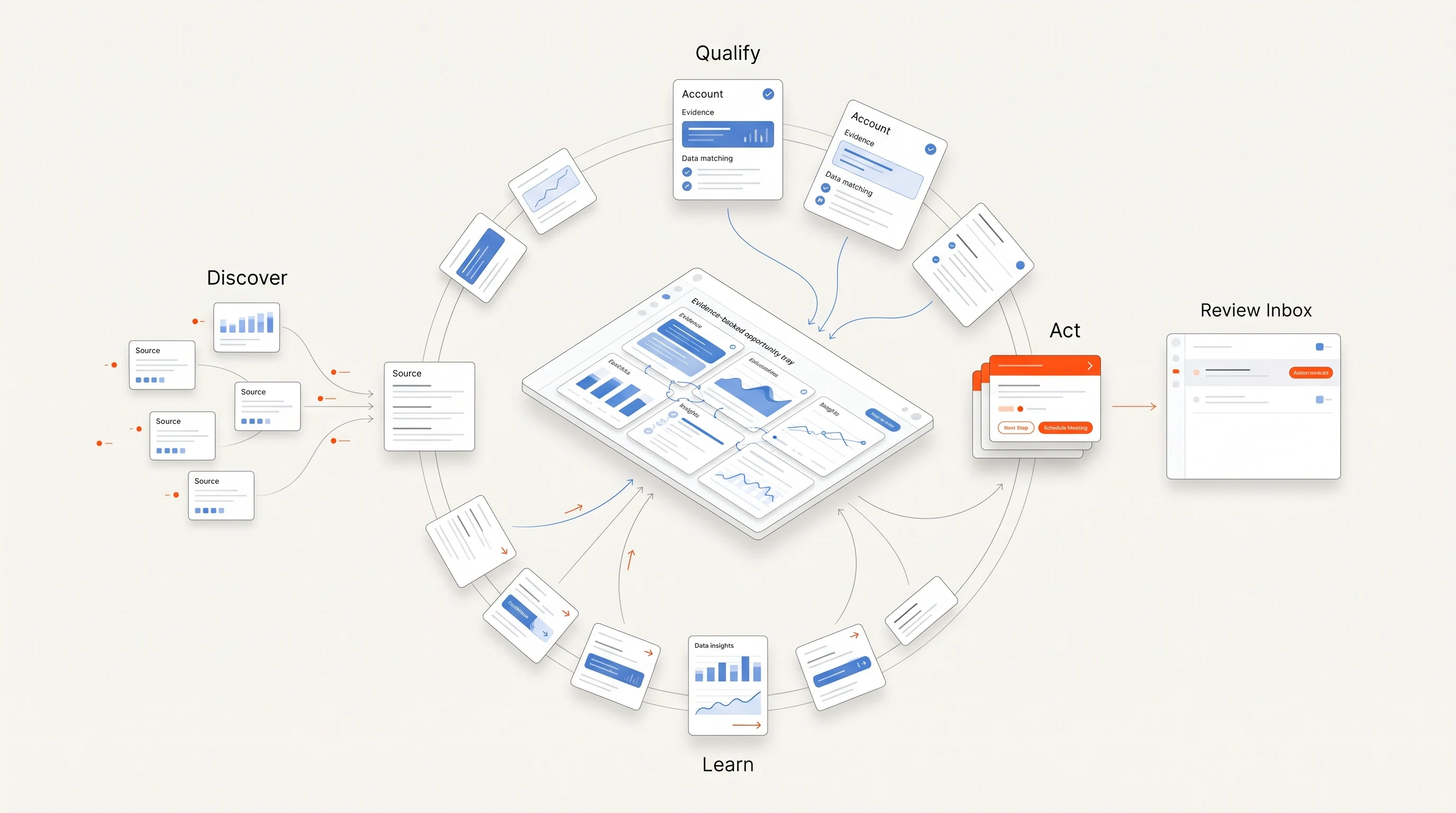
For a mid-market team, the practical payoff is continuous discovery. Instead of a rep manually scanning for the next account to call, the platform surfaces which accounts are entering a buying cycle and suggests the next step to take. This shifts the team from reactive prospecting to acting on signals as they appear.
Why continuous opportunity discovery matters for mid-market teams
Mid-market teams rarely have the headcount to run a large, dedicated RevOps function, yet they still need a steady, predictable pipeline. Continuous opportunity discovery closes that gap: the platform watches account and pipeline signals around the clock and flags what deserves attention, so a smaller team can behave like a larger one.
Revenue intelligence platforms improve sales performance and revenue management by analyzing pipeline data and identifying risks and opportunities in real time. A single source of truth gives sales, marketing, and operations teams insight into how to close deals faster, save at-risk customers, and suggest the best next steps for reps to act quickly. For a mid-market team, that real-time flagging is the difference between catching a stalled deal early and discovering it too late.
How AI and automation turn insights into action
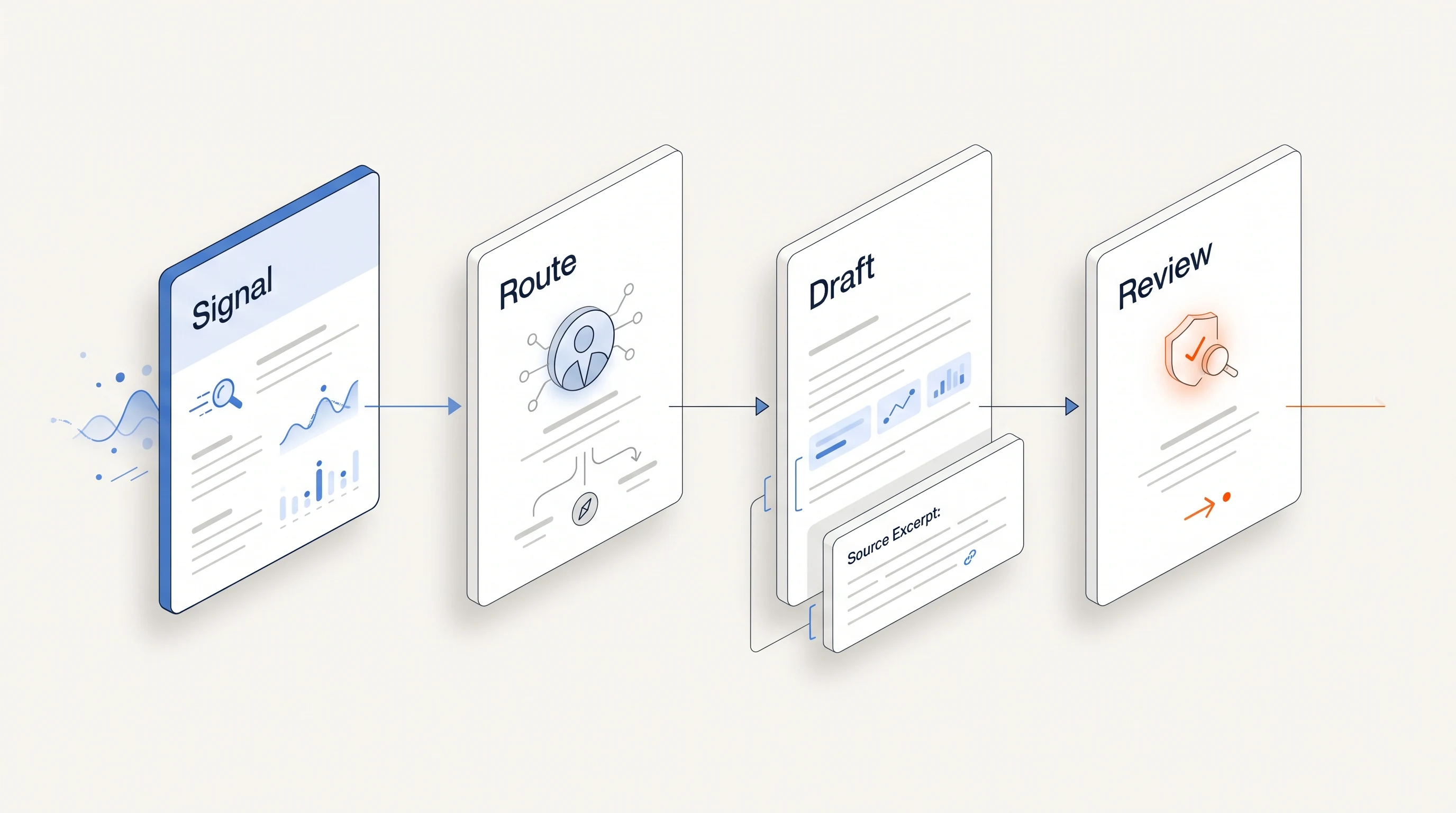
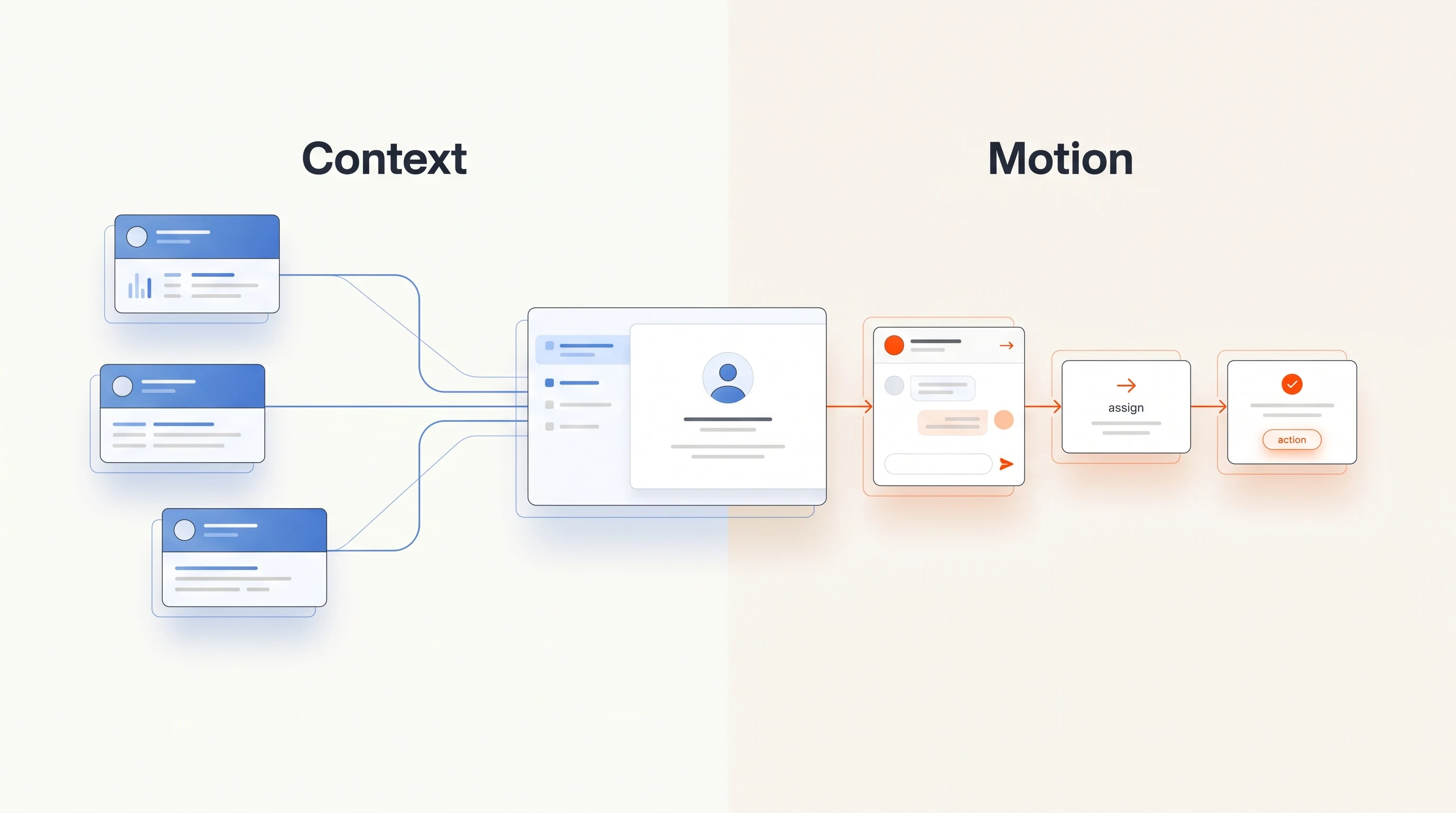
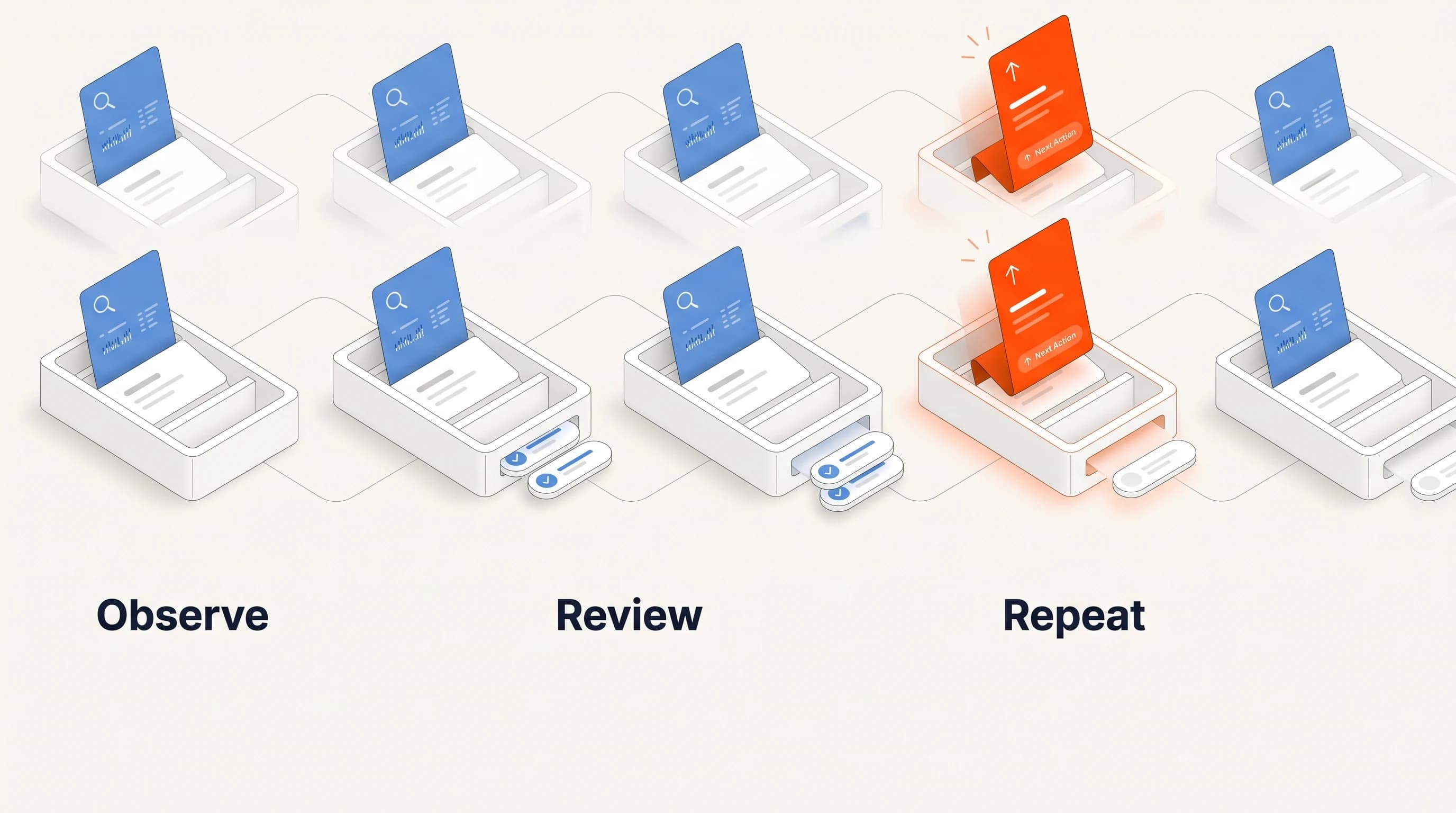
Insight without action does not move a deal forward. The strongest platforms pair analytics with automation so that a signal becomes a suggested next step rather than another dashboard to check.
AI for sales and revenue intelligence helps teams turn insights into action. AI account management helps sellers identify what similar accounts are buying so they can expand, upsell, and cross-sell. It also flags risks in the sales pipeline and suggests next steps for stalled or overdue leads with scenario planning. Embedded revenue analytics and integrated connections to external data give a complete view into sales performance, and AI predictions based on patterns in sales data drive effective strategies.
For a mid-market team, this matters because the platform proposes the move and the rep executes it.
Matching the platform to your stage of growth
Not every revenue automation platform fits every team. The right choice depends on how mature your sales organization is and how much RevOps overhead you can absorb.
For revenue intelligence specifically, some platforms offer forecasting tools that let you set up custom forecast categories, set submission schedules, track accuracy over time, and use AI projections to predict where you will land based on historical deal progression. For SMB and mid-market teams, that level of capability is often sufficient. The honest limitation is that a given platform's revenue intelligence may be good enough for a specific stage of growth, but once you run a larger, more mature sales org across multiple segments and geographies, the forecasting, analytics, and conversation intelligence features can start to feel thin. That same platform can be a strong fit for small- to mid-market B2B teams or growth-stage companies that want to get up and running quickly without requiring a dedicated RevOps team to configure and manage it.
In other words, mid-market teams should look for a platform that delivers enough forecasting and intelligence to run lean, while recognizing that deeper pipeline decomposition may be a later-stage need.
A practical framework for choosing a platform
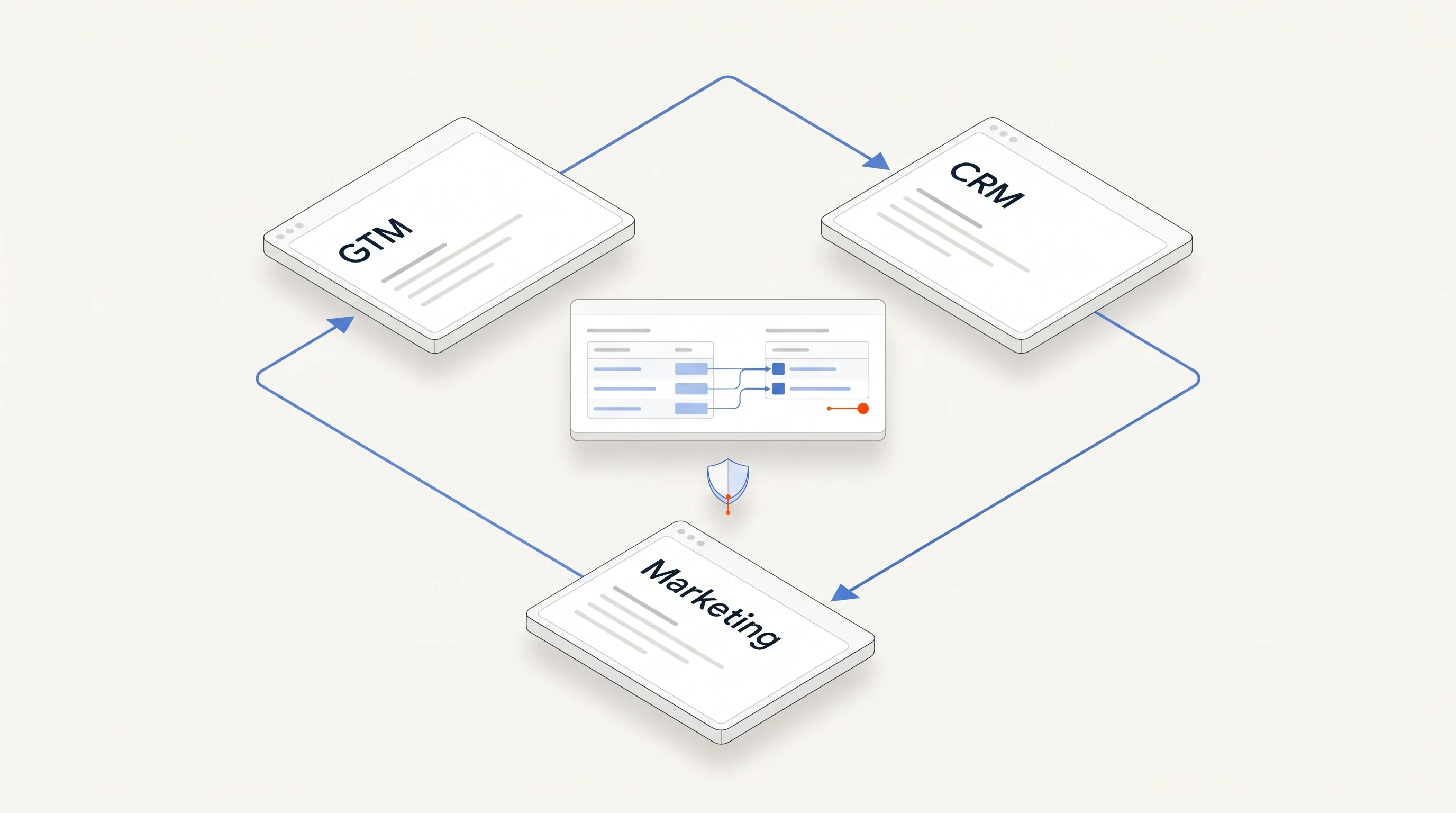
When evaluating options, a clear decision framework helps you avoid paying for automation without the expected reduction in admin work or improvement in forecast confidence. The most useful starting point is to anchor on your CRM as the system of record, then layer on tools that integrate cleanly.
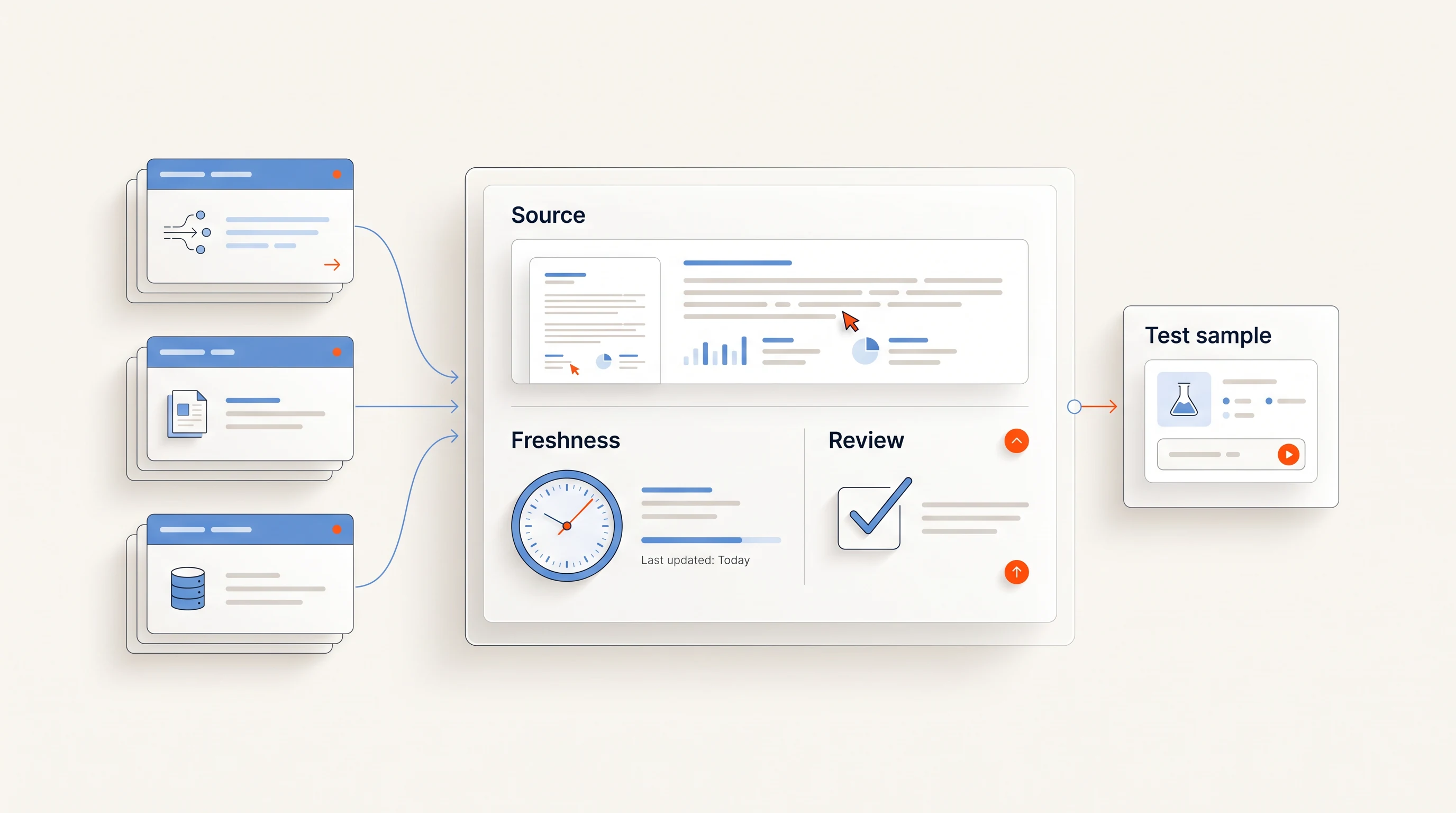
Sales intelligence is the operational foundation of a modern, efficient sales motion. A sales intelligence platform supports forecast confidence, and the best platforms now combine rich, continuously updated data with AI-powered prioritization, CRM-native integration, and compliance-ready architecture. For teams evaluating their options, the decision framework is fairly clear: start with your CRM as the anchor.
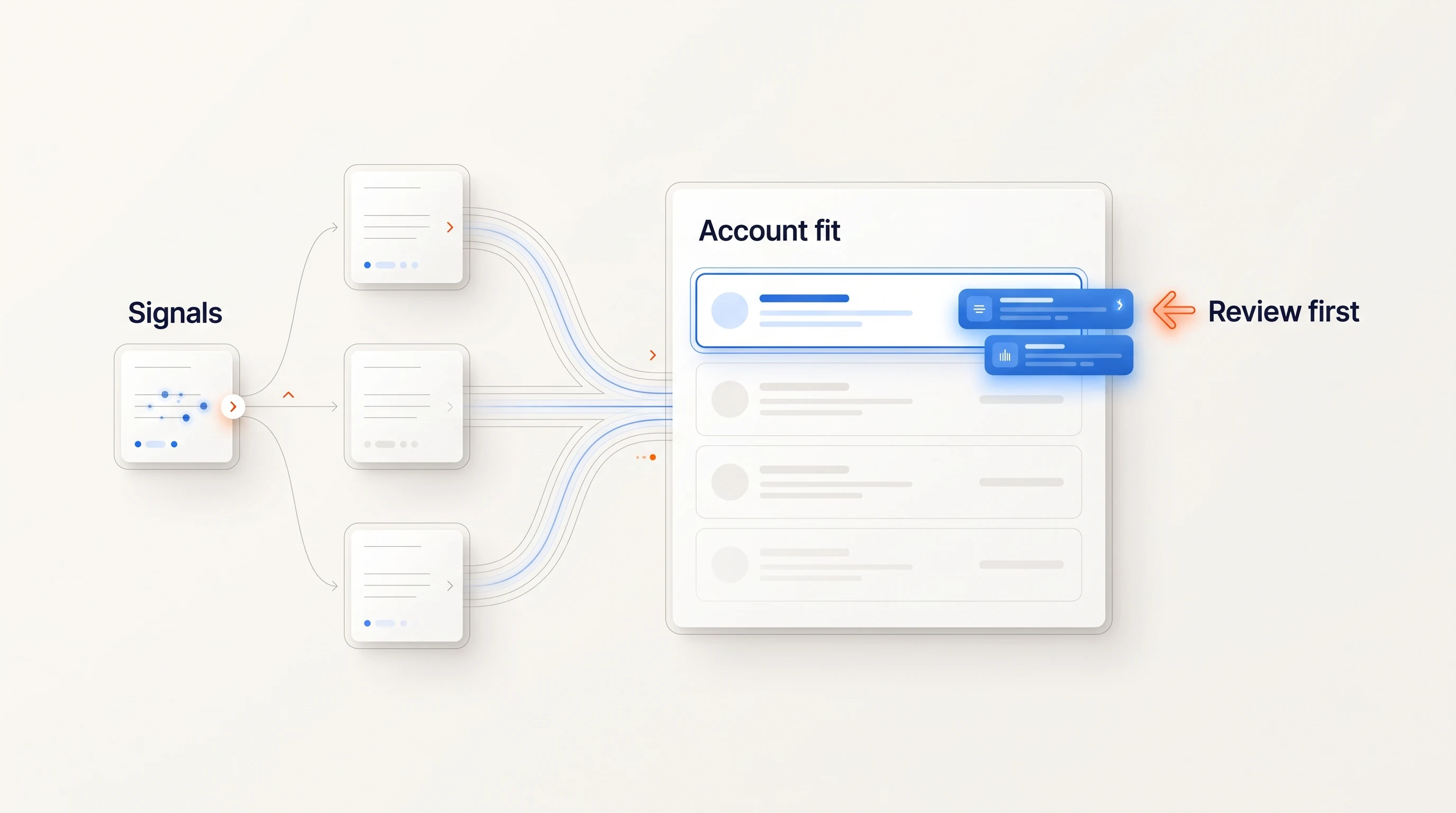
From there, weigh three things: how fresh and complete the underlying data is, how well AI-powered prioritization surfaces the accounts worth your time, and how much configuration overhead the platform demands relative to the size of your team.
Avoiding automation that creates more overhead than value
A common failure mode is buying automation that adds admin work instead of removing it. The business ends up paying for automation without the expected reduction in admin work or improvement in forecast confidence. This is especially risky for mid-market teams that lack a large ops function to absorb a complex tool.
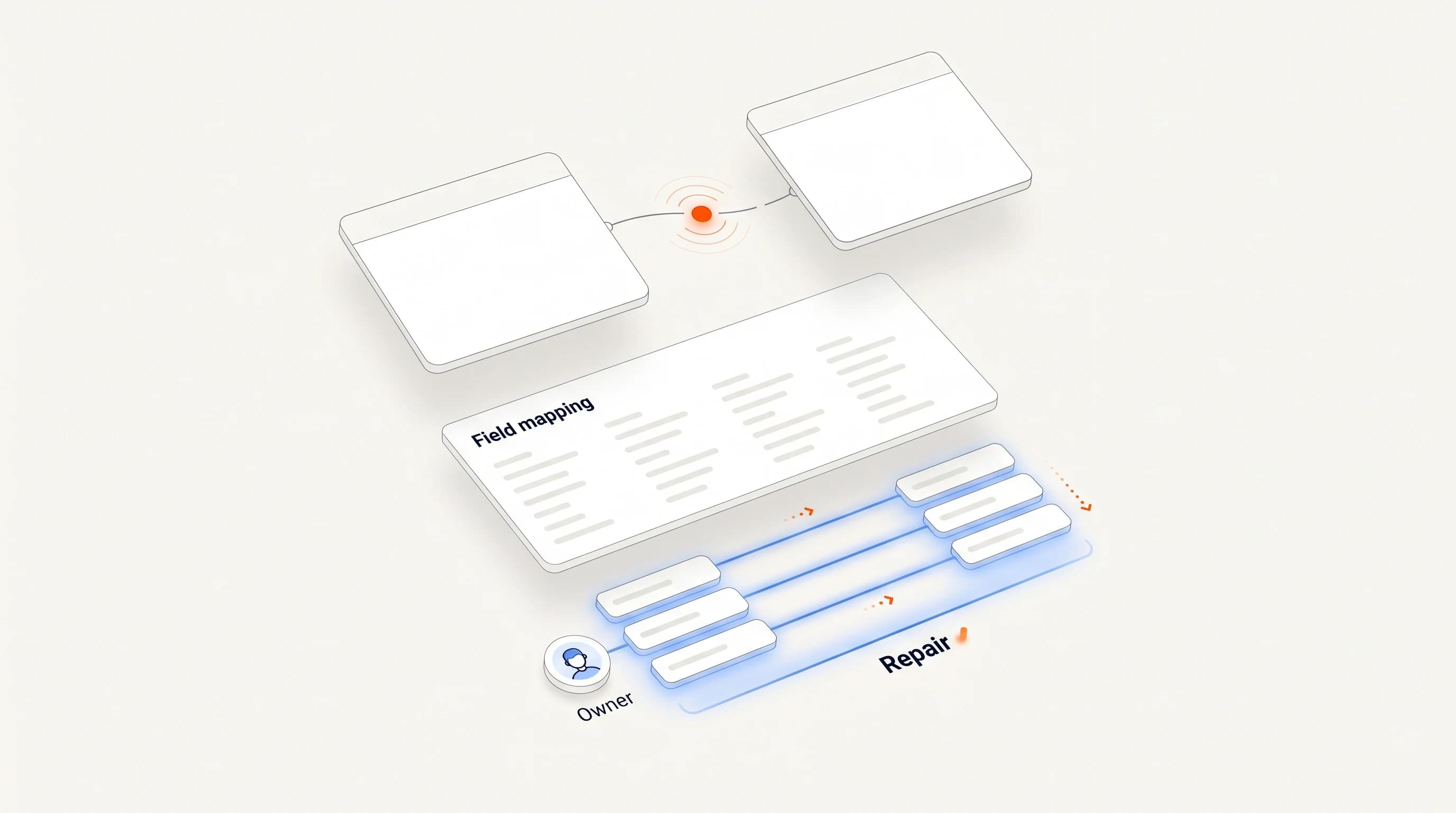
The practical question is whether to repair the current setup, consolidate onto a core platform, or replace a specialist tool that is creating more overhead than value. For upper-mid-market and lower-enterprise teams with up to a few hundred reps, the goal is often unified customer data, broad sales automation, and a platform teams can adopt across the organization. A mid-market team should favor tools that reduce manual steps and consolidate data.
Signals are not the same as buying intent
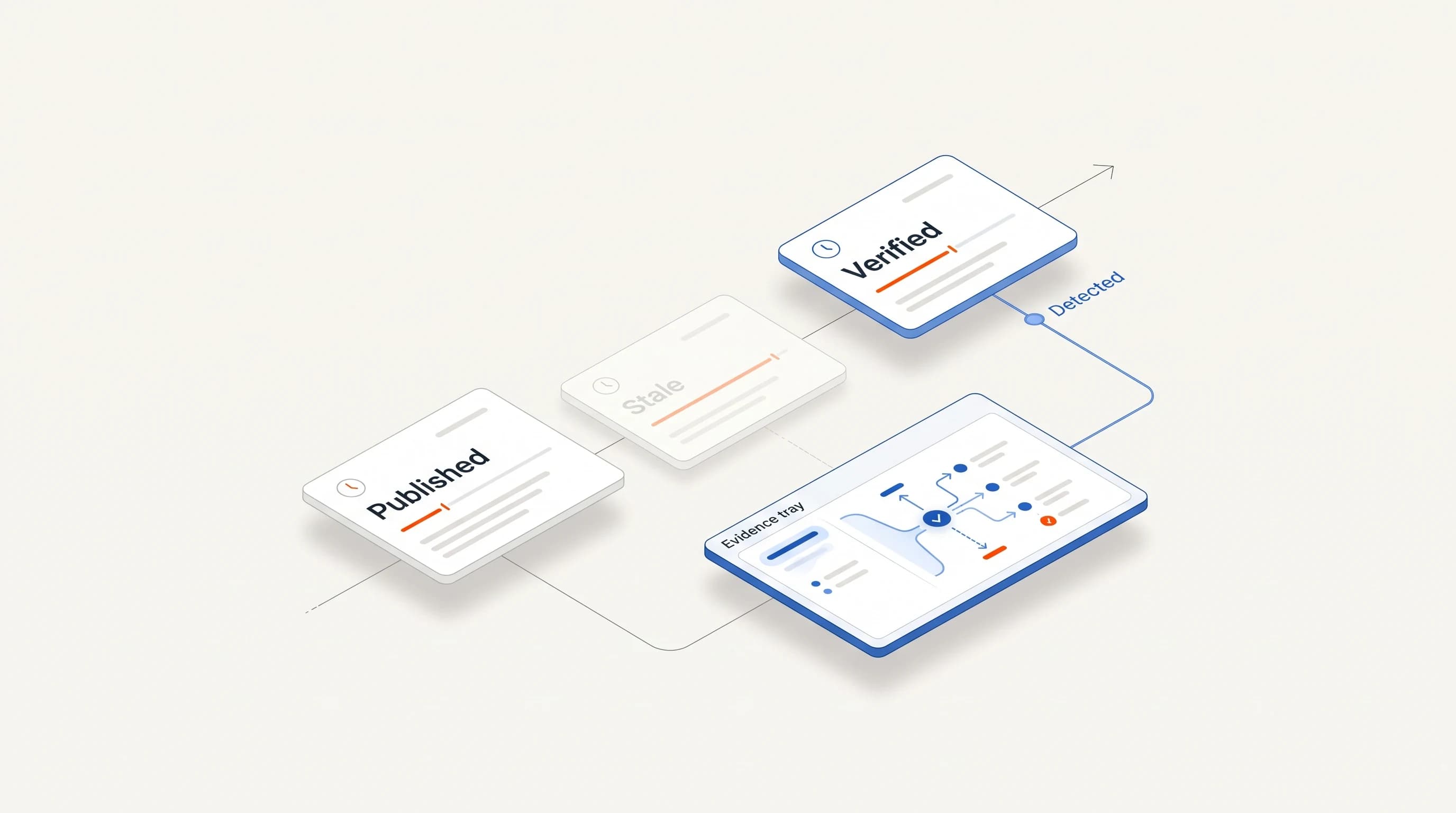
Continuous opportunity discovery depends on reading signals correctly. A signal that an account is active is not automatically proof that the account is ready to buy. Treating every signal as buying intent leads to wasted outreach and burned relationships.
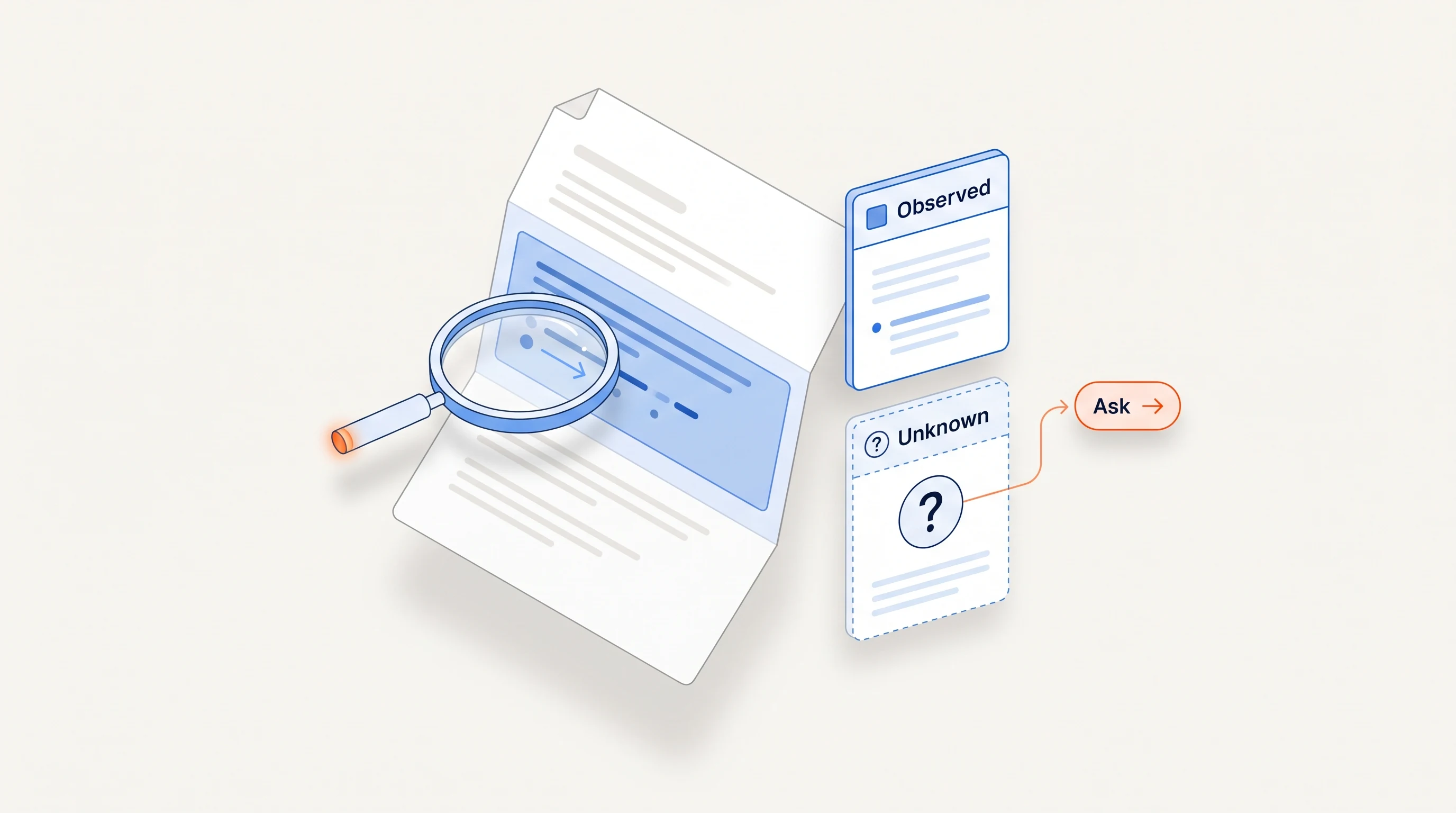
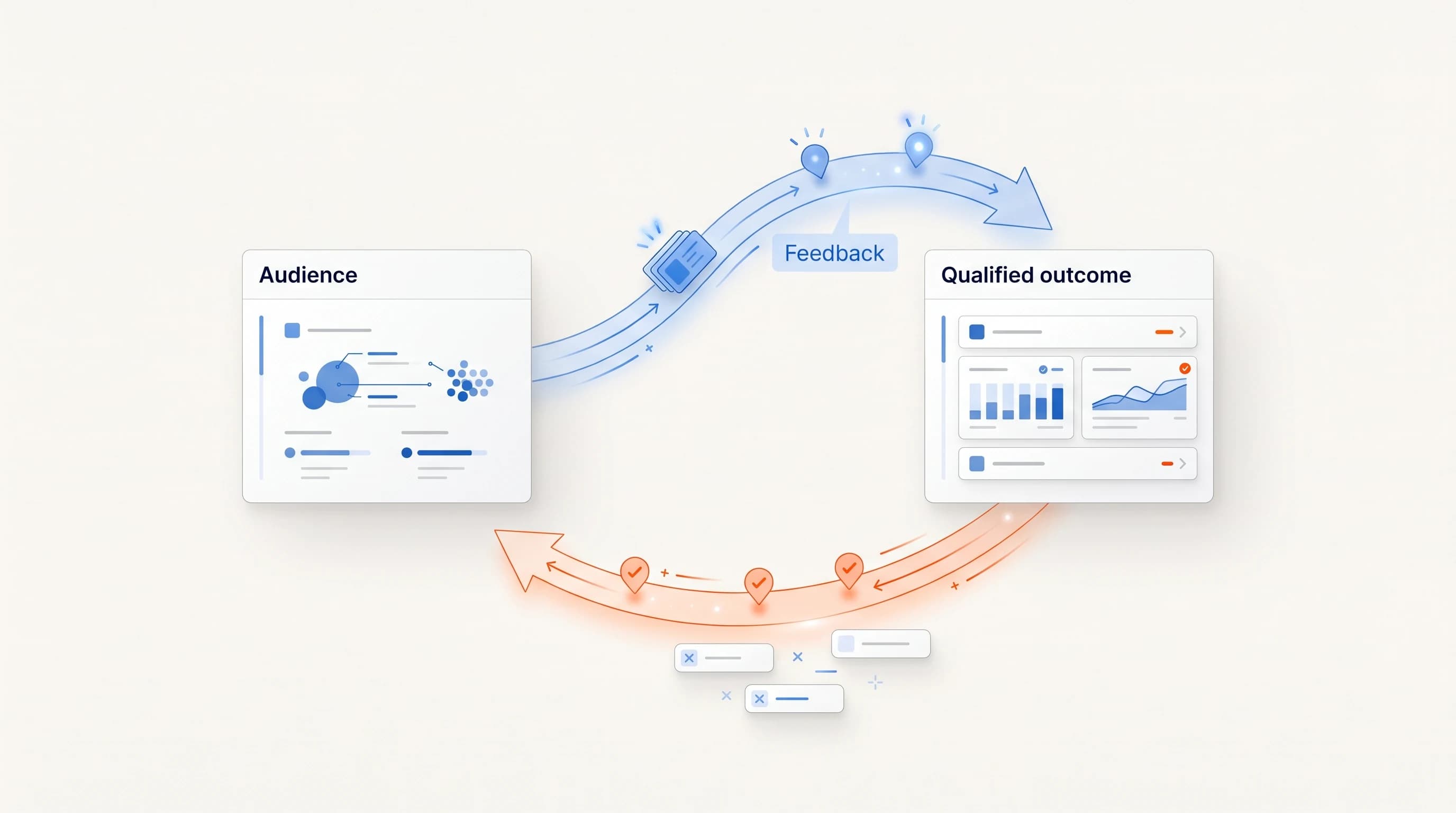
A useful discipline is to distinguish between a signal (something observable changed) and intent (evidence the account is actively evaluating a purchase). The platform can surface the signal; the team still has to qualify what it means.
Getting started without breaking your pipeline
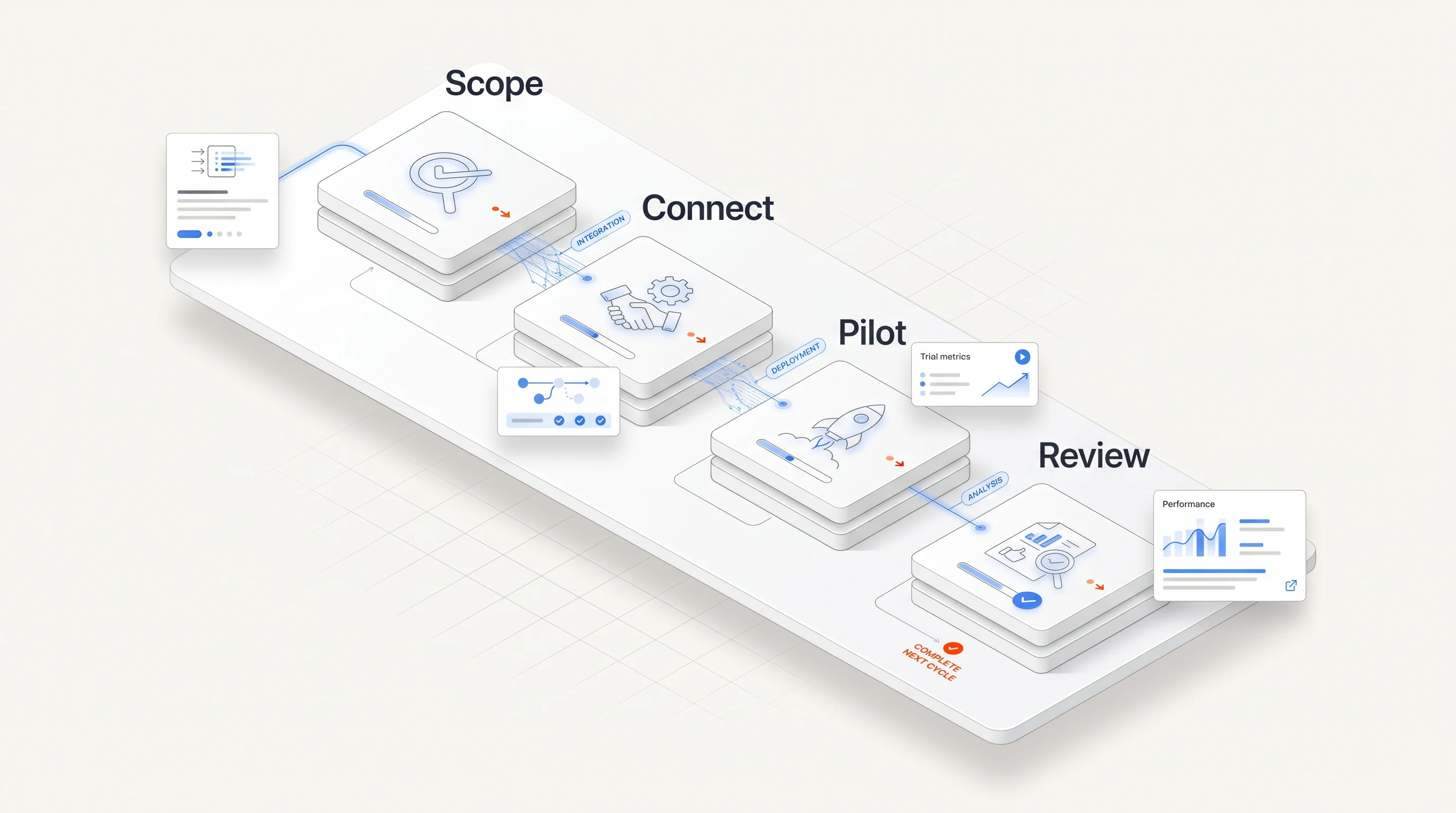
Moving from manual prospecting to a signal-based, automated motion does not have to be a big-bang migration. The safer path is incremental: keep your CRM as the anchor, introduce automation on one workflow first, and measure whether it reduces admin work and improves forecast confidence before expanding.
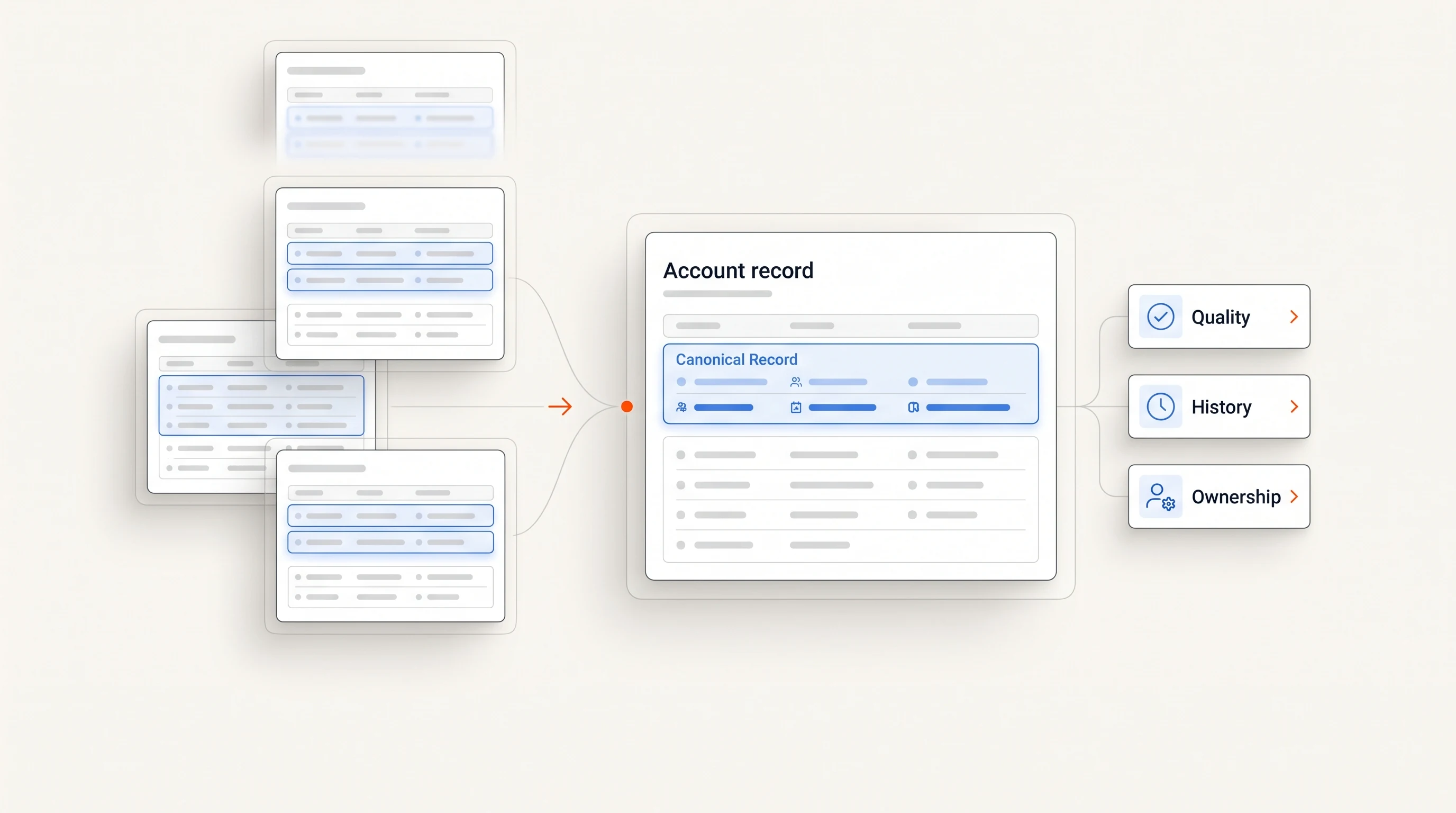
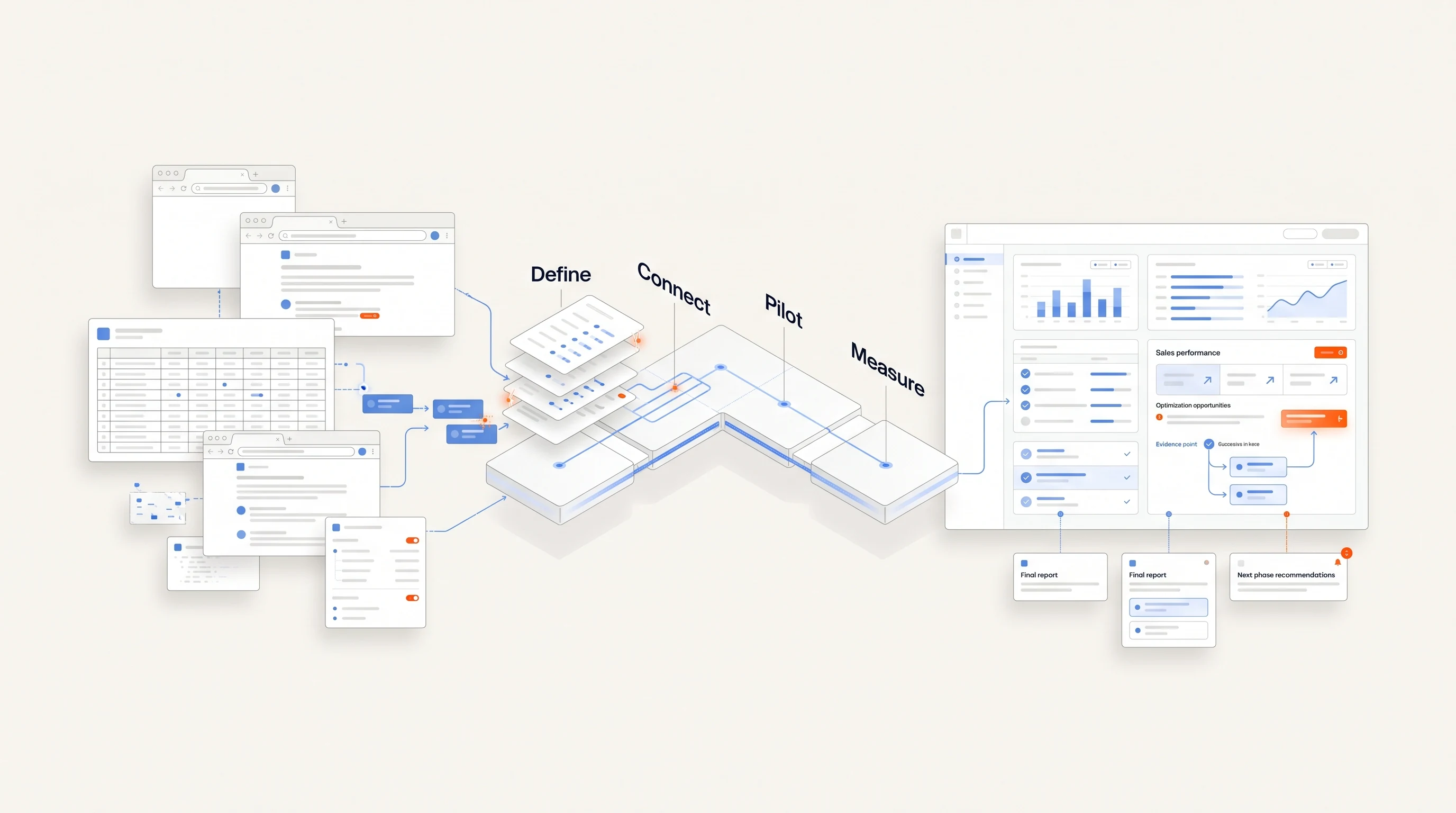
For a mid-market team, the sequence usually looks like this: consolidate your data into a single source of truth, turn on signal detection for the accounts you already care about, and let the platform suggest next steps for stalled or overdue leads. Only after that foundation is stable should you broaden to expansion, upsell, and cross-sell motions. This keeps the team productive during the transition rather than pausing the pipeline to reconfigure tools.
Where Perpetual fits
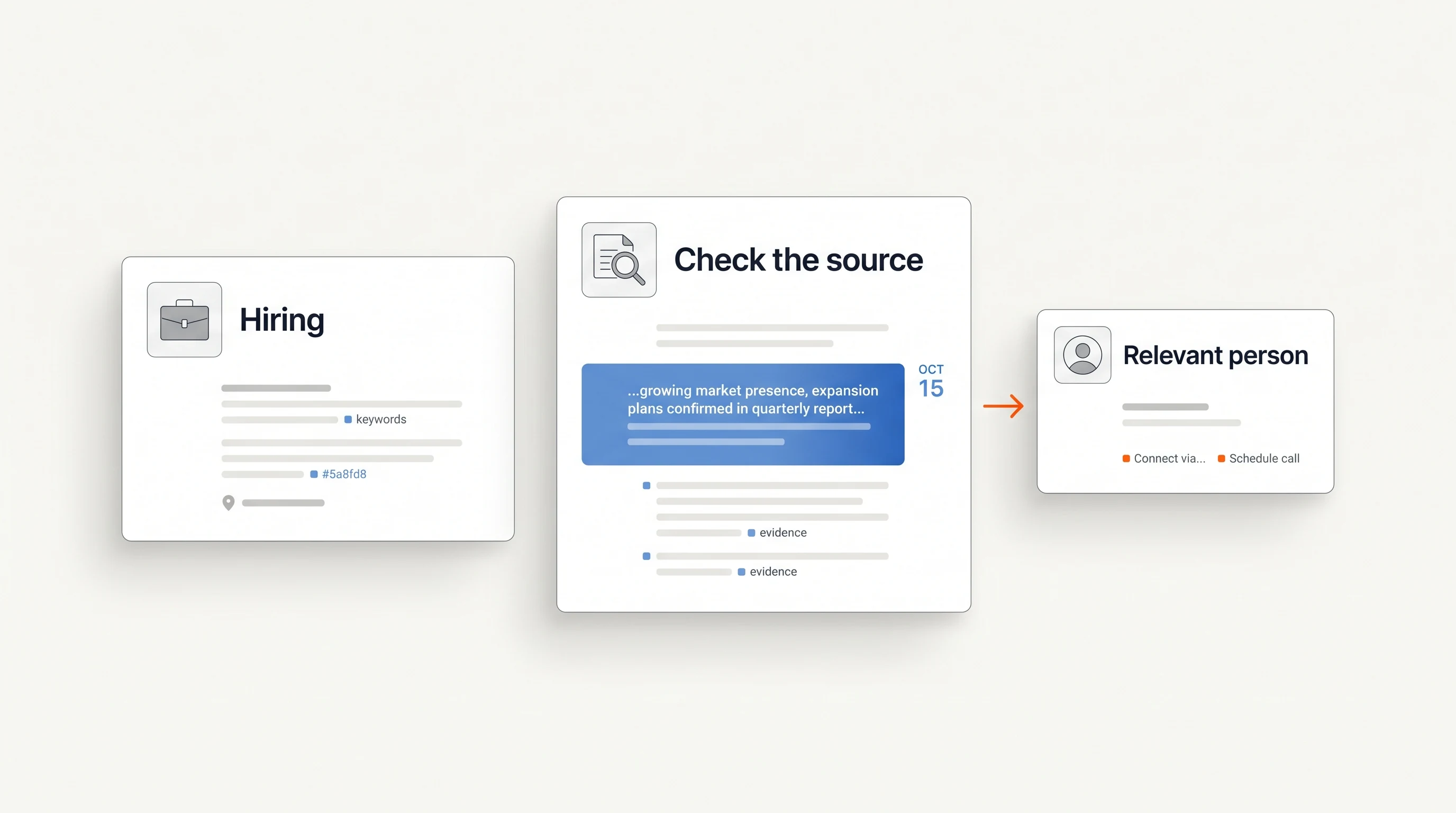
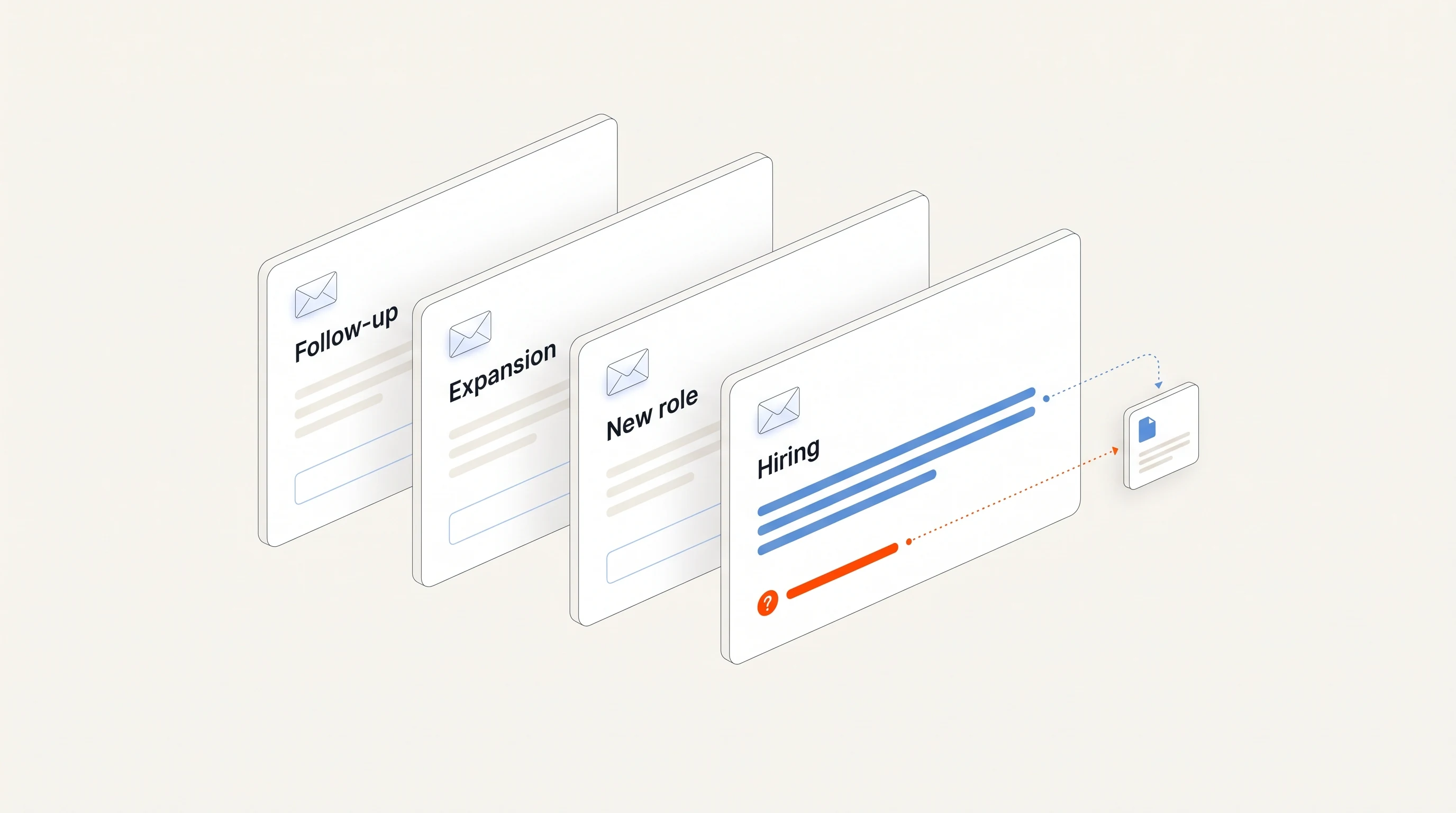
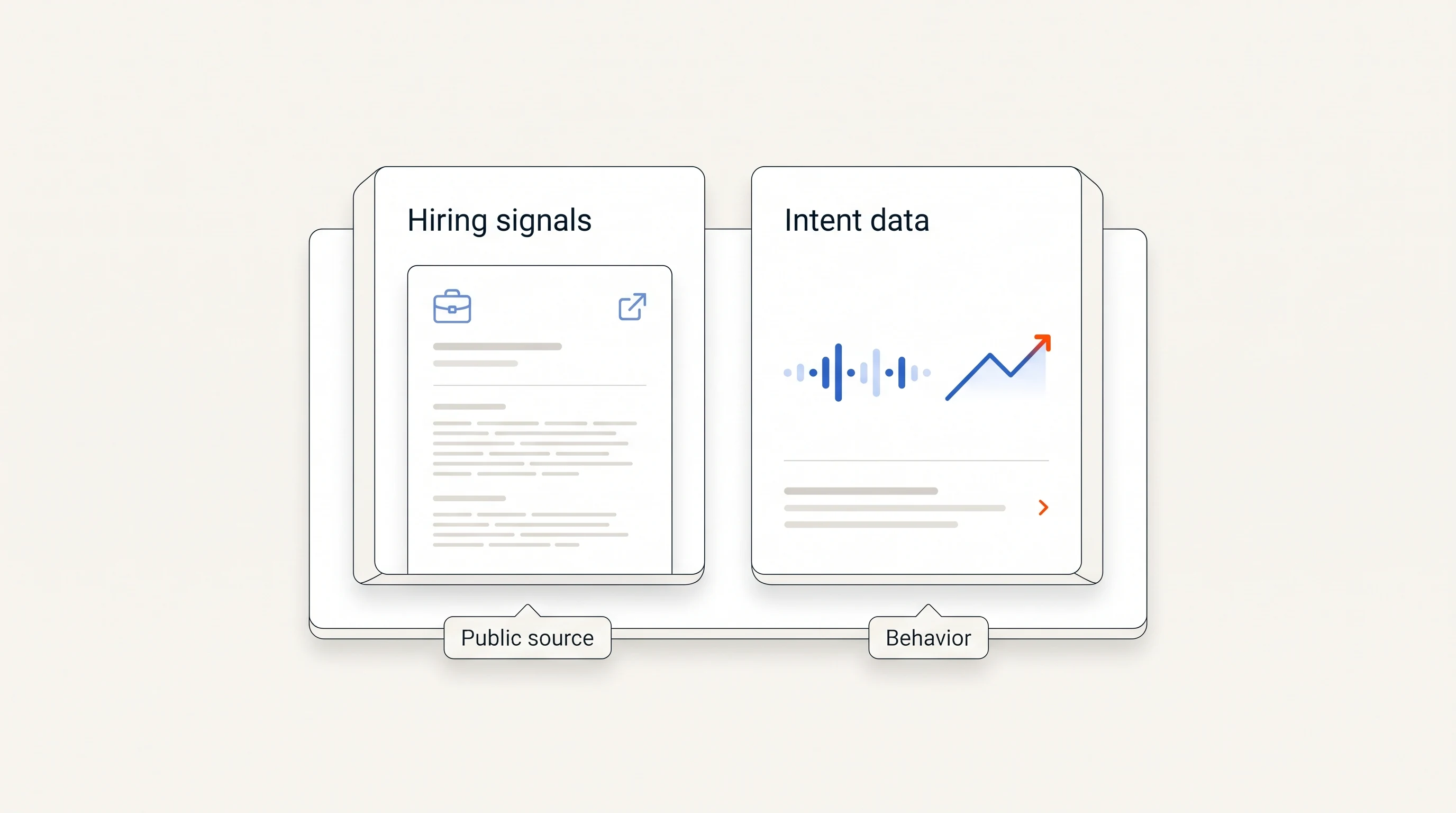
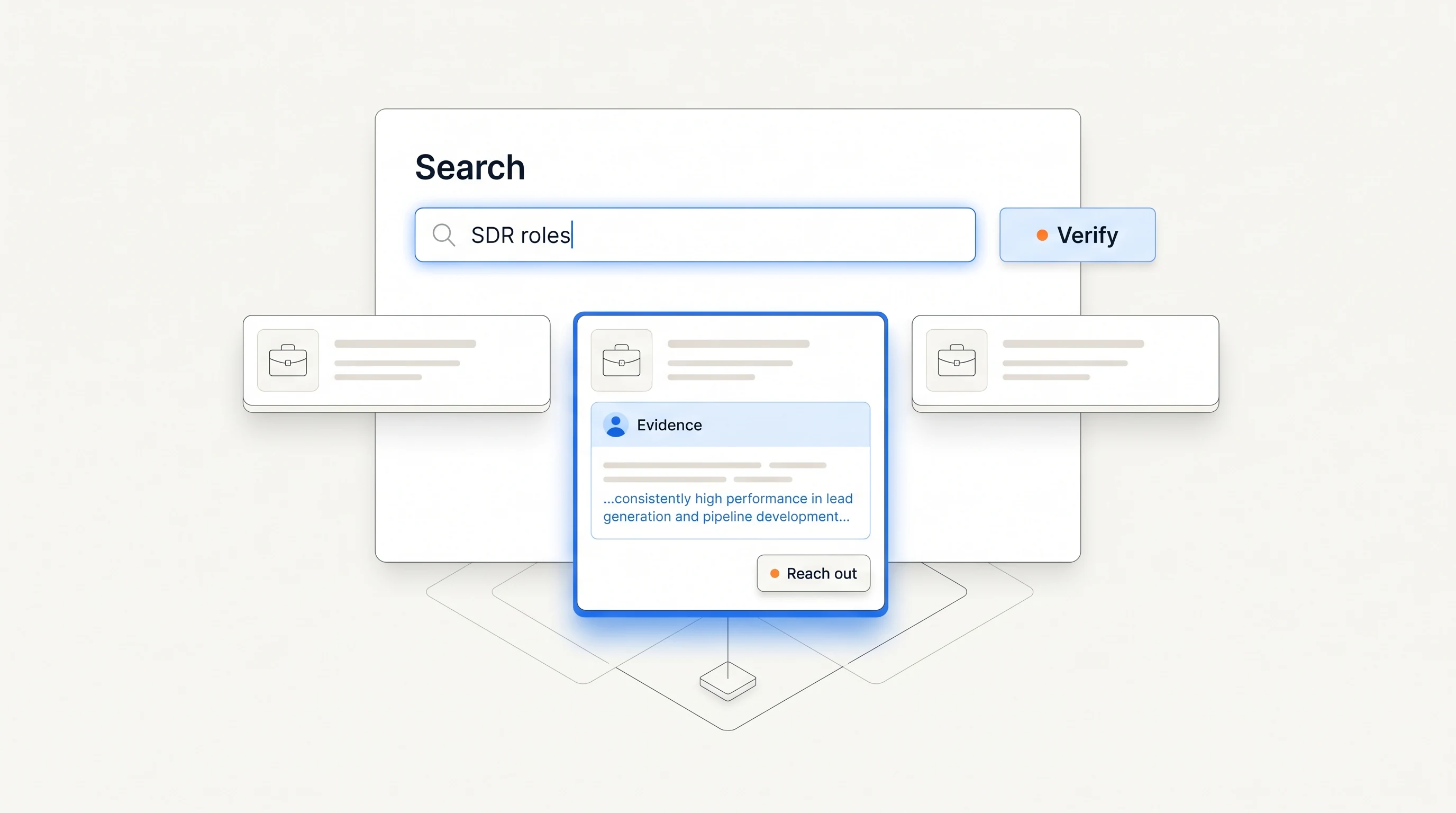
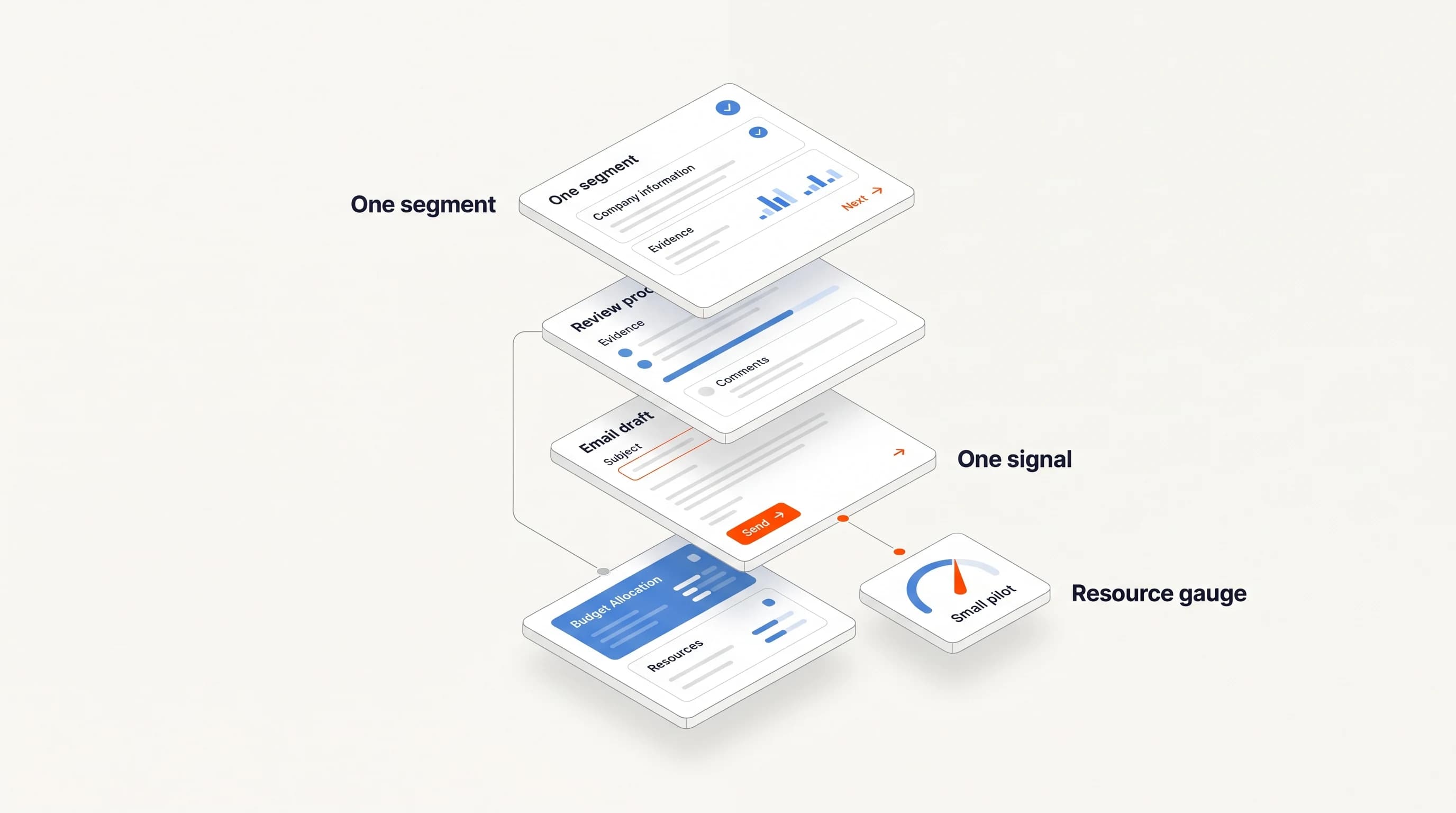
Perpetual is a signal-based outbound tool for founders and B2B sales teams: it starts from public hiring activity, qualifies the companies against your offer, selects one relevant person at each with an explanation, and writes a first email grounded in the evidence. For a mid-market team it covers one source of continuous opportunity discovery, hiring signals, not the whole revenue stack: it is not a lead database, and LinkedIn steps remain manual tasks. Limits such as five mailboxes and 200 actions per day make it a fit for one segment or a pilot. The quickstart guide shows the setup.
Key takeaways
| Point | Detail |
|---|---|
| Scope is the real differentiator | CRM reporting shows what reps logged; revenue automation ties every conversation to the opportunity, buying committee, and forecast. |
| Continuous discovery beats manual hunting | Platforms surface accounts entering the buying cycle and suggest next steps, so reps act on signals instead of researching from scratch. |
| Match the platform to your stage | Mid-market teams often want enough forecasting and intelligence to run without a dedicated RevOps team, while larger orgs need deeper pipeline decomposition. |
| Anchor on your CRM | Start with the CRM as the system of record, then add automation and intelligence that integrate cleanly rather than creating more overhead. |
Frequently asked questions
What is the difference between revenue intelligence and CRM reporting?
CRM-based sales reporting shows what reps logged, while revenue intelligence ties every conversation to the opportunity, the buying committee, and the forecast. That broader scope is why RevOps teams treat revenue intelligence as part of the revenue operations stack.
How do revenue automation platforms help mid-market teams find opportunities continuously?
They analyze pipeline data and identify risks and opportunities in real time, giving sales, marketing, and operations teams a single source of truth to close deals faster, save at-risk customers, and suggest the best next steps for reps to act quickly.
What should a mid-market team look for when choosing a revenue automation platform?
Start with your CRM as the anchor, then look for rich, continuously updated data, AI-powered prioritization, CRM-native integration, and compliance-ready architecture. Also weigh how much configuration overhead the platform demands relative to your team size.
Sources
- https://pipeline.zoominfo.com/sales/revenue-intelligence-tools
- https://www.salesforce.com/sales/revenue-intelligence/software/?bc=OTH
- https://www.salesforce.com/ap/sales/revenue-intelligence/software/?bc=OTH
- https://zapier.com/blog/revenue-intelligence-platform/
- https://blog.hubspot.com/sales/sales-intelligence-platform
- https://blog.hubspot.com/sales/enterprise-sales-automation-software