JournalEvaluationNo. 09
How to Evaluate a GTM Automation Vendor's Approach to Intent Signals
A checklist for evaluating how a GTM automation vendor sources, qualifies and acts on intent signals, and how to test it on your own data before you buy.
Marko Raković7 min read9 sections
Contents
- 01Why a single intent score can mislead you
- 02Evaluate the methodology as a chain, not a score
- 03Ask how third-party data is joined with your own
- 04Check data provenance and the handoff
- 05Test on a frozen, representative sample
- 06Weigh first-party, third-party and public signals differently
- 07Require action inside your existing workflow
- 08Look at the buying group, not one visitor
- 09Where Perpetual fits
Published by Perpetual
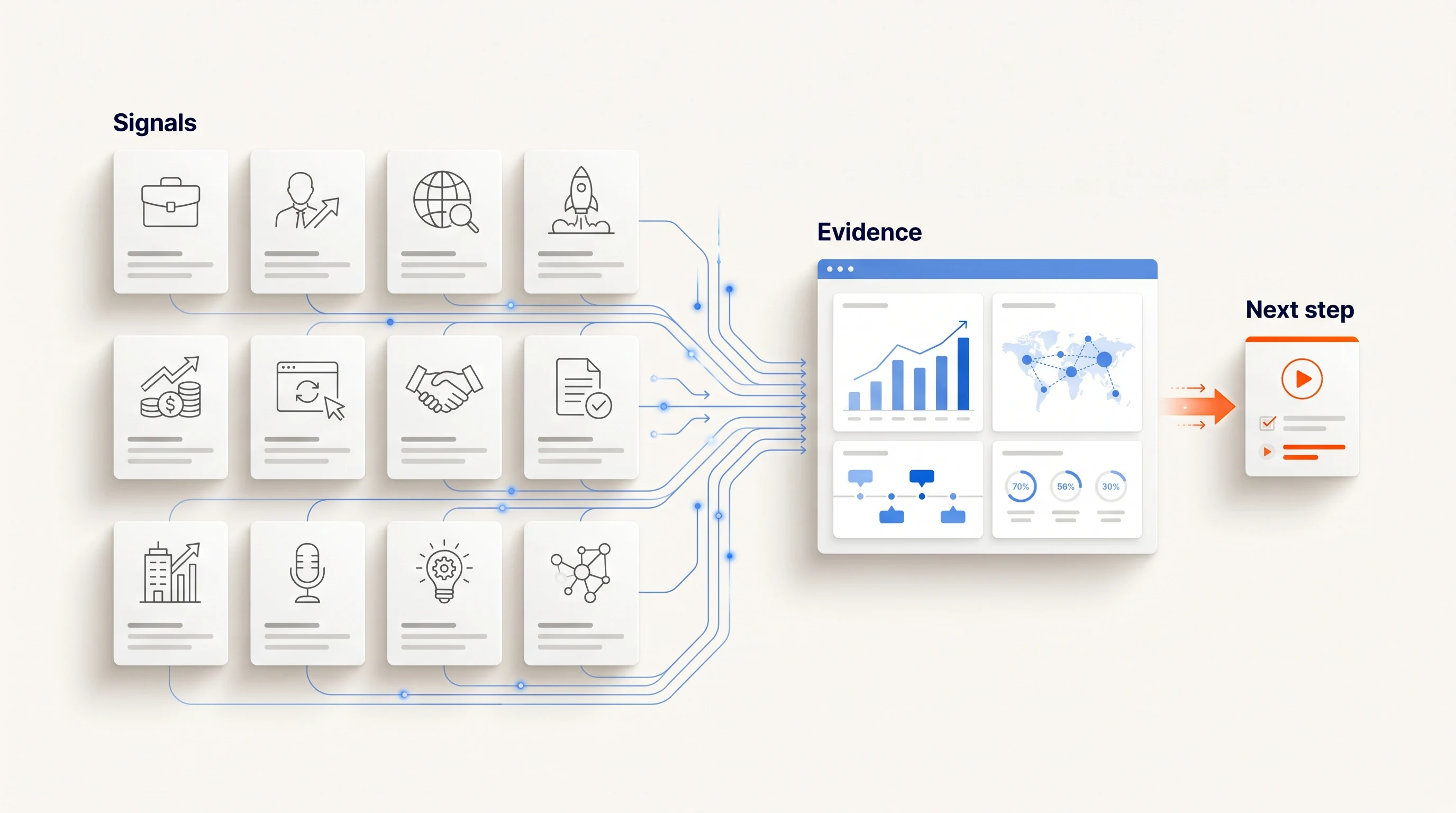
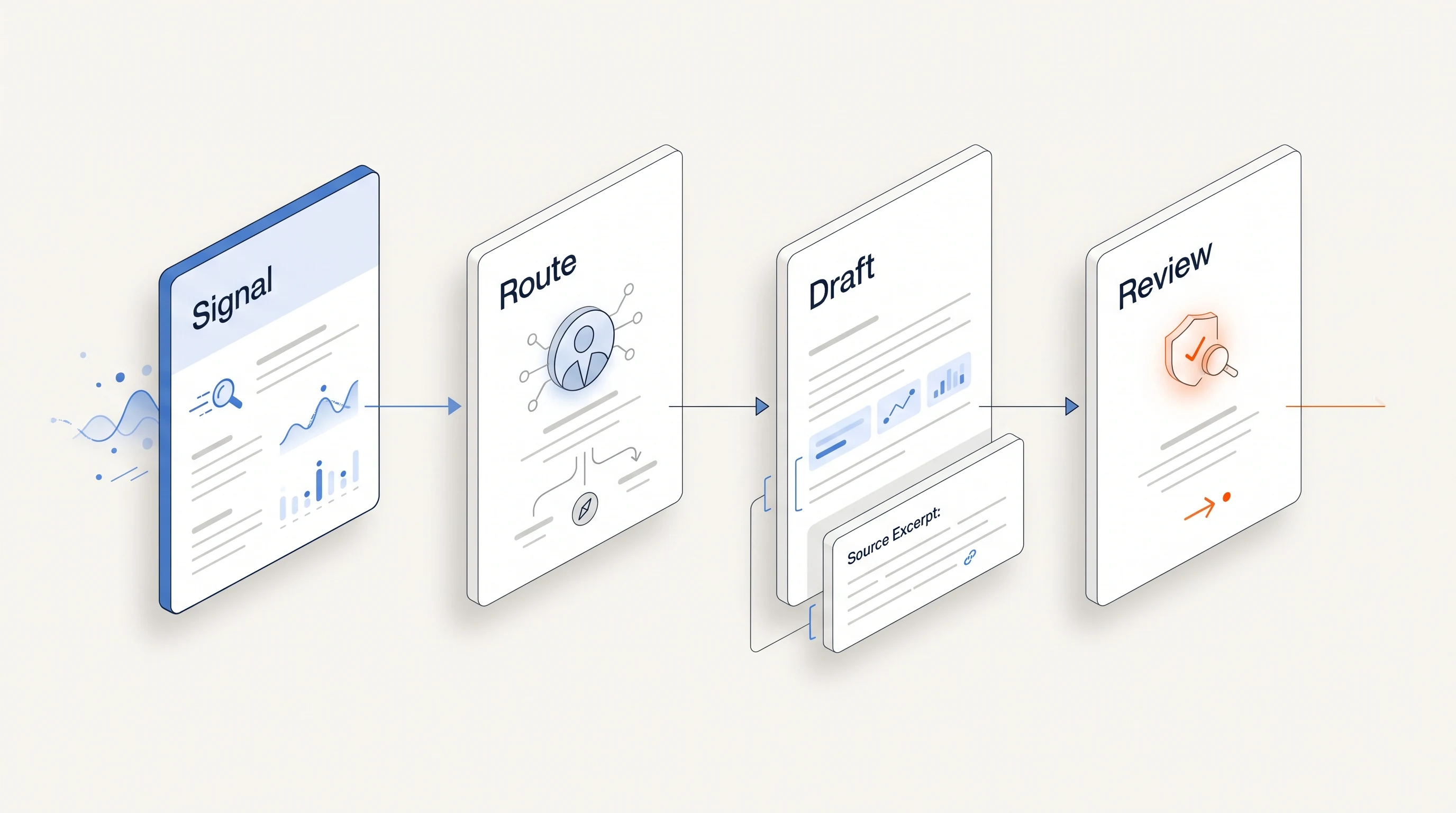
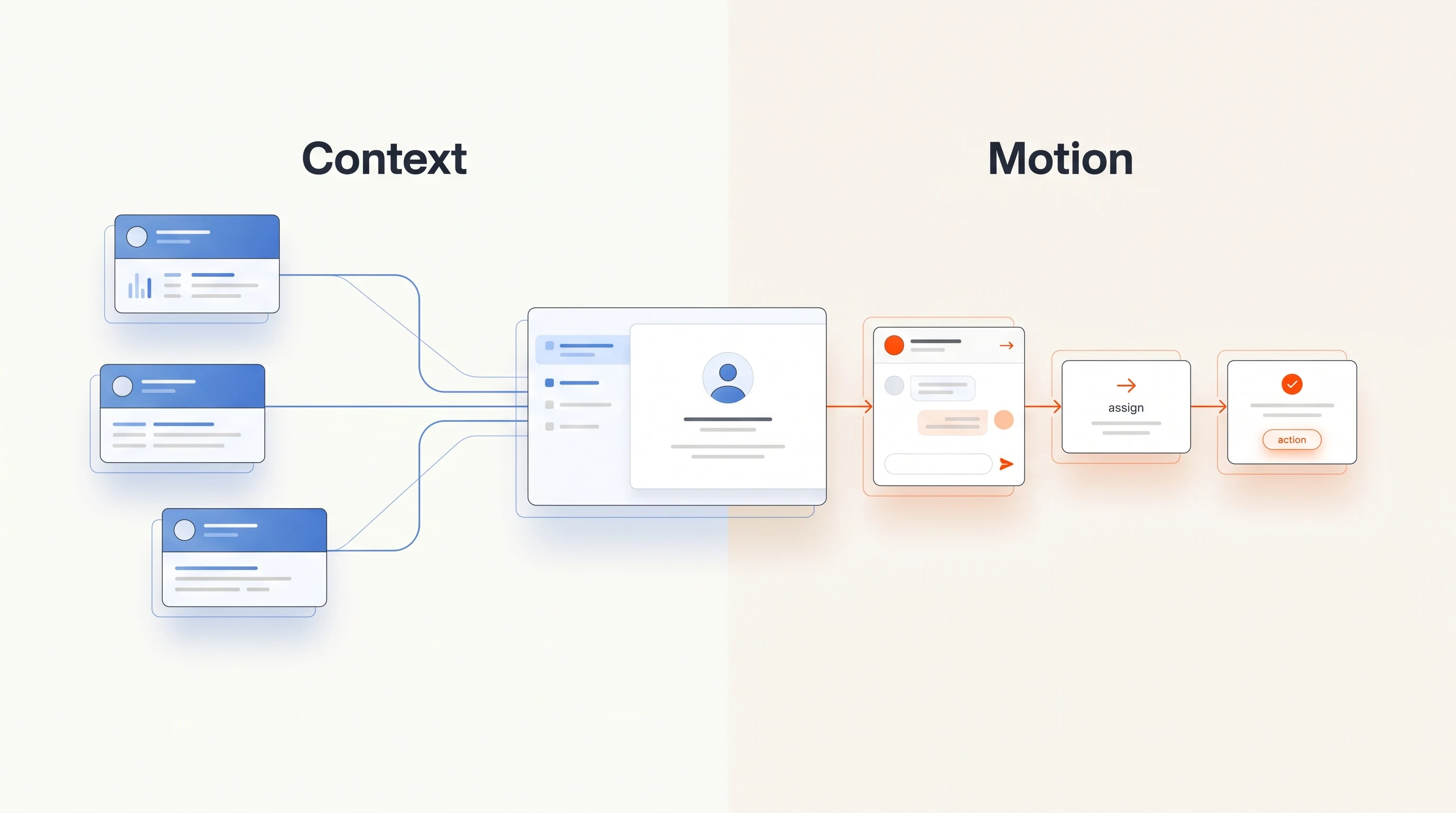
To evaluate a GTM automation vendor's approach to intent signals, follow one signal from the moment it is detected to the action it triggers. Ask where the data comes from, how the company and the person are identified, how the account is qualified, what happens at handoff, and what evidence your team sees at the end. A vendor that can only show you a final score is hiding the parts that decide whether the signal is useful.
Three things to know
- A topic surge tells you a company read more than usual about a subject. It does not tell you they want your product.
- Evaluate a vendor's intent methodology as a chain of decisions, not as a single score.
- Test the vendor on a frozen sample of your own accounts, not on the examples they choose for the demo.
Why a single intent score can mislead you
The common pitch is that a vendor can tell you which companies are ready to buy before they know it themselves. In practice, much third-party intent data comes from a network of websites where the vendor counts how much a company reads about a topic compared with its own baseline. When reading goes up, the company gets a surge score, and a high enough score is labeled "in market" and pushed to sales (Adam Holmgren).
That score says someone at the company read more than usual about a topic. It does not say who, why, or whether they want a product like yours. A broad topic such as "marketing automation" covers many unrelated reasons to read. We make the same distinction for hiring signals in A signal is not a buying intent, and our guide to using hiring signals for prospecting shows how to work with them.
Evaluate the methodology as a chain, not a score
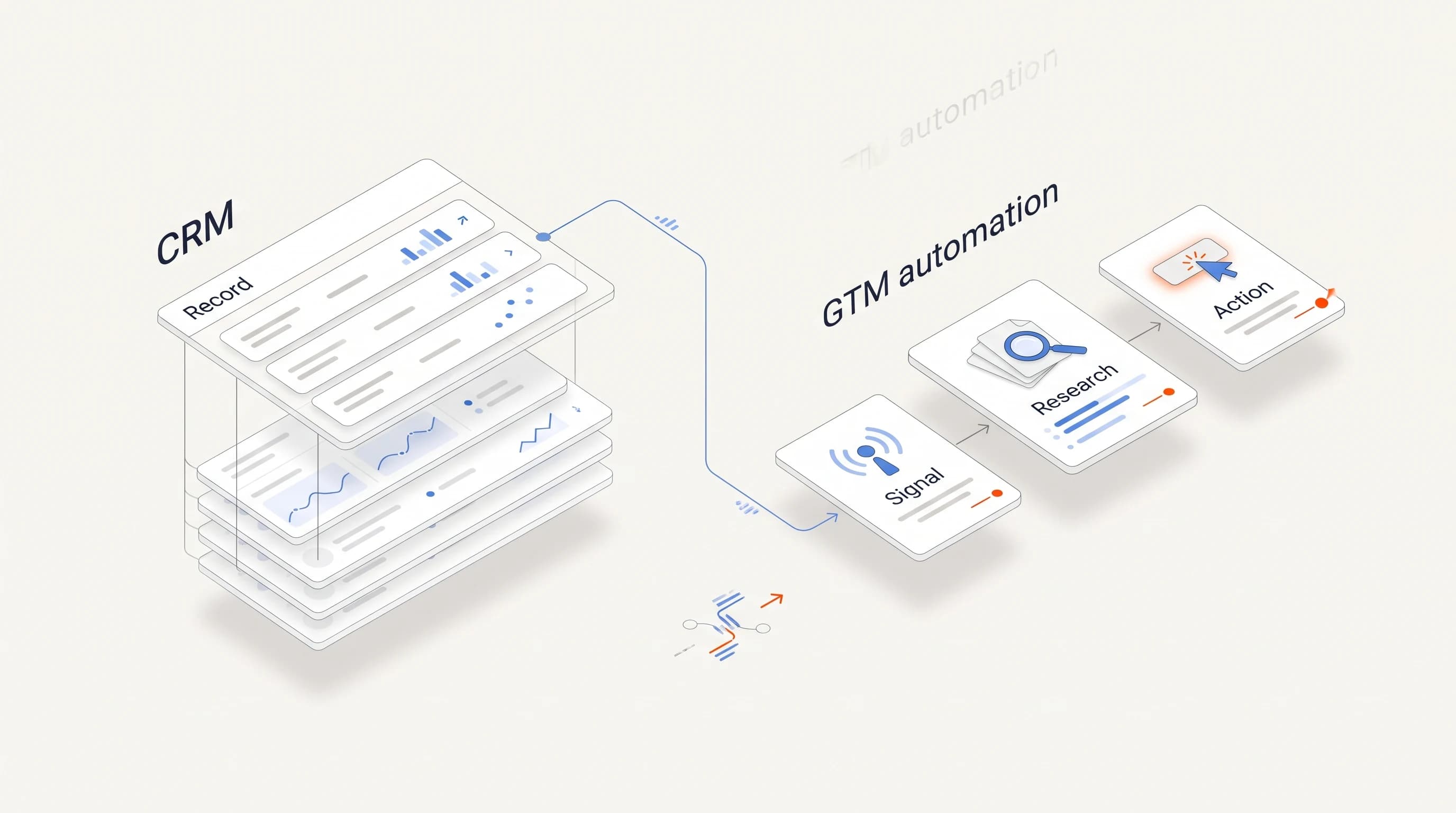
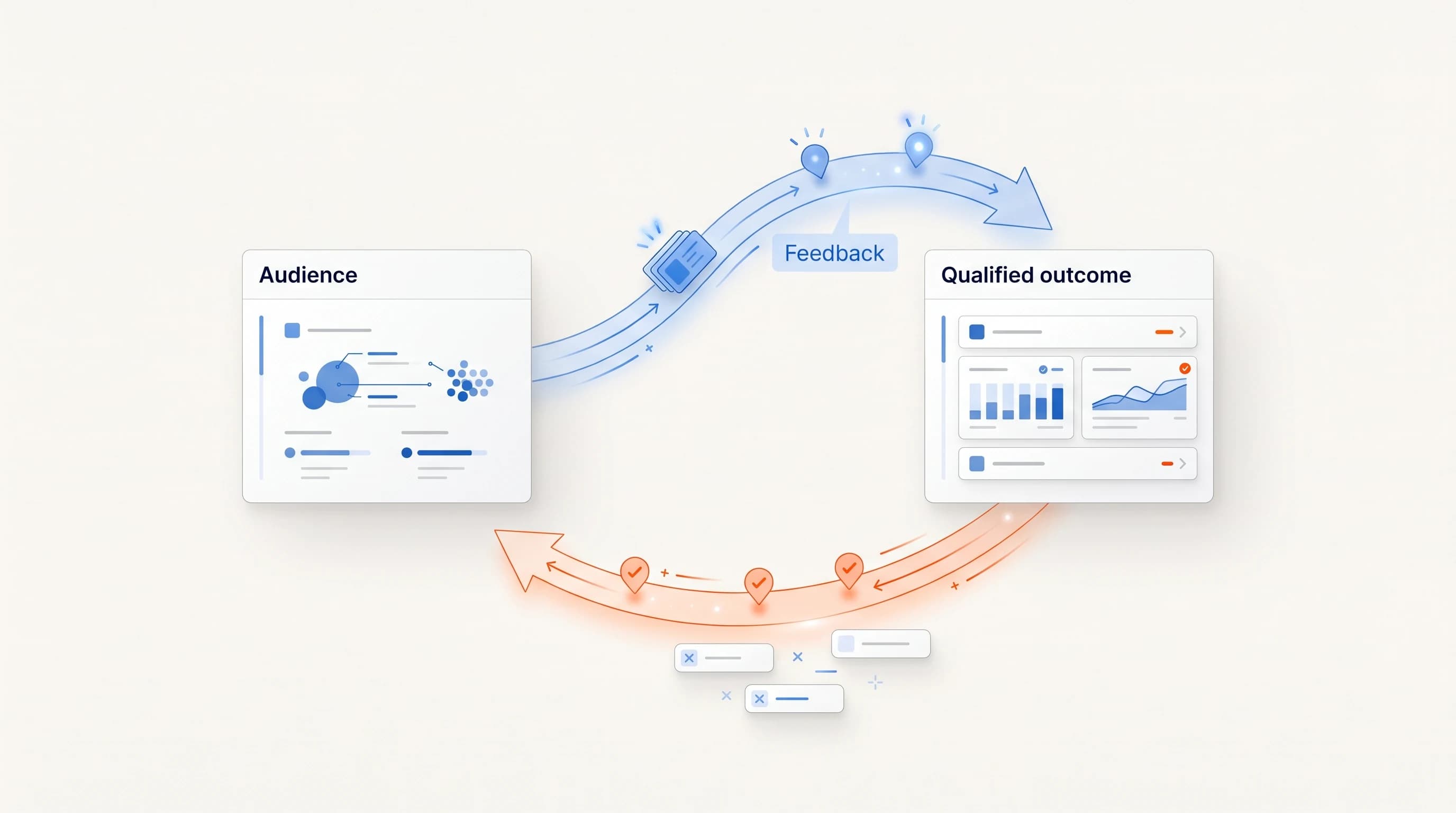
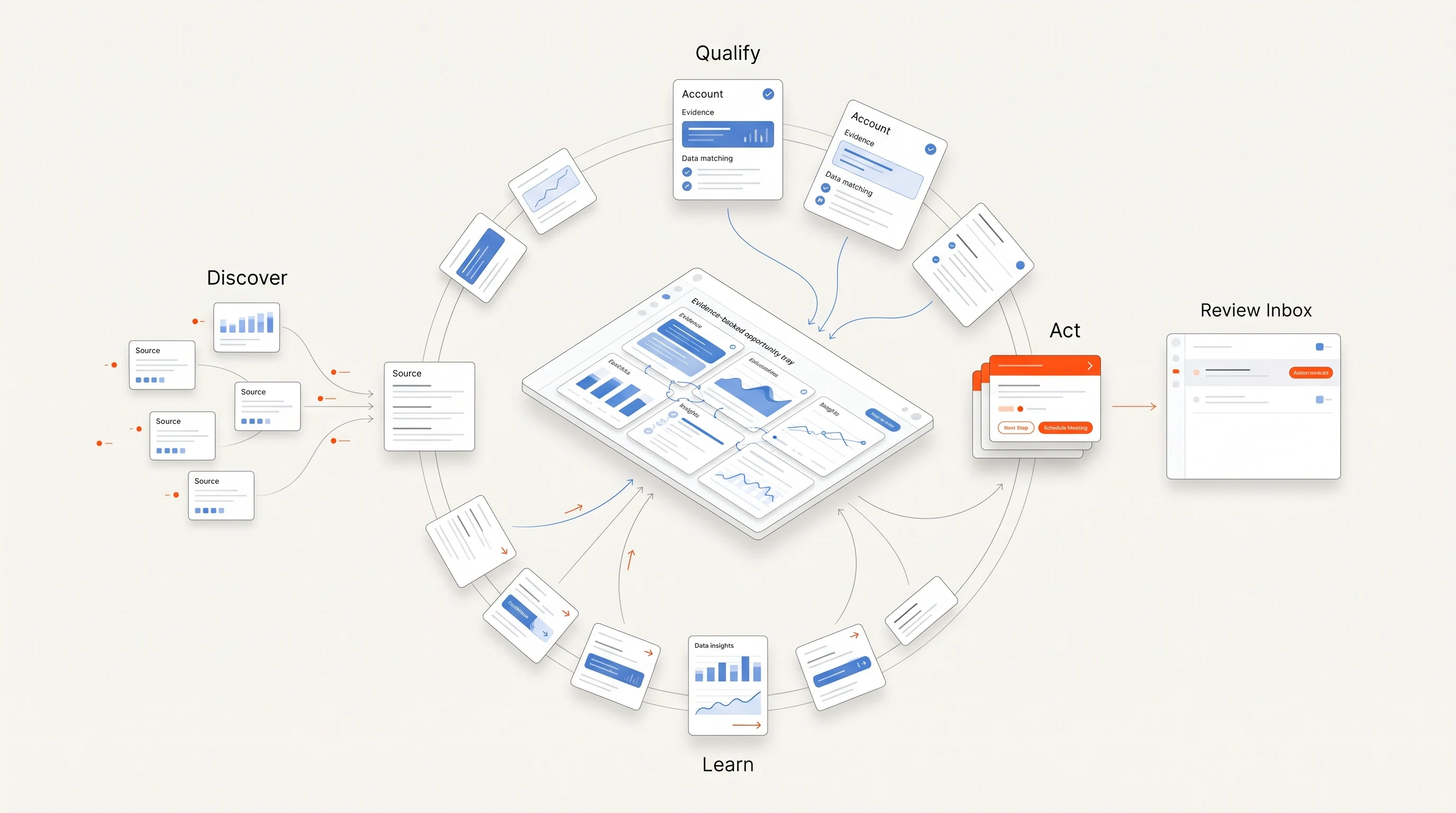
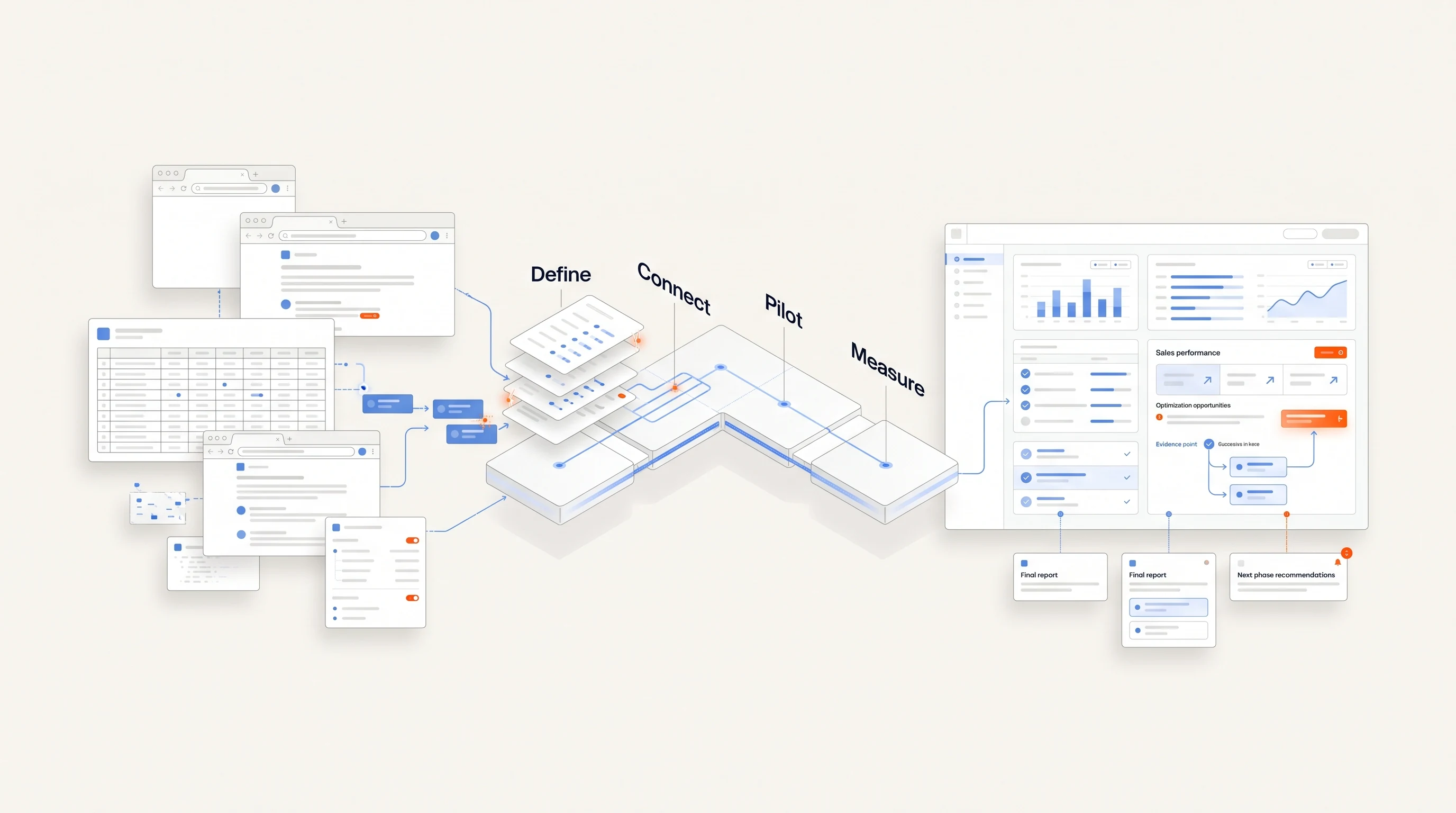
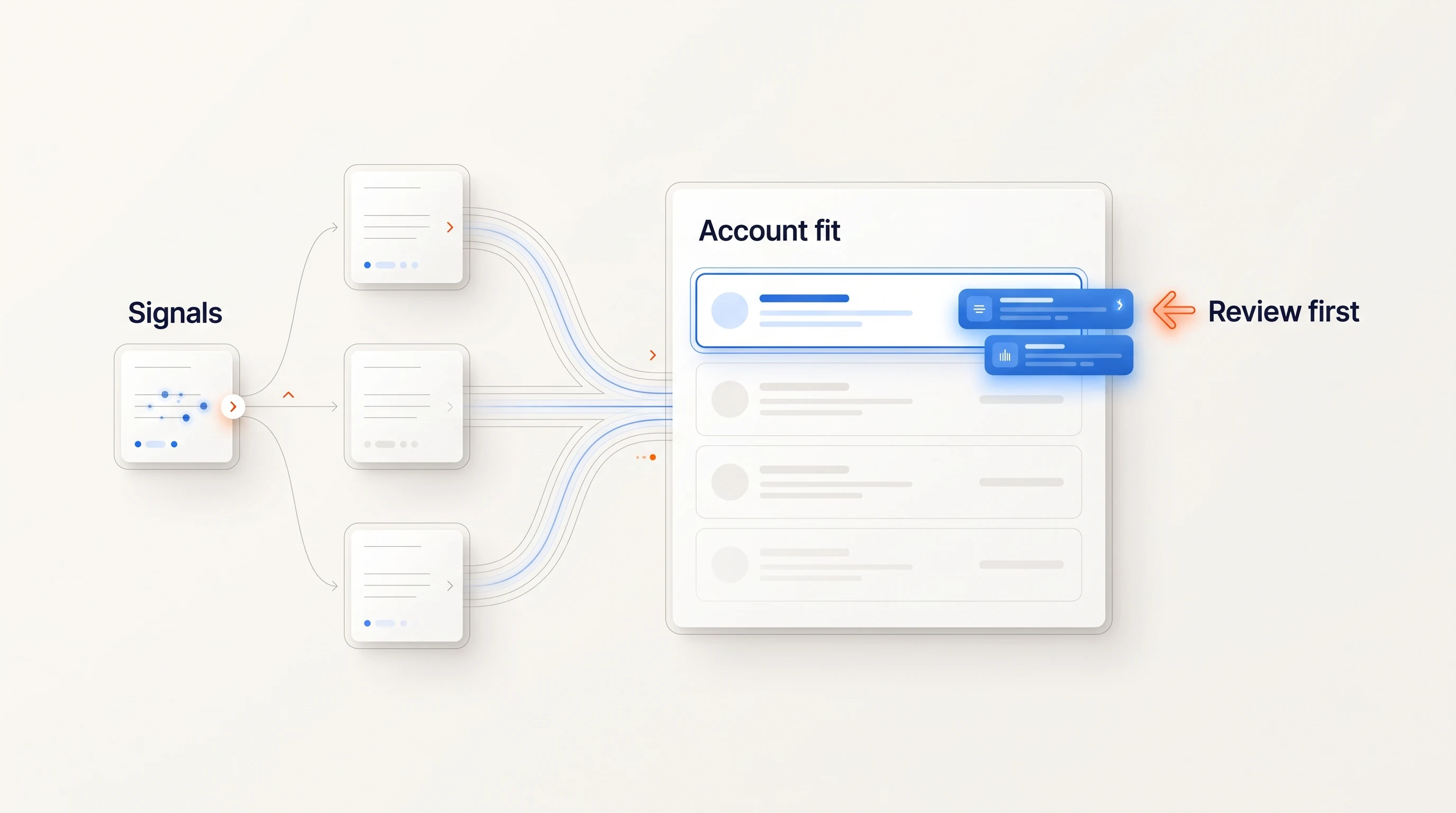
One useful framework treats intent data as a chain: market mapping, identity and enrichment, qualification, eligibility, action and feedback. The question is whether a signal can move through every step with enough evidence for a revenue team to use it responsibly (Brandwell).
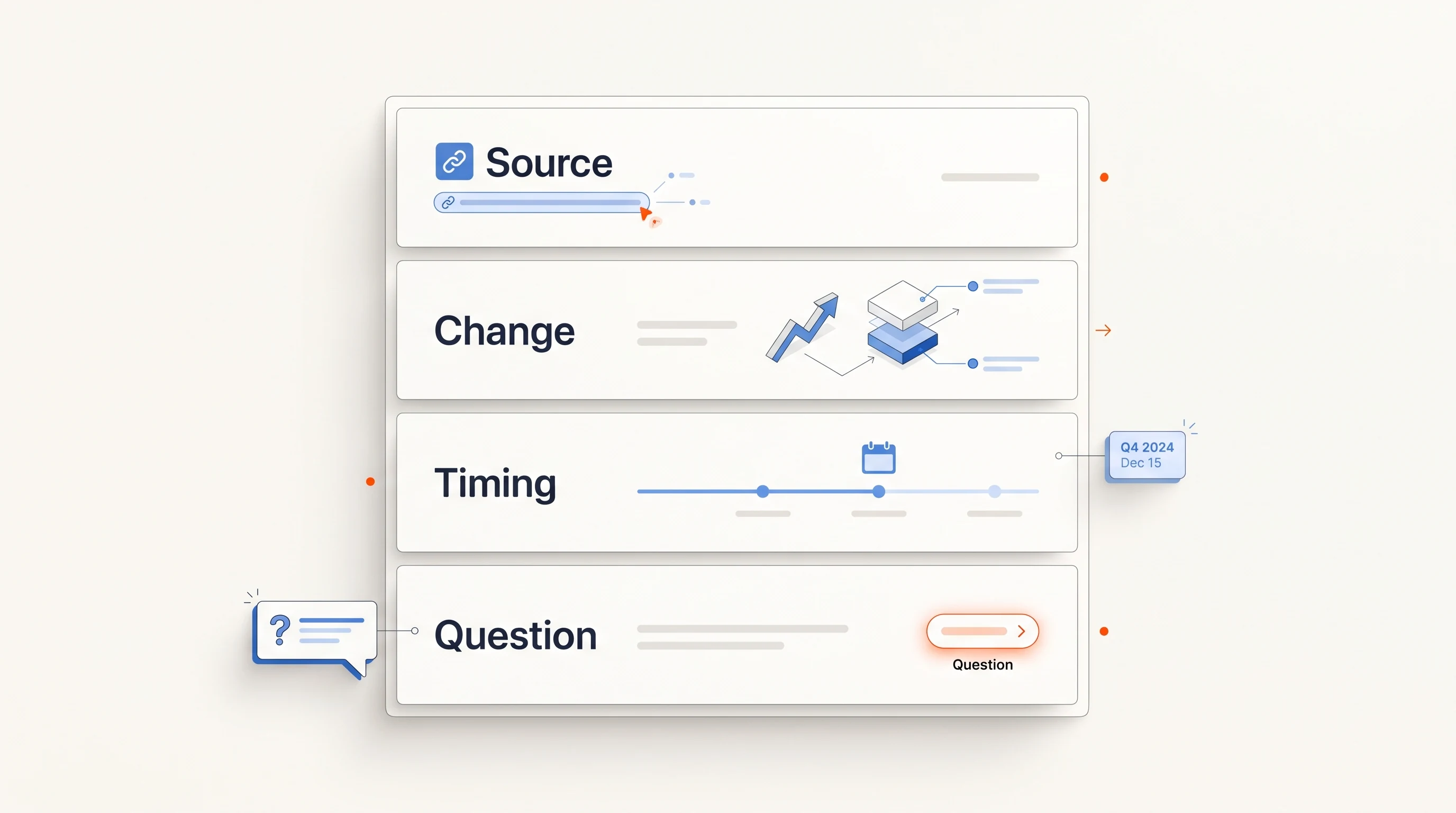
In a vendor review, walk each step and ask what survives to the next one:
| Step | Question to ask the vendor |
|---|---|
| Source | Where does the signal come from, and how often is it refreshed? |
| Identity | How do you match the activity to a company, and how often is that match wrong? |
| Qualification | How do you check the account against our ideal customer profile? |
| Eligibility | How do you exclude customers, open deals, and people who opted out? |
| Action | What exactly happens next, and who or what does it? |
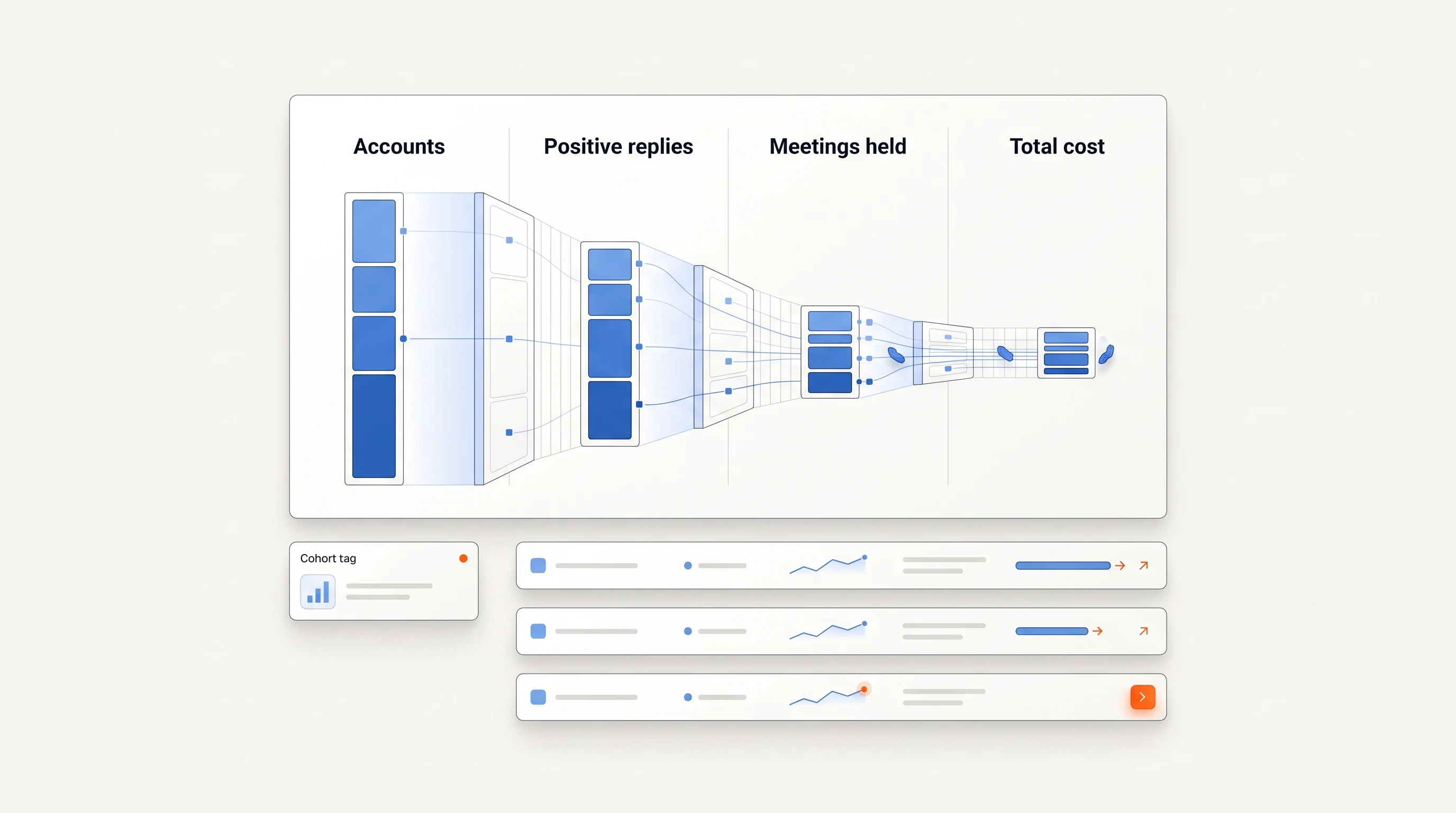
| Feedback | How do replies, meetings and losses change future scoring? |
Ask how third-party data is joined with your own
Your own data is rarely enough on its own in sales and marketing. A model needs your persona, ideal customer profile, past interactions and product context, and it also needs accurate, fresh outside data to find accounts you do not know yet (Christian Kletzl).
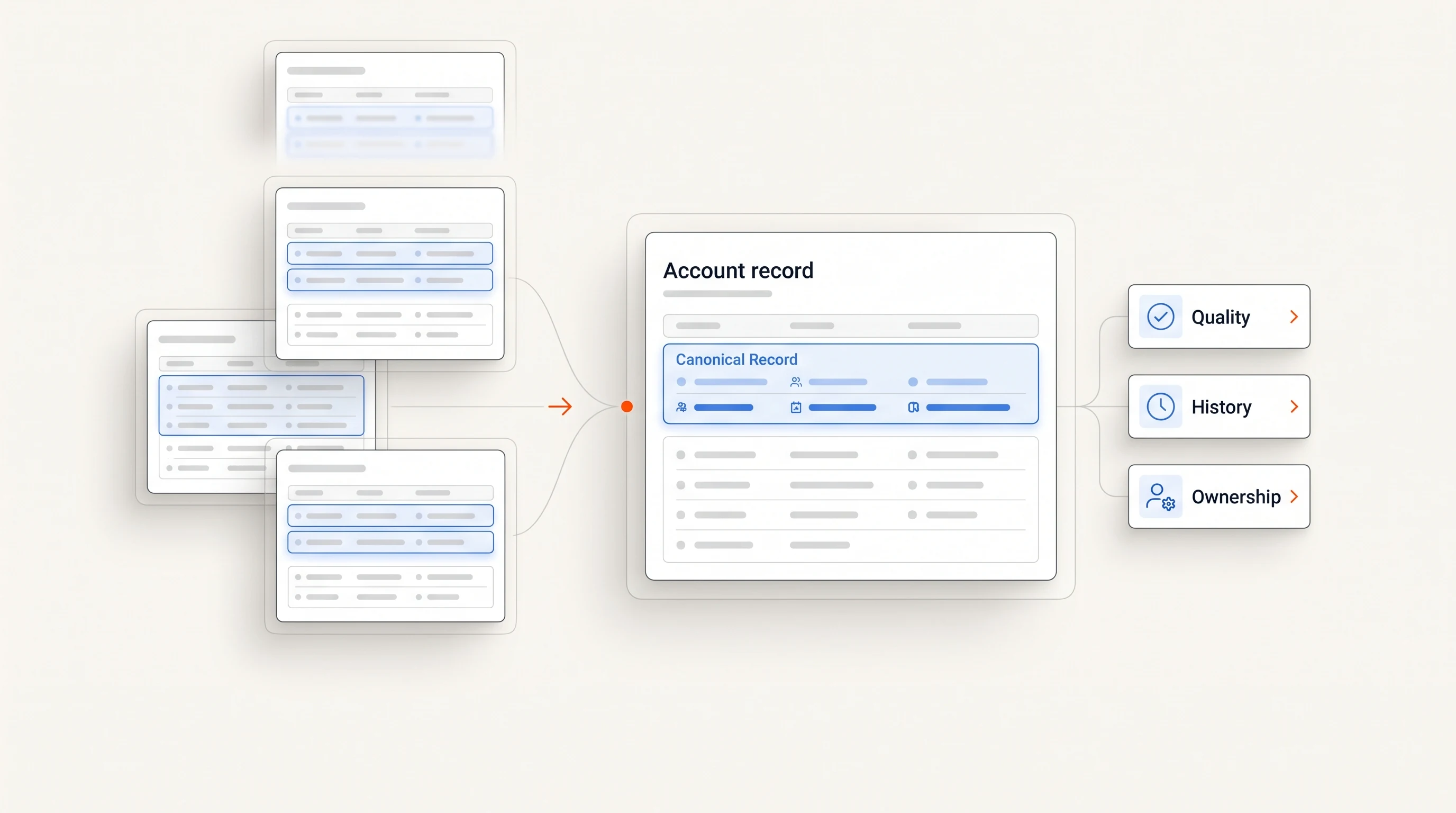
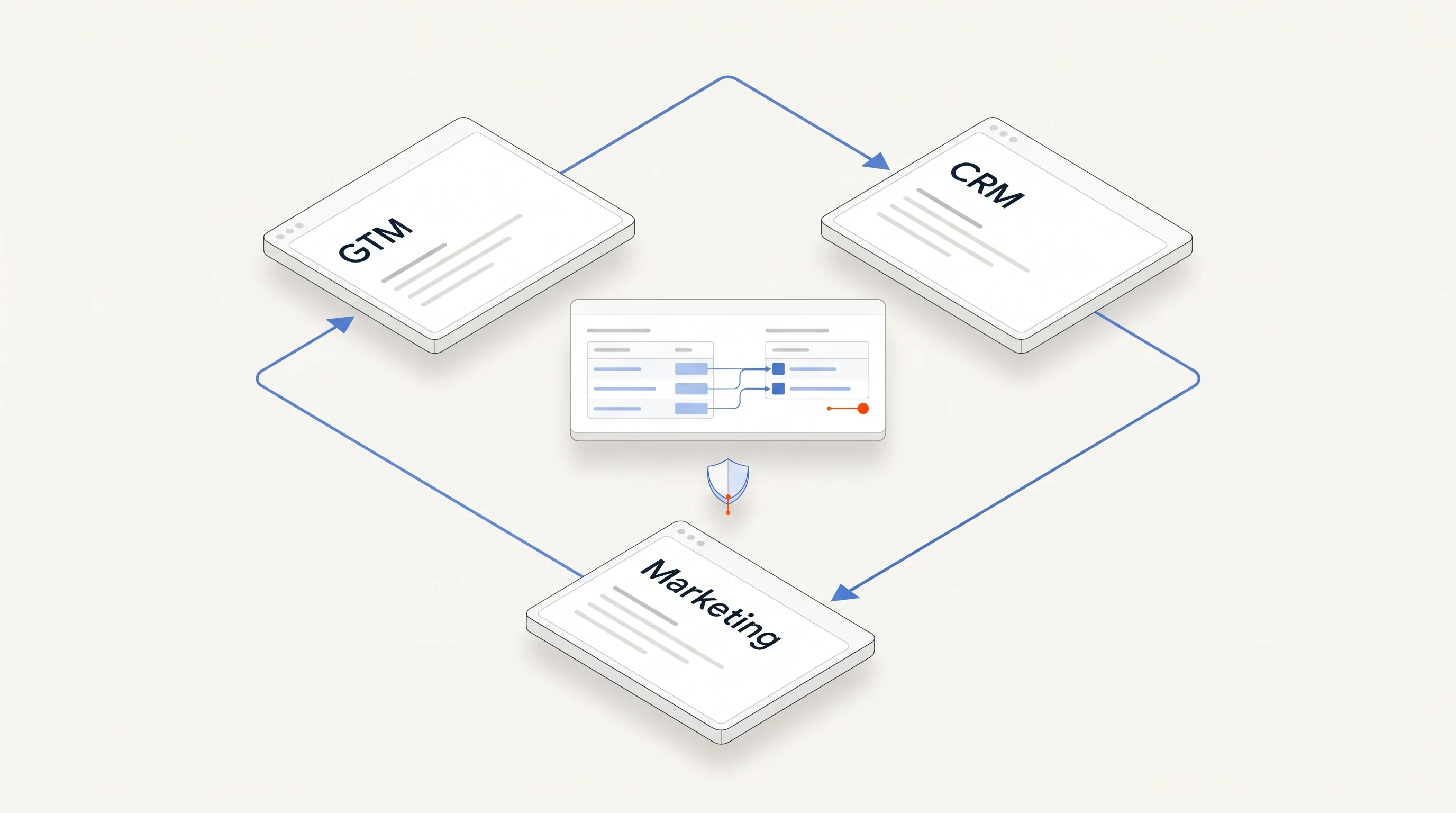
Ask the vendor to show how their signal feed is joined to your CRM and first-party data, not just how it looks on its own. A vendor that cannot show this join is selling a feed, not a working system.
Check data provenance and the handoff
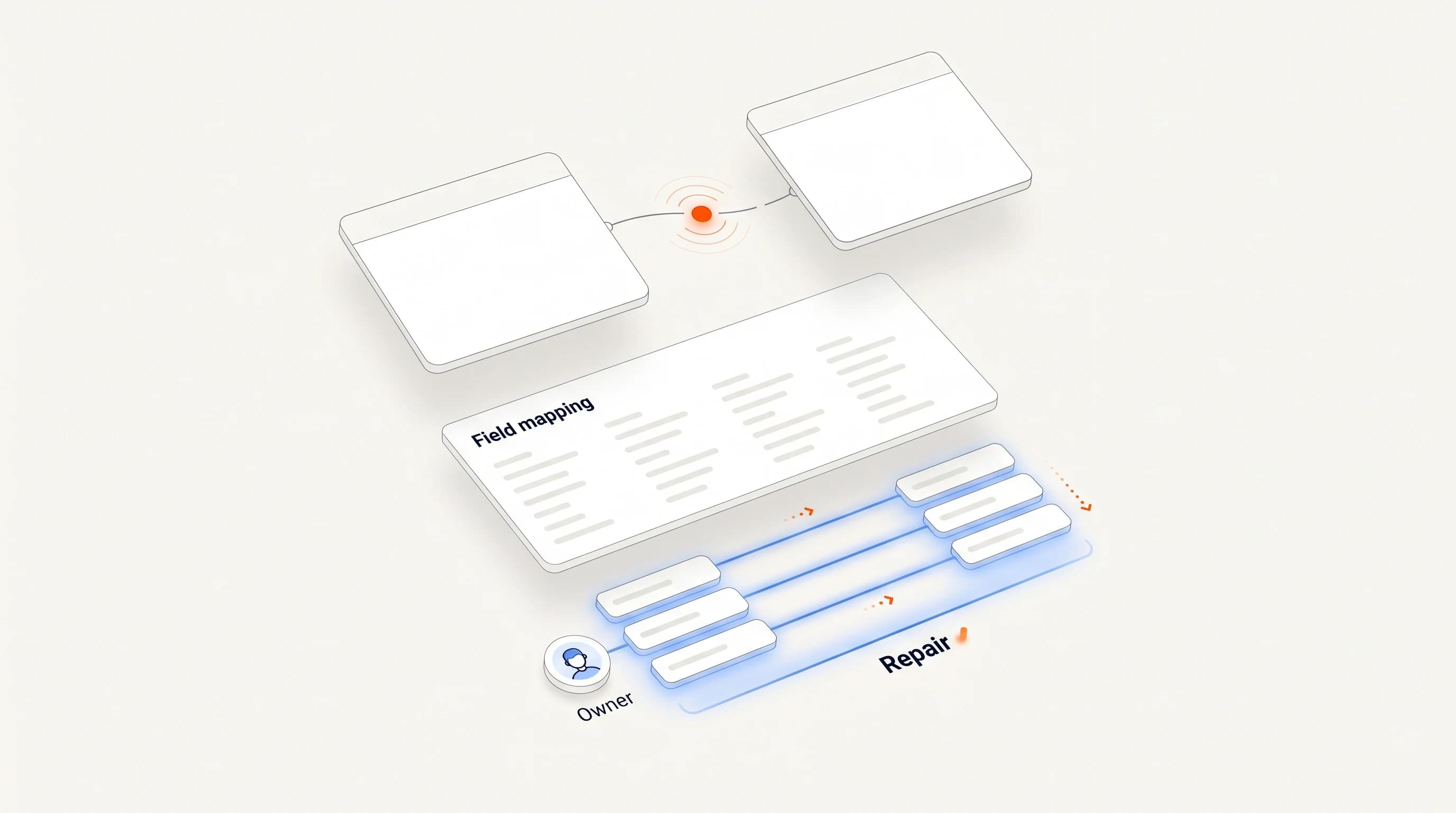
Data provenance rarely shows up in a demo. Ask the vendor to walk through what happens when a high-intent signal triggers an action, and check whether suppression lists, identity resolution and consent signals survive the handoff or get dropped on the way (Bombora).
Also ask whether you can set your own activation thresholds, and whether your own results, such as replies and meetings, feed back into the model.
Test on a frozen, representative sample
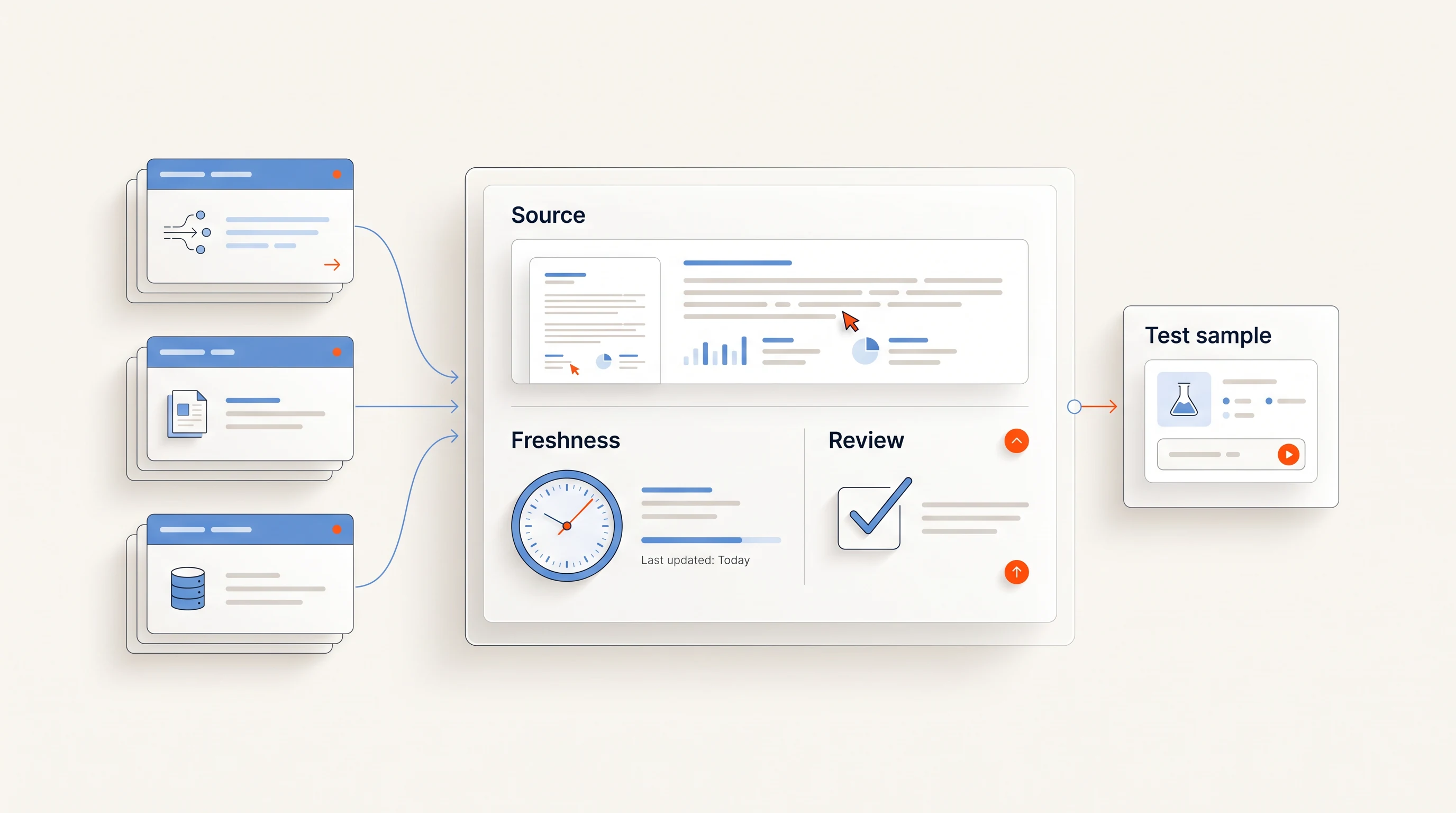
Do not let a vendor-selected showcase be your only evidence. Freeze a test set before the trial starts. Include ordinary accounts, ambiguous records, missing fields, duplicates, stale records, exclusions, and known positives and negatives where you are allowed to use them (Brandwell).
Run the set through the vendor's pipeline and compare the output with what you already know. Count how many known customers were flagged as new opportunities, how many excluded accounts slipped through, and how many signals you could verify yourself.
Weigh first-party, third-party and public signals differently
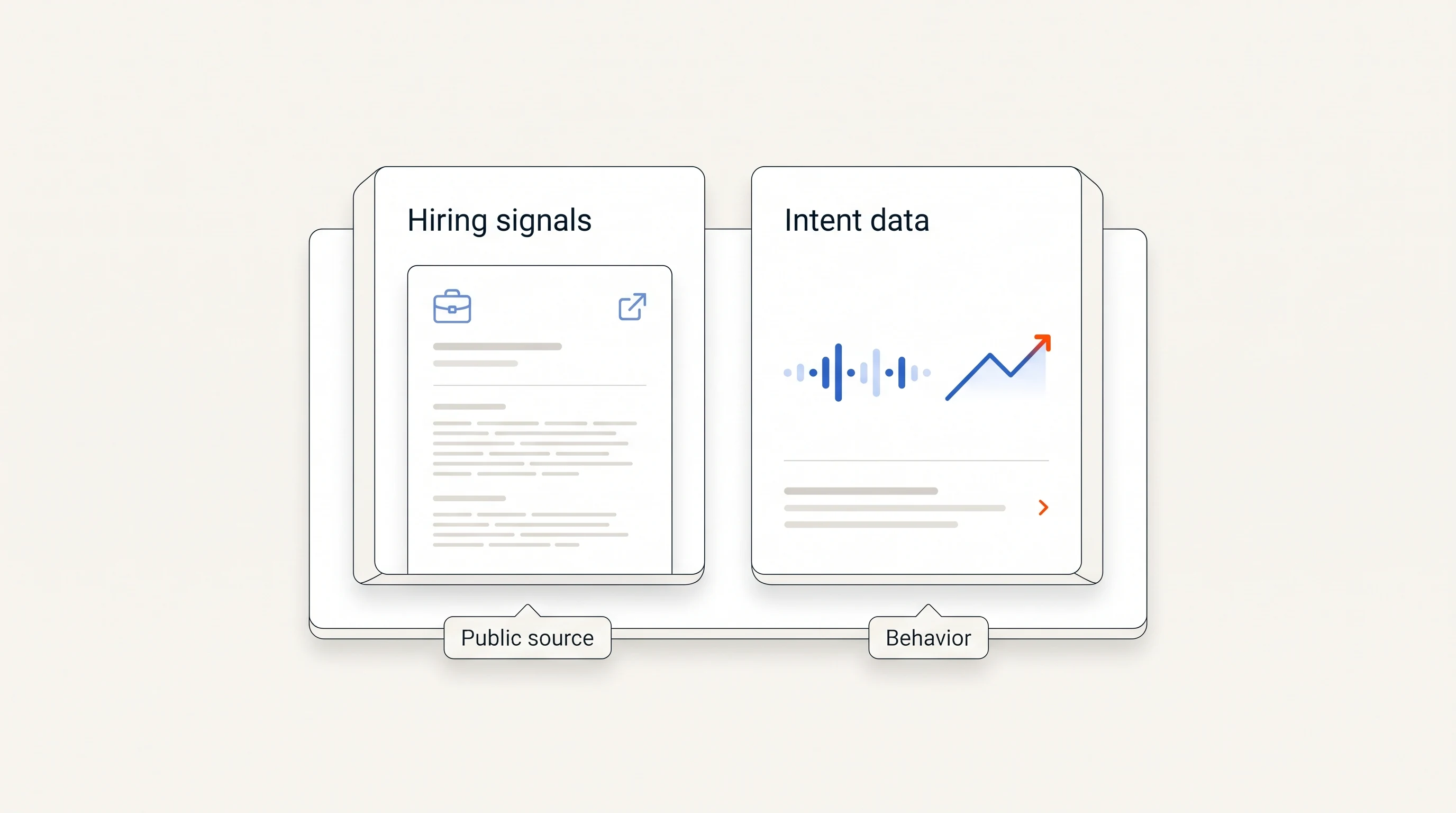
Different signals deserve different weight. First-party signals, such as visiting your pricing page, inviting teammates or hitting a usage threshold, show deliberate interest in you. Third-party intent helps you find accounts you do not know yet. Public events, such as hiring or funding, create timing. Community activity often appears before a demo request reaches your CRM (Common Room).
Ask which signal types the vendor ingests, how each one is weighted, and whether you can see that weighting for a given account.
Require action inside your existing workflow
A signal is useful only if it becomes a concrete next step. The goal is a play inside the tools your team already uses, prioritized by your ideal customer profile, buying stage and signal strength (Common Room).
If the vendor's answer is "your reps will log in and look," expect the signals to go unused.
Look at the buying group, not one visitor
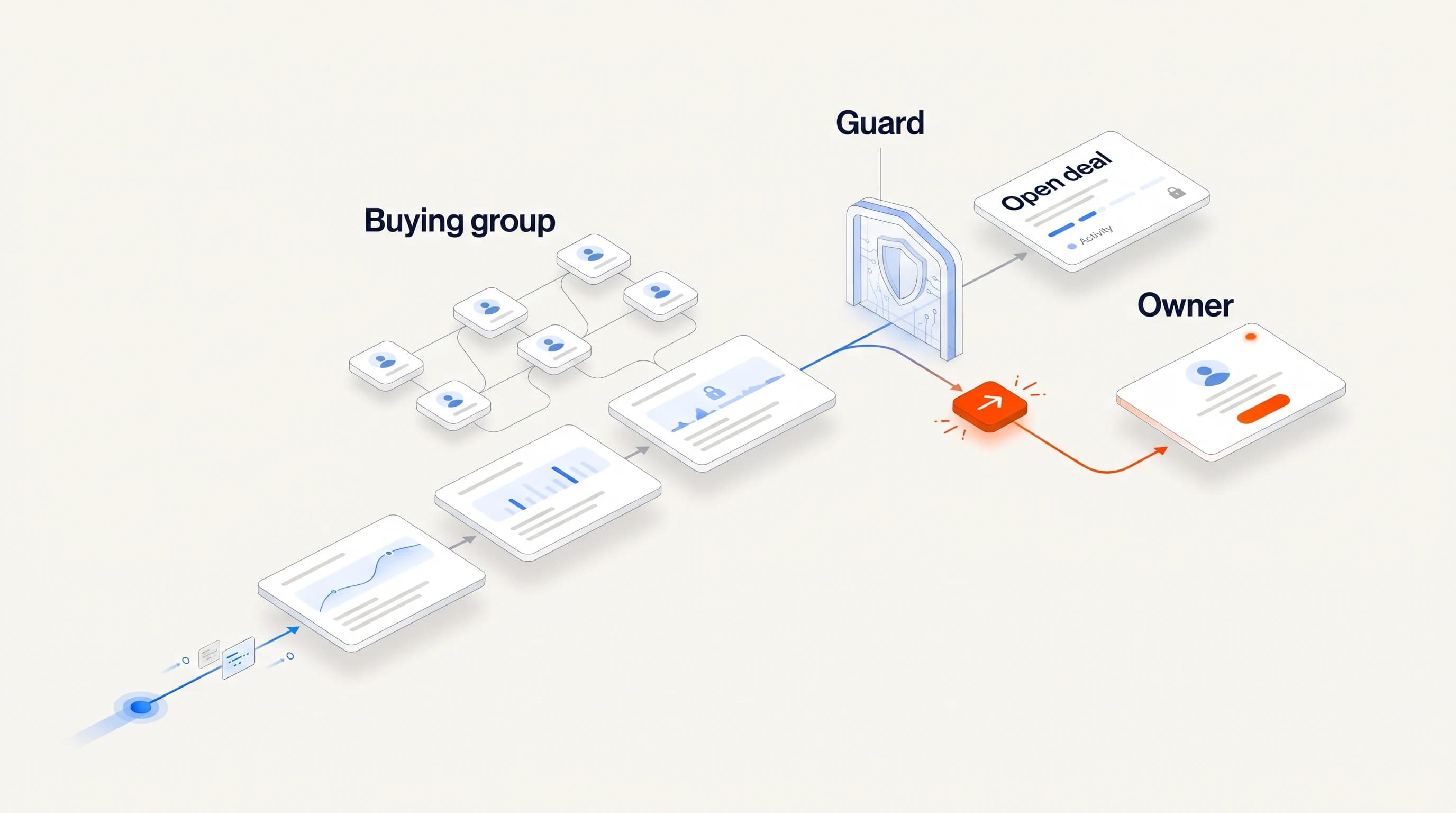
In B2B, decisions are made by several people. Ask whether the vendor shows activity across the buying group at an account, or only one contact's page views (Intentsify). One person reading a blog post is weak evidence; several roles at the same account researching the same problem is stronger.
Where Perpetual fits
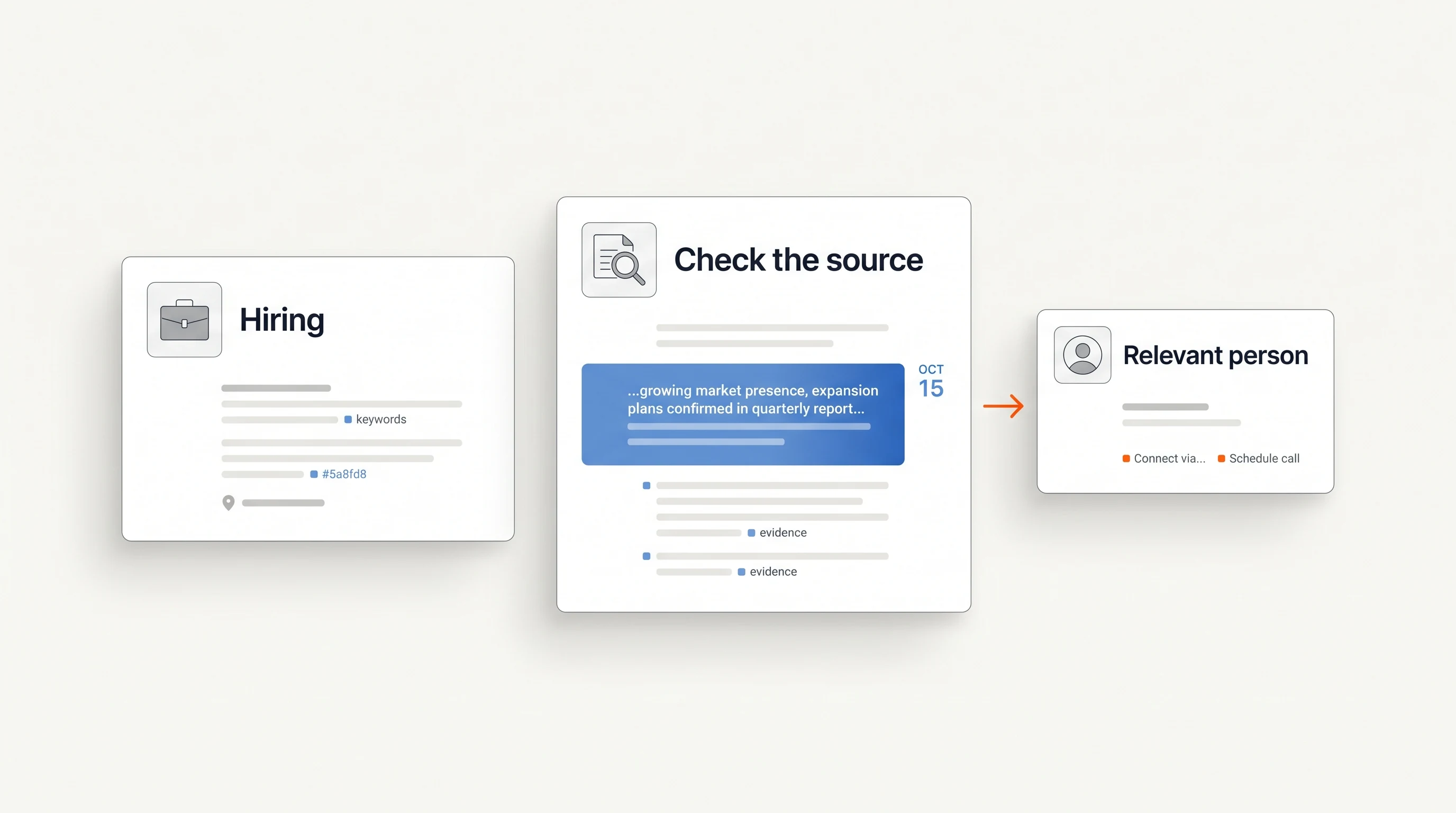
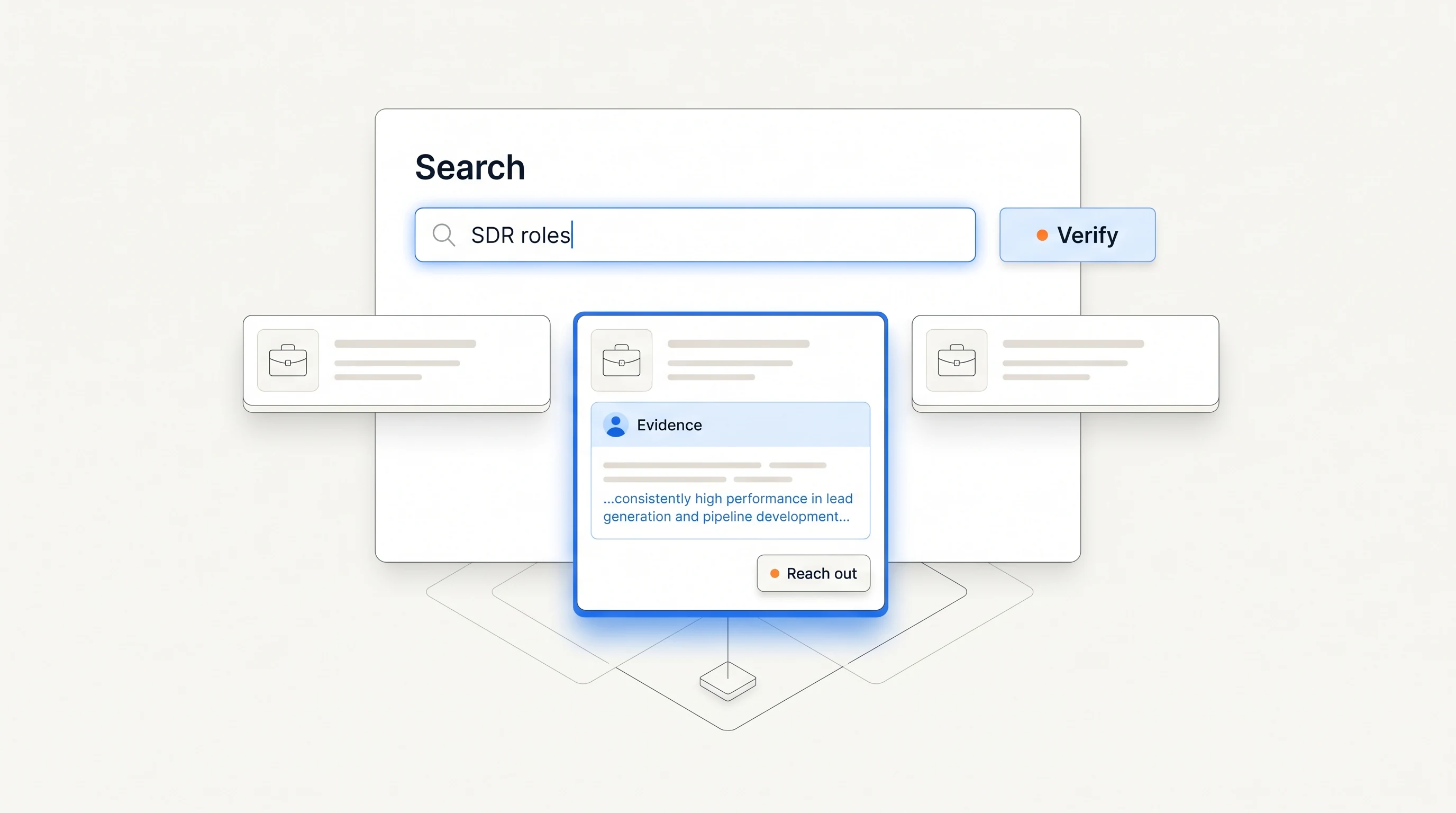
Perpetual uses one public signal family: hiring activity, such as open roles, team growth and new functions. Each opportunity shows its public source, the company qualification against your offer, the one person selected and why, and what the evidence does not prove. A hiring signal is evidence of change at a company; it does not establish budget, urgency or purchase intent. Email is sent from your own connected mailboxes within a saved sending policy, and replies and opt-outs stop email follow-ups automatically.
Key takeaways
| Point | Detail |
|---|---|
| Separate signal from intent | A topic surge is reading behavior, not a purchase decision. Check that the vendor treats it that way. |
| Trace the full chain | Source, identity, qualification, eligibility, action and feedback should each be explainable. |
| Check the handoff | Suppression, identity and consent data must survive the move into your CRM and sending tools. |
| Test on your own data | Use a frozen sample with messy records instead of a curated demo. |
Frequently asked questions
What is the difference between an intent signal and buying intent?
An intent signal is an observation, such as a surge in reading about a topic or a new job posting. Buying intent means someone is actively looking to buy. A signal can justify a conversation; it does not prove intent.
Why is evaluating AI in GTM different from evaluating AI in coding or support?
In coding and support, your own data is often enough. In sales and marketing, your own data has to be combined with accurate, fresh outside data to find new accounts, so you also have to evaluate the vendor's data sources.
How long should a vendor trial be?
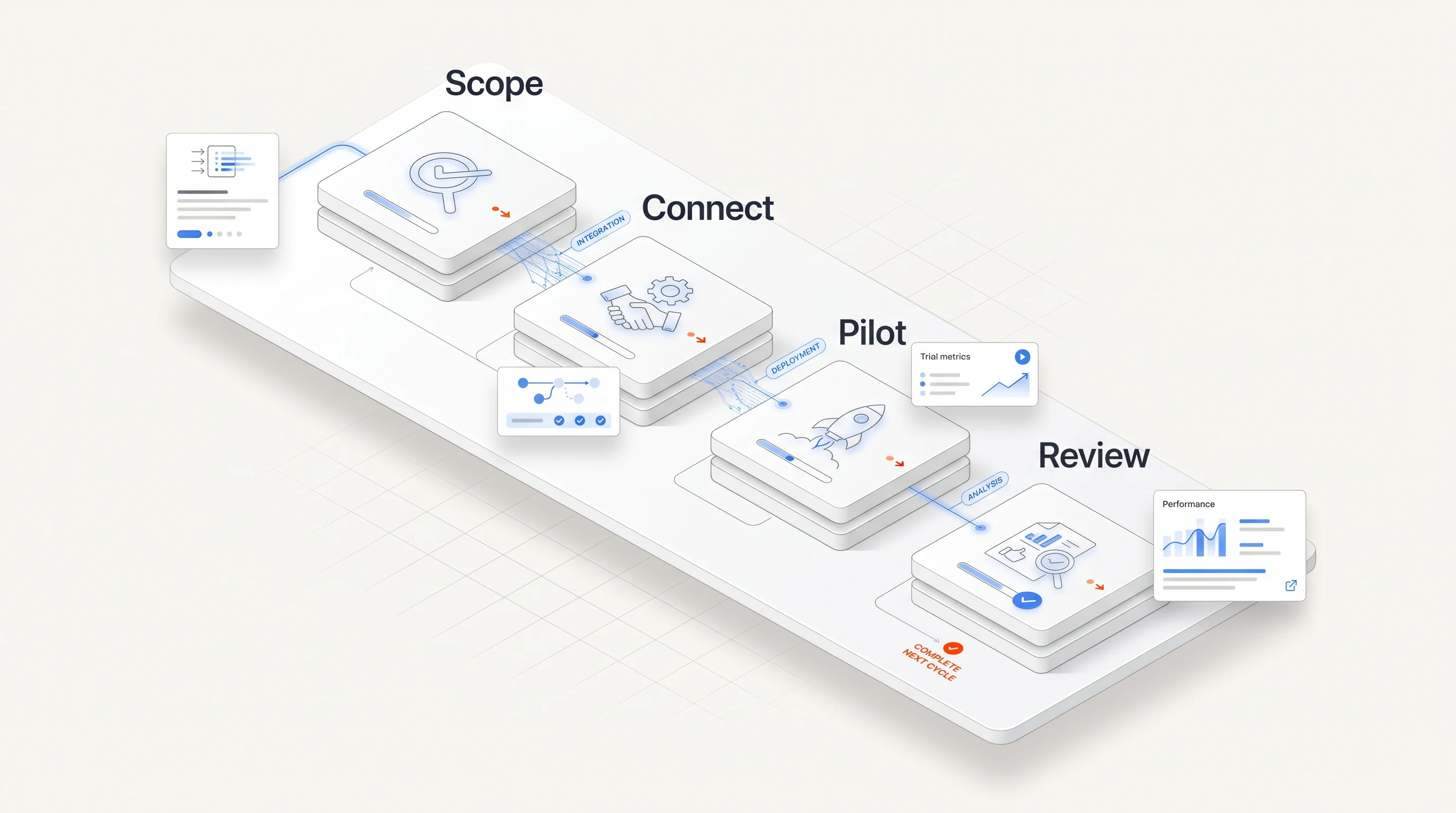
Long enough to run a frozen test set through the full chain and see what happens to real outreach. For most teams that is two to four weeks on one segment.
Sources
- https://www.linkedin.com/posts/adam-holmgren_companies-have-been-lied-to-about-intent-activity-7508133258463956992-gMF_
- https://brandwell.ai/blog/brandwell-intent-data-methodology/
- https://www.linkedin.com/posts/christiankletzl_theres-one-striking-difference-between-ai-activity-7394420942900236288-baUm
- https://bombora.com/tw/blog/how-to-evaluate-ai-powered-gtm-vendors-what-to-ask-about-data-sourcing-consent-and-compliance/
- https://www.commonroom.io/blog/intent-data/
- https://intentsify.io/resources/buying-group-intent-checklist/