JournalSignalsNo. 06
Hiring Signals vs. Intent Data: What Each Shows
Where hiring signals and third-party intent data come from, how fresh and checkable each is, and when to use one, the other or both.
Petar Jovanović9 min read7 sections
Contents
Published by Perpetual
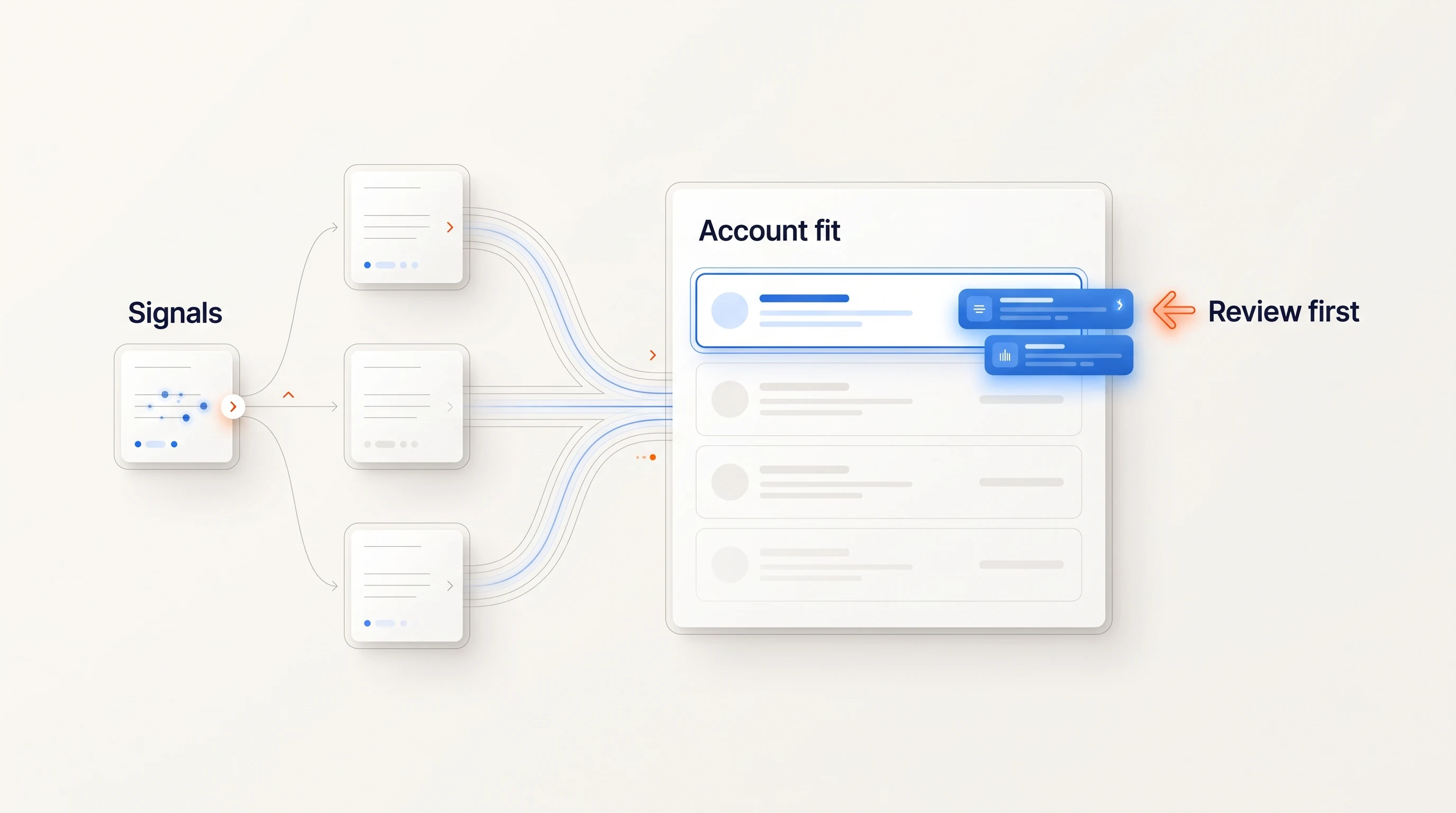
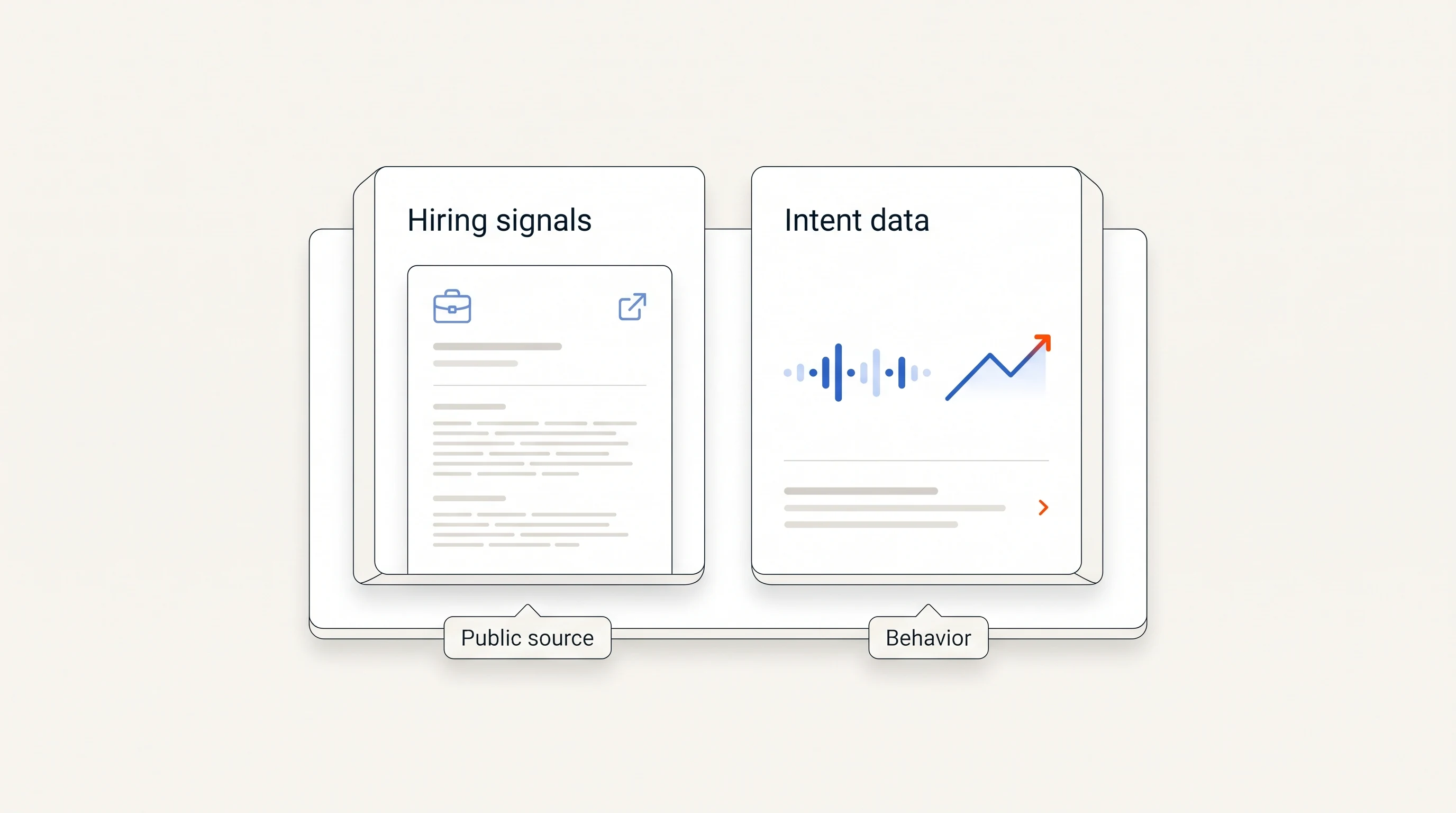
Hiring signals and intent data answer different questions. Hiring signals come from public job postings and show that a company has decided to invest in a function; intent data, in the usual B2B sense, comes from content consumption across a network of sites and suggests that people at a company are researching a topic more than usual. Use hiring signals when you want a checkable, dated reason to contact a specific account, and intent data when you want to know which accounts in a large market are reading about your category now.
This comparison covers where each kind of data comes from, how fresh and verifiable it is, what it costs to use, and how to combine the two without counting the same account twice.
Three things to know
- A hiring signal is a public, dated fact you can open and show a colleague. Intent data is a modelled score built from activity you usually cannot see.
- Intent data covers research about a topic; hiring signals cover investment in a function. Neither proves a purchase decision.
- The two work well together when one finds accounts and the other gives you a reason and a question for the first message.
What each term means
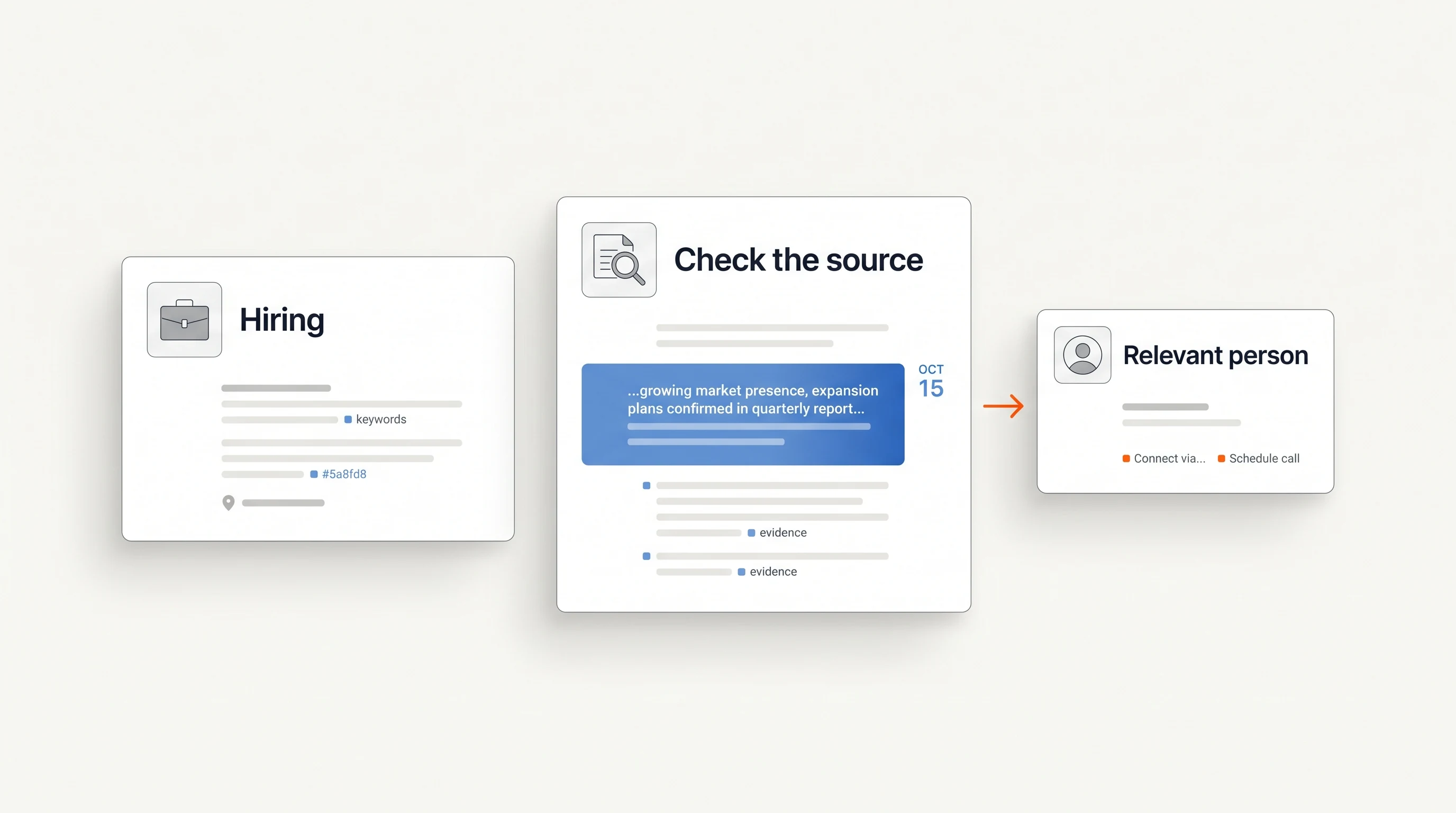
A hiring signal is an observation drawn from a company's job postings: a role opened, a function growing, a first hire in a new area. It is a public fact with a source URL and a date. How to Use Hiring Signals for Sales Prospecting covers how to turn one into a prospecting play.
Intent data is a broader term, and vendors use it differently. Bombora, a well-known provider, describes buyer intent as a signal that predicts when a company is “in market” for a product or solution, and notes that intent signals come from both first-party and third-party sources (Bombora). When sales teams compare intent data with hiring signals, they usually mean third-party topic intent: research activity on sites you do not own, aggregated to the company and scored.
There is also first-party intent, such as visits to your own pricing page, and review-site intent, such as research on a software review marketplace. This article compares hiring signals with third-party topic intent and review-site intent, because those are the sources you buy rather than collect yourself.
Where the data comes from
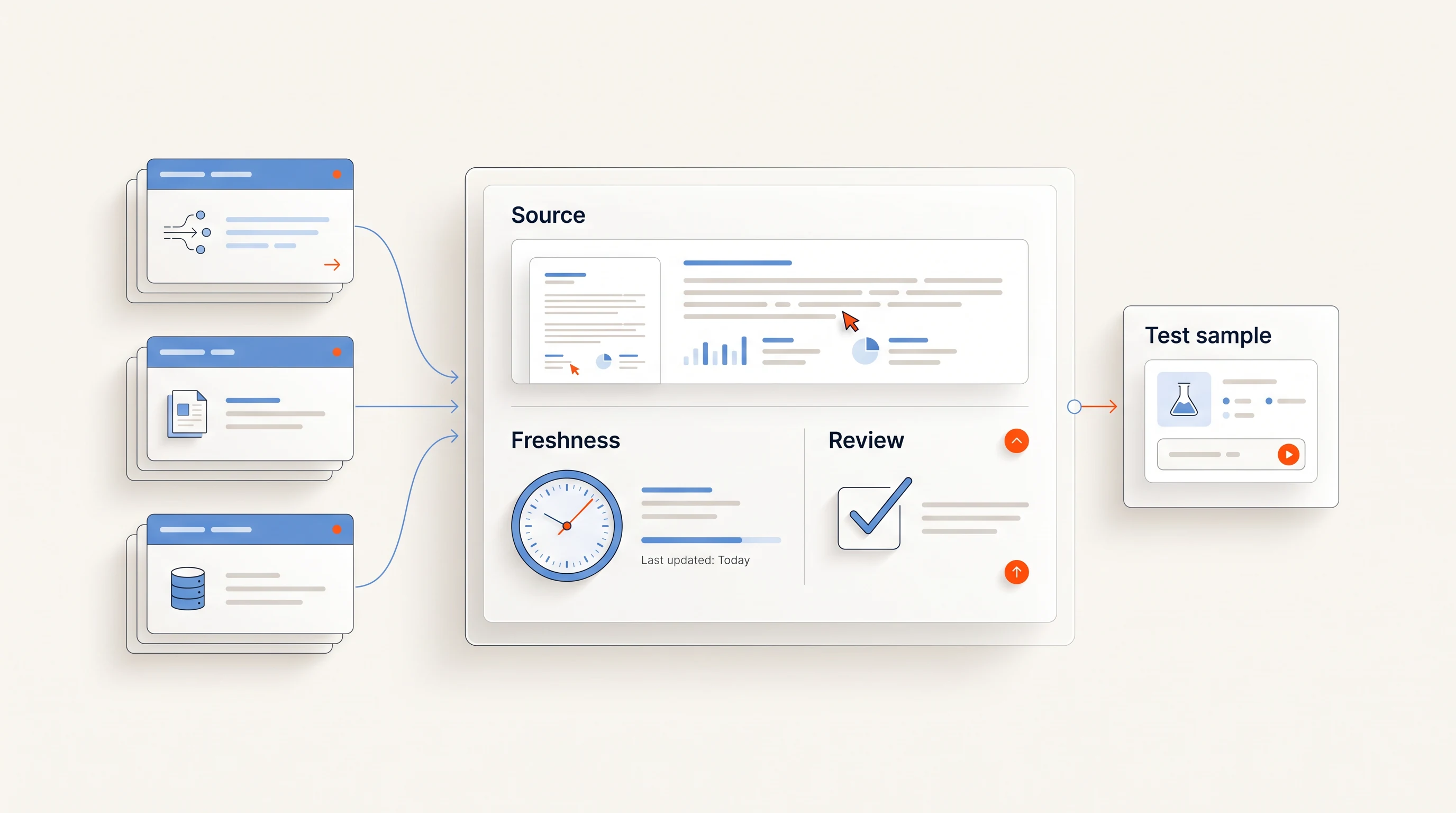
Hiring signals come from the employer. Companies publish roles on their own careers pages and through applicant tracking systems, many of which expose public job boards. Greenhouse's documentation states that its job board data is publicly available, so no authentication is needed to read it (Greenhouse), and Lever publishes a postings API that it describes as designed to help you create a job site (Lever). Job sites and aggregators copy these listings, which is why the employer's own page is the best place to confirm one.
Third-party topic intent comes from content consumption. Bombora says its data comes from a cooperative of publishers, B2B brands and data providers, that research consumption is collected through a consent-driven tag on every site in the cooperative, and that it monitors company research activity against more than 25,300 topics (Bombora). A seller does not see the individual page views; the output is a company-level score per topic.
Review-site intent comes from research on a review marketplace. G2 says its Buyer Intent signals are triggered by actions such as interacting with your product profile, comparing your product with a competitor or viewing alternatives, and that they include research on G2, Capterra, Software Advice and GetApp (G2 Documentation). Its data reference lists company-level fields, such as the company name, the type of page visited and the visit date, with no field for a named individual (G2 data reference).
Freshness and verification
Freshness works differently for each source. A job posting carries the date the employer published it; Google's job posting guidelines define that date as the original date the employer posted the job (Google Search Central). You can check whether the role is still open by visiting the employer's page.
Topic intent is usually measured over a window rather than as a single event. Bombora describes its scoring as comparing the most recent three weeks of activity against a 12-week baseline for each account and topic (Bombora). G2 says it updates the buying stage and activity level it assigns to each company daily (G2 Documentation).
Verification is the larger difference. Anyone on your team can open a job posting and agree on what it says. An intent score is a model output: you can see that an account scored high on a topic, but usually not which pages were read, by whom or why. That does not make intent data wrong. It means the score is a reason to look, and the message should not claim to know what the account was researching.
Side-by-side comparison
| Question | Hiring signals | Third-party intent data |
|---|---|---|
| What it observes | A company advertising work it will pay for | People at a company reading about a topic more than usual |
| Where it comes from | Employer careers pages and applicant tracking system job boards | A network of publisher and partner sites, or a review marketplace |
| Level of detail | Company and function; the posting names a role | Company; usually no named individual |
| Timing | A posting date, and whether the role is still open | A scored window, such as recent weeks against a baseline |
| Can you verify it? | Yes: open the posting | Partly: you see the score and topic, not the underlying reading |
| Cost to access | Public pages are free to read; research time is the main cost | Licensed from a provider; G2, for example, ties the signal types you receive to your plan |
| What it does not prove | Budget, urgency or a plan to buy from a vendor | Who is researching, why, or that they are evaluating you |
| Best use | A specific reason and question for a first message | Deciding which accounts in a large market to look at first |
The cost row needs a caveat: free data is not free work. Reading, checking and deduplicating postings takes time per account, while licensed intent data costs money before anyone reads it.
When to use which
- Use hiring signals when your offer supports a function that companies staff up for, such as sales, revenue operations, security, data or support; when your market is small enough to research account by account; and when you want the first message to reference something the recipient can recognize.
- Use intent data when your market is large and you need to narrow it, when buyers in your category research a clear topic before they buy, and when you can act on account-level priority without a specific fact to cite.
- Use neither as proof. A hiring signal does not establish purchase intent, and an intent score does not tell you who is evaluating or whether they know your product. We cover this in A signal is not a buying intent.
How to combine them
The two sources fail in different ways, which makes them useful together.
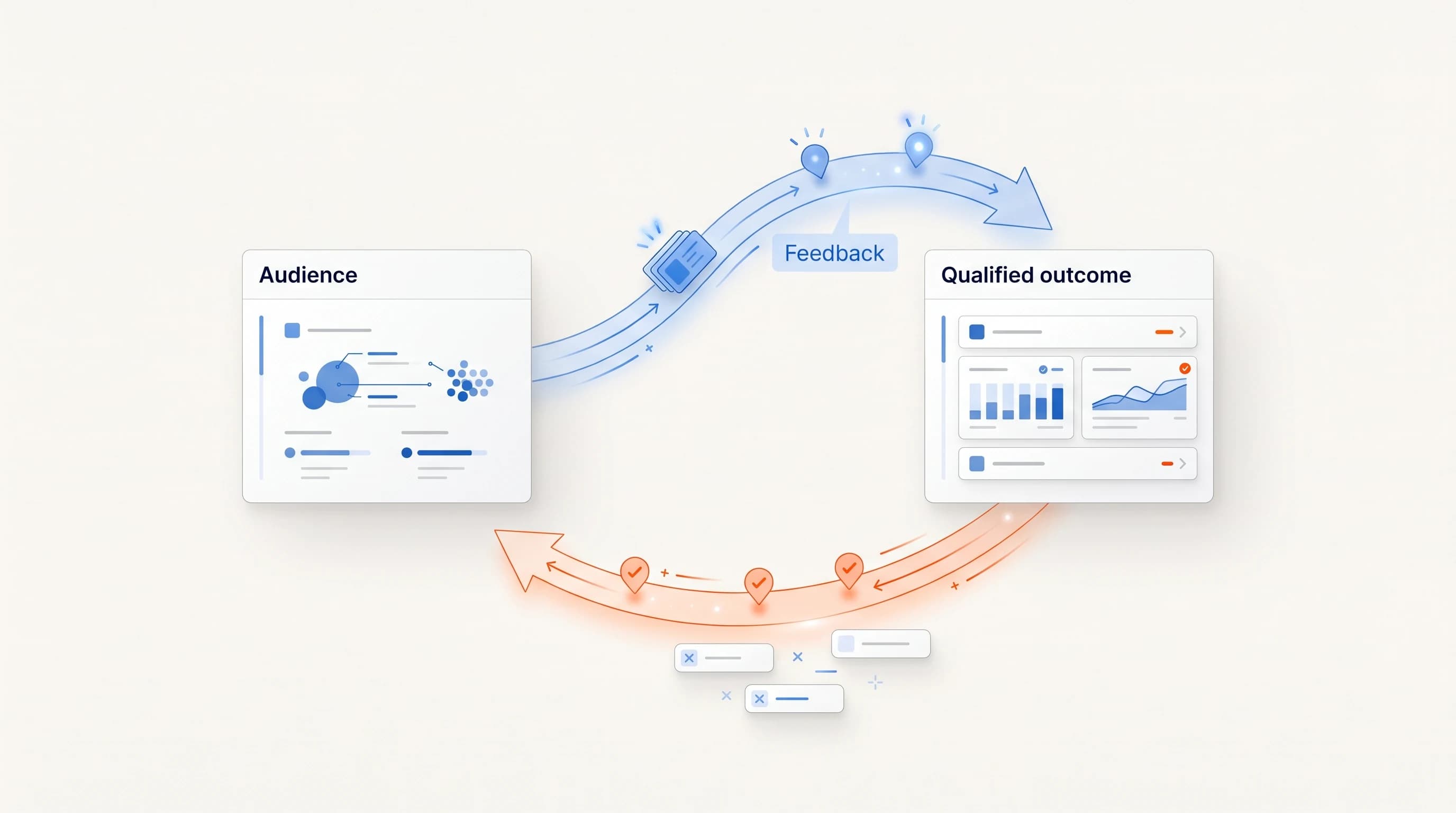
- Let one source find and the other explain. Use an intent score to shortlist accounts, then look for a hiring signal or other public fact that gives you a specific reason to write. If you find none, the account may still suit an ad or a slower nurture, but a cold email has nothing concrete to say.
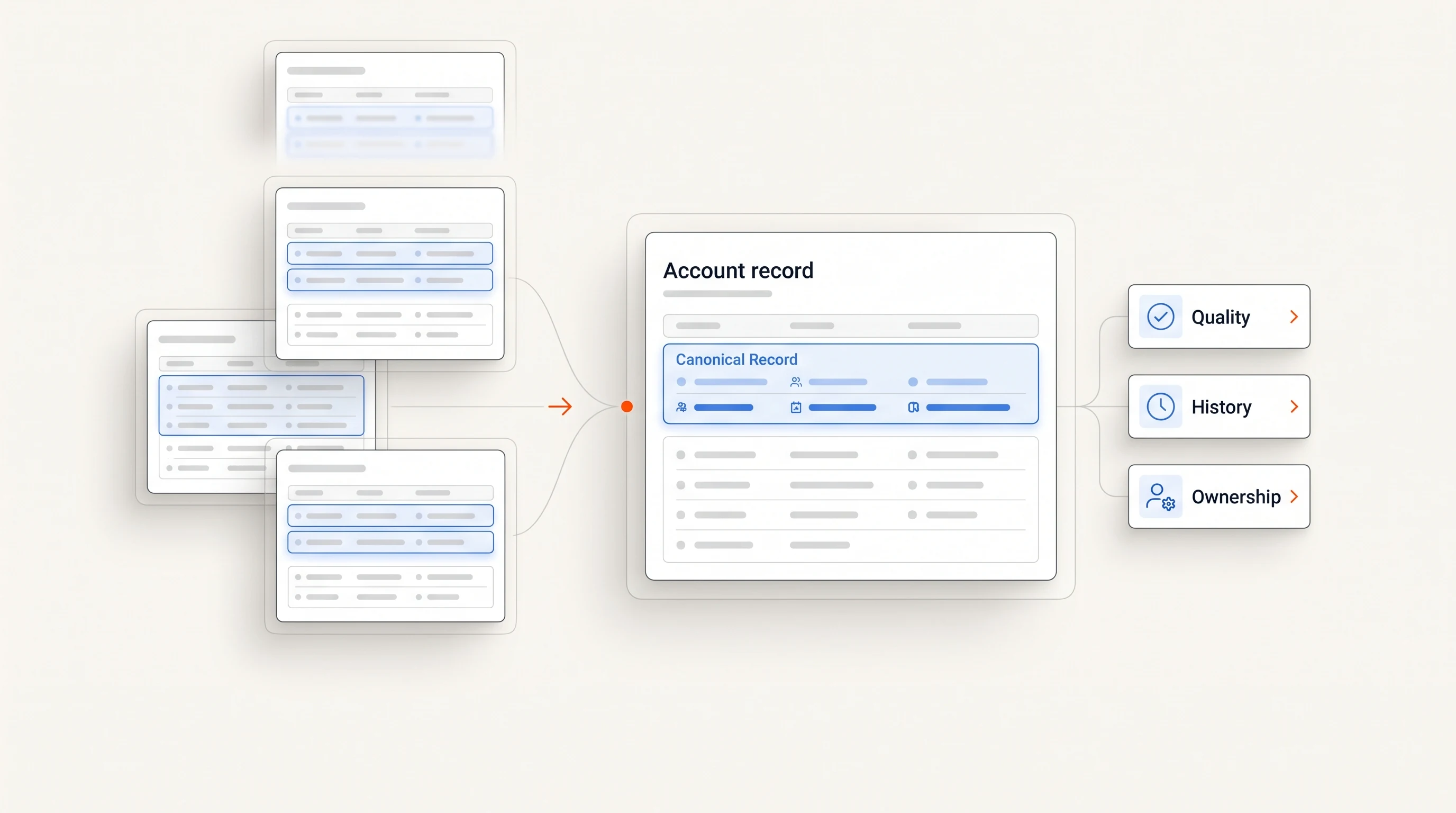
- Count accounts, not signals. An account with topic intent and an open role in the relevant function is one account with two observations. Record both, but do not let it appear twice in your queue or your reporting.
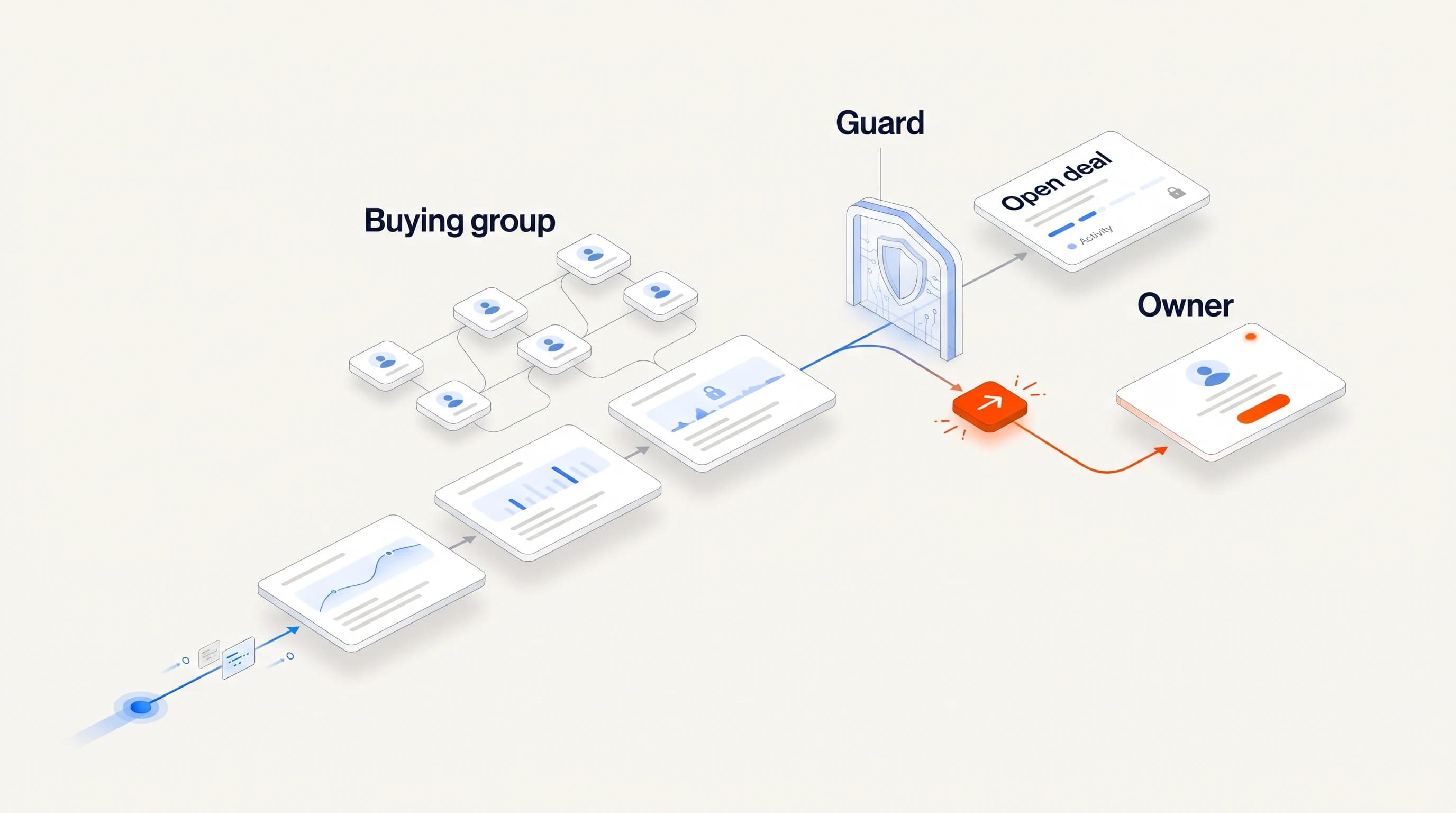
- Keep the message to what you can show. Reference the posting, which the recipient can see. Leave the intent score out: a line about what their company has been researching claims knowledge you do not have.
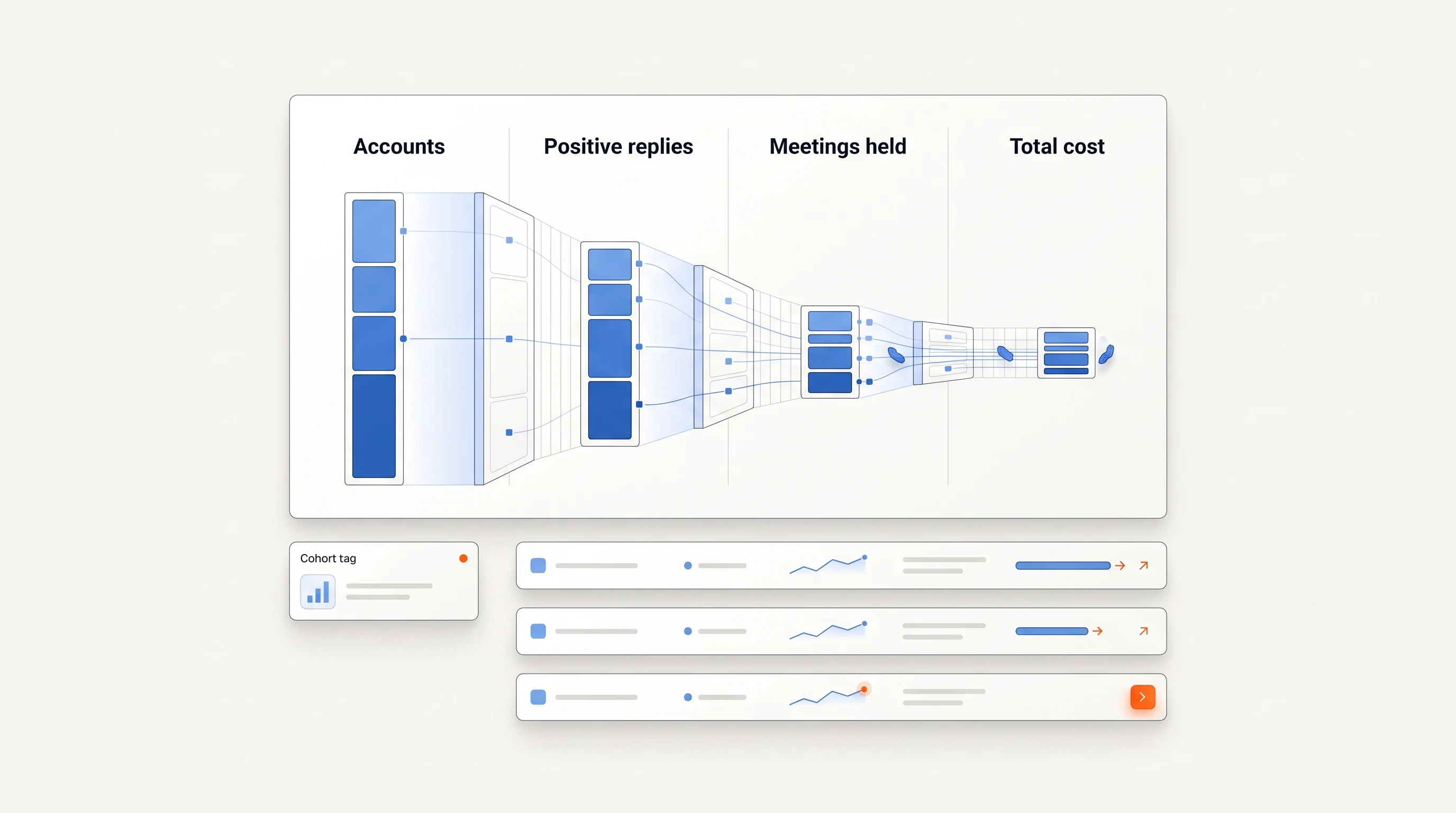
- Measure them separately. Track positive replies and qualified meetings by source, so you learn which one produces conversations for your offer. The campaign scorecard has fields for the signal type behind each account.
Where Perpetual fits
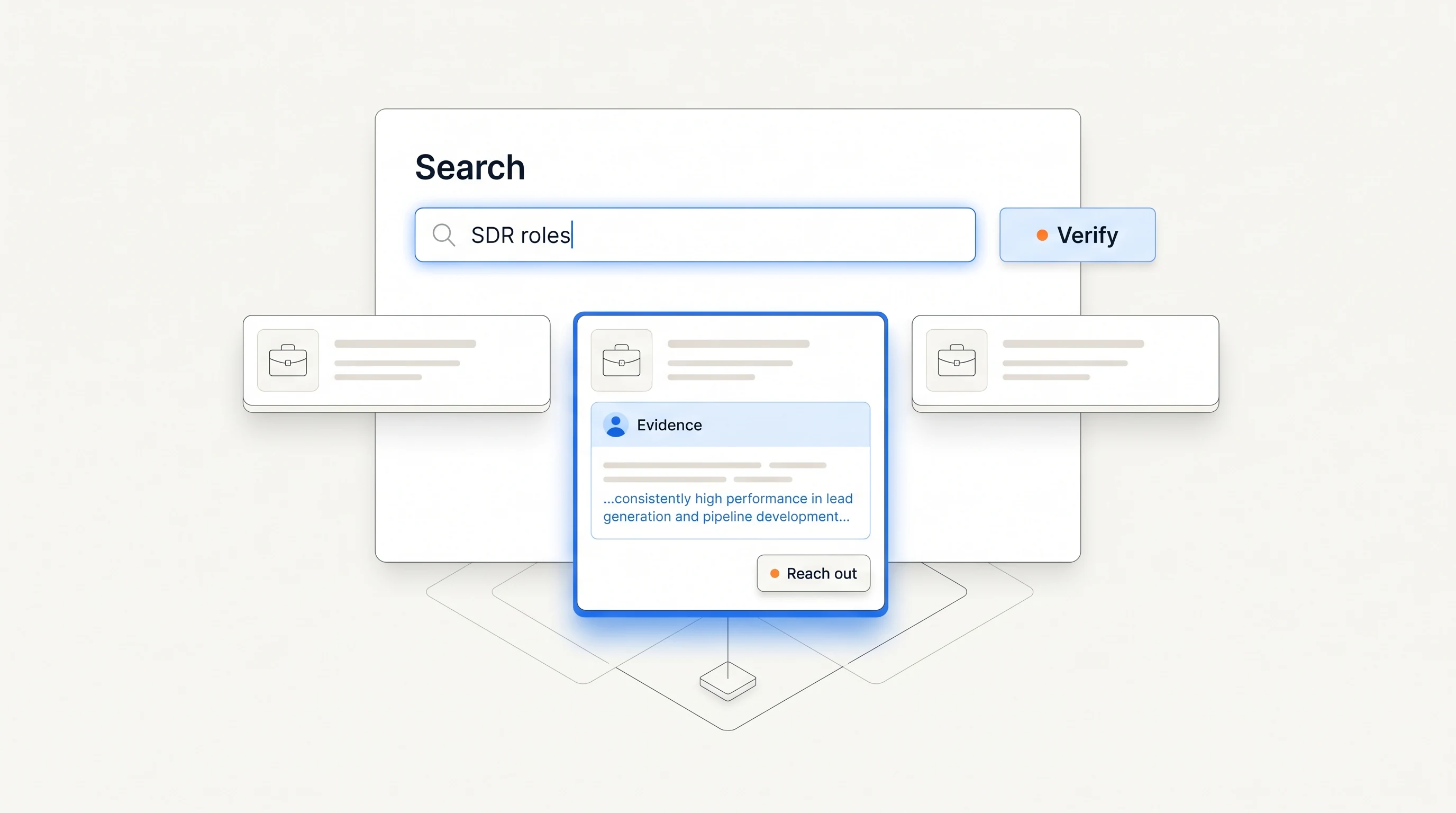
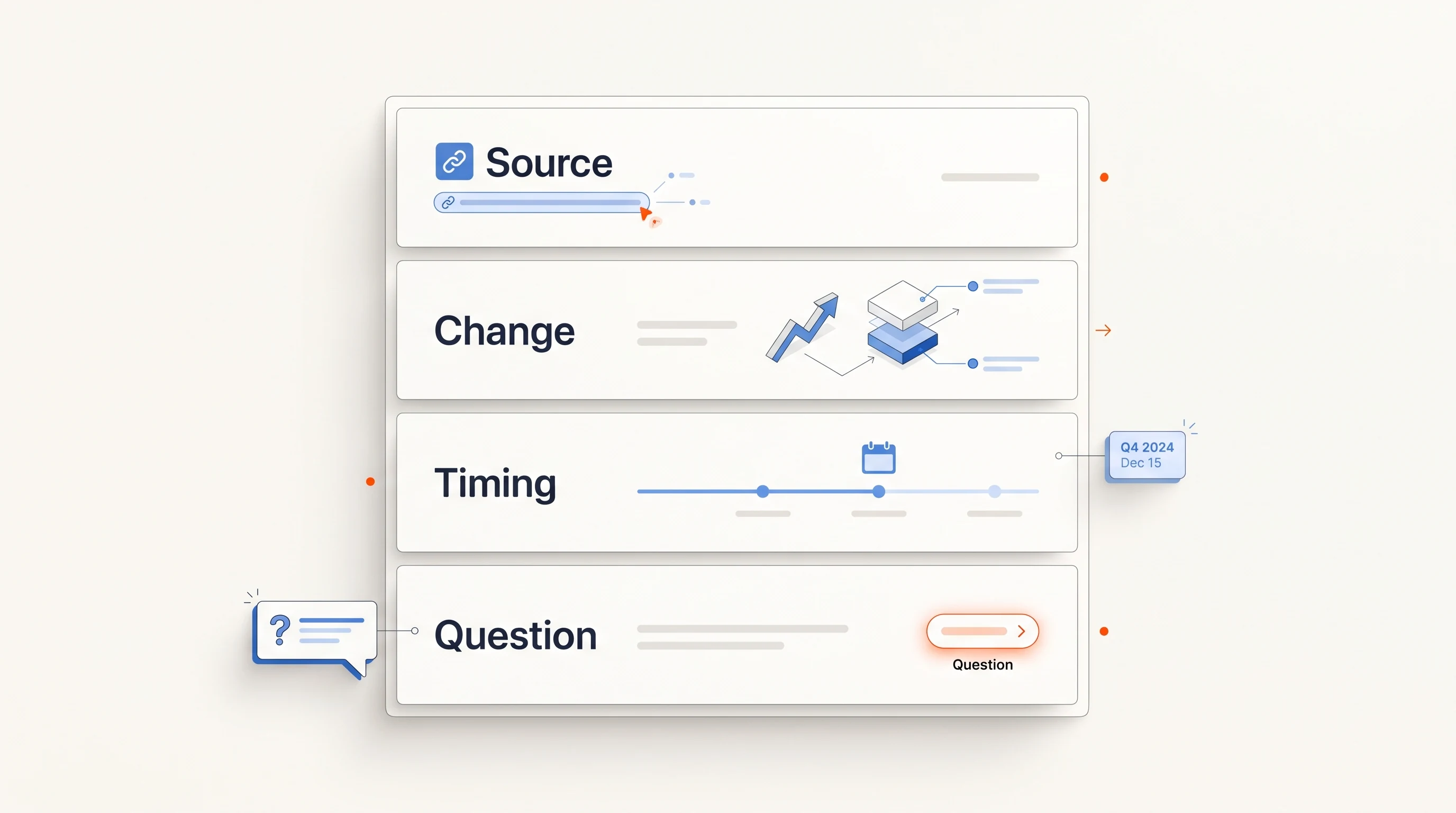
Perpetual is a signal-based outbound tool for founders and B2B sales teams built on the first of these two sources: its current pipeline starts with public hiring activity, not third-party intent data. It qualifies companies against your offer, selects one relevant person with an explanation, and writes an opener grounded in the public source, with a note on what the evidence does not prove. Teams that want topic intent pair it with a separate provider. Email goes out from your own connected mailboxes within limits such as 200 actions per day. The quickstart guide shows the setup.
Key takeaways
| Point | Detail |
|---|---|
| Different questions | Hiring signals show investment in a function; intent data shows research on a topic. |
| Checkable vs. modelled | A posting can be opened and shared; an intent score is a model output you cannot fully inspect. |
| Neither proves a purchase | Both are reasons to look closer and ask a question. |
| Combine without double counting | Let intent narrow the market and hiring give the reason; count each account once. |
Frequently asked questions
Is hiring data a type of intent data?
Some vendors group hiring with other intent signals, and Bombora notes that intent signals come from first-party and third-party sources. The difference that matters in practice is the source: a job posting is a public, dated fact from the employer, while topic intent is a score built from content consumption you cannot see.
Which is more accurate, hiring signals or intent data?
They measure different things, so their accuracy is not directly comparable. A posting is accurate about what the company published but says nothing about a purchase. An intent score can point to research activity, but you usually cannot verify which pages were read or by whom. Test both on accounts you already know before relying on either.
Can I mention intent data in a cold email?
It is safer not to. The recipient cannot see the score, and a line about what their company has been researching claims knowledge you do not have. Reference something public instead, such as a job posting, and ask a question about the work.