JournalSignalsNo. 15
Real-Time Buying Signal Detection: How to Evaluate Go-to-Market Platforms That Make It Core
What real-time buying signal detection means per signal family, how fresh each should be, and how to tell a core capability from a bolt-on feature.
Petar Jovanović7 min read7 sections
Contents
Published by Perpetual
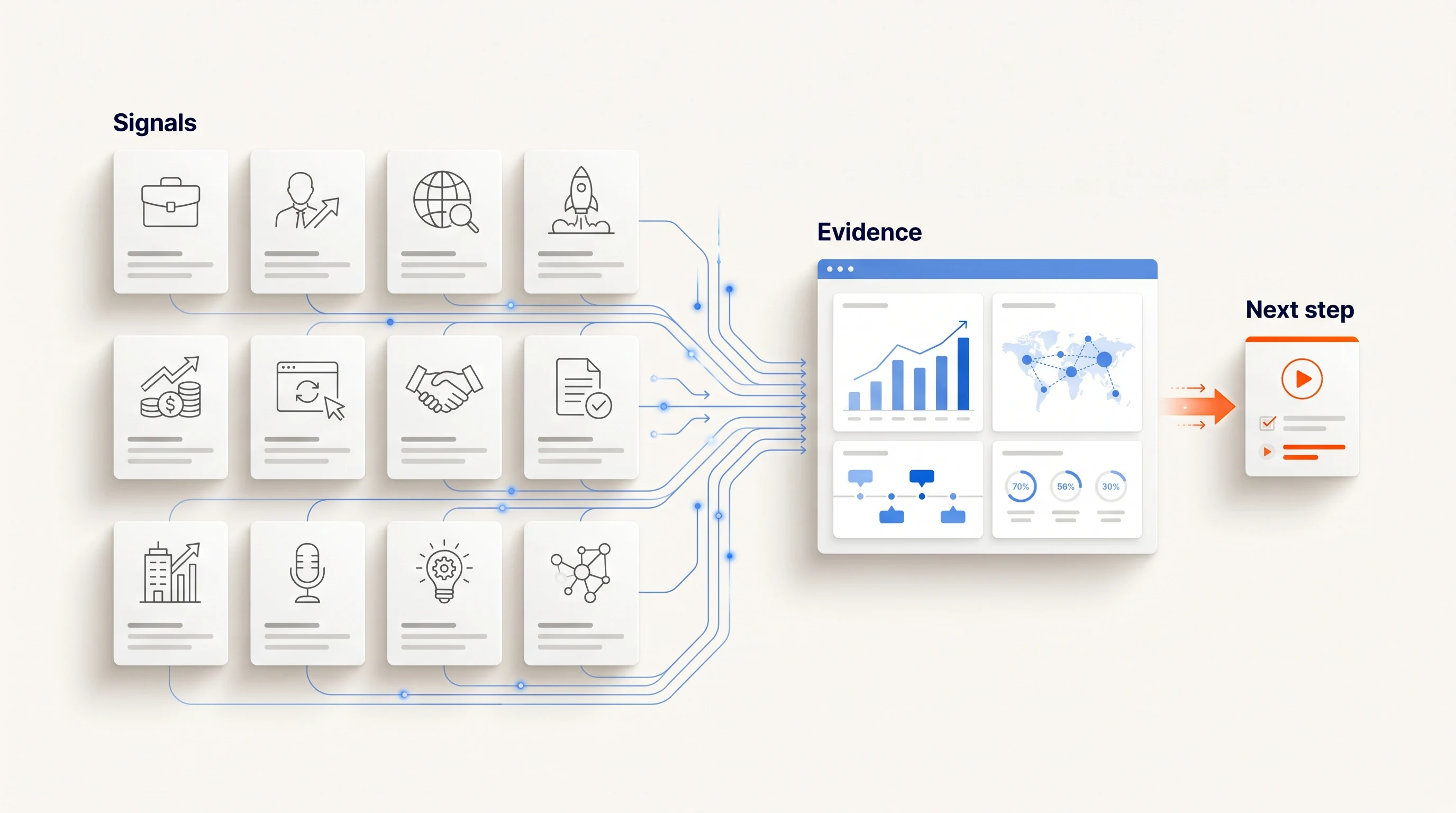
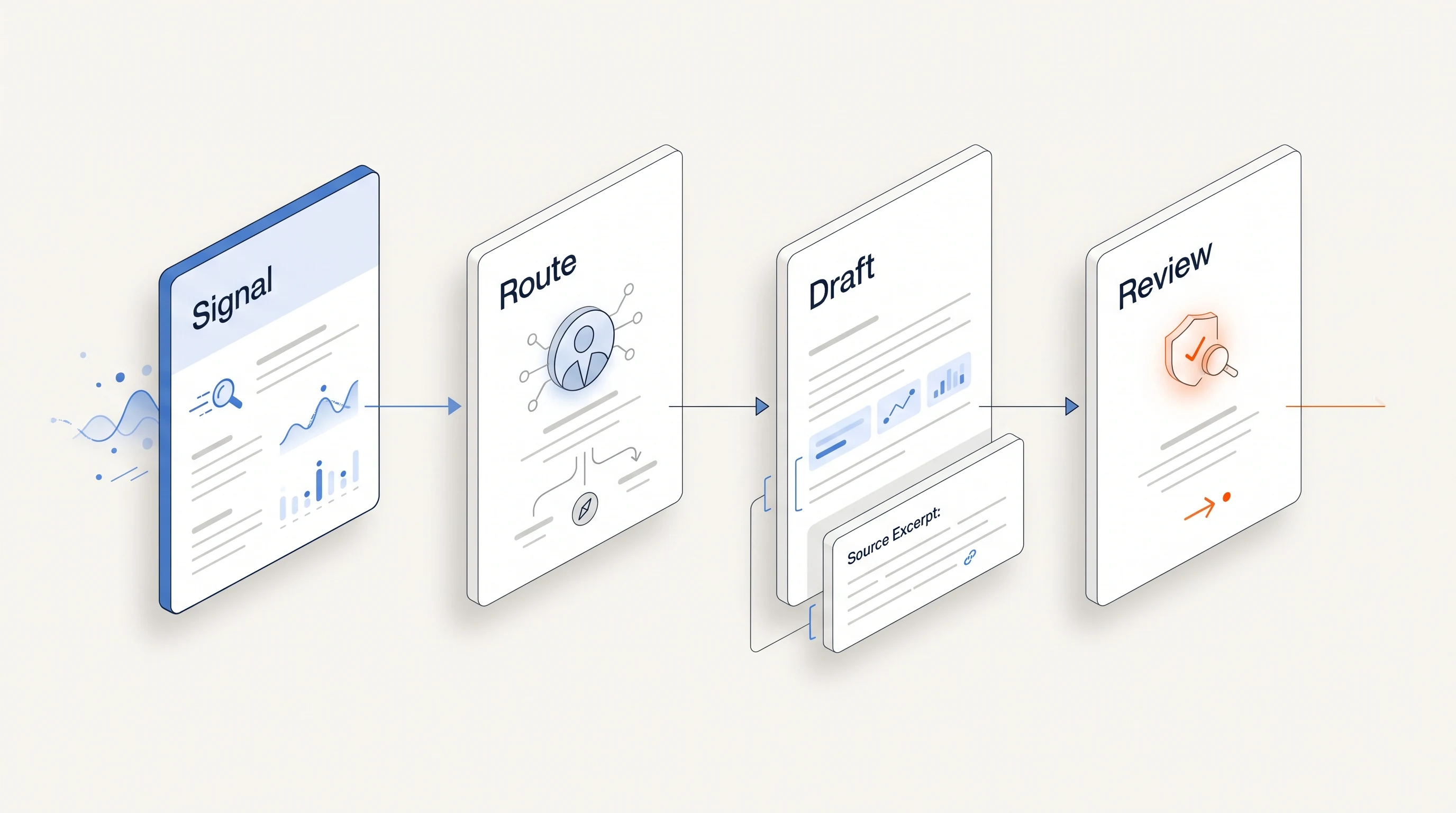
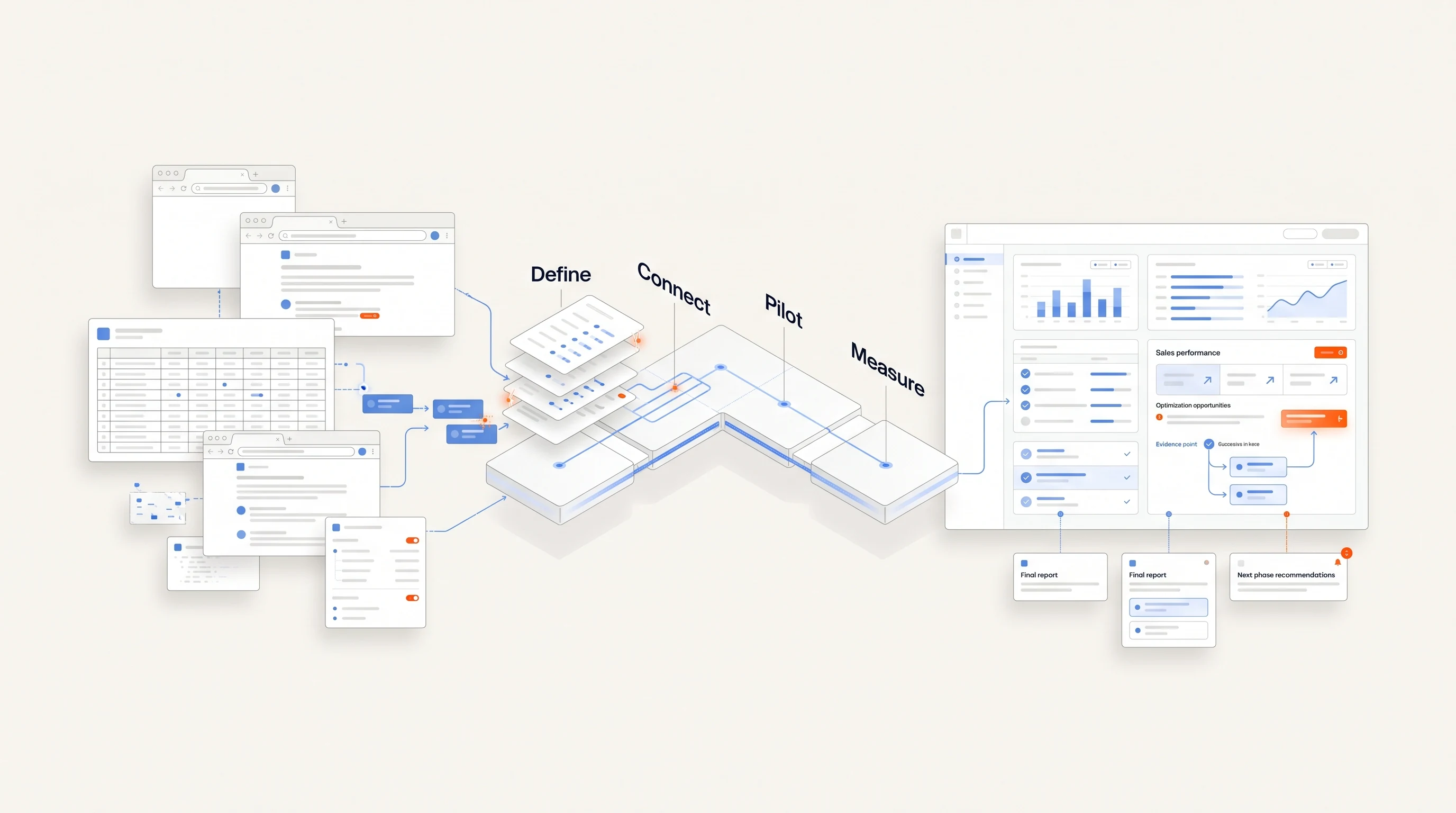
A go-to-market platform treats real-time buying signal detection as a core capability when signals are watched continuously, timestamped, tied to an account and a source, and turned into an action without someone exporting a list. Many tools add a signal feed on top of a contact database; fewer make the signal the thing the whole workflow runs on. This guide explains the signal families, what "real time" should mean for each, and the questions that separate a core capability from a feature on a slide.
Three things to know
- "Real time" means different things per signal type: minutes for website activity, days for hiring or leadership changes, weeks for topic research. Ask for freshness per signal, not one number.
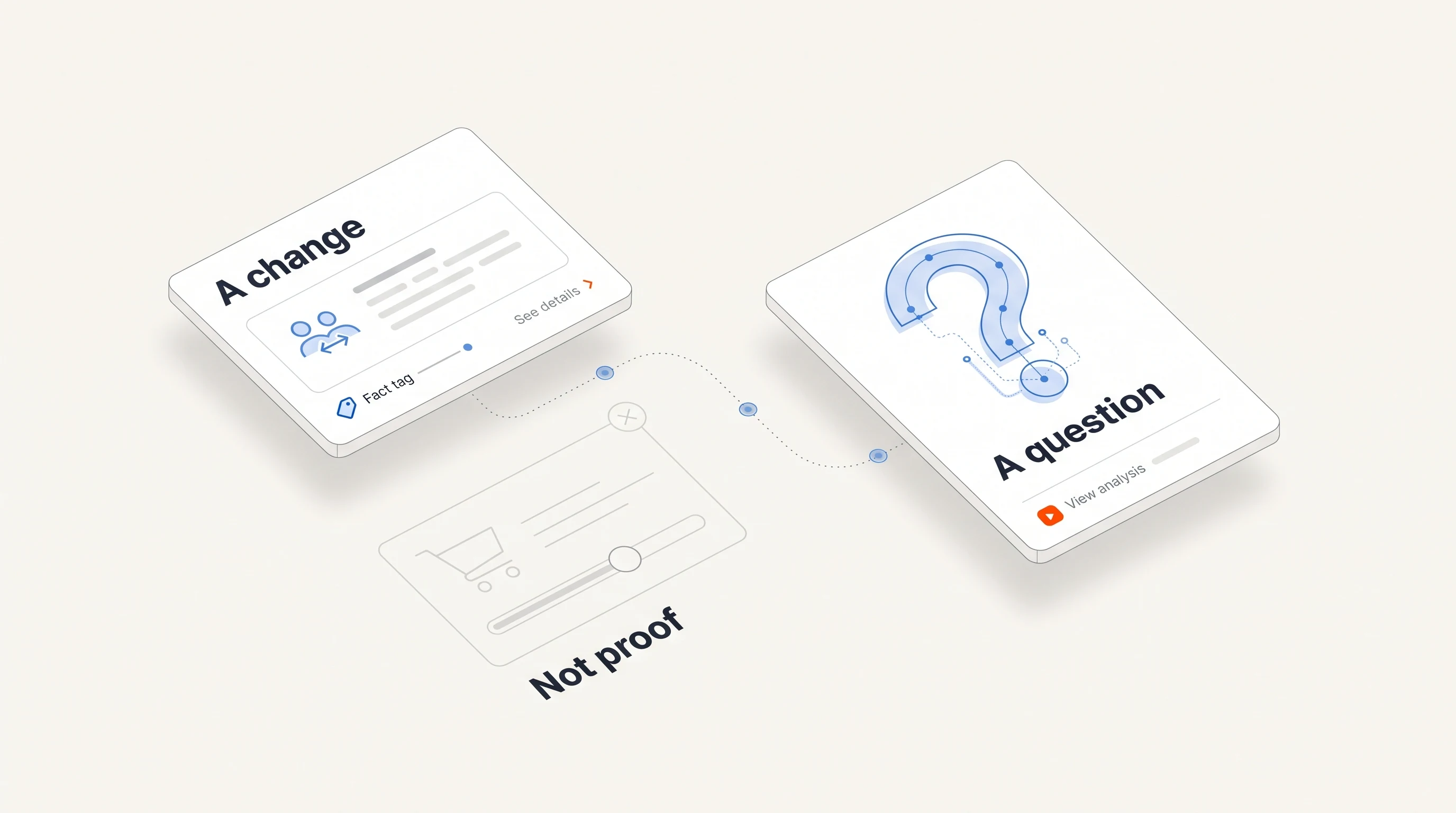
- A signal is evidence that something changed at an account. It is not proof of budget or purchase intent, and a good platform shows both the evidence and its limits.
- Detection is a core capability only if signals drive routing, research and outreach directly, rather than sitting in a separate feed.
What real-time buying signal detection means
Buying signal detection is the continuous monitoring of accounts for observable changes that make a sales conversation more relevant: someone researching a topic, a team growing, a new leader arriving, a product launch. Intent data vendors usually describe the pipeline as capture, interpretation and activation, where activation means updating a score in the CRM, alerting a rep or adjusting targeting (Demandbase).
"Real-time" adds one requirement: the time between the change and the moment your team can act is short enough that the context still holds. A signal found three weeks after the event is still a fact, but it is no longer a reason to reach out this week.
The main signal families
Most platforms draw on some mix of the following. Each has a different source, a different level of reliability and a different limit.
| Signal family | Typical source | What it can show | What it does not prove |
|---|---|---|---|
| First-party engagement | Your website, product, email and ads | A known or identified account is looking at you | That the visitor is a decision maker |
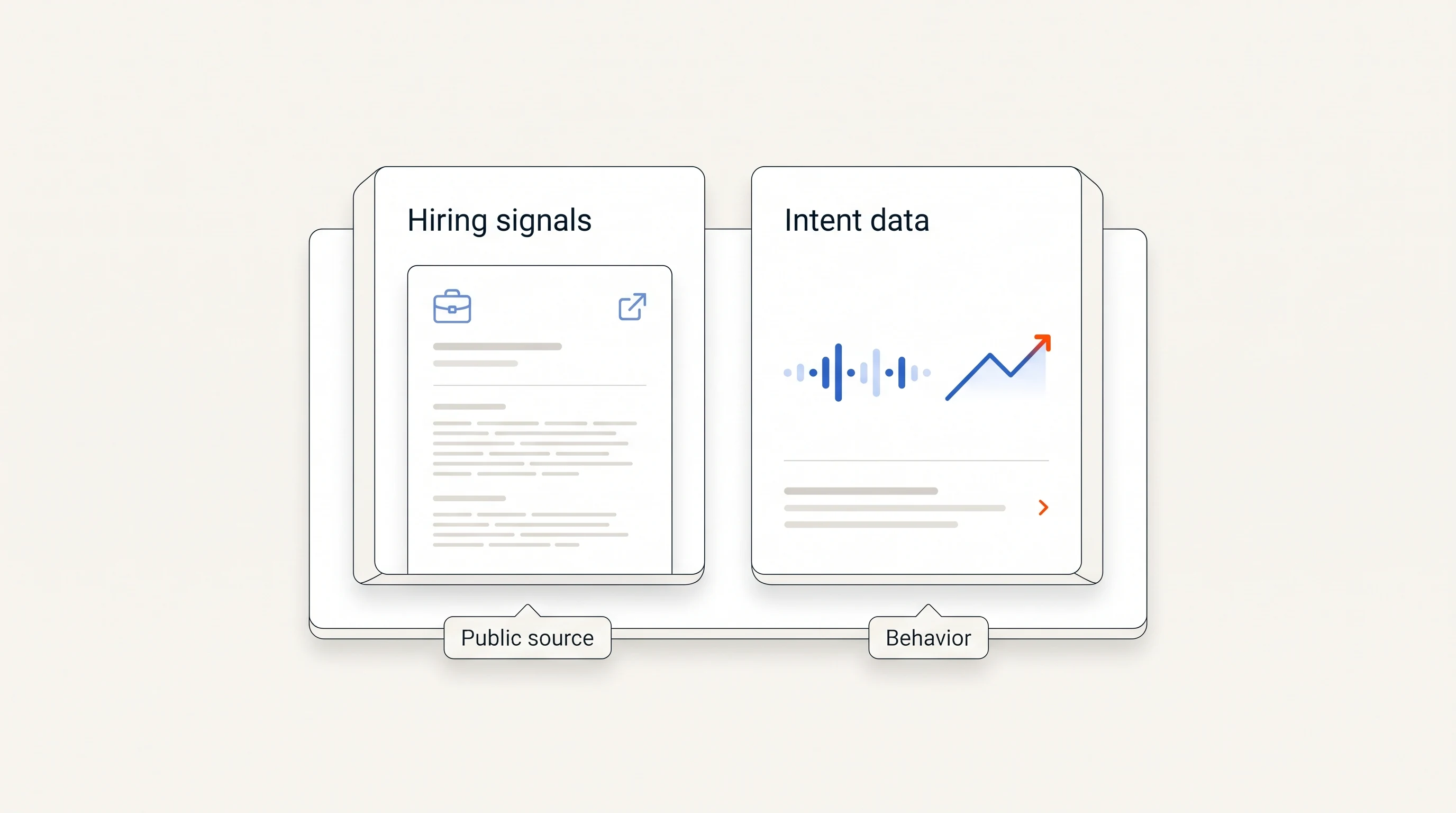
| Third-party topic intent | Content networks and publisher data, often called intent data | An account is researching a topic more than usual | Which person, or that they are evaluating you |
| Hiring and team changes | Public job postings and careers pages | A company is investing in a function | Budget, a broken process or a buying plan |
| People changes | New leaders, promotions, champions changing jobs | A new decision maker or a known contact in a new place | That the new person has priorities you can solve |
| Company events | Funding, launches, expansion, acquisitions | A change in resources or direction | How it affects the specific team you sell to |
| Technology changes | Tools added or removed on public pages | A stack change near your category | Satisfaction or dissatisfaction with a vendor |
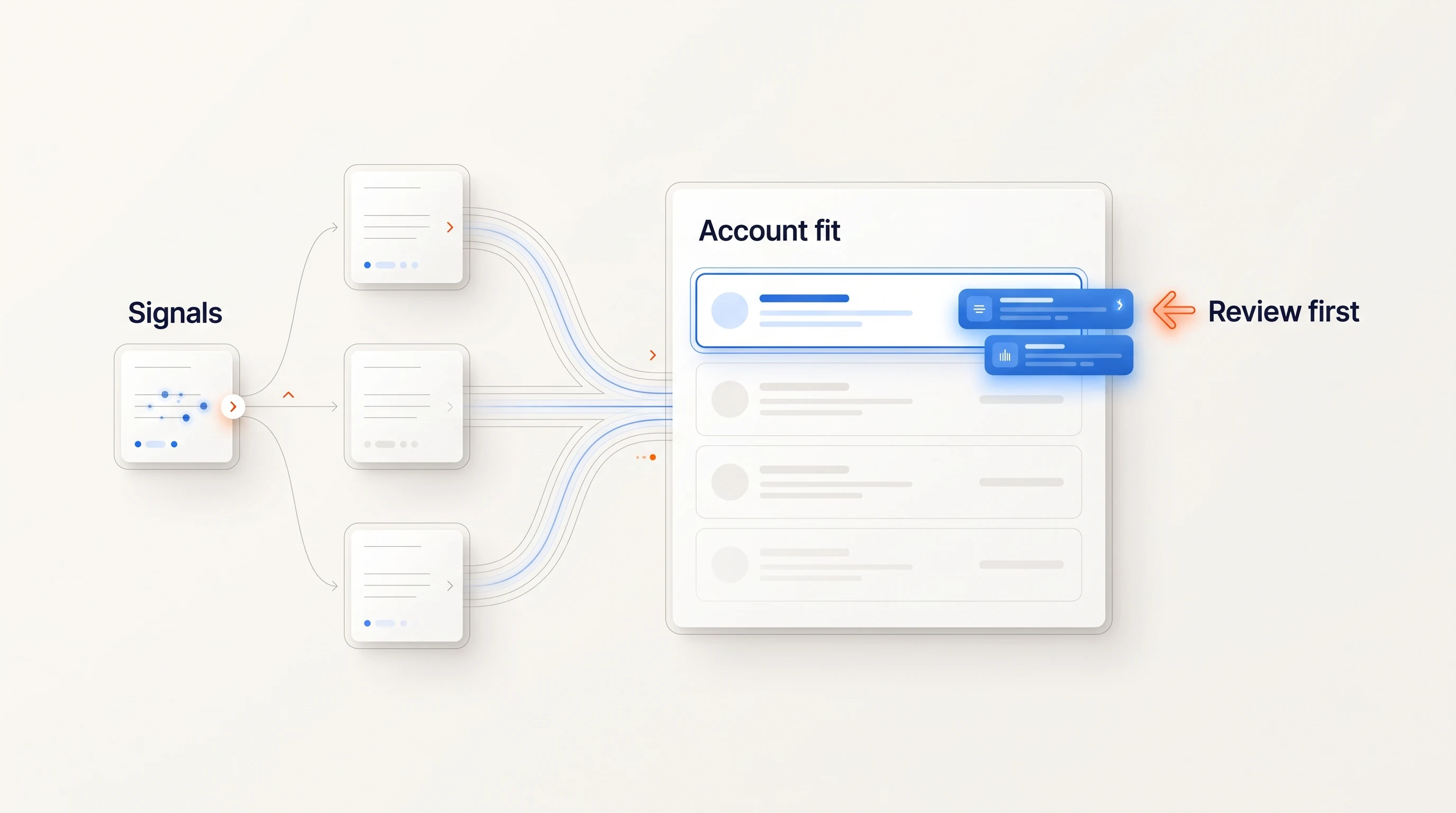
The strongest setups combine two or three families for the same account. One signal is a reason to look; two independent signals pointing the same way are a reason to act.
What "real time" should mean for each family
A single "real-time" claim hides large differences. Use these as reasonable expectations when you compare platforms:
- Website and product activity: minutes to hours. If identification takes a day, the visitor has moved on.
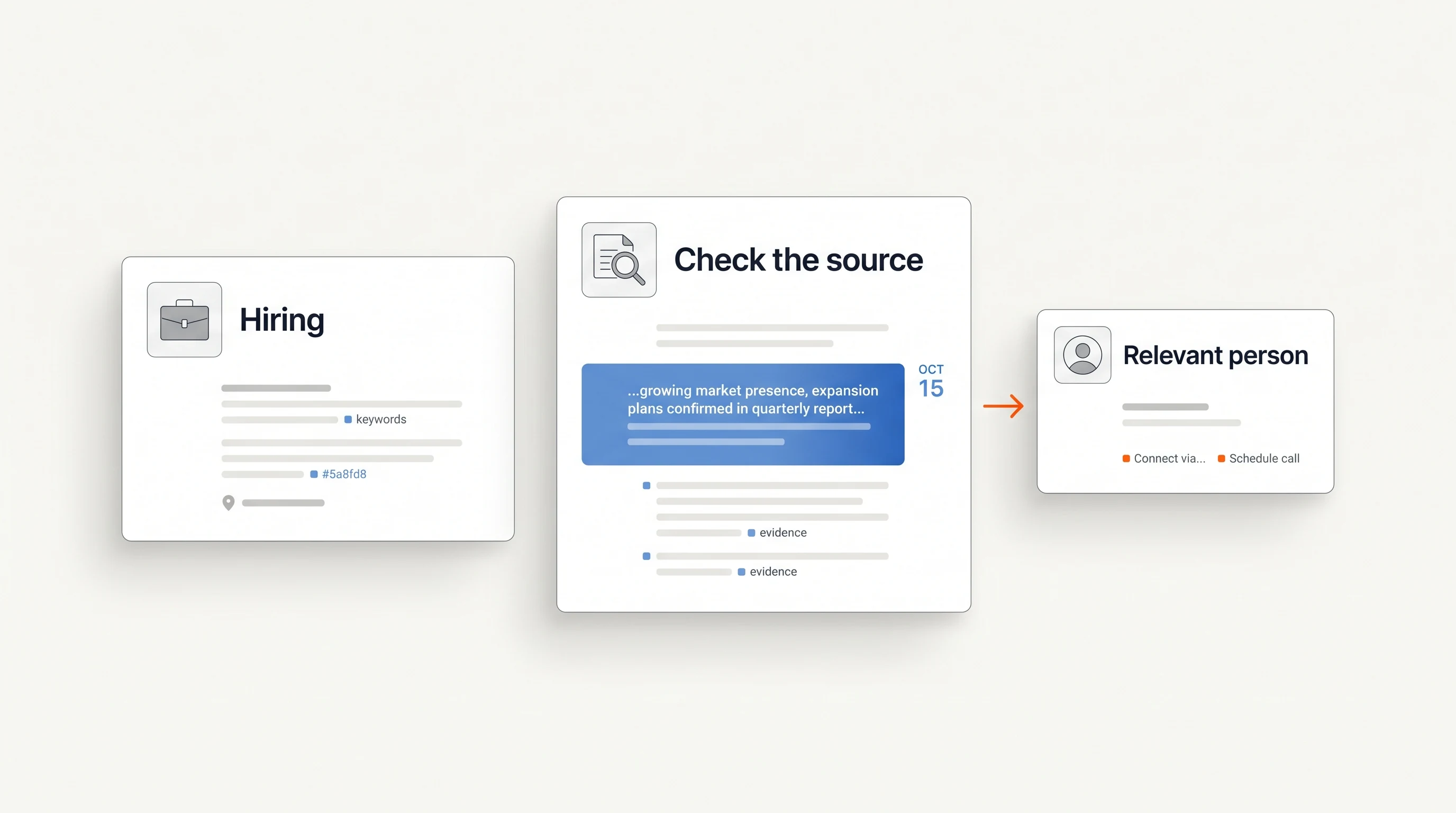
- Hiring and people changes: within a few days of publication, with the original posting date kept separate from the date the platform found it. Our guide to using hiring signals for prospecting covers how to check both dates.
- Company events: within a day or two of the announcement.
- Topic intent: usually aggregated weekly. Treat it as a trend, not an alert.
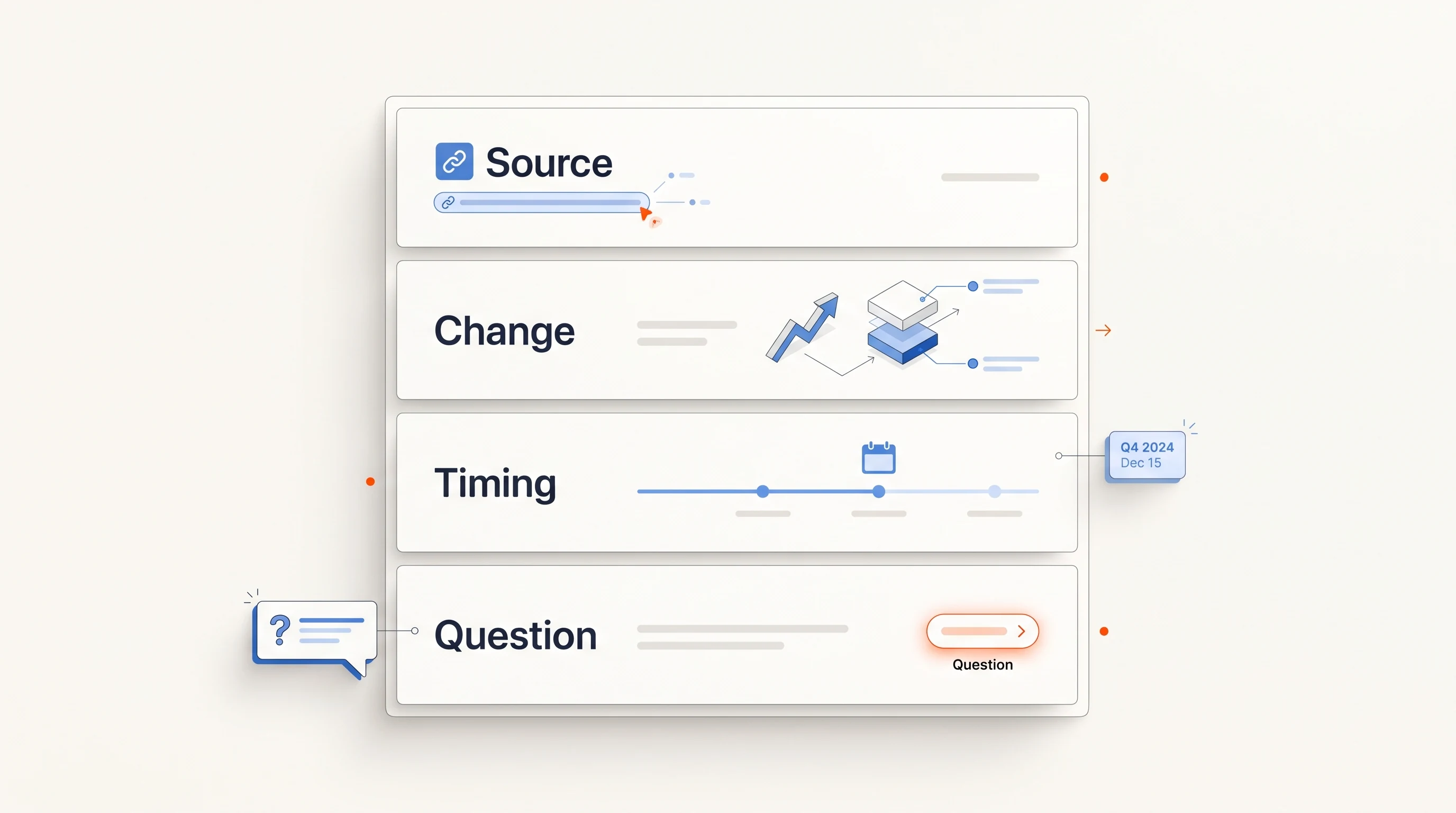
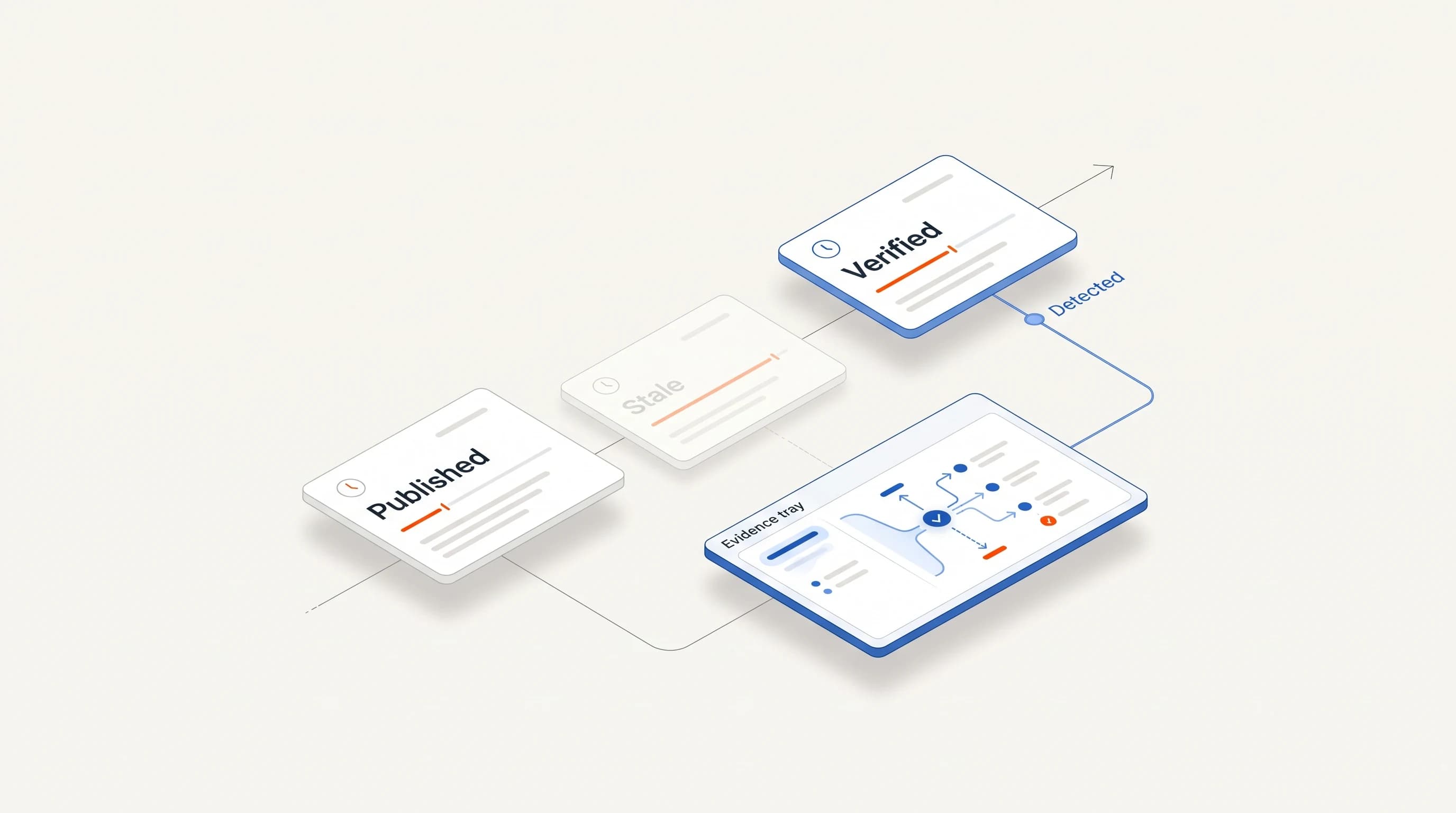
The detail that matters most is the timestamp. A platform that shows only "detected on" without the original publication date makes old events look new, and your outreach will reference something that happened months ago.
Core capability or bolt-on feature
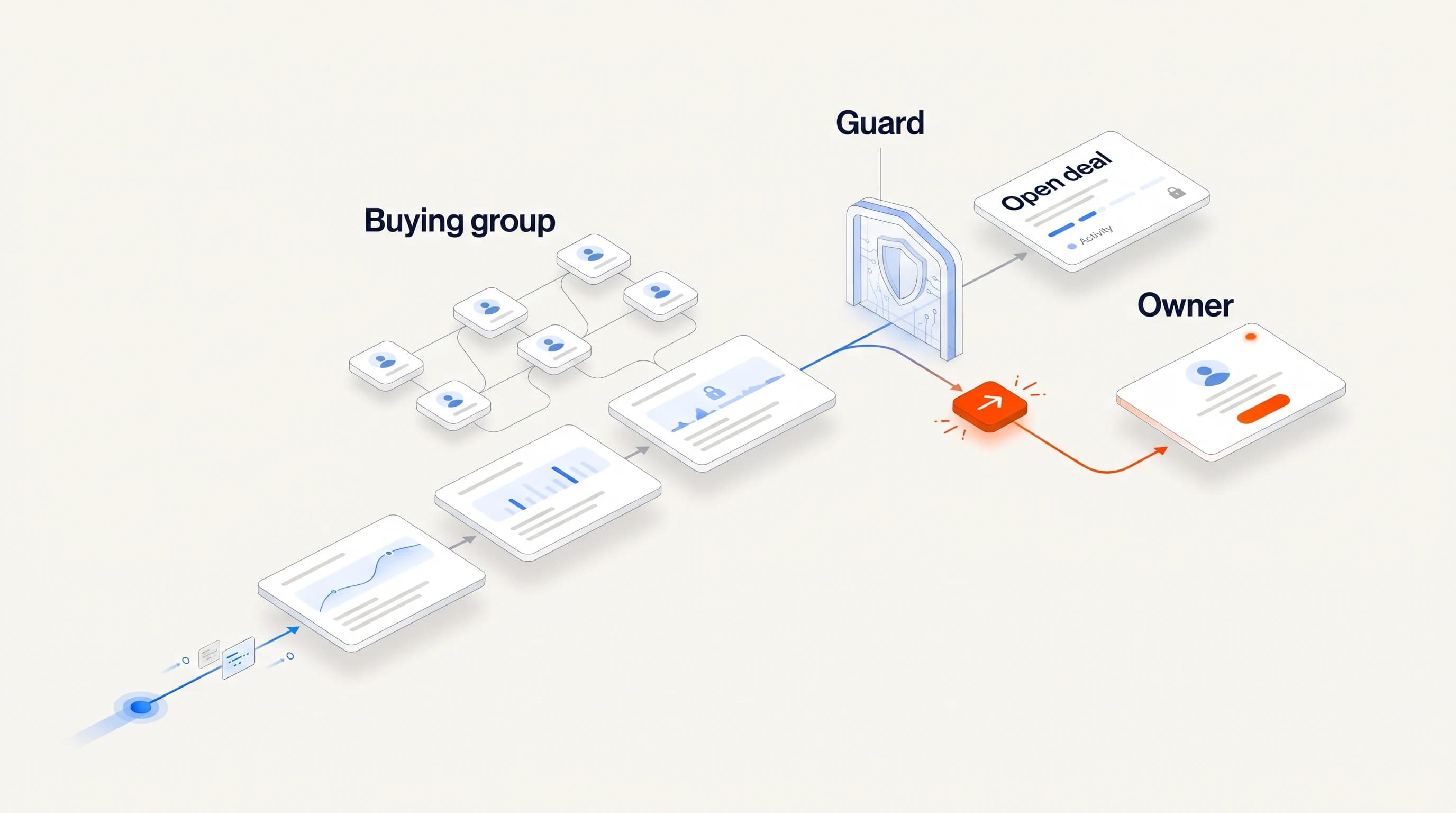
You can usually tell whether signal detection is core by following one signal from detection to action:
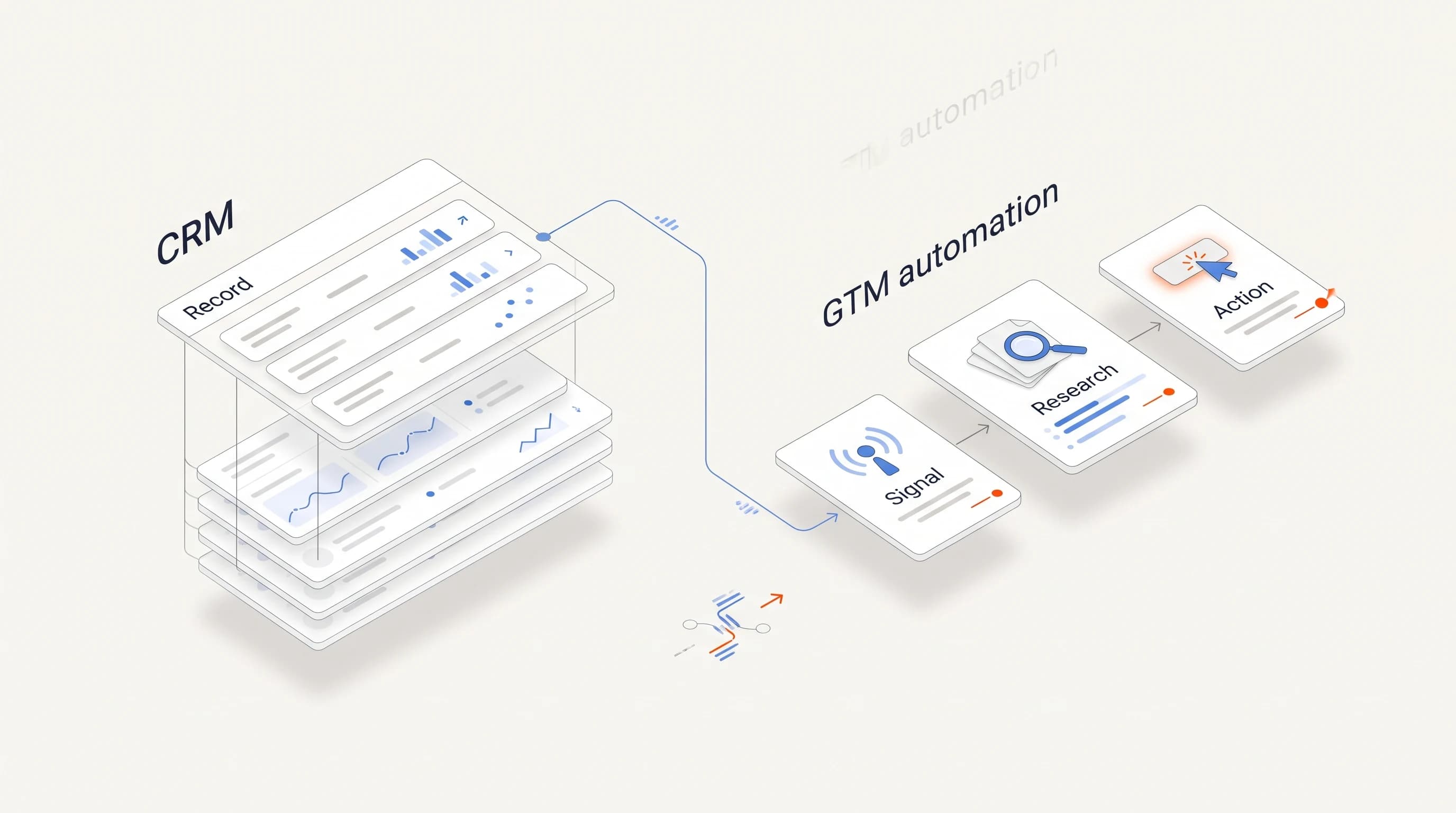
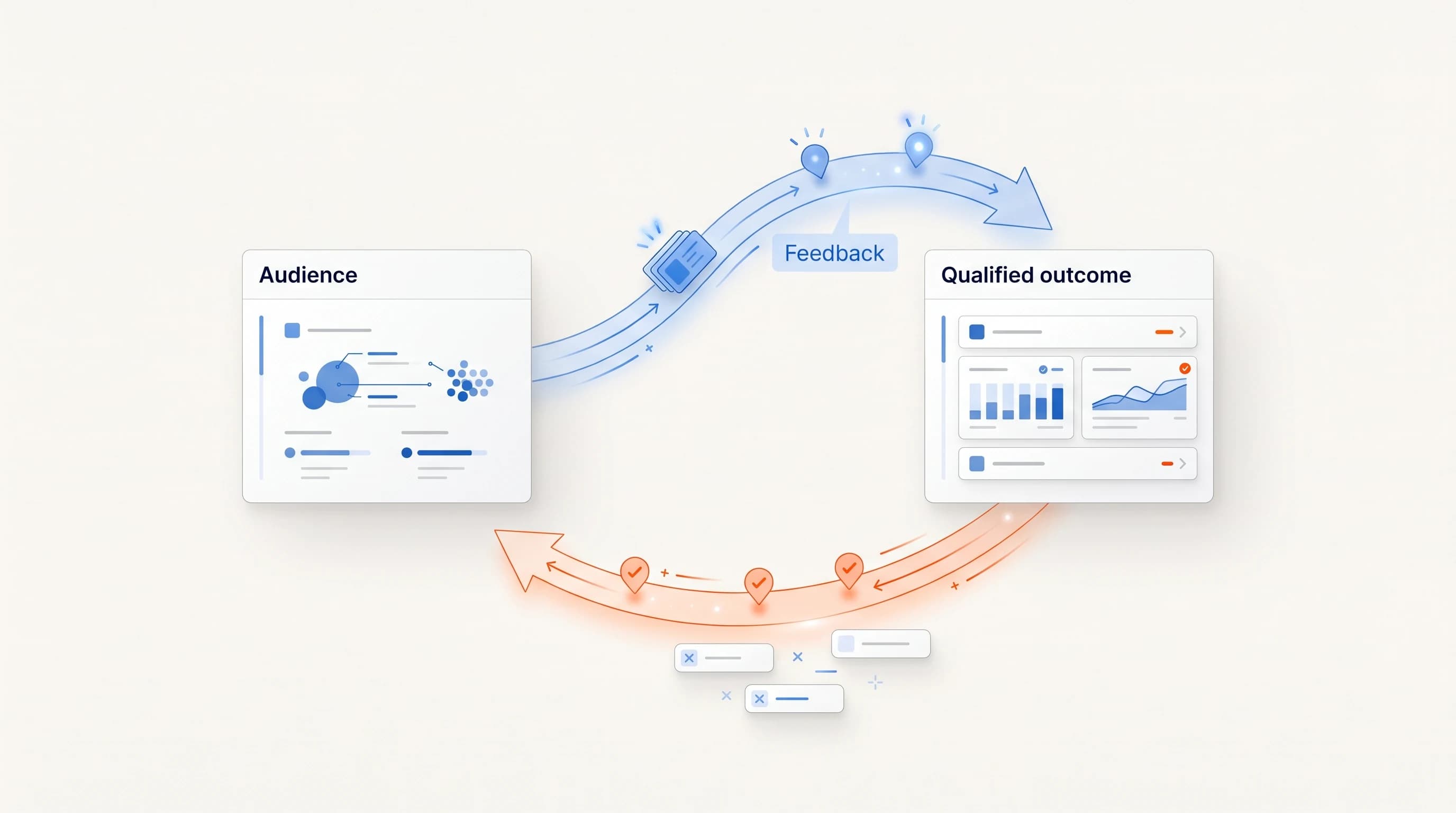
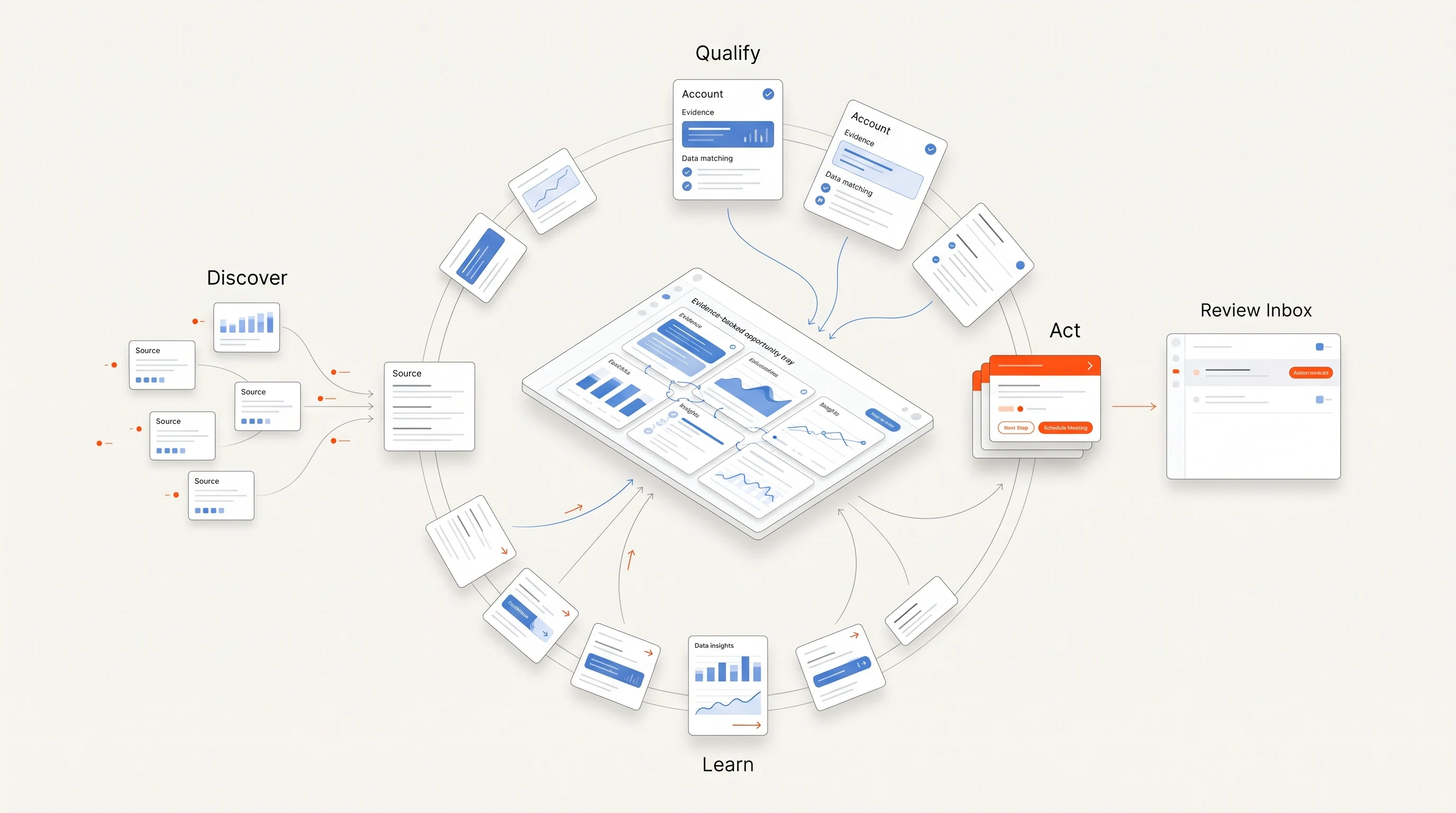
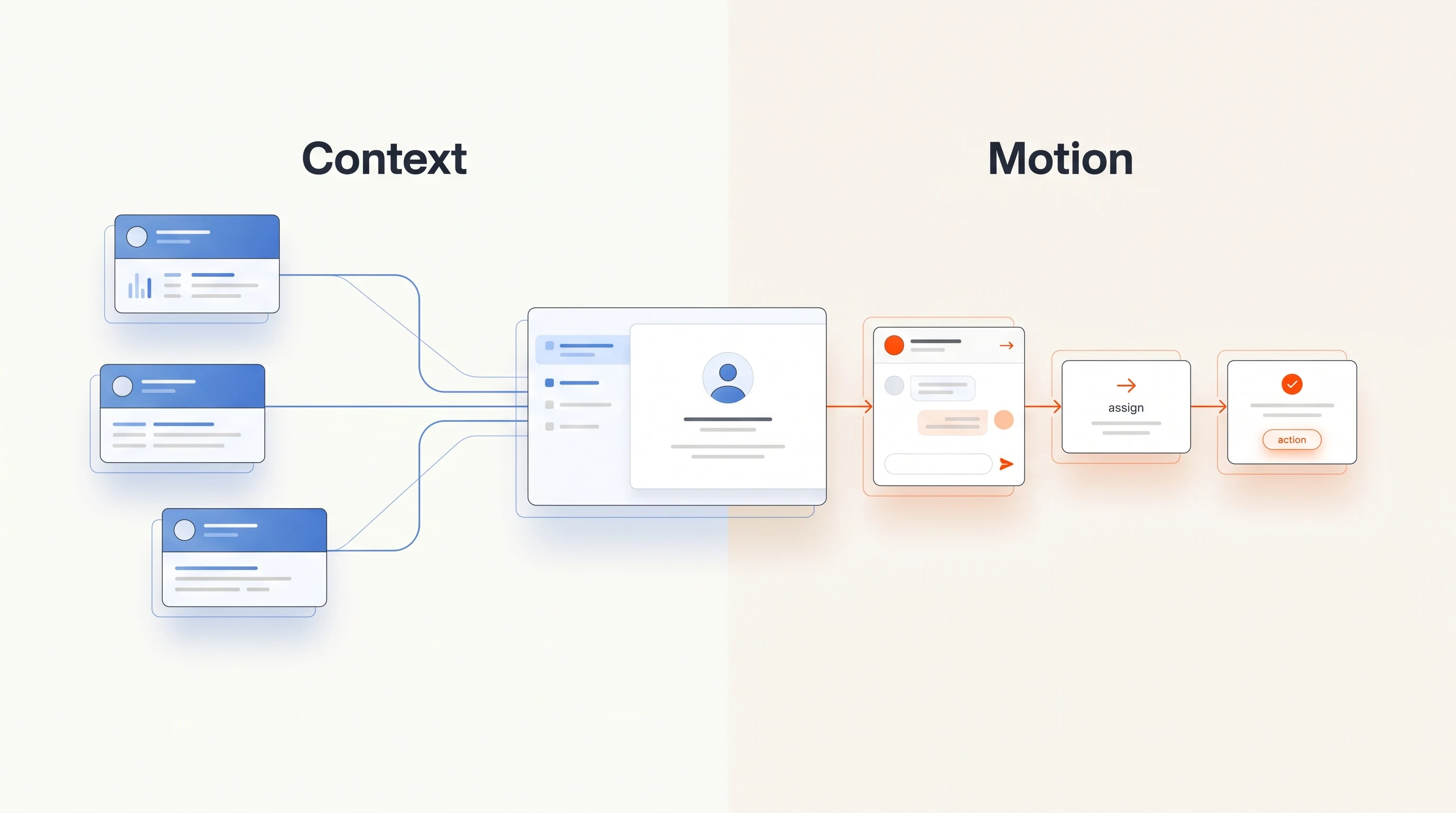
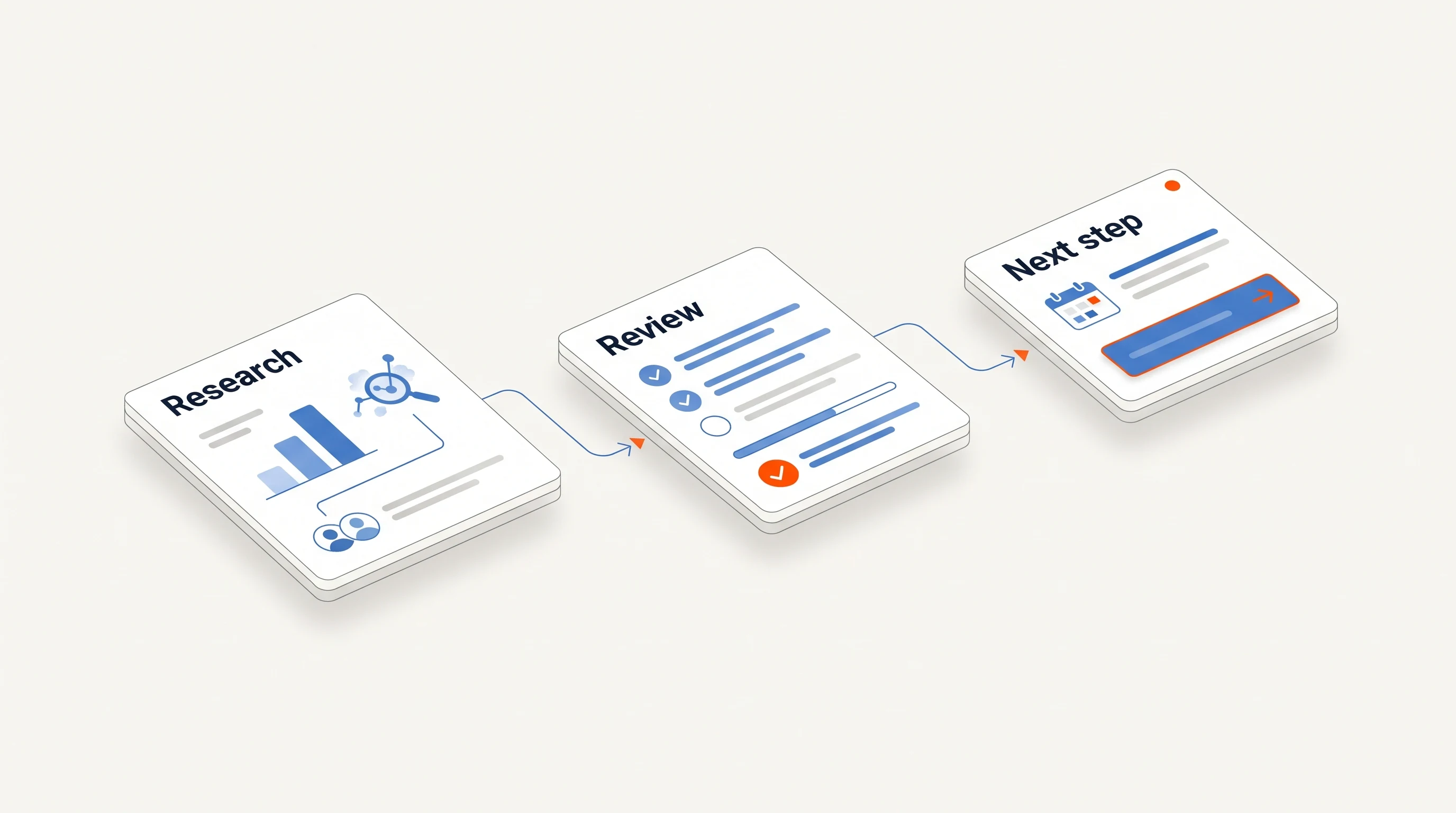
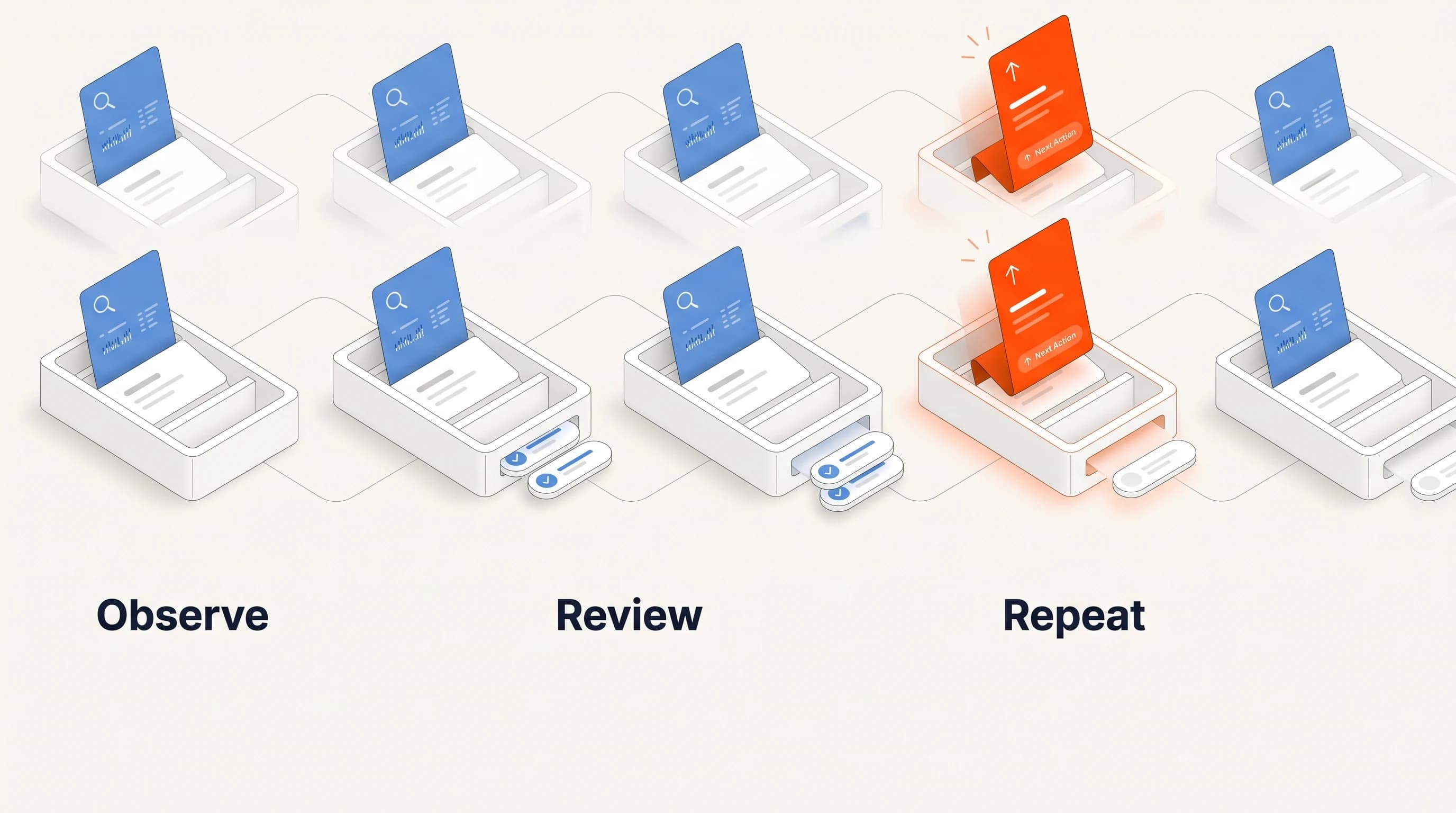
- Core: the signal creates or reprioritizes work automatically. It routes to an owner, starts research, and can trigger a drafted first message that cites the signal. The evidence travels with every step.
- Bolt-on: the signal appears in a feed or a score column. A person has to notice it, look up the account, find a contact and write the message elsewhere.
Bolt-on detection can still be useful for teams with spare research capacity. For teams without an ops function, it tends to produce a feed nobody reads. We compare the two approaches in Unified go-to-market platforms.
Questions to ask in a demo
- For each signal type, what is the median time from the real-world event to an alert or task?
- Do you keep the original publication date separate from the detection date?
- Can I open the source behind every signal?
- How do you decide that a signal is relevant to my offer, and can I change those criteria?
- What happens after a signal fires: a score, a task, a drafted message, a send?
- How do you prevent two signals at the same account from creating two separate sequences?
- What do you do when a contact replies or opts out?
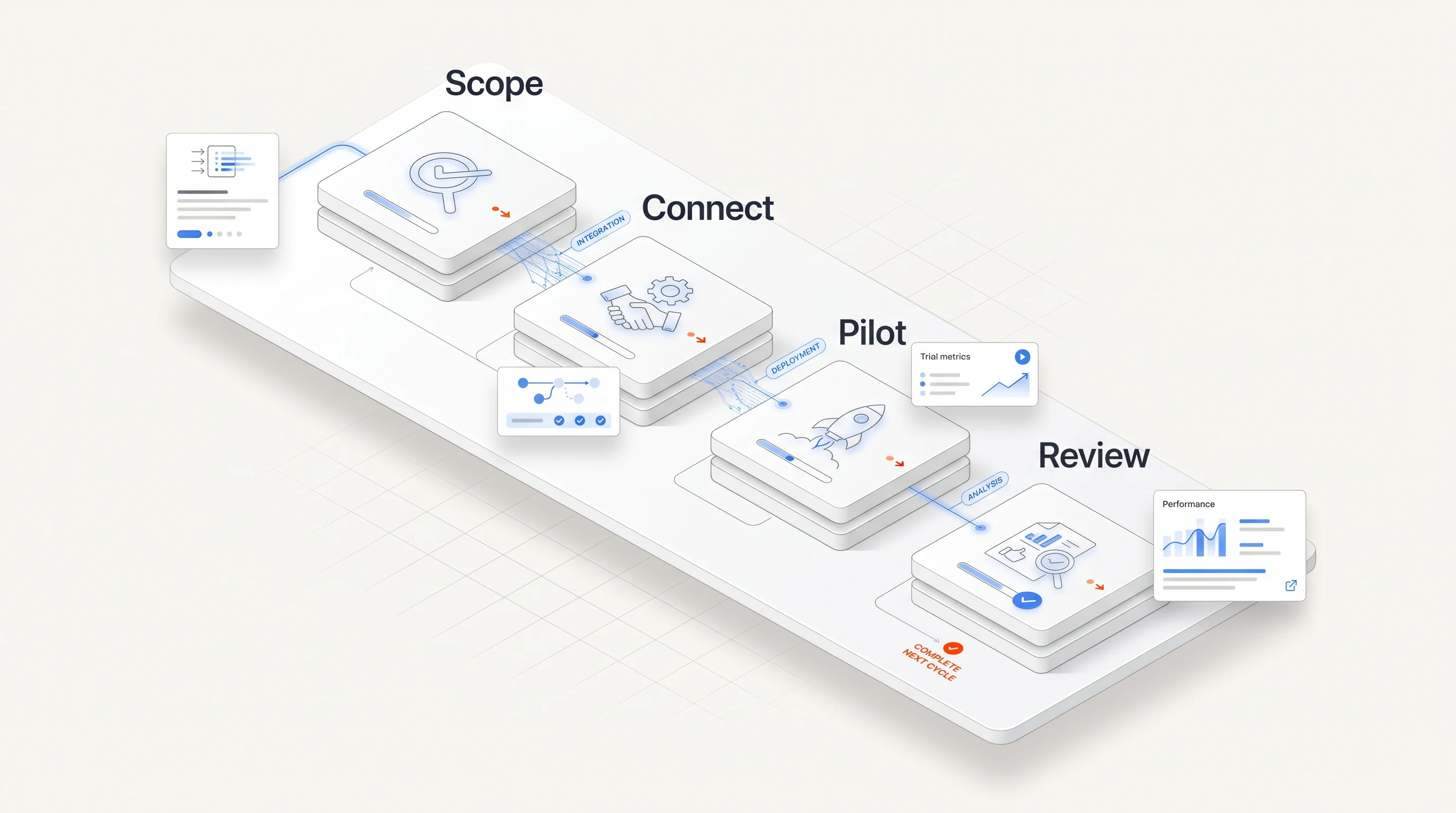
How to run a two-week signal test
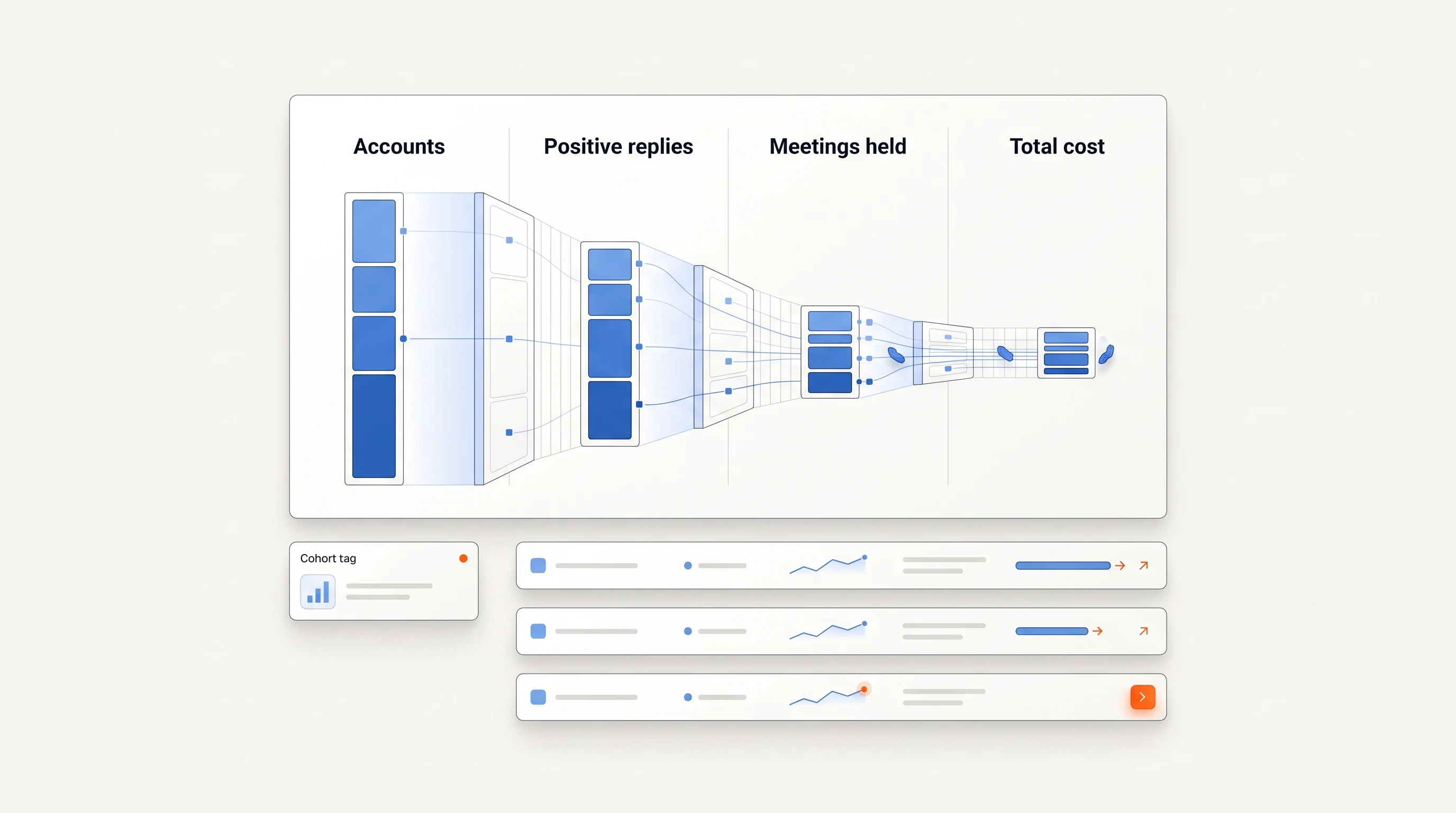
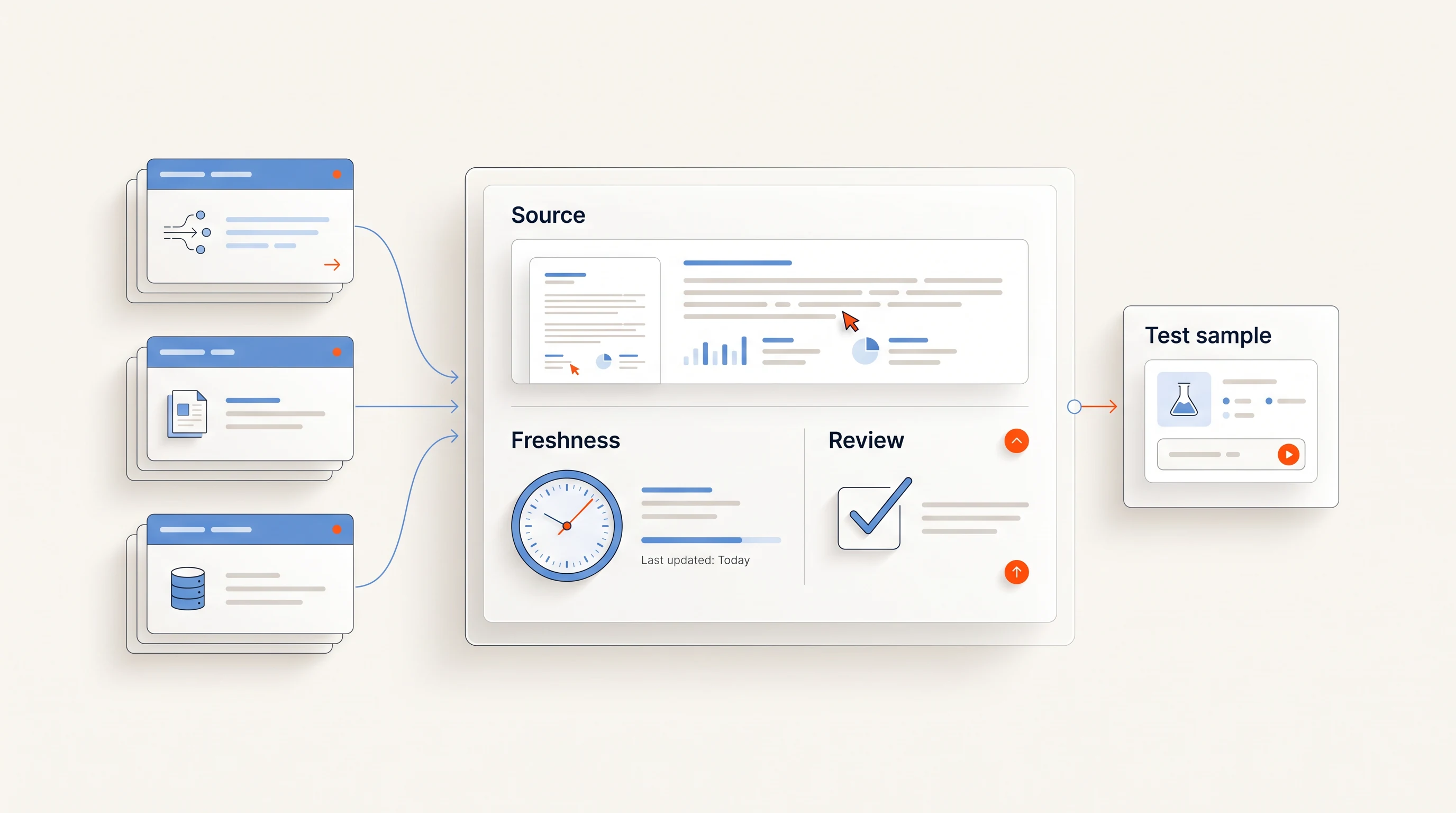
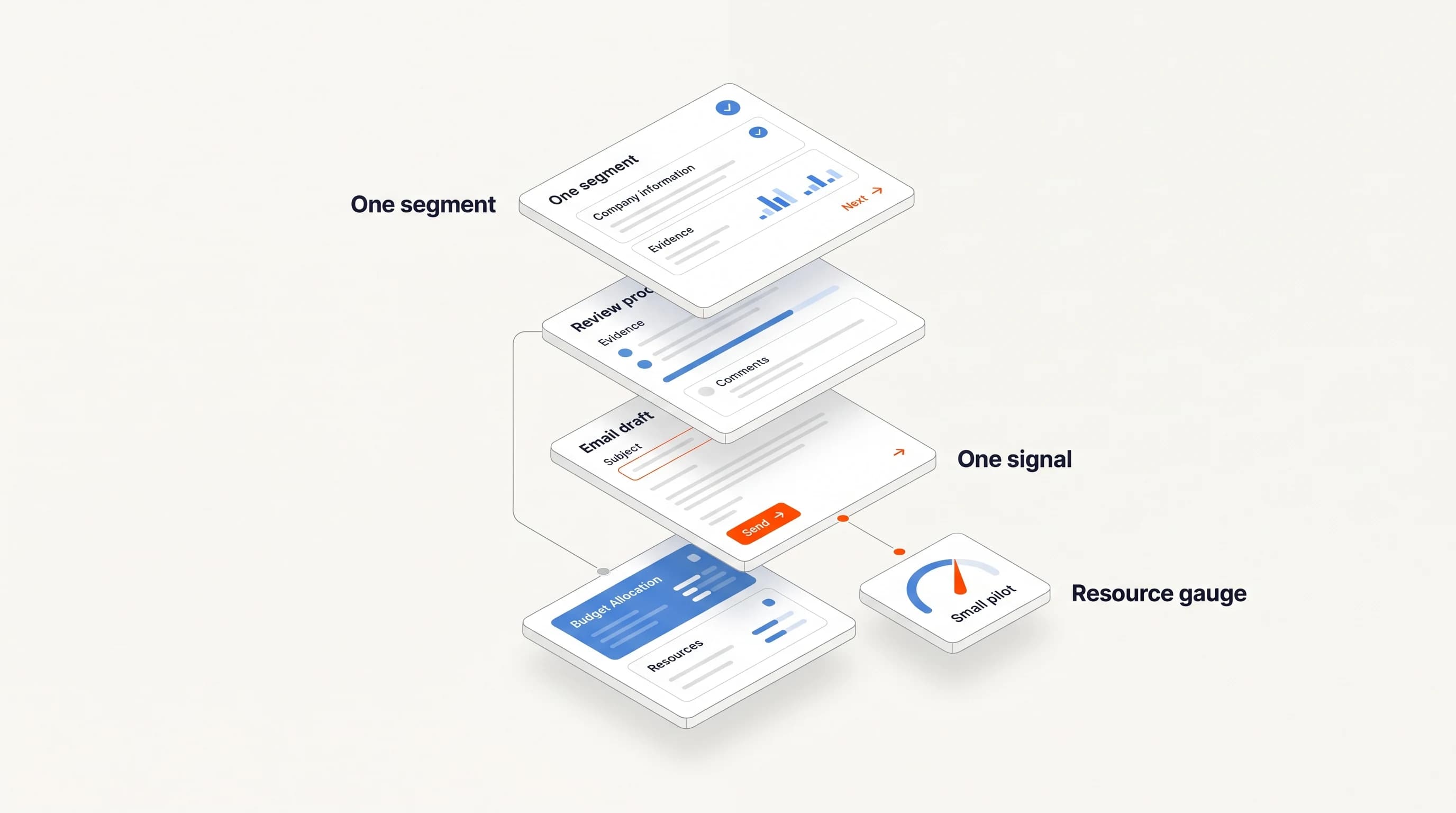
Pick one segment and two signal families. For two weeks, log every signal the platform produces for that segment, and for each one record three things: whether the underlying event was real, whether it was fresh, and whether it led to a sensible next action. A rough rule: if fewer than half the signals survive that review, the platform is not ready to drive automated outreach in your market.
Then compare the surviving signals with your own recent wins. Signals that appeared before deals you closed are the ones worth building on.
Where Perpetual fits
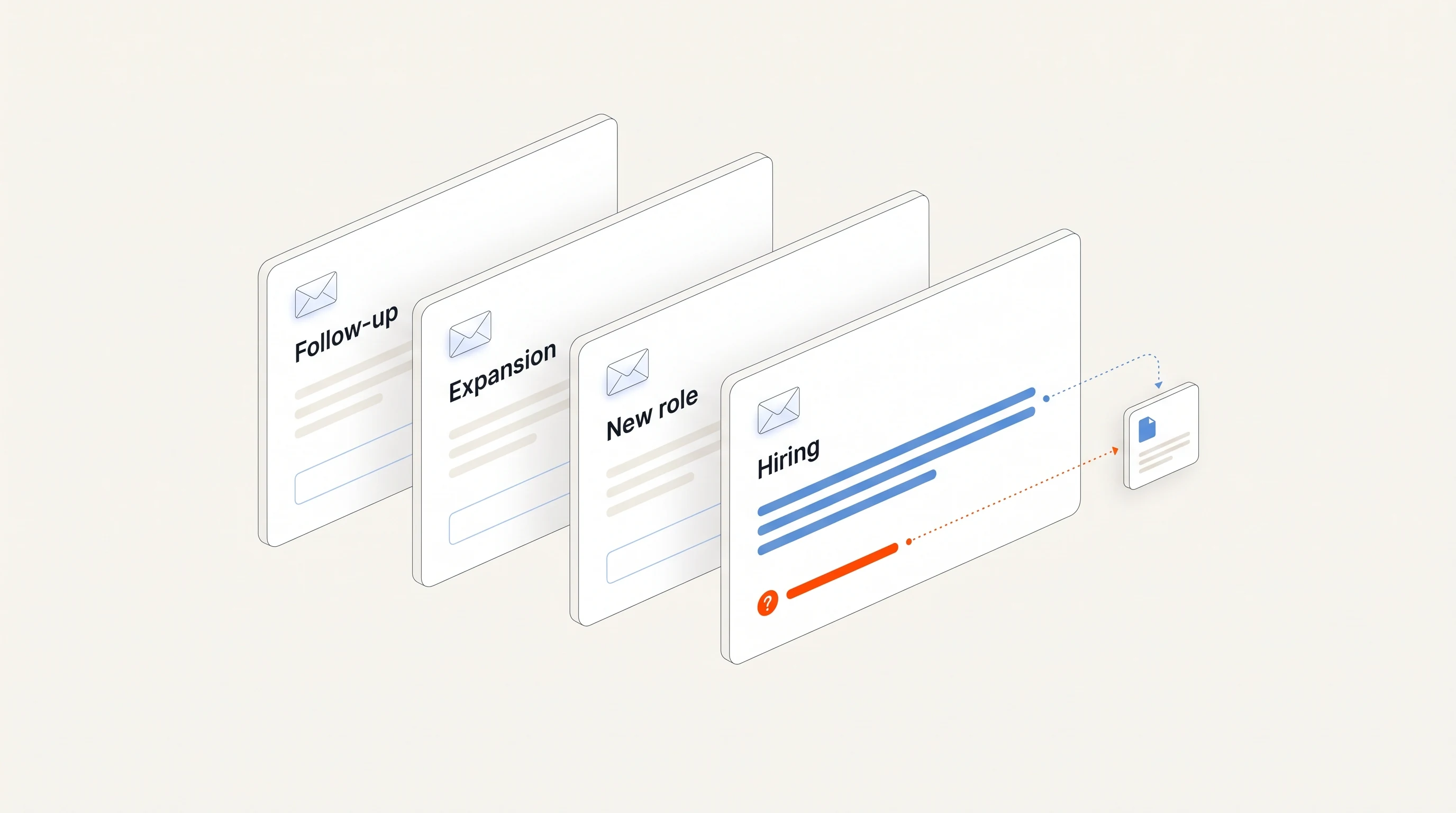
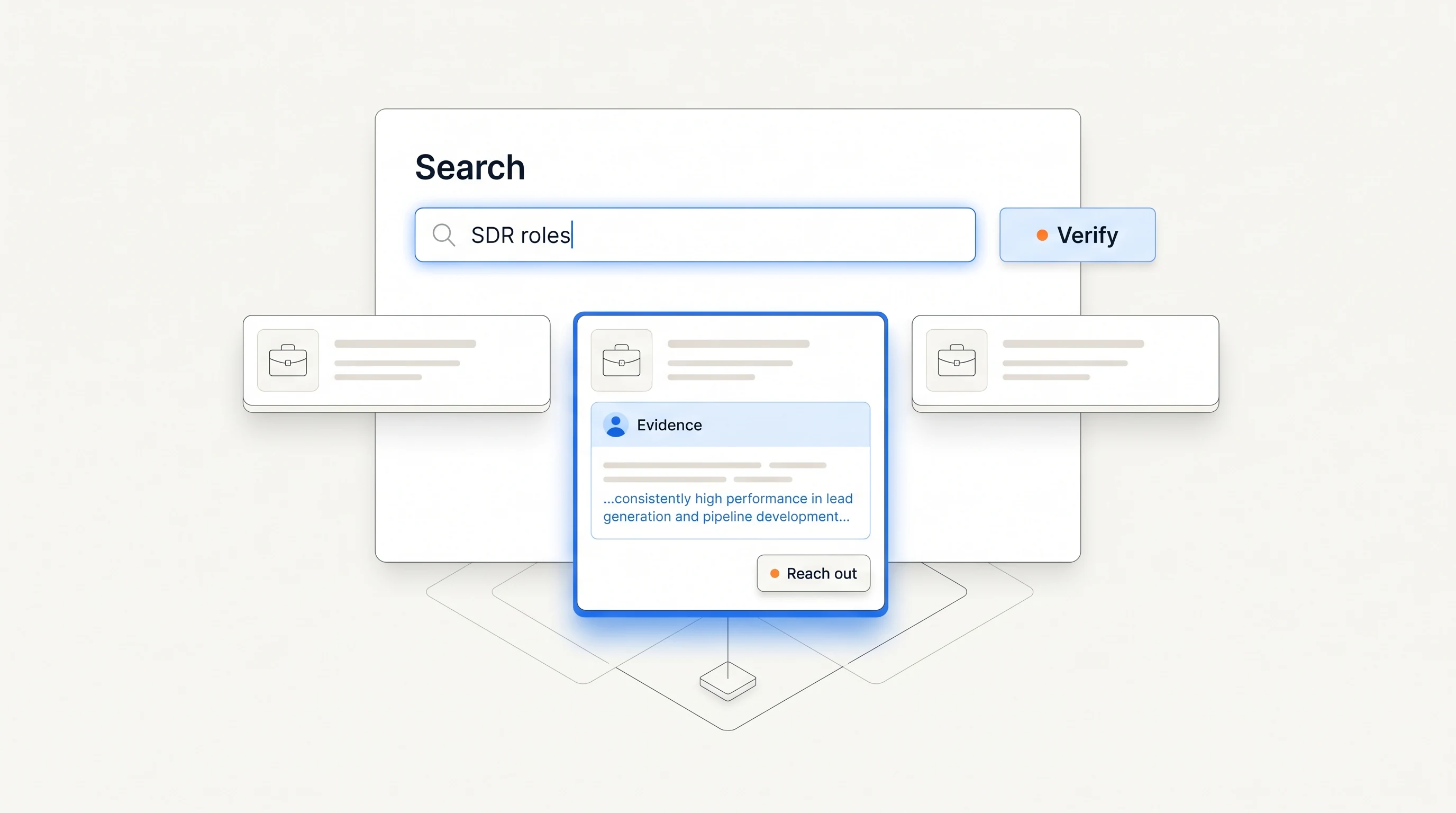
Perpetual is built around one signal family: public hiring activity, such as open roles, team growth and new functions. Each opportunity keeps the public source, says what the evidence does not prove, qualifies the company against your offer, and selects one relevant person with an explanation. The opener is grounded in that source. Perpetual is not a lead database or a topic-intent feed, so teams that want web-wide topic research will pair it with an intent data provider.
Key takeaways
| Point | Detail |
|---|---|
| Freshness is per signal type | Expect minutes for website activity, days for hiring and people changes, and weekly trends for topic intent. |
| Keep two dates | The original event date and the detection date must stay separate, or old events look new. |
| Follow one signal end to end | Detection is core when the signal creates work and carries its evidence; it is a bolt-on when it only adds a column. |
| Combine families | Two independent signals at the same account are a stronger reason to act than one. |
Frequently asked questions
What is a real-time buying signal?
An observable change at an account, detected soon enough to act on while the context still holds: website activity, a hiring push, a new leader, a funding round. It shows that something changed; it does not by itself prove the account is ready to buy.
Is intent data the same as buying signals?
Intent data usually refers to third-party topic research aggregated across publishers. It is one family of buying signals, alongside first-party engagement, hiring, people changes, company events and technology changes.
How can I tell if a platform's signal detection is any good?
Run a two-week test on one segment. Check each signal for accuracy, freshness and whether it led to a sensible action, and compare the signals with the ones that preceded your recent wins.