JournalSignalsNo. 10
Using Signal Data to Optimize Paid Acquisition Campaigns
How to use signal data in paid acquisition: send ad platforms the conversions and values that matter, clean noisy events, and, in B2B, feed pipeline stages and account signals back into targeting.
Matija Nikolić7 min read8 sections
Contents
- 01What signal data means in paid acquisition
- 02Why signal quality became the main lever
- 03From proxy conversions to value-based bidding
- 04Know which outcome you are seeing
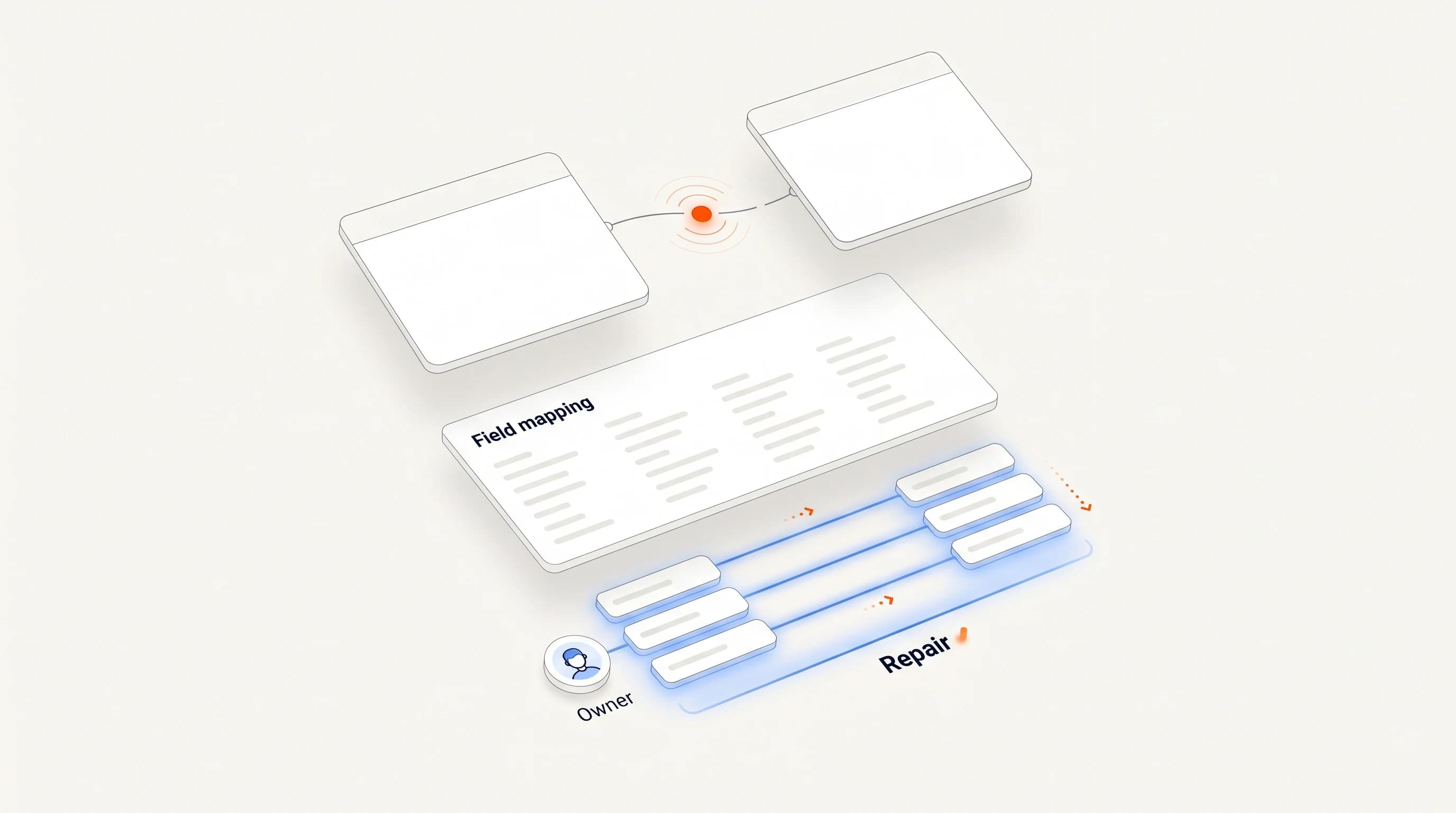
- 05Clean up noisy conversion signals
- 06For B2B: send pipeline stages, not form fills
- 07Use account signals to shape audiences and exclusions
- 08Where Perpetual fits
Published by Perpetual
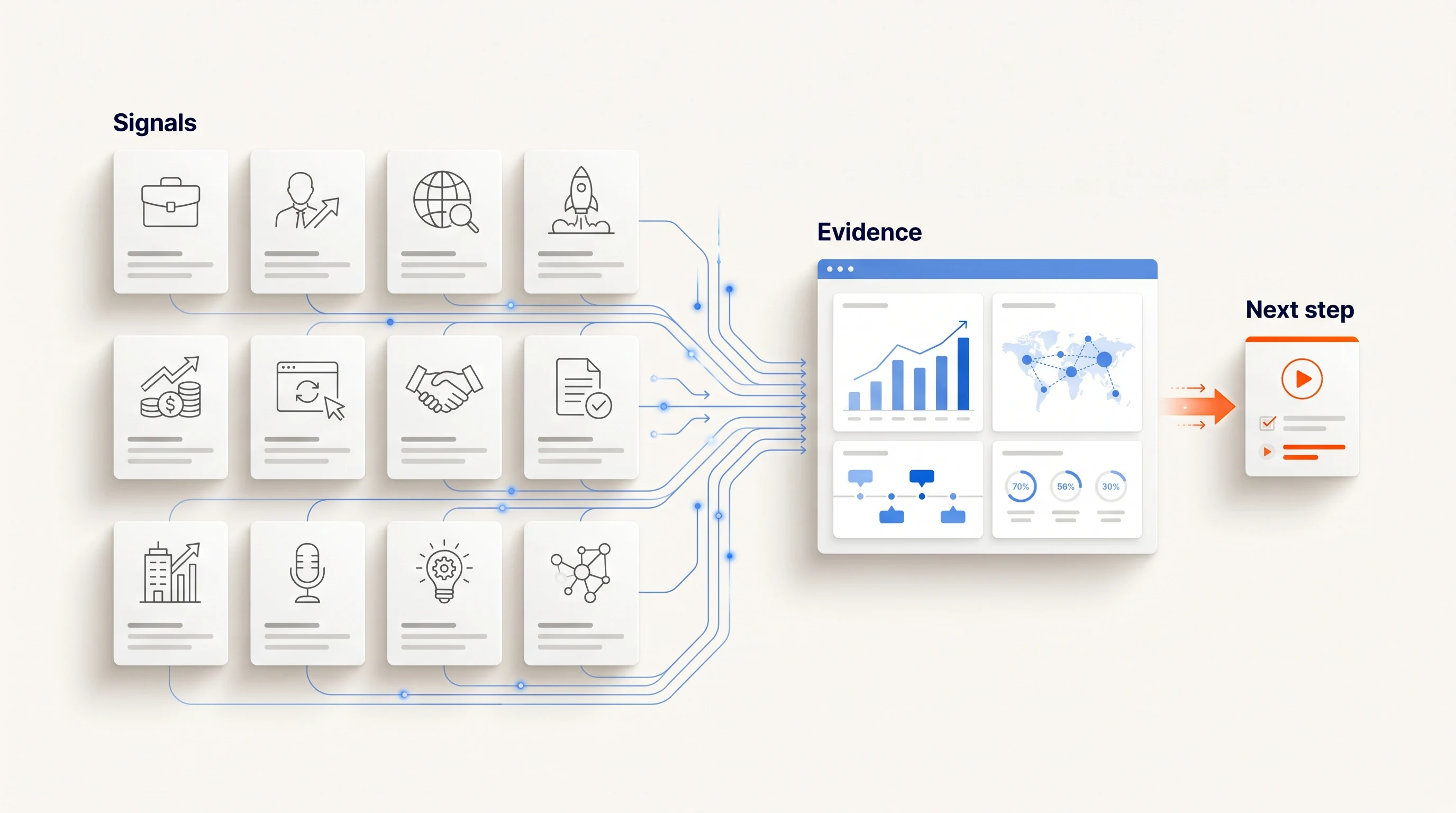
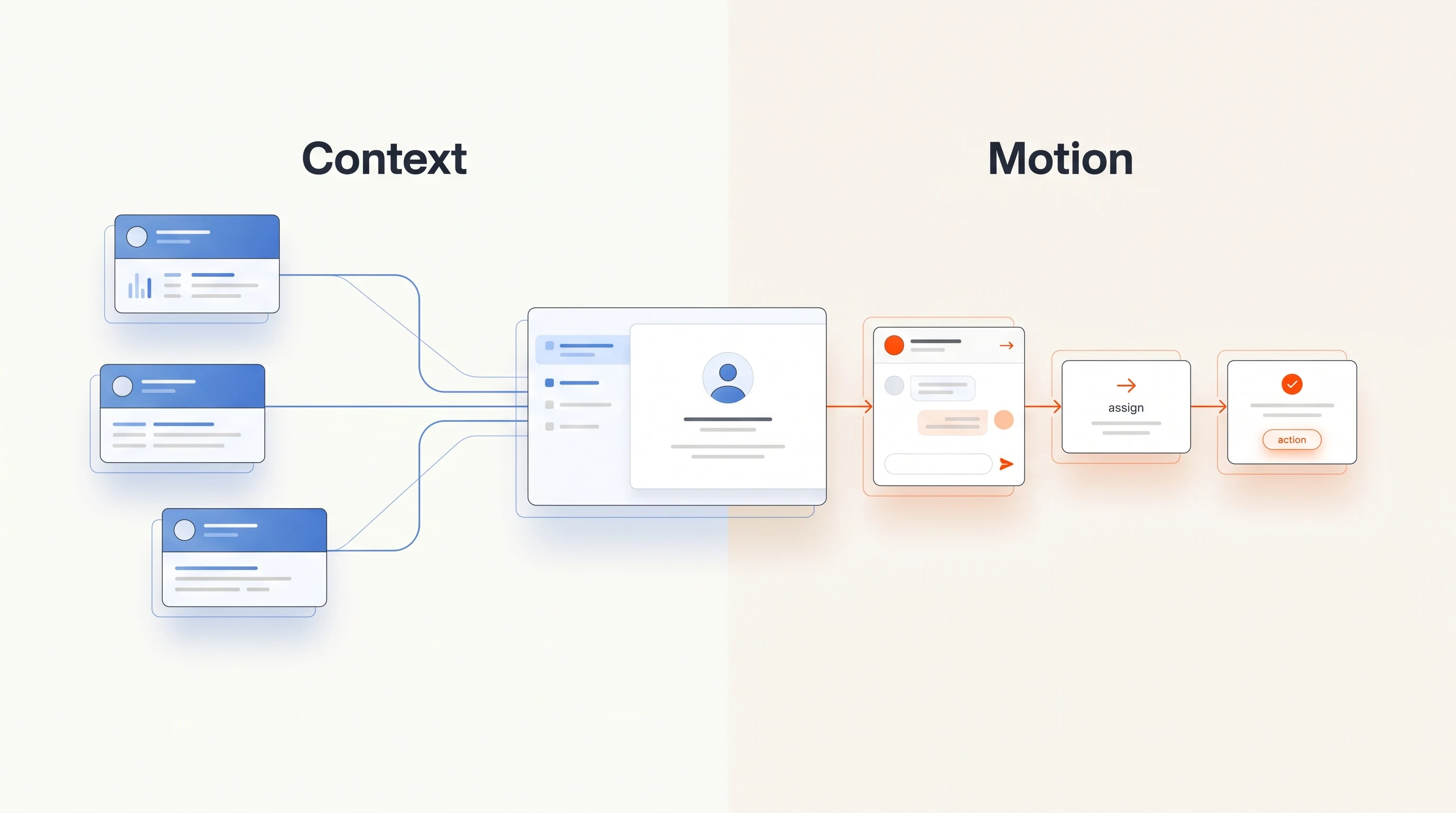
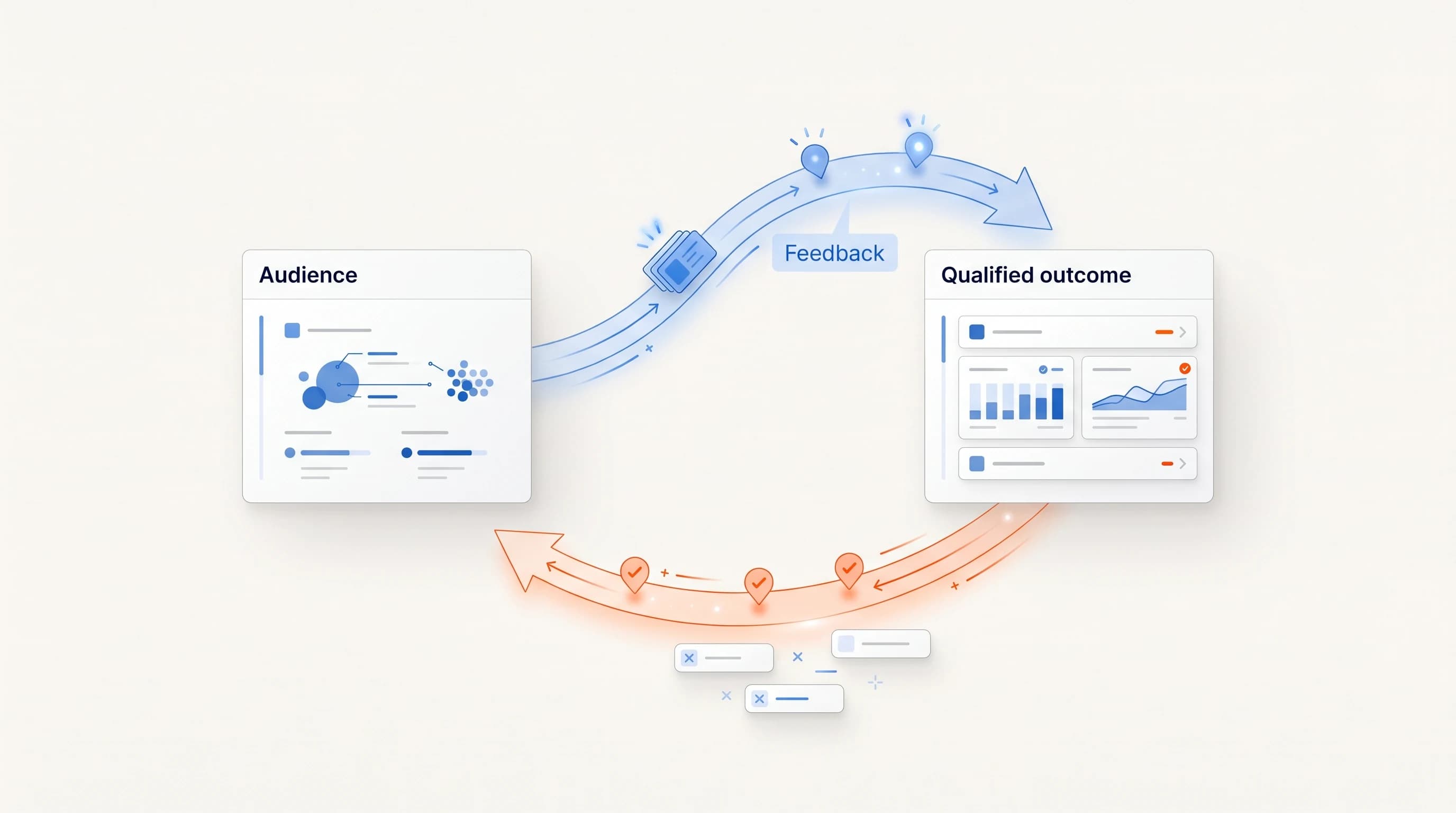
In paid acquisition, signal data is what you send back to ad platforms: the events, conversions and conversion values that tell their algorithms which customers are worth finding. Optimizing with signal data means sending clean events, attaching the business value behind them, and optimizing toward outcomes that matter rather than cheap proxies such as sign-ups. In B2B, it also means feeding pipeline stages and account-level signals back into targeting, so spend follows the accounts that actually turn into revenue.
Three things to know
- Ad platforms automate bidding, targeting and placement, so the conversion signals you send are one of the few levers left in your control.
- Optimizing for proxy events such as sign-ups teaches the algorithm to find people who convert once, not customers who stay or pay.
- In B2B, the strongest signals are later pipeline stages and account-level changes, not form fills.
What signal data means in paid acquisition
A signal, in this context, is data you send to an ad platform, such as a specific event, a conversion or a conversion value, that tells it which actions or outcomes matter to your business (Voyantis). When the platform receives a conversion, it looks for more people similar to the ones who converted.
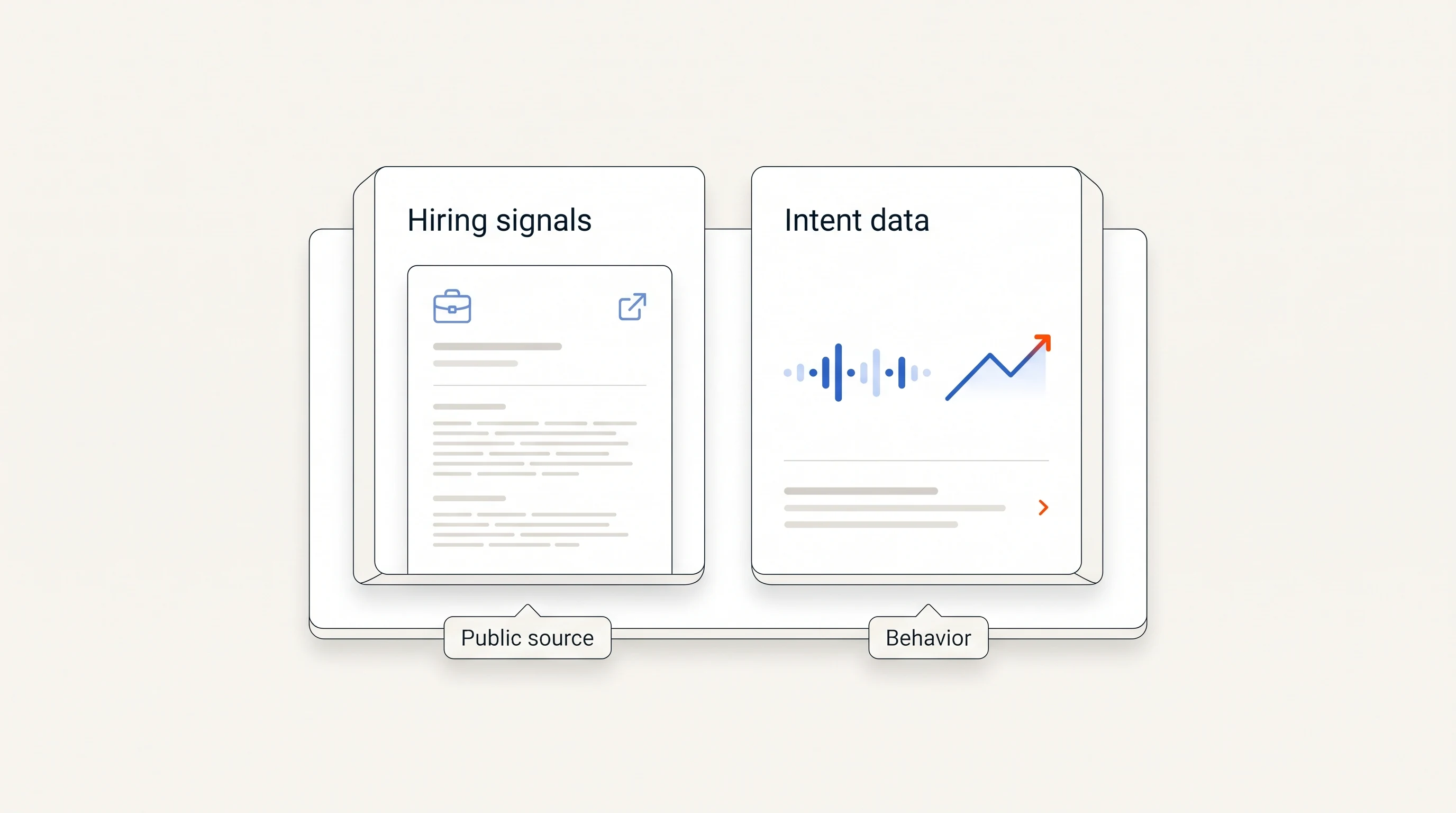
This is a different use of the word "signal" from sales prospecting, where a signal is a change at a company, such as a new hire or a funding round. Both matter for B2B paid acquisition, and this guide covers both.
Why signal quality became the main lever
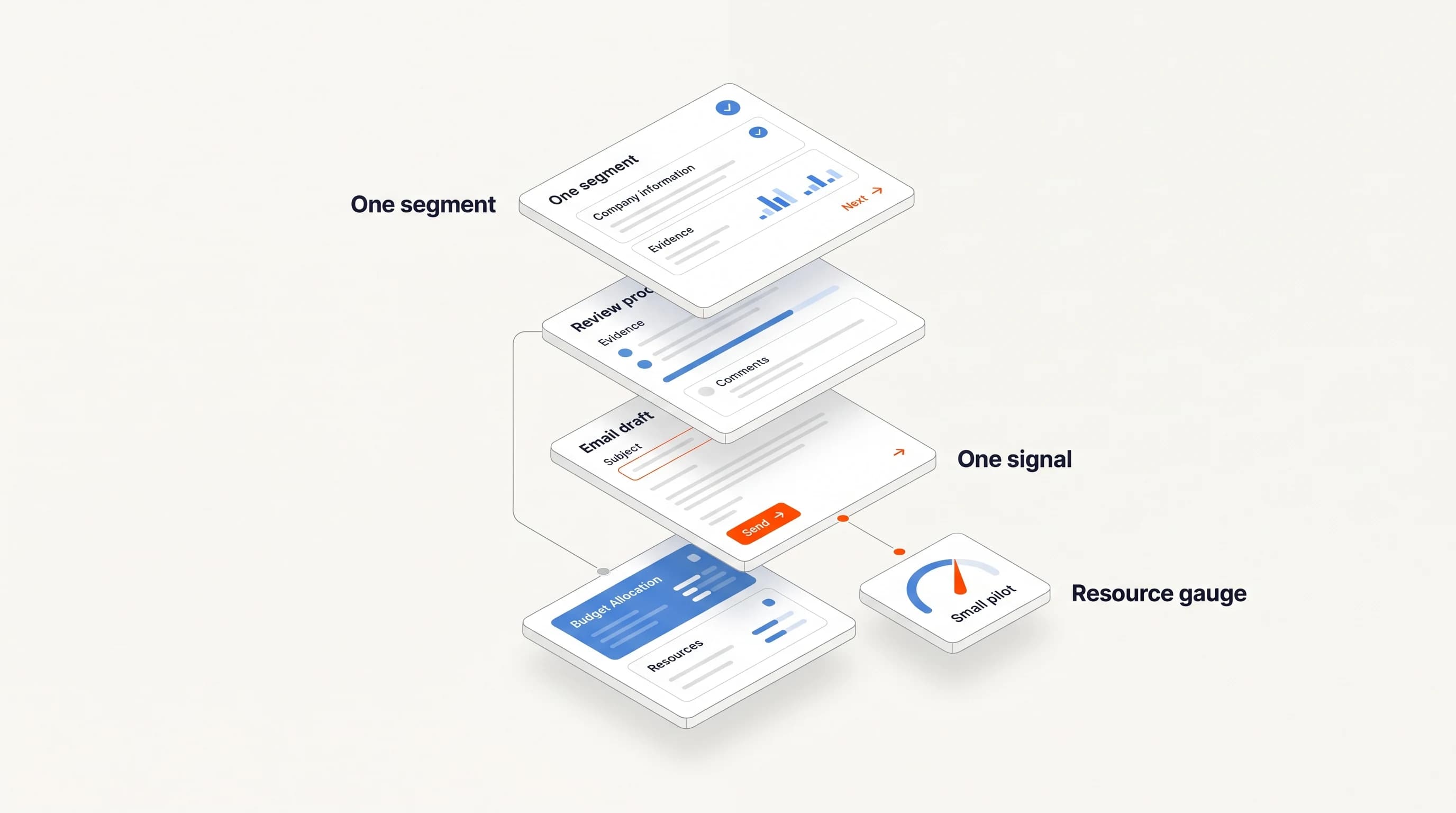
Ad platforms have automated most of the levers performance teams used to pull by hand. What remains in your control is commonly described as three things: budget allocation, creative, and the signals the platforms learn from (Admiral Media).
Privacy changes, such as Apple's App Tracking Transparency, reduced the user-level data available to advertisers, so platforms rely more on the conversion signals advertisers send them. The practice of shaping those signals deliberately is often called signal engineering: collect clean events, model the business value behind them, and send the right signals back to the platforms (Funnel).
From proxy conversions to value-based bidding
Most teams optimize for a proxy, such as a sign-up or a first purchase, with a single cost target. That gives every new user the same value at the moment of acquisition, even when some are worth far more than others.
Value-based bidding sends a predicted value for each user instead, so the platform can bid more for the customers who matter most. One published case study describes Coinbase moving from a target cost per acquisition to a target return on ad spend on Google Ads, using user-level value predictions sent at the identity verification step (Voyantis). The vendor reports first trades up 19%, cost per first trade down 20%, day-30 revenue per user up 90% and day-30 return on ad spend up 114%. These are vendor-reported results for one advertiser, not a benchmark.
Know which outcome you are seeing
Changing the signal tends to produce one of two outcomes. Either the platform starts acquiring different, more valuable users, or it acquires similar users more cheaply and your cost per acquisition falls. Many campaigns see a mix (Voyantis).
Both are wins, but they show up on different timelines. Lower acquisition cost appears quickly; higher customer value only appears weeks or months later. Decide in advance which metrics you will compare before and after the change, and over what period, so a working campaign is not cut too early.
Clean up noisy conversion signals
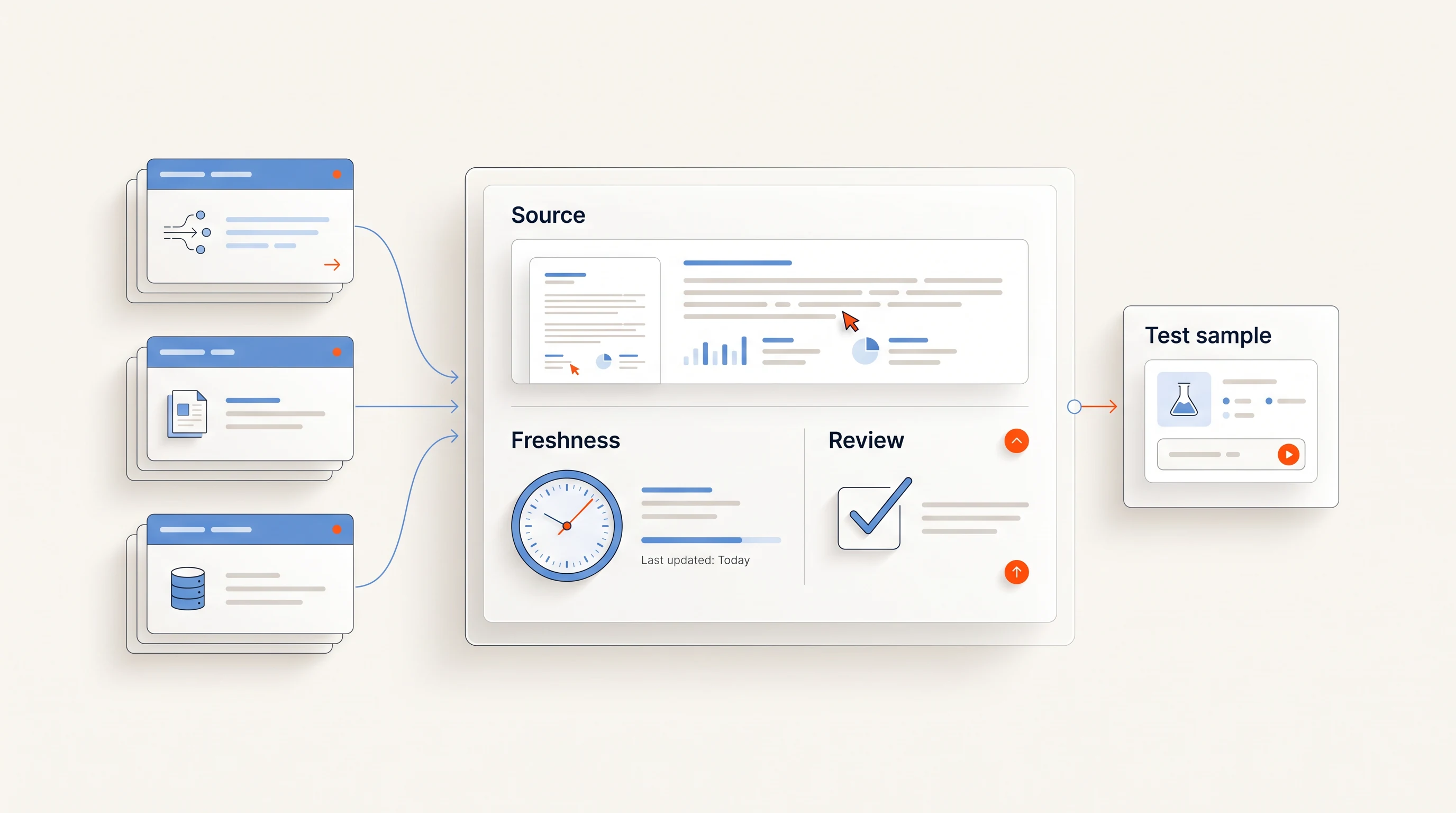
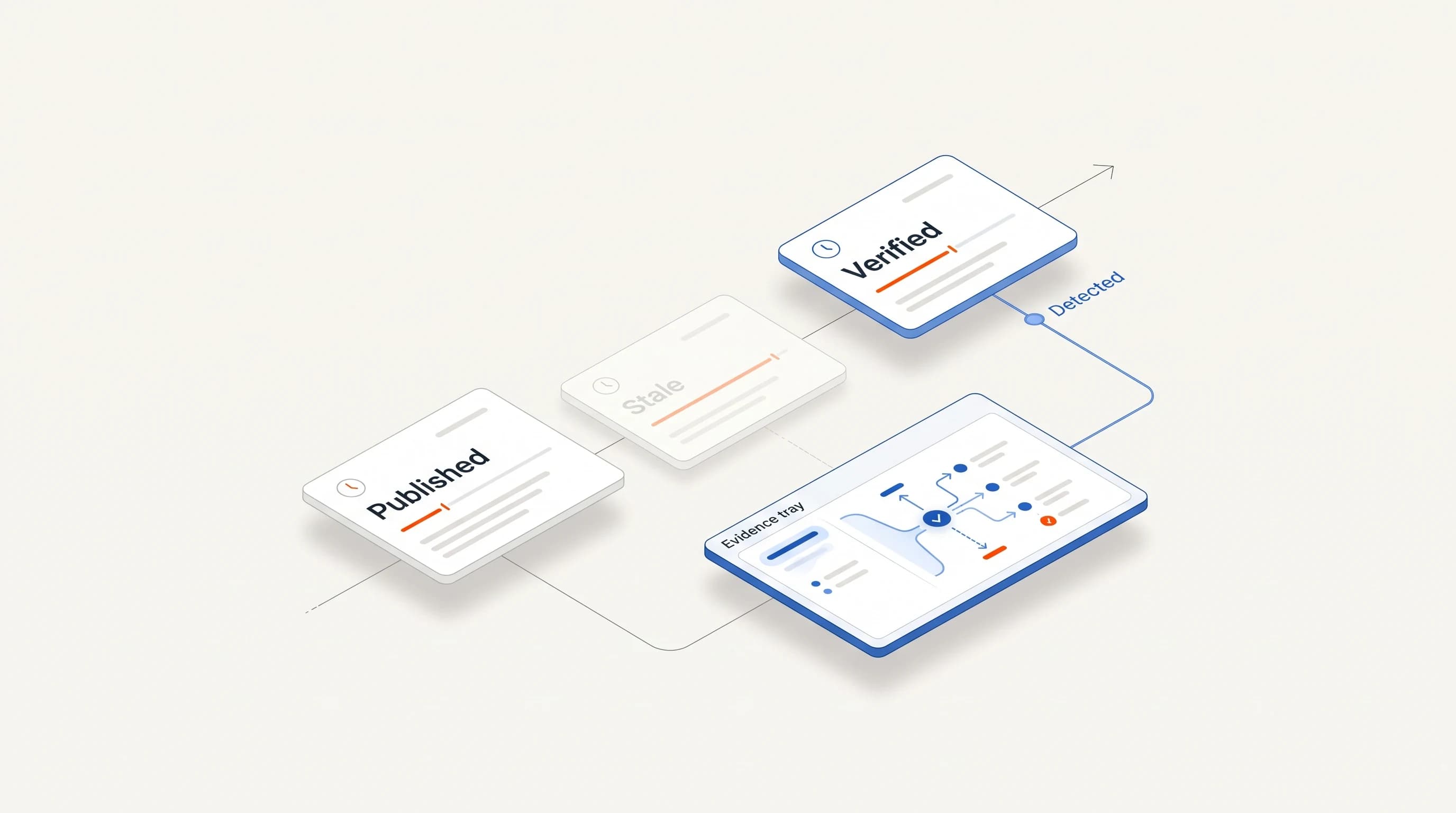
Not every conversion is a good signal. If users cancel orders or request refunds right after converting, those events teach the algorithm to find more of the wrong users. Some attribution tools let you hold back conversions until they are confirmed; Airbridge, for example, documents a "signal hold" feature for filtering out canceled conversions, and notes that campaigns with few conversions benefit more from increasing volume than from filtering (Airbridge).
The general rule holds without any particular tool: only send a conversion once you are reasonably confident it is real, and keep enough volume for the platform to learn.
For B2B: send pipeline stages, not form fills
In B2B, the conversion that matters often happens weeks after the click, in the CRM. Optimizing for form fills teaches the platform to find people who fill in forms, including students, competitors and job seekers.
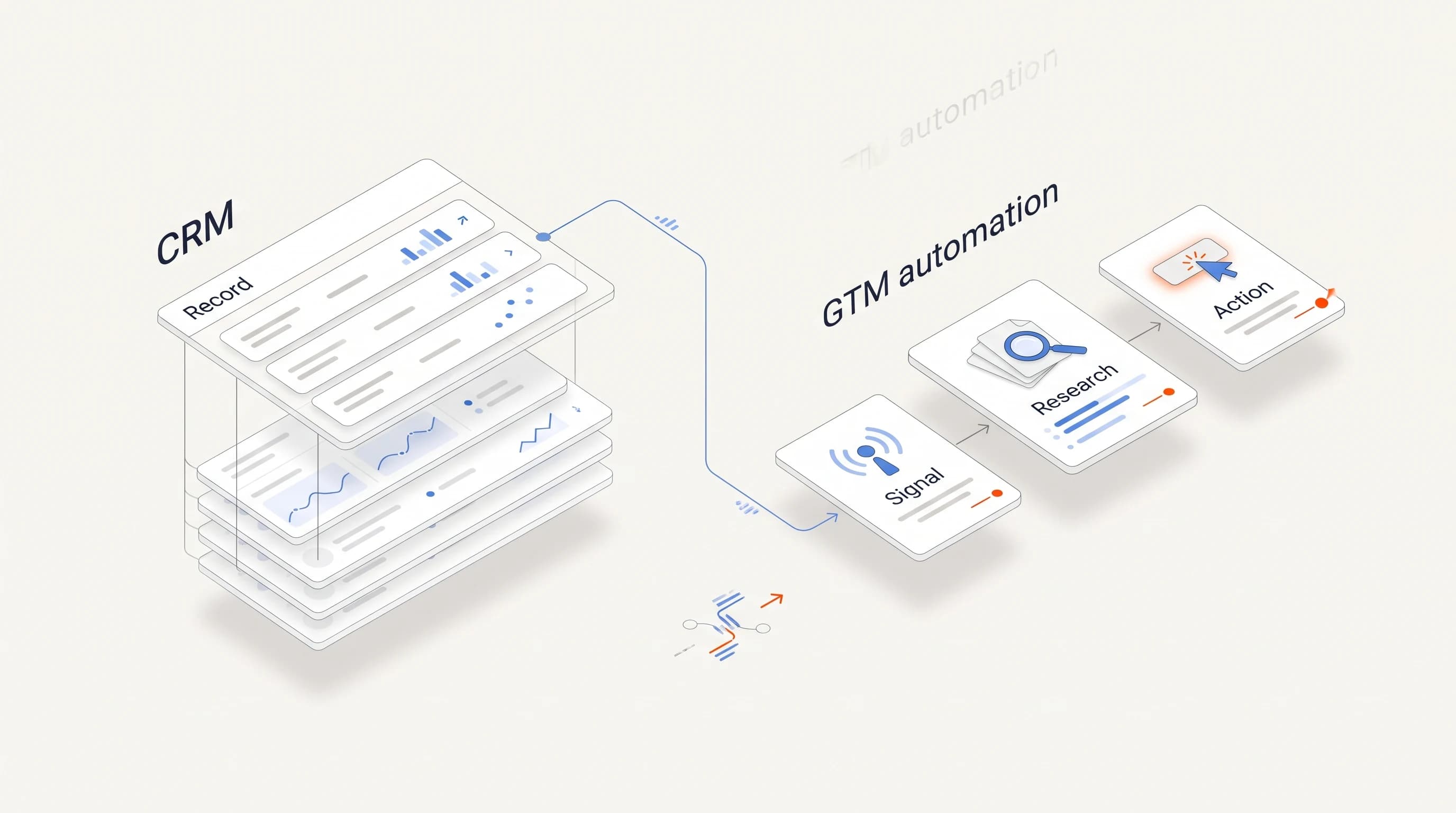
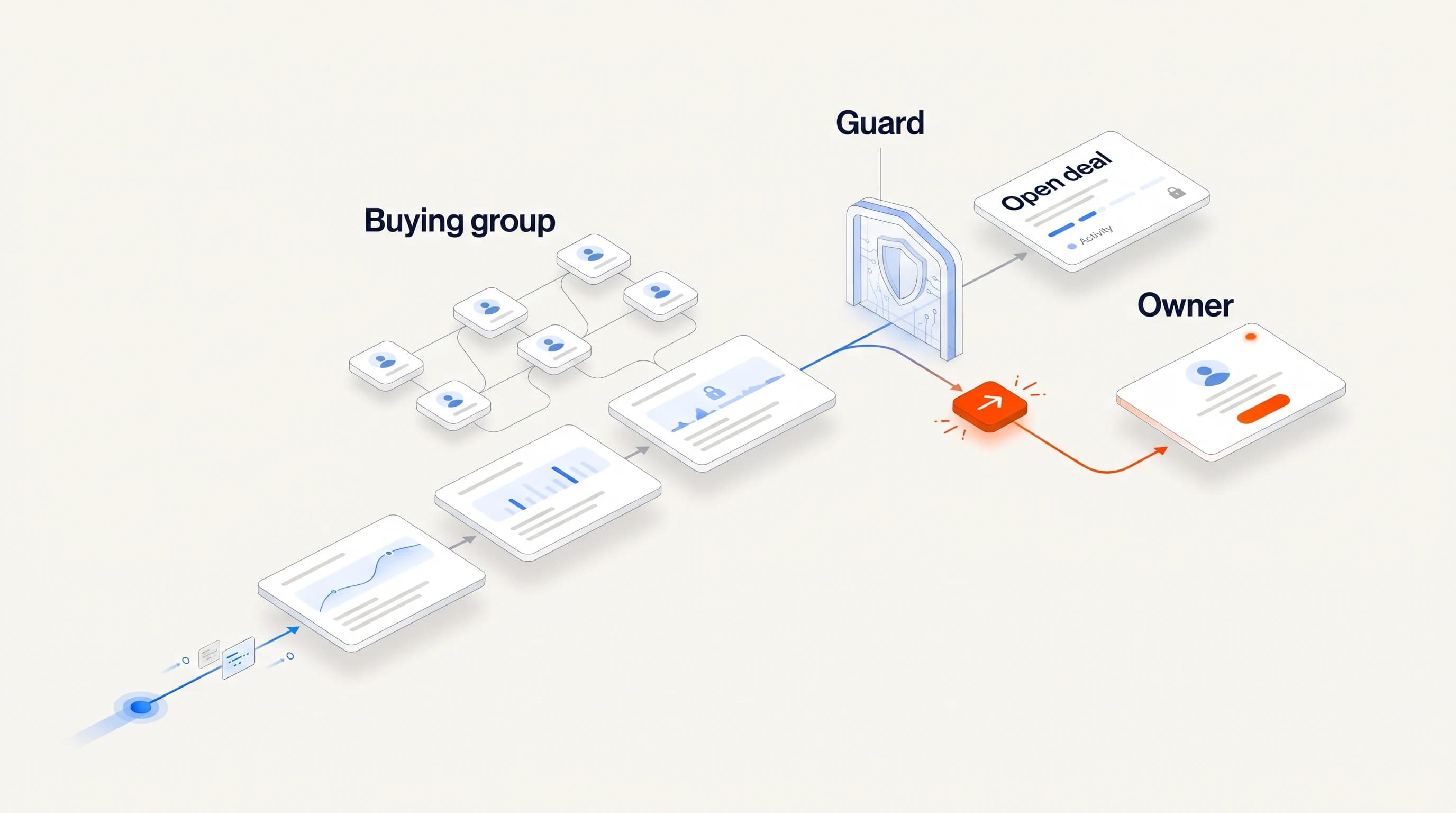
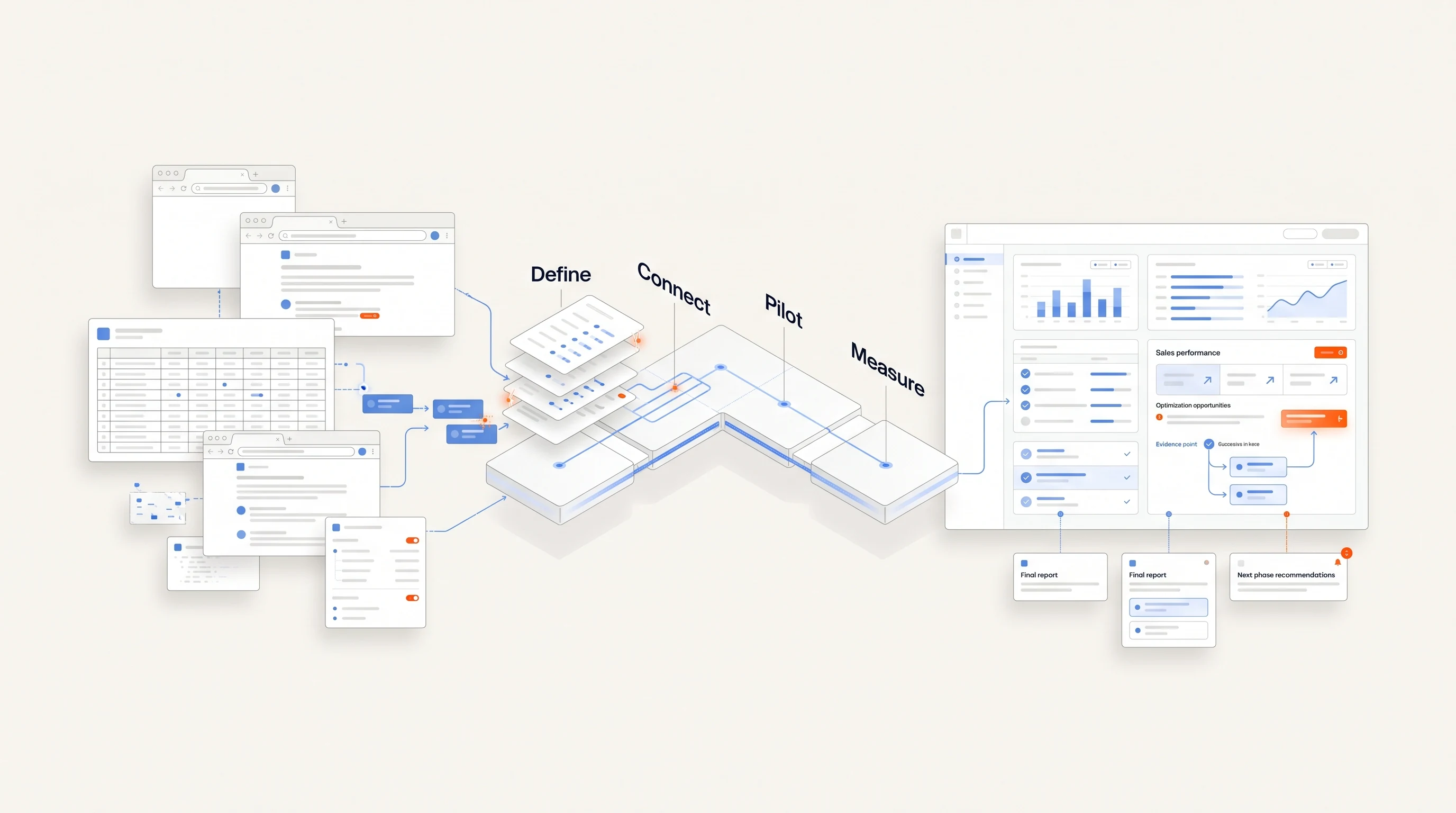
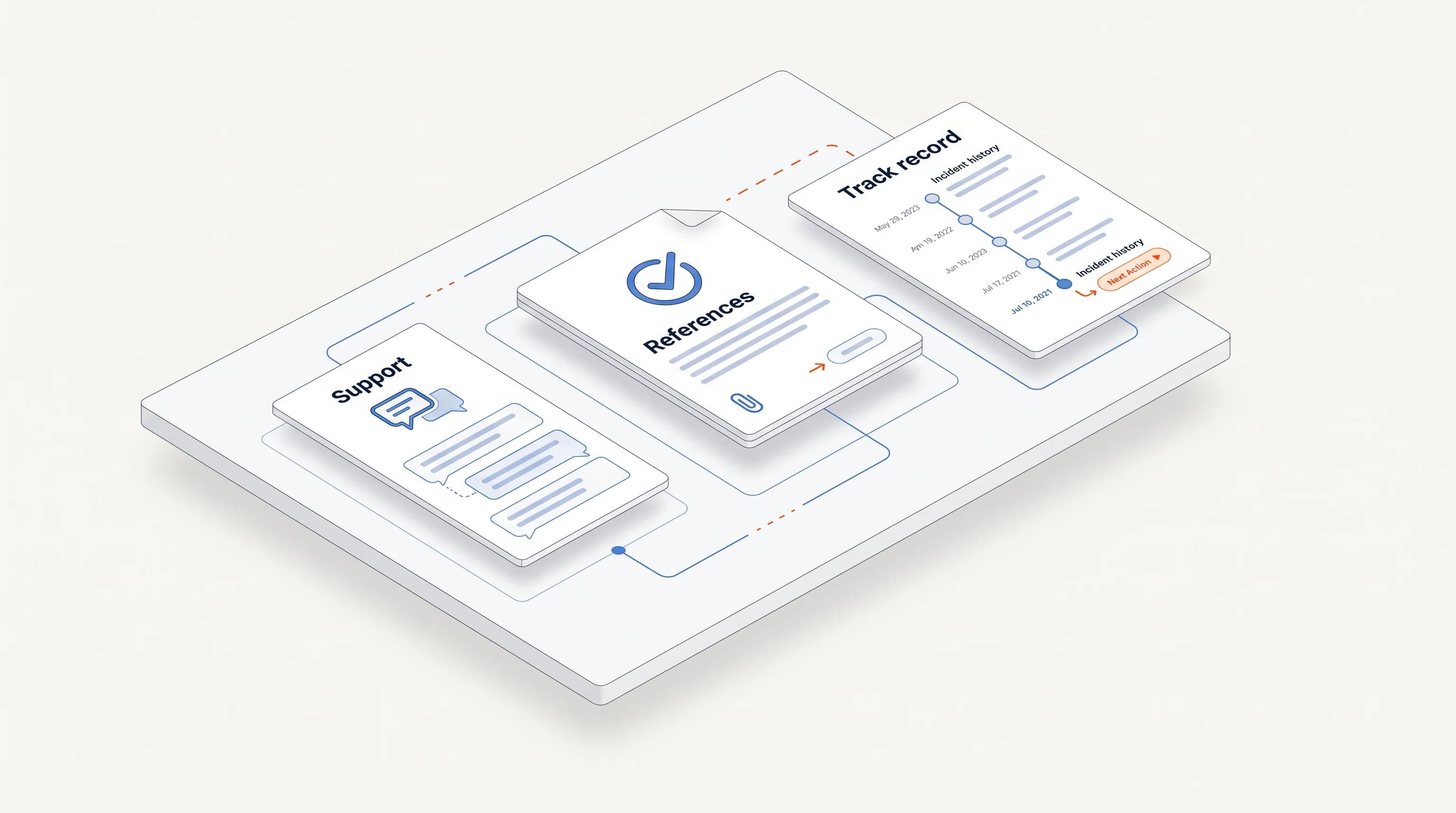
A better approach is to send later stages back to the ad platform as offline conversions:
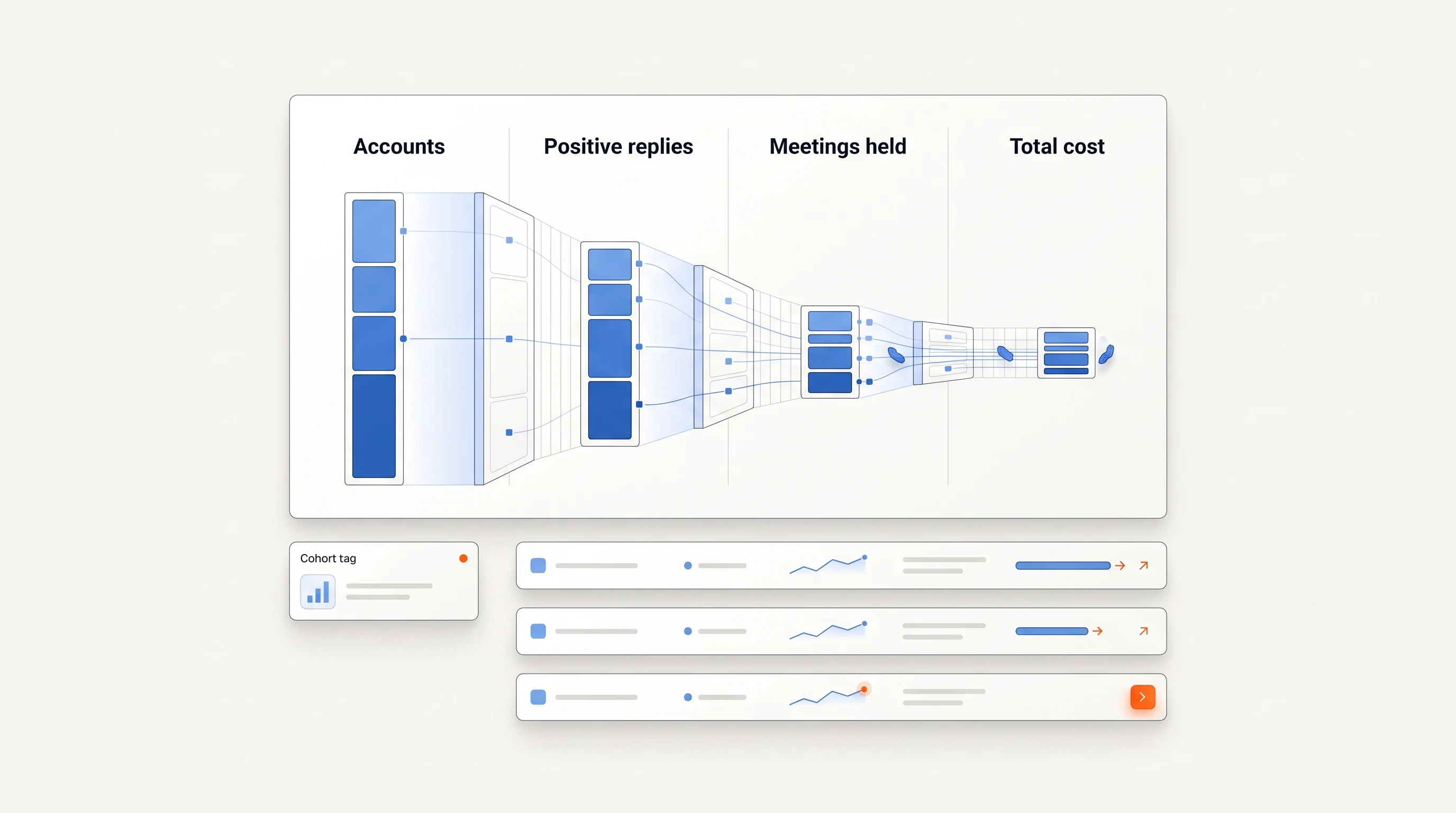
- Qualified lead or meeting held, as an early signal with enough volume to learn from.
- Qualified opportunity, with an estimated value if you can attach one.
- Closed-won deal, with the actual value, for reporting and value-based bidding where volume allows.
Each stage needs a reliable timestamp in the CRM and a way to match it to the original click. If your CRM does not record when a lead was accepted or a meeting was held, fix that first; the ad platform can only learn from what you record.
Use account signals to shape audiences and exclusions
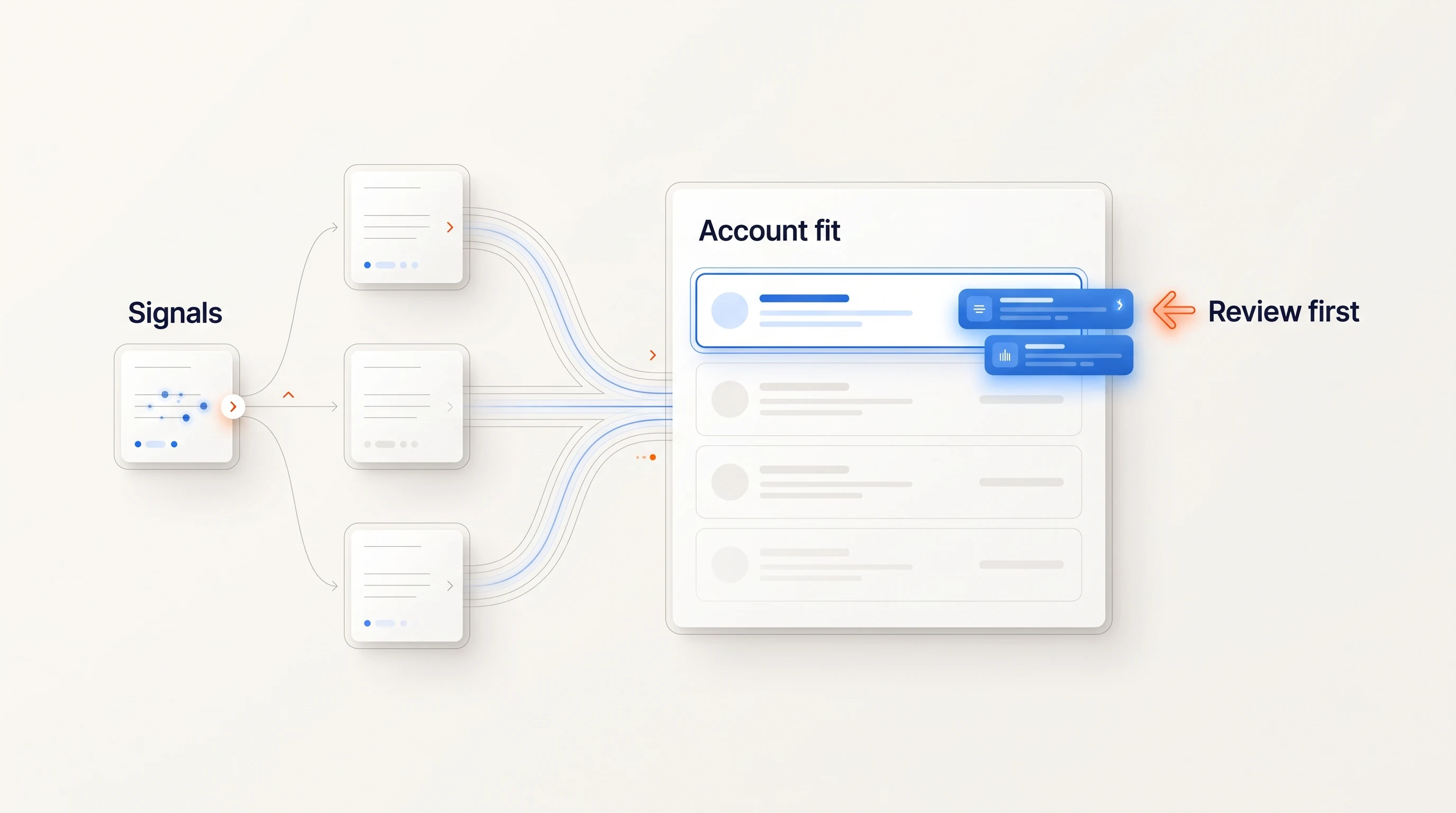
Behavioral signals on your own site are some of the strongest intent data you own. A pricing page visit is worth more than a blog visit, three pricing page visits in a week are worth more than one, and a visit to a competitor comparison page suggests the account is building a shortlist (Salesforge). Use those signals to build retargeting audiences and to prioritize which paid leads sales follows up first.
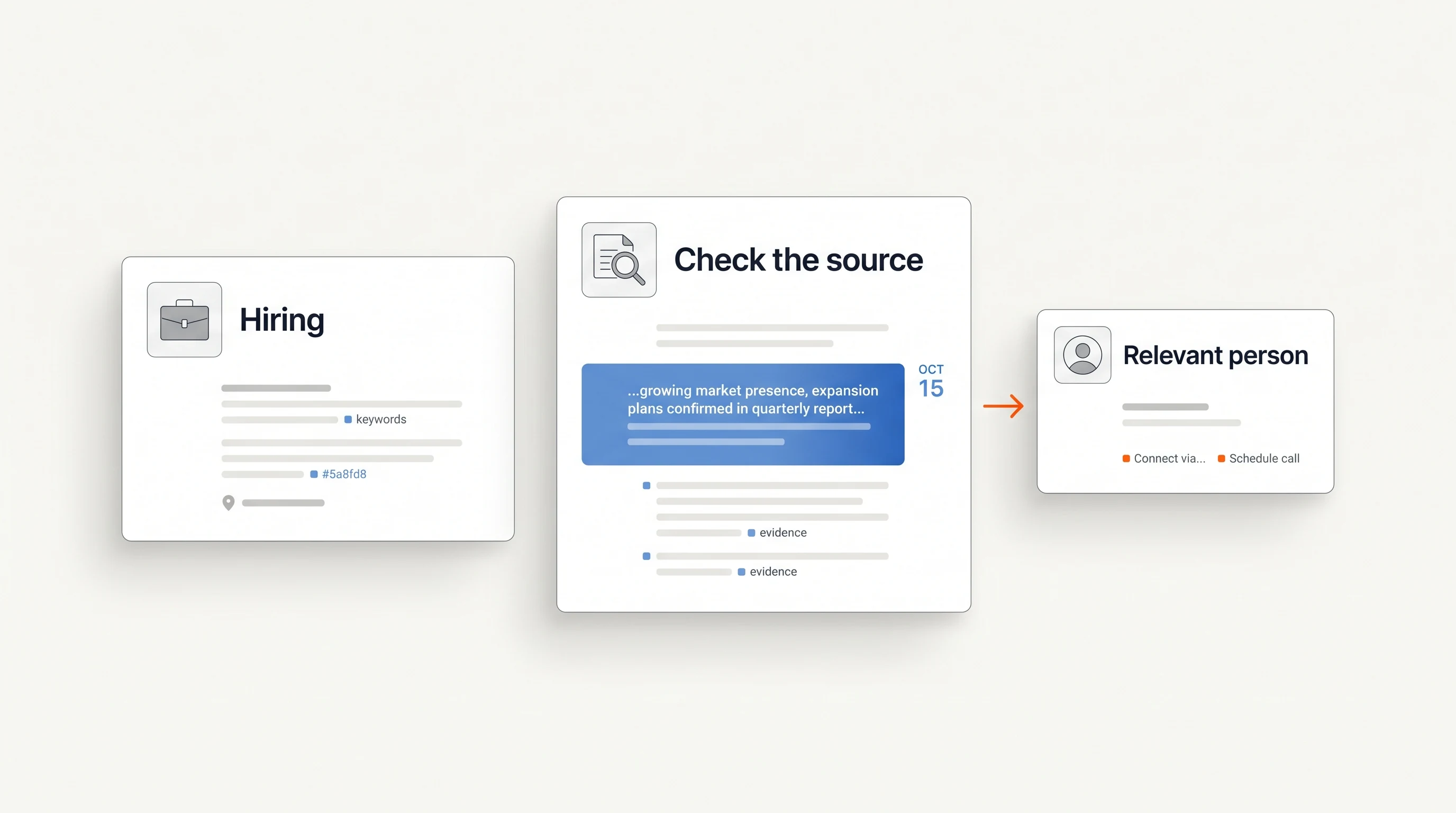
Public account signals, such as a company hiring for the function you sell to, help you decide which accounts belong in a target list for account-based ads. Exclusions matter as much as inclusions: remove current customers, accounts in open deals and contacts who opted out, so paid campaigns do not spend money on people your team is already talking to.
Where Perpetual fits
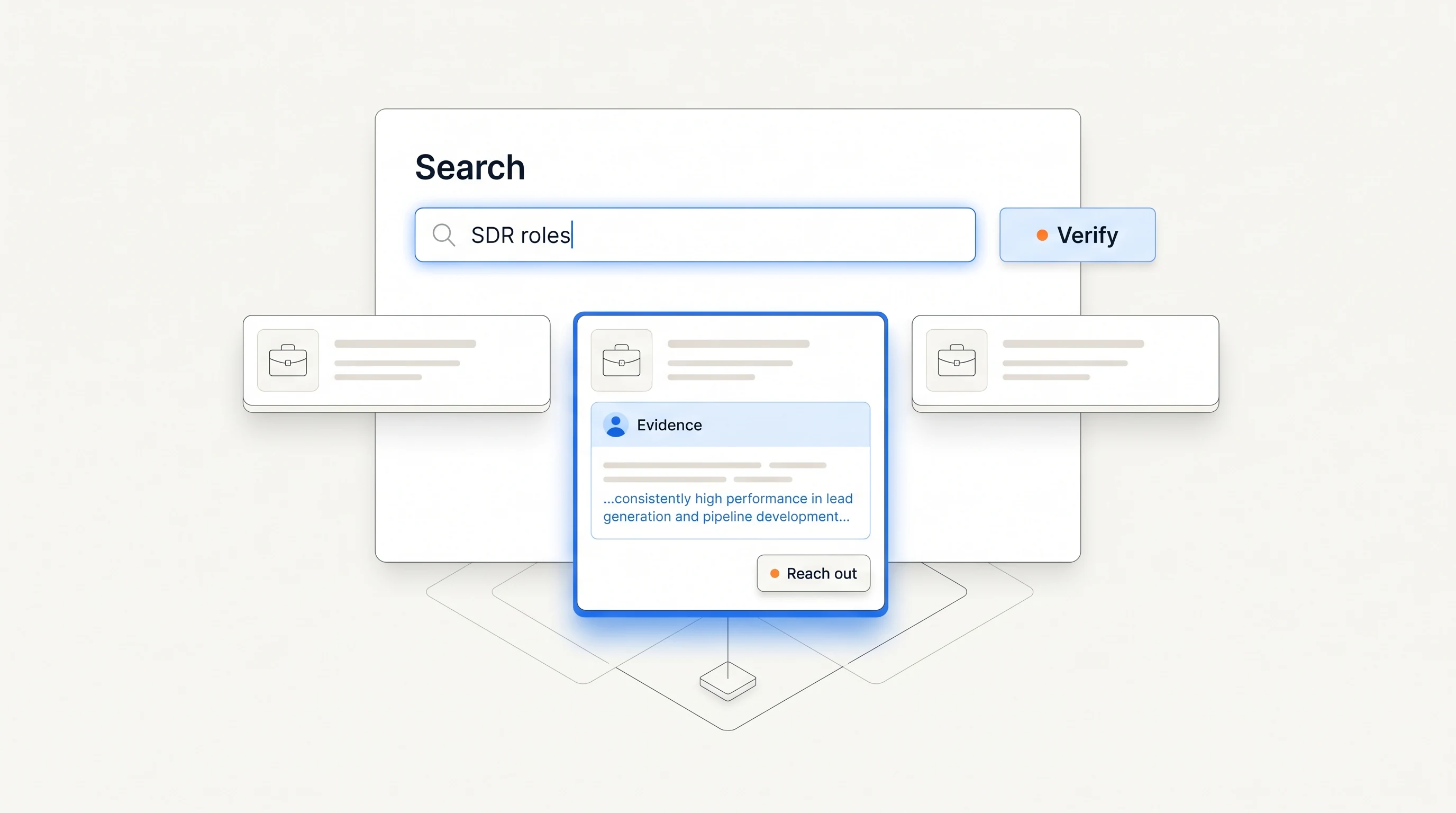
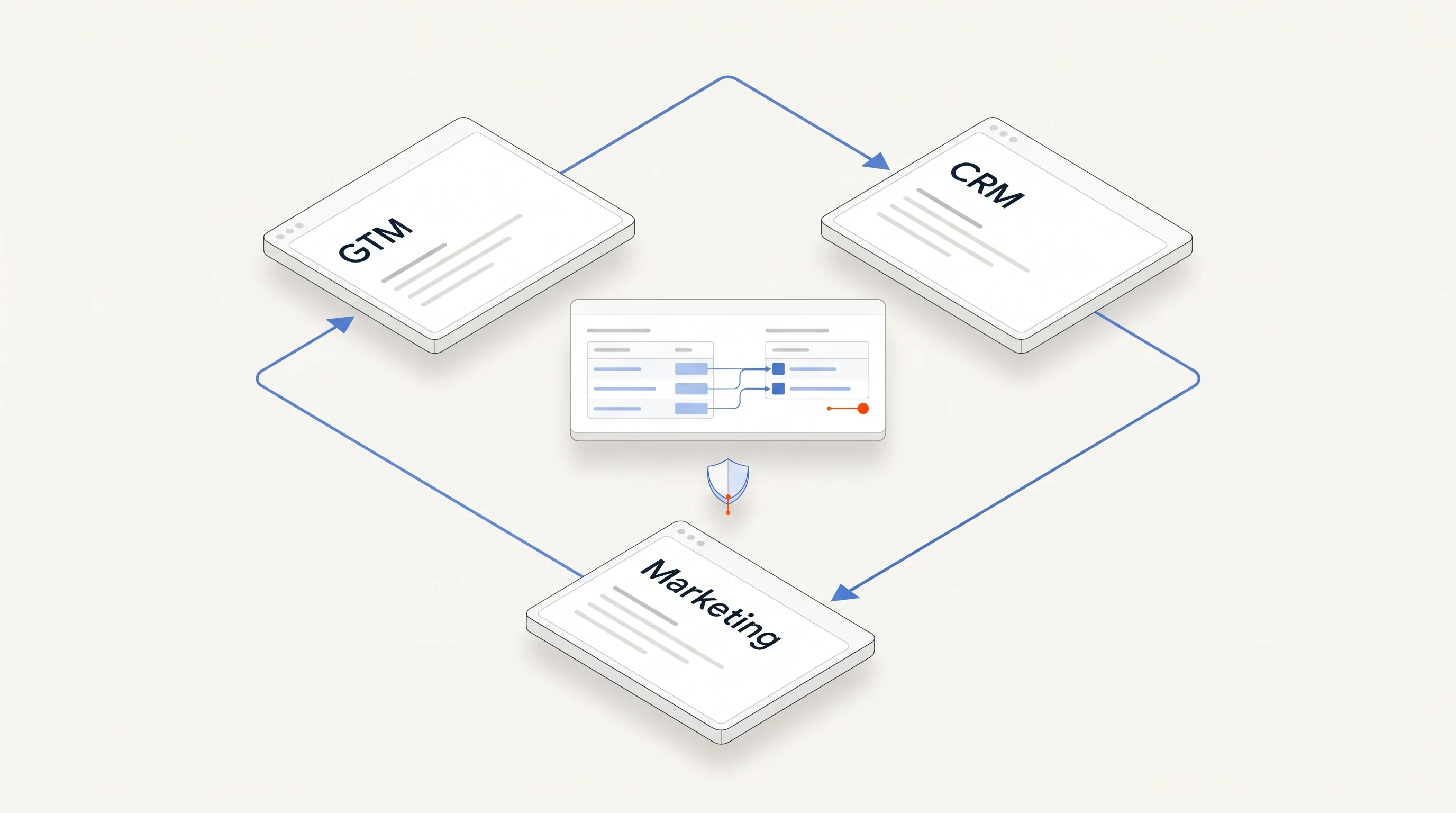
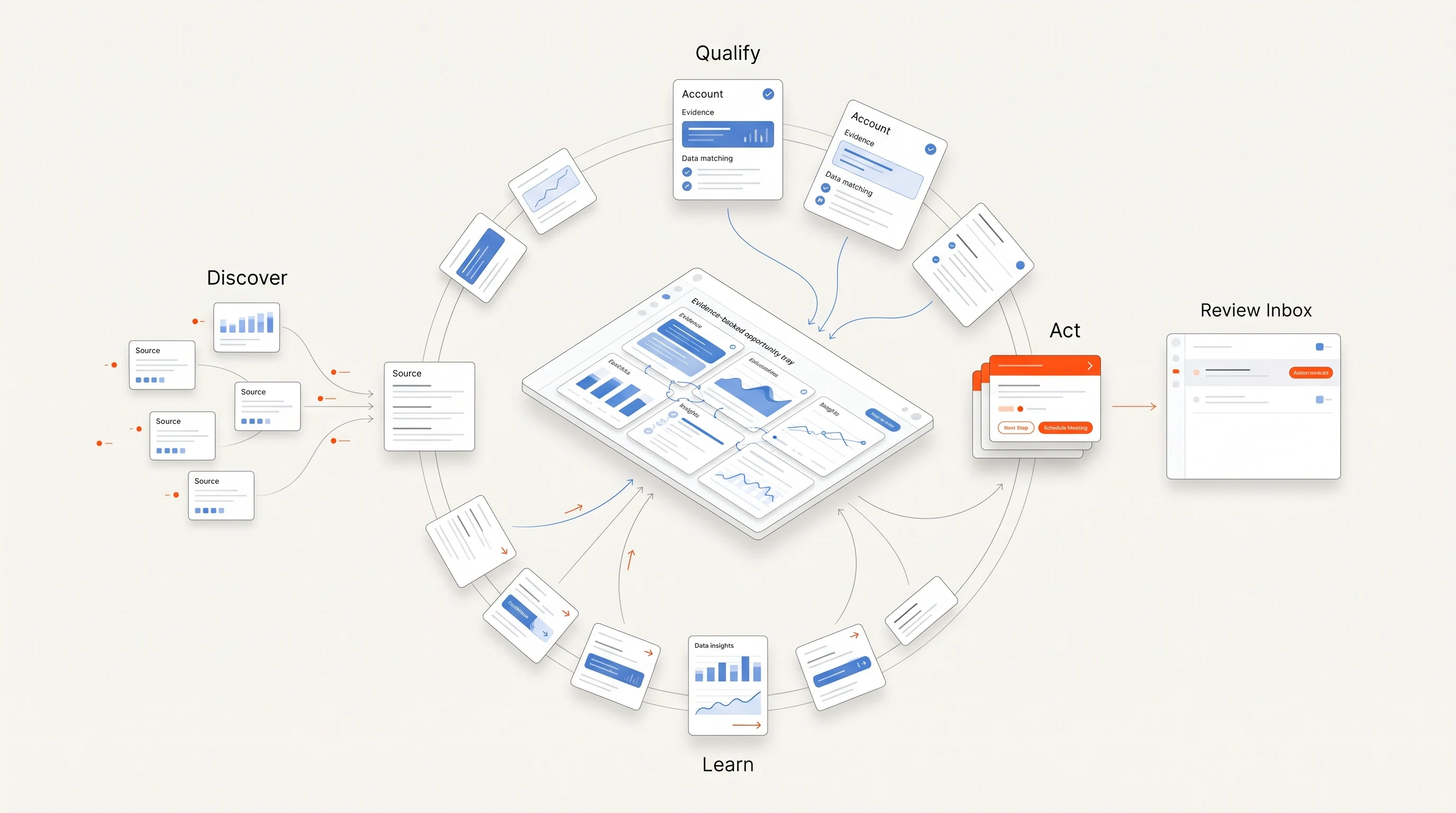
Perpetual does not run or optimize ad campaigns. It turns public hiring activity into qualified companies, selects one relevant person at each with an explanation, and sends grounded email from your own connected mailboxes within a saved sending policy. If you run paid campaigns and outbound into the same market, agree on one target account list and one set of exclusions, so the two motions support each other instead of contacting the same people twice.
Key takeaways
| Point | Detail |
|---|---|
| Signal quality is your lever | Platforms automate bidding and targeting; the conversions and values you send are still yours to control. |
| Value beats proxy metrics | Sending predicted or actual value tells the platform which customers are worth more. |
| Measure the right outcome | A signal change either changes who you acquire or lowers cost for the same users; set the comparison in advance. |
| B2B needs pipeline signals | Send qualified meetings, opportunities and closed deals back as offline conversions, and exclude customers and open deals. |
Frequently asked questions
What is signal engineering in paid acquisition?
Signal engineering is the practice of choosing, cleaning and valuing the conversion events you send to ad platforms, so their algorithms optimize toward outcomes that matter to the business rather than cheap proxies.
Should a B2B company optimize ads for form fills?
Usually not on their own. Form fills are plentiful but noisy. Sending later stages, such as qualified meetings and opportunities, gives the platform a better picture of which clicks turn into pipeline.
Can sales prospecting signals help paid campaigns?
Yes. Account-level signals, such as hiring for a relevant function or repeated pricing page visits, can shape target account lists and retargeting audiences, and the same customer and open-deal exclusions should apply to both motions.
Sources
- https://www.voyantis.ai/blog/in-the-age-of-ad-automation-signal-quality-is-your-biggest-advantage
- https://admiral.media/signal-engineering-in-performance-marketing-buzzword-or-secret-weapon/
- https://funnel.io/blog/signal-engineering
- https://www.voyantis.ai/blog/how-coinbase-uses-signal-engineering-to-bid-on-pltv-in-a-market-that-moves-by-the-hour
- https://www.voyantis.ai/blog/the-two-outcomes-of-signal-engineering-what-to-expect-and-how-to-measure-it
- https://help.airbridge.io/en/guides/signal-hold
- https://www.salesforge.ai/blog/signal-based-prospecting