Skip to content

JournalEvaluationNo. 19

AI-Powered Go-to-Market Platforms for B2B SaaS Pipeline Generation: What to Compare

Compare AI GTM platforms for B2B SaaS: four categories, limits on AI decisions, sending controls and questions to ask before buying.

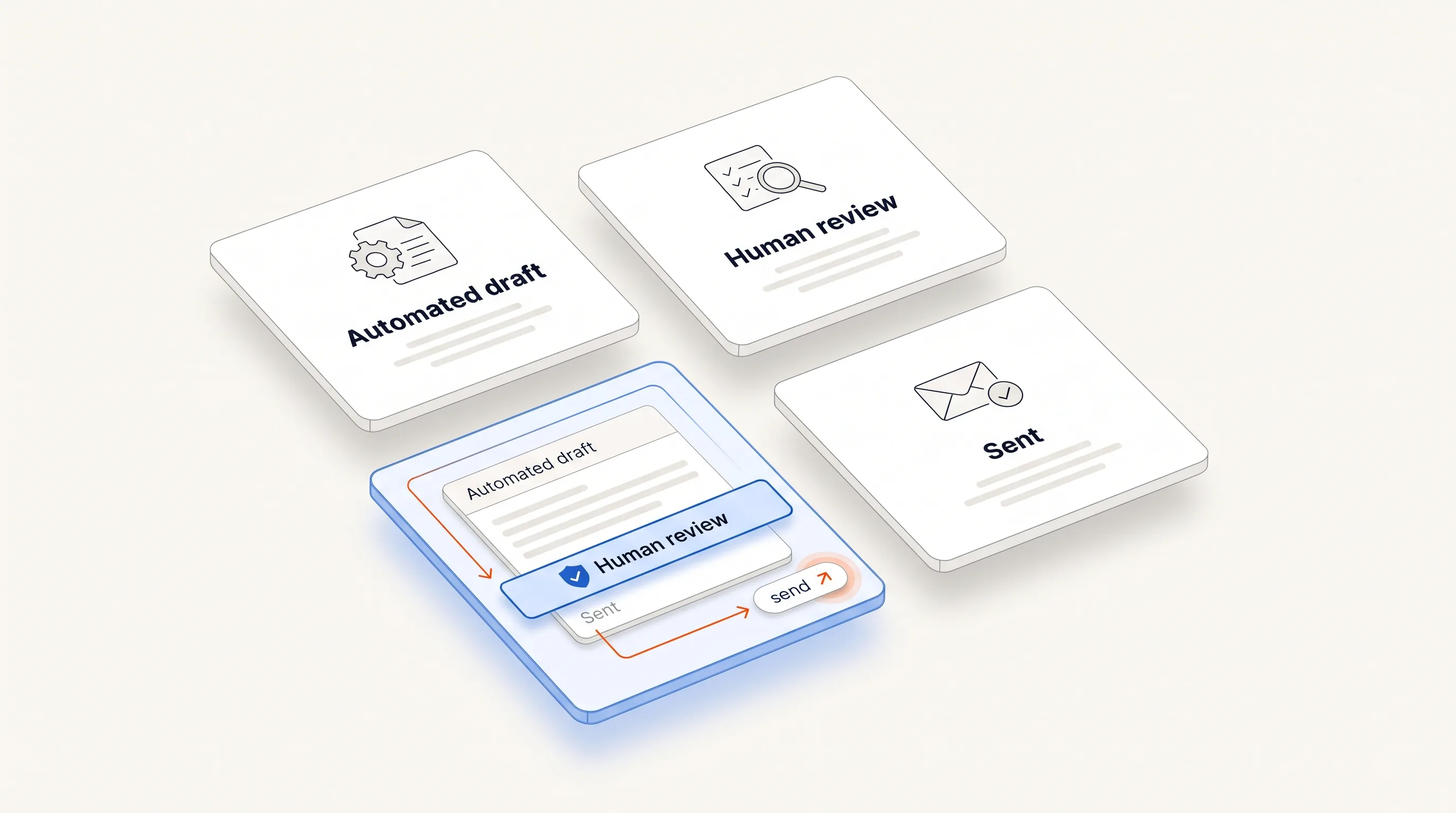
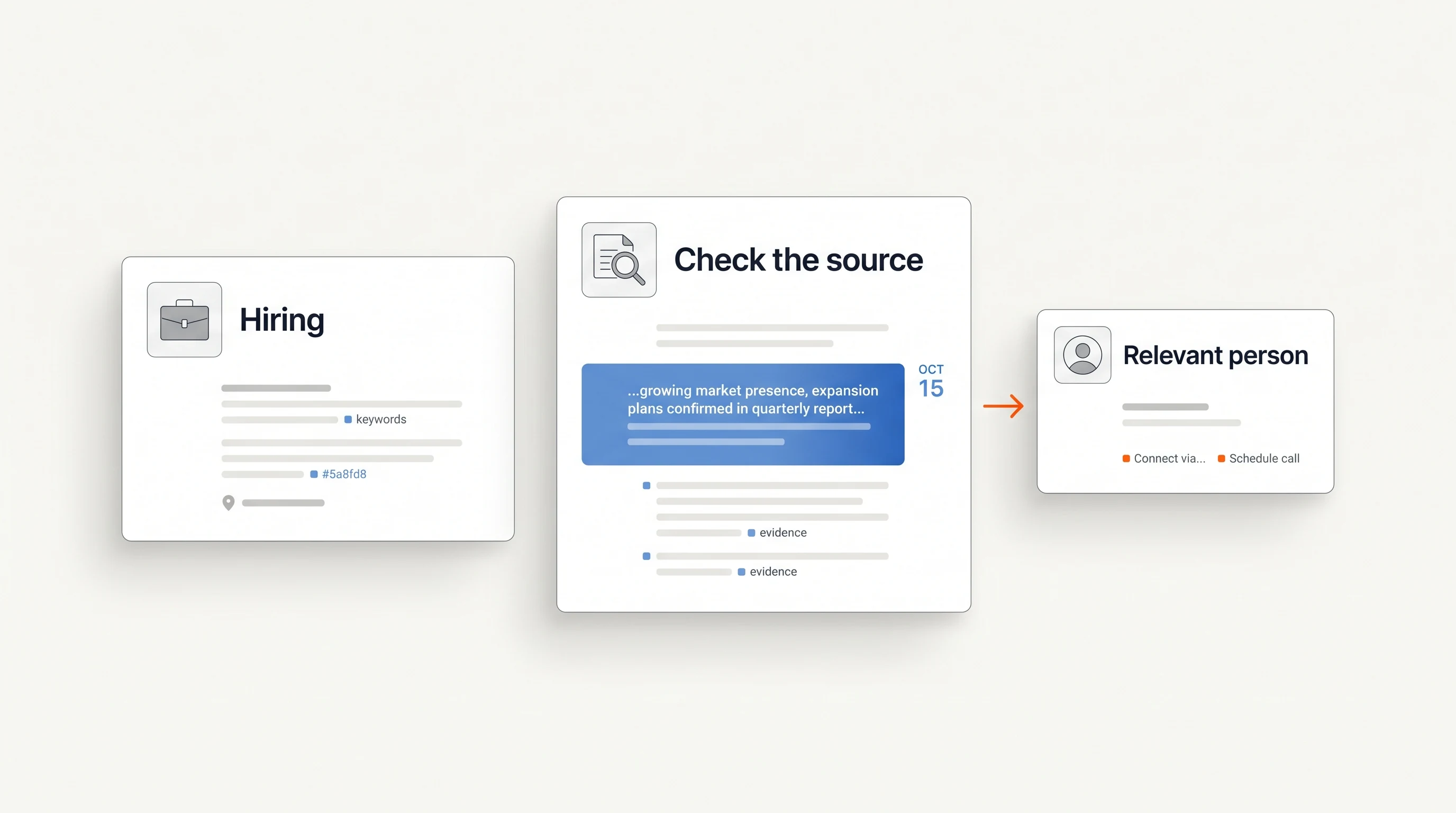
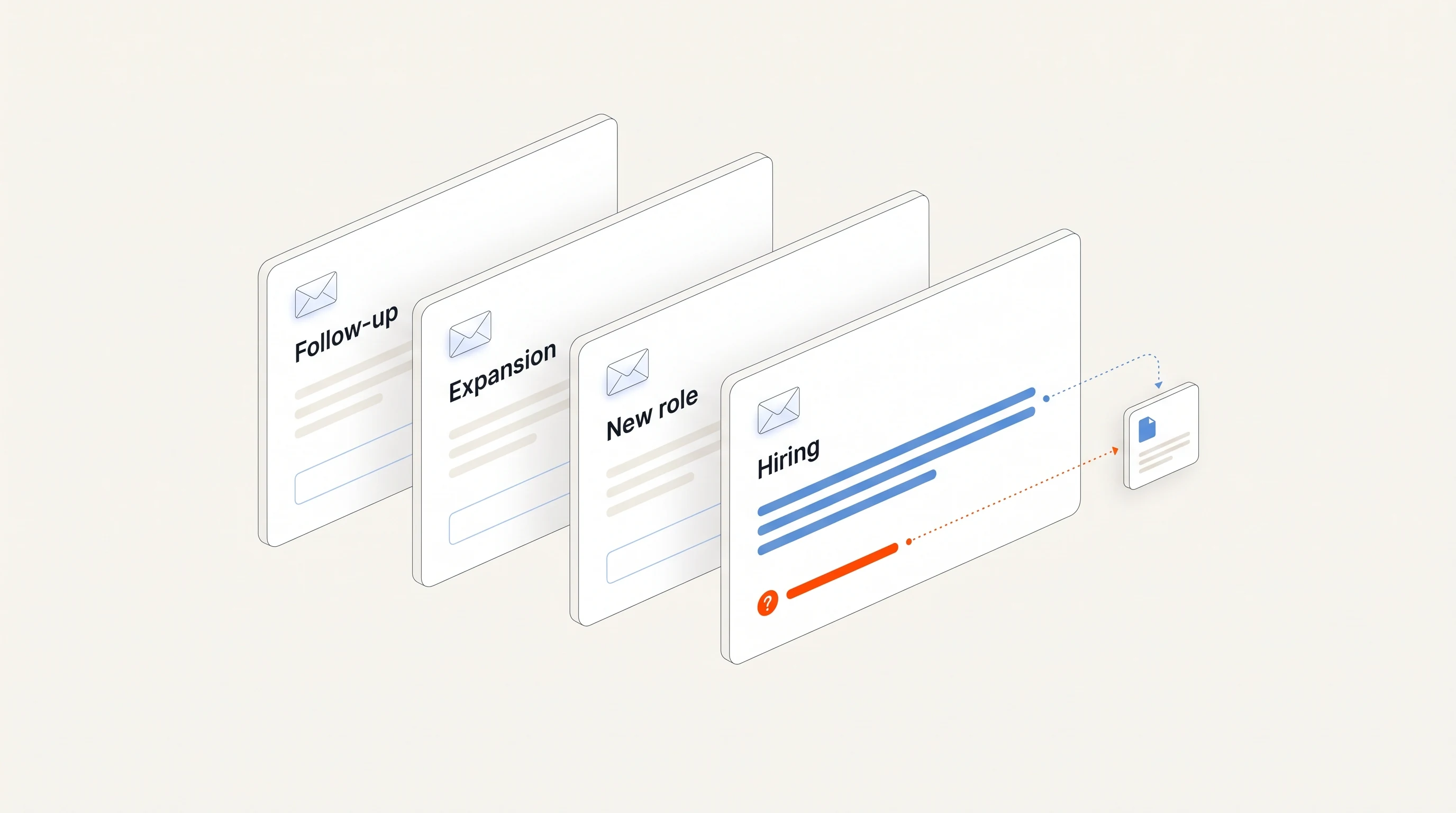
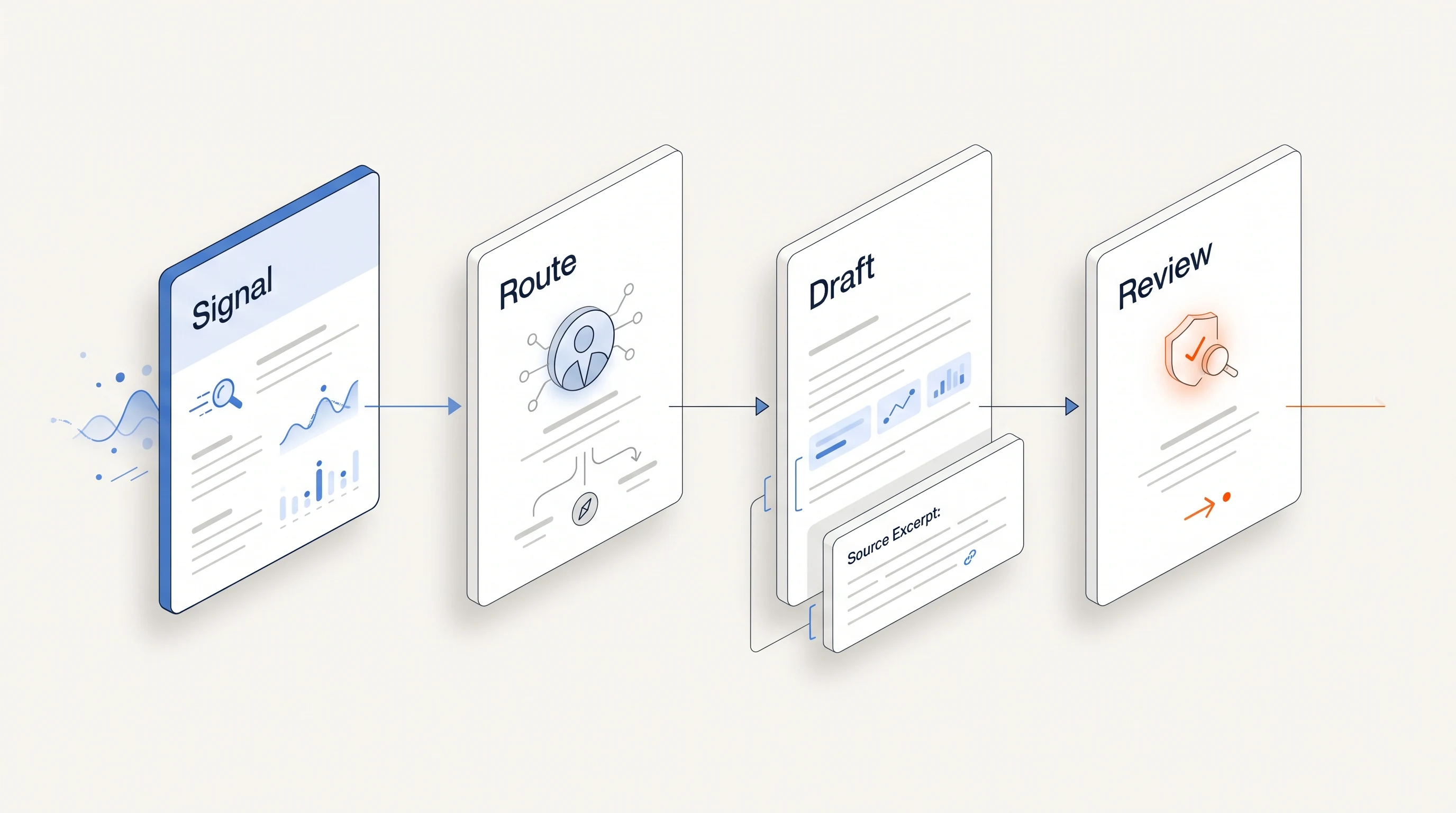
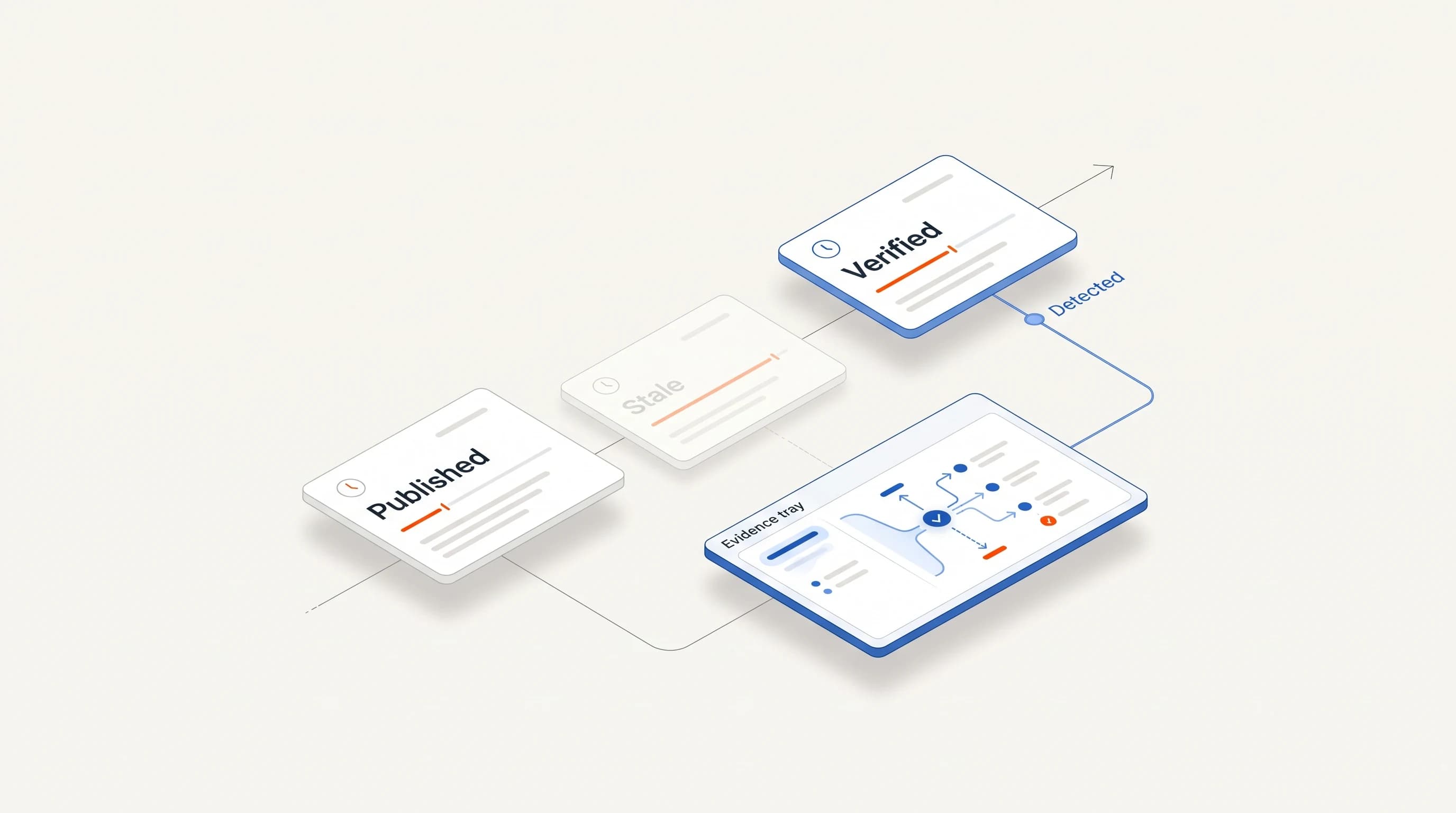
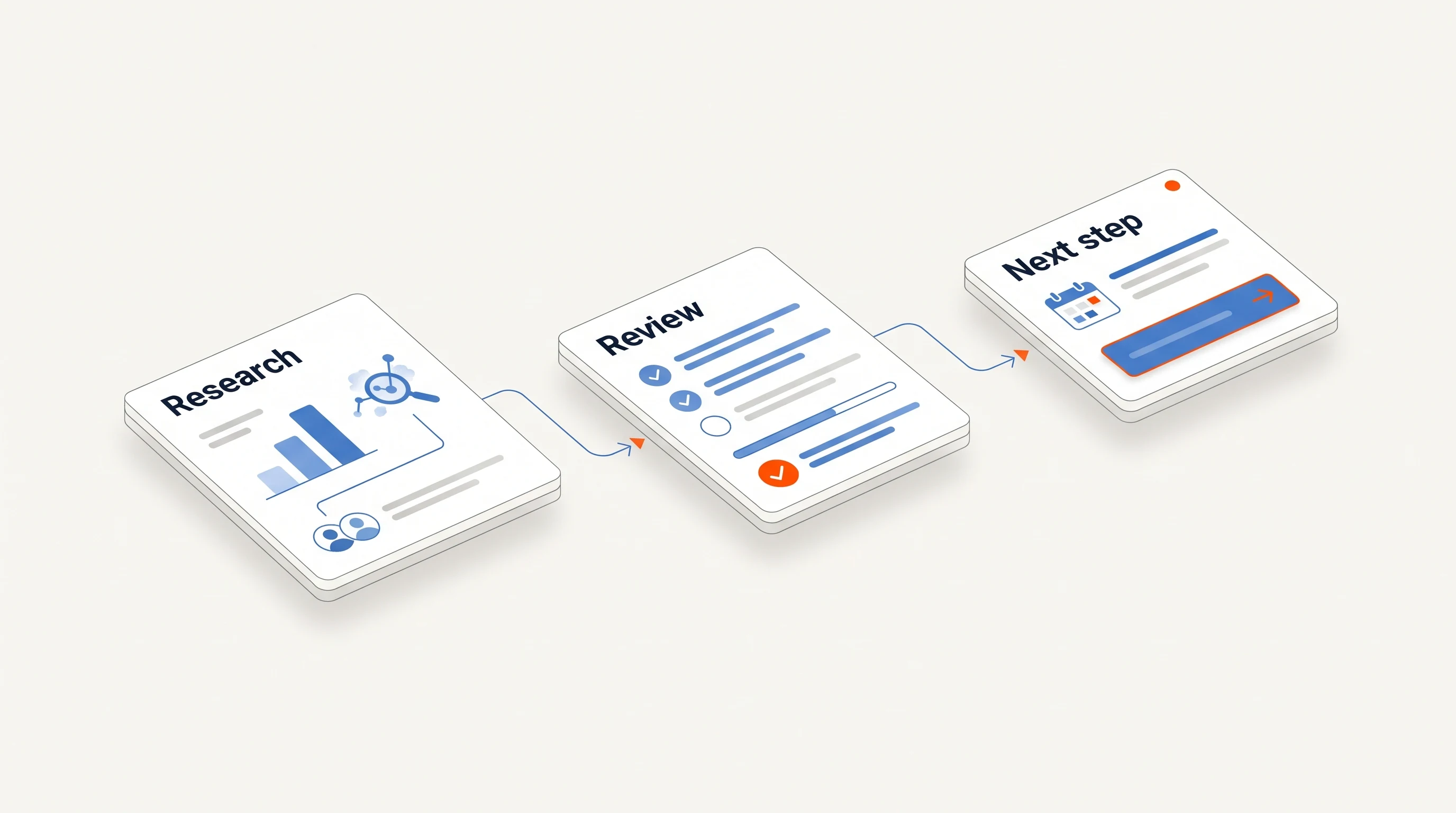
An automated draft passes a human review gate before it is sent.
Contents
  1. 01What an AI GTM platform actually does
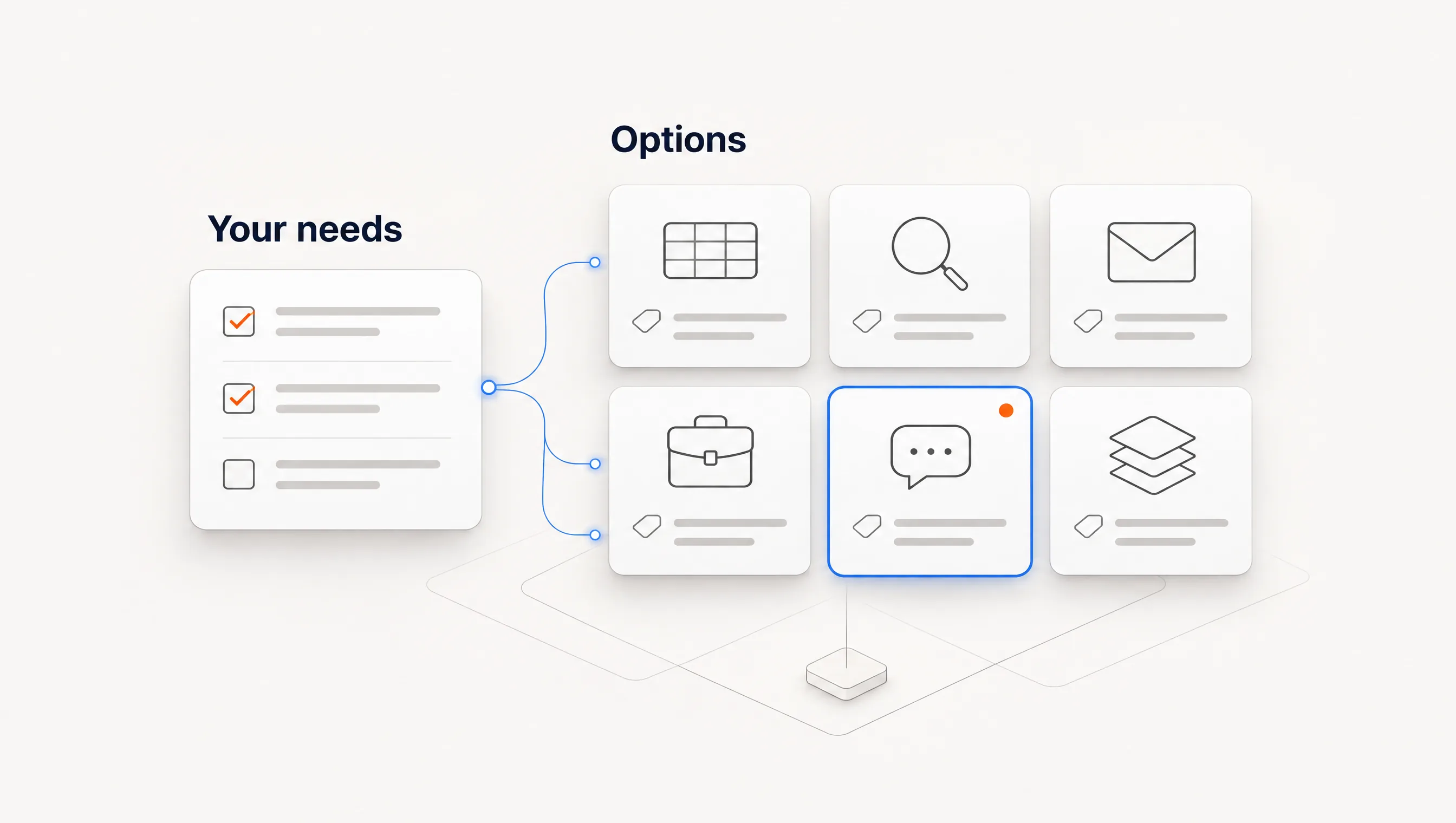
  2. 02Four categories of platform
  3. 03What AI should and should not decide
  4. 04Autonomous or review before send
  5. 05Questions to ask every vendor
  6. 06How to run a pilot
  7. 07Where Perpetual fits

Published by Perpetual

"AI go-to-market platform" covers very different products: tools that send messages on their own, tools that find accounts, tools that enrich data and tools that orchestrate all of it. For a B2B SaaS team that wants more pipeline, the useful comparison is not which platform has the most AI. It is which decisions the AI makes, which decisions stay with a person, and whether you can see why a lead was chosen. This guide sorts the category into four types and gives you the questions to ask each.

Three things to know

  • Group platforms by the job they do (finding accounts, enriching data, orchestrating outreach, working inside your CRM) before you compare features.
  • The most important design question is where a person approves. Fully autonomous sending and review-before-send are different products with different risks.
  • Performance figures on vendor pages are claims. Ask for a pilot on your own segment instead of relying on a published lift.

What an AI GTM platform actually does

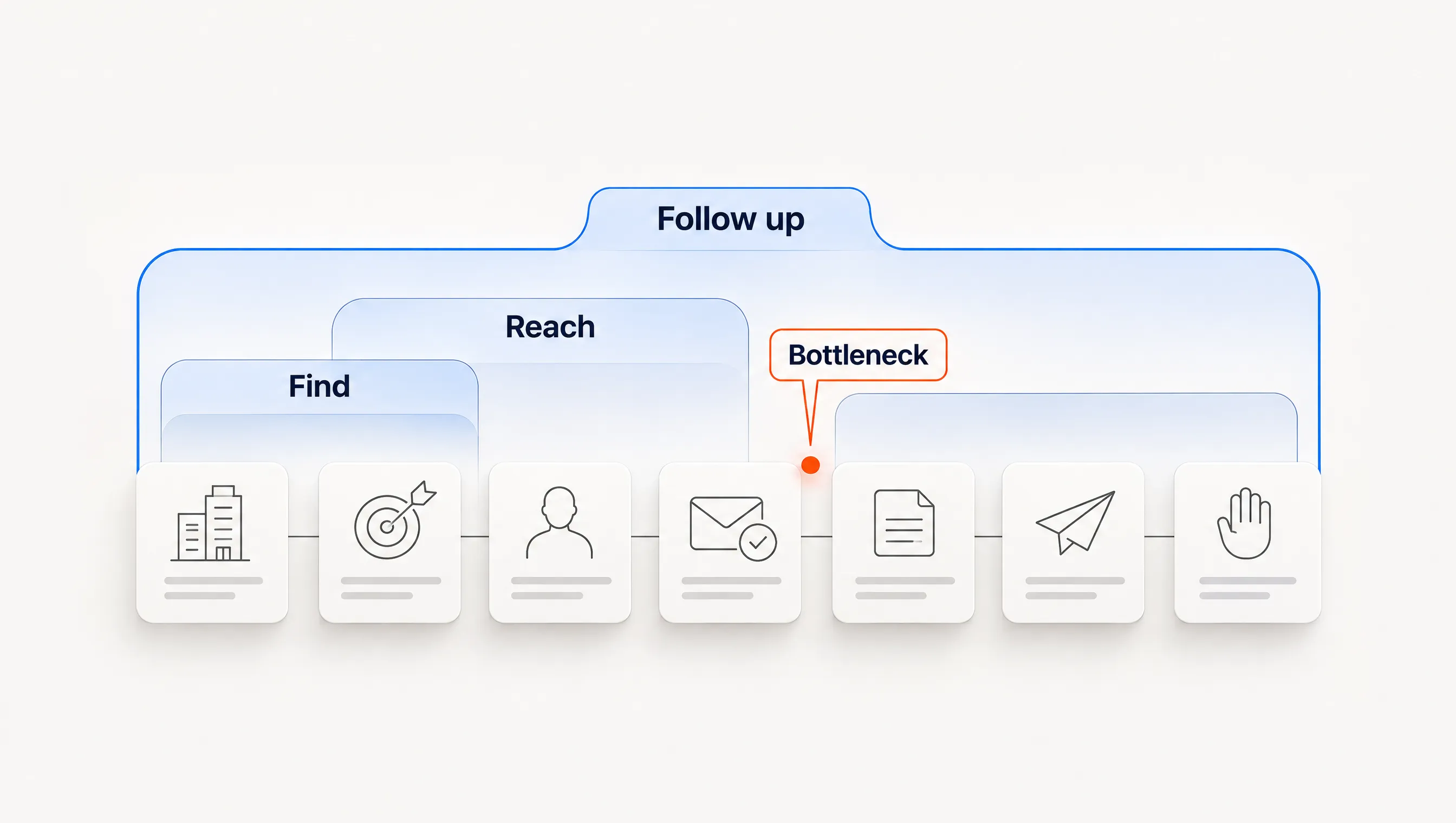
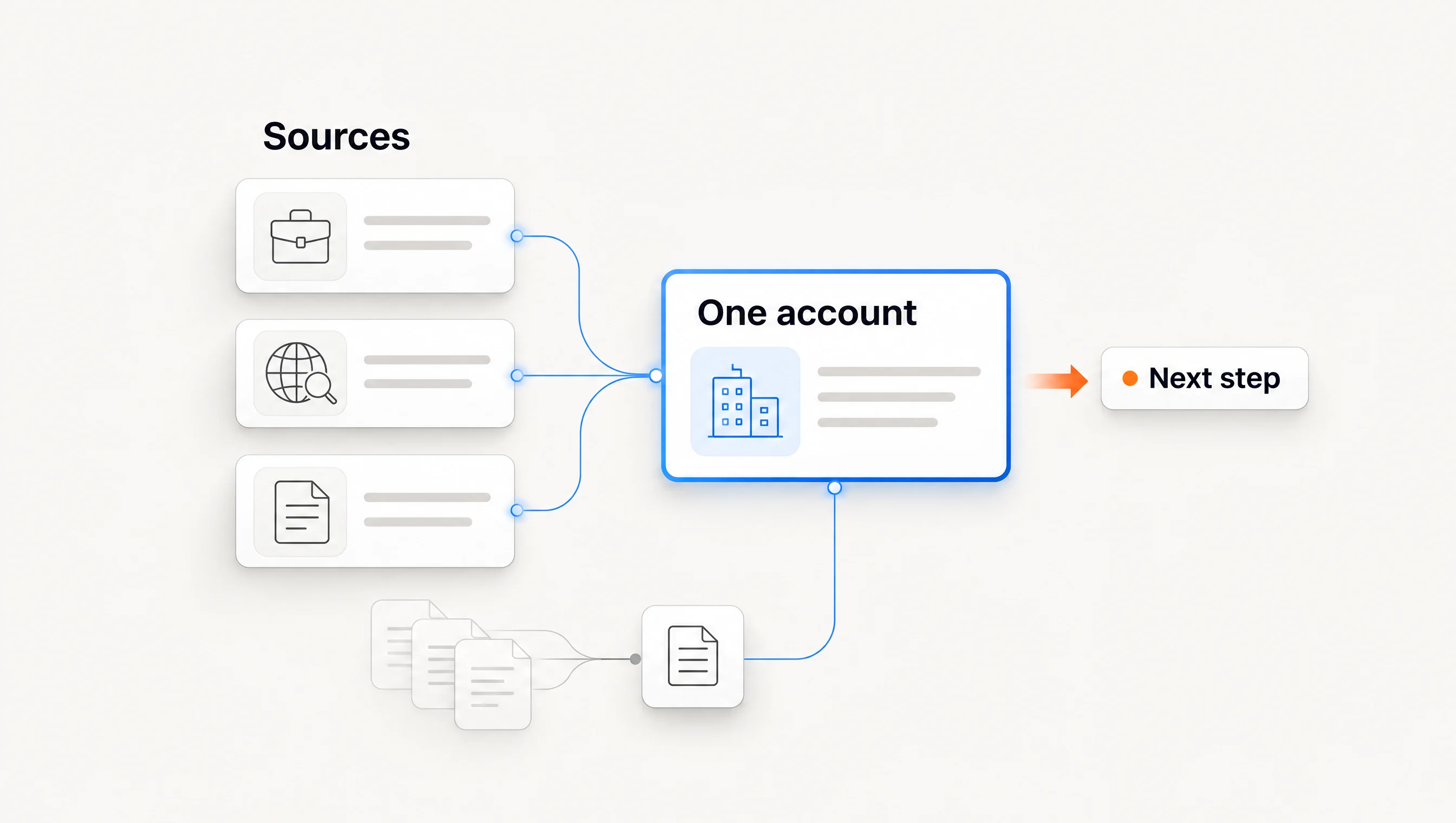
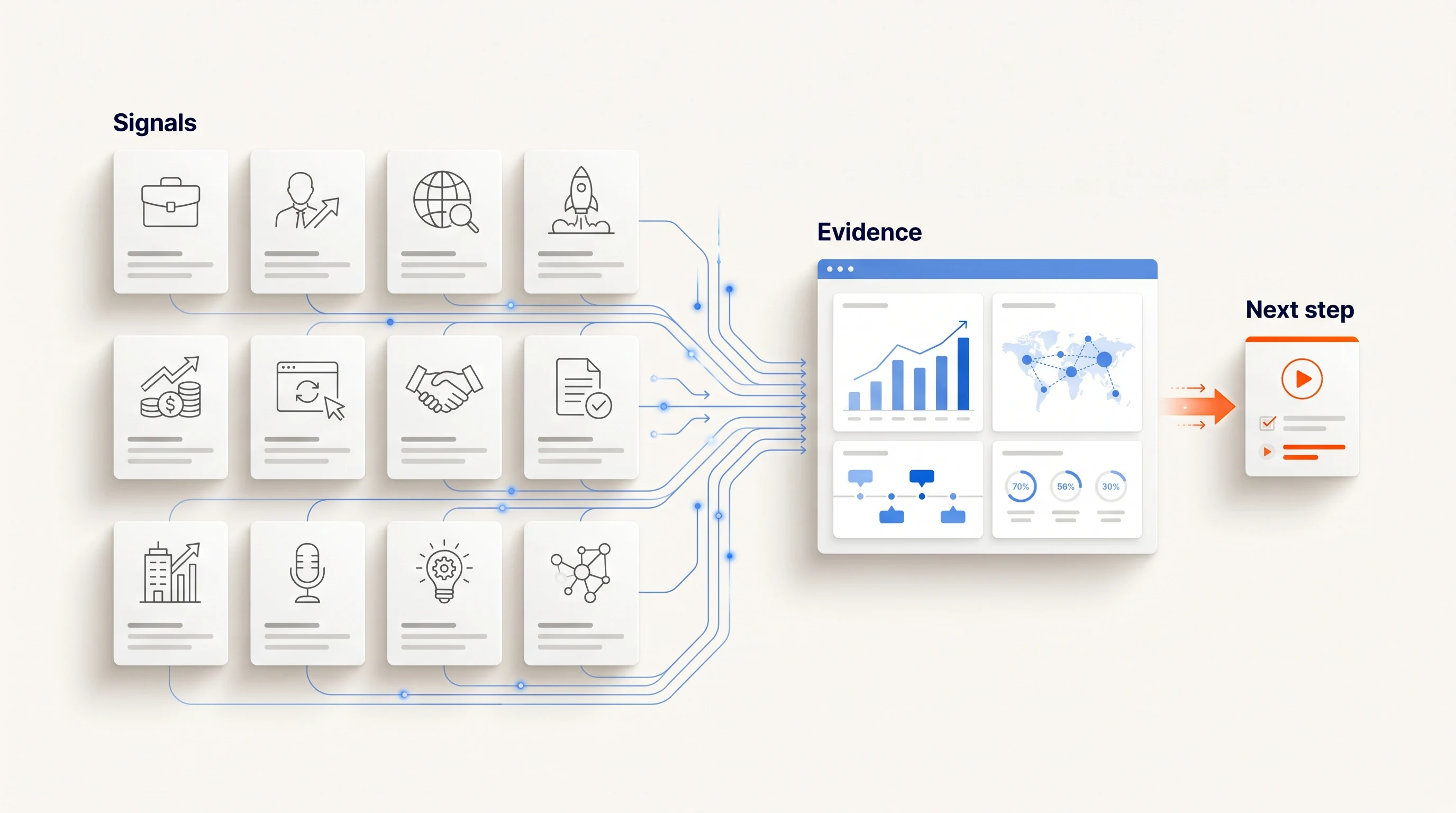
A go-to-market platform covers some or all of five jobs: deciding which companies to pursue, finding the right person, understanding what is happening at the account, writing a message and sending and following up. "AI" can sit in any of these. In some products it only drafts text. In others it chooses accounts, writes messages and sends them with no review step.

That difference matters more than the label. Unify describes its own product as "AI for sellers, not an autonomous AI SDR that replaces them" (Unify), which shows that even within the category vendors position themselves differently on autonomy. Landbase markets agent teams on its blog, with a strategist agent, a sales rep agent and others, and cites vendor-reported conversion lifts and cost reductions (Landbase). Neither claim has been independently verified, and both are useful as a description of how each vendor thinks about the job.

Four categories of platform

CategoryWhat it doesWhere it tends to fall short
Autonomous agent platformsChooses accounts, writes and sends outreach with limited human inputHard to inspect why a lead was chosen; mistakes can reach prospects before anyone sees them
Signal and account platformsWatches accounts for changes and prioritizes themYou still need to decide and write the outreach
Data and workflow buildersCombine data sources and enrichment into your own flowsNeed someone to build and maintain them
CRM and engagement suitesSequence and track outreach inside the system of recordSignal detection is often an add-on

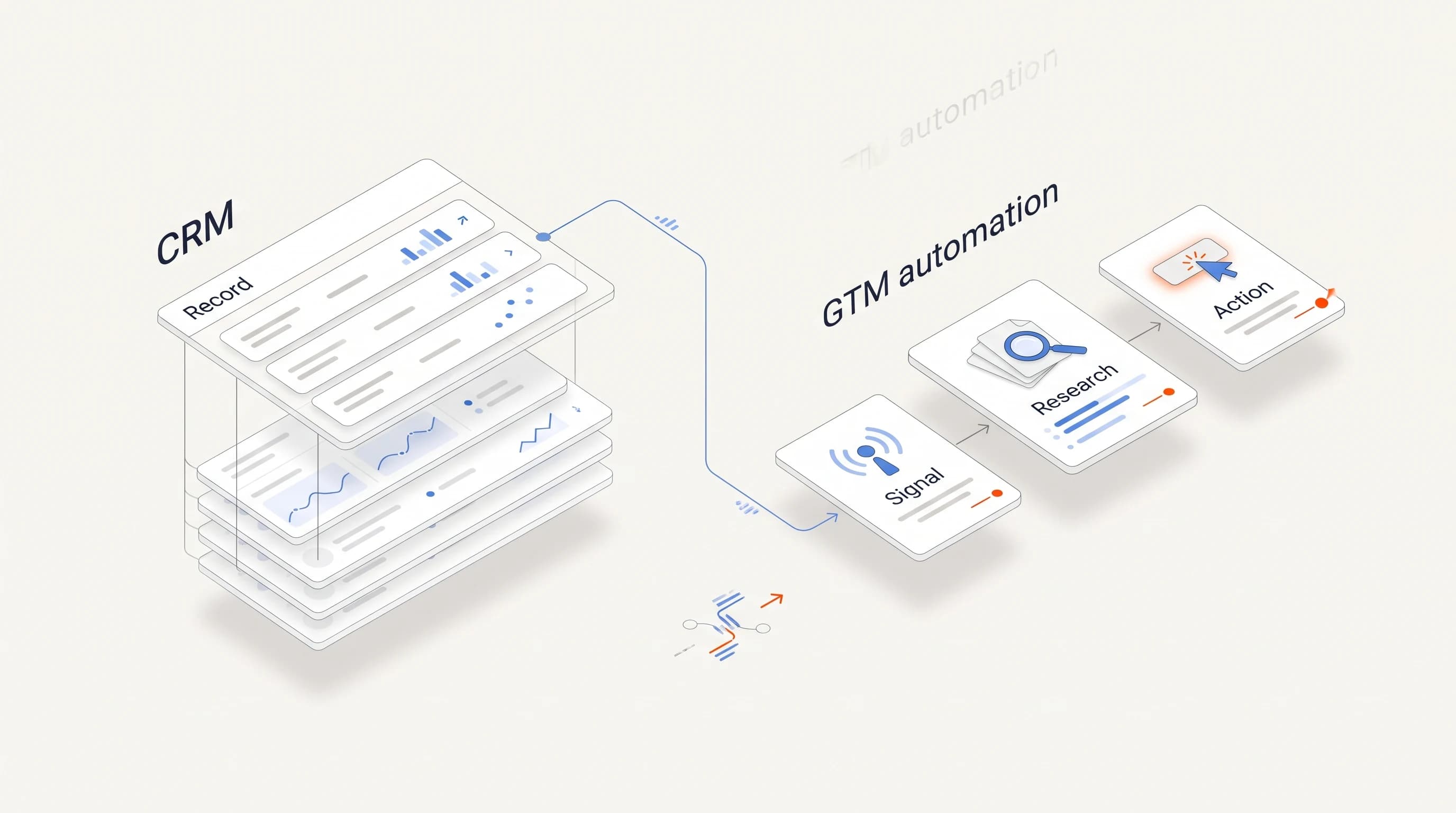
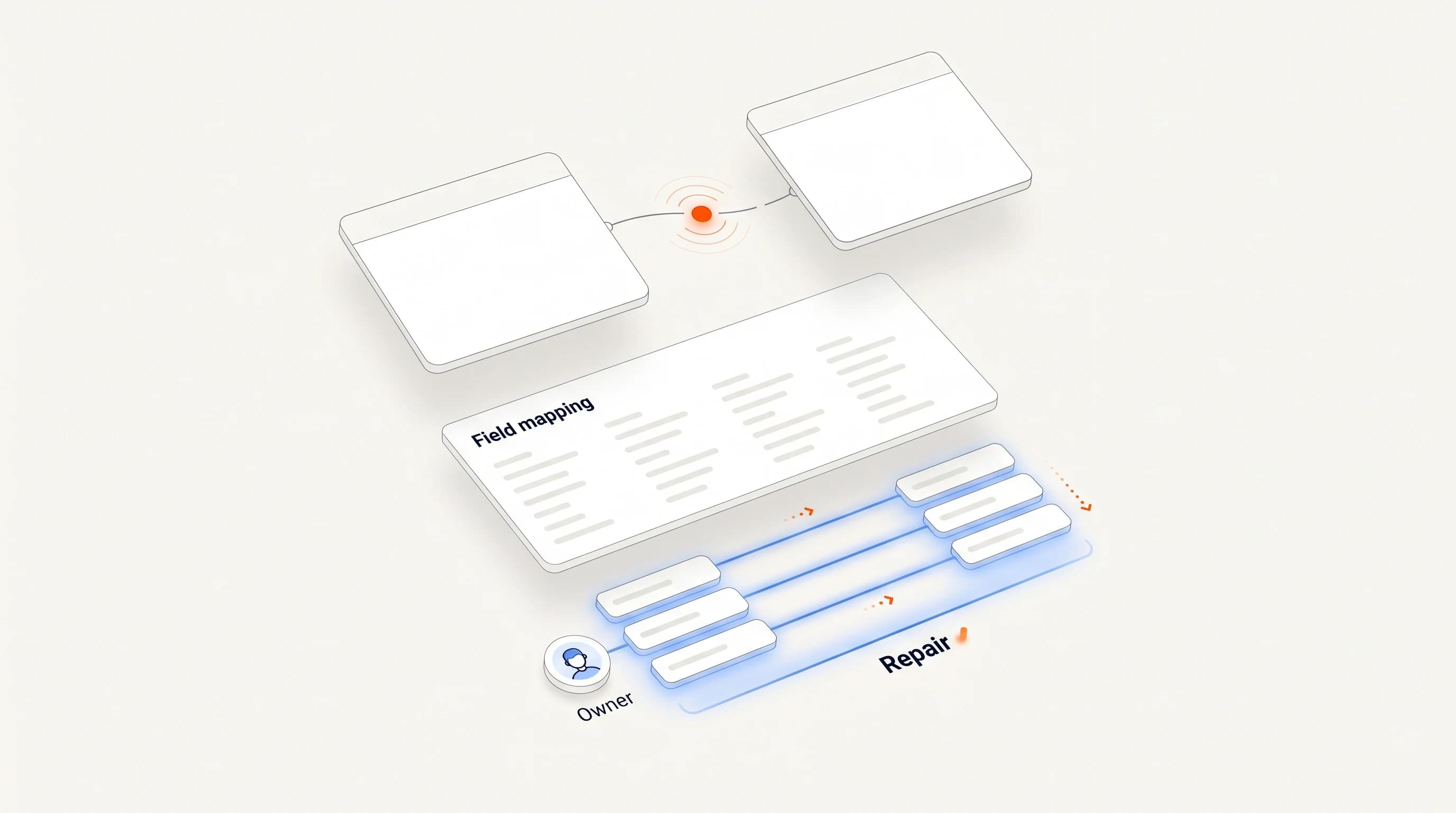
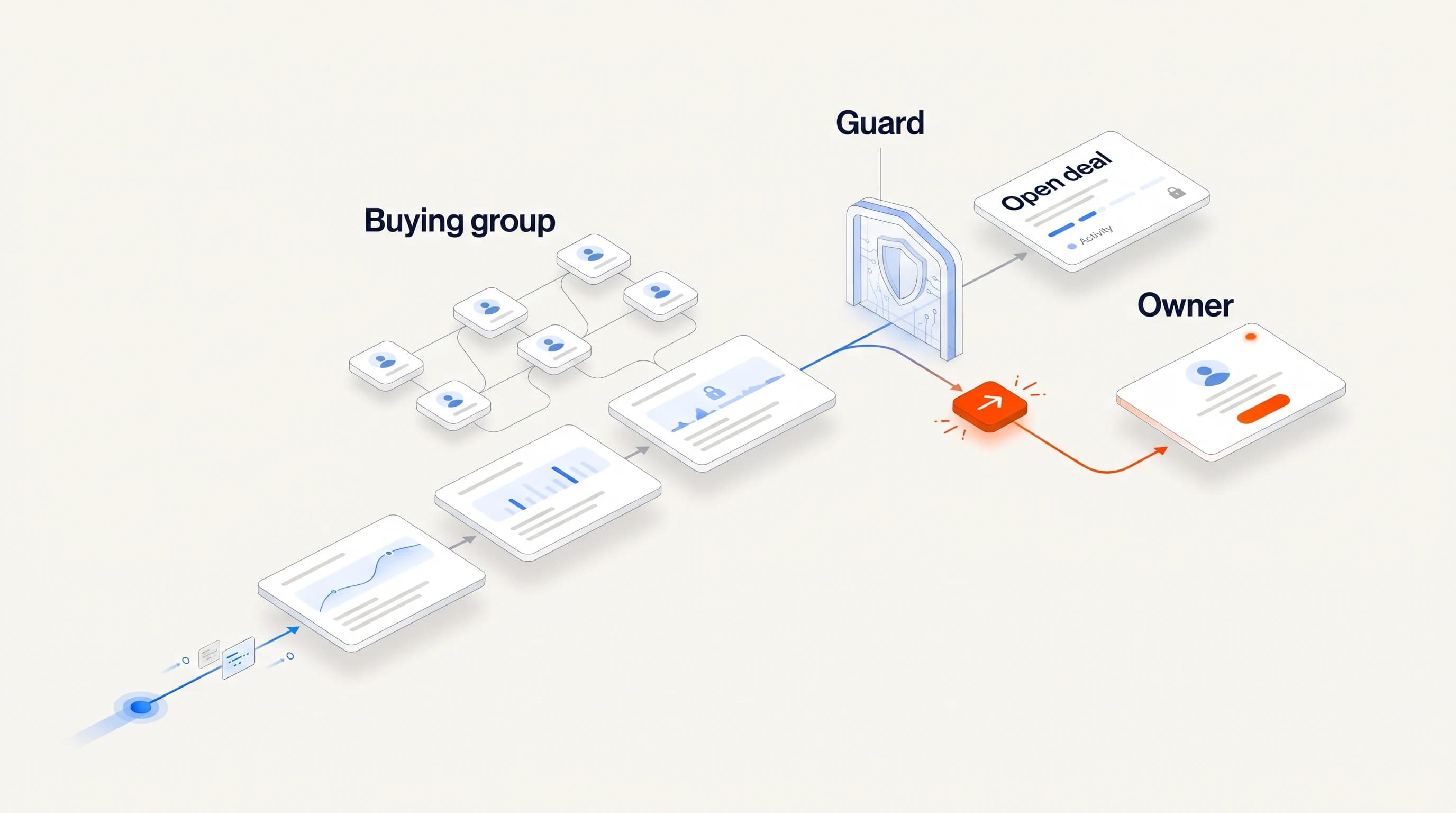
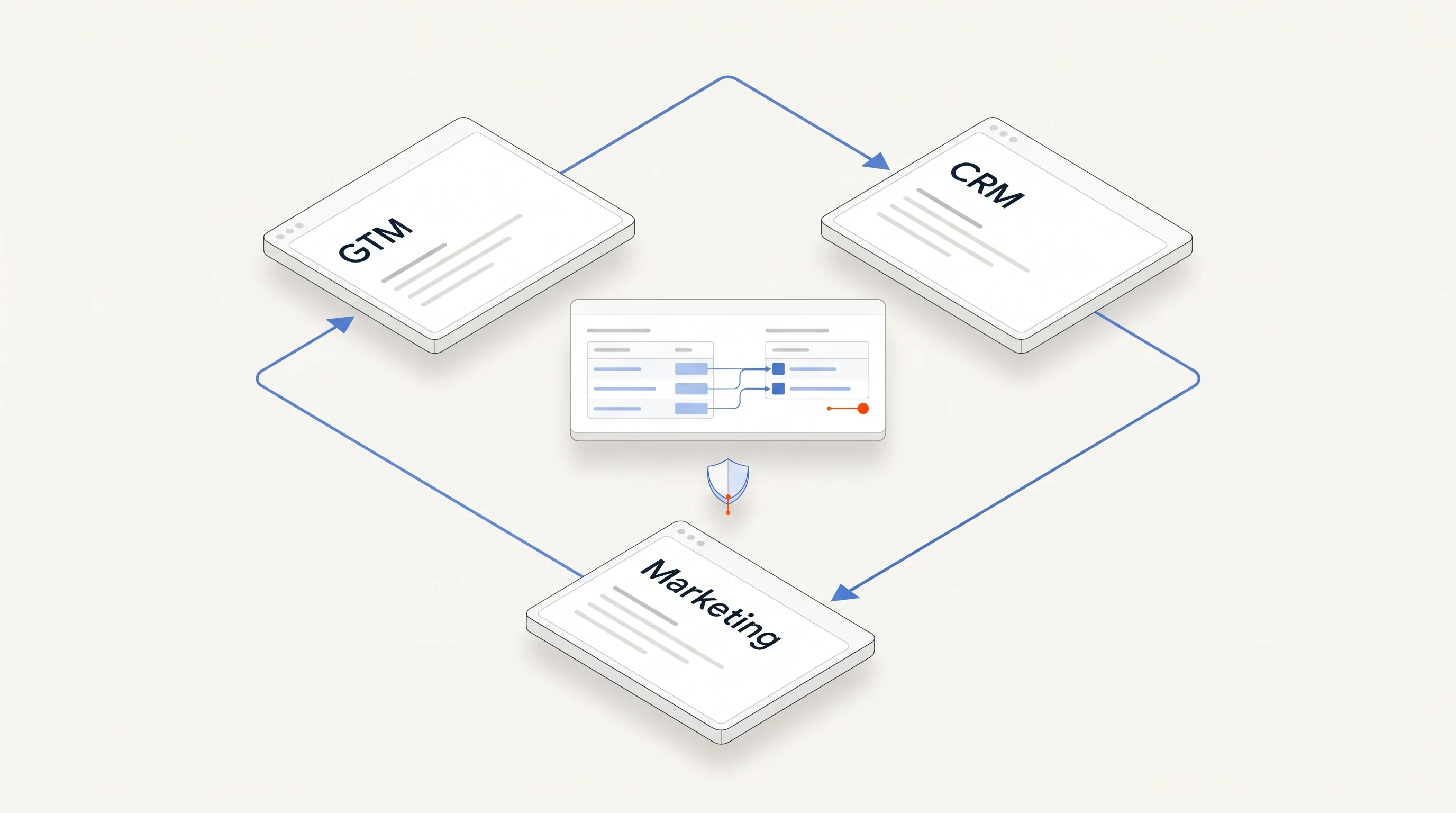
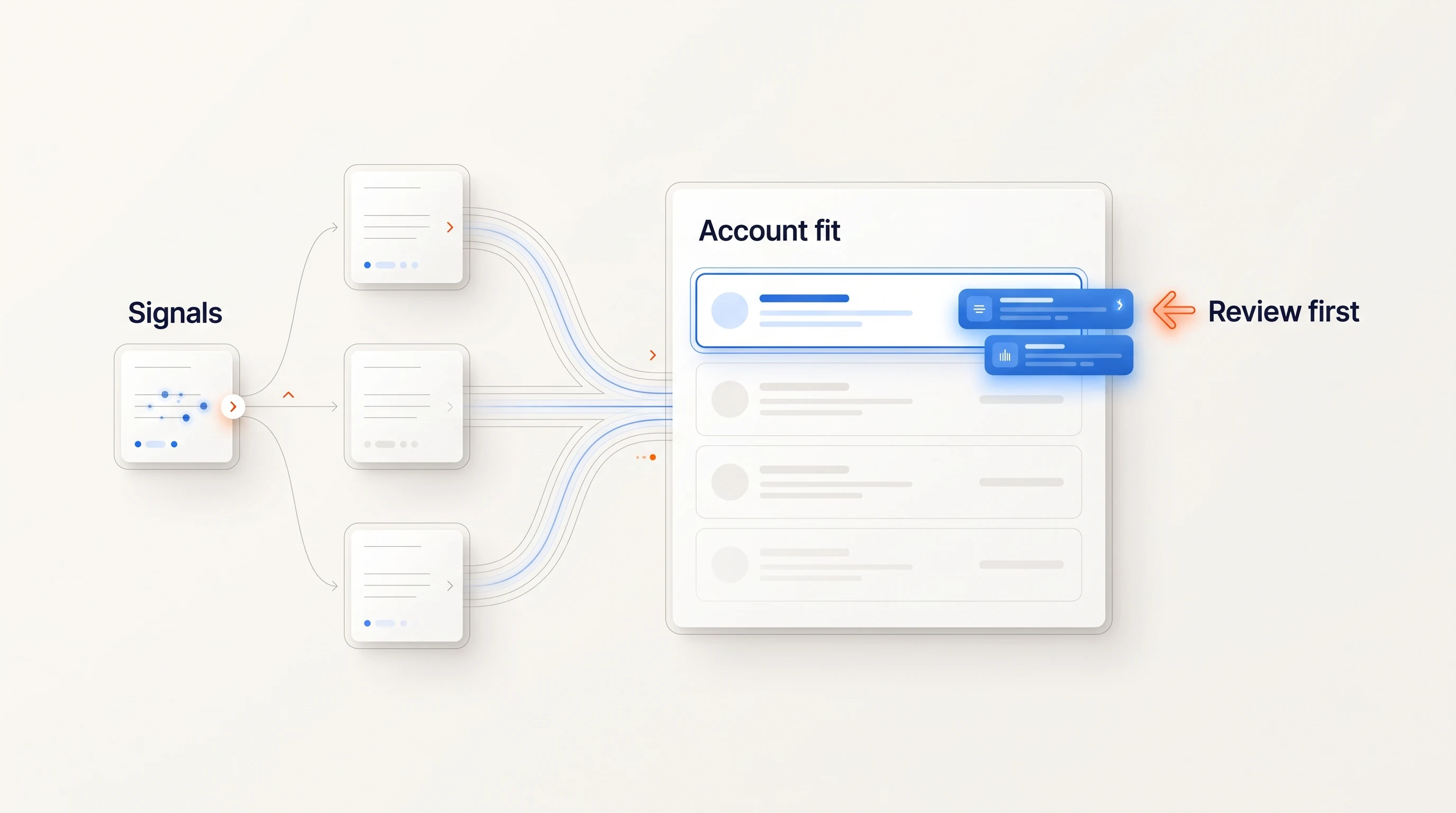
Most B2B SaaS teams end up with a combination: a signal source, a place to review, and the CRM as the record. Our guide on CRM vs. a dedicated GTM platform explains which layer does which job, and unified platforms covers what changes when signal detection and deal progression live in one system.

What AI should and should not decide

A practical rule is to let AI do the work that is easy to check and keep a person on the decisions that are expensive to reverse.

  • Good fits for AI: summarizing a company page, extracting what a job posting asks for, suggesting which of your offers is relevant, drafting a first version of a message.
  • Keep deterministic or human: which accounts qualify, how leads are ranked, whether a message is sent, and anything that counts or totals. A ranking you cannot reproduce is hard to trust and hard to debug.
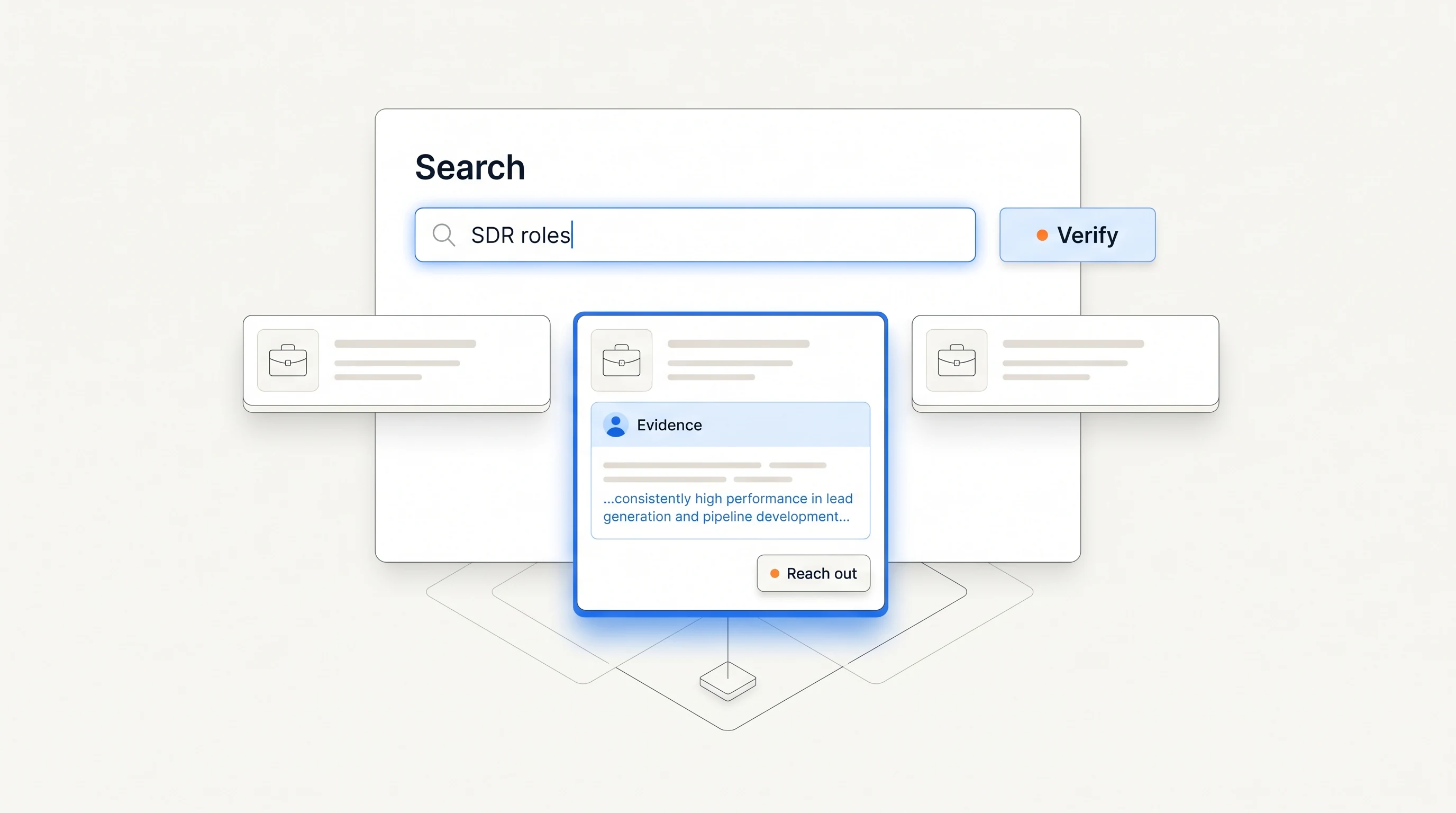
  • Always keep visible: the source behind each claim in a message. If a draft says "I saw you opened three sales roles," the posting should be one click away.

Autonomous or review before send

Autonomous sending is attractive because it removes the review step. It also removes the chance to catch a wrong claim, a duplicate message to the same person or a recipient who should have been excluded.

A review-before-send design prepares the work and puts a person between a draft and a send. It is slower per message and usually safer per message. For a B2B SaaS team with a small sending volume and a brand that matters, a few minutes of review per lead is cheap compared with one badly worded message to a target account.

Questions to ask:

  1. Can I require approval for every send, and can I turn it off for a segment I trust?
  2. What stops two people or two sequences from contacting the same person?
  3. What happens when someone replies or opts out?
  4. Is there a record of who approved each message?

Questions to ask every vendor

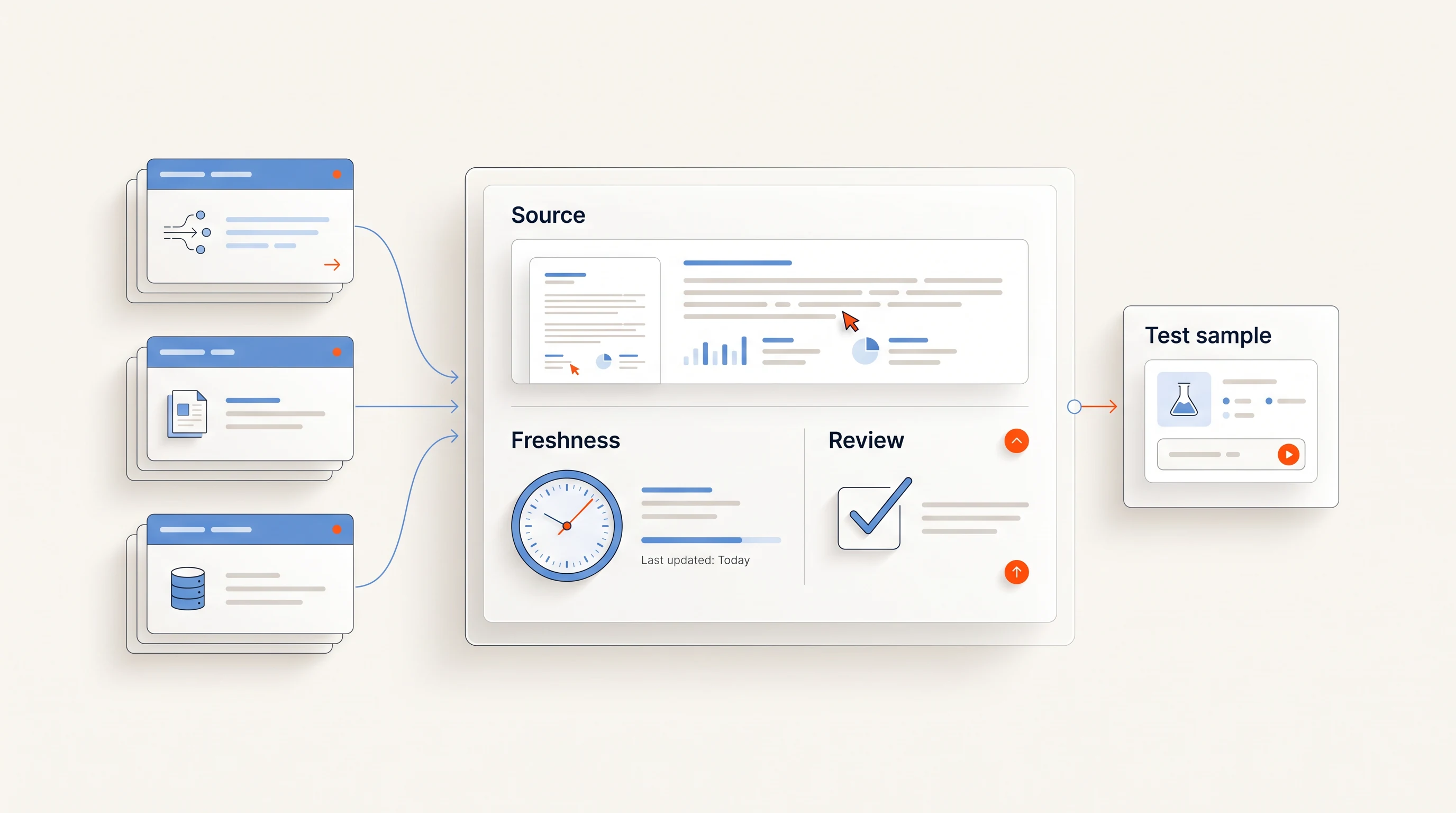
  1. Which signals or data sources feed the platform, and can I open the source behind a lead?
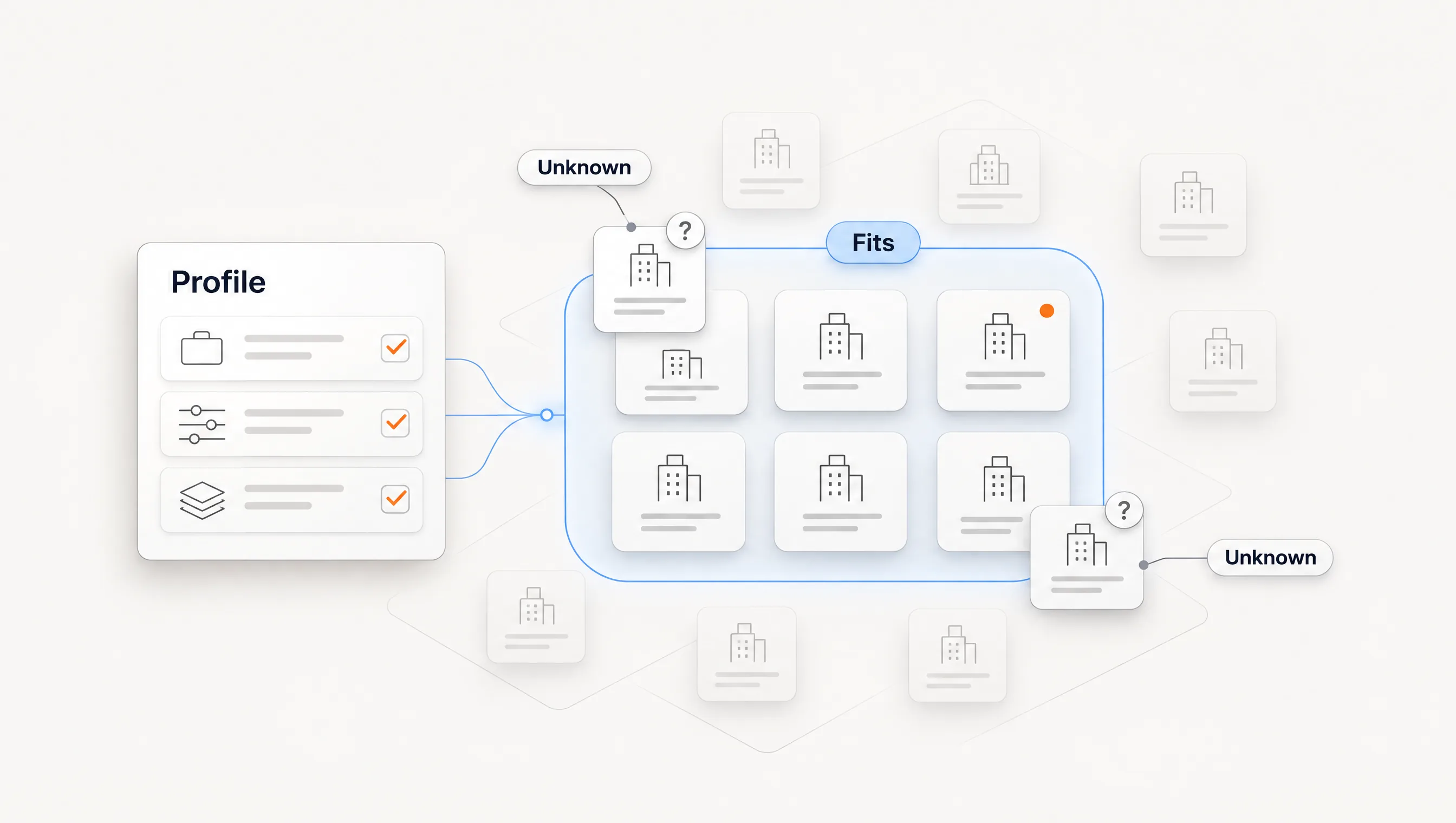
  2. How does it decide a company fits my offer, and can I change those criteria?
  3. How does it pick the person to contact, and does it explain the choice?
  4. What does it send, who approves it and how do I stop a campaign?
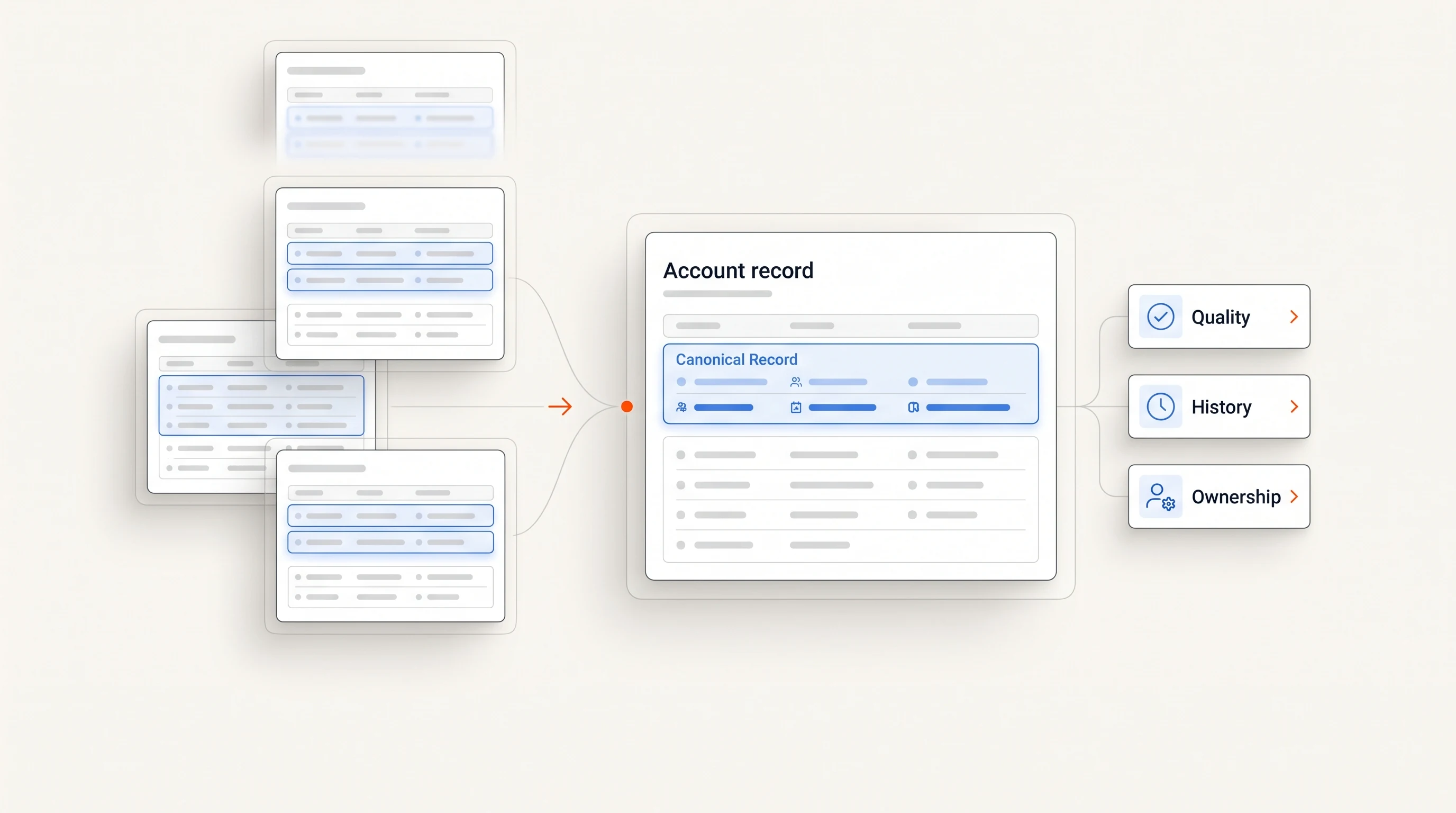
  5. How does it connect to my CRM, and which system wins when records disagree?
  6. What does onboarding involve, and who on my team has to maintain it?
  7. Can I run a paid pilot on one segment and measure replies and meetings per reviewed company?

For how long setup takes in practice, see sales automation platforms with fast implementation.

How to run a pilot

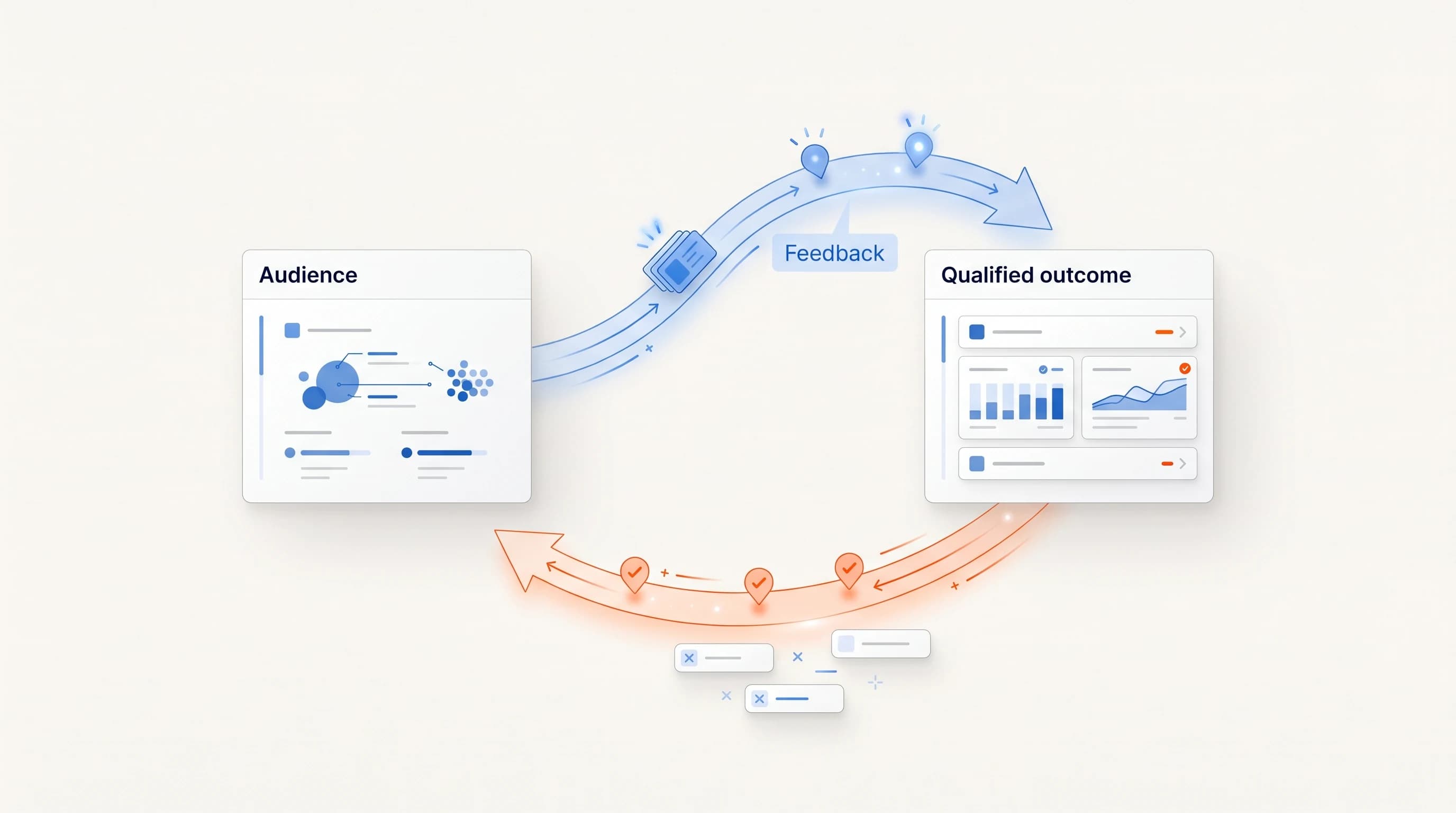
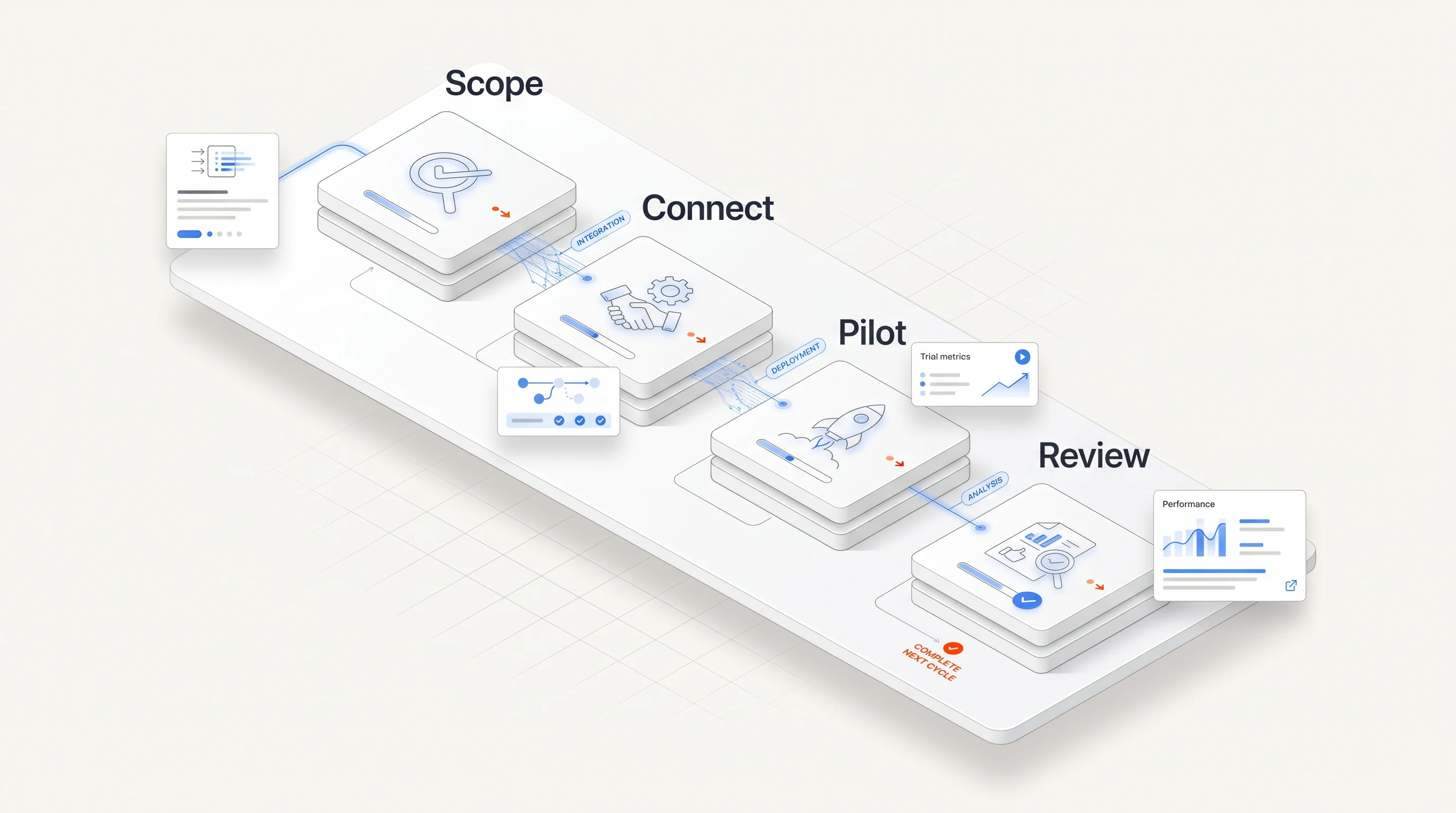
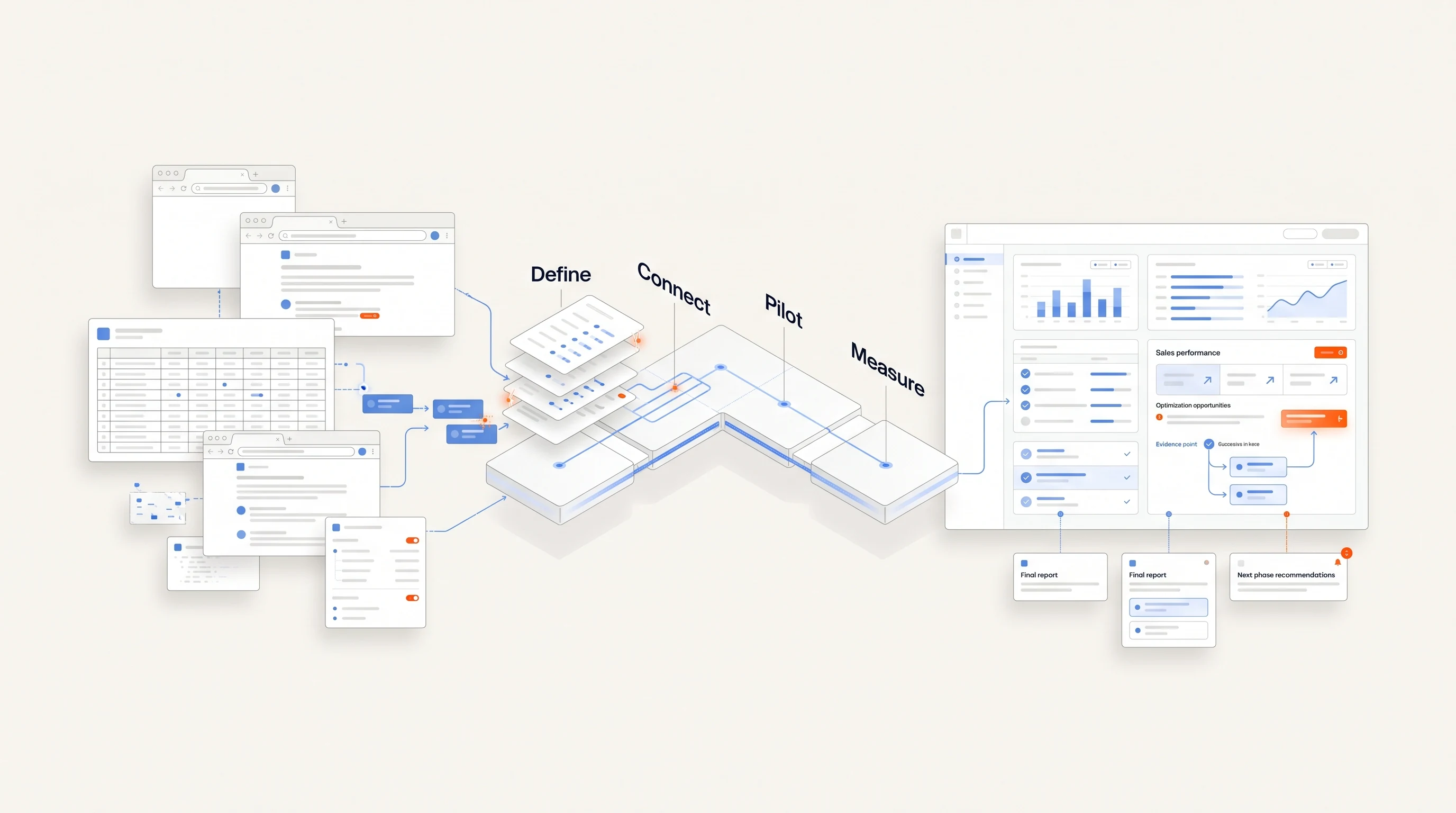
Choose one segment, one offer and one signal. Run two to four weeks. For each lead the platform produces, record whether the underlying evidence was real, whether the lead fit, and whether the draft was something you would send. Count replies, positive replies and meetings per company reviewed, not per email sent, so a platform cannot look good by sending more.

Then compare with your previous results on a similar segment. If you cannot explain why the platform chose its top leads, treat that as a finding.

Where Perpetual fits

Perpetual supports automatic email after campaign setup. It starts from public hiring signals, qualifies companies against your offer, selects one person with an explanation and drafts an opener grounded in the source. Every message passes a gate before it can be sent, and ranking and gating are deterministic rather than model judgments. Completing campaign setup authorizes automatic email within your saved sending policy. There is no per-message approval. Manual review is available on request. You can inspect activity and pause a campaign at any time. Replies and opt-outs stop email follow-ups. It does not replace your CRM.

Key takeaways

PointDetail
Compare by jobFinding accounts, enriching data, orchestrating outreach and working in the CRM are different jobs.
Autonomy is a design choiceDecide where a person approves before you compare features.
Keep ranking and gates inspectableAI drafts; rules and people decide.
Pilot on your segmentMeasure per reviewed company, not per email sent.

Frequently asked questions

What is an AI go-to-market platform?

A system that uses AI for some part of finding accounts, researching them, writing outreach or managing follow-up. The label covers products with very different levels of autonomy.

Is an AI SDR the same as an AI GTM platform?

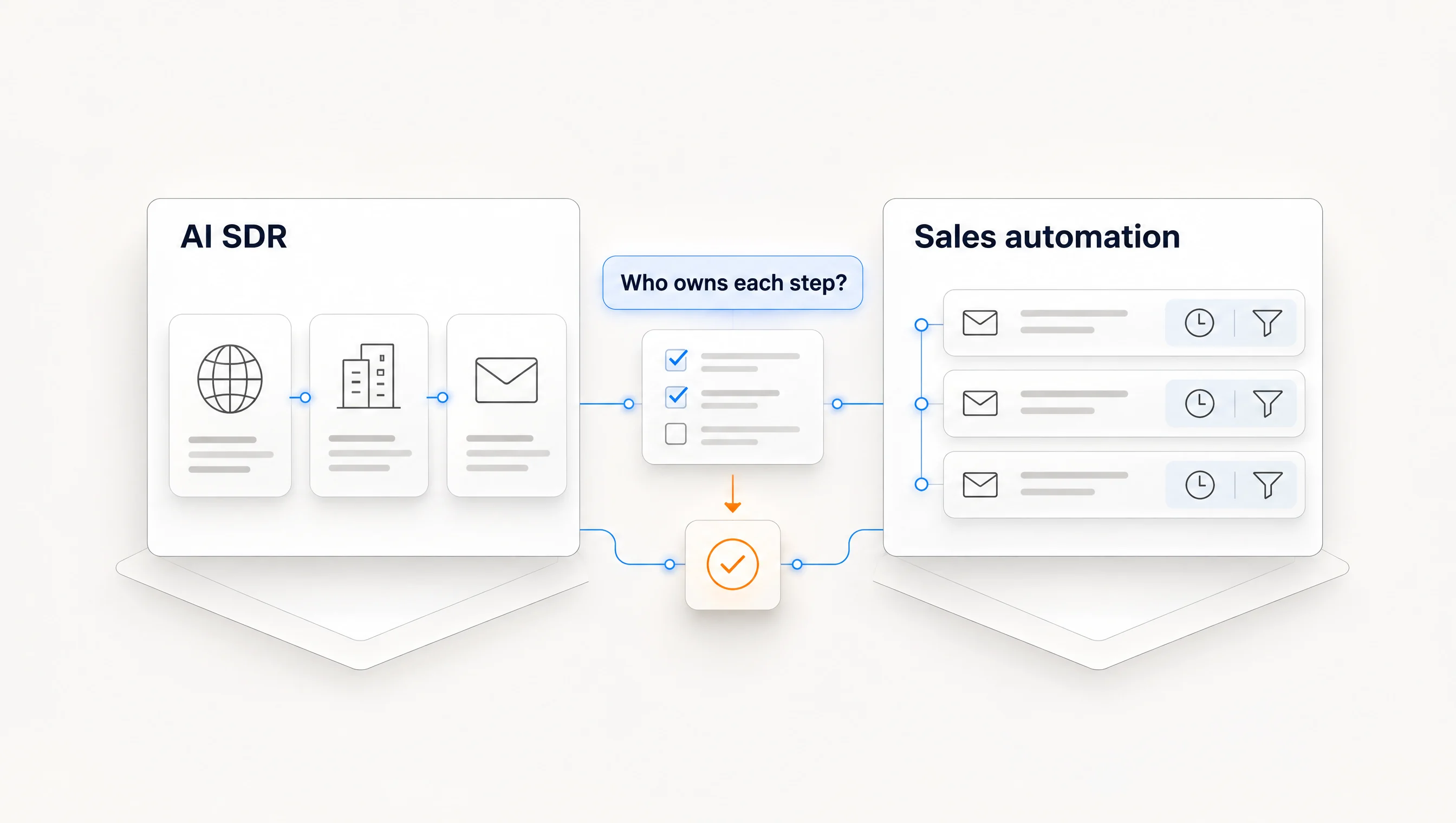
Not exactly. An AI SDR usually refers to an agent that prospects and sends outreach with little human involvement. A GTM platform can be broader, and some deliberately keep a person in the loop.

Should a B2B SaaS team choose an autonomous platform?

It depends on volume and risk tolerance. Small teams selling to a defined set of accounts often prefer review before send, because one wrong message to a target account costs more than a few minutes of review.

How do I compare performance claims?

Ignore published lifts and run a pilot on one segment. Measure replies and meetings per reviewed company and check whether you can explain why each lead was chosen.
Sources

  1. https://www.unifygtm.com/explore/easiest-signal-based-selling-tools-to-set-up
  2. https://www.landbase.com/blog
Keep reading47 more
01

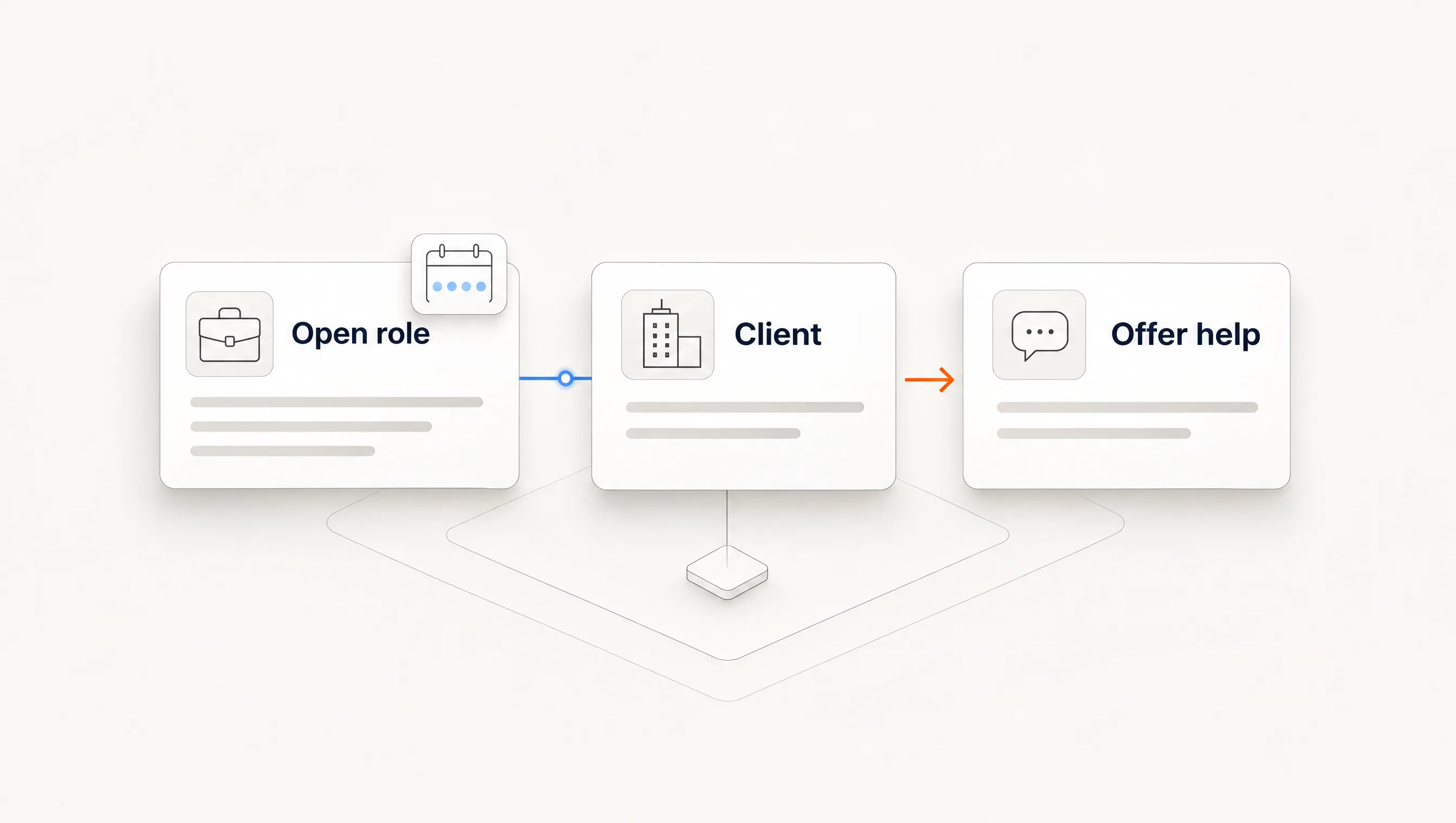
How Staffing Agencies Find Clients Using Job Postings

Find staffing agency clients through job postings: which roles to pursue, who owns the hire, what to say first, and a free client research sheet.

Research8 min read
02

How to Build an ICP for B2B Outbound, Even With Few Customers

Build an ICP for B2B outbound as a testable hypothesis, even with few customers. Criteria, persona, unknown data and a free ICP worksheet.

Research7 min read
03

How to Scale Cold Email Without Burning Your Domain

Scale cold email without burning your domain: Google, Yahoo and Microsoft rules, mailbox ramp-up, sending caps, stop rules and a free planner.

Outreach7 min read
04

Unify Alternatives: 6 Options Compared on Price and Fit

Compare six Unify alternatives on price, fit and sending model, with Unify's own pricing checked November 16, 2026, and when to stay with it.

Evaluation6 min read
05

Pipeline Generation Tools: How to Choose by the Job You Need Done

Five types of pipeline generation tools, the outbound steps each covers, how to find your bottleneck and a 30-account pilot worksheet.

Evaluation7 min read
06

Intent Data Tools: 4 Source Types and How to Test Them

Compare intent data tools by source: first-party, publisher co-op, review site and public events. Includes a 25-account accuracy test worksheet.

Signals7 min read
07

The GTM Tech Stack for a Small B2B Team, Stage by Stage

Which go-to-market tools a small B2B team needs at each stage, what to skip, and how to audit handoffs. Includes a free stack audit worksheet.

Evaluation6 min read
08

Account Discovery vs. Account Monitoring: Which Do You Need?

When to find new accounts and when to watch the ones you own, how to split seller capacity between both, and a weekly routine with a free worksheet.

Signals6 min read
09

Best Hiring Signal Tools for B2B Sales: 6 Options Compared

Compare six hiring signal tools by source, published price and the work each leaves to your team. Includes a free 20-company test worksheet.

Evaluation9 min read
10

What Signal-Based Outbound Really Costs: 5 Stacks Priced Line by Line

Five outbound stacks priced from public pricing pages for 500 contacts a month, with human time, plan limits and a free cost worksheet.

Evaluation8 min read
11

Clay Alternatives for Teams Without a GTM Engineer

Choose a Clay alternative by the job you need done. One hiring workflow mapped across five options, plus when you should stay with Clay.

Evaluation7 min read
12

What 2,039 Job Postings Tell Sellers, and What They Can't

Original data from 2,039 public job postings: 14% of rows were duplicates, and 97.6% of vacancy motives remained unknown. Methods and limits explained.

Research8 min read
13

Signal Stacking for B2B Sales: 5 Plays You Can Build

Combine independent buying signals into a clear account decision. Five practical plays, a worked example and a free signal-stacking CSV worksheet.

Signals9 min read
14

How to Find Decision-Makers Using Hiring Signals

Use job responsibilities and reporting lines to find a relevant first sales contact. Includes six scenarios, three examples and a free contact-selection matrix.

Research9 min read
15

How to Find Companies Hiring RevOps Leaders

Find and qualify companies hiring RevOps leaders through current job postings. Reusable searches, mandate checks and a free prospecting worksheet.

Research8 min read
16

AI SDR vs. Sales Automation: What Does Your Team Need?

Compare AI SDRs and sales automation across eight outbound jobs, operating cost and human ownership. Includes a four-week pilot and a free CSV worksheet.

Evaluation10 min read
17

Best Buying Signal Tracking Platforms in 2026: How to Compare Them

Compare buying signal platforms by account events, people changes, topic intent and workflow tools, with a checklist and a two-week test.

Evaluation9 min read
18

What Is Signal-Based Prospecting? Definition, Six Signals and a Weekly Workflow

What signal-based prospecting is, six signals to track, what each cannot prove, and a weekly workflow from observation to grounded outreach.

Signals8 min read
20

Sales Intelligence Tools for B2B Teams With Long Sales Cycles

What to look for in sales intelligence tools when deals take months: change tracking, history, multiple contacts, re-open triggers and a 90-day test.

Evaluation8 min read
21

12 Buying Signal Examples and What to Do Next

A practical buying-signal library: what each observation supports, what remains unknown, and the next step to take. Includes a free CSV worksheet.

Signals8 min read
22

How to Use Hiring Signals for Sales Prospecting

Turn public job postings into a focused prospecting play: check account fit, verify the evidence, find the responsible person and write a relevant opener.

Research8 min read
23

4 Signal-Based Cold Email Templates You Can Adapt

Original cold email templates for relevant hiring, new responsibilities, expansion and useful follow-ups. Includes source checks and a free CSV download.

Outreach7 min read
24

How to Measure Signal-Based Outbound: A Campaign Scorecard

Measure account selection, positive replies, qualified meetings held and total cost with clear denominators. Includes a free account-level CSV worksheet.

Research8 min read
25

Job Postings as Buying Signals: What They Tell You

Which job postings matter for which offer: clustered roles, a first hire in a new function or a reposted role, and what a posting does not prove.

Signals10 min read
26

Hiring Signals vs. Intent Data: What Each Shows

Where hiring signals and third-party intent data come from, how fresh and checkable each is, and when to use one, the other or both.

Signals9 min read
27

How to Find Companies Hiring SDRs (and When to Reach Out)

Find companies hiring SDRs on careers pages, job boards and LinkedIn Jobs, judge each posting, and decide whom to email and when.
Research9 min read
28

CRM vs. Dedicated GTM Automation Platform: Which Do You Actually Need?

Compare CRM and GTM automation by the work each owns, the gaps in your stack and the integration rules that connect them.

Evaluation8 min read
29

How to Evaluate a GTM Automation Vendor's Approach to Intent Signals

A checklist for evaluating how a GTM automation vendor sources, qualifies and acts on intent signals, and how to test it on your own data before you buy.

Evaluation7 min read
30

Using Signal Data to Optimize Paid Acquisition Campaigns

Use conversion values, clean events, B2B pipeline stages and account observations to guide paid acquisition and targeting.

Signals8 min read
31

When to Bring In CRM and GTM Integration Experts

When to hire CRM and GTM integration help, which specialist fits the problem, and what to settle before bringing one in.
Evaluation6 min read
32

Account Data Management: What Sales Teams Should Evaluate Before Buying

Evaluate account data software with checks for accuracy, freshness, ownership, integration, missing data and change tracking.
Evaluation6 min read
33

Signal-Based Prospecting for Enterprise RevOps Teams With Complex Deal Cycles

How enterprise RevOps teams use buying signals to reach accounts before the RFP, keep them out of open deals, reach the buying group and measure pipeline.

Signals8 min read
34

How to Automate Acting on Buying Signals to Move Deals Forward

How to automate acting on buying signals: a playbook per signal type, what stays human, routing, drafting from evidence and a four-week rollout.

Outreach8 min read
35

Real-Time Buying Signal Detection: How to Evaluate Go-to-Market Platforms That Make It Core

What real-time buying signal detection means per signal family, how fresh each should be, and how to tell a core capability from a bolt-on feature.

Signals8 min read
36

Go-to-Market Platforms That Integrate With Your CRM and Marketing Automation: What to Check Before You Buy

Evaluate GTM integration with your CRM and marketing tools: field ownership, read and write rules, suppression and a one-week test.

Evaluation8 min read
37

Sales Automation Platforms With Fast Implementation: How to Get Live in Weeks, Not Quarters

What makes sales automation slow to implement, what fast implementation looks like, questions to ask before you sign, and a four-week plan to go live.

Evaluation6 min read
38

Revenue Automation Platforms for Mid-Market Teams Pursuing Continuous Opportunity Discovery

A practical guide to revenue automation platforms that help mid-market teams find opportunities continuously, act on signals, and move deals forward.

Evaluation3 min read
39

Unified Go-to-Market Platforms: Combining Signal Detection and Deal Progression

What unified go-to-market platforms are, how they combine signal detection with deal progression, and what to look for when evaluating them.

Signals3 min read
40

Affordable Signal-Based Pipeline Generation Tools for Bootstrapped Startups

Compare manual watchlists, TheirStack, Unify and PredictLeads with checked entry prices, limits and the work a startup still needs to do.

Evaluation4 min read
41

Migrating From Manual Prospecting to an Automated Signal-Based Go-to-Market System

How to move from manual prospecting to an automated signal-based go-to-market system: what changes, the stages, the data work and the pitfalls.

Signals3 min read
42

Choosing go-to-market automation for a small sales team with no ops function.

A small team needs fewer moving parts, not more dashboards. Four questions to decide what to automate and what to keep in human hands.

Evaluation3 min read
43

Signal-based prospecting for startups that need predictable pipeline.

Volume outbound makes pipeline feel random. Prospecting against observable buying moments gives a startup a steadier rhythm, if the signals are checked first.

Signals3 min read
44

Tools That Help Sales Development Teams Prioritize High-Intent Accounts Without Manual Research

Evaluate SDR tools by the research they remove, the evidence behind account rankings, contact quality and the work left for your team.

Evaluation4 min read
45

Evaluating Customer Support and Track Record in Signal-Based Sales Platforms

How to evaluate customer support and track record when you compare signal-based sales platforms, from reference calls to CRM sync and time-to-first-signal.

Signals13 min read
46

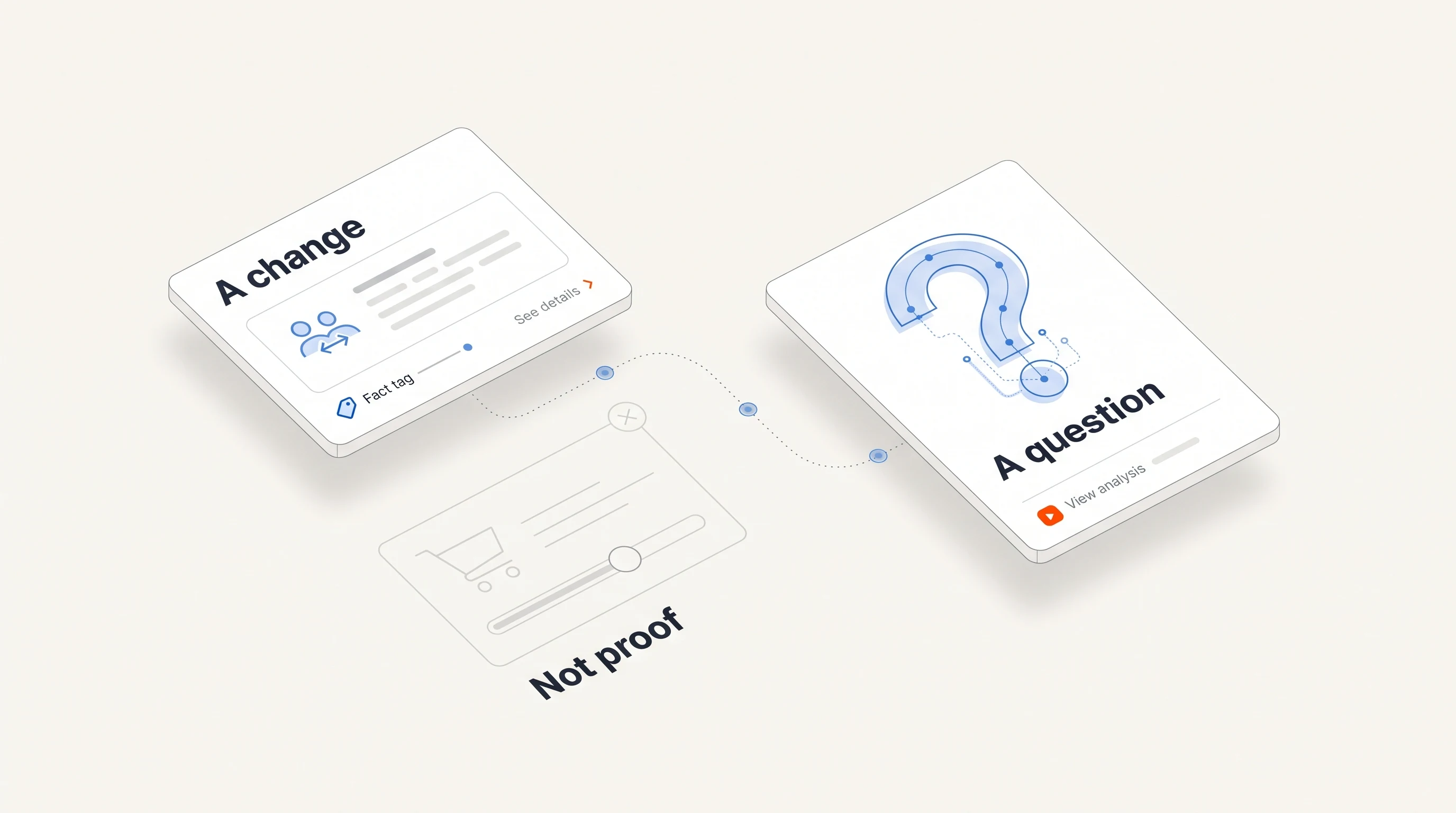
A signal is not a buying intent.

A new hire tells you something changed. It does not tell you someone is ready to buy. Better outbound starts with that distinction.

Signals2 min read
47

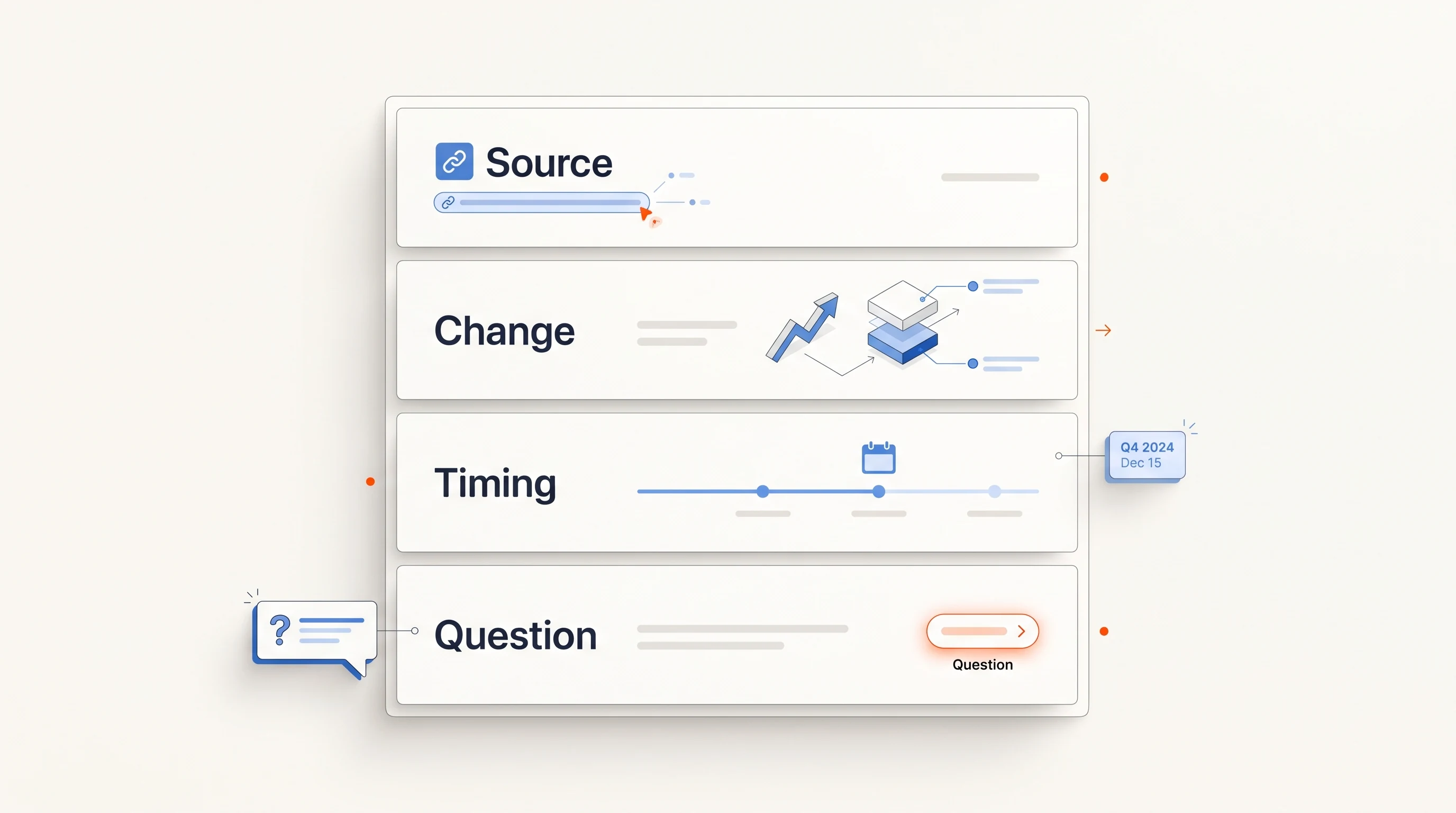
What belongs in a lead brief?

The source, the change, the timing, and the unanswered question. A small brief that makes an outbound decision easier to review.

Research2 min read
48

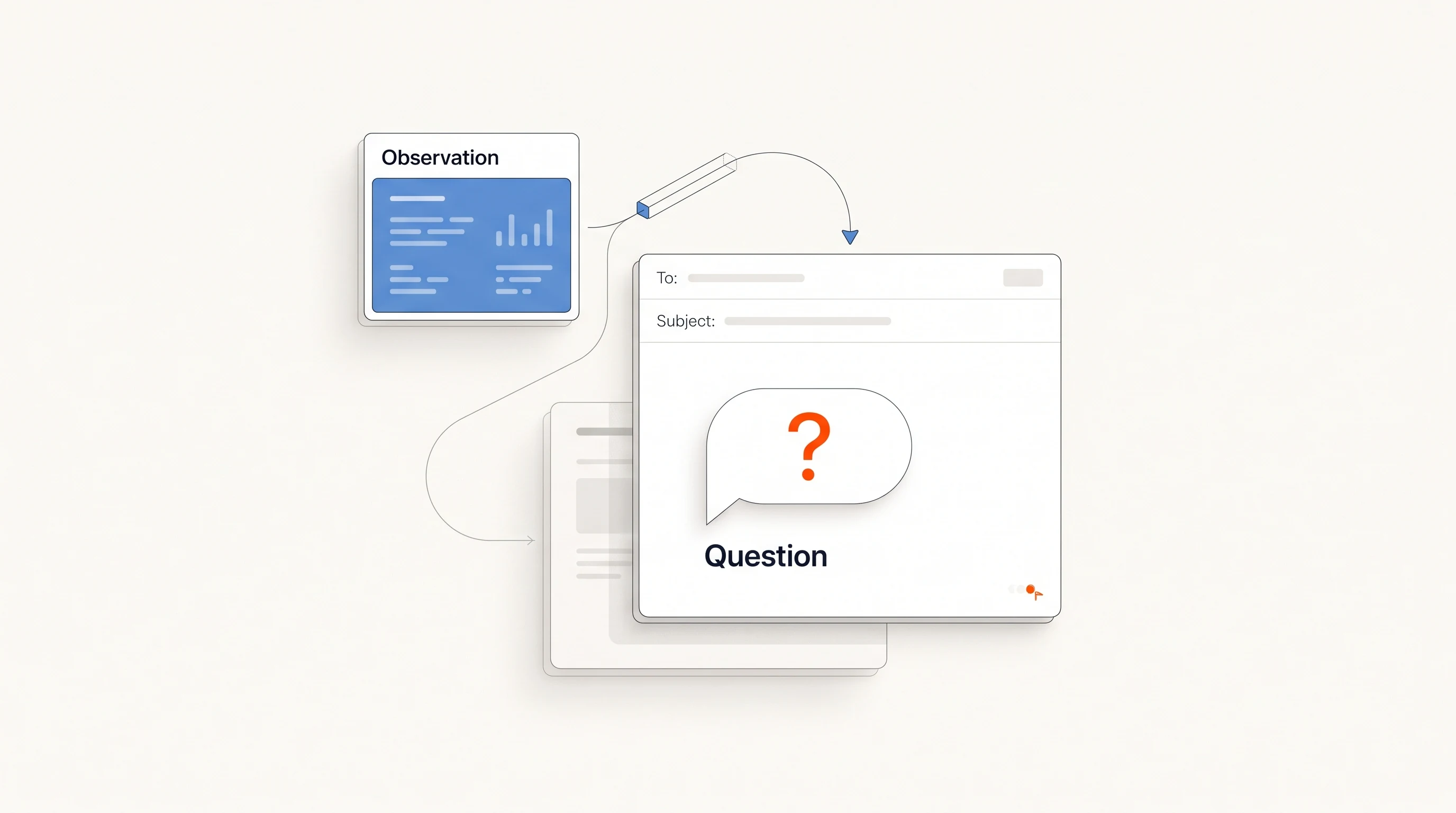
Write the question before the pitch.

A practical way to turn account research into an opener that earns a conversation without overstating what you know.

Outreach2 min read

Put your GTM in perpetual motion.

Get started

Sending stays within the limits you set, and you can pause it any time.

AI Go-to-Market Platforms for B2B SaaS Pipeline