JournalEvaluationNo. 04
Unify Alternatives: 6 Options Compared on Price and Fit
Compare six Unify alternatives on price, fit and sending model, with Unify's own pricing checked November 16, 2026, and when to stay with it.
Marko Raković6 min read8 sections
Contents
Published by Perpetual
Which of the Unify alternatives fits depends on why you are leaving. Choose Clay if you want to build your own workflows, Apollo if a large contact database with sequencing matters most, Common Room if you need person-level activity across many sources, Salesmotion if you monitor a fixed account list, 11x if you want a managed AI SDR at enterprise scale, and Perpetual if public hiring activity is your main trigger. If Unify's signals, plays and per-seat pricing already fit, stay.
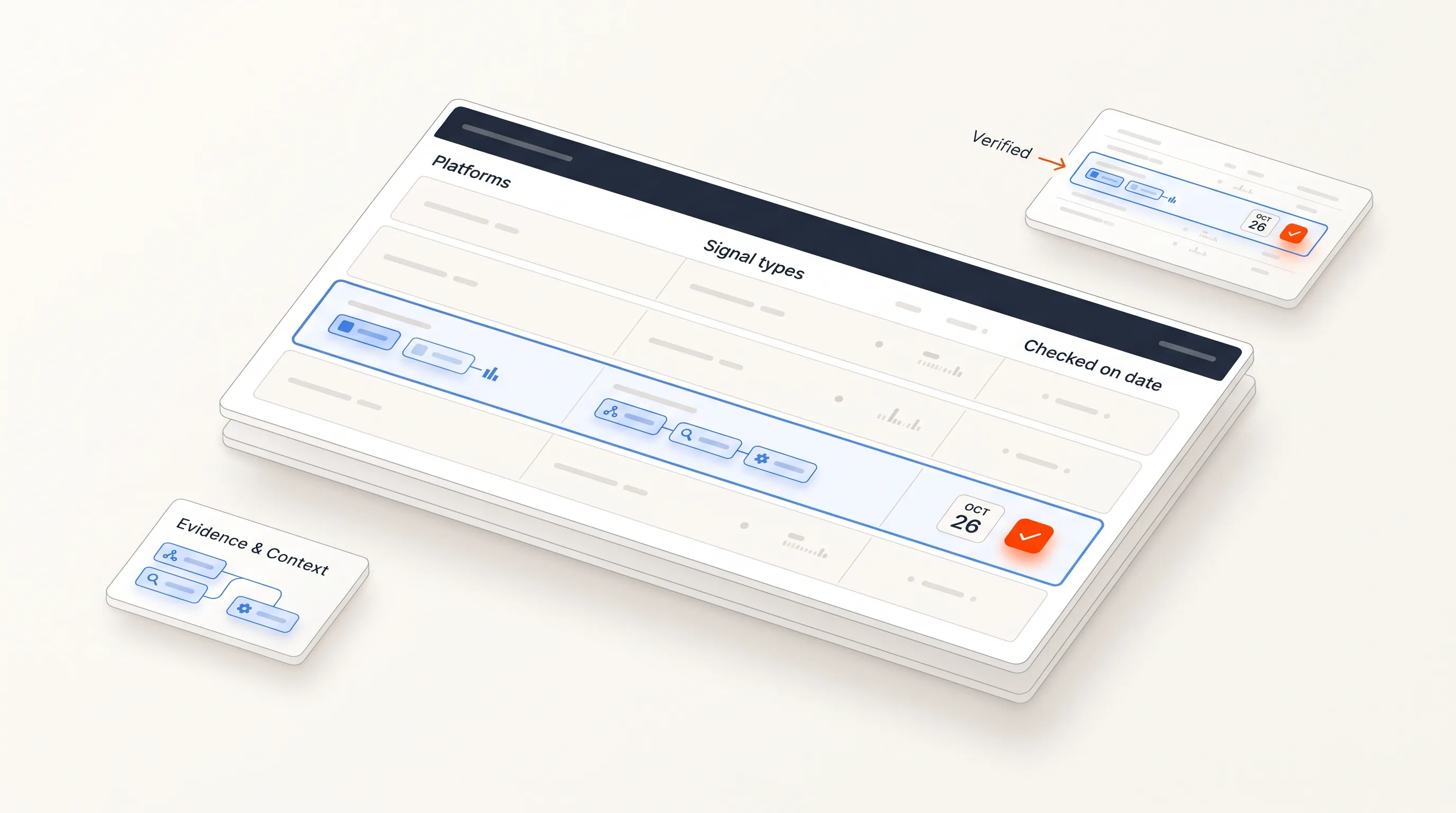
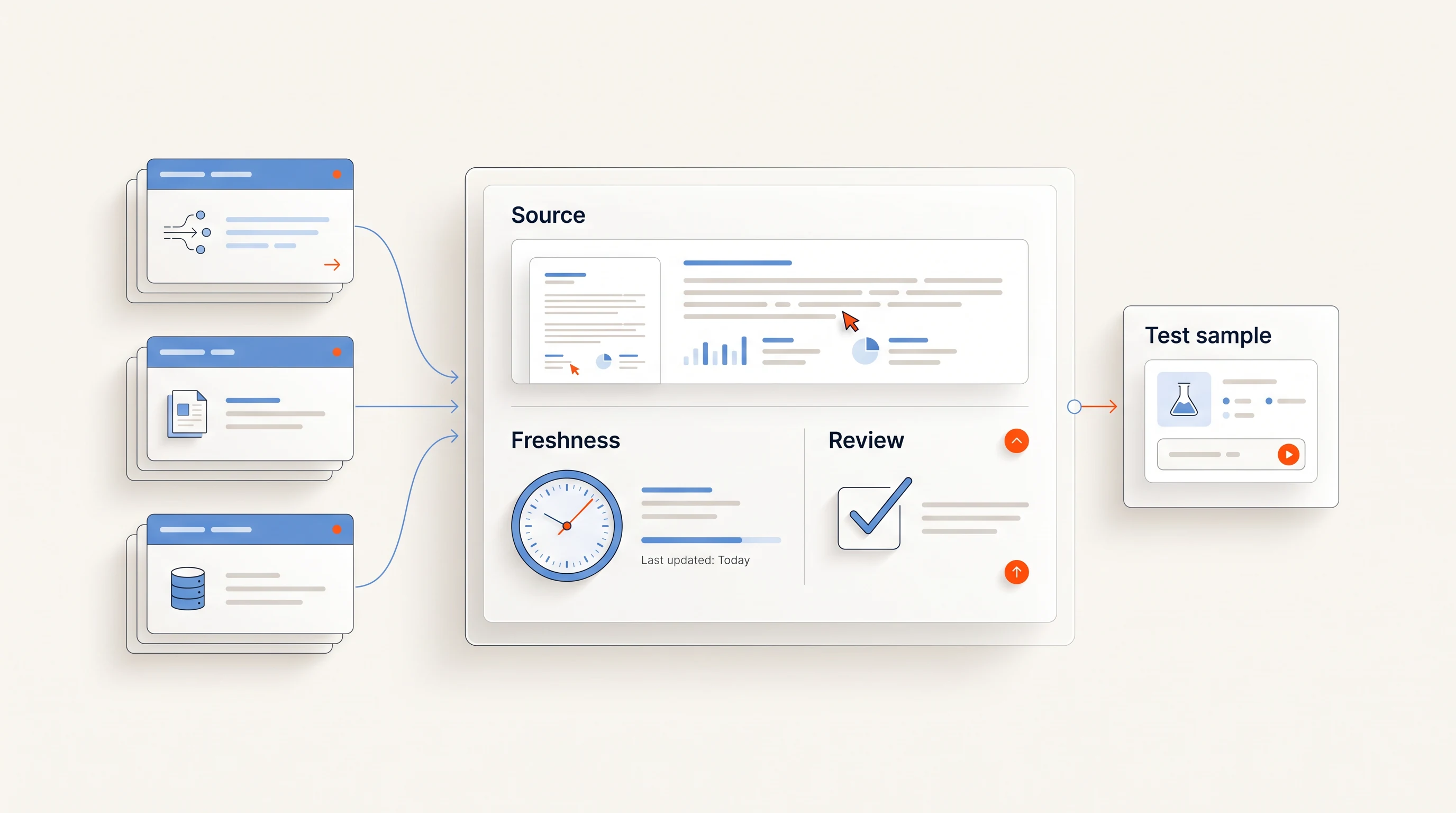
Perpetual publishes this comparison and is one of the options, so weigh its placement accordingly. Unify's prices were read on its pricing page on November 16, 2026. Where we could not read a vendor's price ourselves, we say whose page it comes from. We have not used Unify or these alternatives in production; the descriptions come from their public pages and the sources named.
What Unify does well
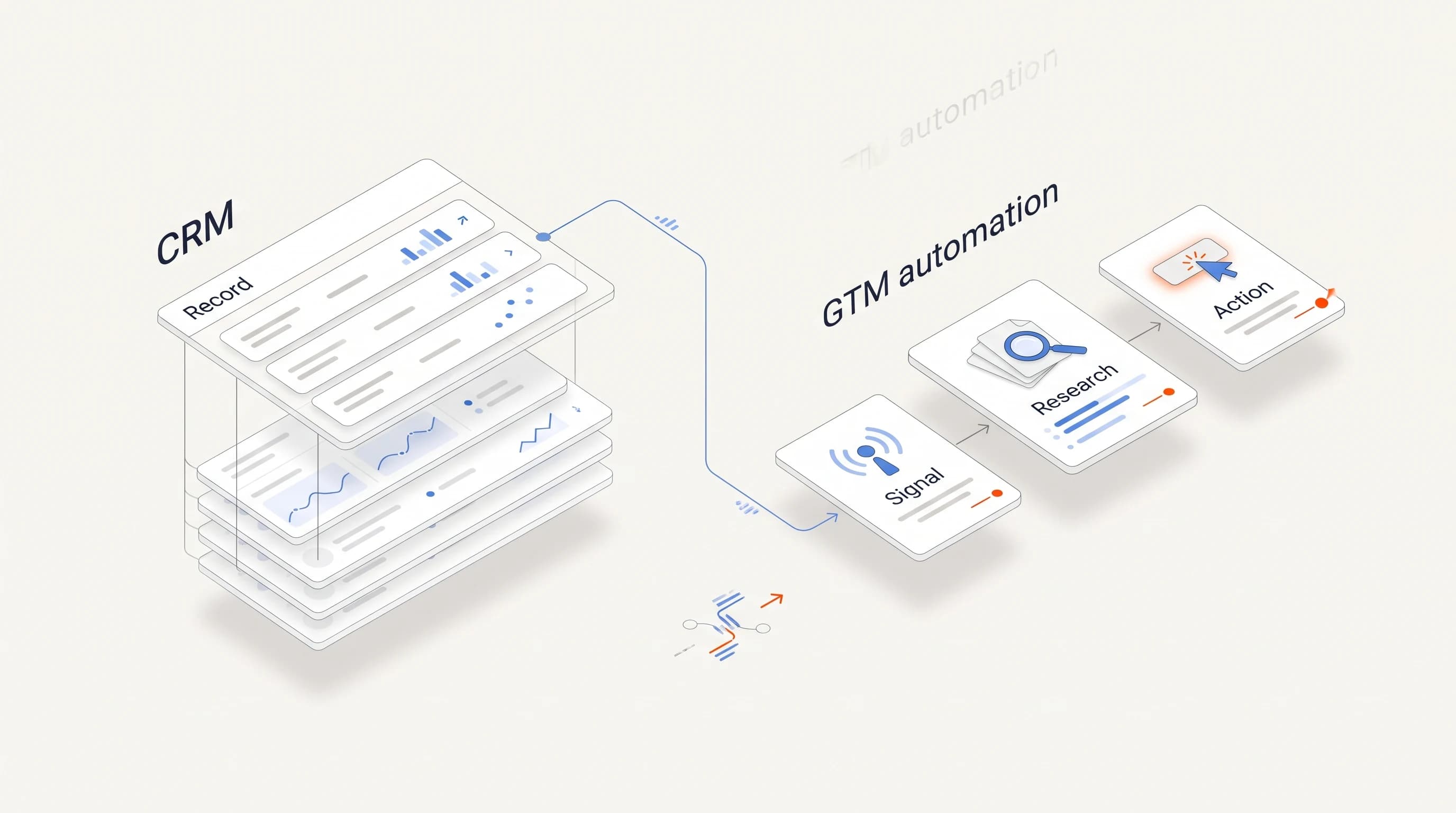
Unify describes itself as an outbound platform where AI agents and reps work side by side from one chat interface. Its published signals include website visits, job changes and product usage, and its own guide to hiring signals separates open vacancies from completed hires. Its prices are published on its site:
| Unify plan | Price | Credits | Mailboxes |
|---|---|---|---|
| Free | $0, up to 3 seats | Limited | 1 per seat |
| Base | $20 per seat a month | 800 per seat a month | 1 per seat |
| Pro | $60 per seat a month, 14-day trial | 2,400 per seat a month | 1 per seat |
| Business | Custom, billed annually | Custom per workspace | Managed |
Source: Unify pricing. The page also lists managed Gmail and Outlook mailboxes at $25 per mailbox a month, shown in the Business column, so confirm whether that is available on your plan.
Why teams look for an alternative
- Credits are the real price. Seats are cheap, but enrichment and signal tracking draw on credits. Model your actual volume before comparing.
- Sending capacity. One mailbox per seat may not match how you want to spread volume across mailboxes and domains.
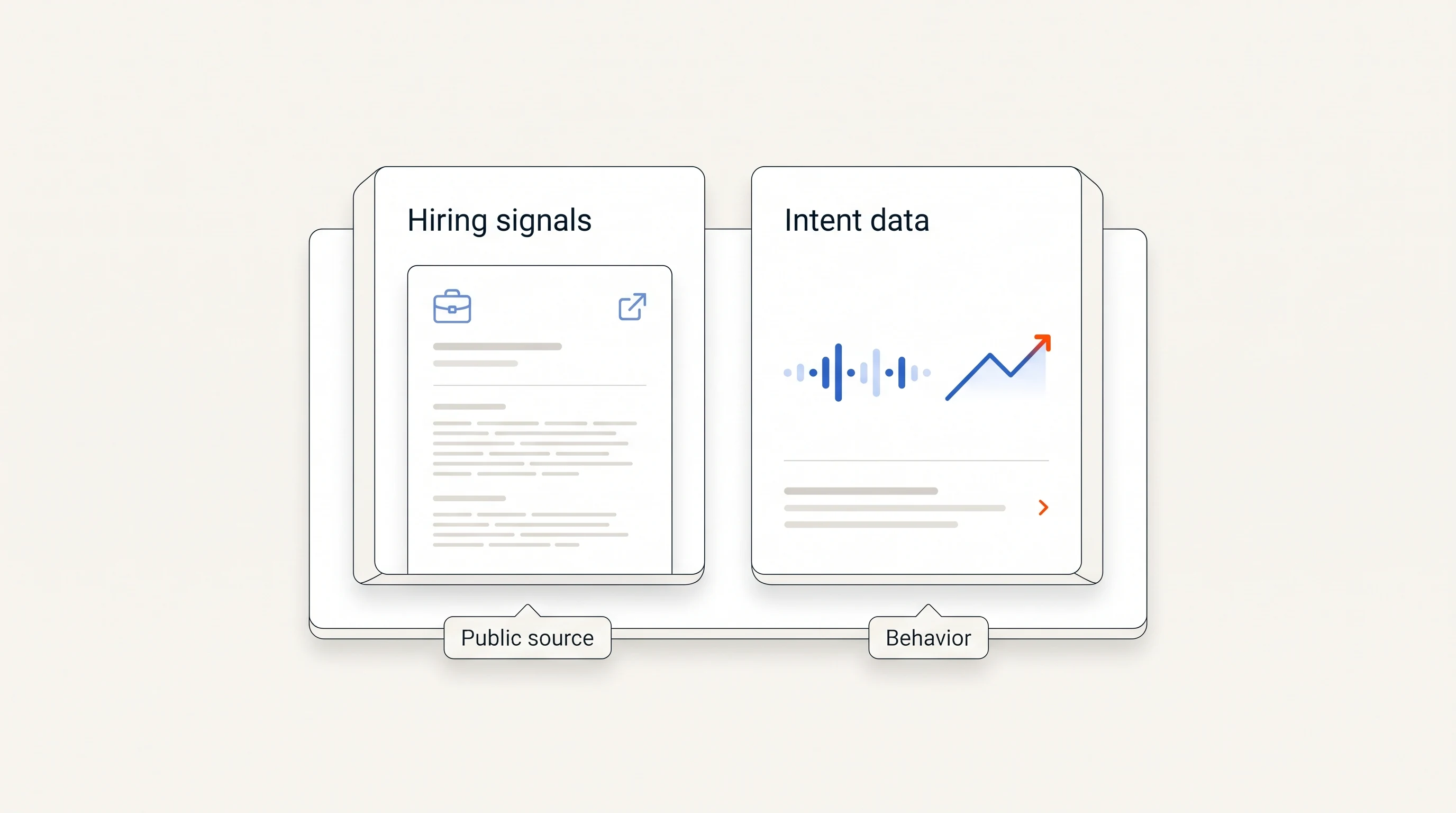
- The trigger you need. If one specific signal drives your outbound, such as public hiring, check how directly each product covers it.
- How much you want to build. Some teams want more control than plays offer; others want less configuration.
Unify alternatives compared
| Alternative | Best for | Published starting price | Price source |
|---|---|---|---|
| Clay | Teams with an operator who builds custom workflows | Free plan; Launch listed at both $167 and $185 a month on the same page | Clay, read November 10, 2026 |
| Apollo | A large contact database plus built-in sequencing | $49, $79 and $119 per user a month, annual | Reported by a competitor, 11x; unverified, as Apollo's own grid did not load for us |
| Common Room | Person and buying-committee activity across sources | $2,500 a month, billed annually | Reported by competitors Salesmotion and 11x; unverified |
| Salesmotion | Monitoring a fixed list of accounts for changes | From $85 a month | Salesmotion's own guide, read November 10, 2026 |
| 11x | Larger teams wanting a managed AI SDR | $36,000 a year for 5 users | 11x's own comparison, read November 16, 2026 |
| Perpetual | Small teams whose trigger is public hiring activity | $249 a month for 4,000 credits | Perpetual pricing, November 16, 2026 |
Every comparison page in this category, including this one and 11x's, is written by a vendor that appears in it. Check each price on the vendor's page before deciding.
The alternatives in more detail
Clay: when you want to build it yourself
Clay gives you tables, many data providers and an AI research agent, and leaves the logic to you. It suits teams with someone who will design and maintain workflows. Our guide to Clay alternatives for teams without a GTM engineer covers the trade-off in the other direction.
Apollo: when contact data comes first
Apollo combines a large B2B database with sequencing in one per-user bill, which is why it appears in so many small-team lists. Test its signal coverage against the specific trigger you rely on.
Common Room: when you track people across many channels
Common Room focuses on person-level and buying-committee activity from community, product, CRM and social sources. It is priced for teams with enough of that activity to justify it.
Salesmotion: when your accounts are already chosen
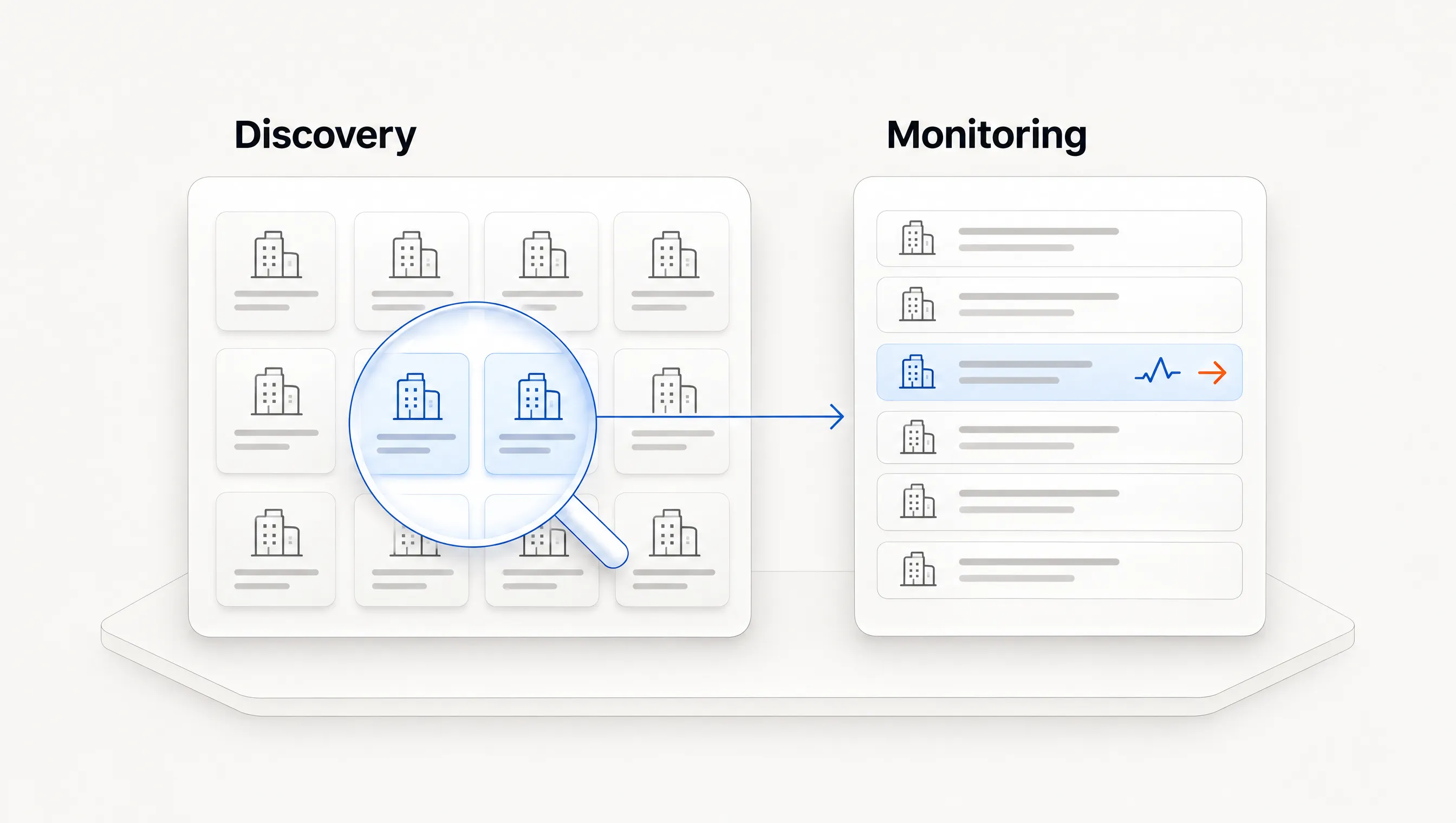
If you work a named account list and need to know what changed, an account-monitoring tool fits better than a discovery workflow. Our explainer on account discovery versus monitoring helps decide which you need.
11x: when you want a managed AI SDR
11x sells digital workers on annual contracts. It is designed for larger teams, and its published starting price reflects that.
Perpetual: when hiring activity is your trigger
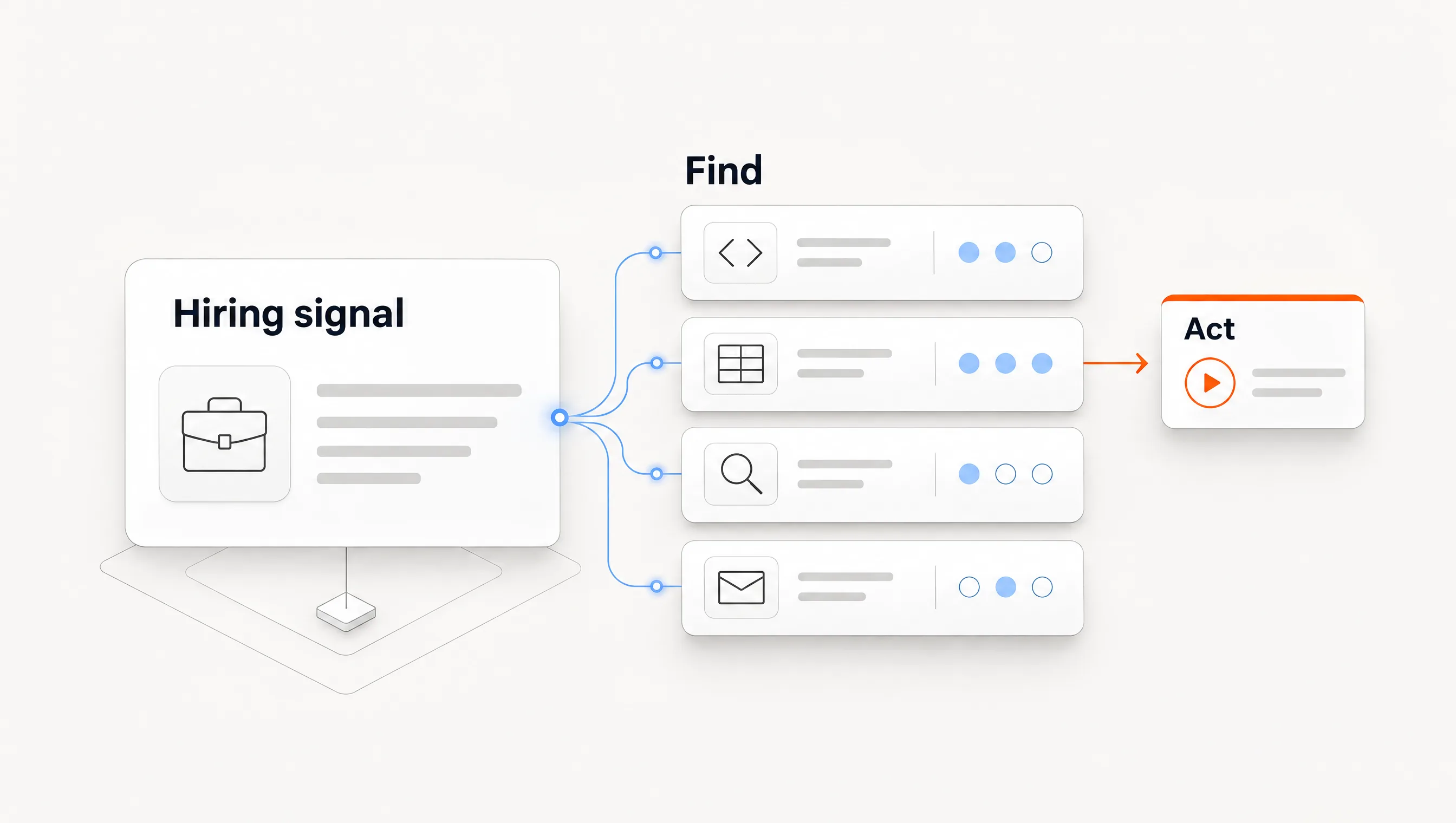
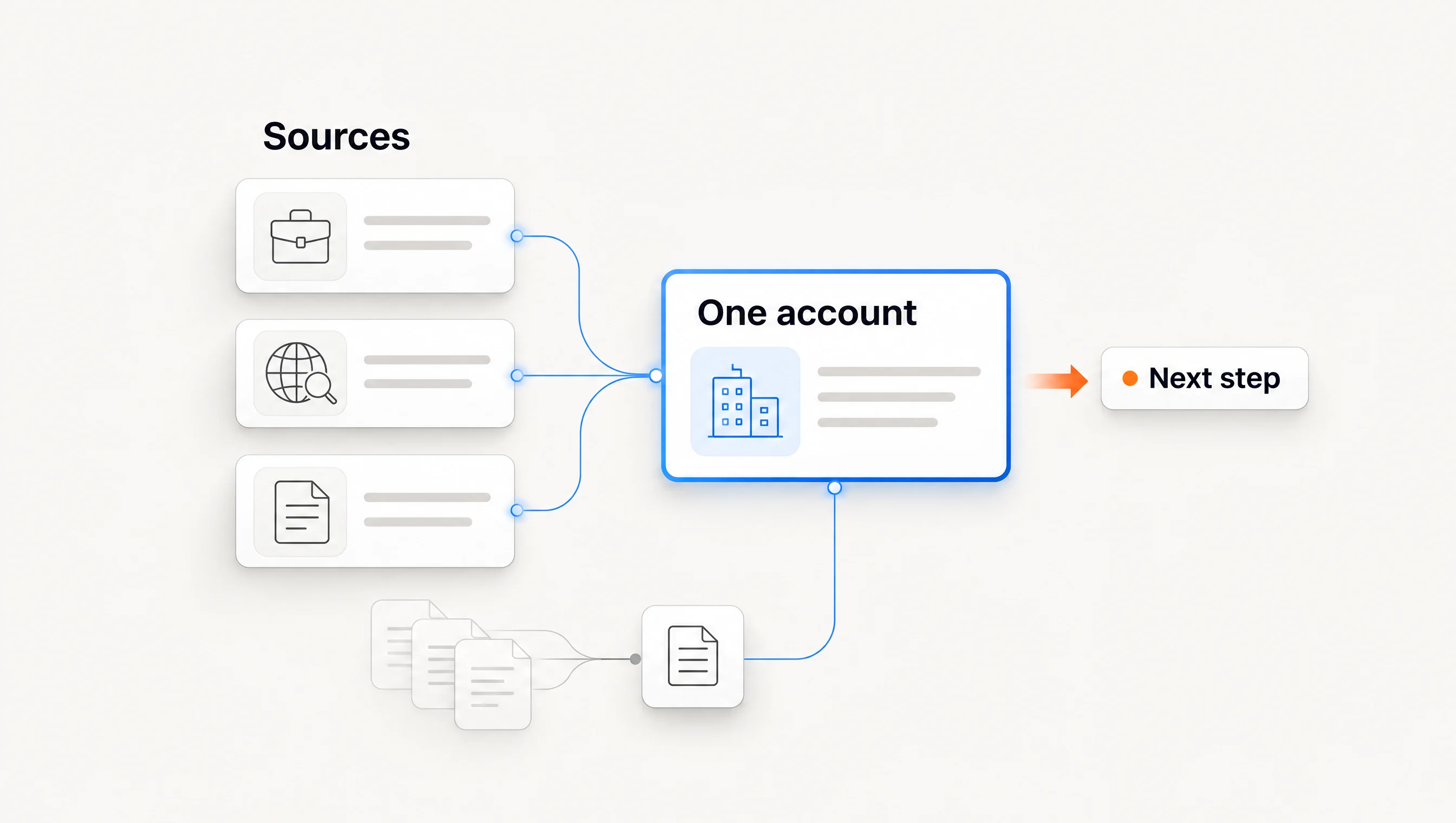
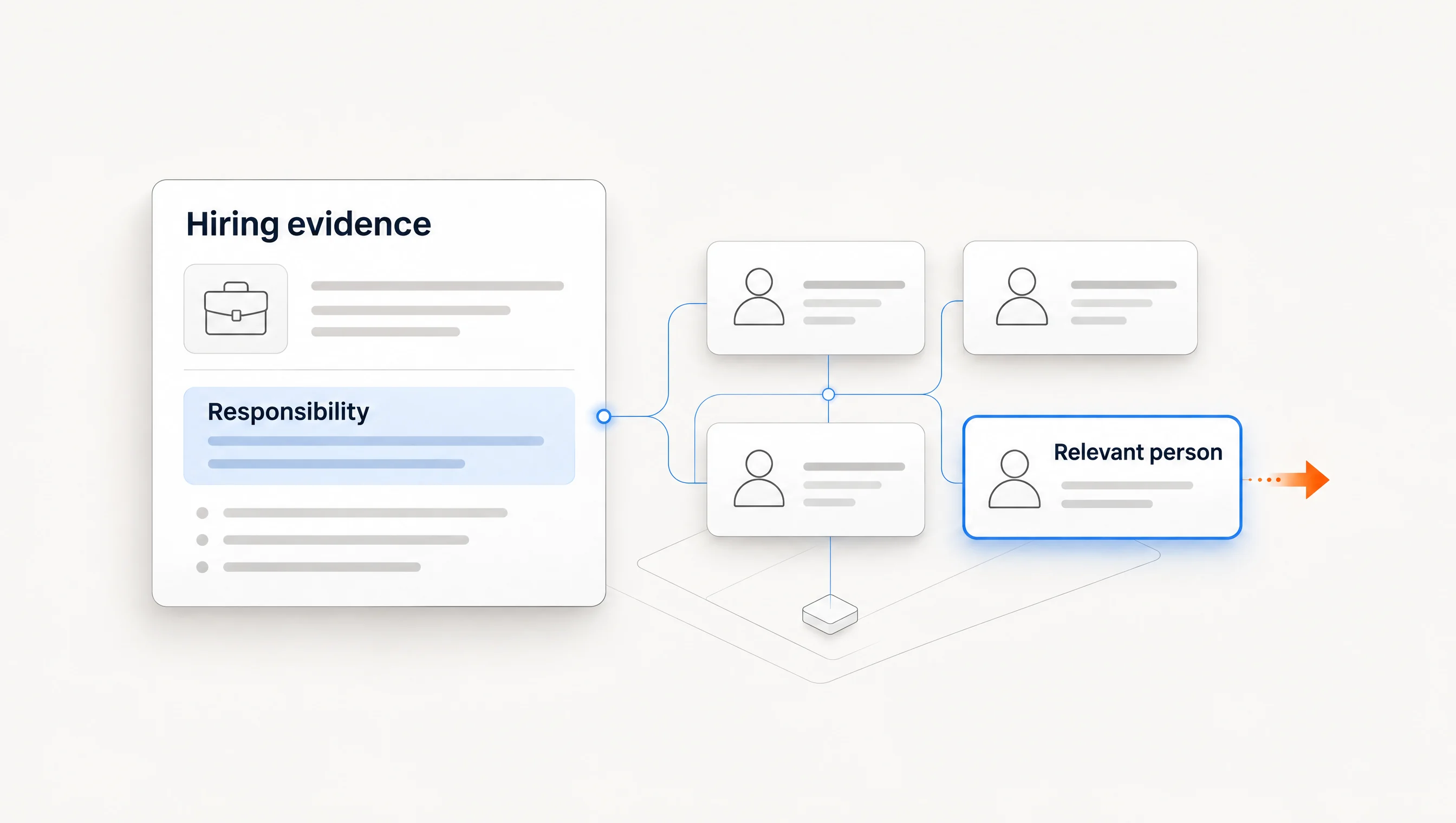
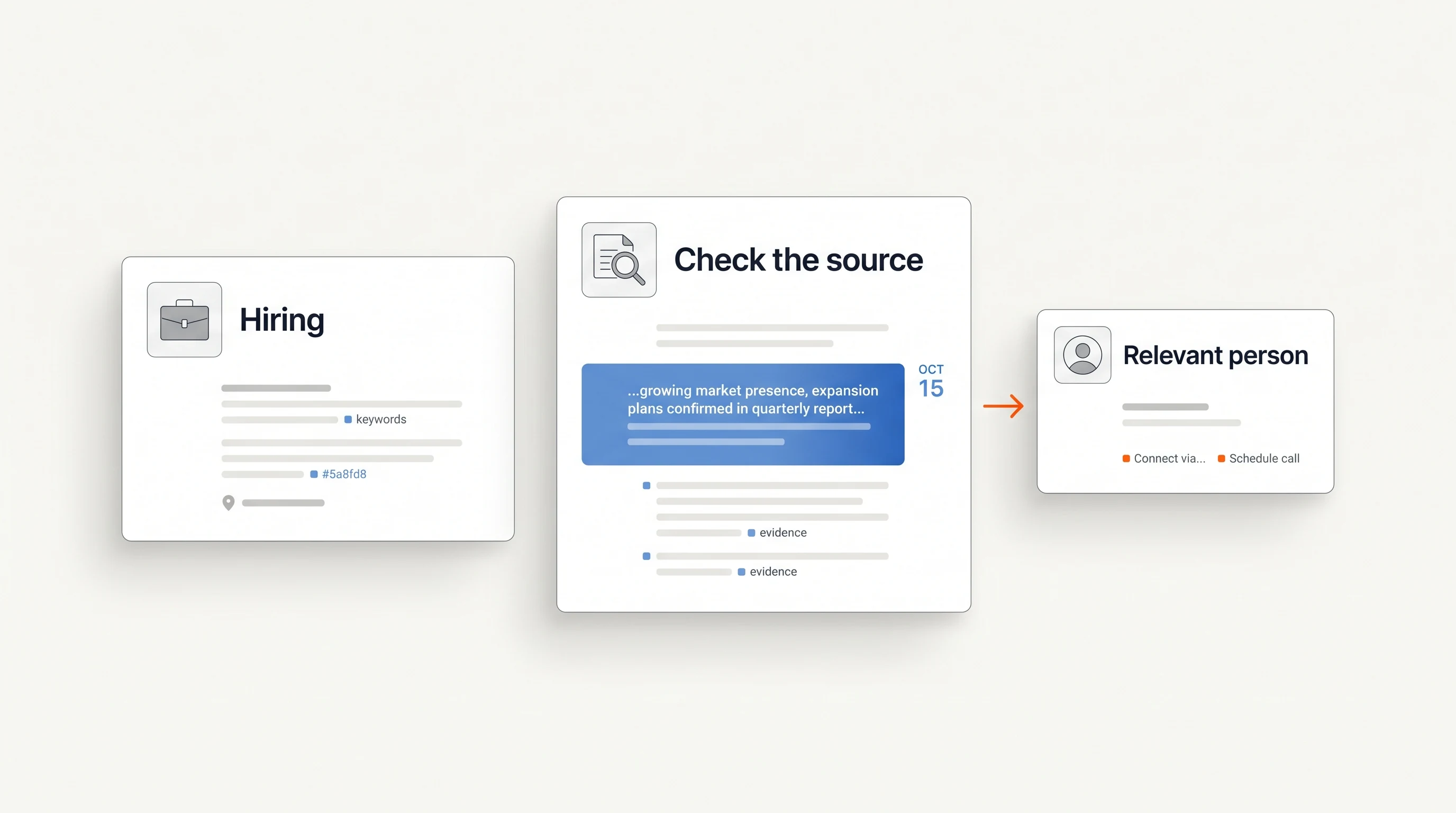
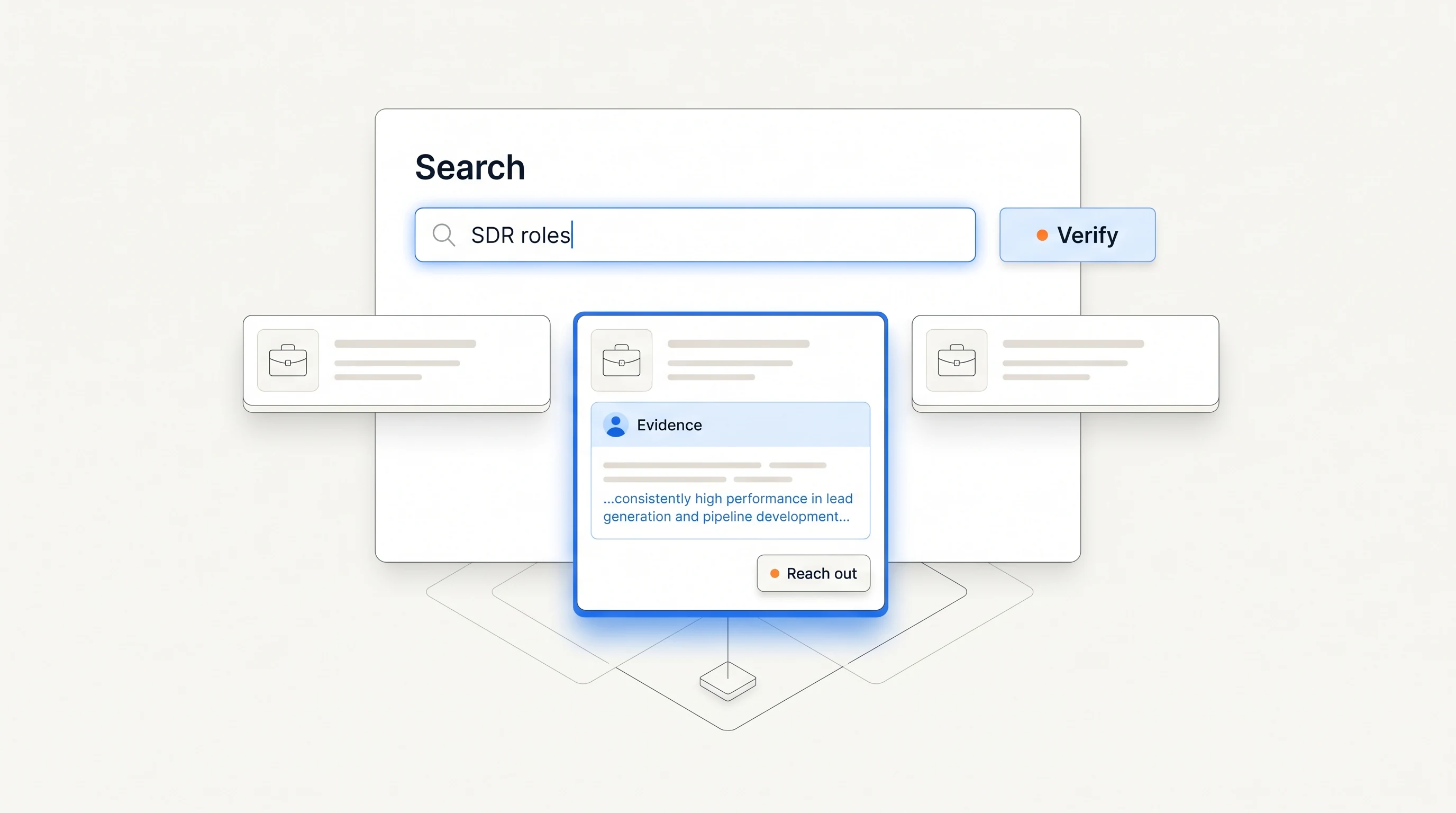
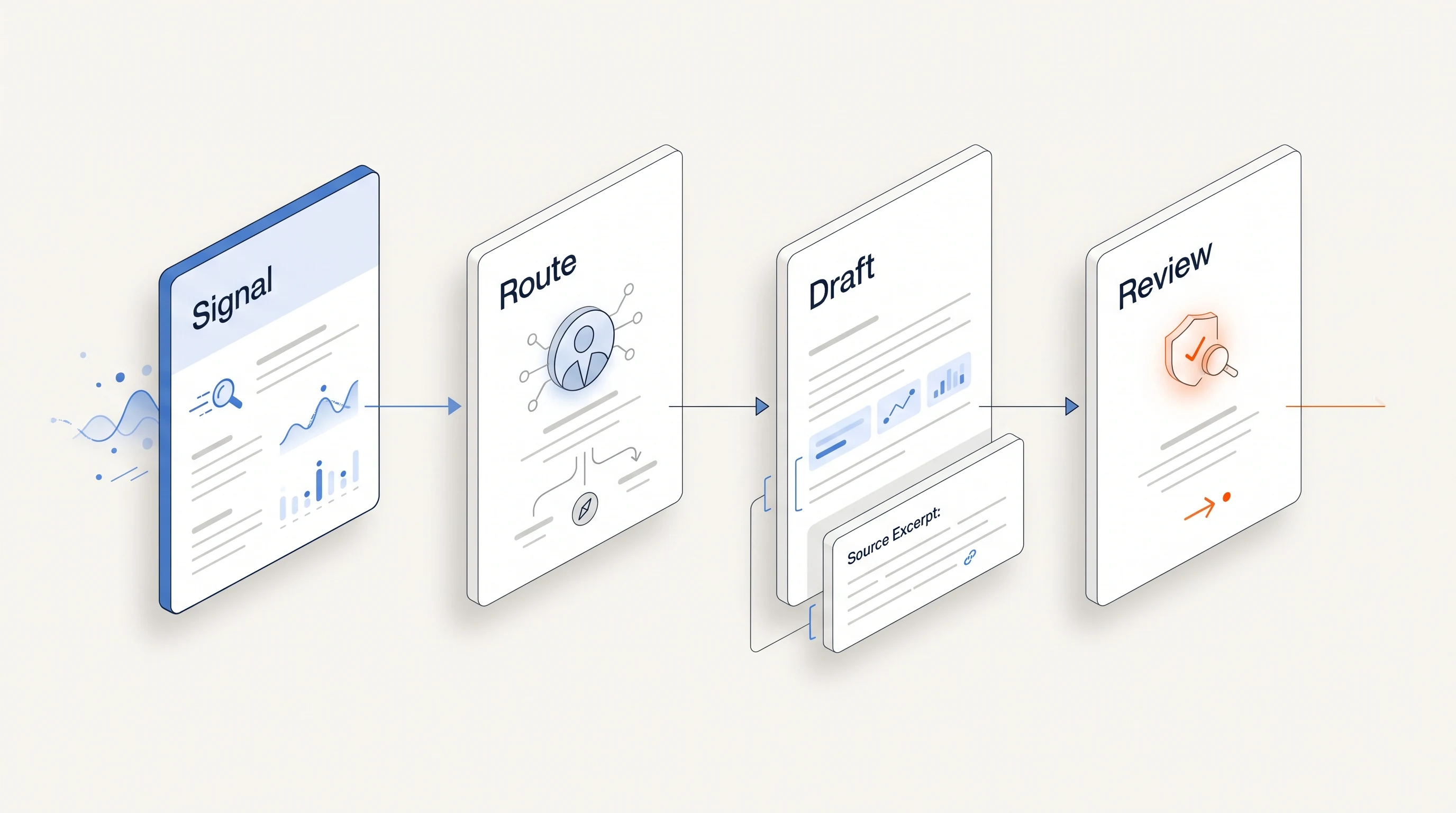
Perpetual reads public job postings, qualifies companies against your offer, chooses one contact with a reason and writes from the posting. It does fewer things than Unify: there is no website visitor tracking or product-usage signal, no free plan and LinkedIn steps are manual.
Compare cost on the same workload
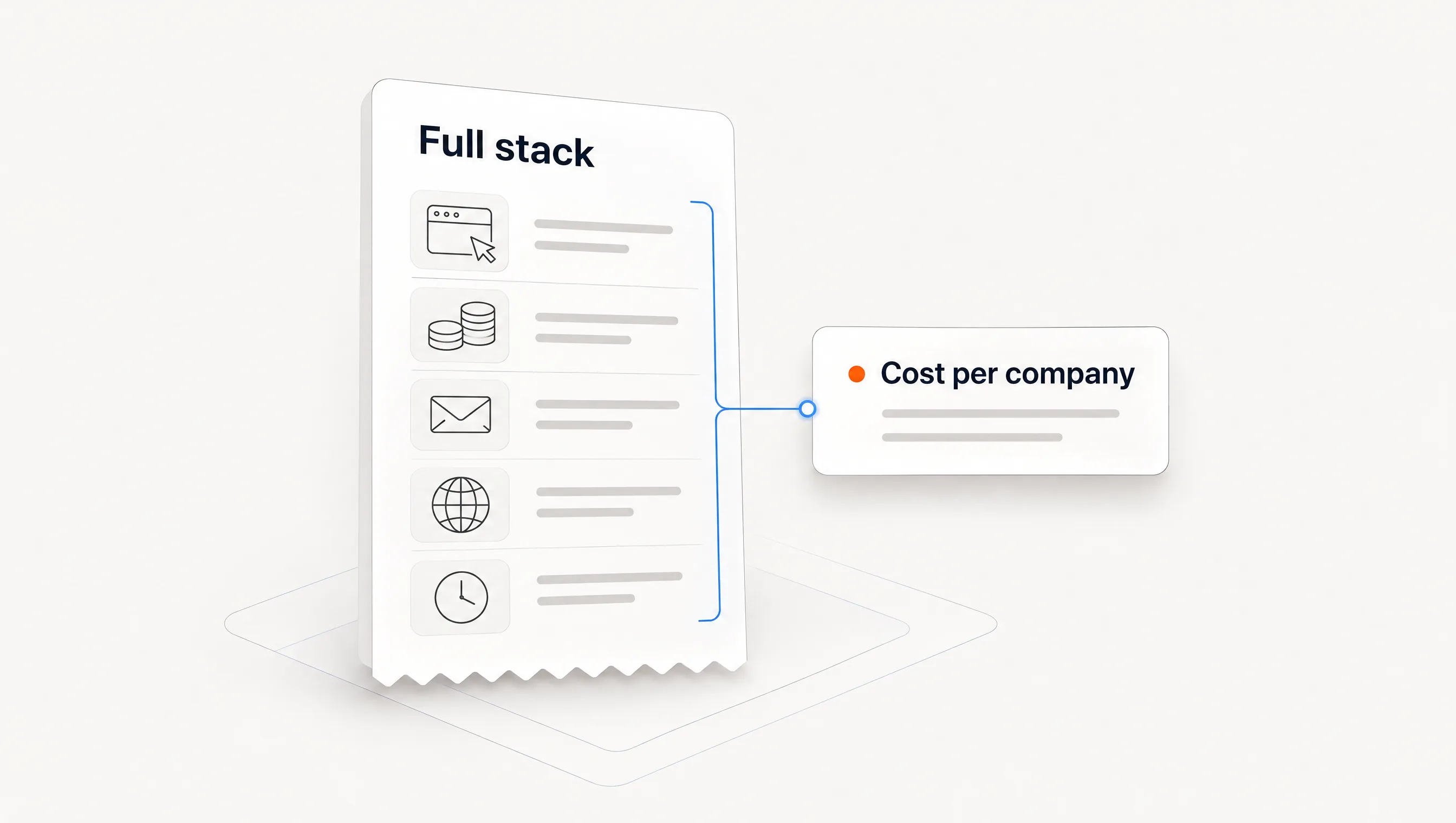
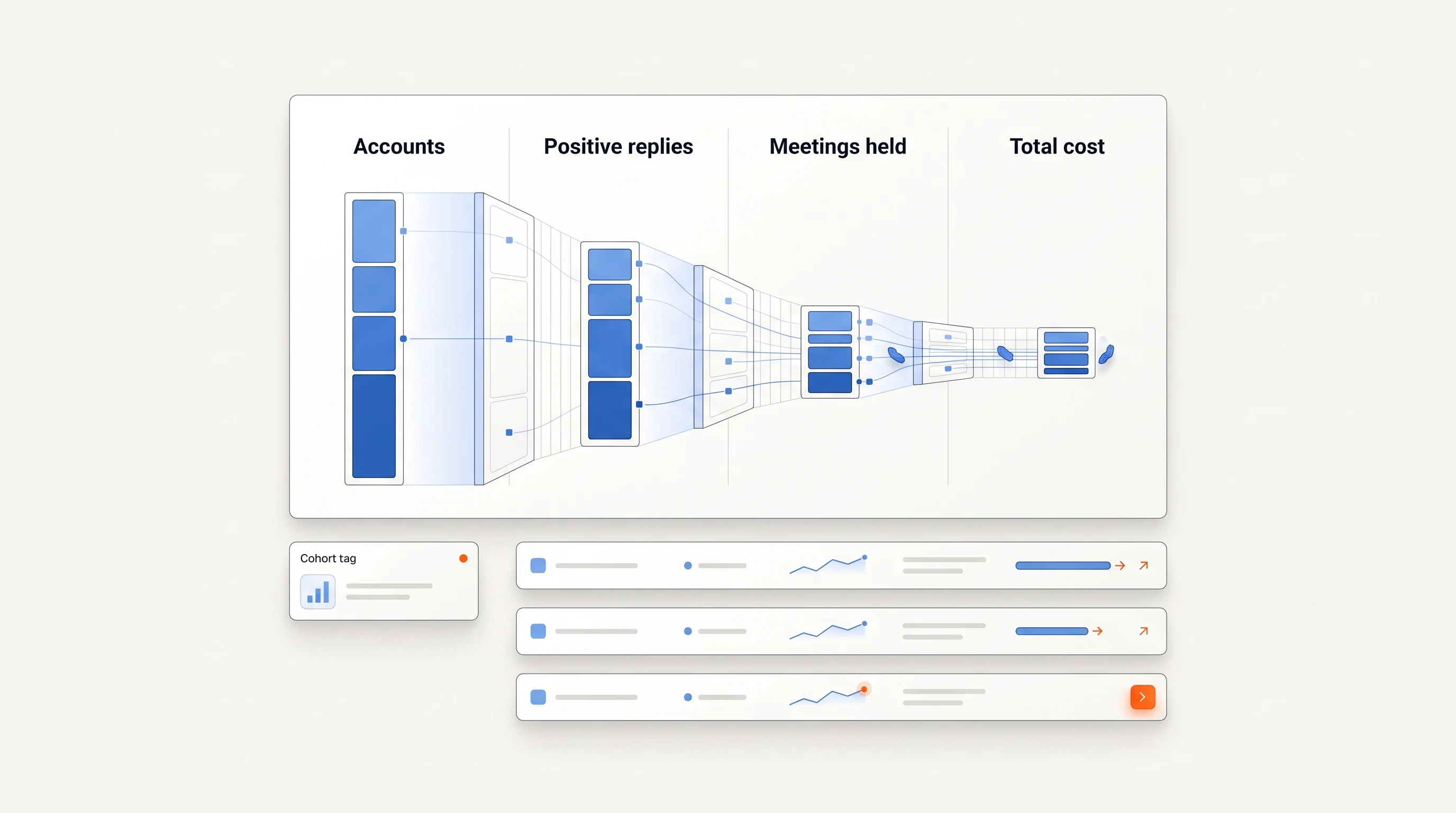
Seat prices, credits, contacts and annual contracts are not comparable units. Put each option on one workload. In our line-by-line cost breakdown, one Unify Pro seat with its single mailbox priced at $60 for 500 contacts a month, the lowest of the five stacks we priced, while Perpetual came to about $272 with mailboxes. That gap only matters if the cheaper option leaves no more work for your team. Measure the human time per contact, not just the subscription.
When you should stay with Unify
- Its signals, especially website and product activity, are the ones that drive your pipeline.
- Your volume fits comfortably within the credits per seat.
- Your team uses the plays and chat interface daily.
- You prefer per-seat plans, which Unify lists as billed monthly on Base and Pro, over an annual platform contract.
Switching costs time. If the issue is one missing signal, adding a focused tool beside Unify may be cheaper than replacing it.
Where Perpetual fits
Perpetual is the narrow option on this list: one trigger, public hiring activity, carried through qualification, one contact, a grounded message and email follow-up from your Google Workspace mailboxes. Choose it when hiring is the event that makes a company relevant to your offer. Choose something broader if you need many signal types. See pricing and our hiring signal tools comparison.
Frequently asked questions
Is there a free alternative to Unify?
Clay has a free plan, and Unify itself has one for up to three seats. Free plans have tight limits, so check them against your real volume.
What is the cheapest Unify alternative?
On list price, few are cheaper than Unify's own Base plan. Compare the whole workload, including credits, mailboxes and your team's time.
Which Unify alternative is best for hiring signals?
That depends on whether you need the data or the full outreach path. Our hiring signal tools comparison covers both.
Are these prices current?
They were read on the dates shown. Pricing in this category changes often, so confirm on each vendor's page.