JournalEvaluationNo. 20
Sales Intelligence Tools for B2B Teams With Long Sales Cycles
What to look for in sales intelligence tools when deals take months: change tracking, history, multiple contacts, re-open triggers and a 90-day test.
Petar Jovanović8 min read7 sections
Contents
Published by Perpetual
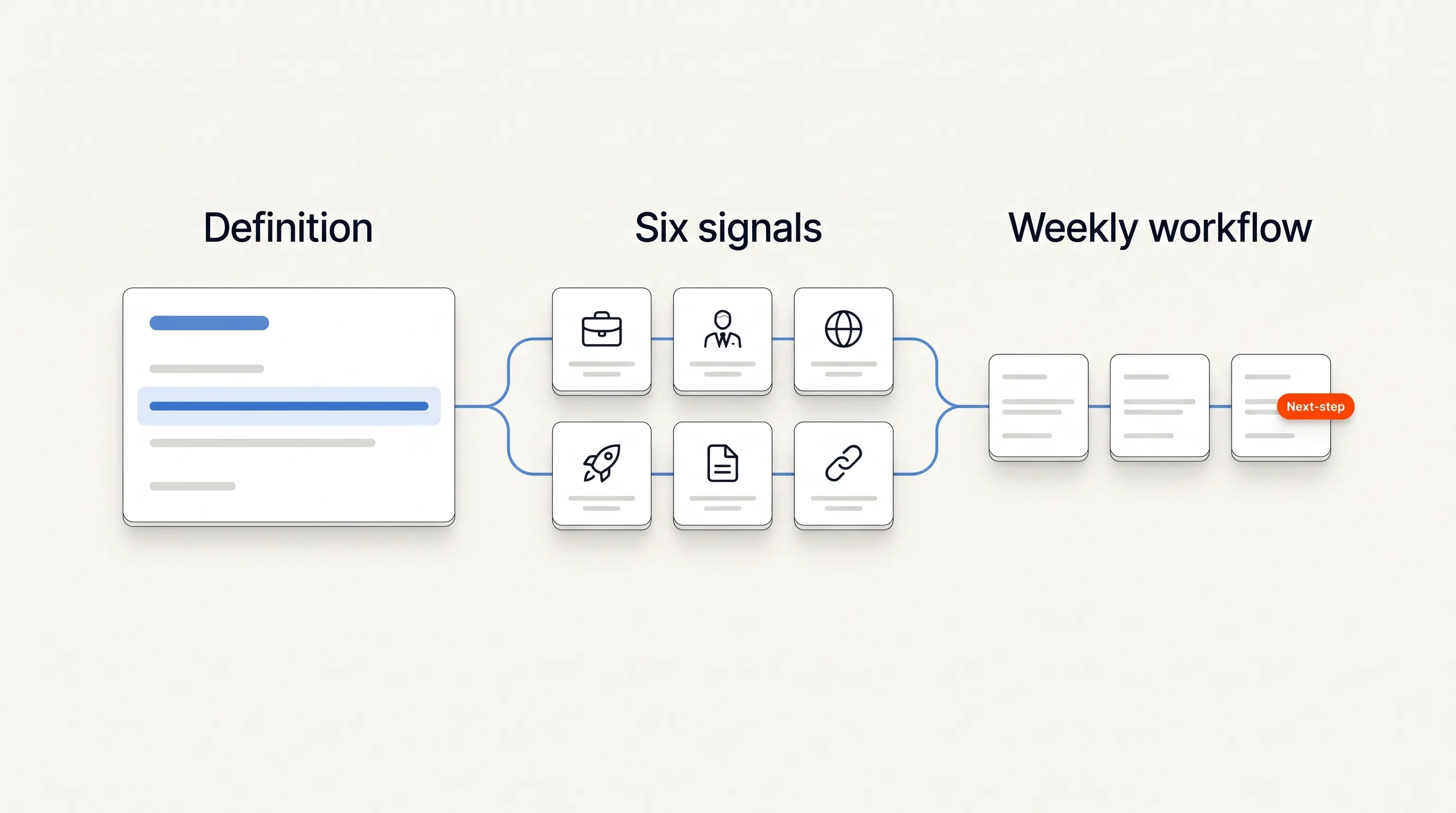
Sales intelligence tools help a seller learn about accounts and the people in them. When deals take six months or more, the requirements change: a snapshot of the account today matters less than how it changes over time, who else joins the conversation and when a stalled deal becomes worth reopening. This guide explains what long cycles ask of a sales intelligence tool, a checklist for evaluating one and a 90-day test.
Three things to know
- In a long cycle the value is in change over time: a new leader, a new budget cycle, a team that grows or a project that stalls.
- A deal usually involves several people, so a tool that returns one contact per account covers only part of the picture.
- Sales intelligence feeds the people and the CRM; it should not replace them. Keep the CRM as the record and check that the tool writes back cleanly.
What sales intelligence means
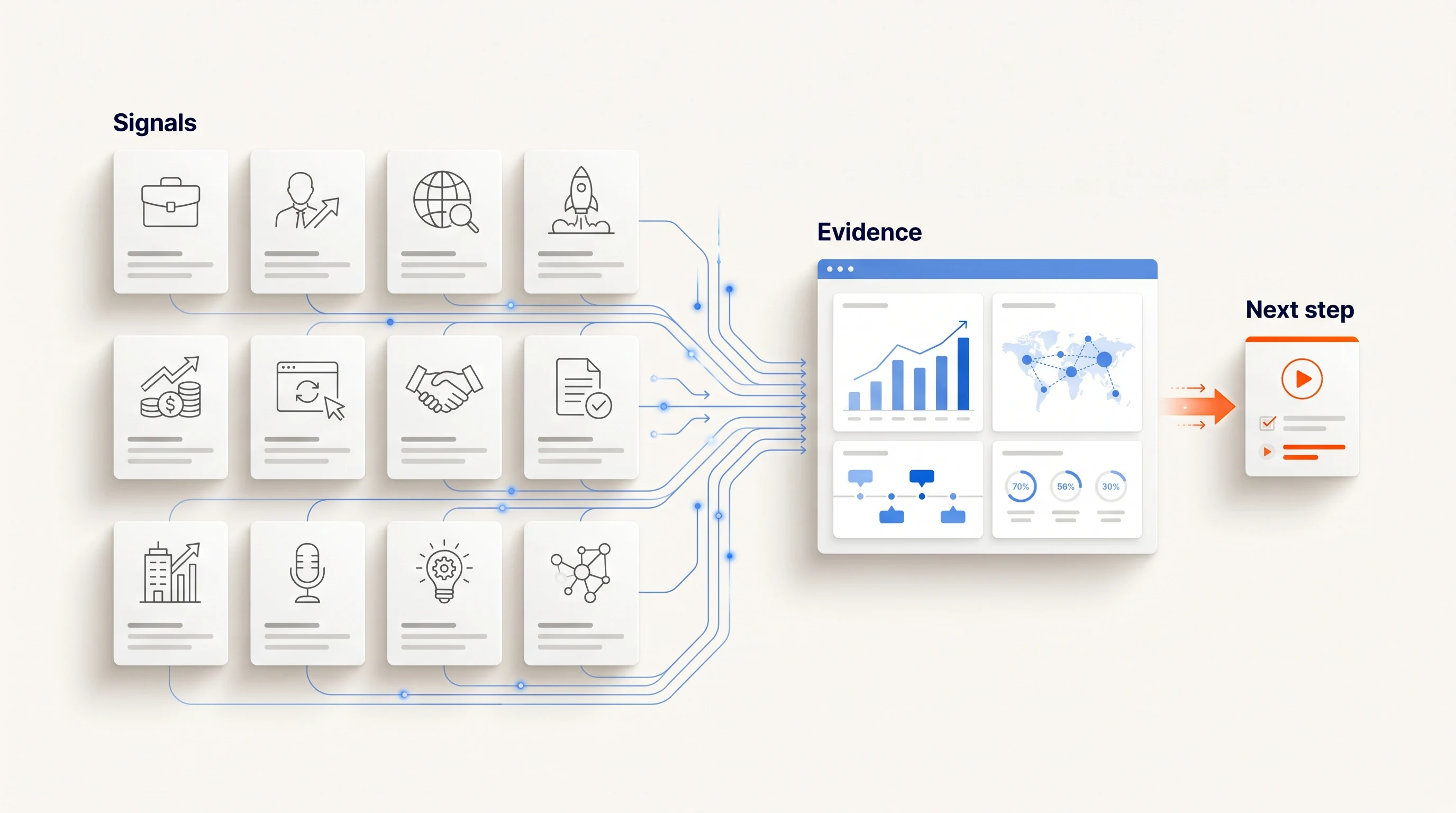
Sales intelligence is information about accounts and contacts that helps a seller prioritize and prepare: firmographics, contact data, technology in use, news and signals that something changed. Vendors package it in different ways. Some focus on contact data, some on account events, some on intent models.
For a transactional sale with a short cycle, a good list and a good first message may be enough. For a long cycle, the account you contact today will not decide for months, and what you learn between now and then often matters more than the first touch.
What long cycles change
Four things shift when deals take months:
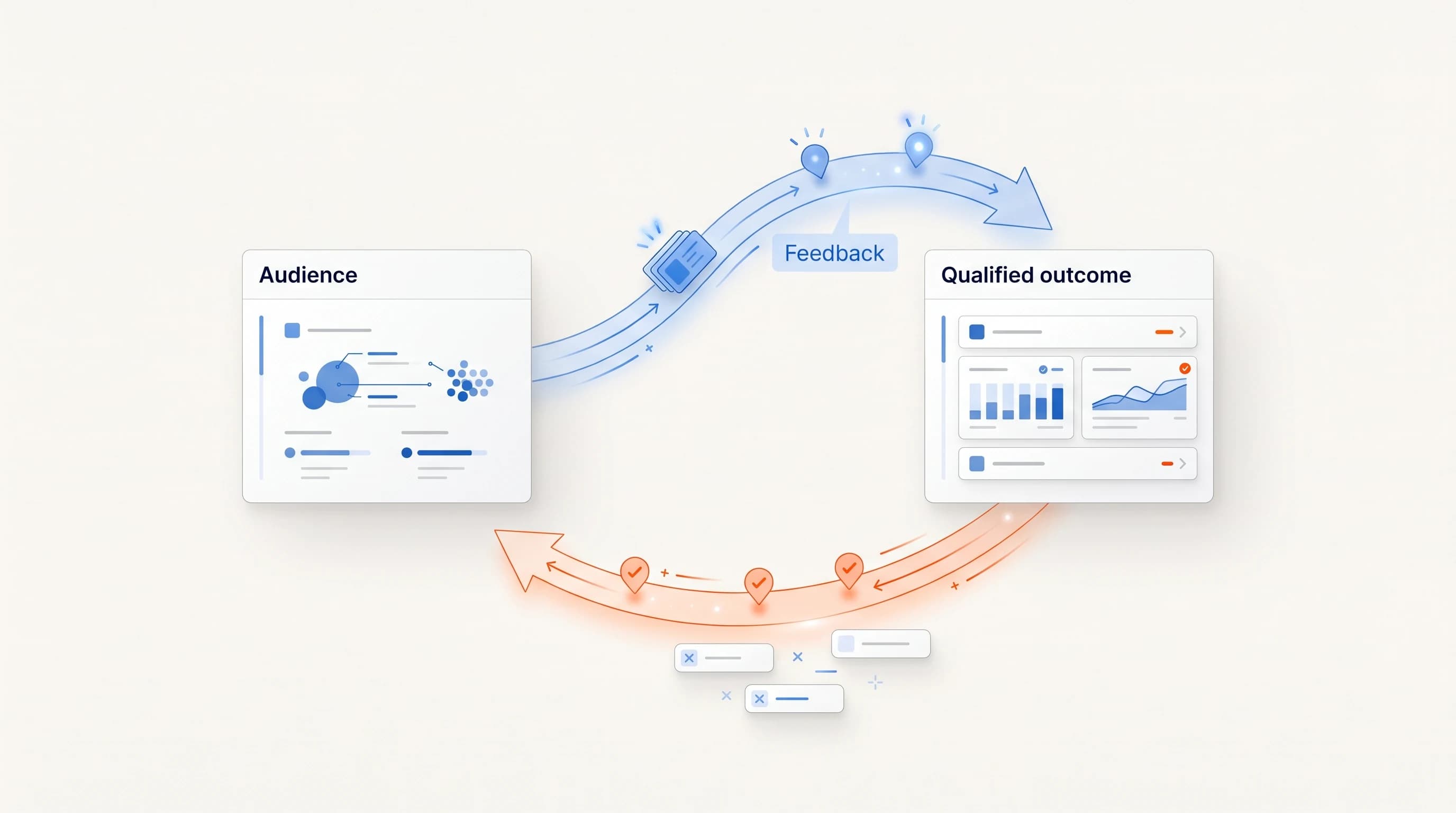
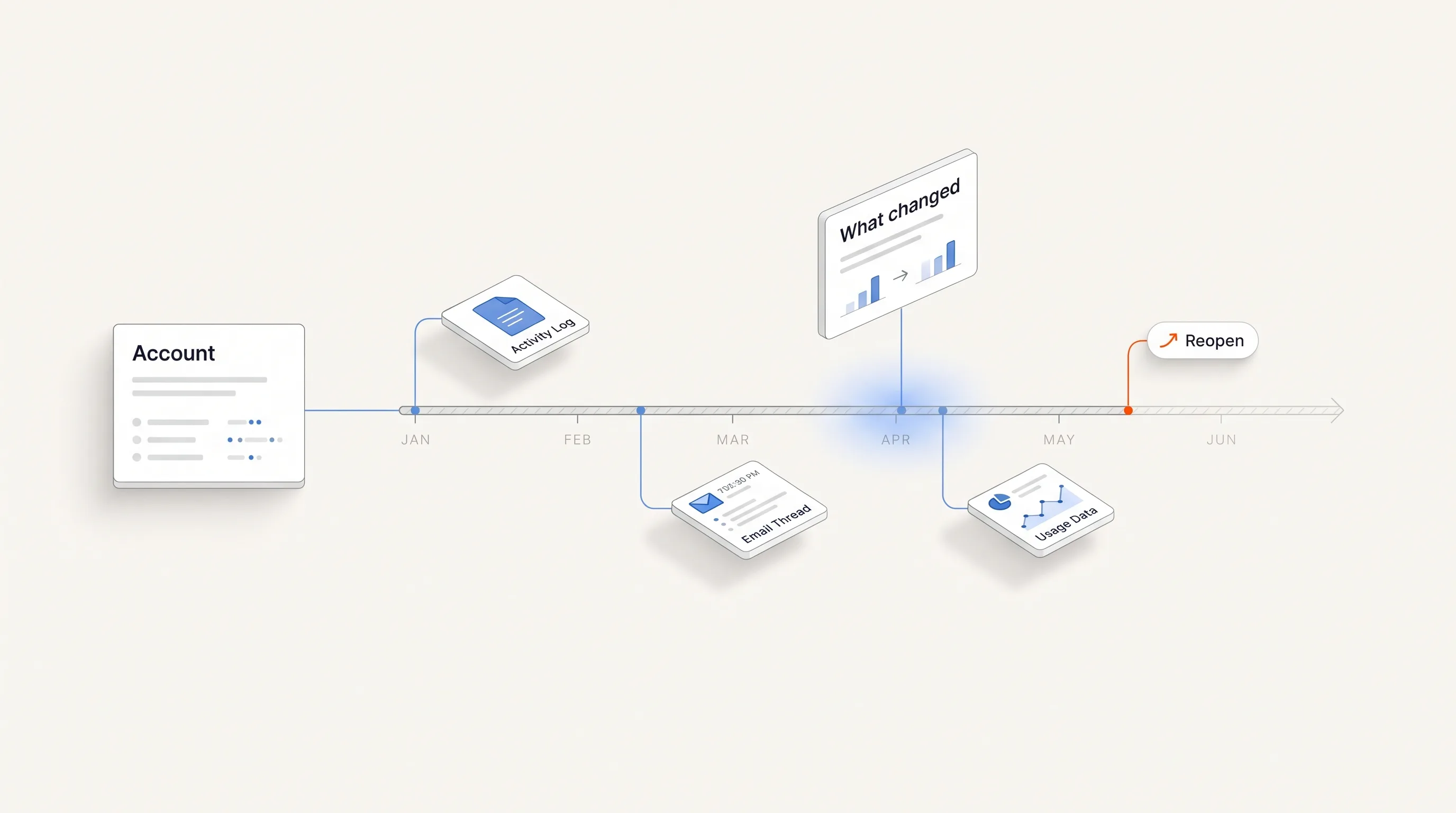
- Timing is a series, not a moment. You need to notice a change in month three that makes a stalled deal relevant again, not only the event that started the conversation.
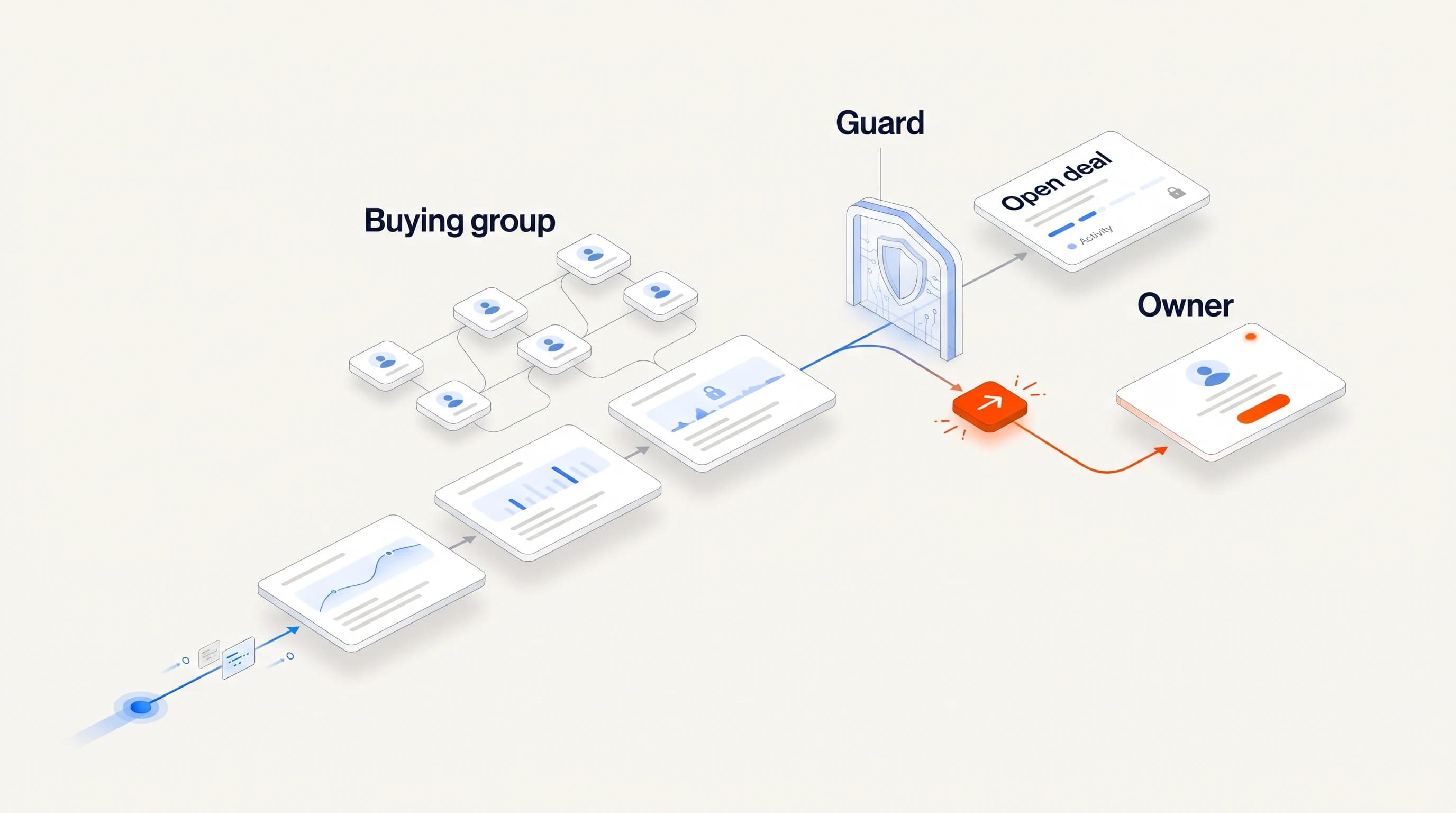
- The buying group grows. Over a long cycle, finance, security, operations and an executive sponsor often join. You need to find and track more than one person.
- People move. A champion changes jobs, or a sponsor leaves. A tool that does not track this loses the thread.
- Context decays. A note from six months ago is not current. The record needs dates for everything, so you can tell what is fresh.
Demandbase argues that teams do better focusing on the accounts that are actively in market, and cites a figure of 15–20% of accounts in-market at any time (Demandbase). That figure is a vendor estimate, but the idea is useful: a long-cycle team wins by noticing the right moment, not by contacting everyone more often. For enterprise teams specifically, see signal-based prospecting for enterprise RevOps.
Seven requirements to check
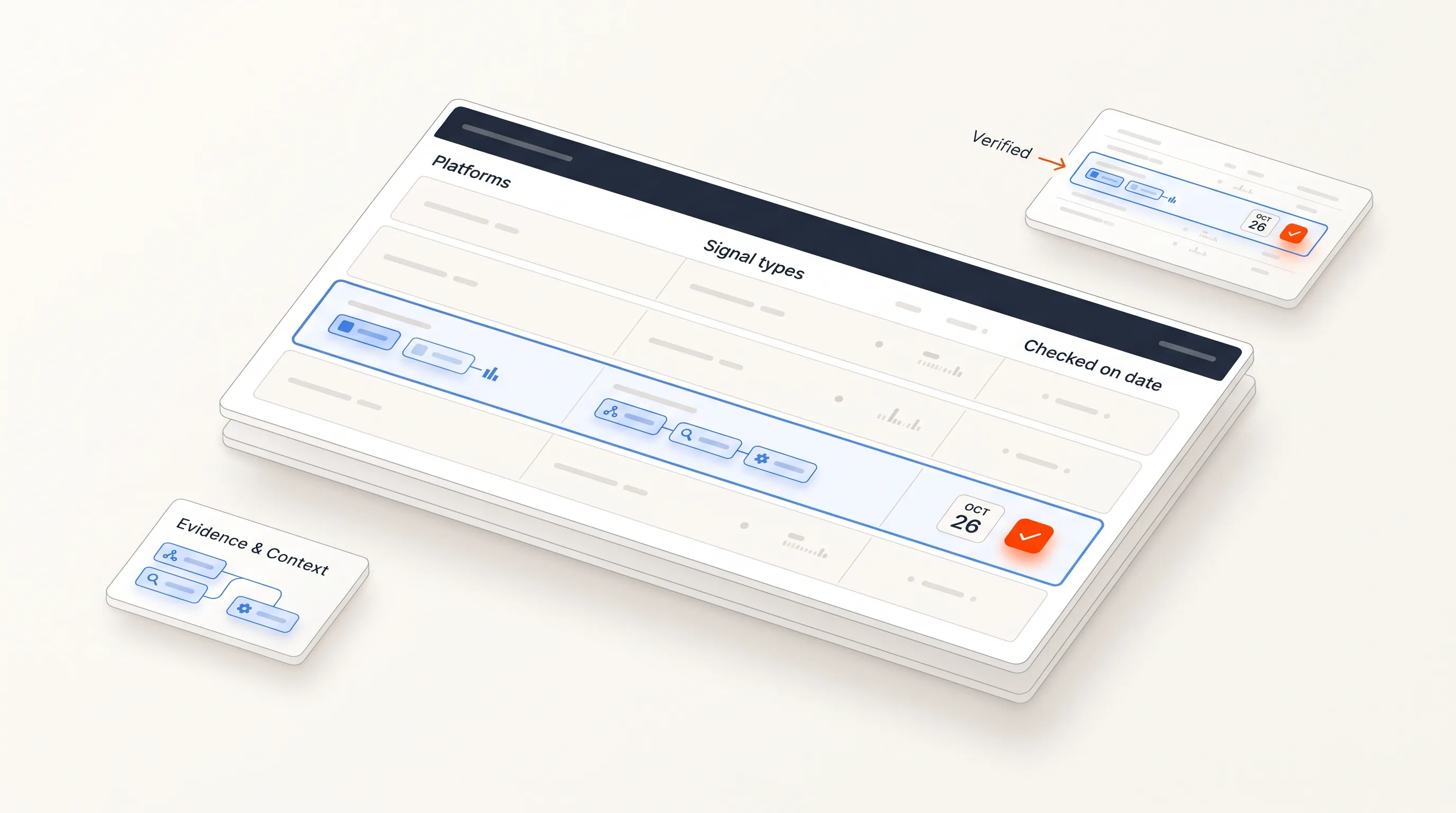
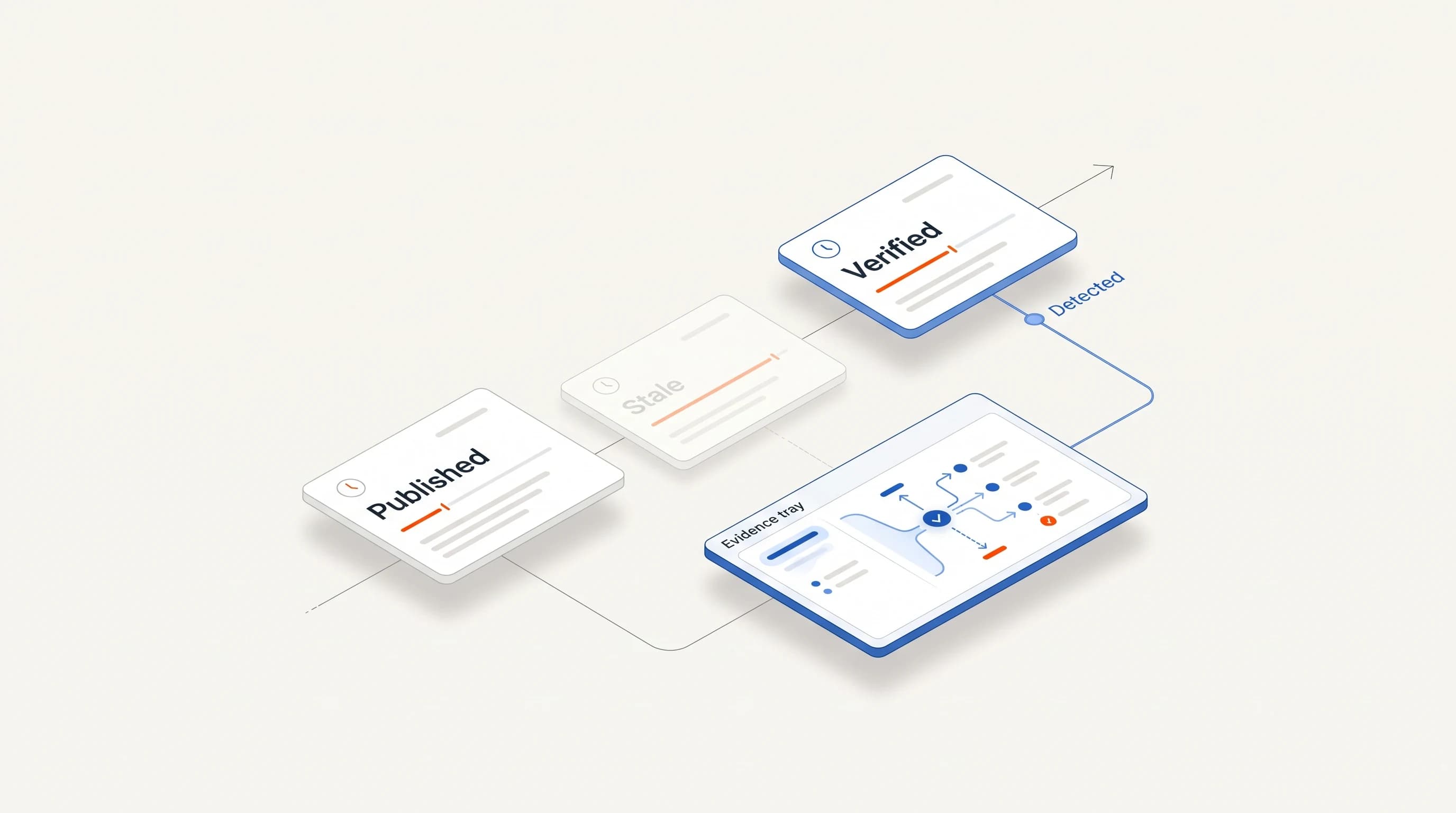
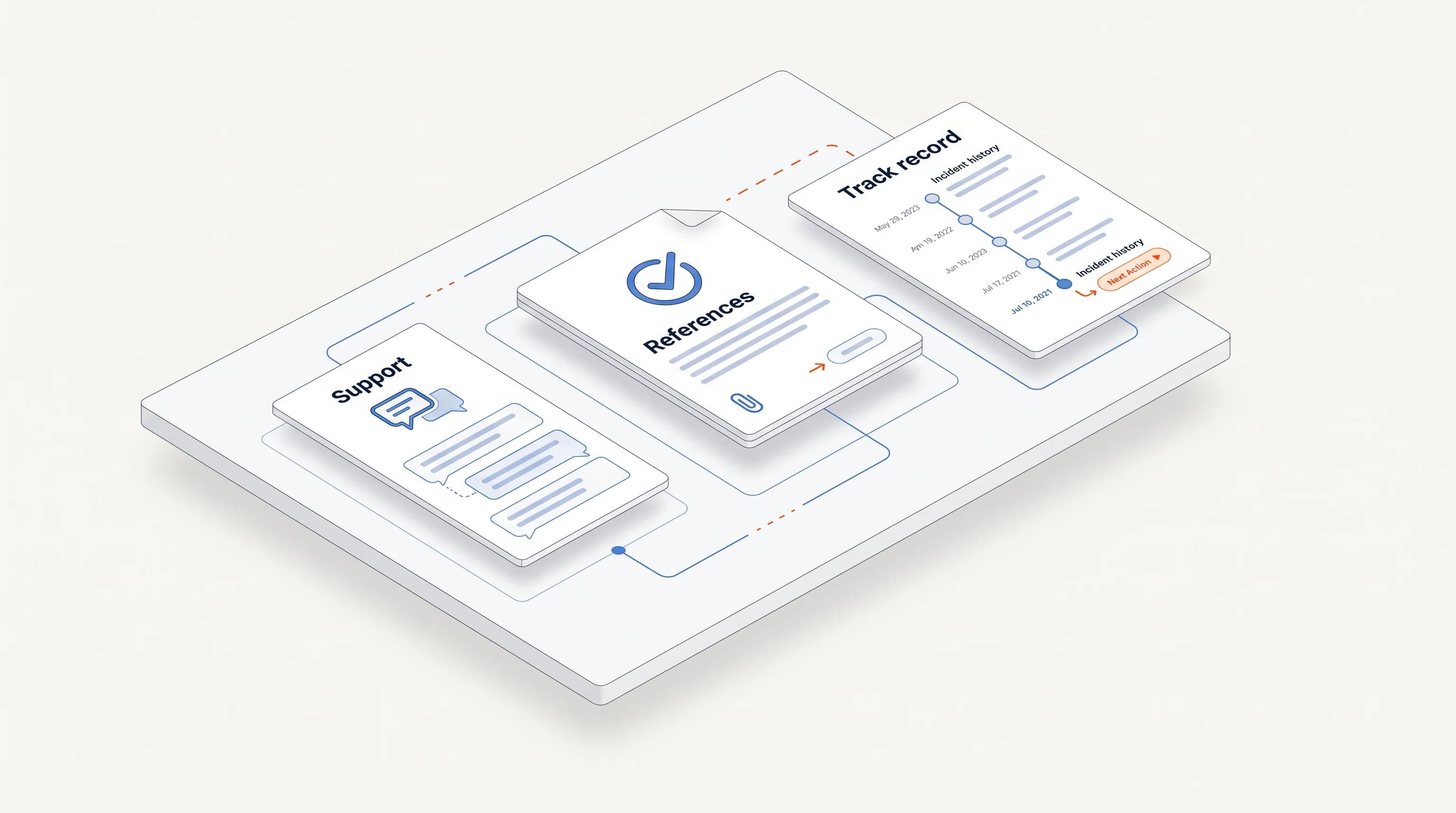
- Change tracking with dates. The tool should show what changed, when it changed and where it came from. Both the event date and the date the tool found it should be visible.
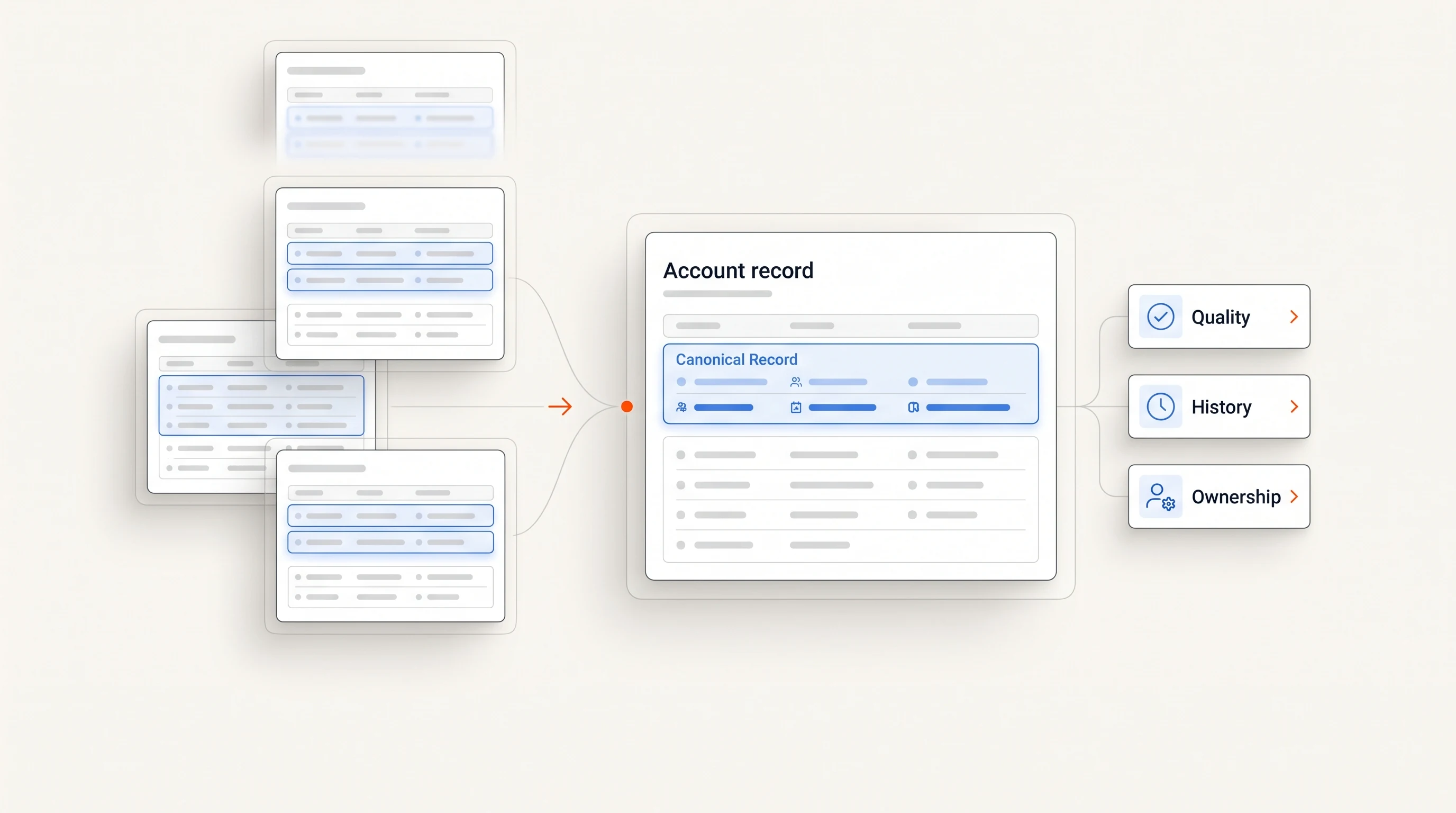
- History per account. You should be able to see the signals and notes for an account across months, not only the latest snapshot.
- Multiple contacts and roles. It should help you find several people in a buying group and keep track of their roles.
- People-change alerts. Job changes for champions and sponsors should reach the right owner.
- Re-open triggers. The tool should be able to flag a stalled or closed-lost account when something relevant changes.
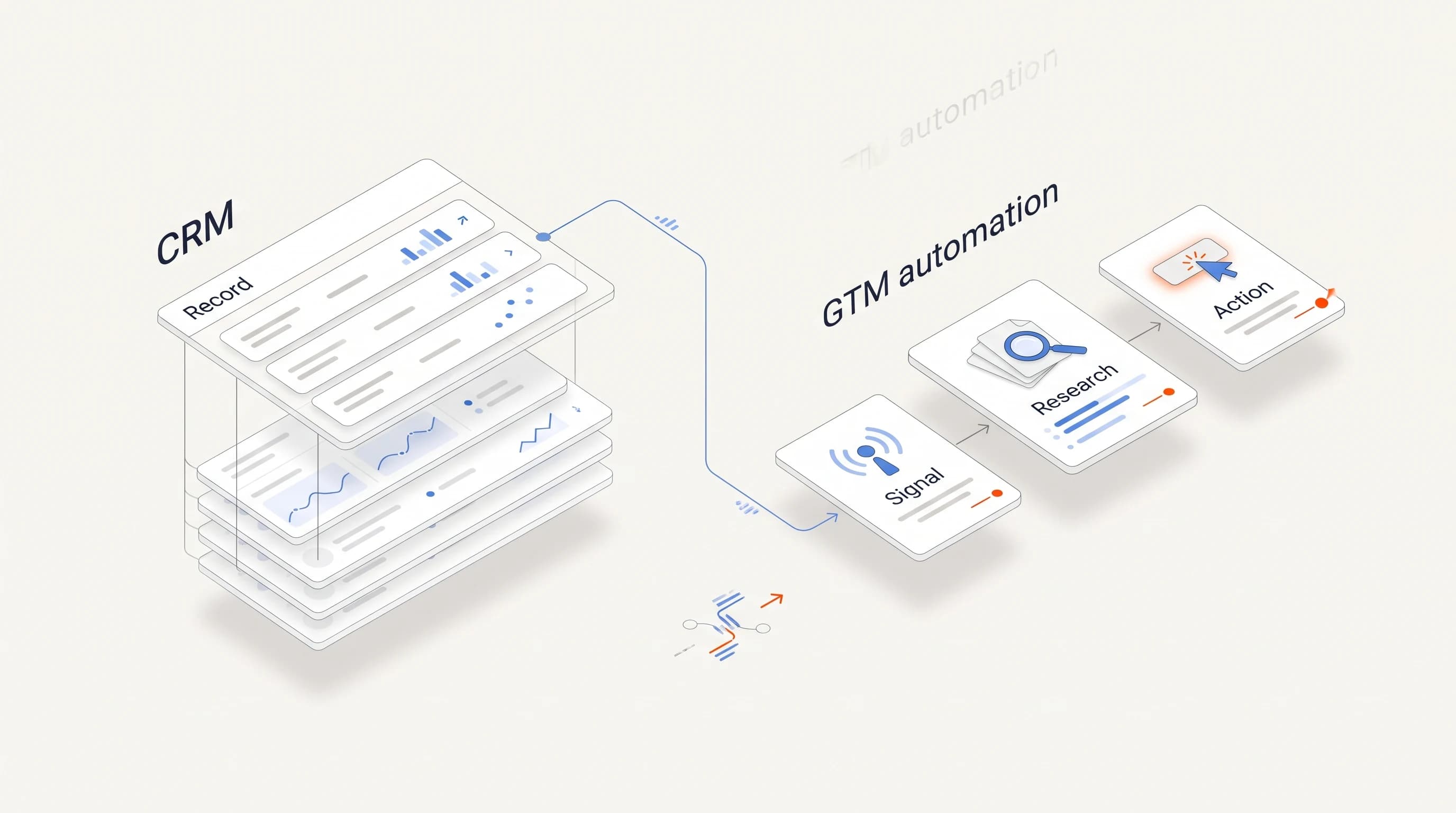
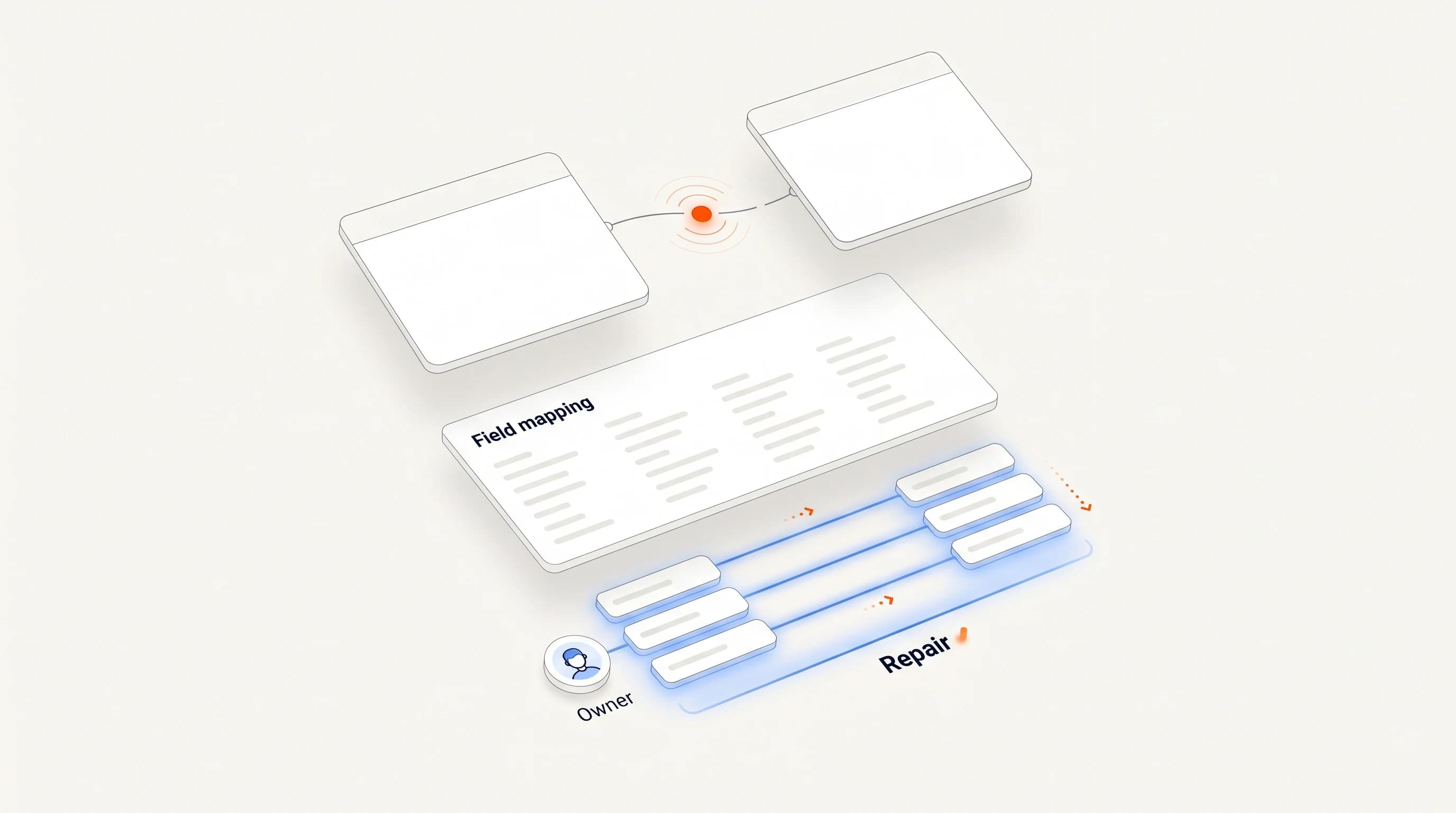
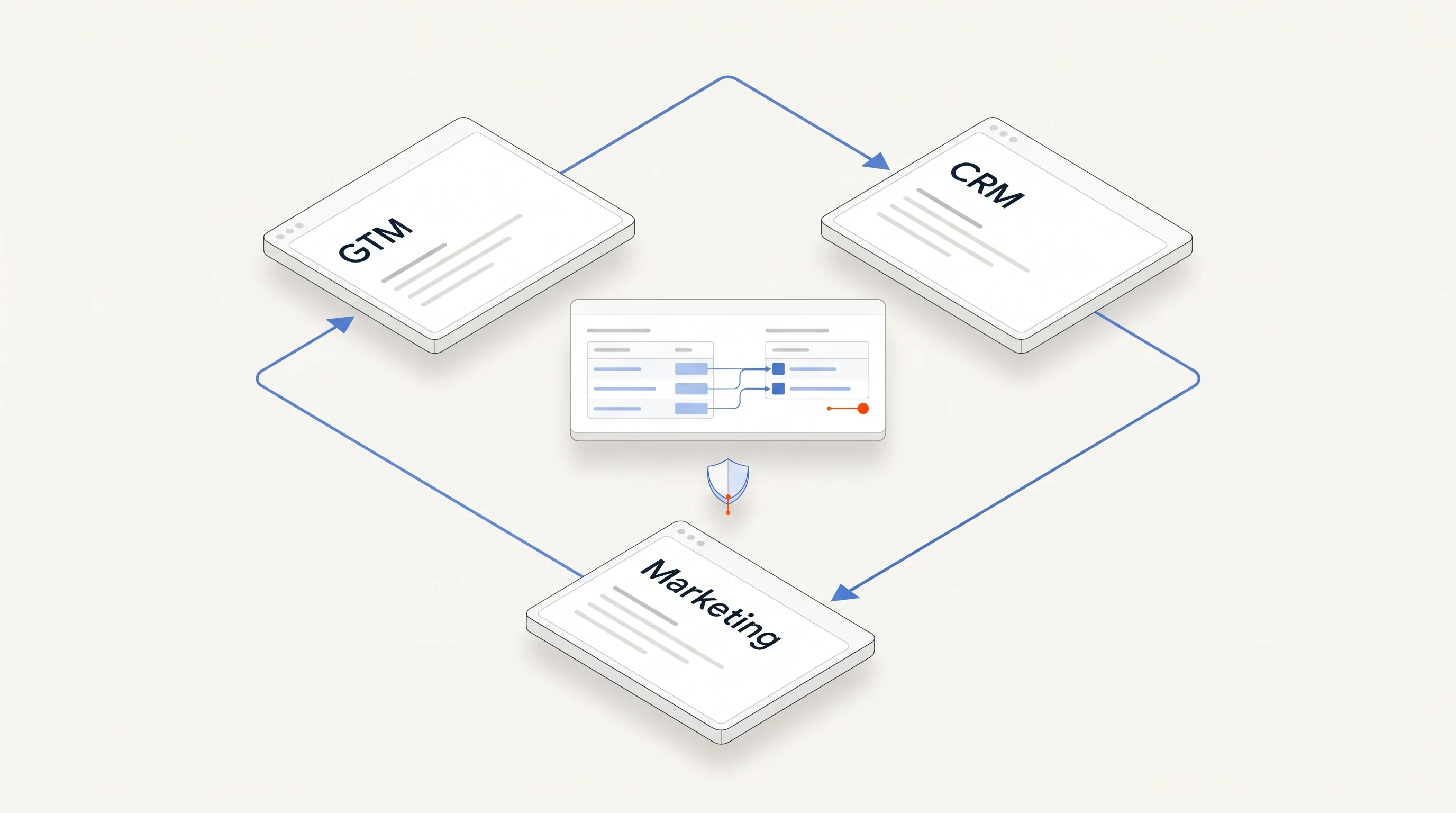
- CRM sync you can inspect. Know which fields are written, in which direction, and who owns the field mapping. See account data management: what to evaluate.
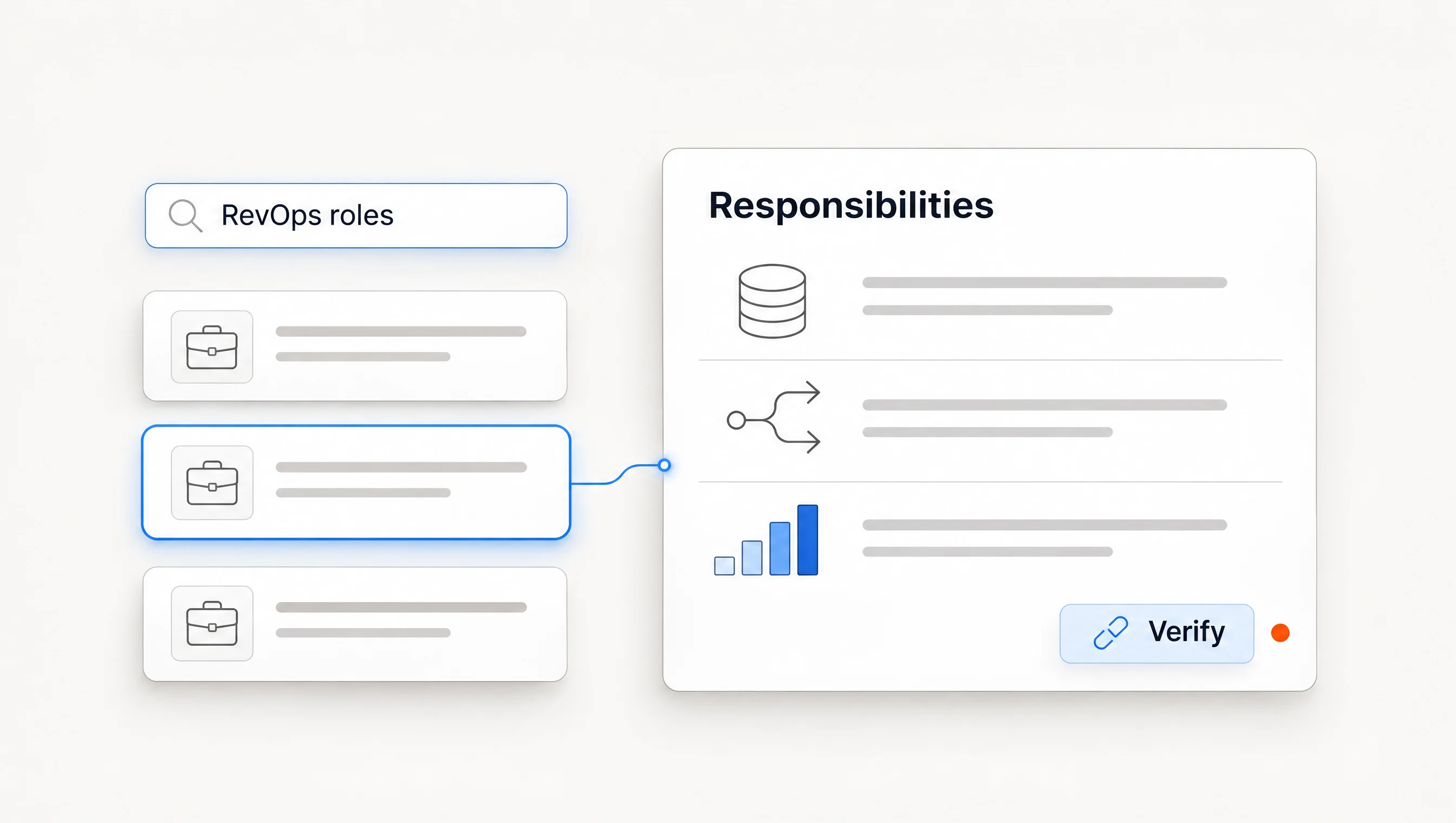
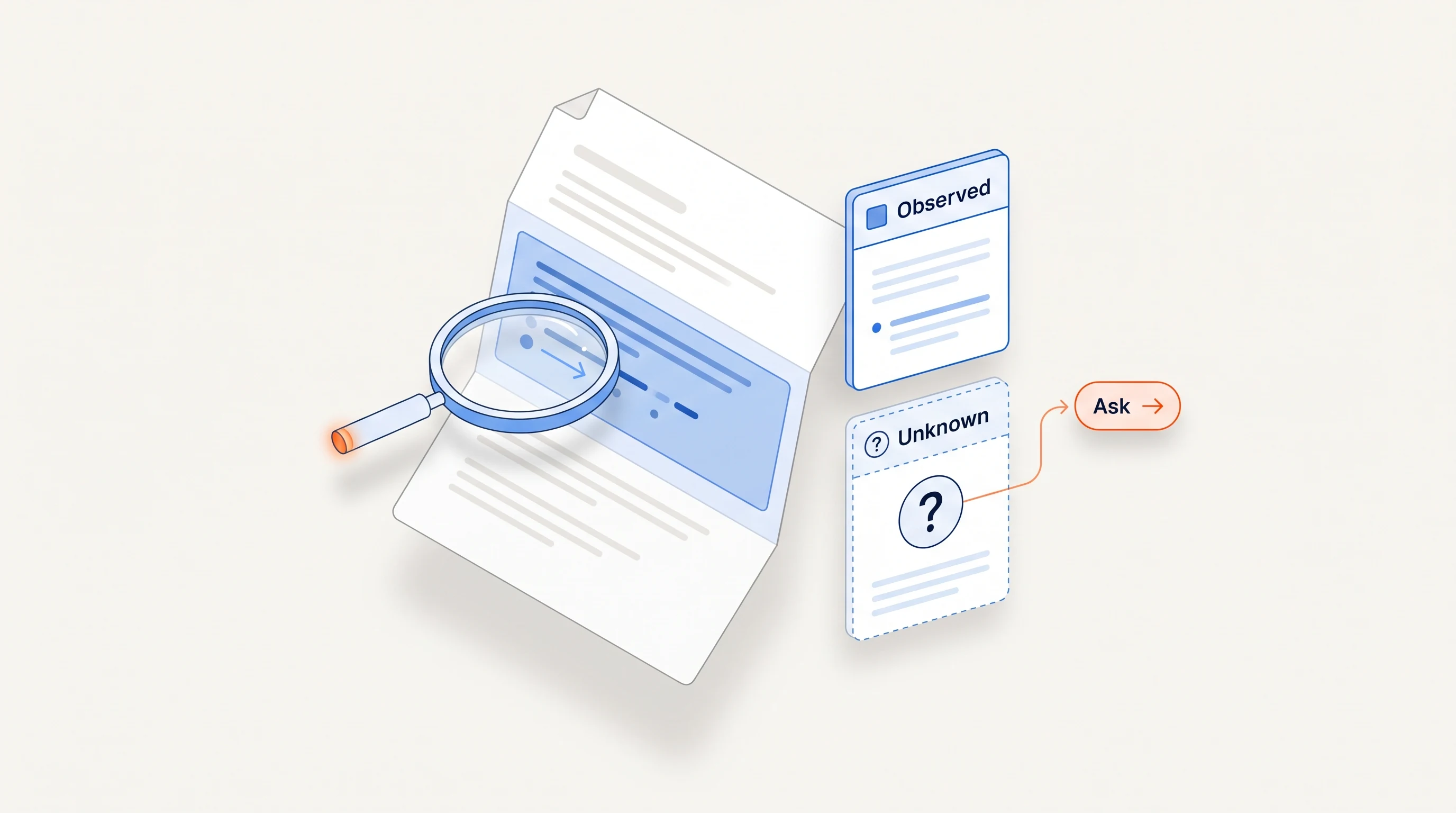
- Source links. Every claim should link to something you can open. In a long cycle, you will need to re-check old evidence before you reference it.
Evaluating tools for US-market selling
Teams selling into the US market usually care about coverage of US companies and contacts, and about how the tool handles opt-outs and suppression. A few practical checks:
- Ask how coverage differs by company size, and test it on twenty of your own target accounts.
- Ask how often contact data is re-verified and what the vendor does when an address bounces.
- Ask how the tool handles opt-outs and your suppression list, and whether it blocks a second contact to the same company when one person has opted out.
- Confirm your own outreach follows applicable email rules and consult your counsel for what applies to your situation.
Sources of public information also matter. A signal built on public postings and announcements can be checked by anyone on your team. A modelled score cannot, which makes it harder to defend when a long-cycle deal is questioned internally.
Types of tool, and what they suit
| Type | Strong at | Watch out for |
|---|---|---|
| Contact and company databases | Finding people and basic account data | Data freshness; signal features can be add-ons |
| Account-event and signal platforms | Telling you what changed at an account | Depth of history and contact coverage vary |
| Intent platforms | Showing which accounts are researching topics | Usually trend-level; hard to verify why an account was flagged |
| CRM-native intelligence | Staying in one system | Often shallow on external signals |
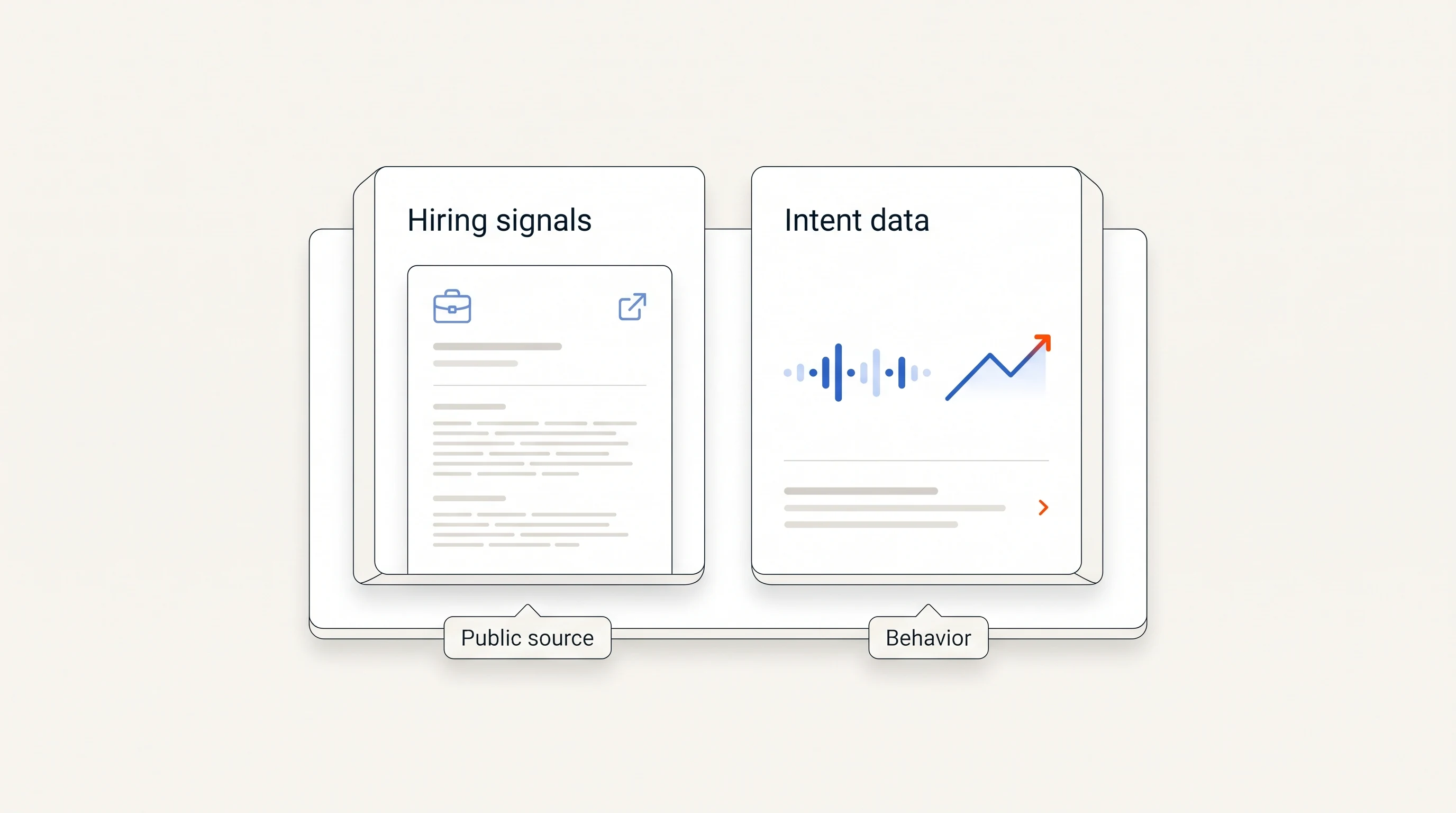
For a comparison of platforms that track signals, see best buying signal tracking platforms. For how intent and hiring differ in source and checkability, read hiring signals vs. intent data.
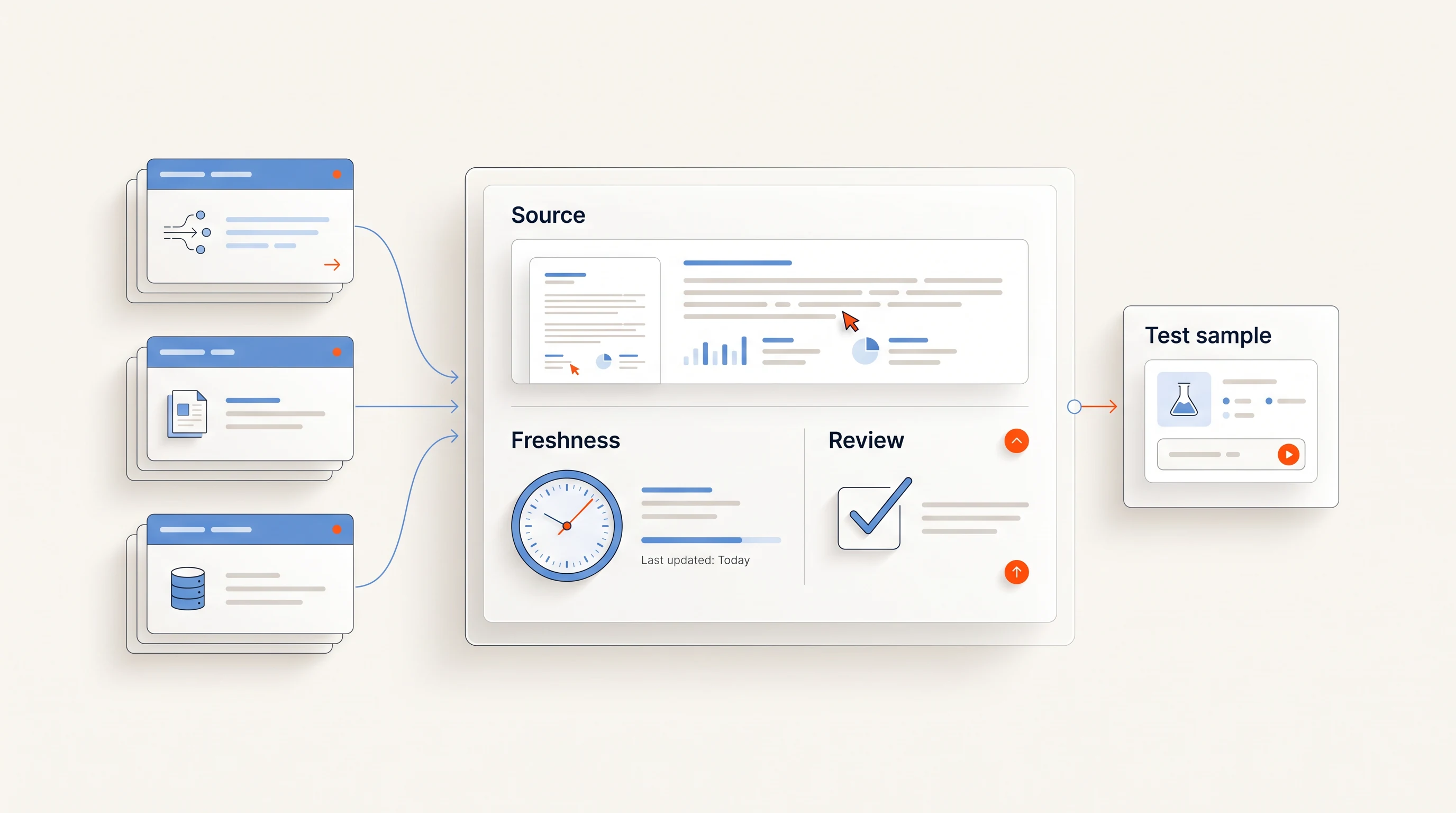
A 90-day test
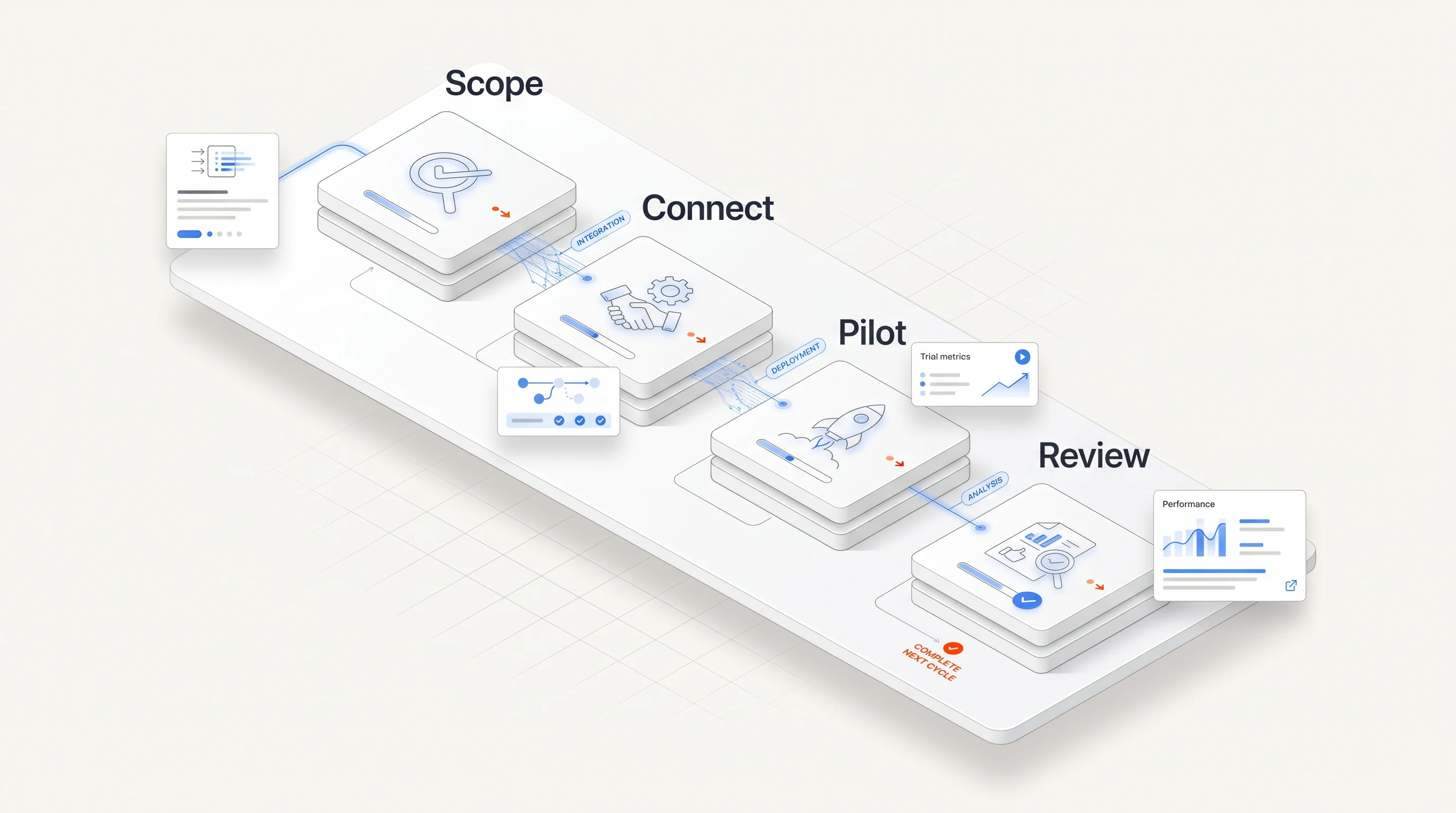
Long cycles make short demos misleading, so test over a quarter on a small set of accounts.
- Pick 20 accounts: ten open deals and ten that went quiet. Include a few you know well.
- Record what you already know about each: contacts, recent changes, known risks.
- Run the tool for 90 days and log every alert for those accounts: was it true, was it fresh, did anyone act on it?
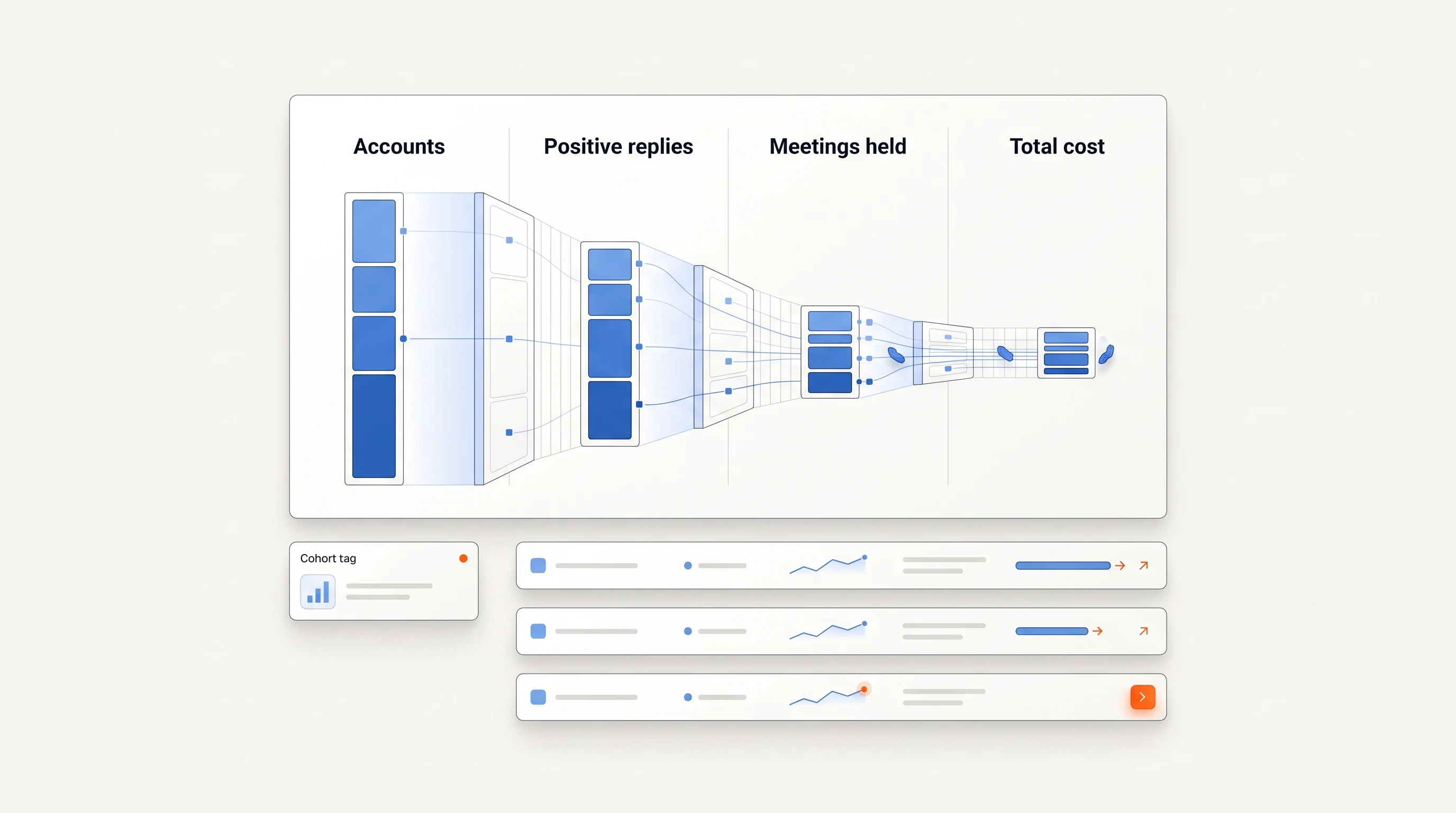
- Count outcomes you can attribute: a stalled deal reopened, a new stakeholder found, a champion change caught.
- Review at 30, 60 and 90 days with the account owners, and ask whether they would have noticed the same thing without the tool.
If the tool surfaced nothing your team did not already know, the cost is hard to justify. If it caught two or three changes that moved deals, you have your answer.
Where Perpetual fits
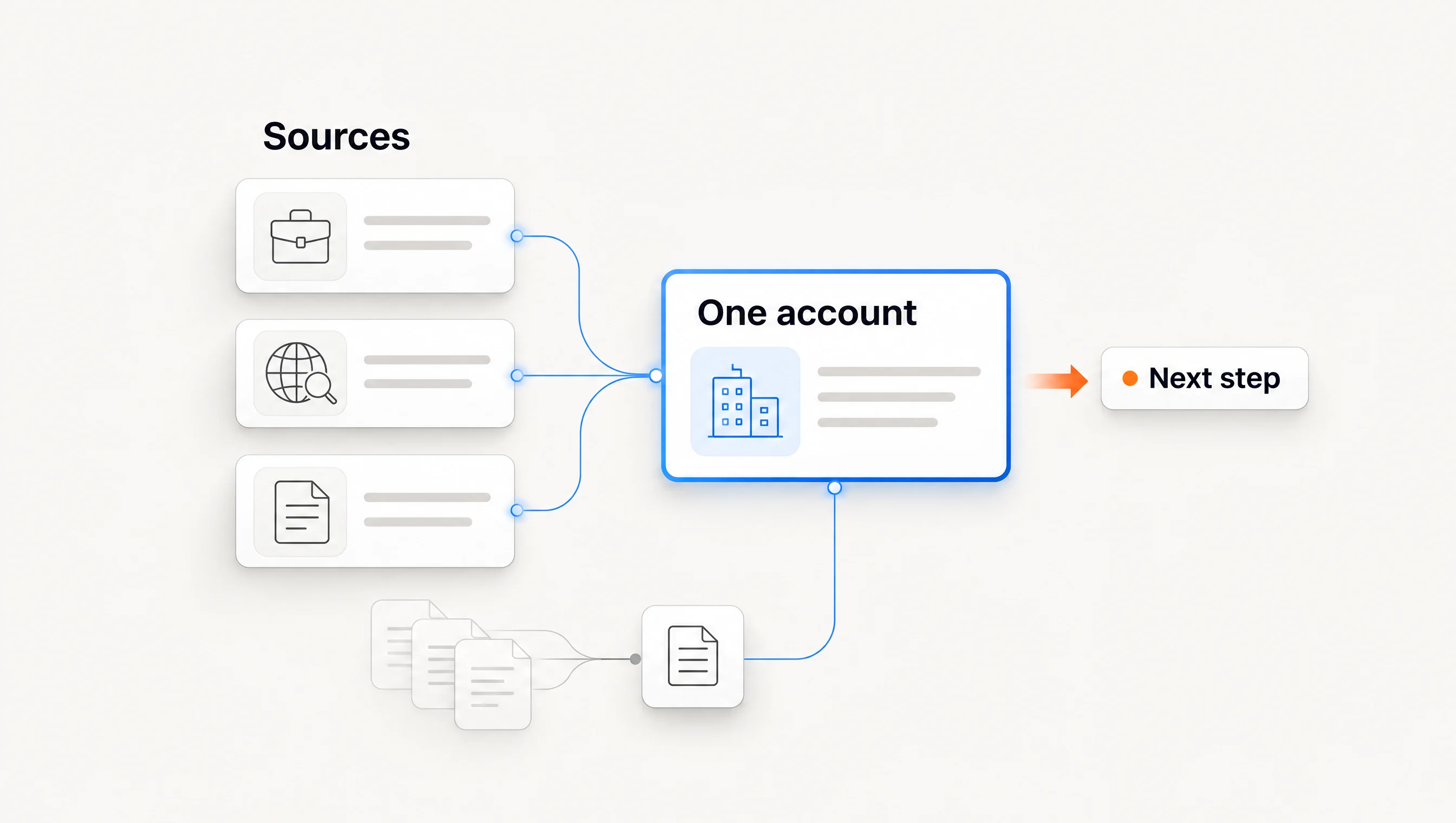
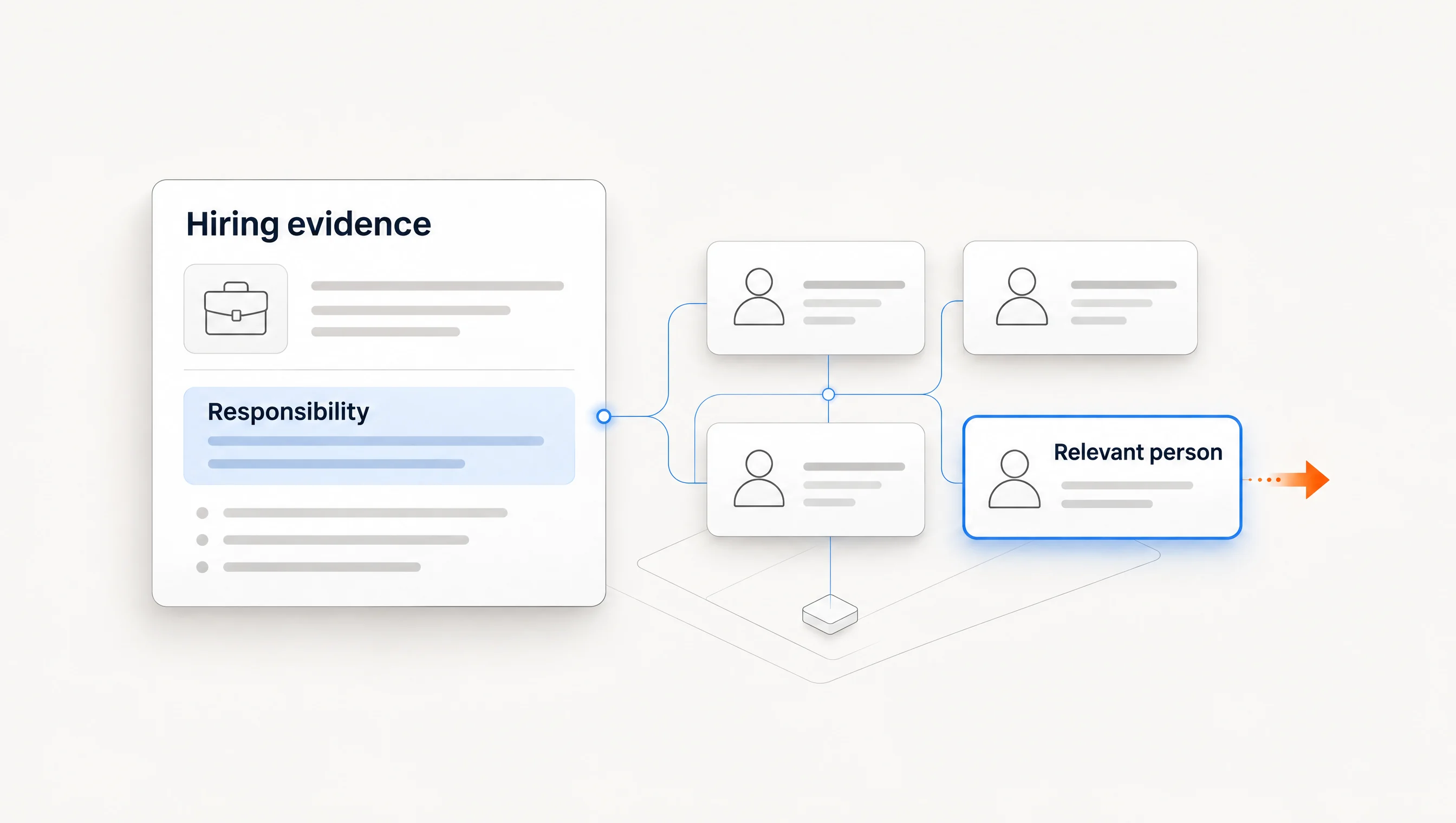
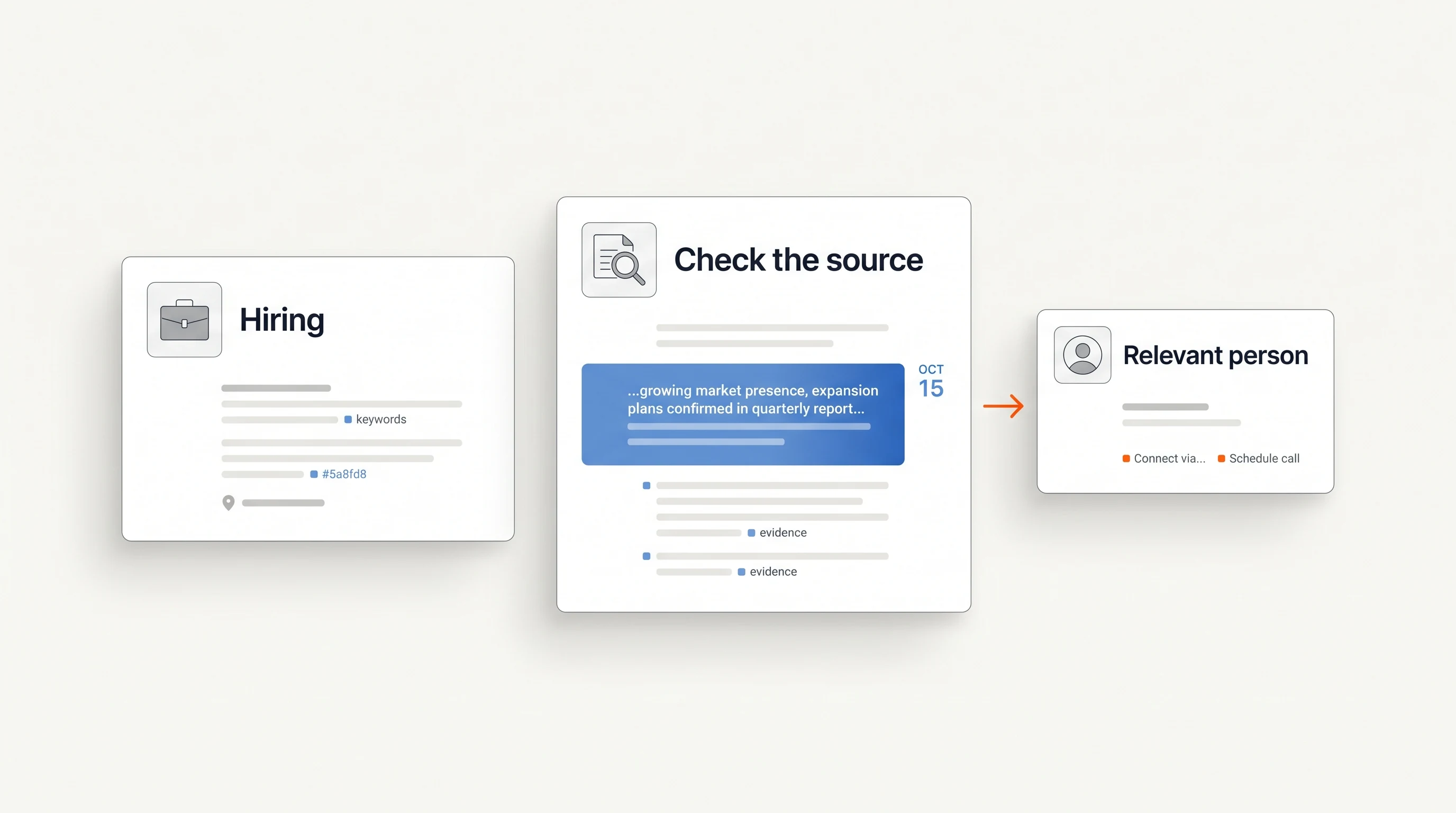
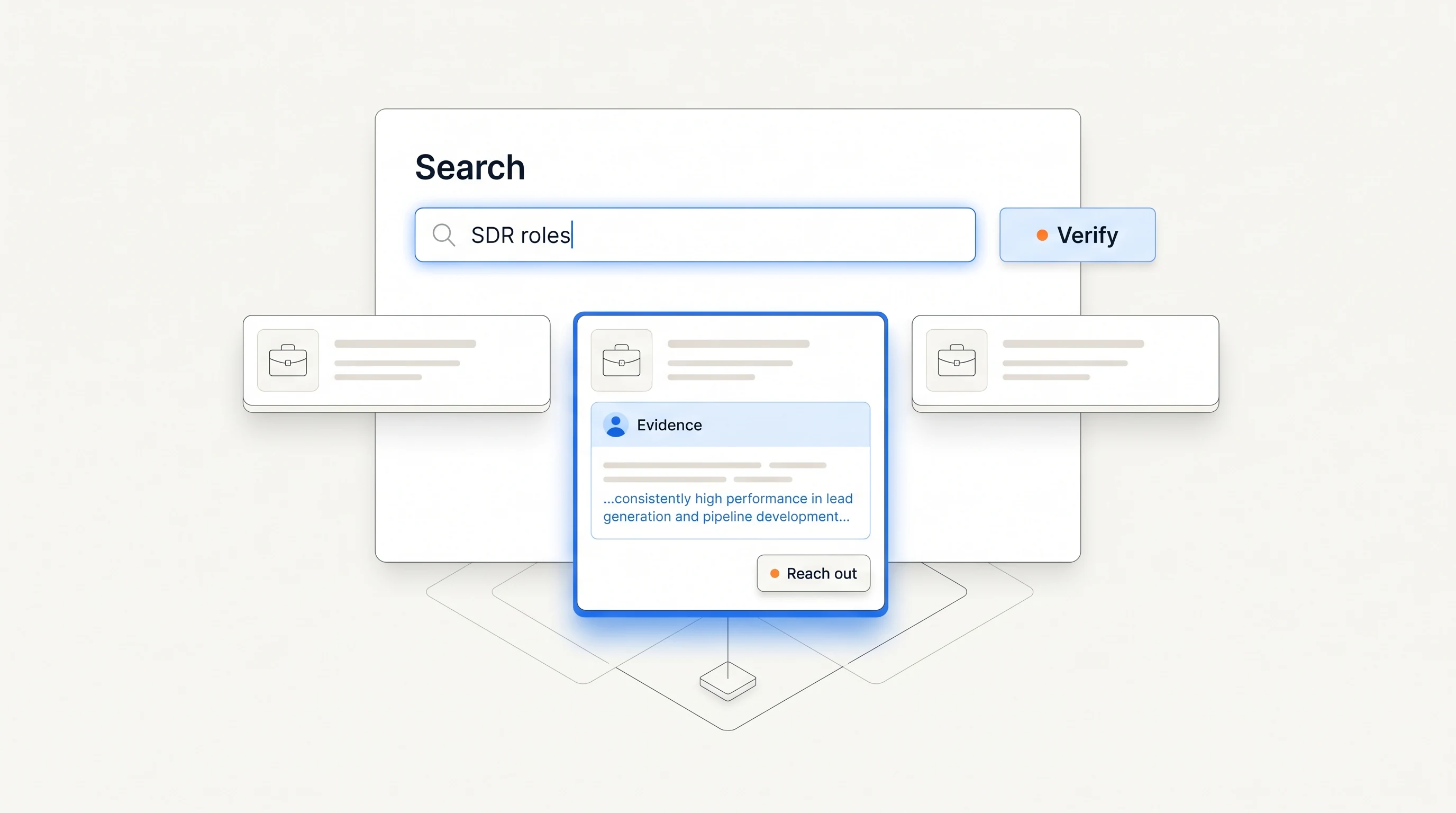
Perpetual is not a contact database and not a full account-intelligence suite. It focuses on public hiring activity: it finds companies whose open roles match your offer, keeps the source and date, selects one relevant person with an explanation and drafts a grounded opener. Completing campaign setup authorizes automatic email within your saved sending policy. There is no per-message approval. Manual review is available on request. You can inspect activity and pause a campaign at any time. Replies and opt-outs stop email follow-ups. For a long-cycle team, that is most useful at the start of a conversation and for noticing when a stalled account starts hiring for the function you sell to. Pair it with your CRM for history and with a contact or intent source if you need a wider buying group.
Key takeaways
| Point | Detail |
|---|---|
| Long cycles need history | Track what changed and when, not only today's snapshot. |
| Cover the buying group | A single contact per account misses most of the deal. |
| Re-open triggers matter | The best use is noticing when a stalled account becomes relevant. |
| Test for 90 days | Use open and quiet accounts and count changes you could attribute. |
Frequently asked questions
What is a sales intelligence tool?
Software that provides information about accounts and contacts, such as company data, contact details, technologies in use and signals of change, to help sellers prioritize and prepare.
How is sales intelligence different for long sales cycles?
The value shifts from a one-time list to ongoing change tracking: new leaders, people moving, budget timing and reasons to reopen stalled deals.
Do I need intent data for a long sales cycle?
Not necessarily. Intent data can show research trends, but public, dated events such as hiring and announcements are easier to verify. Many teams use both, with the CRM as the record.
How long should I test a sales intelligence tool?
A quarter, on a small set of open and quiet accounts. Shorter tests rarely show whether the tool notices changes that matter over months.