Skip to content

JournalSignalsNo. 13

Signal Stacking for B2B Sales: 5 Plays You Can Build

Combine independent buying signals into a clear account decision. Five practical plays, a worked example and a free signal-stacking CSV worksheet.

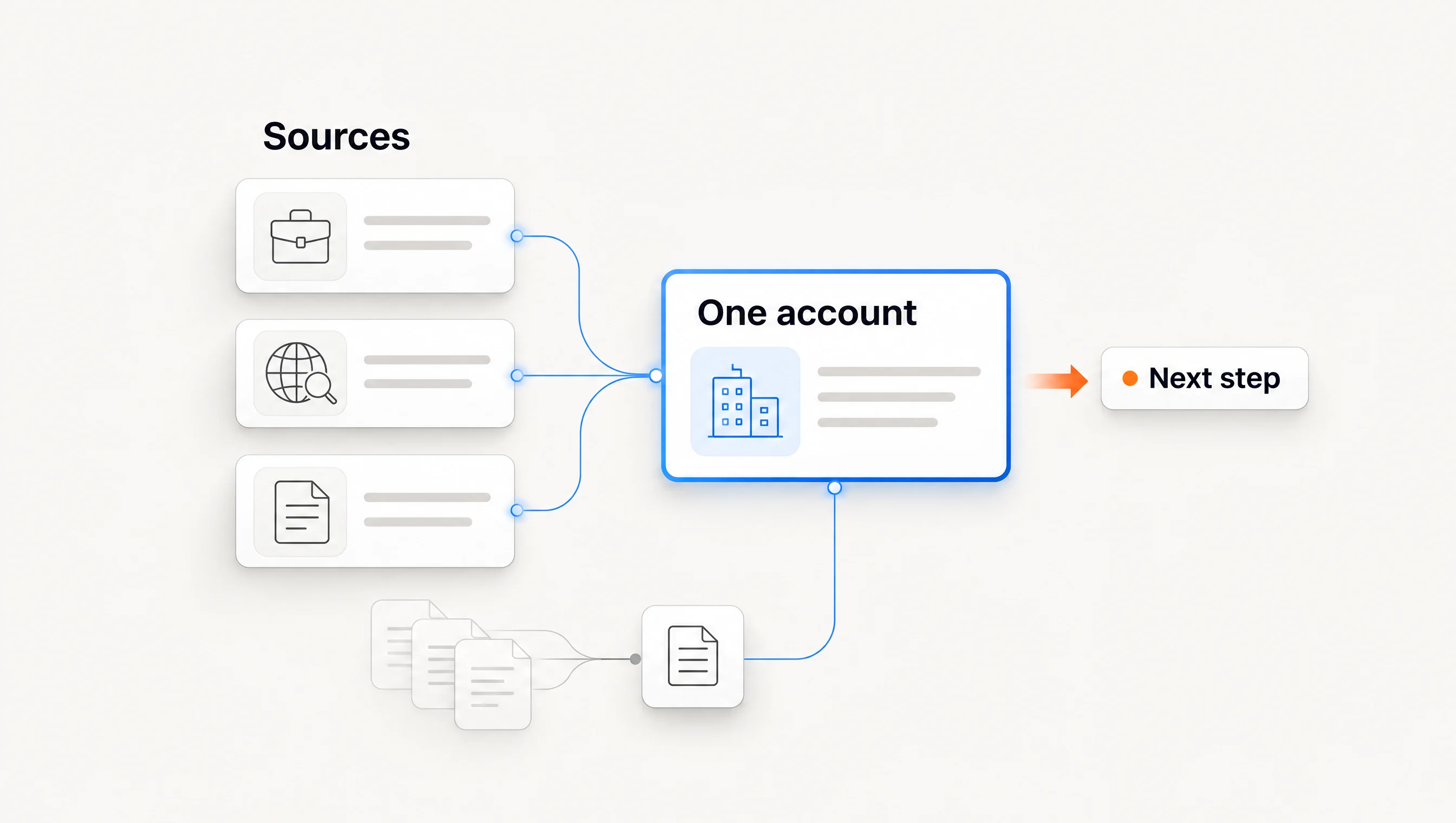
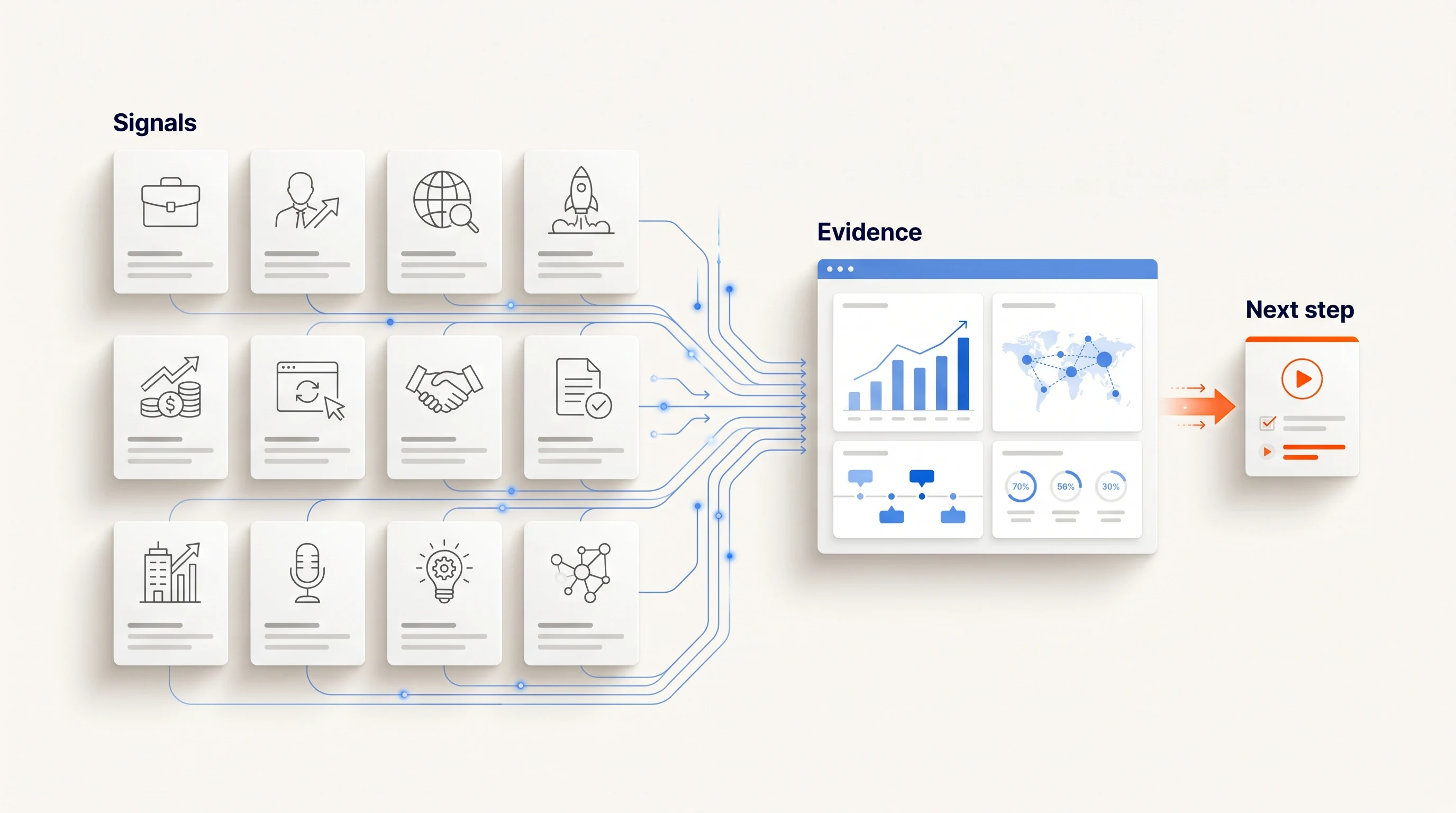
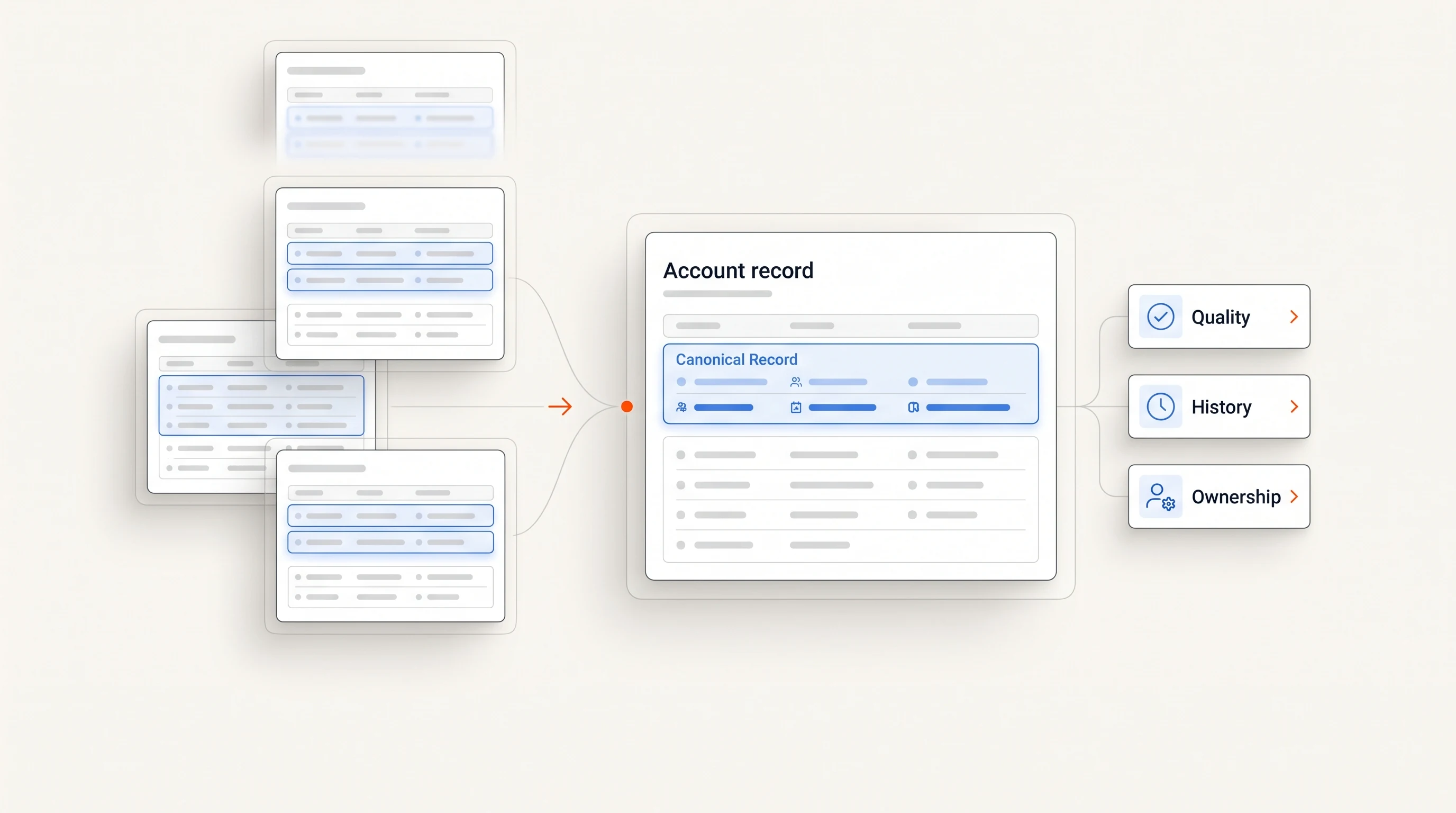
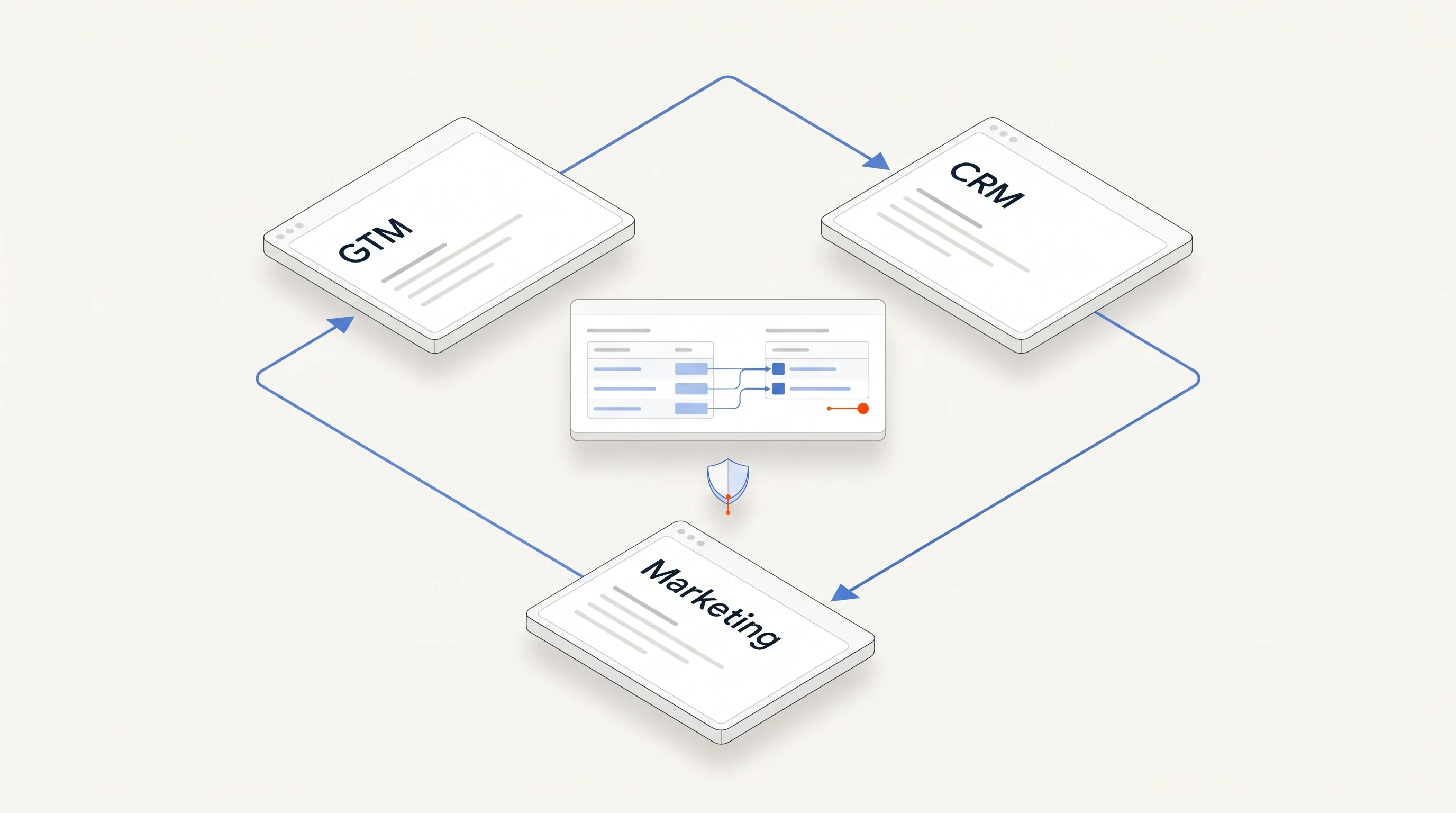
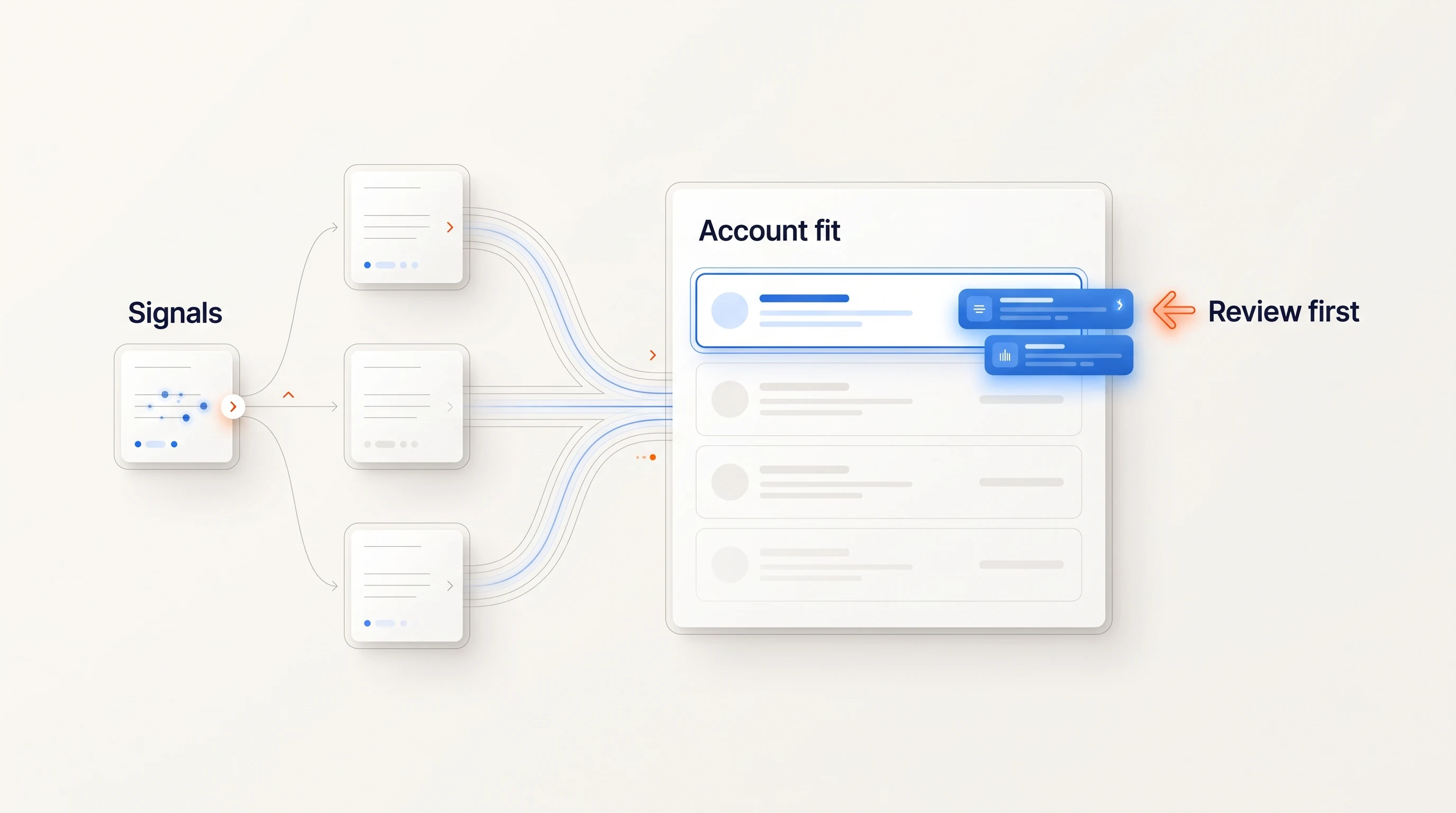
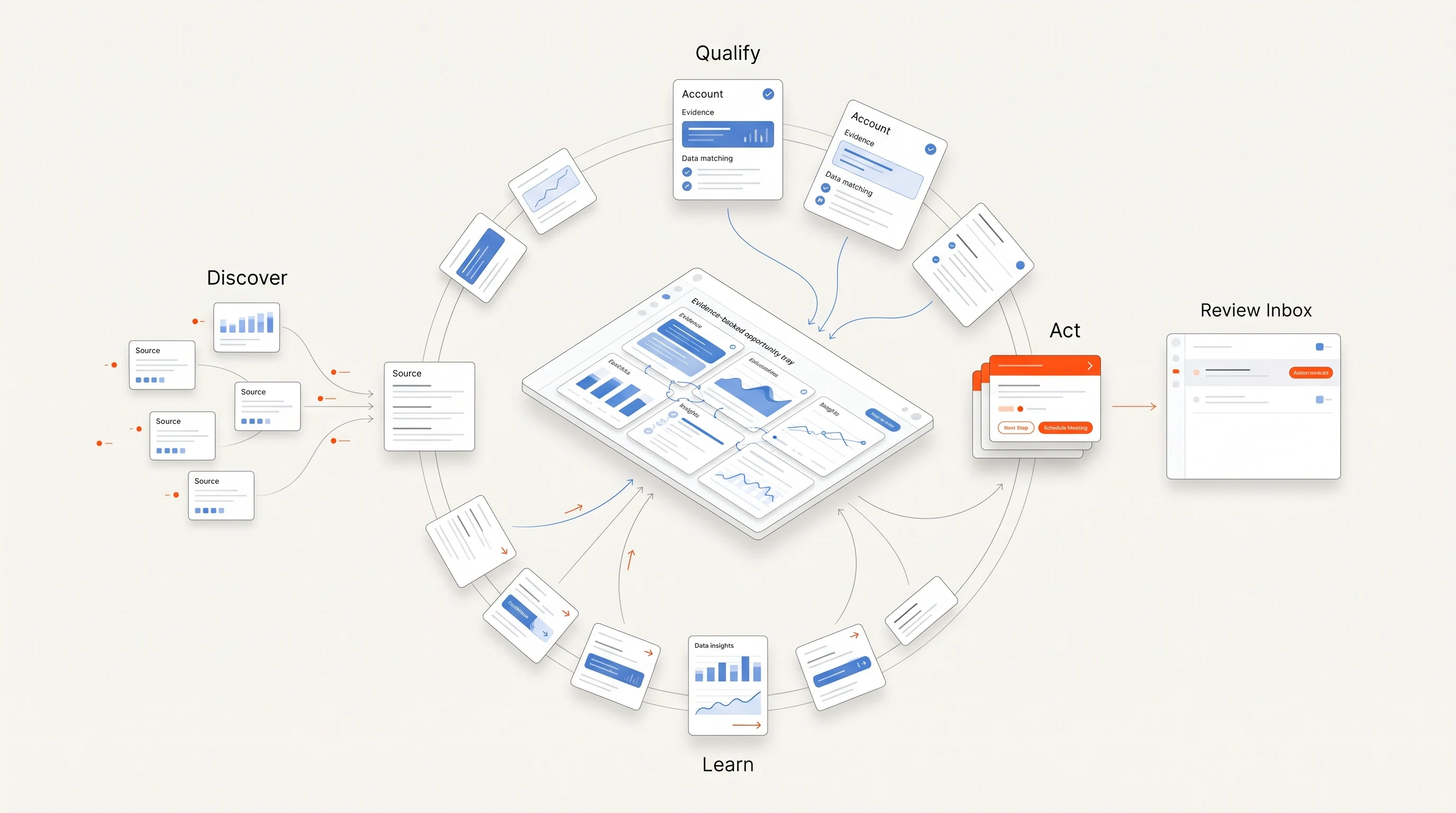
Independent evidence sources combine into one account decision while duplicate records merge into one source.
Contents
  1. 01Separate fit, events and direct interest
  2. 02Check independent evidence
  3. 03Five signal stacks to investigate
  4. 04Turn a stack into a decision
  5. 05A worked account and a counterexample
  6. 06Test the play
  7. 07Download the worksheet
  8. 08Where Perpetual fits
  9. 09Frequently asked questions

Published by Perpetual

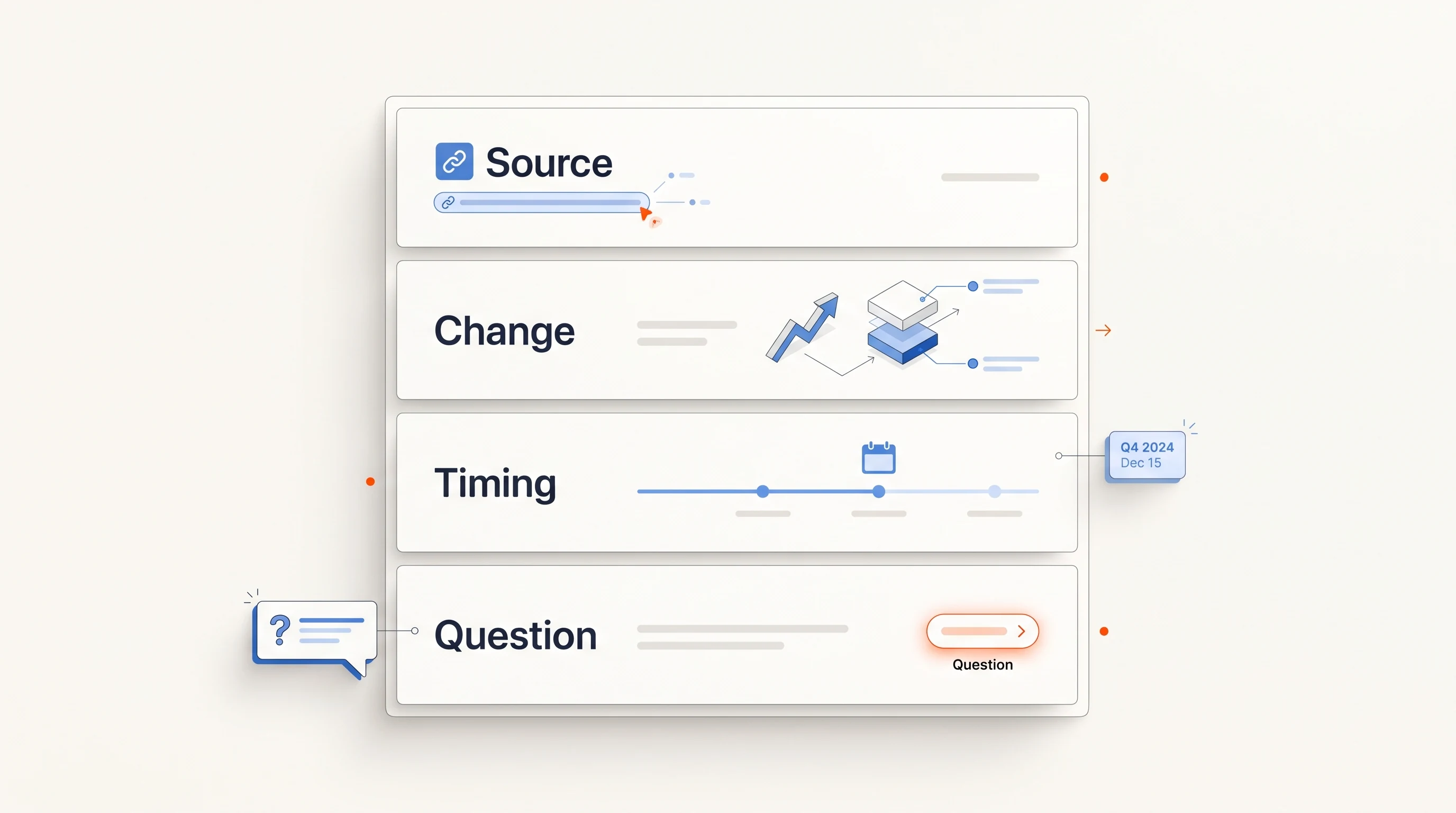
Signal stacking means combining distinct observations about the same company to decide whether it deserves attention and what to investigate next. A useful stack connects account fit, a relevant change and evidence you can verify. It does not turn several uncertain clues into proof that someone has budget or wants to buy.

For a small B2B sales team, start with a question your offer can help answer. Then collect the few observations that change your decision. A long feed of activity is less useful than a short record explaining why this account, why this person and what remains unknown. This guide gives you five plays, a worked example and a free signal-stacking worksheet.

Separate fit, events and direct interest

These three kinds of information do different work. Fit tells you whether your offer could serve the company: the market, operating model, geography and relevant responsibilities. An event tells you something changed, such as a published role or an announced regional launch. Direct interest tells you what someone actually asked or did in a relationship you can identify.

LayerExampleDecision it supports
FitA B2B software company serves the region your service covers.Whether the company belongs in your audience.
Relevant eventA current job posting describes building a regional sales team.Which work to research and whether the timing deserves a look.
Direct interestAn identified contact asks how your research service handles that region.How to answer the request and qualify a conversation.

A company can fit perfectly without a relevant current event. It can also produce many events while remaining a poor fit. Check eligibility before investing in the stack, and keep direct requests separate from inferred interest. Our buying-signal library covers the underlying signal types.

There is no universal number of signals that makes an account ready for outreach. The test is whether the combined evidence changes a defensible decision. Unify's practitioner guide likewise distinguishes collecting signals from deciding which ones should activate a workflow. The plays below are our research framework, not measured conversion rankings.

Check independence before adding evidence

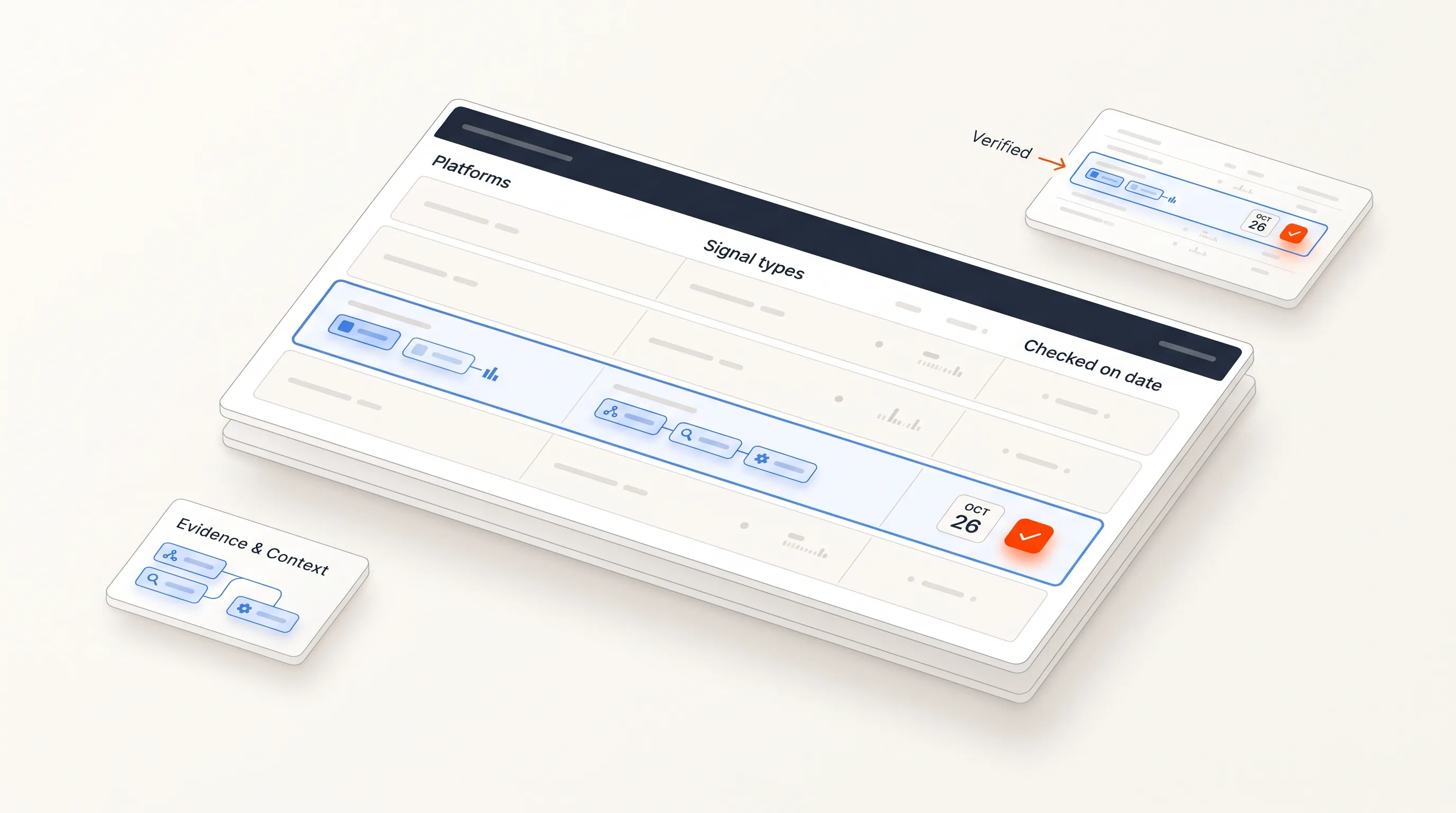
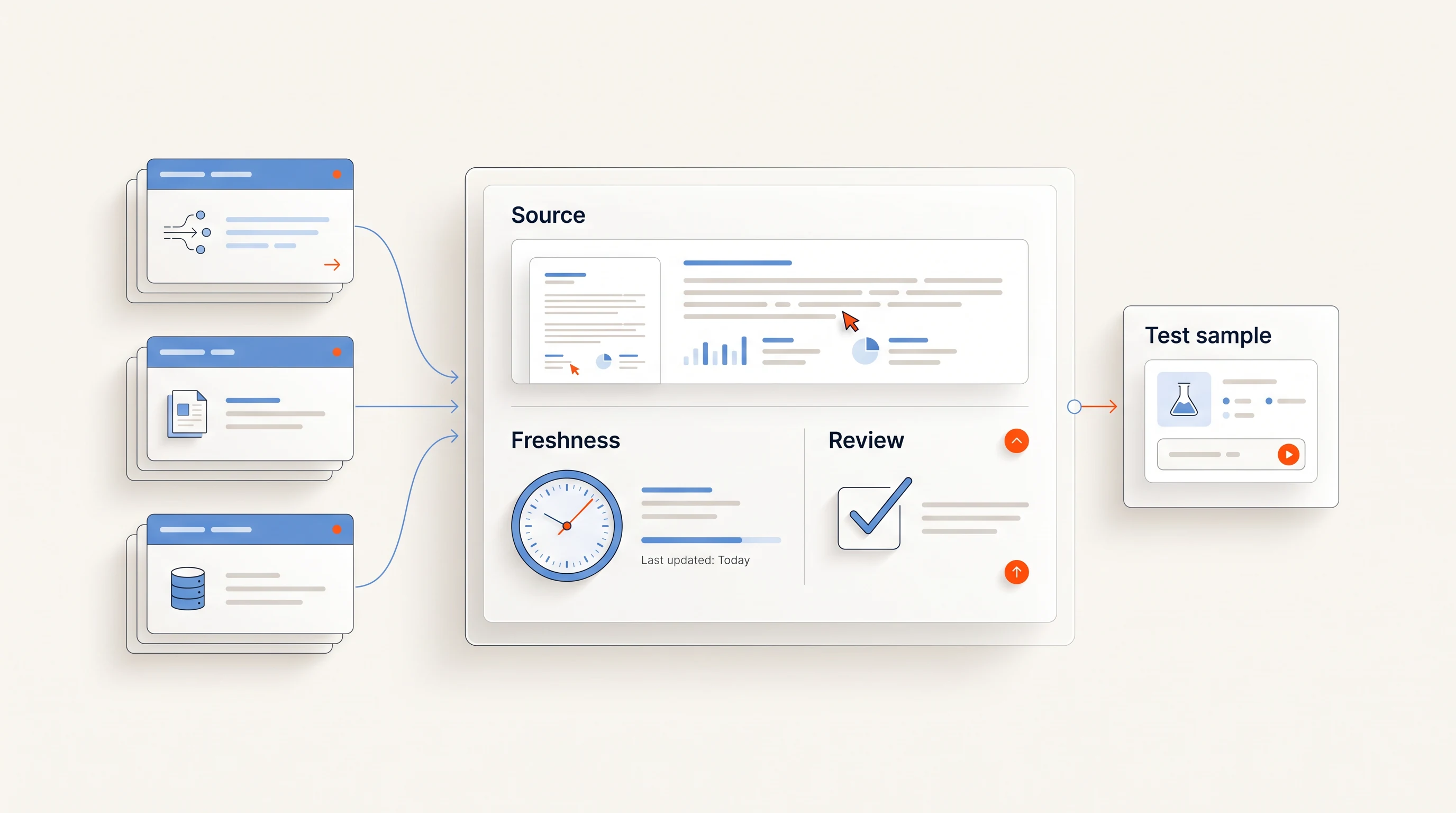
Three job sites carrying the same vacancy describe one opening. A company announcement and two articles repeating it describe one announcement. Keep useful links, but group them under the underlying event rather than awarding extra weight for each copy.

Independence concerns the observation, not just the domain. Two different pages on an employer's site may describe separate decisions: an expansion announcement and a local hiring brief, for example. Two different publishers may be repeating the same press release. Ask what new fact the second source contributes.

A job description containing the words “new territory” adds detail to the vacancy; it is not independent confirmation that a territory launched. A regional launch announcement can provide that separate confirmation. This distinction keeps a useful description from becoming an inflated stack.

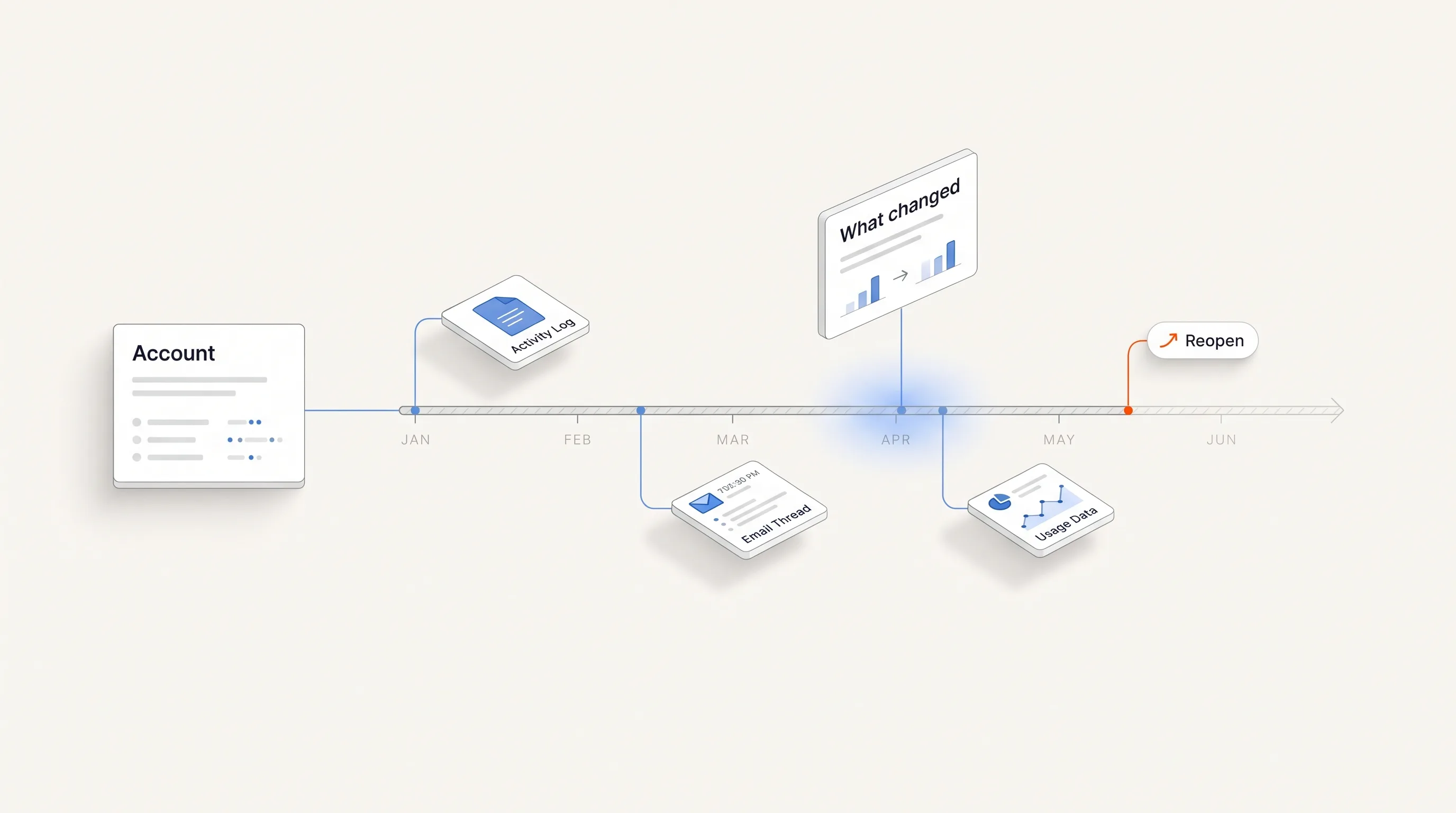
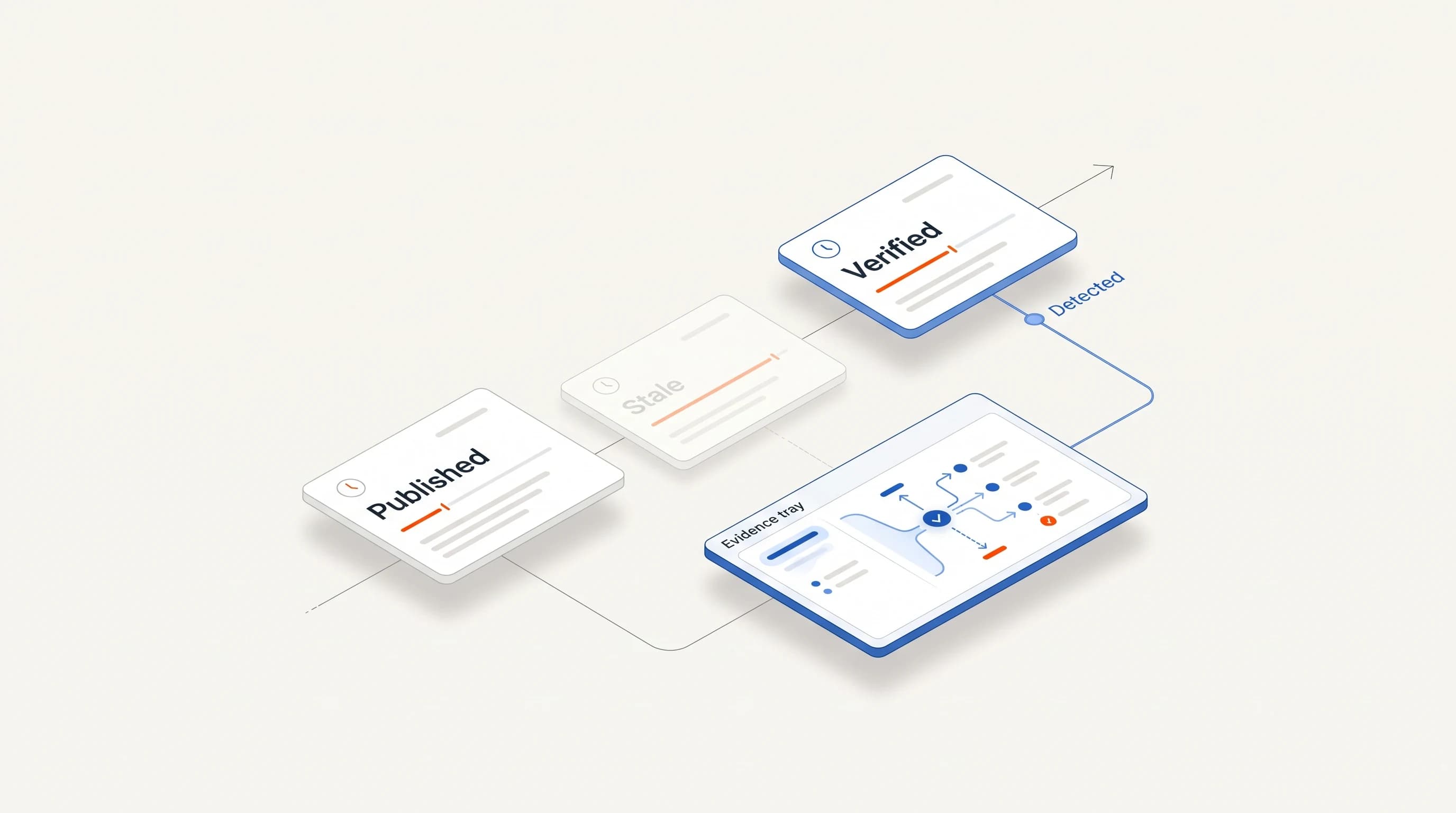
Record the event date when known, the date you first found the source and the last time you checked it. A page discovered today may describe an older event. If timing is unknown, record it as unknown instead of making the account look fresh.

Five signal stacks to investigate

Each play begins with an eligible account. The additional research can be manual or supplied by another source; the table does not imply that one product automatically collects every signal.

PlayEvidence to combineWhat to investigateWhat remains unknown
1. Hiring with a specific mandateA current role describes a new responsibility; a separate company page explains the initiative it supports.Who owns that work today and how your offer supports it.Whether the team wants outside help.
2. RevOps and CRM contextA RevOps posting names routing work; a separate current source establishes the relevant CRM context.Whether your routing offer fits the documented environment.Whether a migration, replacement or purchase is planned.
3. Regional hiring and a market launchA regional sales opening and a dated company announcement about entering that market.How local prospect research will be organized.Launch scope, ownership and supplier budget.
4. A leader and distinct team openingsA verified leadership appointment and separate active roles in the function.Which responsibilities the leader actually owns and whether the roles support the same initiative.The leader's priorities and willingness to consider vendors.
5. Public change and known engagementA relevant public event and a separately recorded interaction from an identified contact.How to respond to that person's actual interest in the context of the event.Whether the engagement represents a funded evaluation.

For play one, do not count the role and its own description twice. The separate initiative source is what adds evidence. For play two, a tool mentioned only as desirable experience does not establish that the company uses it. If the CRM context cannot be verified, keep the play as a research task.

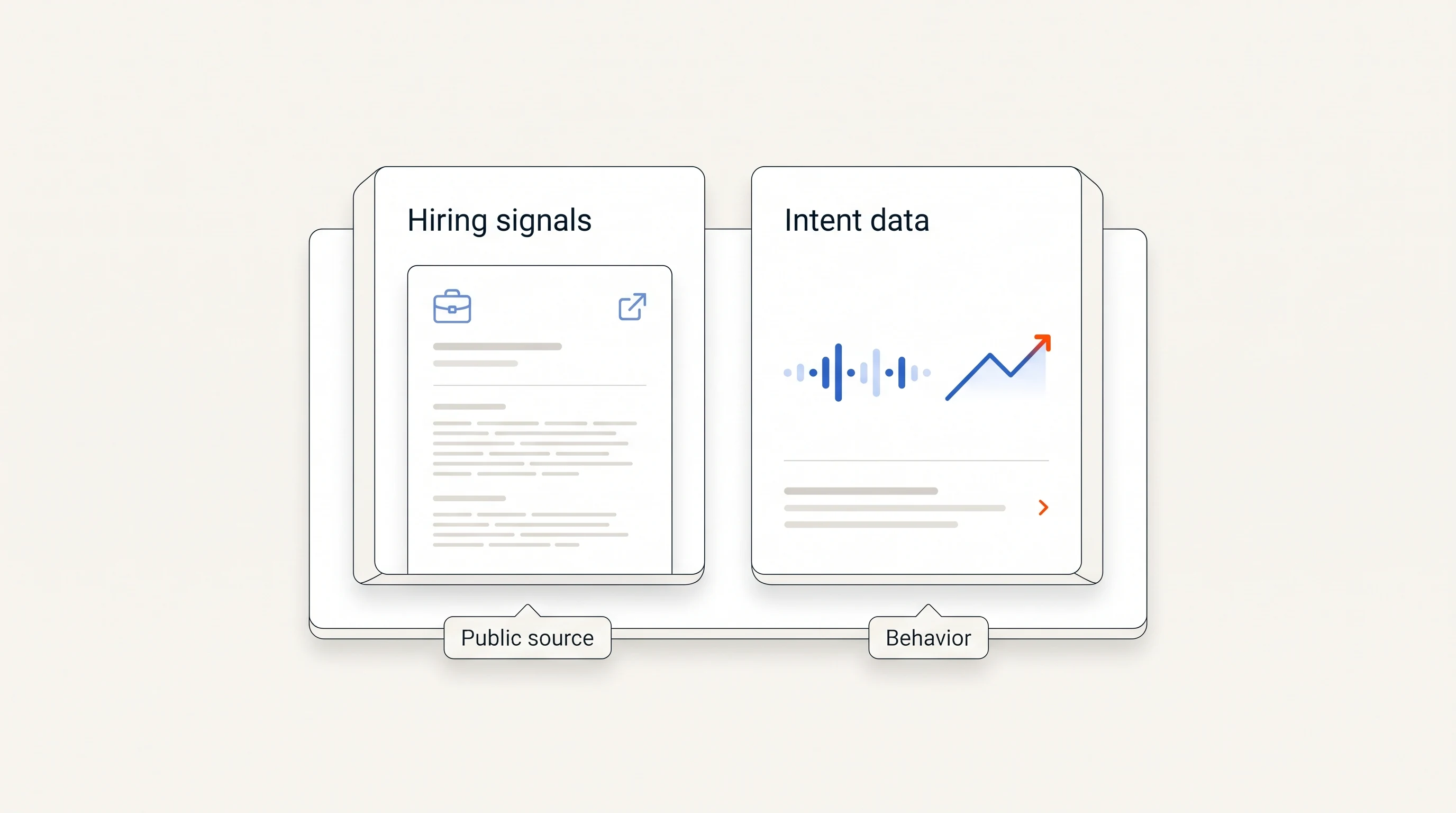
For play five, an anonymous visit matched to a company does not identify the visitor. A named contact downloading a resource also does not authorize you to claim that the whole buying group is evaluating. Respond within the relationship and permissions you actually have. The distinction between observable hiring and modeled research activity is covered in hiring signals vs. intent data.

Turn a stack into one account decision

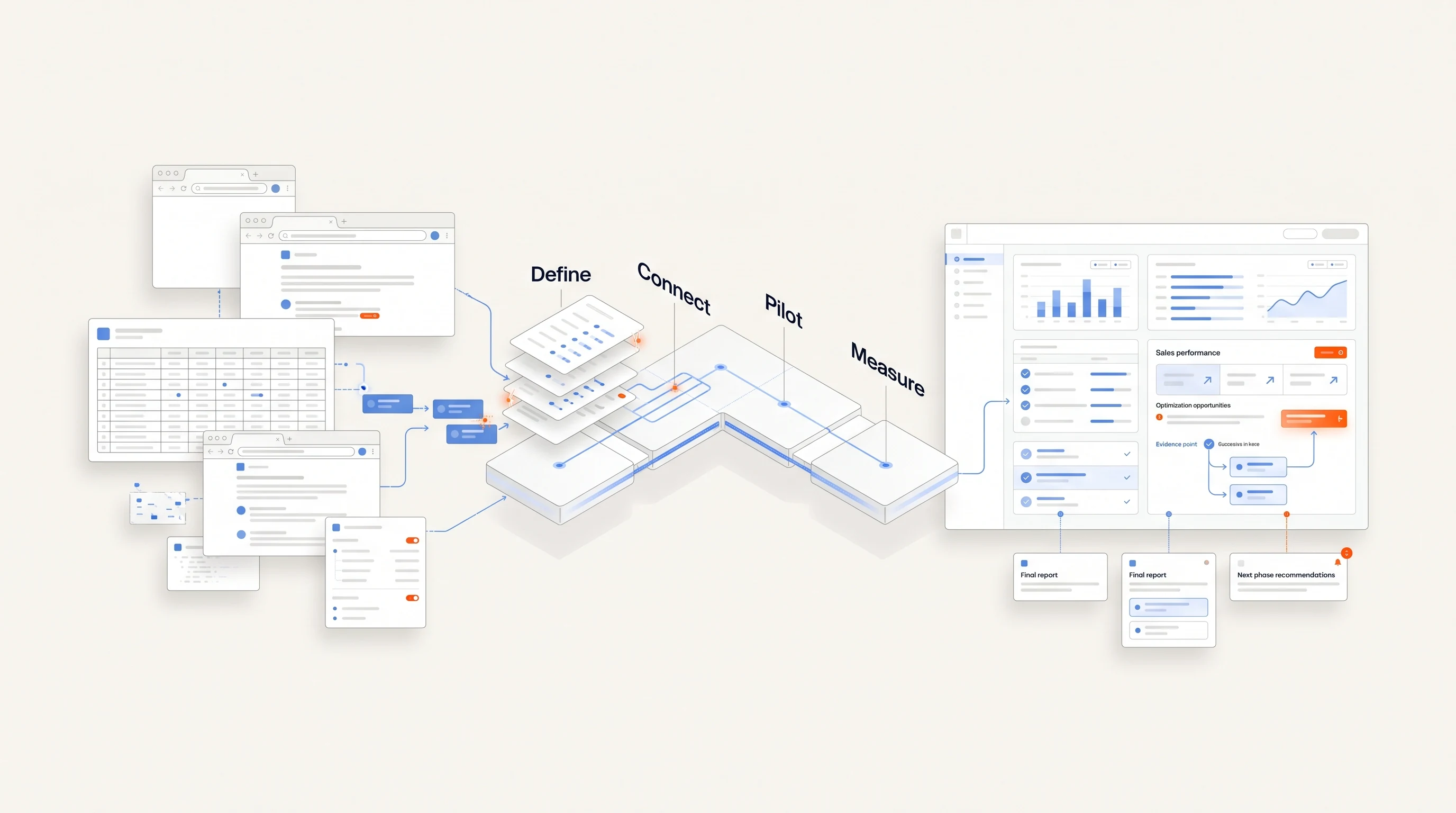
Keep one record per company and connect its underlying events to that record. More sources should improve the explanation, not multiply recipients or create duplicate campaign entries.

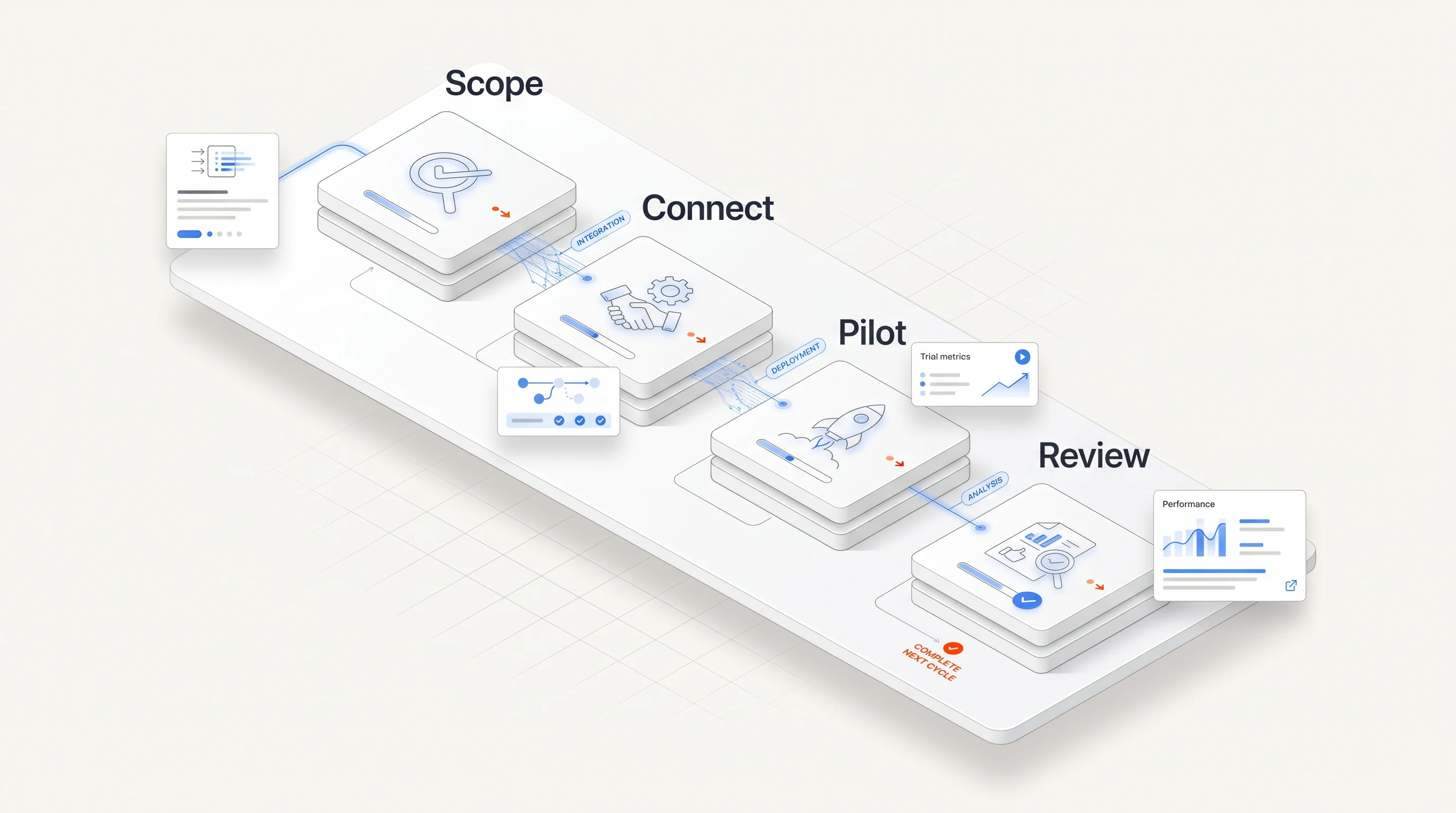
  1. Check fit. Confirm the offer, segment and geography match. Check existing customers, active opportunities, ownership and outreach exclusions in the systems your team uses.
  2. Describe the observations. Use narrow factual sentences with sources. Keep your interpretation in a separate field.
  3. Check freshness and independence. Reopen the underlying pages. Group copies, and identify what each distinct observation adds.
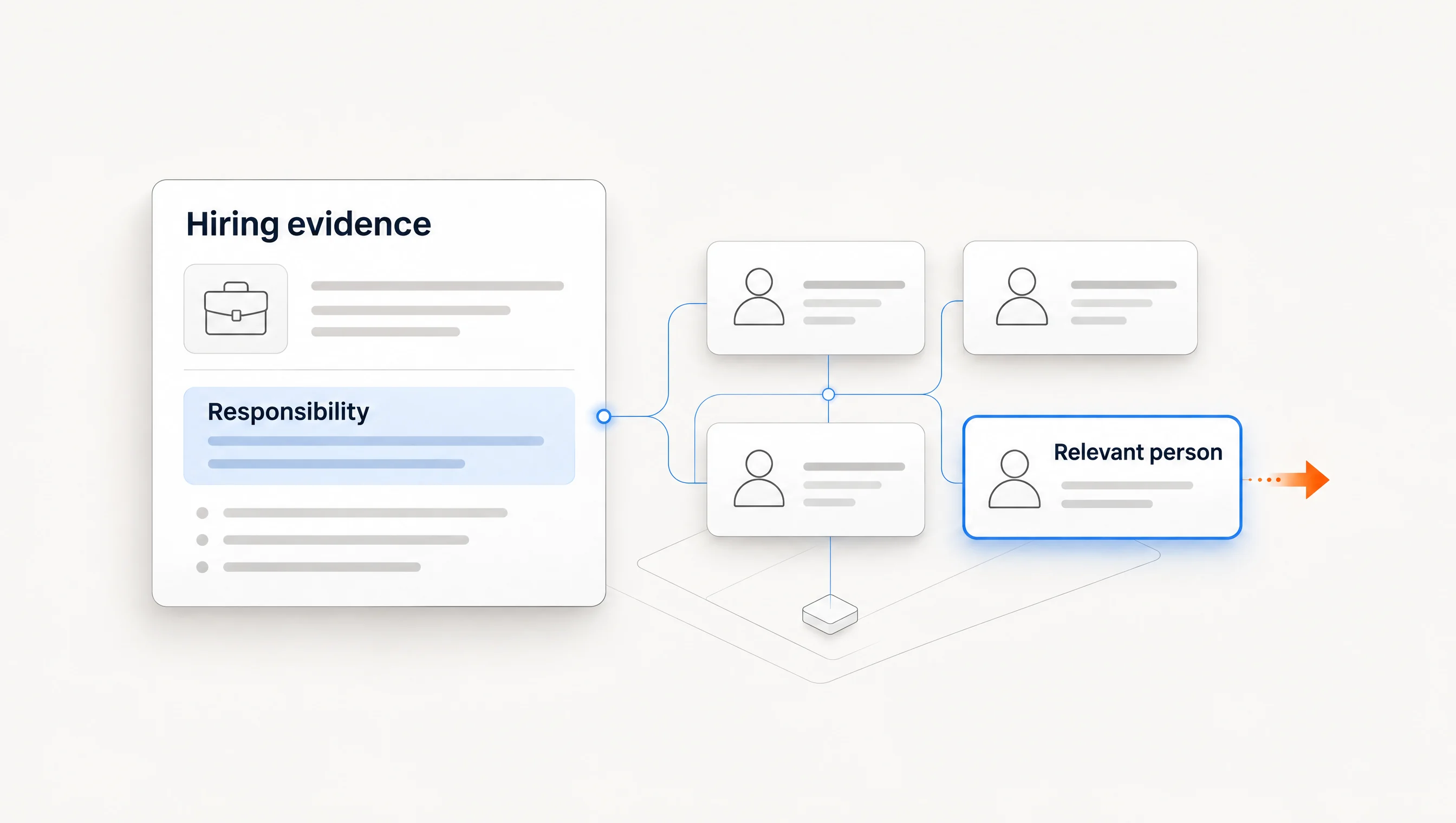
  4. Identify a responsible person. Research who owns the work, rather than choosing whichever executive has an available email.
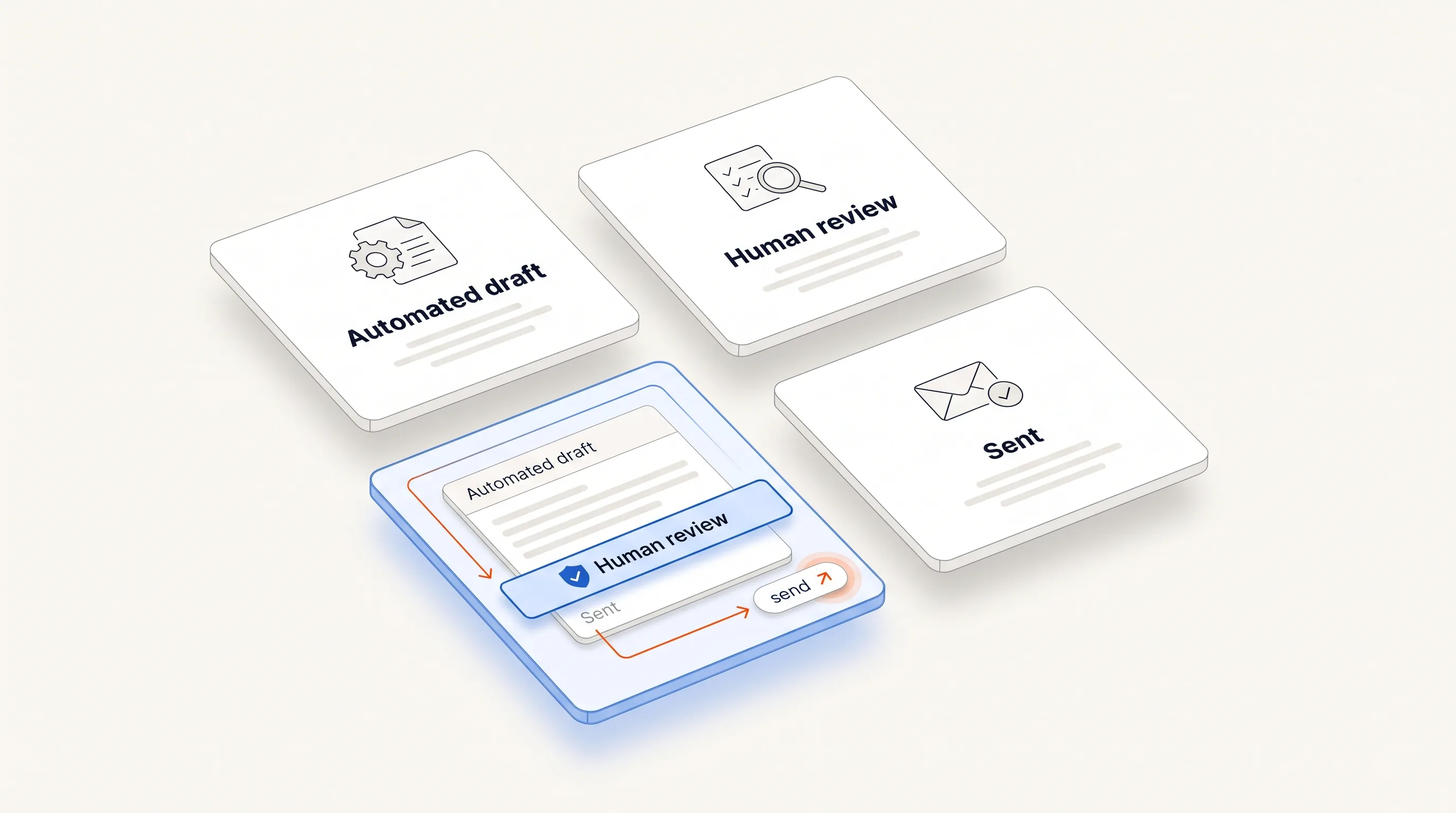
  5. Choose an action. Contact, investigate, wait or pass. Add the reason and, when waiting, the event that would justify another look.

A numerical score is optional. If you use one, describe its inputs and treat it as a prioritization aid until tested. A score of 80 is not an 80% purchase probability simply because the interface displays a percent sign.

Waiting should have a condition. “Recheck when the regional owner is identified” is actionable; “nurture forever” is not. Passing is also useful when the company does not fit or the connection to your offer cannot be explained.

A worked account and a counterexample

The companies and details in this example are fictional. Assume you sell account-research services for B2B teams entering the UK.

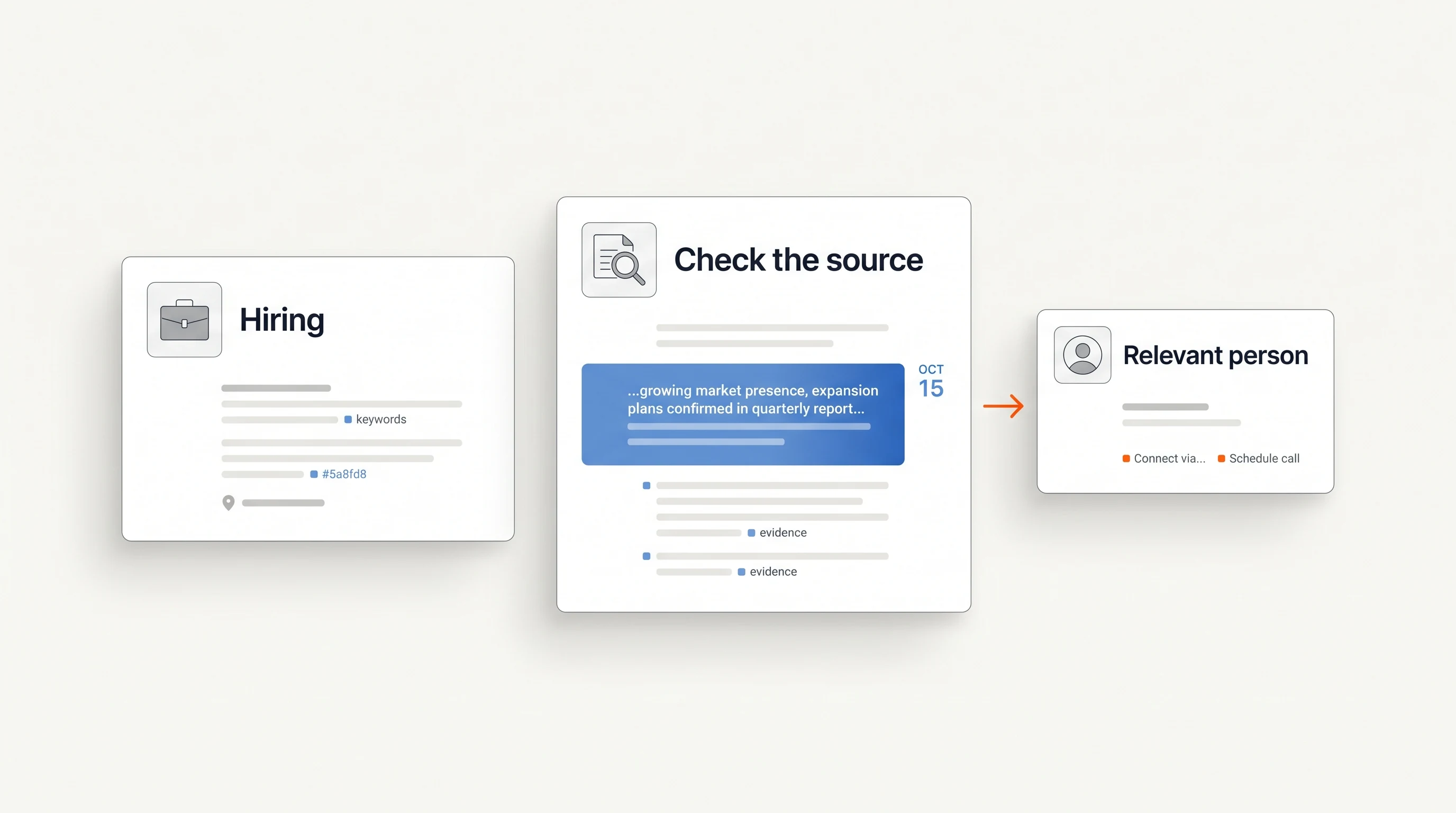
Harbor Example announces a UK launch on its own newsroom. Its current careers page separately lists a regional account executive role with responsibility for developing UK accounts. Those are two observations about the same initiative. A current team page identifies the regional sales leader.

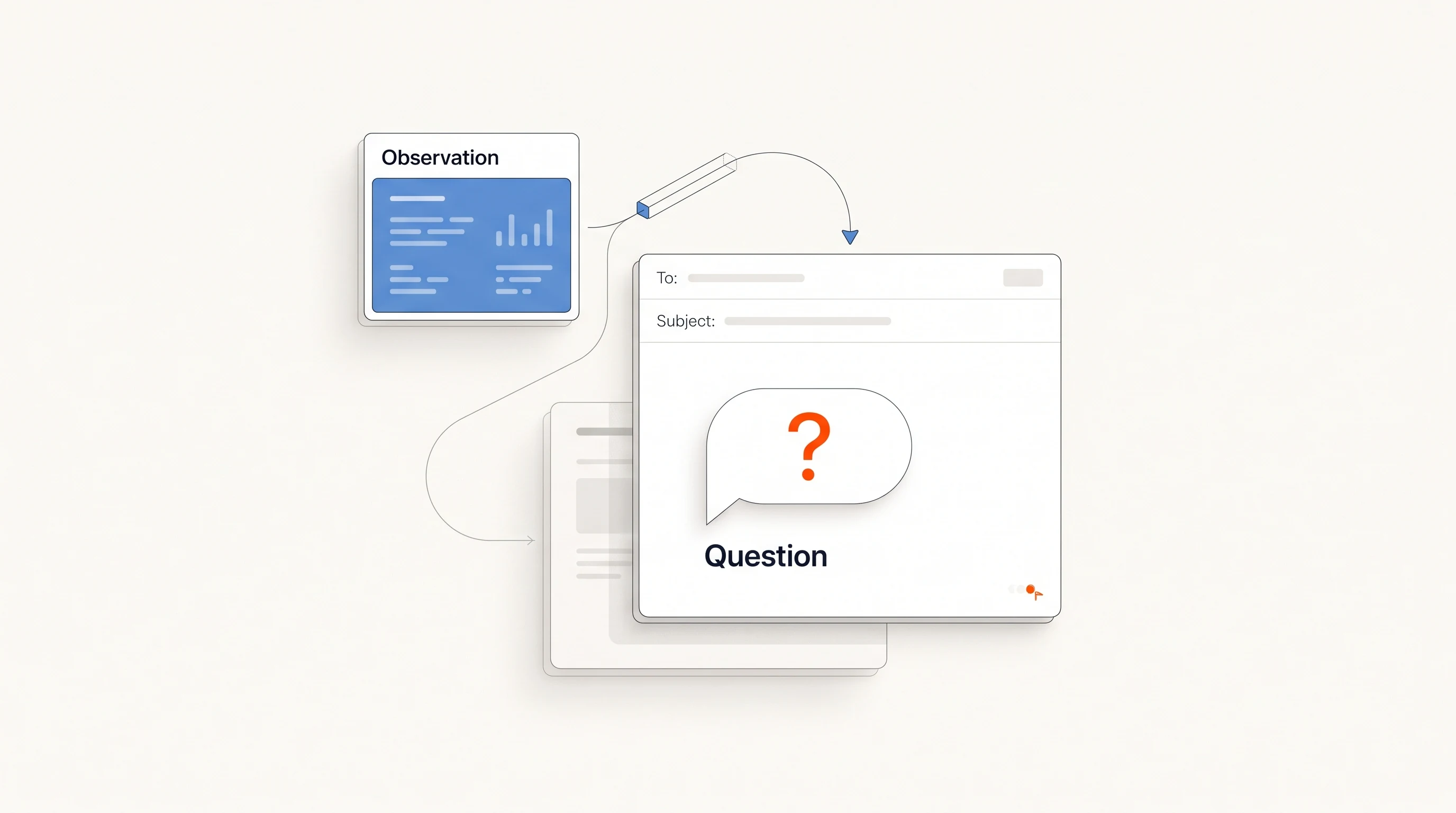
The supported conclusion is that a UK sales initiative is worth investigating. You still do not know whether research is central, local or outsourced. Your question can make that gap explicit:

Your UK launch announcement and regional AE opening caught my eye. We help B2B teams prepare account research for new territories. Will the UK team build its own account research, or will that stay with your central sales team?

Meadow Example has three search results for a remote sales vacancy. All three resolve to one old opening that no longer appears on the employer's board. The company also falls outside the markets your service covers. More links do not rescue the fit or freshness. Pass instead of drafting a similarly confident email.

These accounts show why a threshold such as “three signals means send” fails. The first account has fewer records and a better-supported question. The second has repeated records and no current reason to approach.

Test the play without hiding the work

Choose one offer and one play for an initial batch small enough to inspect in full. Keep companies that fail qualification in your record. Otherwise the stack can appear efficient simply because rejected accounts disappear from the denominator.

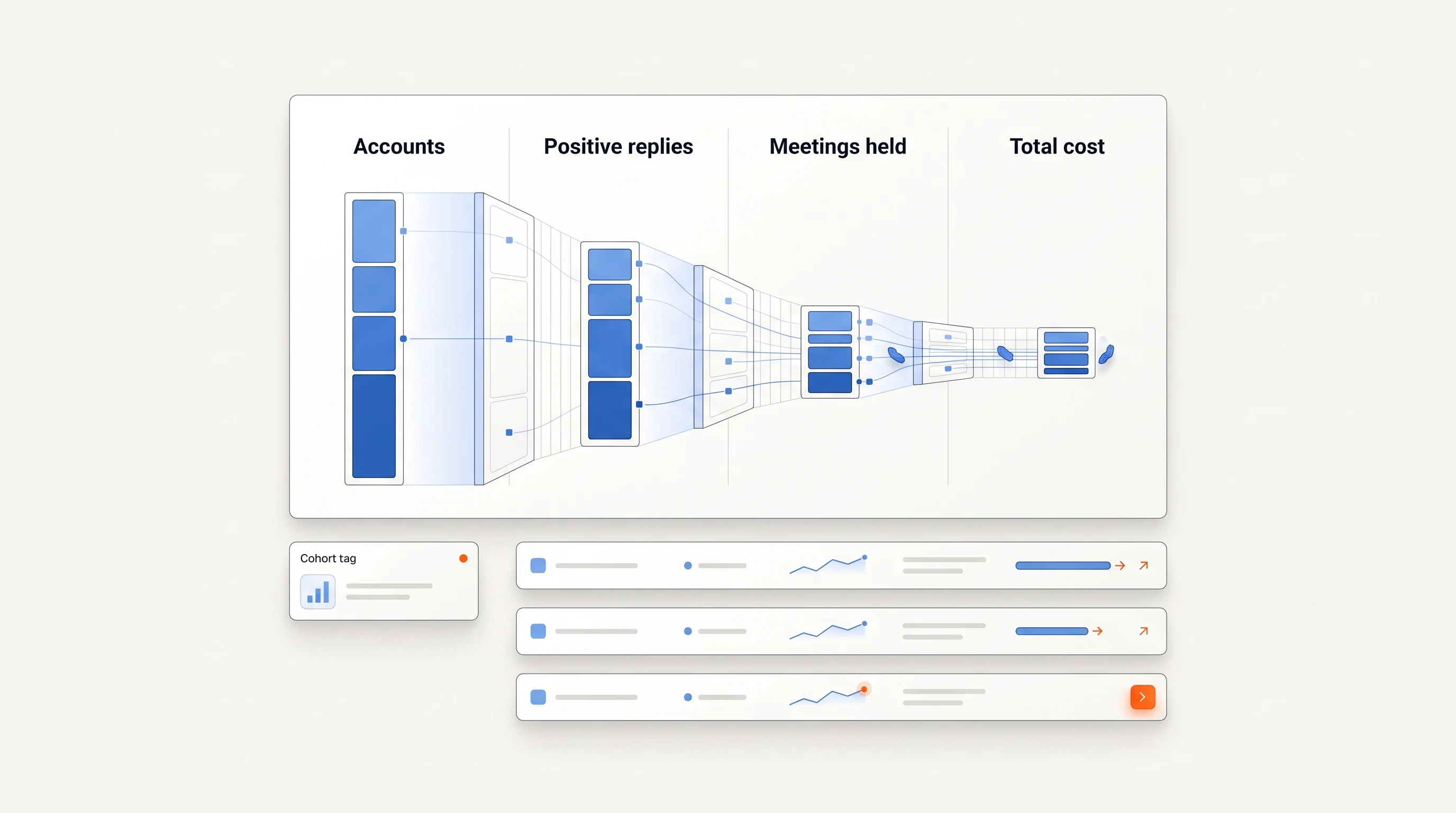
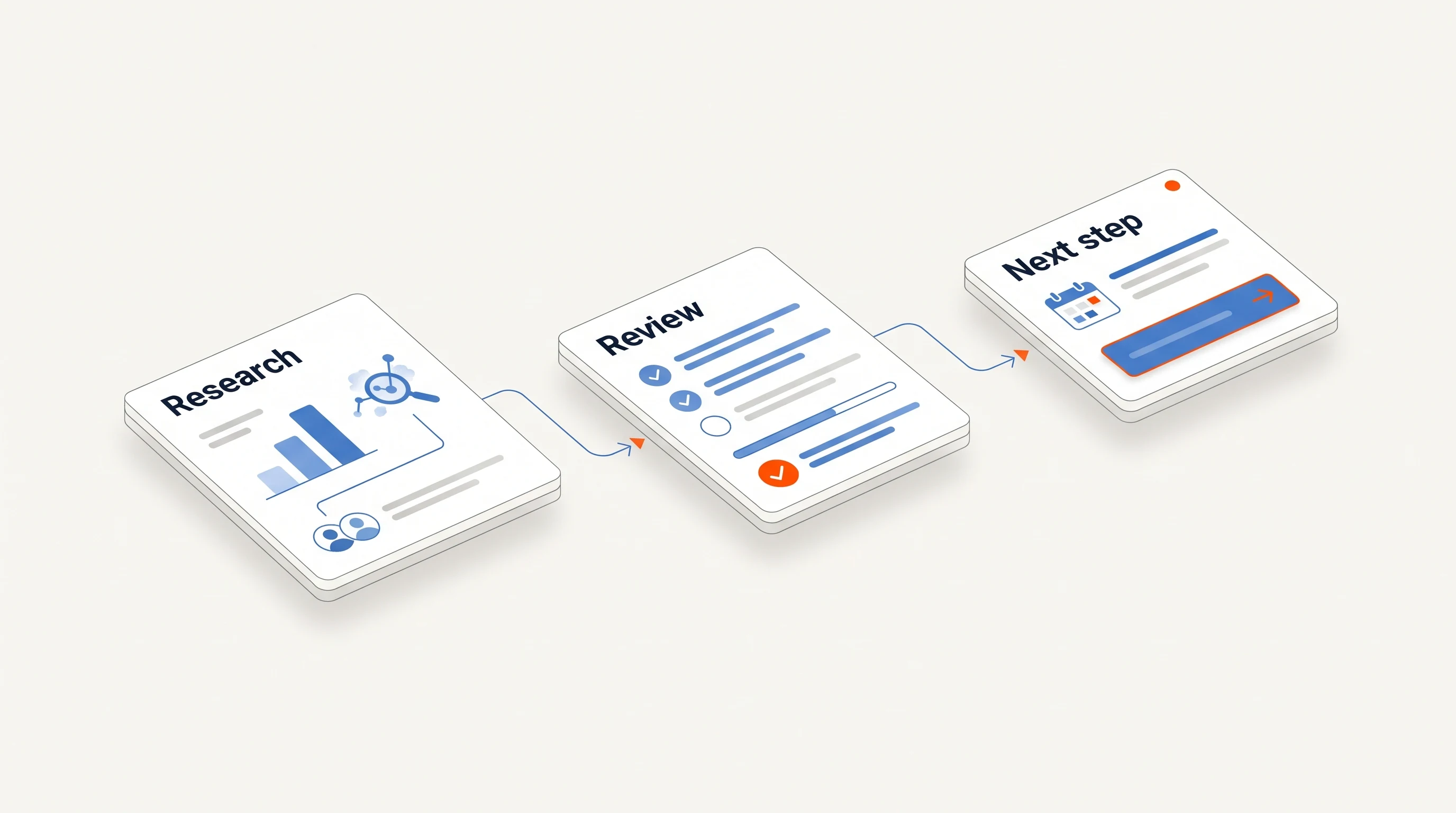
Track reviewed companies, eligible companies, contacted companies, positive replies, qualified meetings held and total cost, including research time. Record why accounts were held or passed. The campaign scorecard explains these measures and their denominators.

If you compare a stacked play with a single-signal play, keep the offer, segment and follow-up policy comparable. Record any selection differences before interpreting results. A small successful batch is a reason to keep learning; it does not establish that adding signals caused the outcome.

Download the signal-stacking worksheet

Download the free signal-stacking worksheet (CSV). It includes all five plays, a duplicate-event example and a blank account record. Replace the sample observations with evidence you verify. It is a planning worksheet, not a product import or a validated scoring model.

Where Perpetual fits

Perpetual starts from public hiring activity, qualifies companies against your offer, selects one relevant person with an explanation and drafts an opener grounded in the evidence. Its current process does not imply automatic collection of every external or first-party source described in this guide. Each opportunity carries the limits of what its evidence proves.

Email runs from your connected mailboxes within the sending policy you configure; replies and opt-outs stop follow-ups. LinkedIn steps remain manual tasks. Start with the quickstart guide to see how the hiring-based process works.

Frequently asked questions

How many signals should I stack?

Enough to improve a specific decision. Two relevant, distinct observations can be more useful than ten repeated or unrelated events. There is no universal threshold that establishes purchase readiness.

Can two sources confirm the same event?

Yes. They can improve confidence that the event happened, but they should remain one event in your account record. Distinguish corroborating sources from separate business developments.

Should a signal stack trigger an email automatically?

Only after the account, person, evidence and sending rules meet your campaign policy. A weak or incomplete stack can trigger research or a hold instead.
Keep reading47 more
01

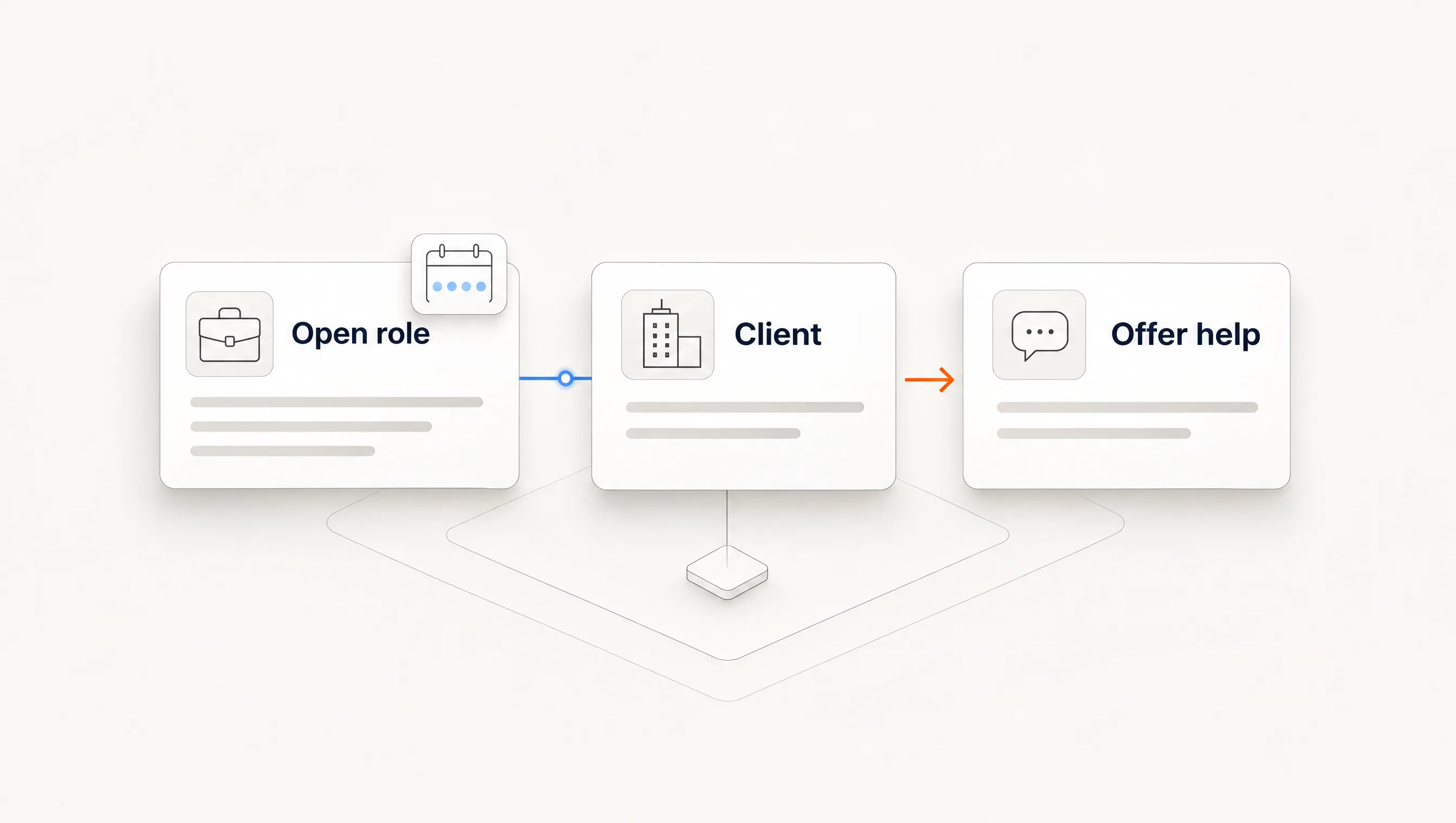
How Staffing Agencies Find Clients Using Job Postings

Find staffing agency clients through job postings: which roles to pursue, who owns the hire, what to say first, and a free client research sheet.

Research8 min read
02

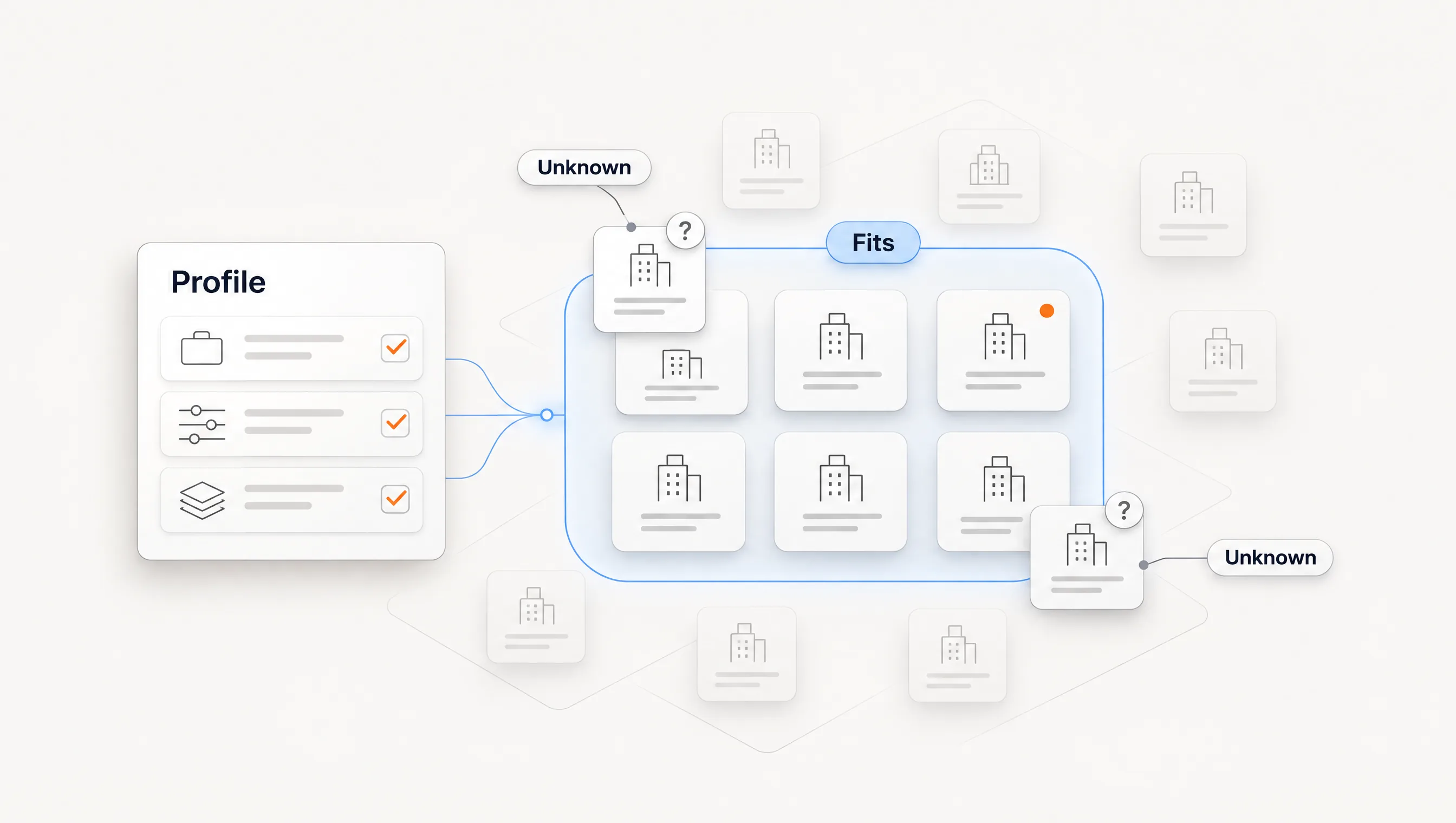
How to Build an ICP for B2B Outbound, Even With Few Customers

Build an ICP for B2B outbound as a testable hypothesis, even with few customers. Criteria, persona, unknown data and a free ICP worksheet.

Research7 min read
03

How to Scale Cold Email Without Burning Your Domain

Scale cold email without burning your domain: Google, Yahoo and Microsoft rules, mailbox ramp-up, sending caps, stop rules and a free planner.

Outreach7 min read
04

Unify Alternatives: 6 Options Compared on Price and Fit

Compare six Unify alternatives on price, fit and sending model, with Unify's own pricing checked November 16, 2026, and when to stay with it.

Evaluation6 min read
05

Pipeline Generation Tools: How to Choose by the Job You Need Done

Five types of pipeline generation tools, the outbound steps each covers, how to find your bottleneck and a 30-account pilot worksheet.

Evaluation7 min read
06

Intent Data Tools: 4 Source Types and How to Test Them

Compare intent data tools by source: first-party, publisher co-op, review site and public events. Includes a 25-account accuracy test worksheet.

Signals7 min read
07

The GTM Tech Stack for a Small B2B Team, Stage by Stage

Which go-to-market tools a small B2B team needs at each stage, what to skip, and how to audit handoffs. Includes a free stack audit worksheet.

Evaluation6 min read
08

Account Discovery vs. Account Monitoring: Which Do You Need?

When to find new accounts and when to watch the ones you own, how to split seller capacity between both, and a weekly routine with a free worksheet.

Signals6 min read
09

Best Hiring Signal Tools for B2B Sales: 6 Options Compared

Compare six hiring signal tools by source, published price and the work each leaves to your team. Includes a free 20-company test worksheet.

Evaluation9 min read
10

What Signal-Based Outbound Really Costs: 5 Stacks Priced Line by Line

Five outbound stacks priced from public pricing pages for 500 contacts a month, with human time, plan limits and a free cost worksheet.

Evaluation8 min read
11

Clay Alternatives for Teams Without a GTM Engineer

Choose a Clay alternative by the job you need done. One hiring workflow mapped across five options, plus when you should stay with Clay.

Evaluation7 min read
12

What 2,039 Job Postings Tell Sellers, and What They Can't

Original data from 2,039 public job postings: 14% of rows were duplicates, and 97.6% of vacancy motives remained unknown. Methods and limits explained.

Research8 min read
14

How to Find Decision-Makers Using Hiring Signals

Use job responsibilities and reporting lines to find a relevant first sales contact. Includes six scenarios, three examples and a free contact-selection matrix.

Research9 min read
15

How to Find Companies Hiring RevOps Leaders

Find and qualify companies hiring RevOps leaders through current job postings. Reusable searches, mandate checks and a free prospecting worksheet.

Research8 min read
16

AI SDR vs. Sales Automation: What Does Your Team Need?

Compare AI SDRs and sales automation across eight outbound jobs, operating cost and human ownership. Includes a four-week pilot and a free CSV worksheet.

Evaluation10 min read
17

Best Buying Signal Tracking Platforms in 2026: How to Compare Them

Compare buying signal platforms by account events, people changes, topic intent and workflow tools, with a checklist and a two-week test.

Evaluation9 min read
18

What Is Signal-Based Prospecting? Definition, Six Signals and a Weekly Workflow

What signal-based prospecting is, six signals to track, what each cannot prove, and a weekly workflow from observation to grounded outreach.

Signals8 min read
19

AI-Powered Go-to-Market Platforms for B2B SaaS Pipeline Generation: What to Compare

Compare AI GTM platforms for B2B SaaS: four categories, limits on AI decisions, sending controls and questions to ask before buying.

Evaluation7 min read
20

Sales Intelligence Tools for B2B Teams With Long Sales Cycles

What to look for in sales intelligence tools when deals take months: change tracking, history, multiple contacts, re-open triggers and a 90-day test.

Evaluation8 min read
21

12 Buying Signal Examples and What to Do Next

A practical buying-signal library: what each observation supports, what remains unknown, and the next step to take. Includes a free CSV worksheet.

Signals8 min read
22

How to Use Hiring Signals for Sales Prospecting

Turn public job postings into a focused prospecting play: check account fit, verify the evidence, find the responsible person and write a relevant opener.

Research8 min read
23

4 Signal-Based Cold Email Templates You Can Adapt

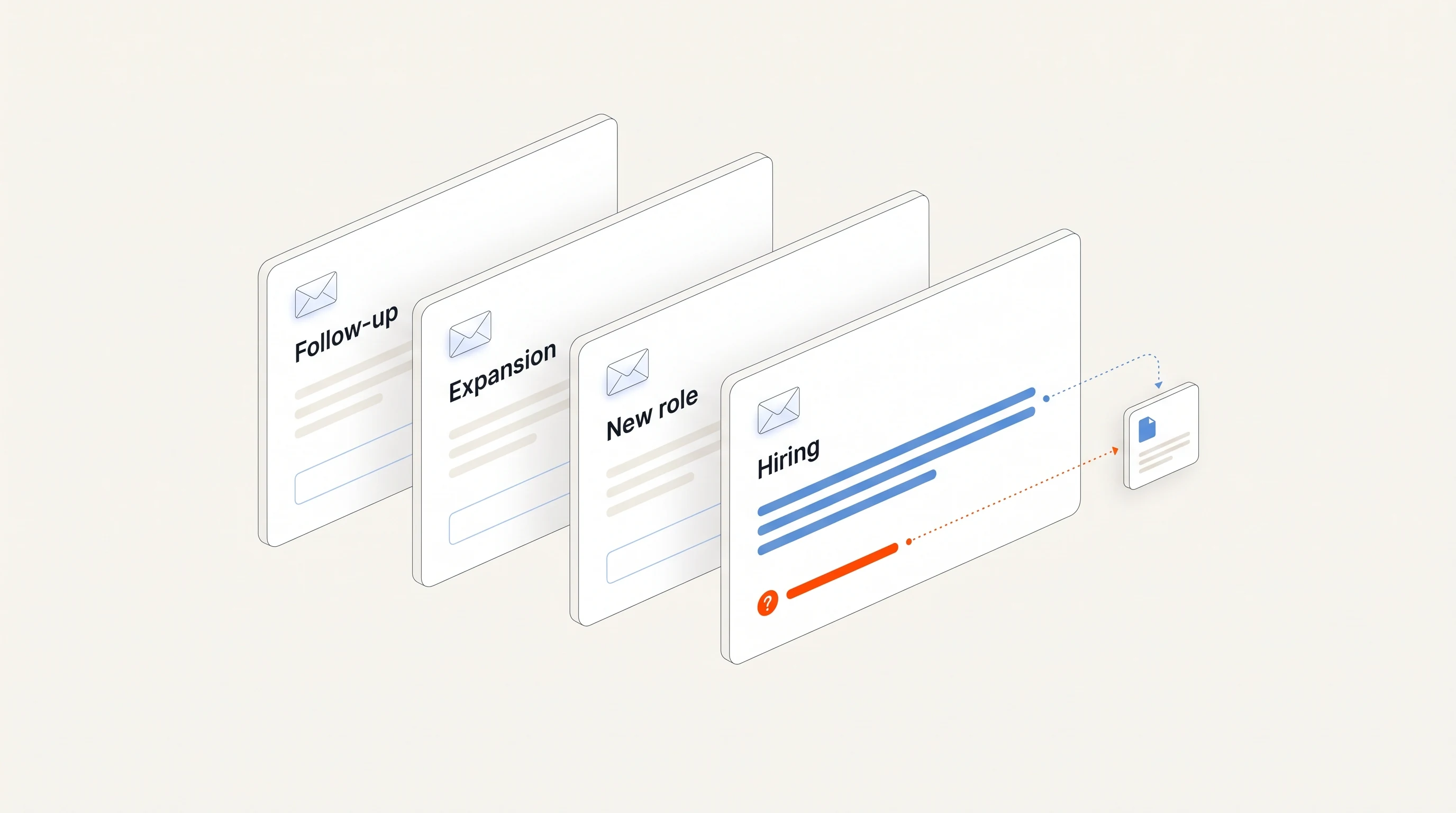
Original cold email templates for relevant hiring, new responsibilities, expansion and useful follow-ups. Includes source checks and a free CSV download.
Outreach7 min read
24

How to Measure Signal-Based Outbound: A Campaign Scorecard

Measure account selection, positive replies, qualified meetings held and total cost with clear denominators. Includes a free account-level CSV worksheet.

Research8 min read
25

Job Postings as Buying Signals: What They Tell You

Which job postings matter for which offer: clustered roles, a first hire in a new function or a reposted role, and what a posting does not prove.

Signals10 min read
26

Hiring Signals vs. Intent Data: What Each Shows

Where hiring signals and third-party intent data come from, how fresh and checkable each is, and when to use one, the other or both.

Signals9 min read
27

How to Find Companies Hiring SDRs (and When to Reach Out)

Find companies hiring SDRs on careers pages, job boards and LinkedIn Jobs, judge each posting, and decide whom to email and when.

Research9 min read
28

CRM vs. Dedicated GTM Automation Platform: Which Do You Actually Need?

Compare CRM and GTM automation by the work each owns, the gaps in your stack and the integration rules that connect them.

Evaluation8 min read
29

How to Evaluate a GTM Automation Vendor's Approach to Intent Signals

A checklist for evaluating how a GTM automation vendor sources, qualifies and acts on intent signals, and how to test it on your own data before you buy.

Evaluation7 min read
30

Using Signal Data to Optimize Paid Acquisition Campaigns

Use conversion values, clean events, B2B pipeline stages and account observations to guide paid acquisition and targeting.

Signals8 min read
31

When to Bring In CRM and GTM Integration Experts

When to hire CRM and GTM integration help, which specialist fits the problem, and what to settle before bringing one in.

Evaluation6 min read
32

Account Data Management: What Sales Teams Should Evaluate Before Buying

Evaluate account data software with checks for accuracy, freshness, ownership, integration, missing data and change tracking.

Evaluation6 min read
33

Signal-Based Prospecting for Enterprise RevOps Teams With Complex Deal Cycles

How enterprise RevOps teams use buying signals to reach accounts before the RFP, keep them out of open deals, reach the buying group and measure pipeline.

Signals8 min read
34

How to Automate Acting on Buying Signals to Move Deals Forward

How to automate acting on buying signals: a playbook per signal type, what stays human, routing, drafting from evidence and a four-week rollout.

Outreach8 min read
35

Real-Time Buying Signal Detection: How to Evaluate Go-to-Market Platforms That Make It Core

What real-time buying signal detection means per signal family, how fresh each should be, and how to tell a core capability from a bolt-on feature.

Signals8 min read
36

Go-to-Market Platforms That Integrate With Your CRM and Marketing Automation: What to Check Before You Buy

Evaluate GTM integration with your CRM and marketing tools: field ownership, read and write rules, suppression and a one-week test.

Evaluation8 min read
37

Sales Automation Platforms With Fast Implementation: How to Get Live in Weeks, Not Quarters

What makes sales automation slow to implement, what fast implementation looks like, questions to ask before you sign, and a four-week plan to go live.

Evaluation6 min read
38

Revenue Automation Platforms for Mid-Market Teams Pursuing Continuous Opportunity Discovery

A practical guide to revenue automation platforms that help mid-market teams find opportunities continuously, act on signals, and move deals forward.
Evaluation3 min read
39

Unified Go-to-Market Platforms: Combining Signal Detection and Deal Progression

What unified go-to-market platforms are, how they combine signal detection with deal progression, and what to look for when evaluating them.
Signals3 min read
40

Affordable Signal-Based Pipeline Generation Tools for Bootstrapped Startups

Compare manual watchlists, TheirStack, Unify and PredictLeads with checked entry prices, limits and the work a startup still needs to do.

Evaluation4 min read
41

Migrating From Manual Prospecting to an Automated Signal-Based Go-to-Market System

How to move from manual prospecting to an automated signal-based go-to-market system: what changes, the stages, the data work and the pitfalls.

Signals3 min read
42

Choosing go-to-market automation for a small sales team with no ops function.

A small team needs fewer moving parts, not more dashboards. Four questions to decide what to automate and what to keep in human hands.

Evaluation3 min read
43

Signal-based prospecting for startups that need predictable pipeline.

Volume outbound makes pipeline feel random. Prospecting against observable buying moments gives a startup a steadier rhythm, if the signals are checked first.

Signals3 min read
44

Tools That Help Sales Development Teams Prioritize High-Intent Accounts Without Manual Research

Evaluate SDR tools by the research they remove, the evidence behind account rankings, contact quality and the work left for your team.

Evaluation4 min read
45

Evaluating Customer Support and Track Record in Signal-Based Sales Platforms

How to evaluate customer support and track record when you compare signal-based sales platforms, from reference calls to CRM sync and time-to-first-signal.

Signals13 min read
46

A signal is not a buying intent.

A new hire tells you something changed. It does not tell you someone is ready to buy. Better outbound starts with that distinction.

Signals2 min read
47

What belongs in a lead brief?

The source, the change, the timing, and the unanswered question. A small brief that makes an outbound decision easier to review.

Research2 min read
48

Write the question before the pitch.

A practical way to turn account research into an opener that earns a conversation without overstating what you know.

Outreach2 min read

Put your GTM in perpetual motion.

Get started

Sending stays within the limits you set, and you can pause it any time.

Signal Stacking for B2B Sales: 5 Plays + Worksheet