JournalResearchNo. 12
What 2,039 Job Postings Tell Sellers, and What They Can't
Original data from 2,039 public job postings: 14% of rows were duplicates, and 97.6% of vacancy motives remained unknown. Methods and limits explained.
Matija Nikolić8 min read10 sections
Contents
Published by Perpetual
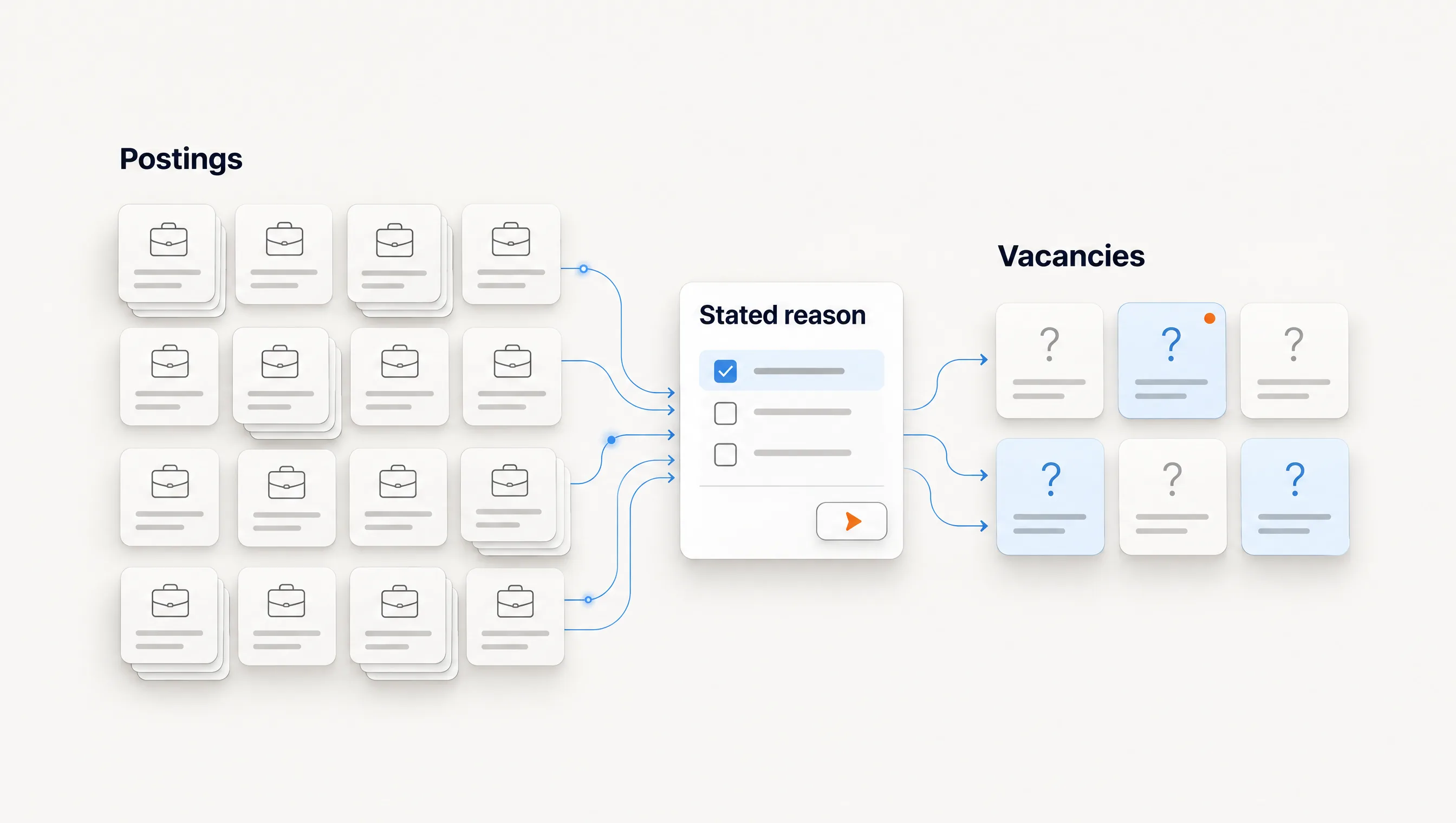
In a sample of 2,039 public job postings from 39 company job boards, the postings represented 1,754 distinct vacancies, so 14% of rows were duplicates and raw counts overstated distinct vacancies by 16%. The classifier assigned a non-unknown motive to 42 vacancies (2.4%), including 6 classified as explicit growth. That total includes evergreen classifications that can use posting history, not only stated reasons. A job posting tells a seller that a company is hiring for something. It rarely tells them why.
This is a small first measurement from our own hiring data, taken in September 2026. It covers three days of collection from 28 Greenhouse boards and 11 Lever boards, and it leans toward staffing-style employers. Treat the percentages as a description of this sample and not as a market benchmark. We explain below what it cannot show.
The findings at a glance
| Measure | Result | What it means for a seller |
|---|---|---|
| Raw postings | 2,039 | What a simple feed would count. |
| Distinct vacancies | 1,754 | What the company is more likely trying to fill. |
| Duplicate share | 14.0% overall; 9.1% Greenhouse; 22.1% Lever | Count vacancies before treating volume as momentum. |
| Vacancies with a non-unknown motive | 42 of 1,754 (2.4%) | Most motives remained unknown; non-unknown does not always mean stated in the text. |
| Vacancies stating growth | 6 of 1,754 (0.3%) | “They are scaling” usually is not in the source. |
How we measured it
We collected public postings from the job boards of 39 companies and stored 5,712 observations across three crawl days: September 14, 16 and 20, 2026. Nearly all were in English (97.8%).
To decide whether two postings were the same vacancy, we compared postings on the same board with the same normalized title and job function. Location qualifiers were removed from titles, and the location words were removed from descriptions. Two postings were merged when their descriptions were at least 90% similar, measured over overlapping five-word sequences, and their active periods overlapped or fell within 30 days of each other.
That 90% threshold is a working rule that has not been validated against hand-labeled pairs of postings, and a different threshold would change the numbers. The motive classifier checks explicit language in the canonical posting for each vacancy. First-of-kind and newly-created-role markers belong to growth; leave-cover markers belong to replacement. It can also classify a vacancy as evergreen using unchanged duration, reposts or location clones. No model inferred the motive. Predicate matches can overlap within a vacancy and are not additional vacancies.
Finding 1: 14% of rows were duplicates
| Board provider | Postings | Vacancies | Duplicate share | Location copies | Duplicate IDs | Reposts |
|---|---|---|---|---|---|---|
| Greenhouse | 1,276 | 1,160 | 9.1% | 103 | 12 | 1 |
| Lever | 763 | 594 | 22.1% | 163 | 6 | 0 |
| Total | 2,039 | 1,754 | 14.0% | 266 | 18 | 1 |
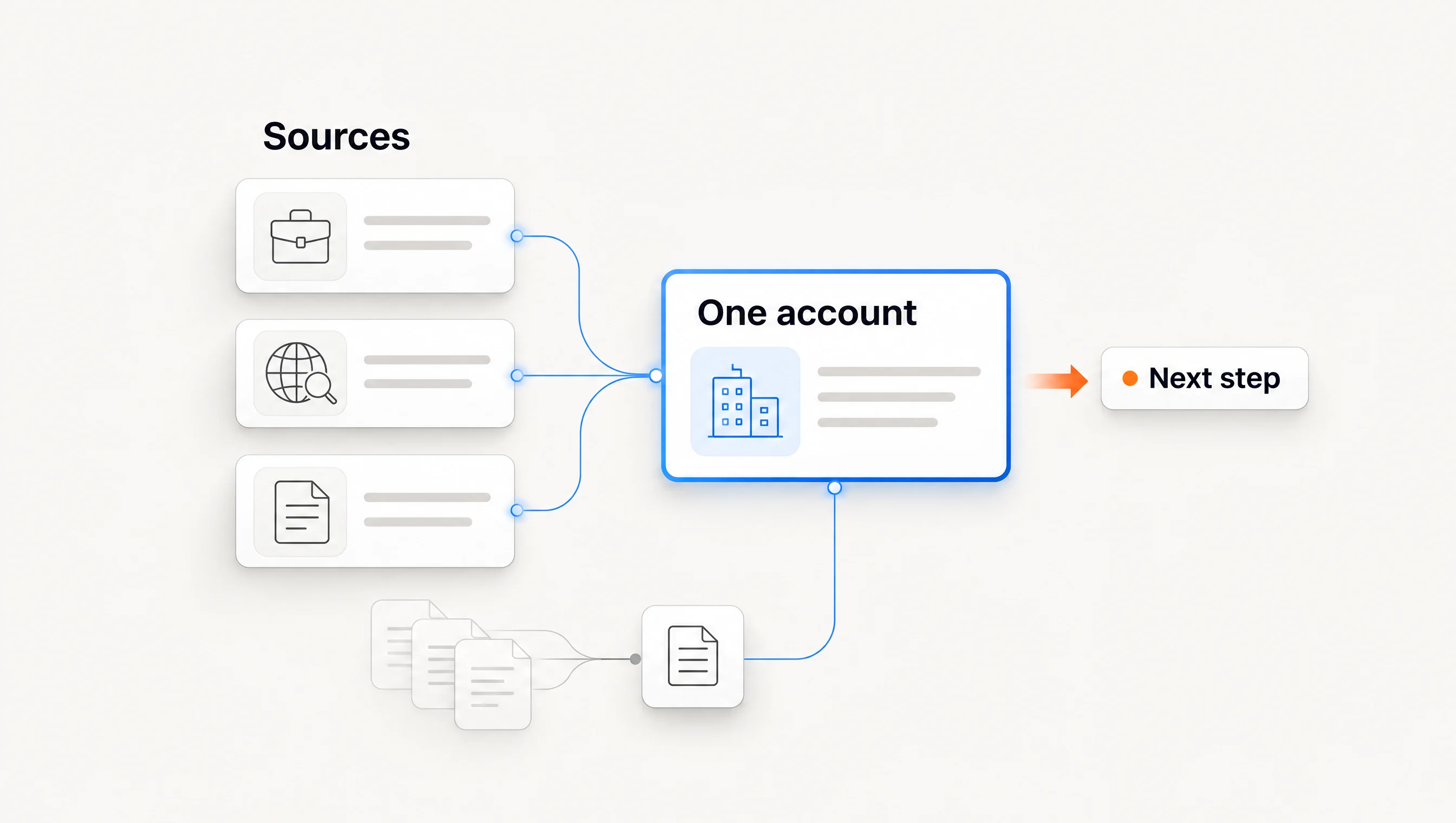
The denominator matters: 285 duplicate rows divided by 2,039 rows is a 14.0% duplicate share. Dividing those 285 by 1,754 distinct vacancies gives 16.2% overstatement. The corresponding overstatement is 10.0% for Greenhouse and 28.5% for Lever. Almost all duplicate rows came from one source. Of the 285 postings that merged, 266, or 93%, were the same job advertised for different locations. A company listing one role in six cities looks like a company hiring six people, and it may well be, but a posting count cannot tell you that.
A cruder method would have misled us in the other direction. When we simply looked for postings at one company sharing a normalized title, 39.4% of job events matched another. Comparing the descriptions showed that many were different roles under one title. Matching on the title alone would suggest a far bigger duplication problem than the one we found.
Only one repost with a new ID appeared, but three crawl days are too few to measure reposting. That count should not be read as evidence that reposting is rare.
Finding 2: most vacancy motives remain unknown
| Assigned motive | Vacancies | Share |
|---|---|---|
| Evergreen (text or history) | 34 | 1.9% |
| Growth | 6 | 0.3% |
| Replacement | 2 | 0.1% |
| Unknown | 1,712 | 97.6% |
Evergreen was the largest non-unknown class: 34 vacancies, compared with 6 growth and 2 replacement. These classes account for all 42 non-unknown outcomes. First-of-kind and newly-created-role phrases are growth markers; leave cover is a replacement marker. They are not extra motive classes. The report counts predicate matches separately, and a vacancy can match more than one predicate. The saved aggregate does not show how many of the 34 evergreen outcomes came from text versus history, or the exact overlap of phrase matches. The number of vacancies with an explicitly stated reason therefore cannot be recovered from this summary.
Word matching also has a trap. Nine phrases that looked like growth were actually describing the candidate, as requirements, and not the company. A tool that scans a posting for growth language and reports “company is scaling” would have been wrong on those. Treat that kind of inference with care wherever you see it, including in messages generated from a posting.
This is a separate question from fake or abandoned listings. News coverage of a Greenhouse analysis reported that 18% to 22% of postings in a quarter were “ghost jobs,” a different and more contested measure, and we could not locate the underlying report. Our data does not estimate that rate.
Finding 3: the job function mix is broader than a sales list assumes
| Function | Postings | Share of 2,039 |
|---|---|---|
| Other | 479 | 23.5% |
| Sales | 341 | 16.7% |
| Customer | 252 | 12.4% |
| Engineering | 210 | 10.3% |
| Operations | 204 | 10.0% |
| Marketing | 196 | 9.6% |
| Data | 131 | 6.4% |
The remaining 226 postings fall into smaller functions. Nearly a quarter landed in “other,” which here includes roles such as drivers, technicians, consultants and AI trainers. This mix reflects the employers in the sample, so do not read it as the shape of the job market. The practical lesson is narrower: broad filters will bring in many roles that have nothing to do with your offer, and a title keyword needs a check against the description.
What this data cannot tell you
- How long jobs stay open. With only three crawl days, most postings were still open when we stopped measuring, and no job function reached a median lifetime.
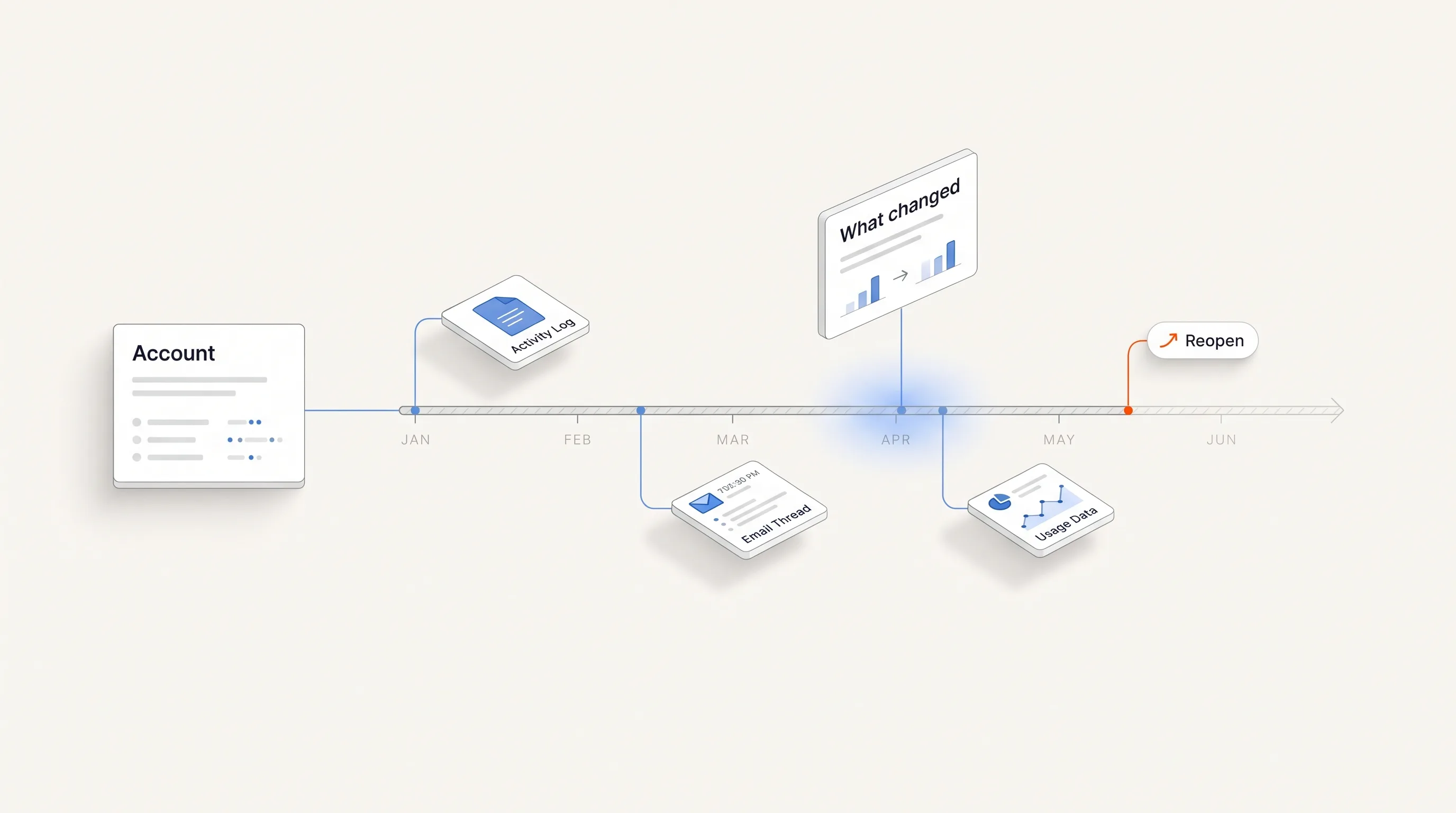
- Whether removed jobs come back. We saw 117 removals, all on the last crawl day, so no return rate could be calculated. It is unmeasured, not zero.
- Whether hiring is speeding up or slowing down. Every board's history was too short to tell.
- Whether any posting led to a purchase. This study looks at postings only. It does not connect them to replies, meetings or revenue.
- How the market as a whole behaves. Thirty-nine boards from two providers are not a representative sample of employers.
Lifetime and repost measures need weeks of daily collection, so they are not reported here.
What sellers should do with this
- Count vacancies, not rows. Collapse location copies before using hiring volume as a reason to act.
- Exclude evergreen postings. Search titles for talent-pool language and treat “always looking” as no signal.
- Never state the motive for them. Write what the posting says and ask about what it leaves open. “You are hiring two SDRs in Austin” is checkable. “Since you are scaling” usually is not.
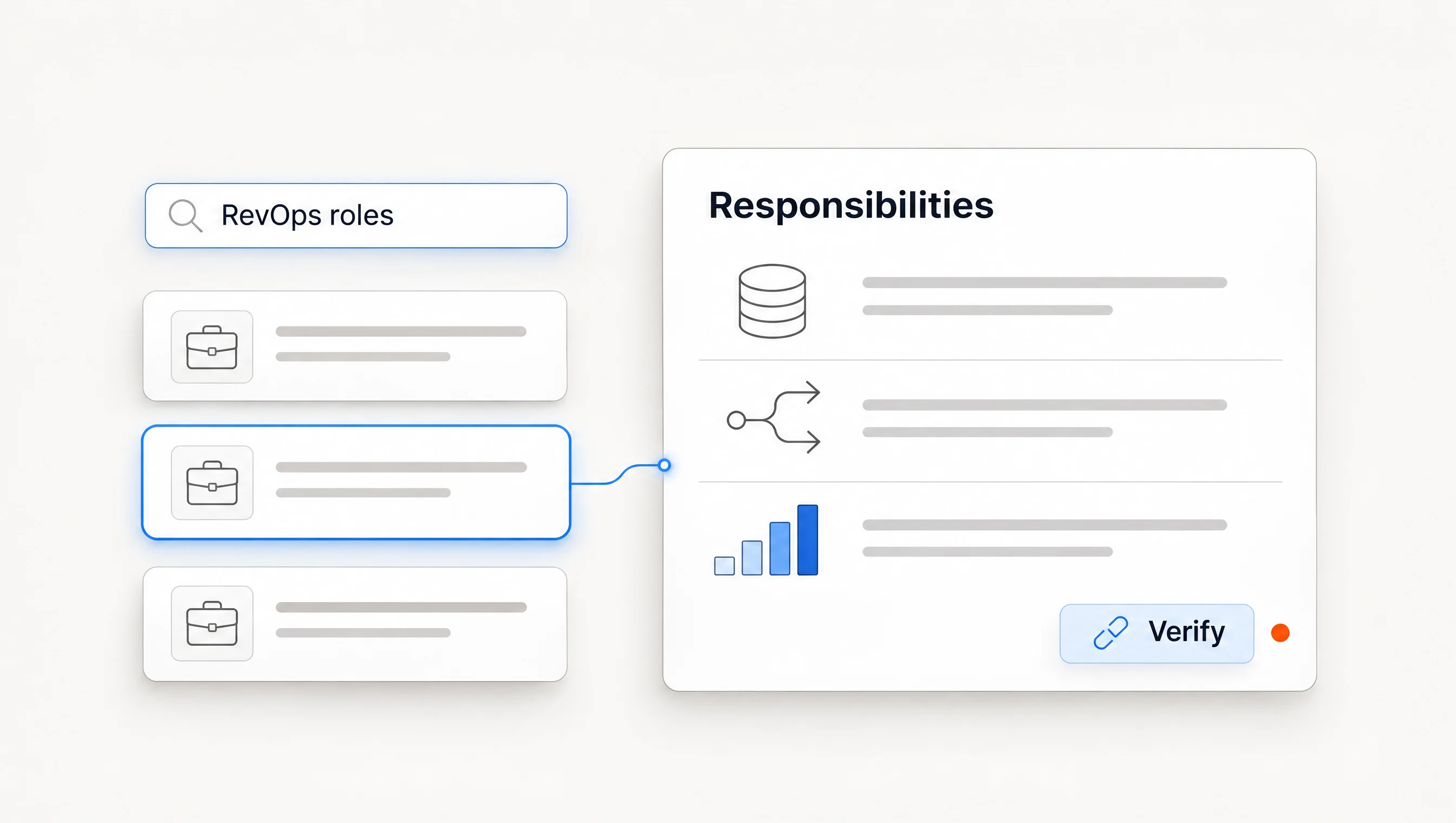
- Read the responsibilities. The connection to your offer lives in the description, as our guide to job postings as buying signals shows.
- Keep the link and date. They let the reader verify your message, and let you verify the role is still open.
Our guide to signal-based cold email shows how to write from an observation without claiming more than it supports.
Download the results
Download the study results (CSV). It contains every aggregate figure in this article by provider, motive and function. It contains no company names or posting text. If you cite these numbers, please include the sample size and collection dates.
Where Perpetual fits
This measurement came out of building Perpetual, which uses public hiring activity to find companies, qualify them against an offer and write from the posting. It is why the product carries the source and what remains unknown into each message, instead of asserting why a company is hiring. Read a signal is not a buying intent for the reasoning, or the quickstart guide for how it works.
Frequently asked questions
How many job postings are duplicates?
In this sample of 2,039 postings, 14% of rows were duplicates; raw counts overstated distinct vacancies by 16%, and most of that came from one role listed in several locations. The rate differed by provider and will differ in other samples.
Do job postings show why a company is hiring?
The classifier left 97.6% of vacancy motives unknown. Its 2.4% non-unknown share includes evergreen outcomes that can come from posting history. The summary does not establish how many vacancies explicitly stated a reason.
Are job postings still useful for sales if the reason is unknown?
Yes, as a dated, public starting point. They support a specific question to a relevant person. They do not establish a budget or a decision to buy.
Is this a representative study of the job market?
No. It is a small sample from 39 boards over three crawl days, and it is published as a first measurement with its limits stated.