JournalSignalsNo. 08
Account Discovery vs. Account Monitoring: Which Do You Need?
When to find new accounts and when to watch the ones you own, how to split seller capacity between both, and a weekly routine with a free worksheet.
Matija Nikolić6 min read8 sections
Contents
Published by Perpetual
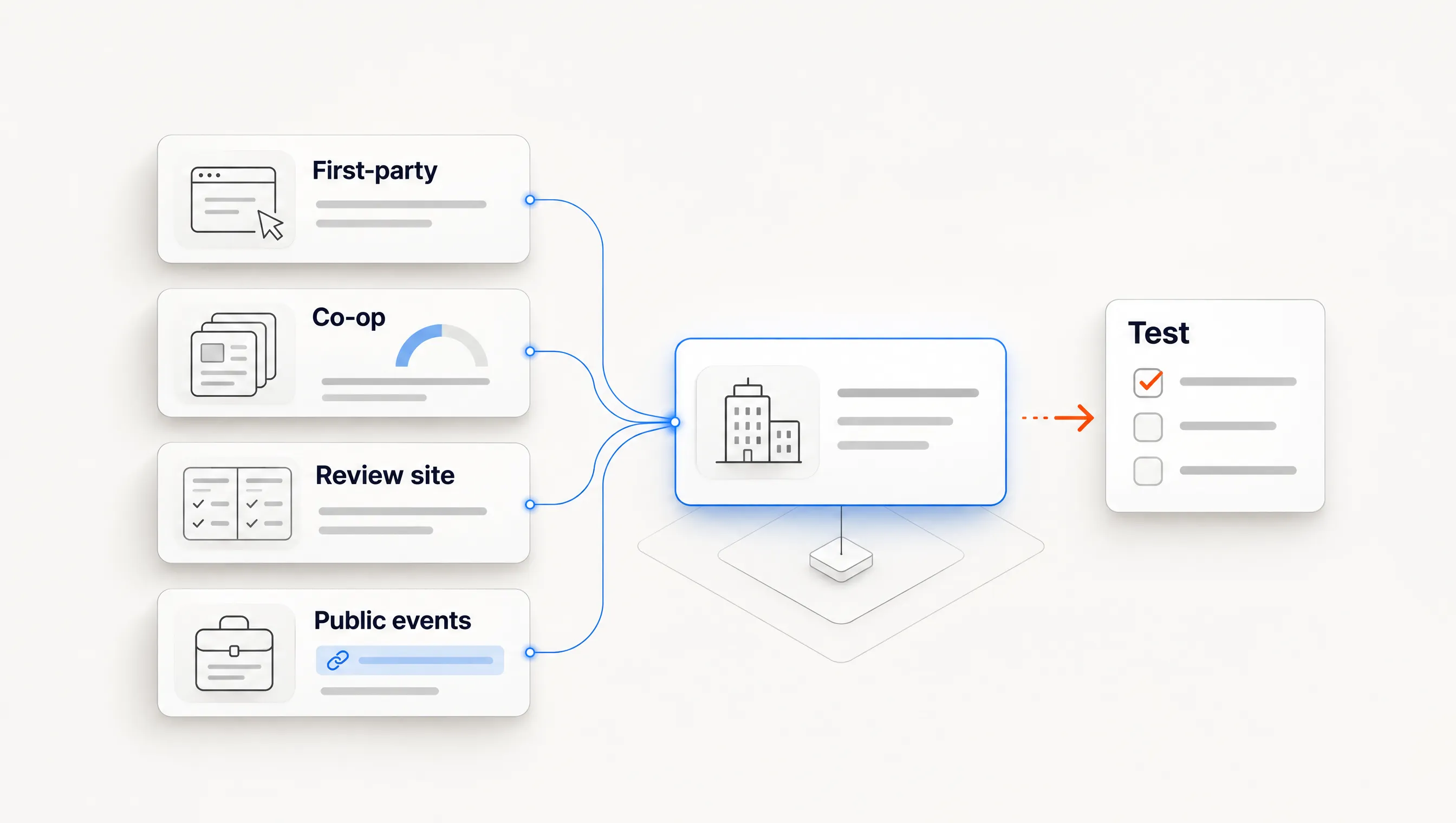
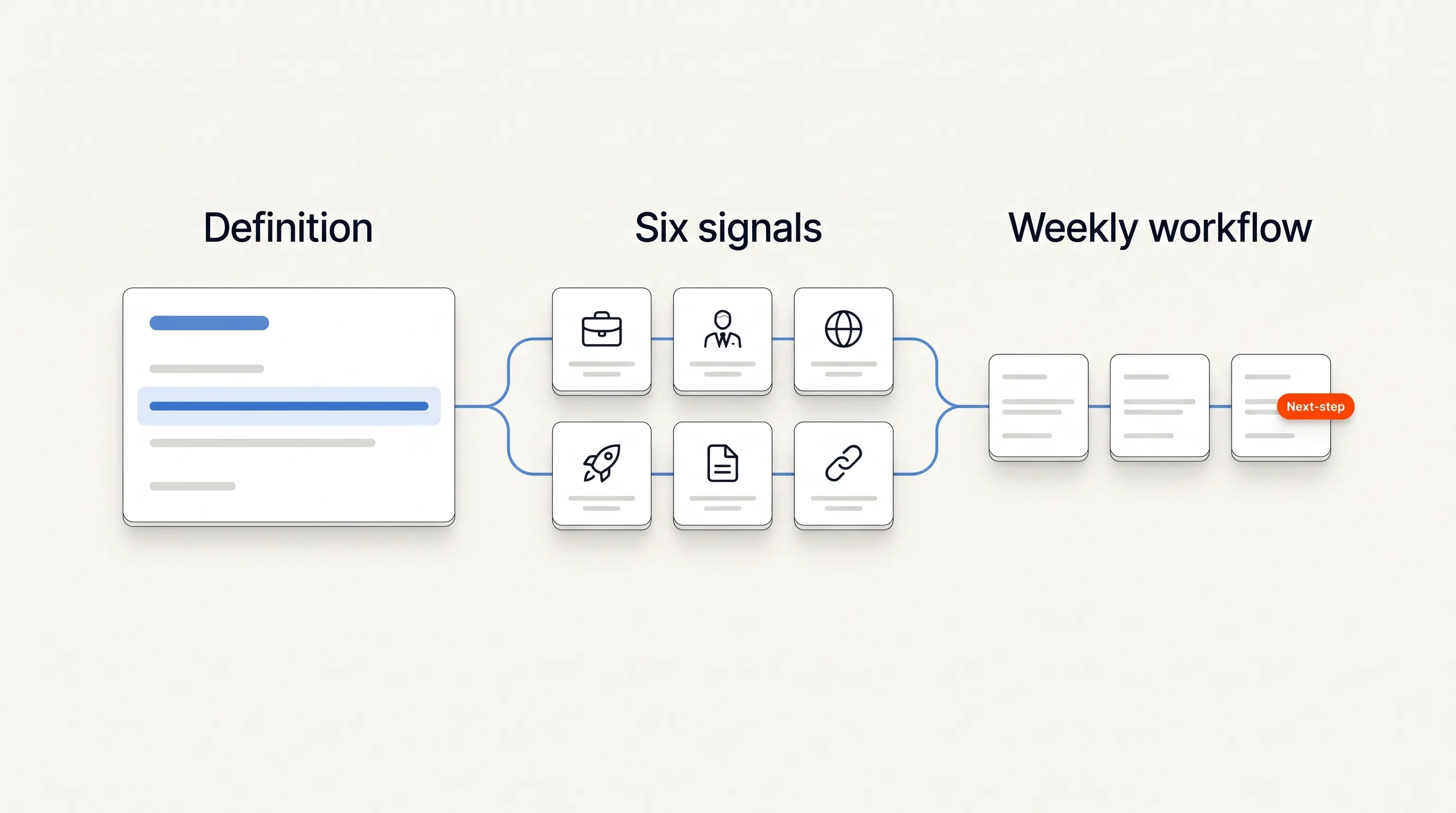
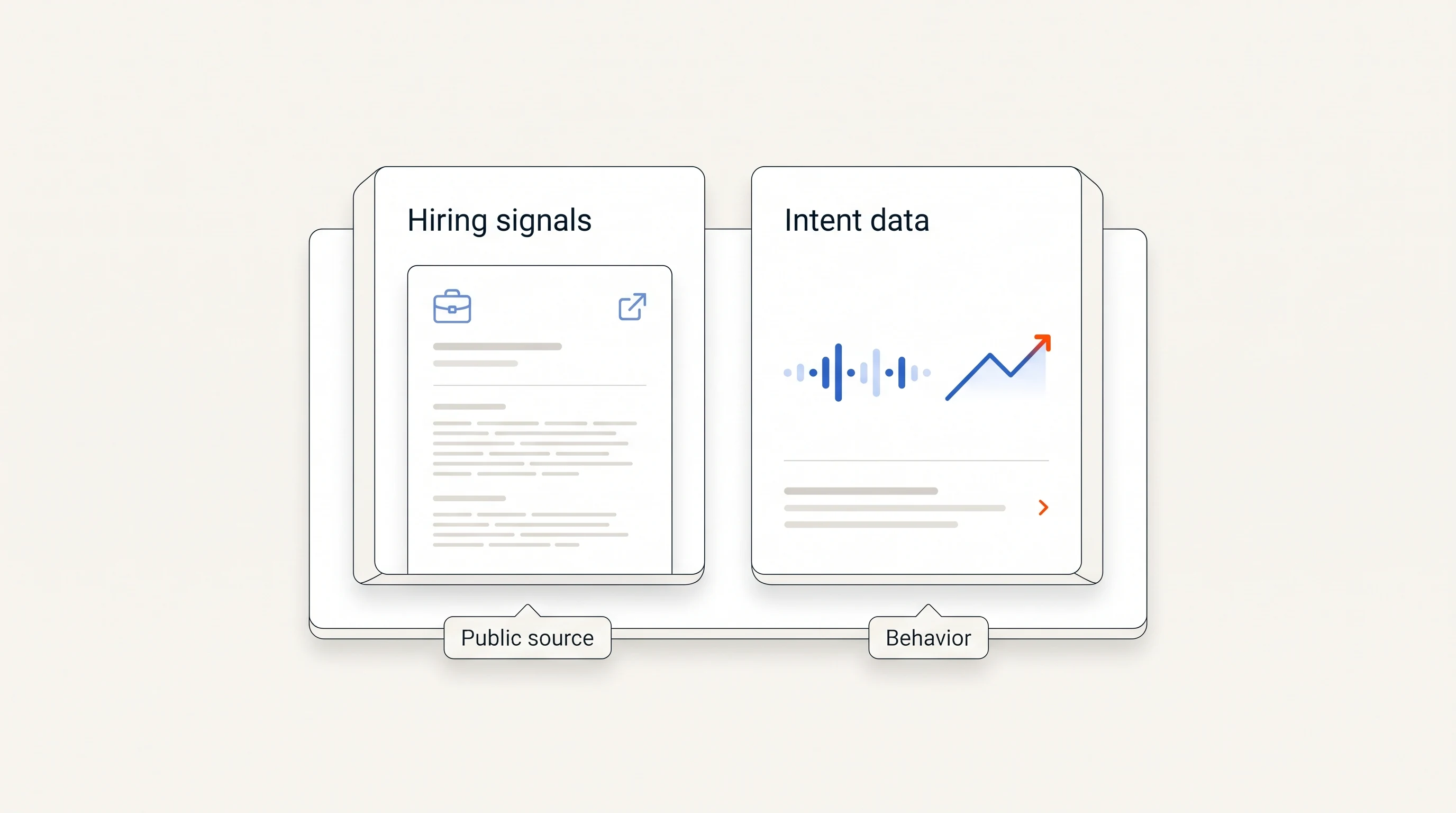
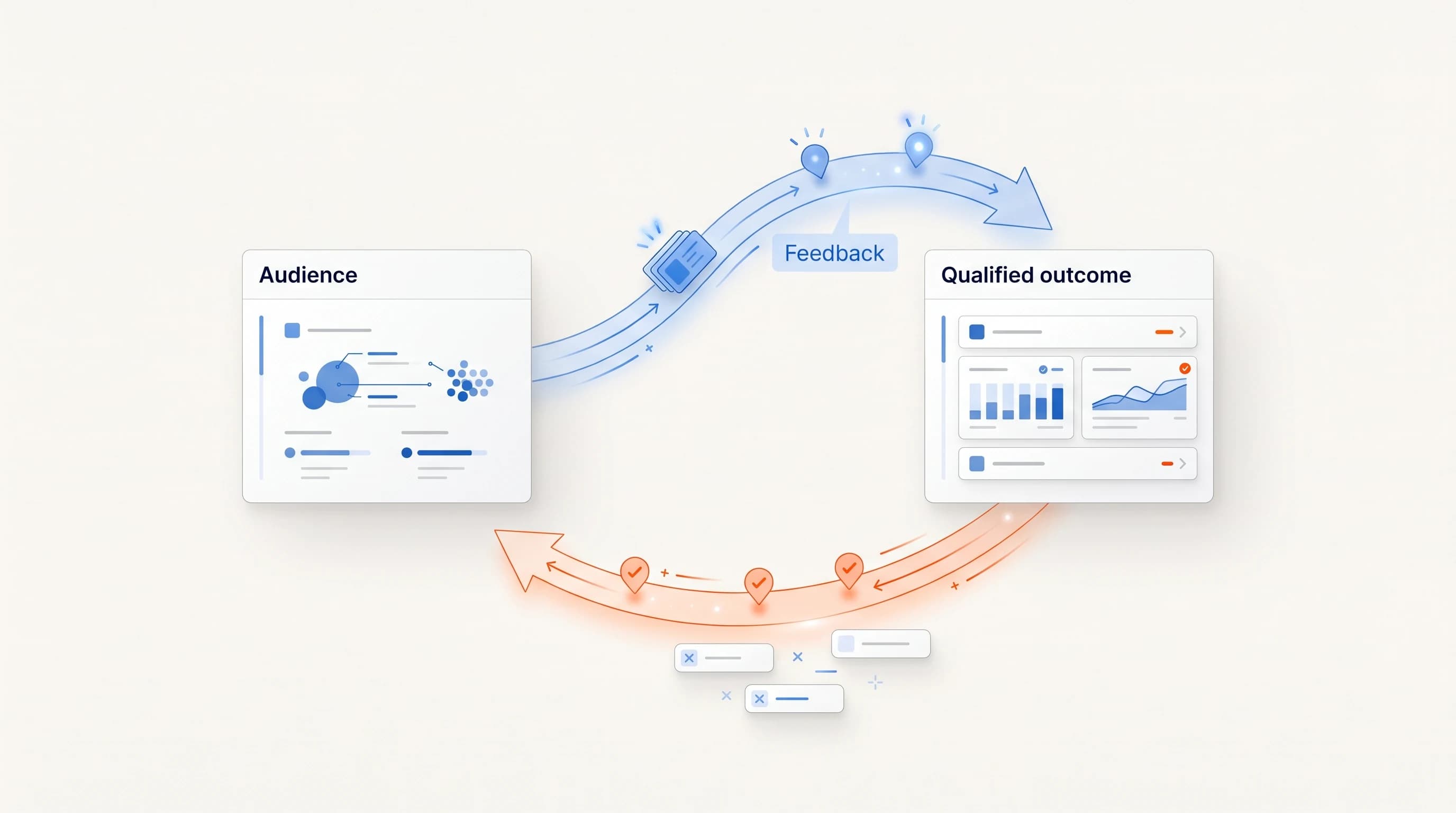
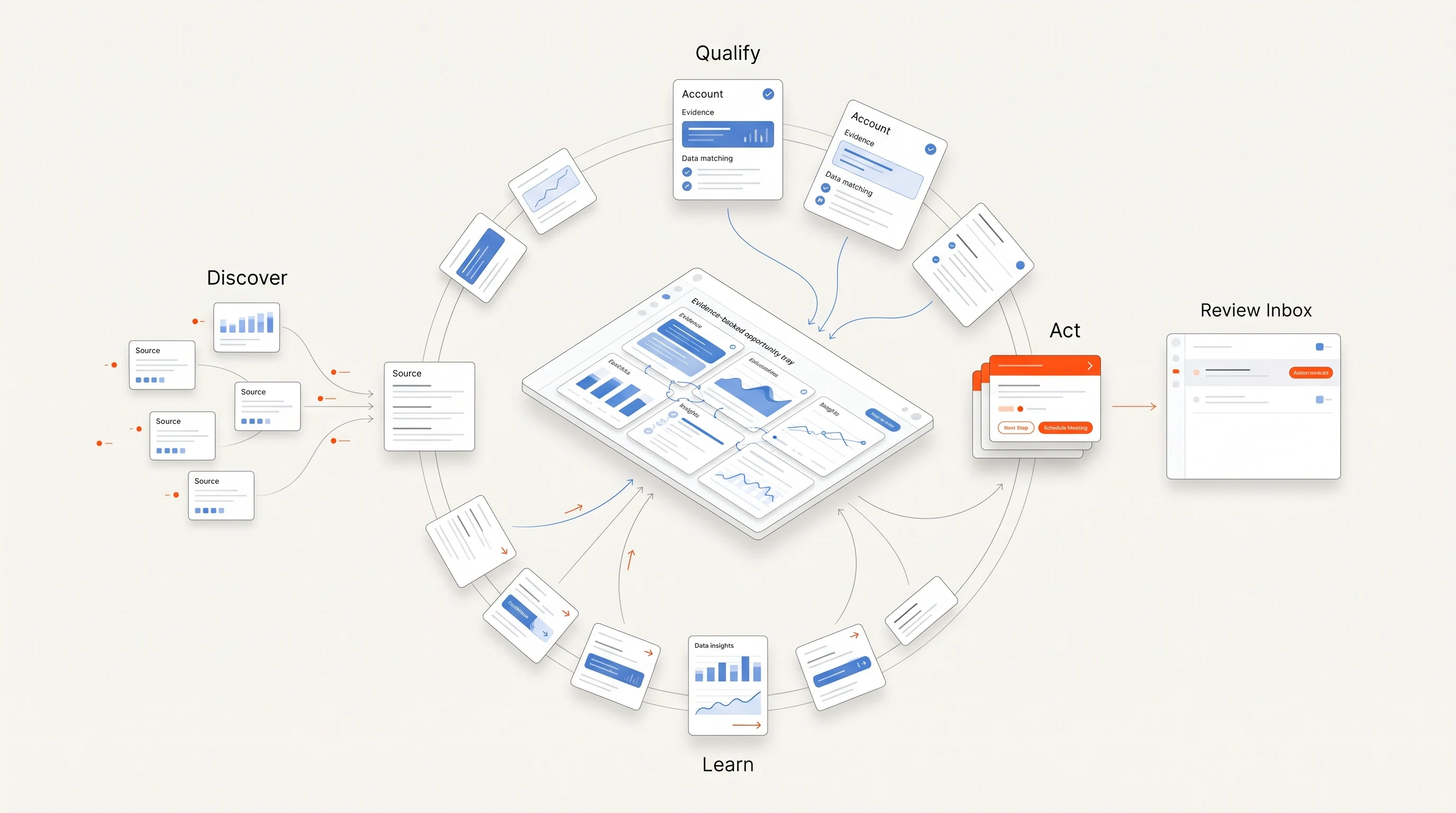
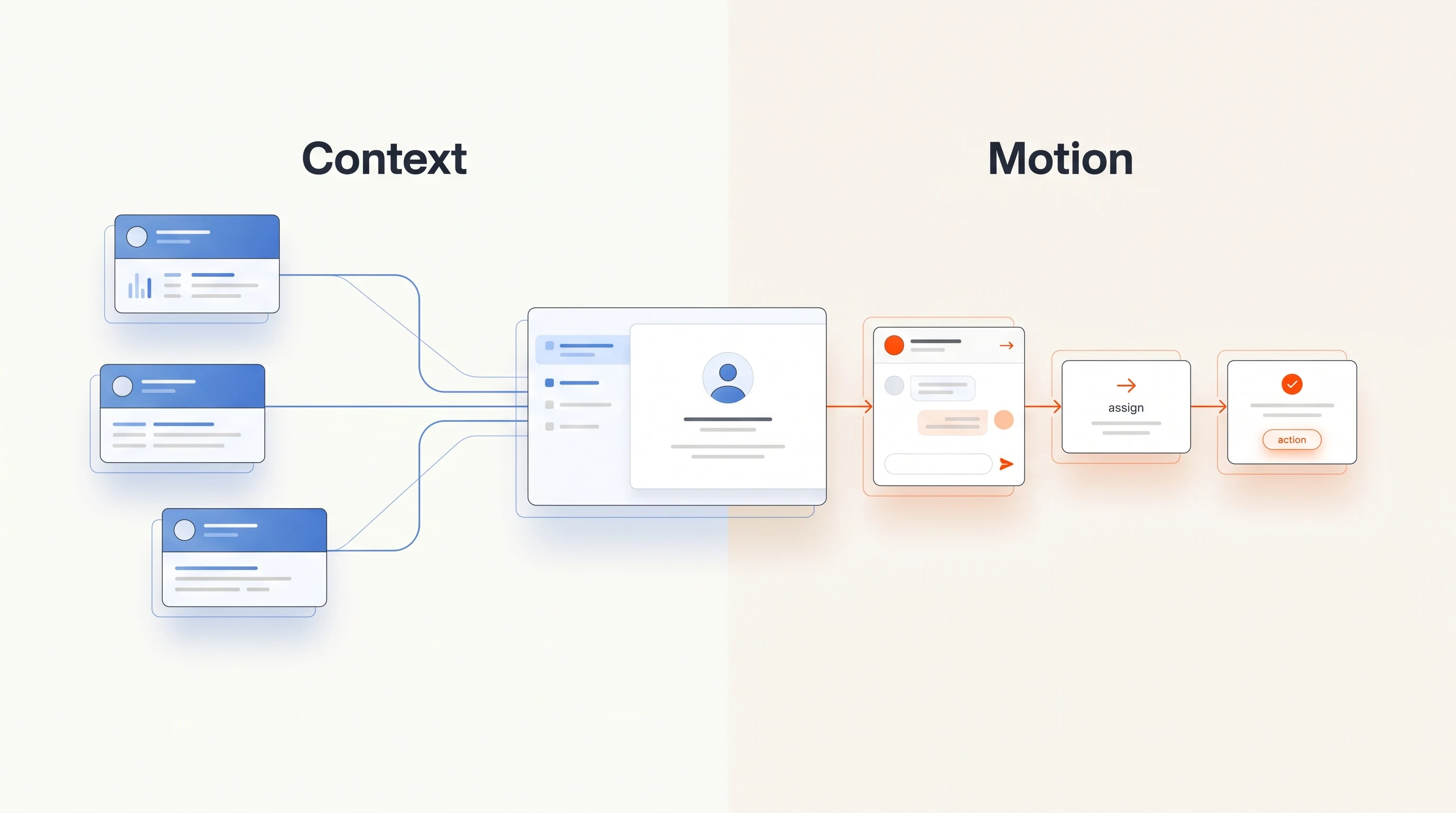
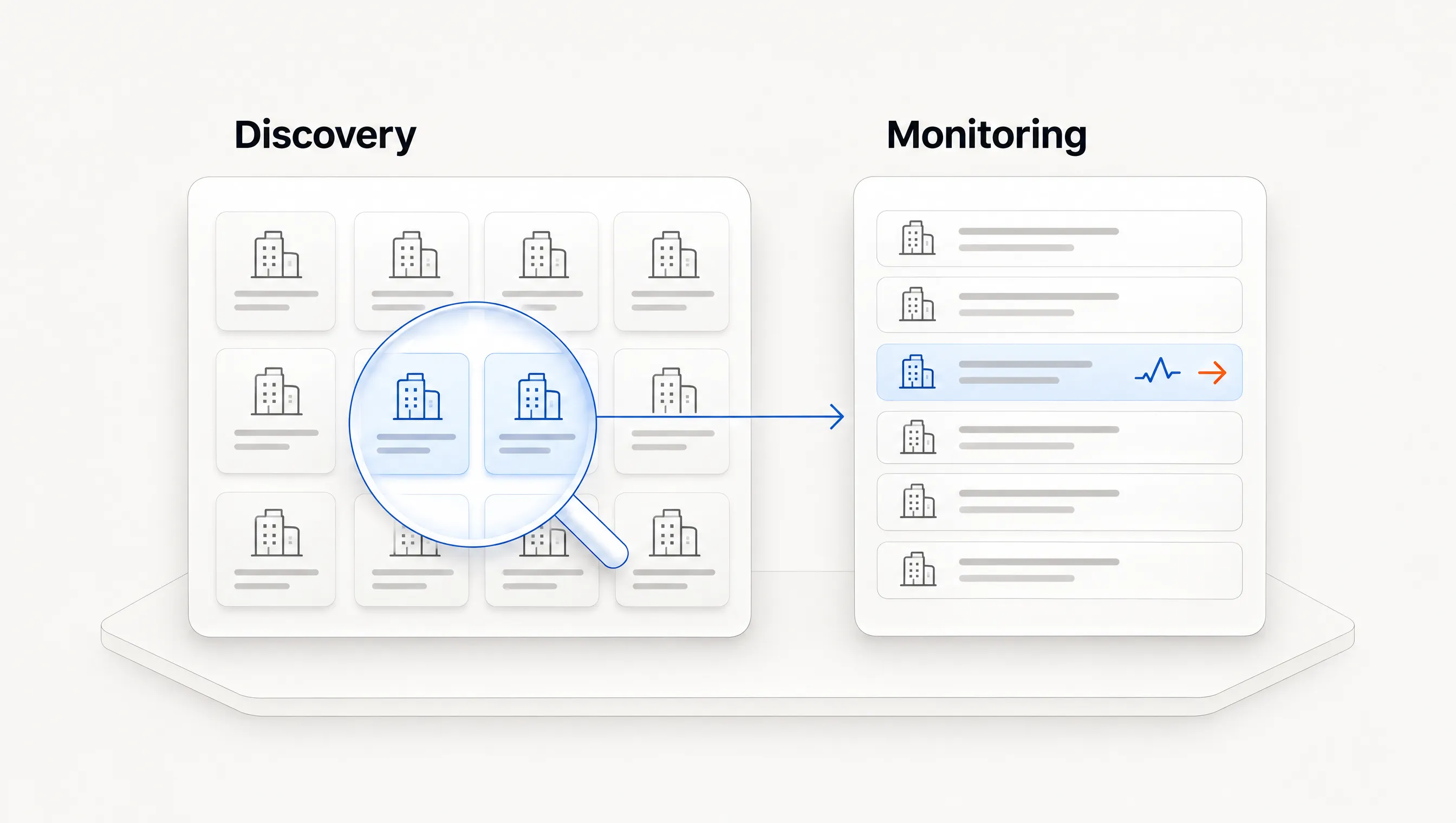
Account discovery finds companies you are not yet tracking. Account monitoring watches a list you already own and tells you when one of those companies changes. Discovery solves coverage: there are not enough good accounts to work. Monitoring solves timing: the accounts are right, but you do not know when to reach out. Most teams need both, in a ratio set by how many named accounts each seller can actually work.
Perpetual publishes this guide, and our product is built for discovery from public hiring activity. Salesmotion, a monitoring vendor, makes the opposite case well in its discovery vs. monitoring guide: teams with named accounts should usually start with monitoring. We agree for those teams. This guide adds how to tell which case you are in, how to run both and how an account moves from one to the other.
The difference in one table
| Account discovery | Account monitoring | |
|---|---|---|
| Starts from | A description of who you sell to | A named list of accounts |
| Problem it solves | Too few good accounts | Not knowing when to act |
| Typical inputs | Firmographic filters, public events across the market | Changes at known accounts: leaders, funding, hiring, visits |
| Output | New qualified accounts with a reason | Alerts on accounts you already own |
| Main risk | A long list nobody qualifies | Waiting on accounts that never move |
| Measure it by | Share of found accounts that qualify | Share of alerts that lead to a conversation |
Which case are you in?
Answer four questions with numbers from the last quarter, not impressions.
- Can each seller name the accounts they own? If yes and the list is stable, monitoring fits. If ownership is "whatever the database returns", you are doing discovery without calling it that.
- Do sellers run out of accounts or out of time? Running out of accounts points to discovery. Running out of time points to monitoring, or to fewer accounts per seller.
- Where did last quarter's won deals start? Count how many came from accounts already on a list and how many were new to you.
- Is your ideal customer profile proven? Monitoring a list built on a guess makes you very good at timing outreach to the wrong companies. If your profile is still a hypothesis, discovery tests it faster.
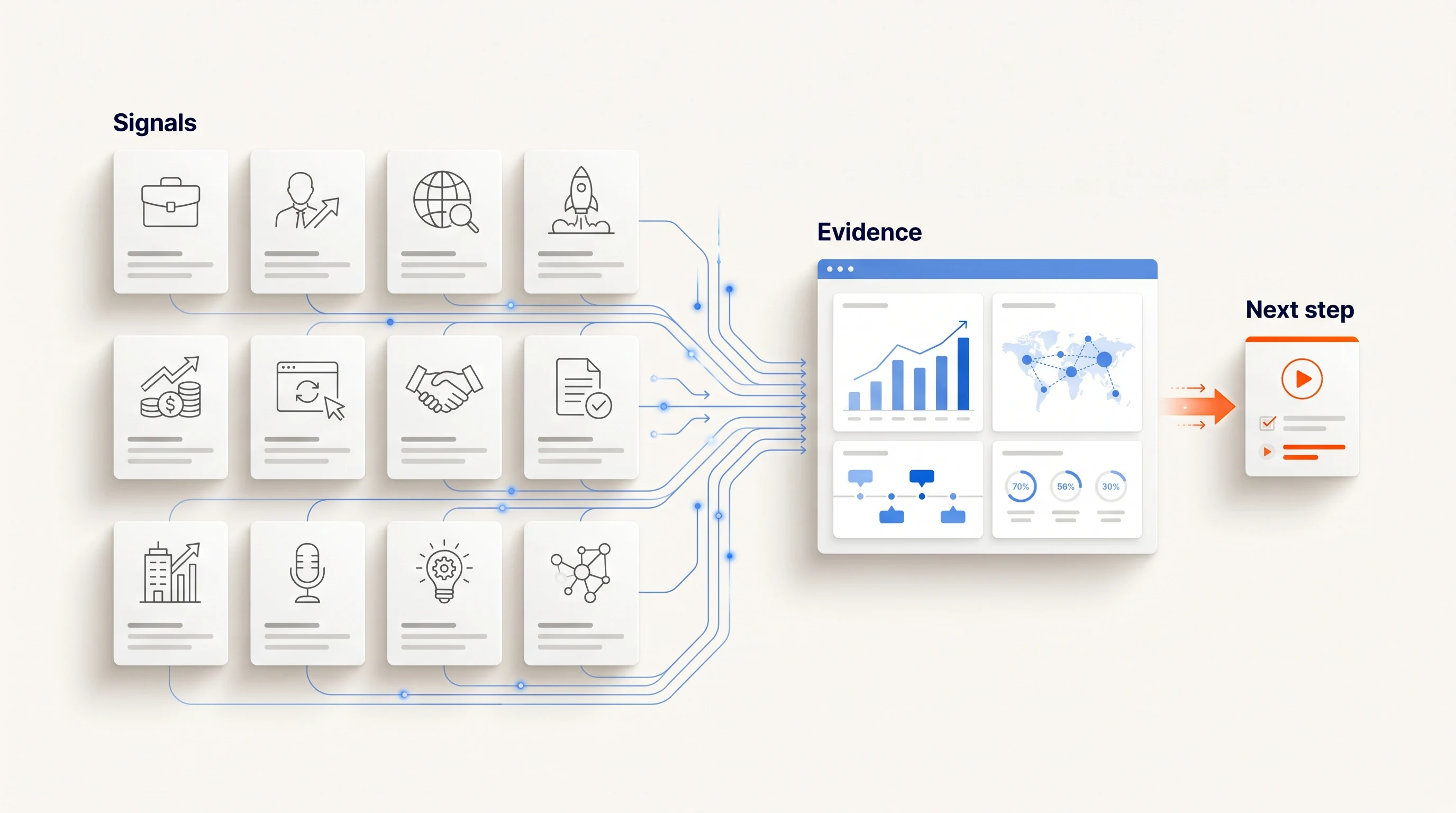
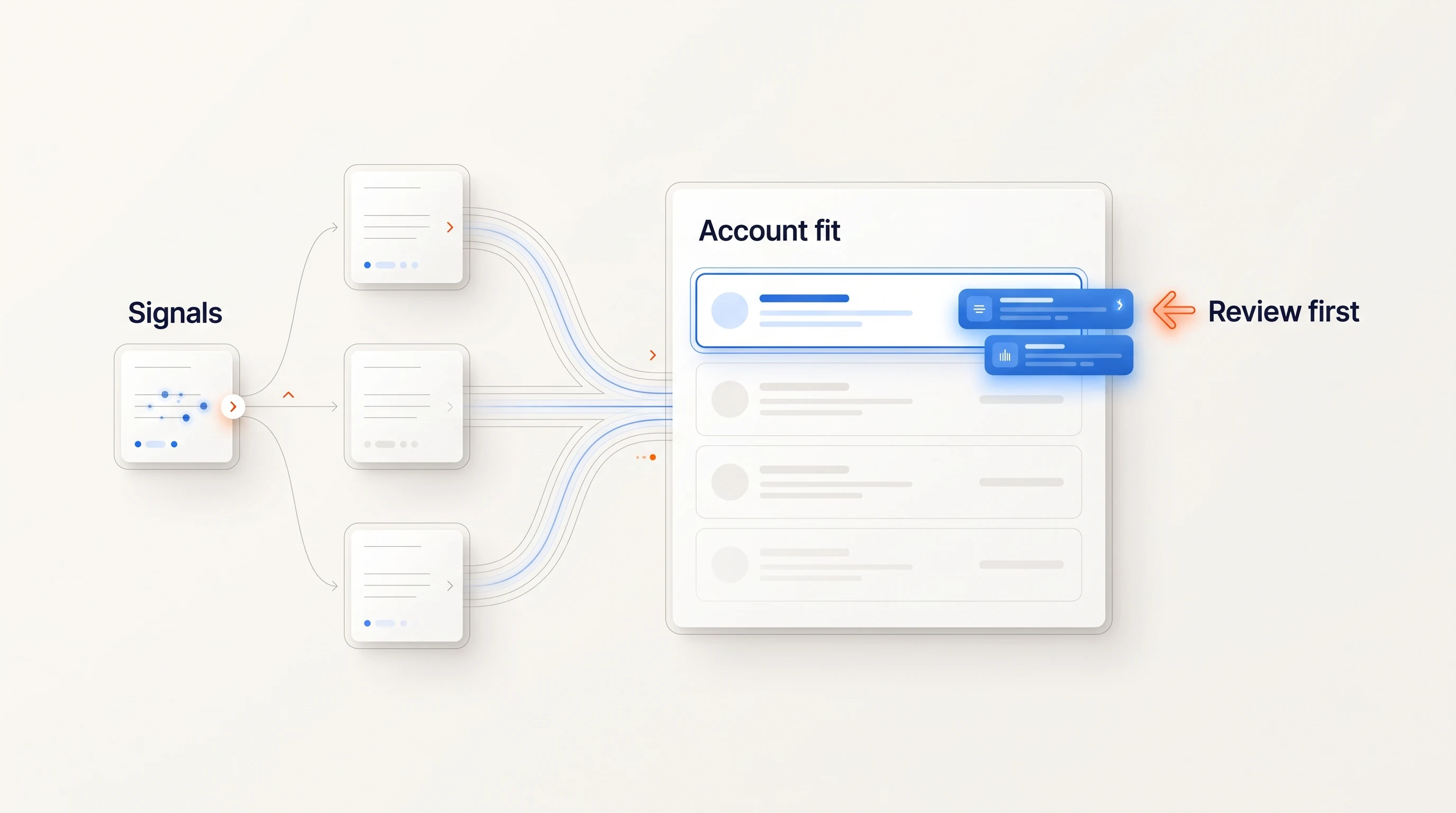
Signals work in both modes
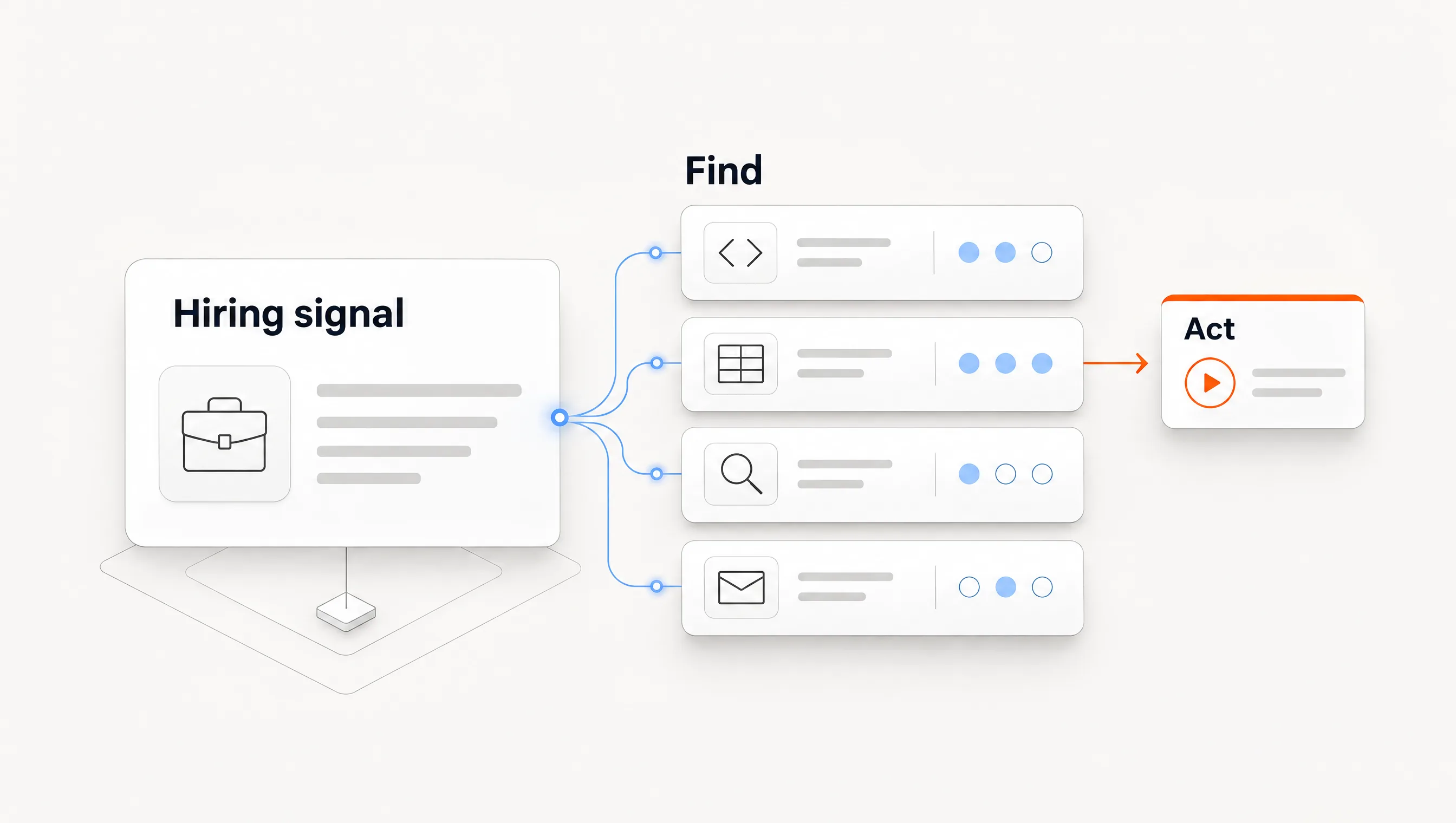
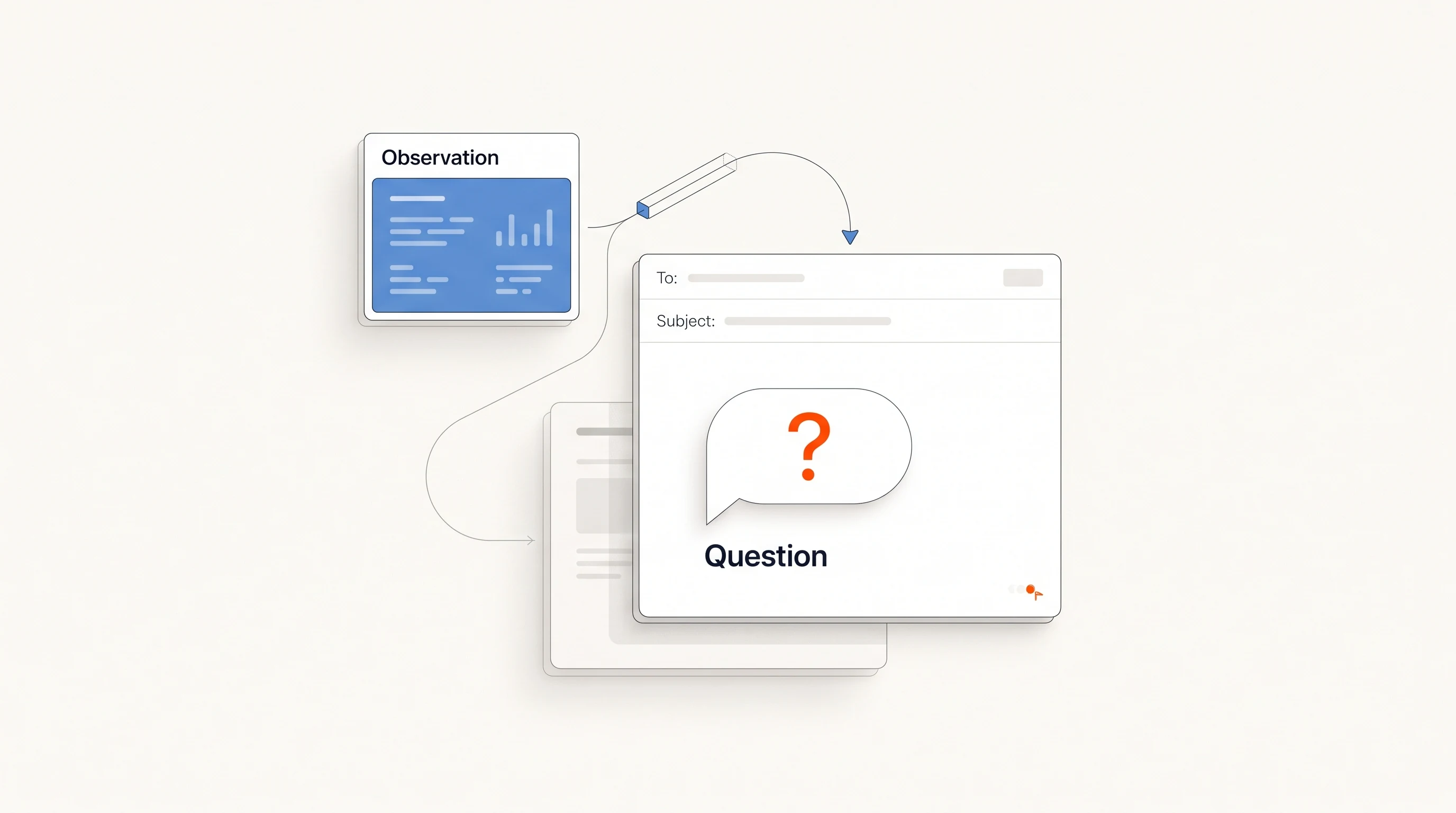
A common assumption is that discovery means static filters and only monitoring uses signals. That is not true. The same observation can start either motion:
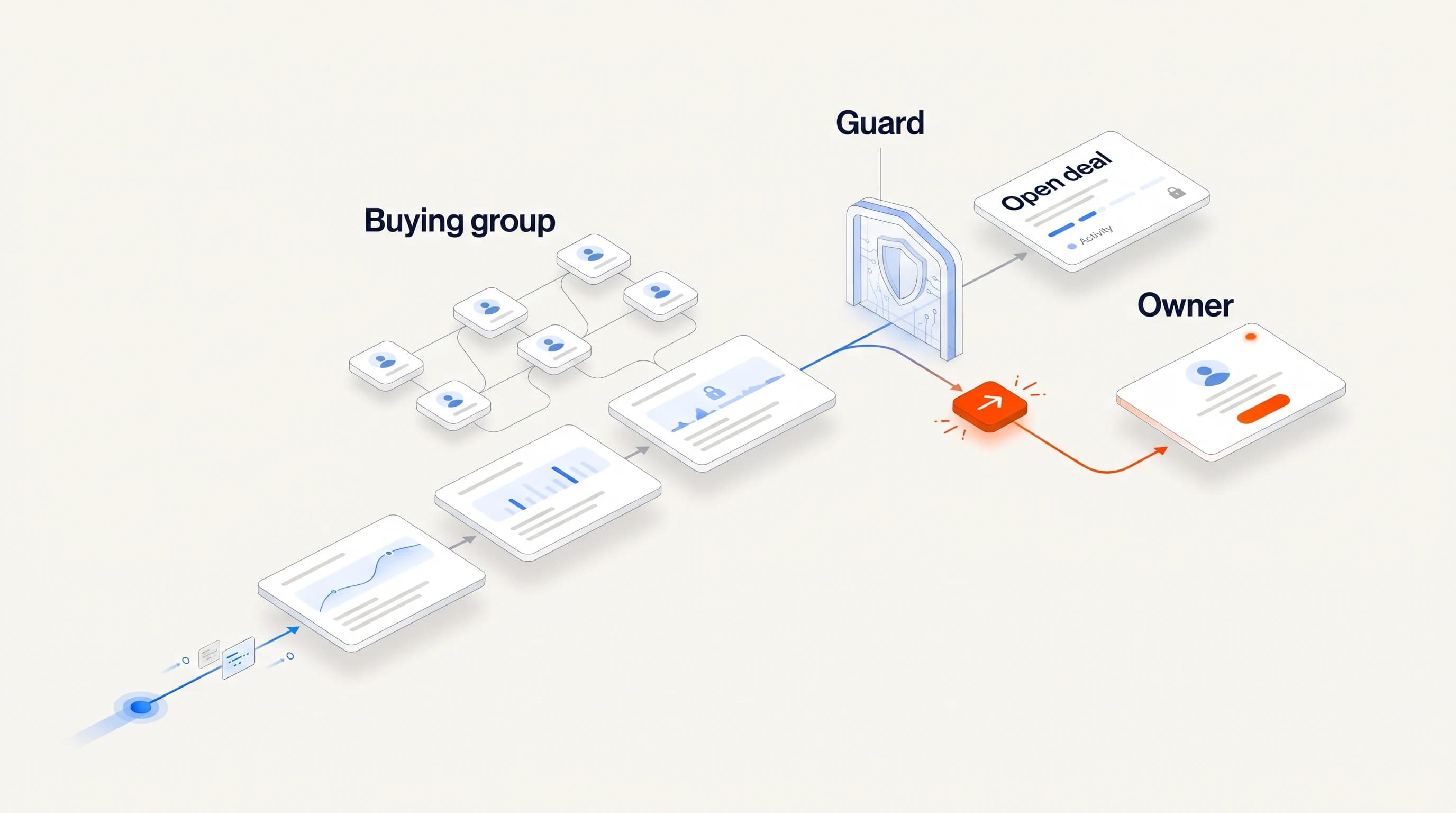
- Monitoring: an account on your list posts a job for a role your offer supports. You already know the company, so you act on timing.
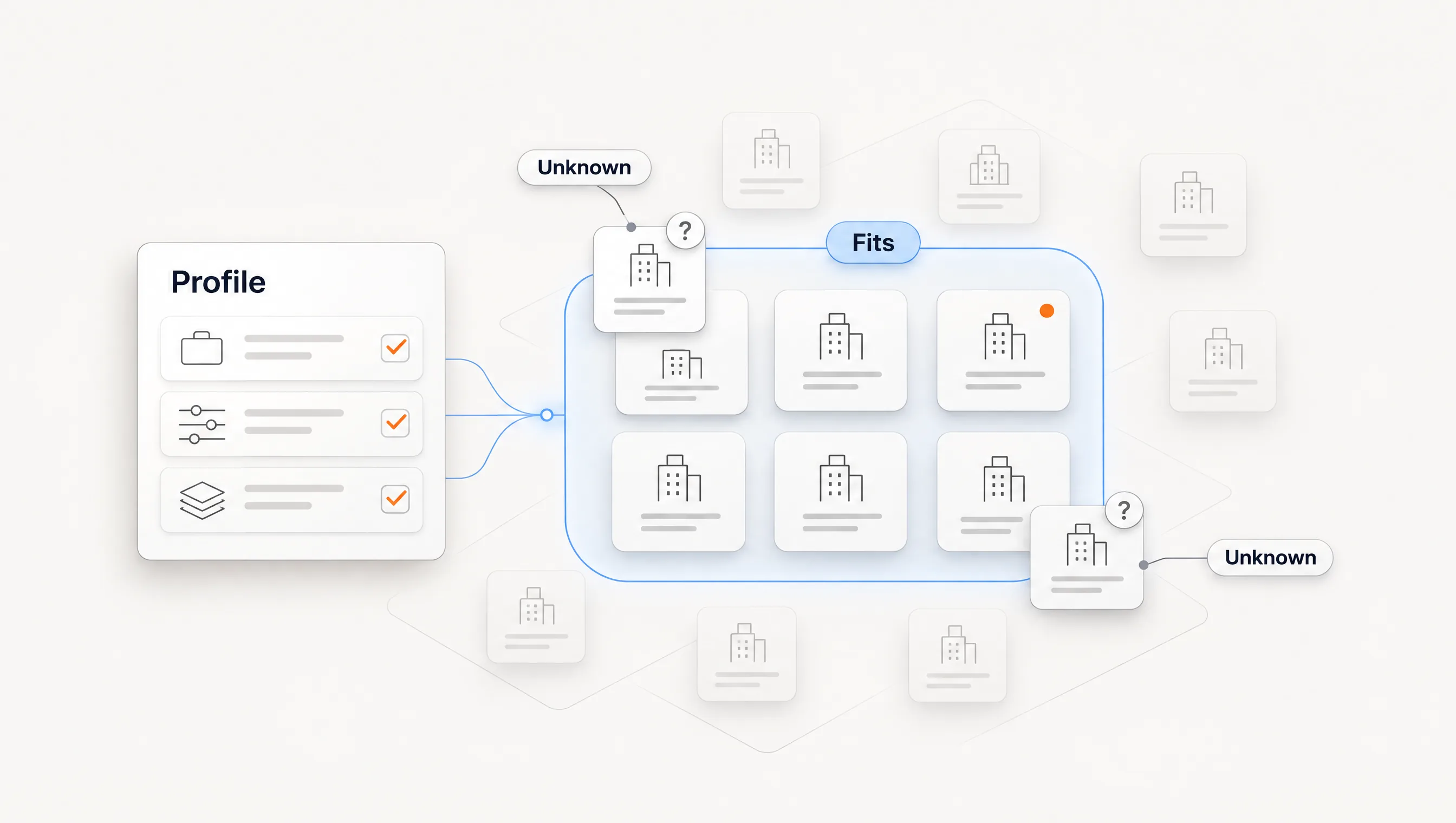
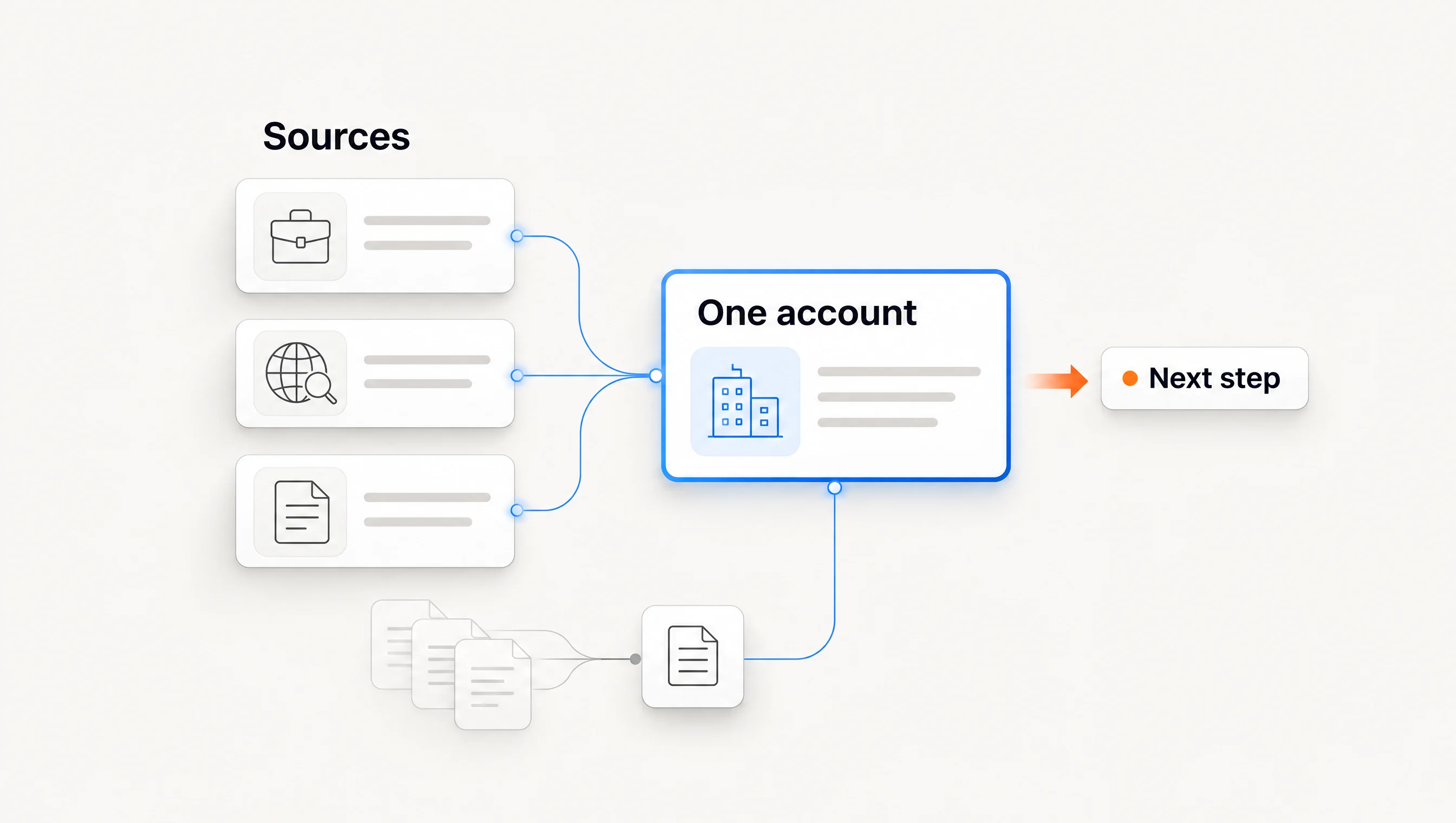
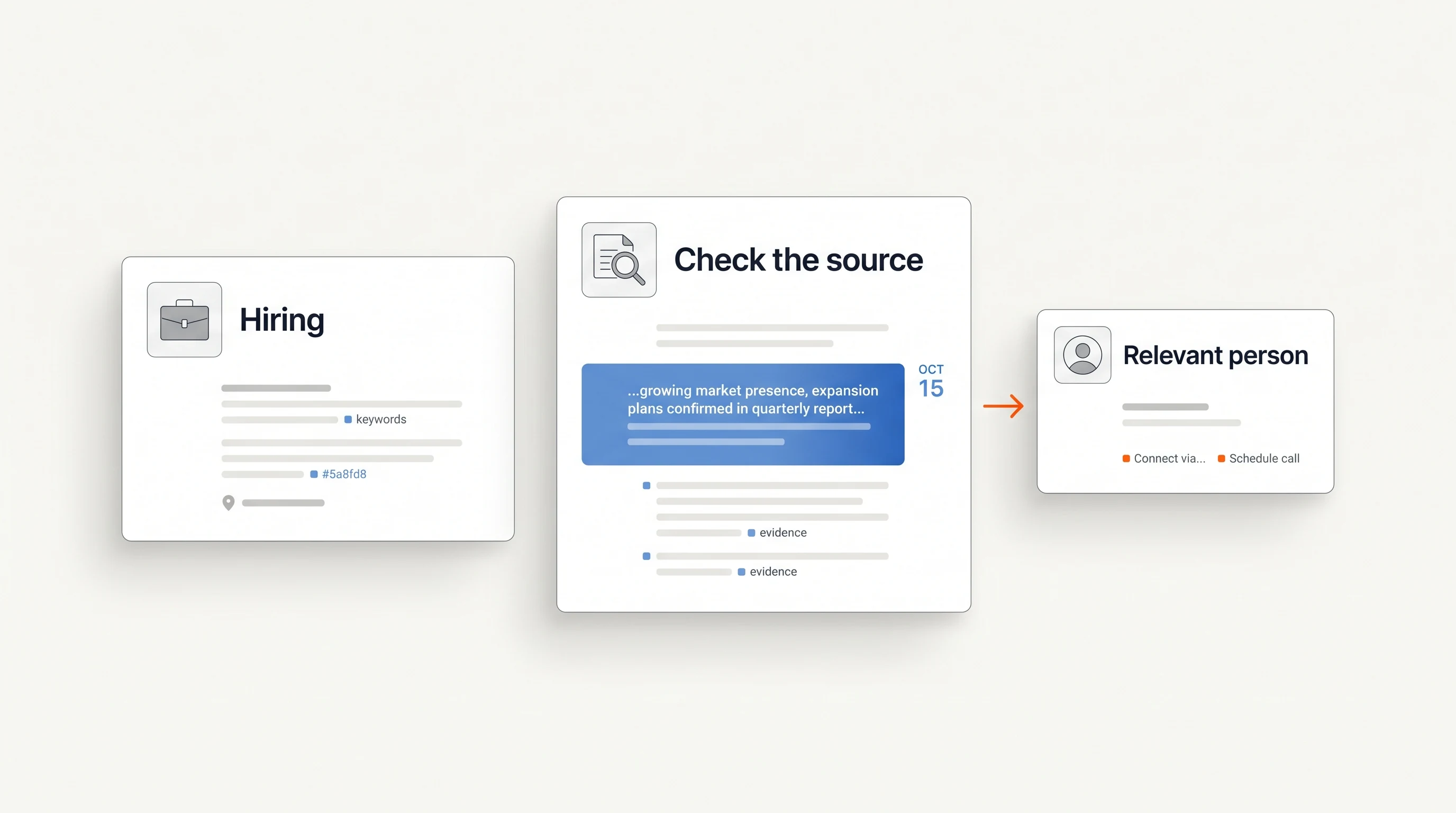
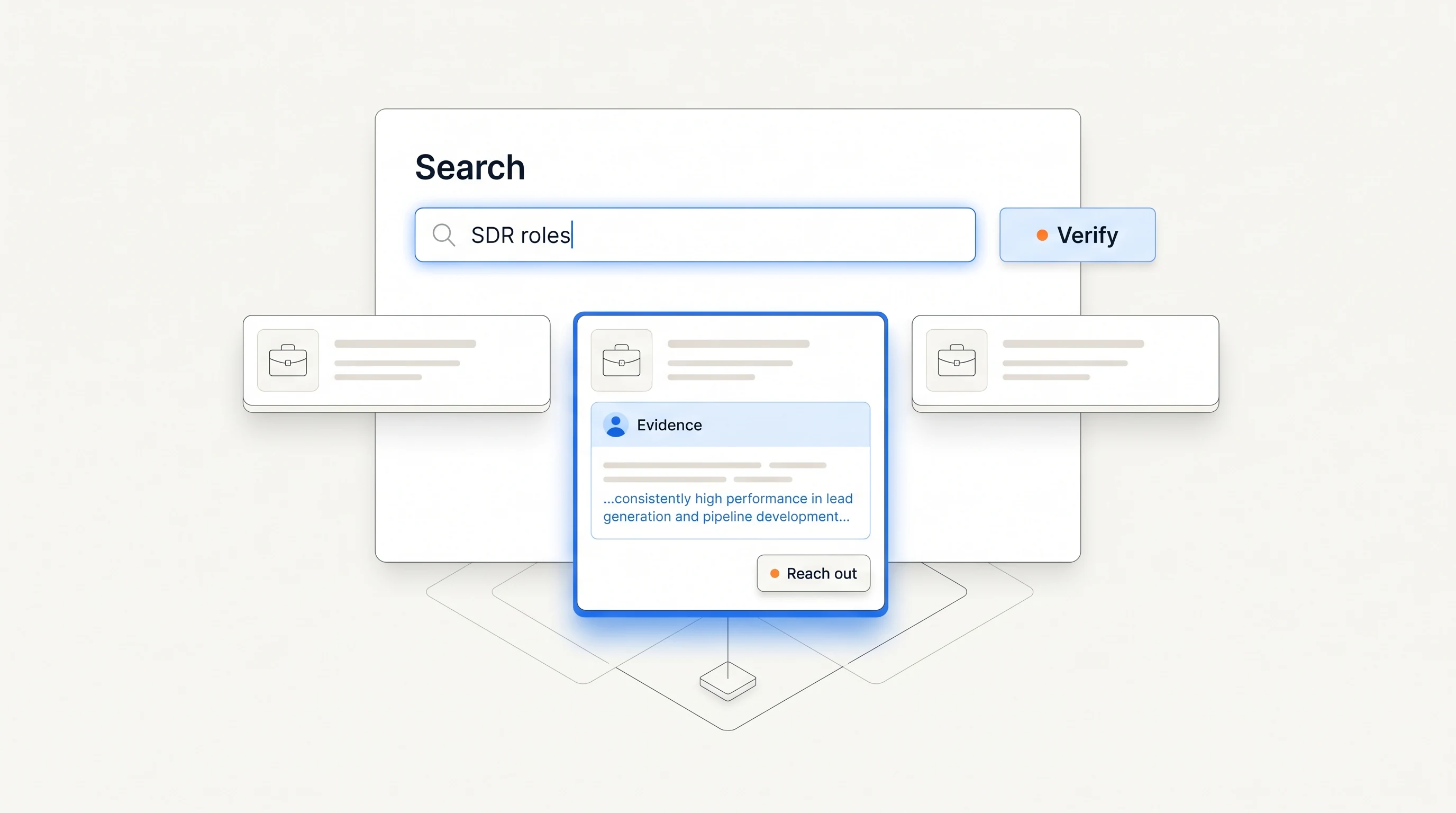
- Discovery: you search the whole market for companies posting that role and qualify the ones that fit. The signal is the reason the company enters your view at all.
Signal-led discovery is useful when your market is large and changes quickly, because a fixed list goes stale. It requires qualification, since a public event does not show fit. Our guide to finding companies hiring SDRs walks through one discovery play from search to contact.
How to split capacity between the two
Start from the number of accounts one seller can work well in a month: research, a relevant first message and follow-up. That number is your capacity. Teams set it differently, so measure your own from the last month's activity.
A worked example, with illustrative numbers:
- A seller can work 120 accounts a month.
- Their named list has 150 accounts, and monitoring surfaces a relevant change on about 25 of them in a typical month.
- The remaining 95 slots go to discovery: new accounts found through a signal and qualified against the offer.
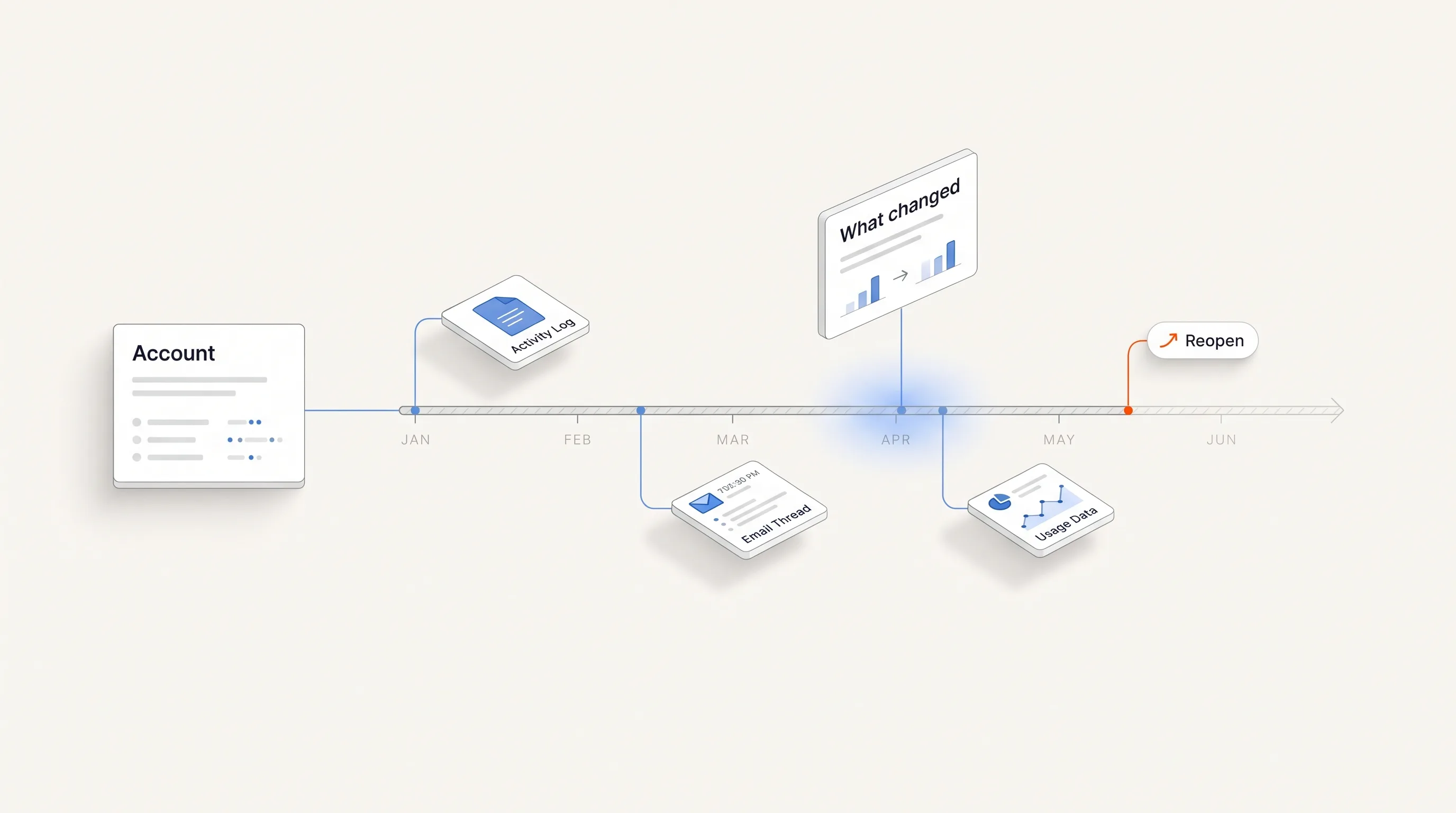
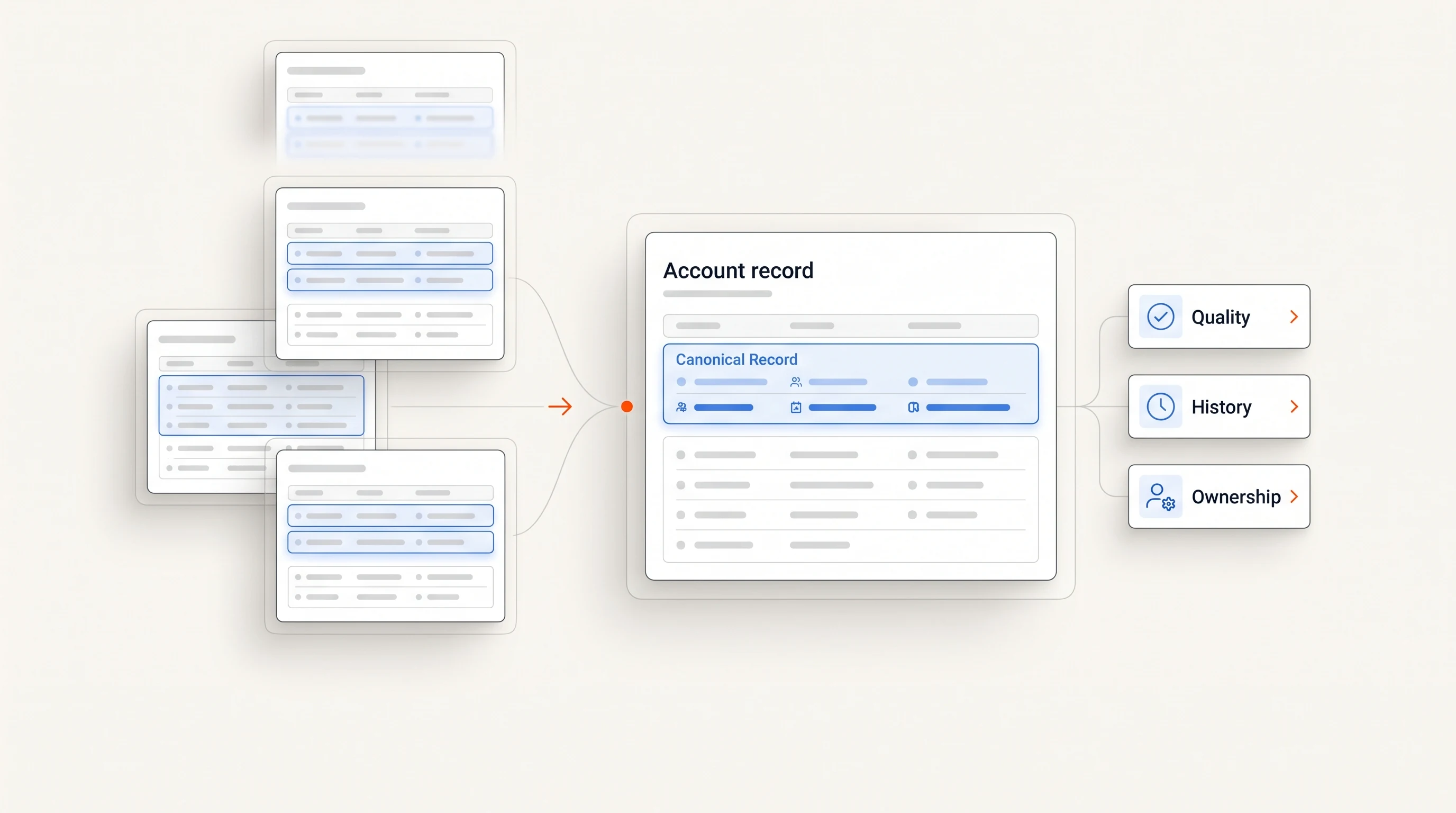
- Discovered accounts that qualify and respond, or that the seller wants to keep watching, move onto the named list. Named accounts that stay inactive for two quarters move off it.
The ratio shifts with your data. If monitoring alerts lead to conversations far more often than discovered accounts do, give monitoring more slots. If the named list stops producing alerts, refresh it from discovery. Download the capacity worksheet (CSV) to set the split for each seller and record the outcomes per mode.
A weekly routine that runs both
- Monday: review monitoring alerts on named accounts. Act on the ones with a clear connection to your offer; note the rest.
- Tuesday: review newly discovered accounts. Qualify each one against your offer, and drop those without a reason to write.
- Wednesday to Thursday: choose a person, verify contact details and send for both groups.
- Friday: move accounts between lists, and record which mode produced each reply.
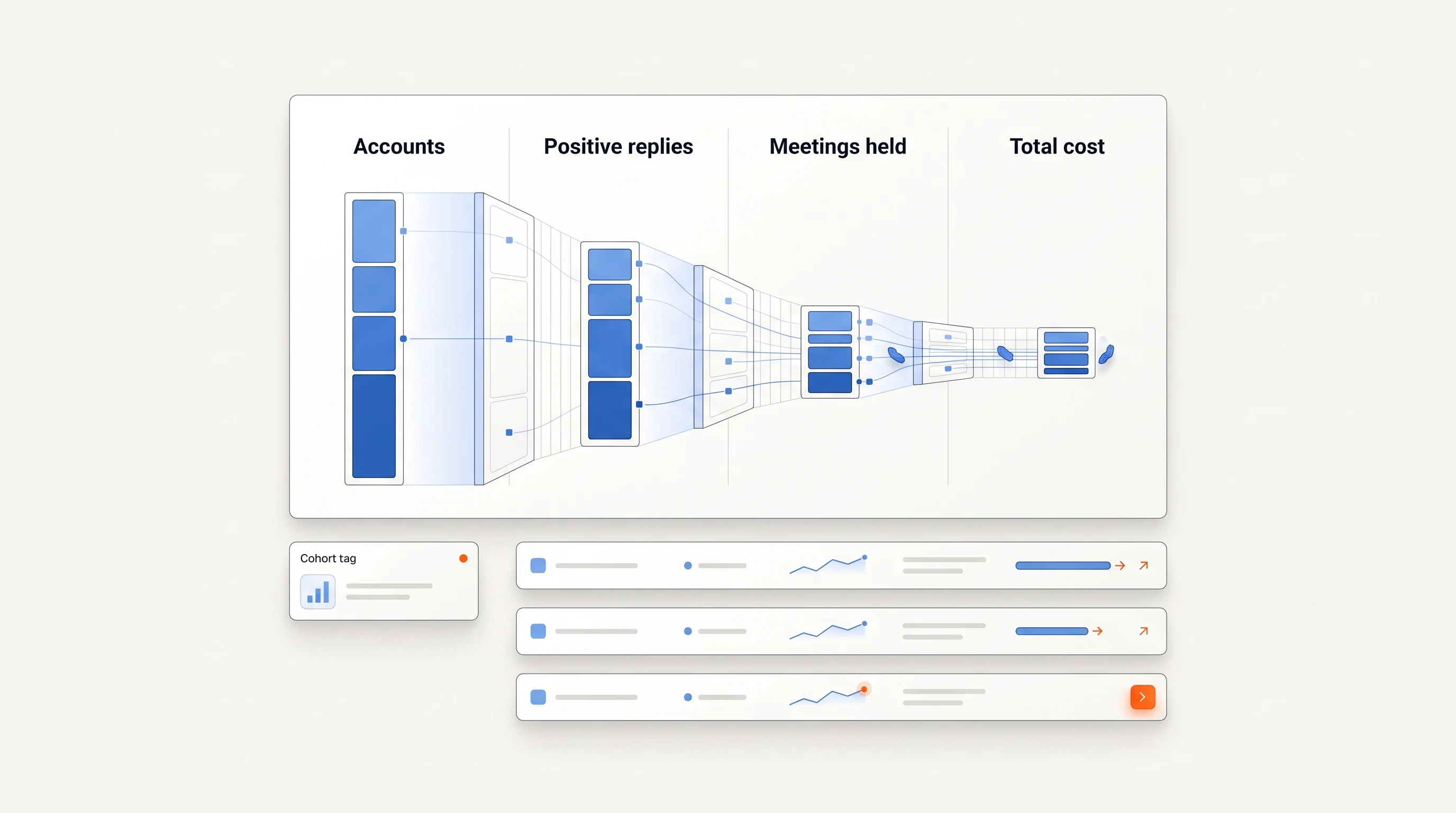
Keep the two modes in separate fields in your CRM. Otherwise you cannot tell which one is producing meetings. Our outbound scorecard has the columns for it.
Tools for each mode
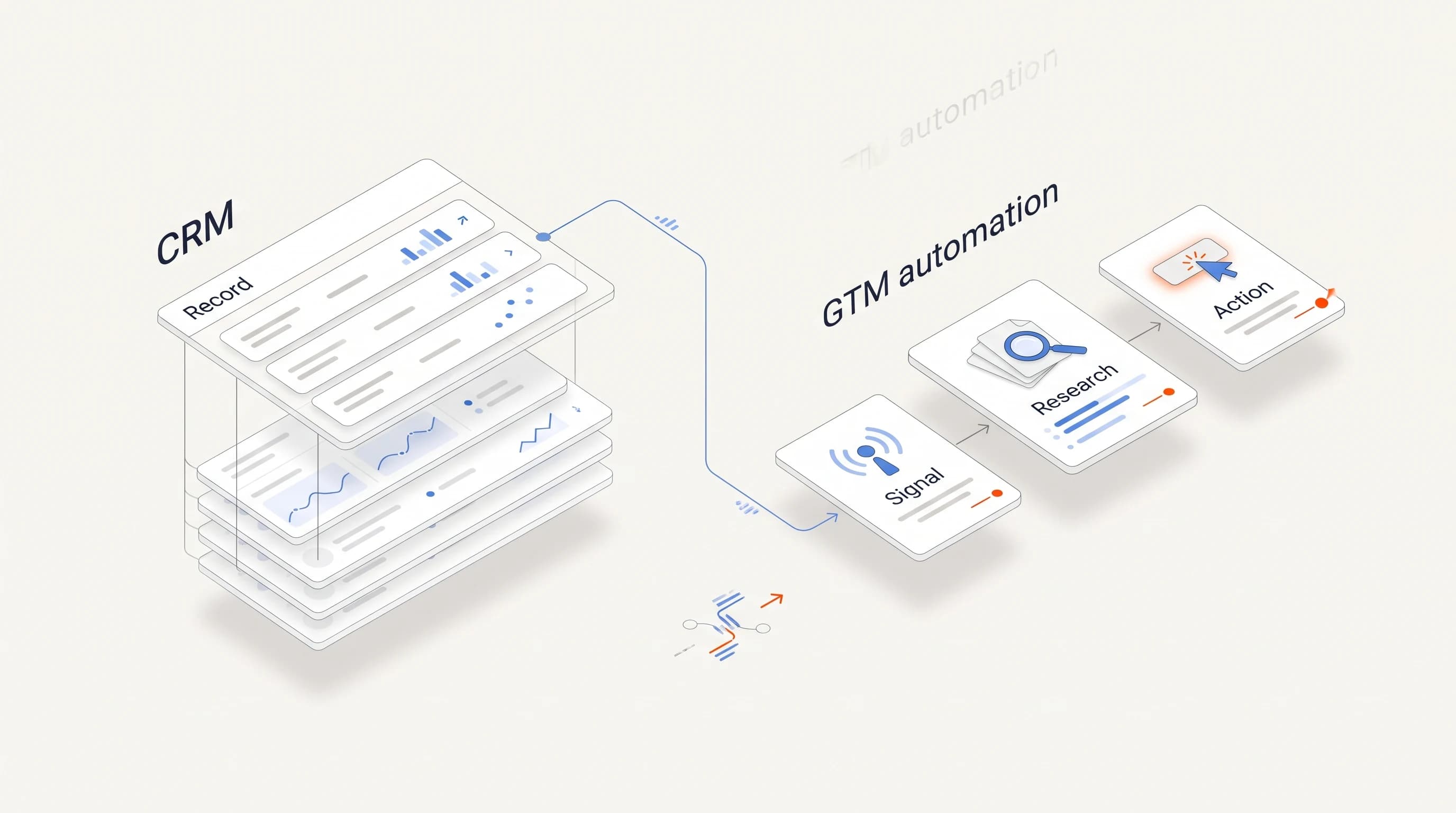
Most signal platforms are built for monitoring: you load a list and they watch it. Our buying signal platform guide compares them. Contact databases support filter-based discovery. Signal-led discovery is a smaller category, so ask a vendor directly: "Can you find companies I am not tracking, and show the event that qualified each one?" For a broader view, see our guide to pipeline generation tools.
Where Perpetual fits
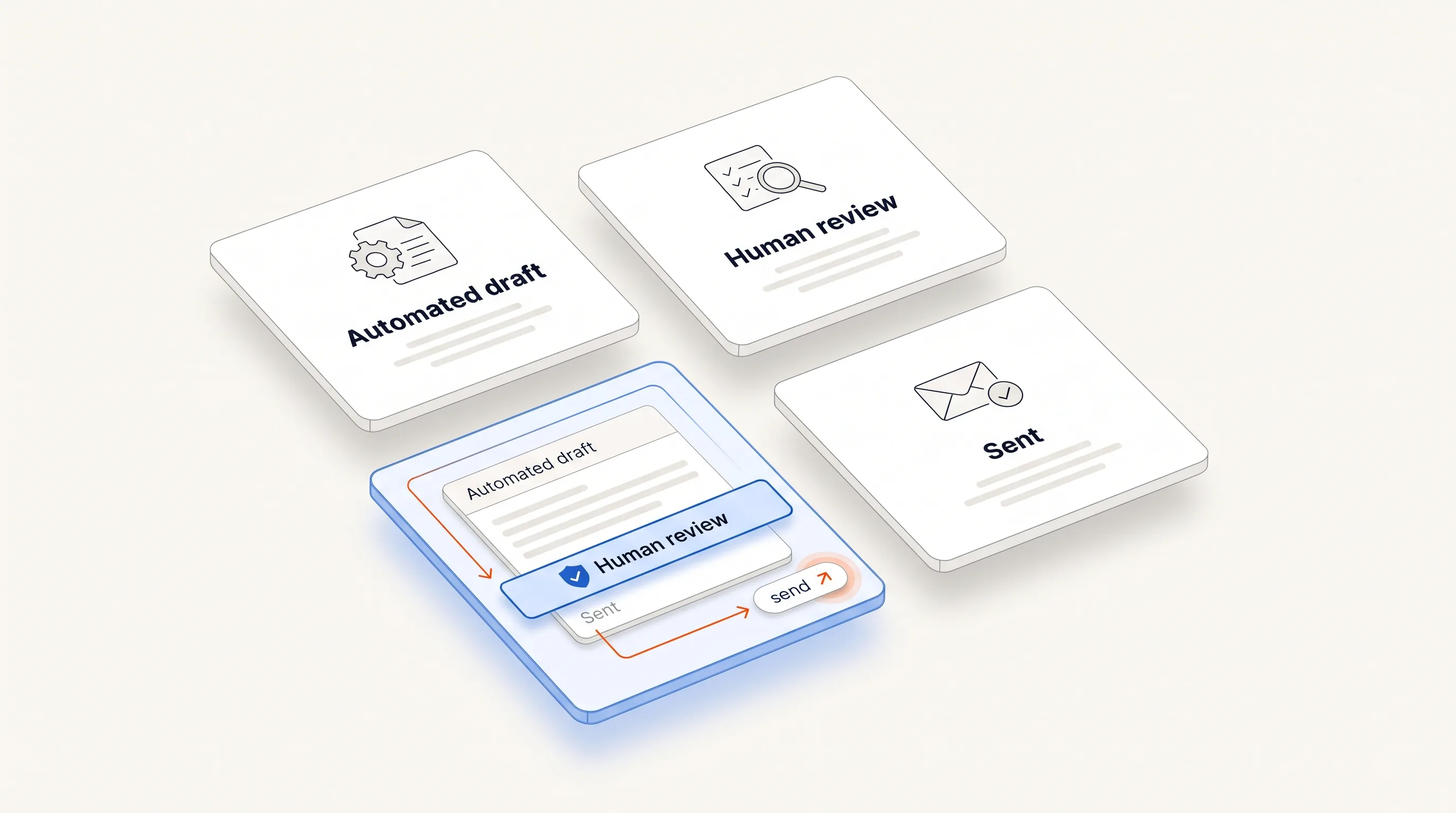
Perpetual is a discovery tool. It searches public hiring activity across companies you have not listed, qualifies them against your offer, selects one relevant contact with a reason and sends a message grounded in the posting from your Google Workspace mailbox. It is not built to monitor a fixed account list for leadership changes, funding or web visits; use a monitoring tool for that.
There is no free plan, and LinkedIn steps remain manual tasks. See pricing and the quickstart guide.
Frequently asked questions
What is account monitoring in sales?
Tracking a named list of accounts for changes that make outreach timely, such as a new leader, funding, hiring or website activity, and alerting the account owner.
What is account discovery?
Finding companies you are not yet tracking that fit your customer profile, either through filters or through events that give each one a reason to hear from you.
Should we start with discovery or monitoring?
Start with monitoring if sellers own stable, proven account lists and lack timing. Start with discovery if they run out of good accounts or your profile is still unproven.
How often should a named account list change?
Review it at least quarterly. Move in discovered accounts that qualified and responded, and move out accounts that produced no relevant change or conversation.