JournalSignalsNo. 18
What Is Signal-Based Prospecting? Definition, Six Signals and a Weekly Workflow
What signal-based prospecting is, six signals to track, what each cannot prove, and a weekly workflow from observation to grounded outreach.
Petar Jovanović8 min read6 sections
Contents
Published by Perpetual
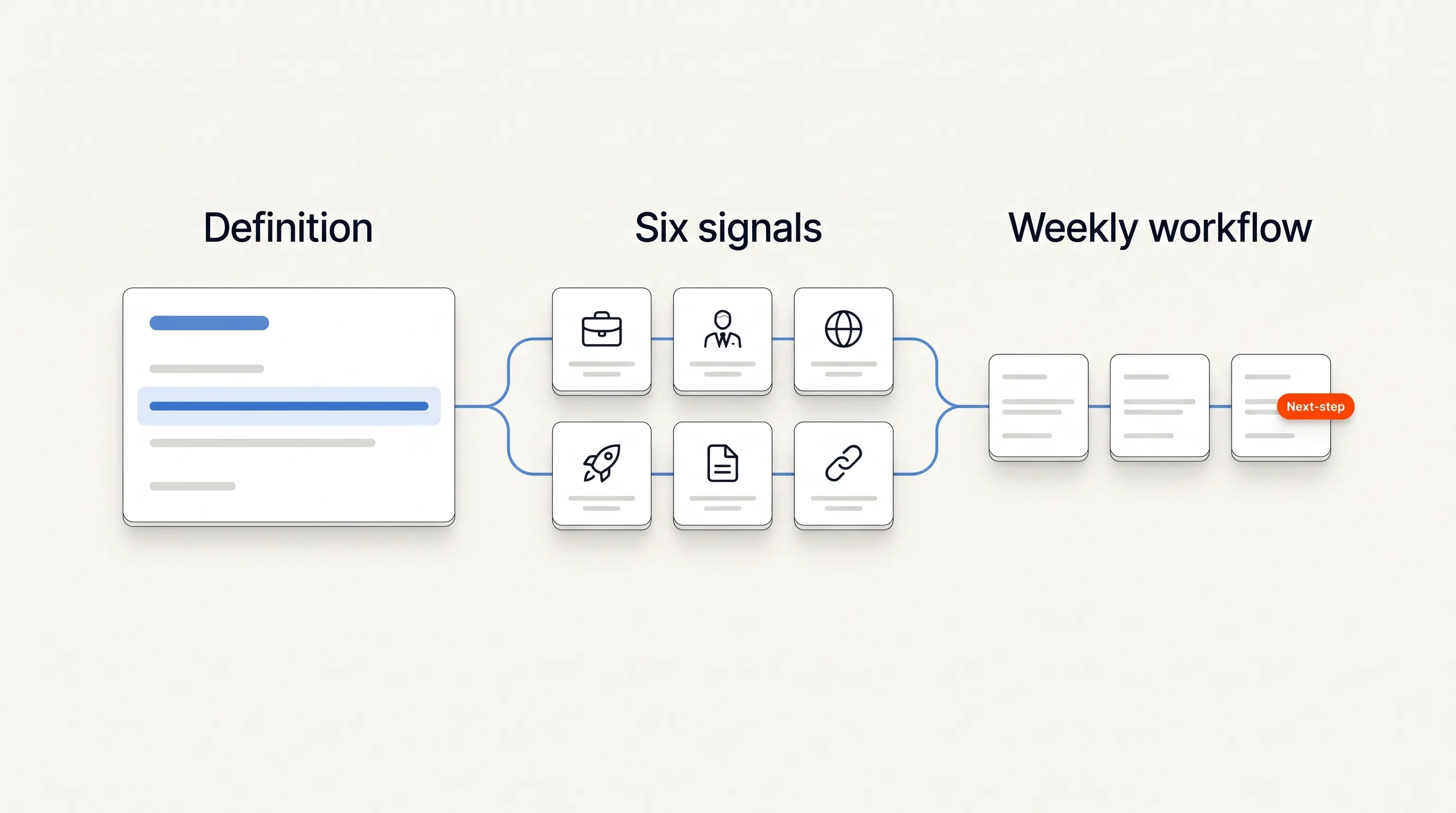
Signal-based prospecting is an outbound approach where you contact a company because something observable changed there, not only because it fits your ideal customer profile. The change might be a batch of new job postings, a new leader, a funding round or a product launch. This guide defines the term, walks through six signals worth tracking, shows what each one does not prove, and gives a weekly workflow a small team can run.
Three things to know
- Traditional outbound asks one question: does this company match my profile? Signal-based prospecting adds a second: did something change that makes my work relevant now?
- A signal is evidence that something happened. It is not proof of budget, a problem or a buying decision, and good prospecting keeps those claims apart.
- The method works with any tool, or none. What matters is a repeatable weekly review: observe, check the source, decide, then write.
What signal-based prospecting means
In a conventional list-based motion, you build a list of companies that match your profile, write a sequence and send it to everyone on the list. Timing is left to chance: some of those companies happen to be looking, most are not.
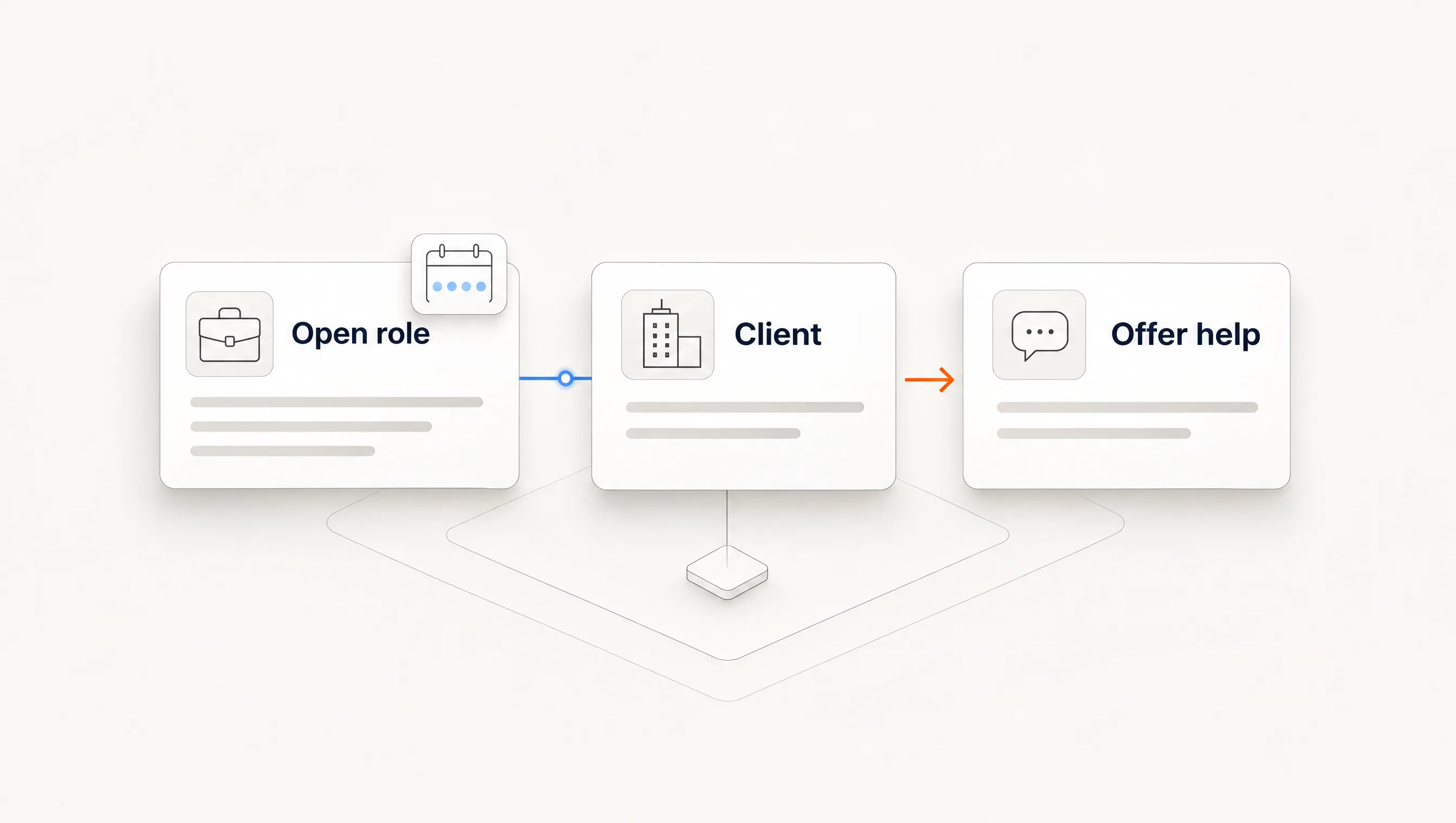
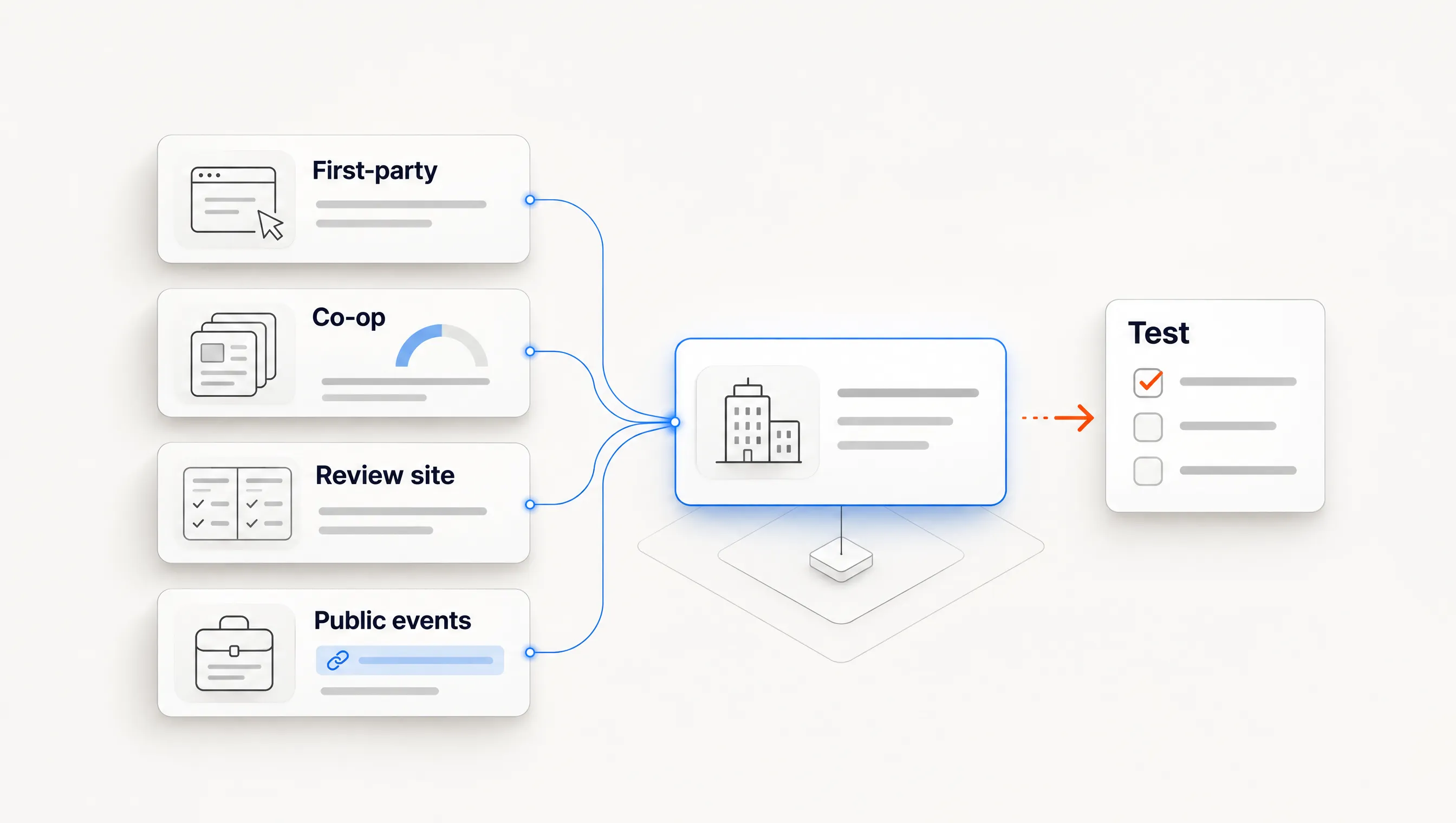
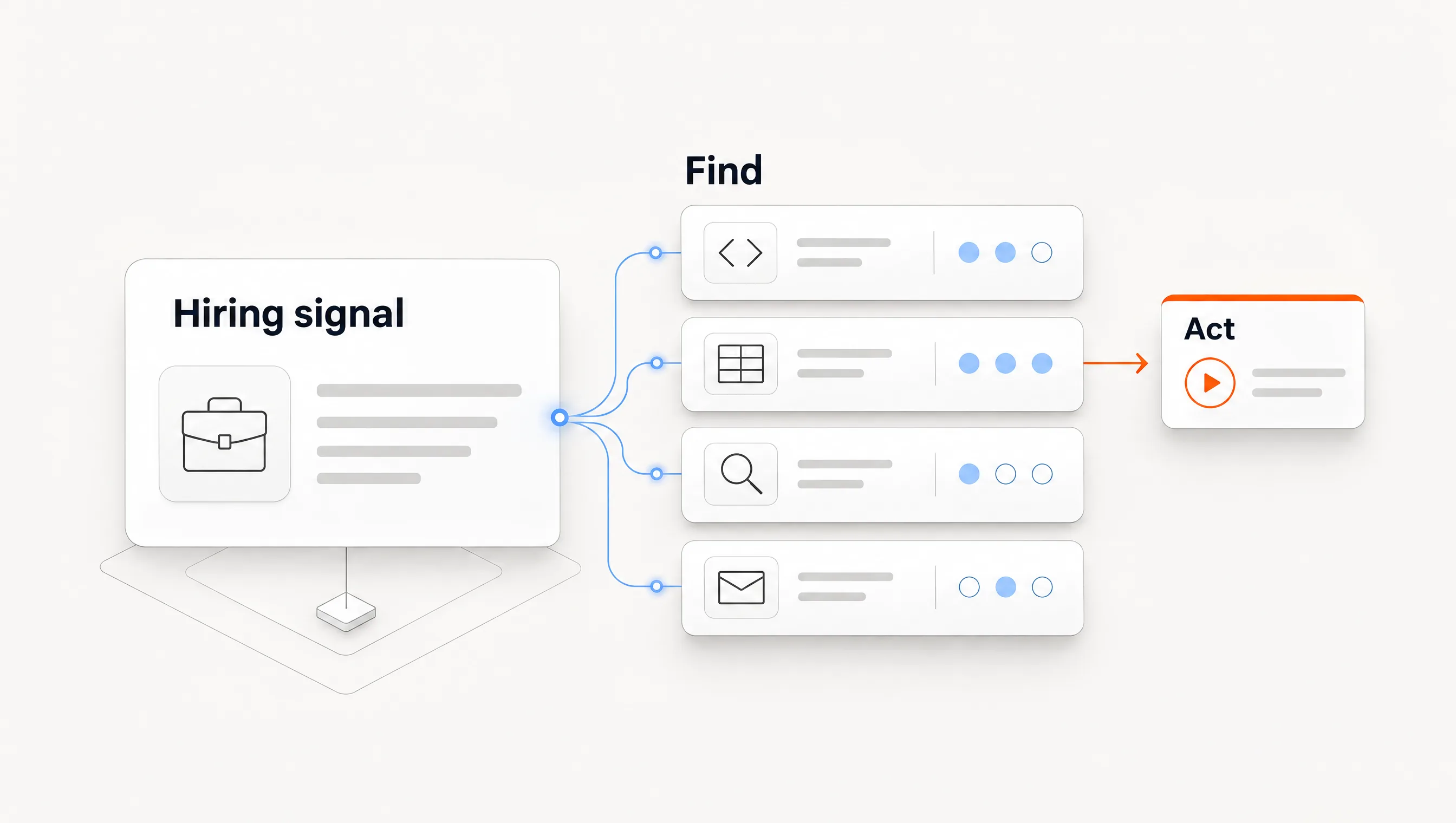
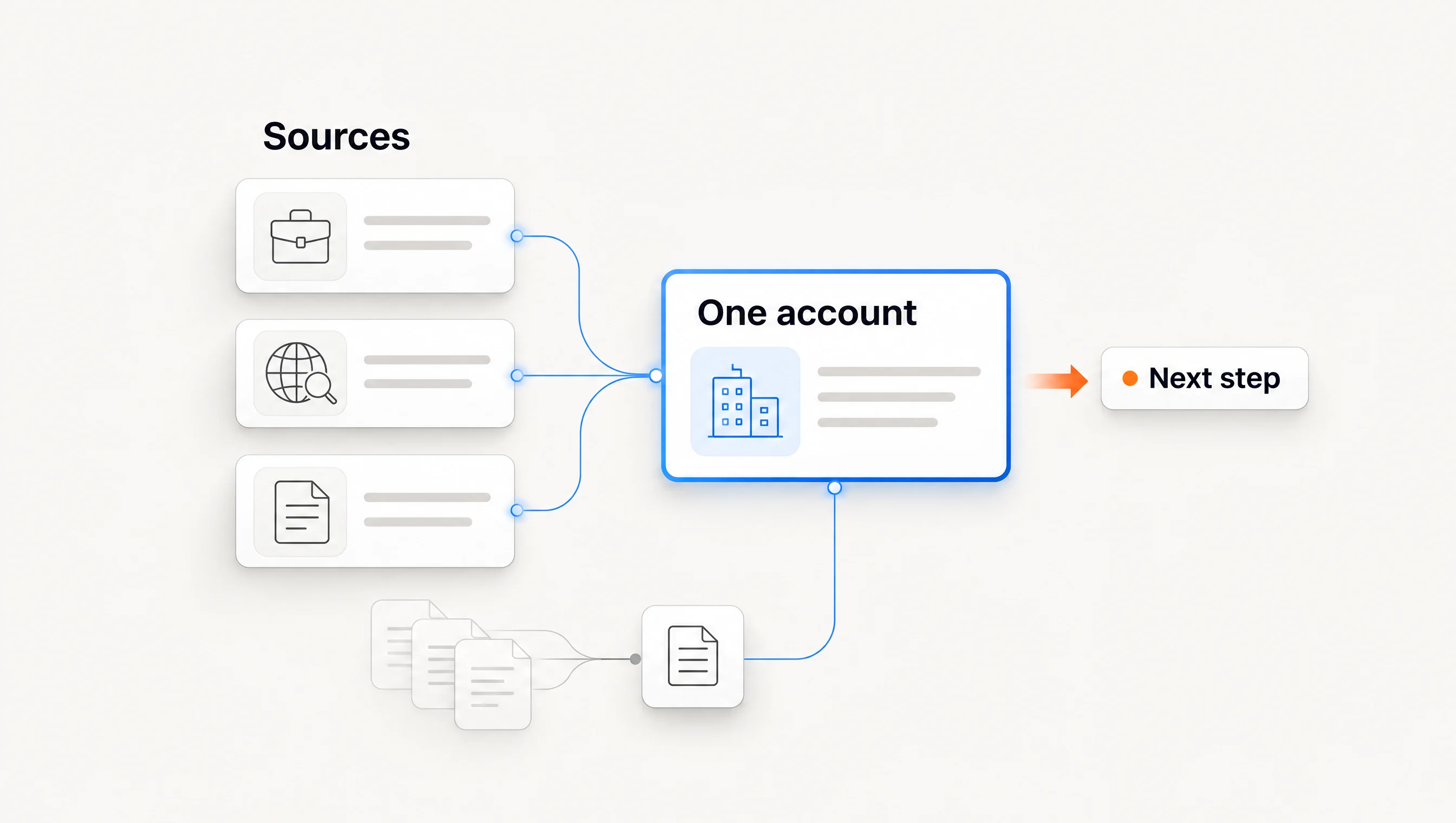
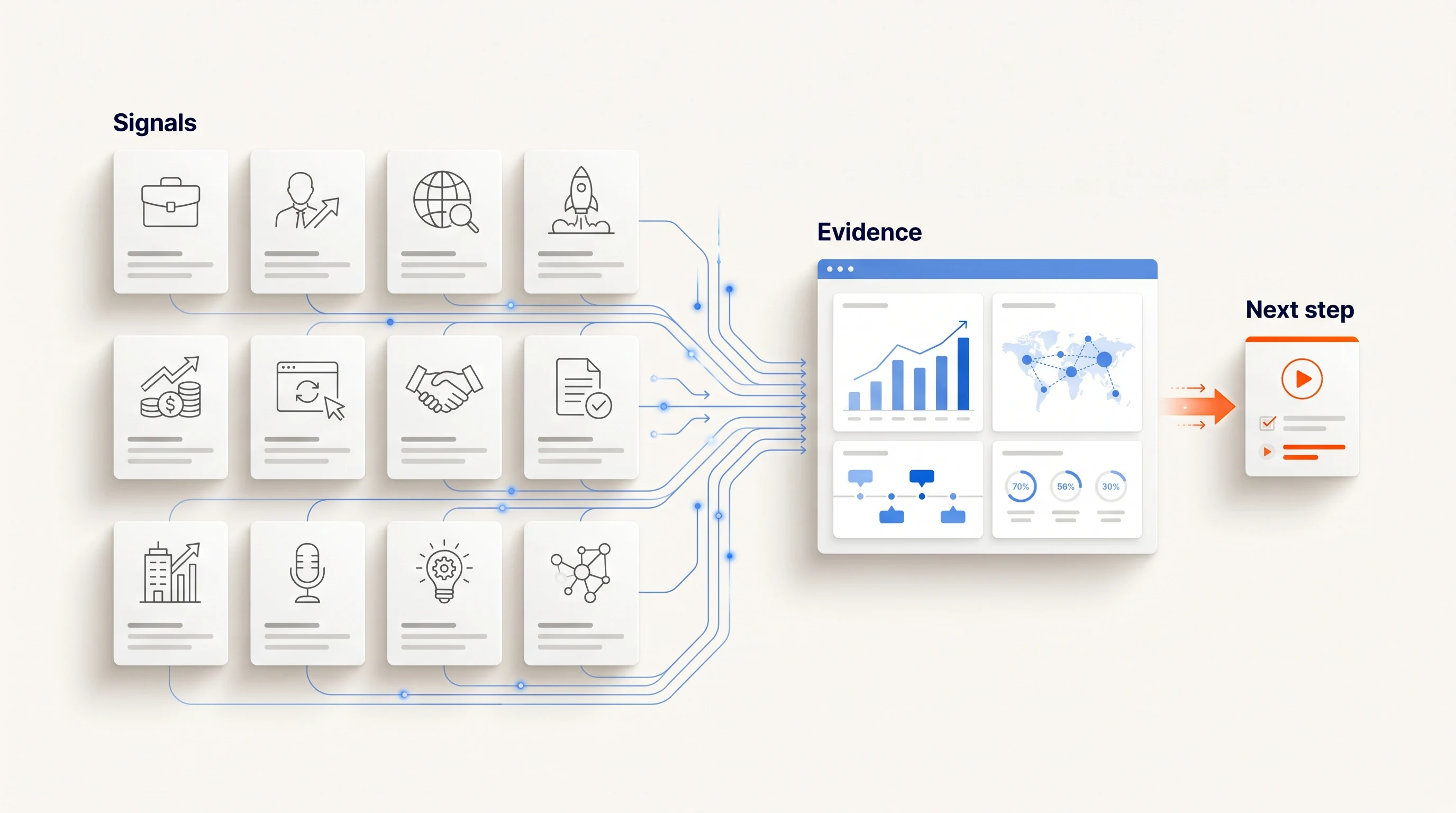
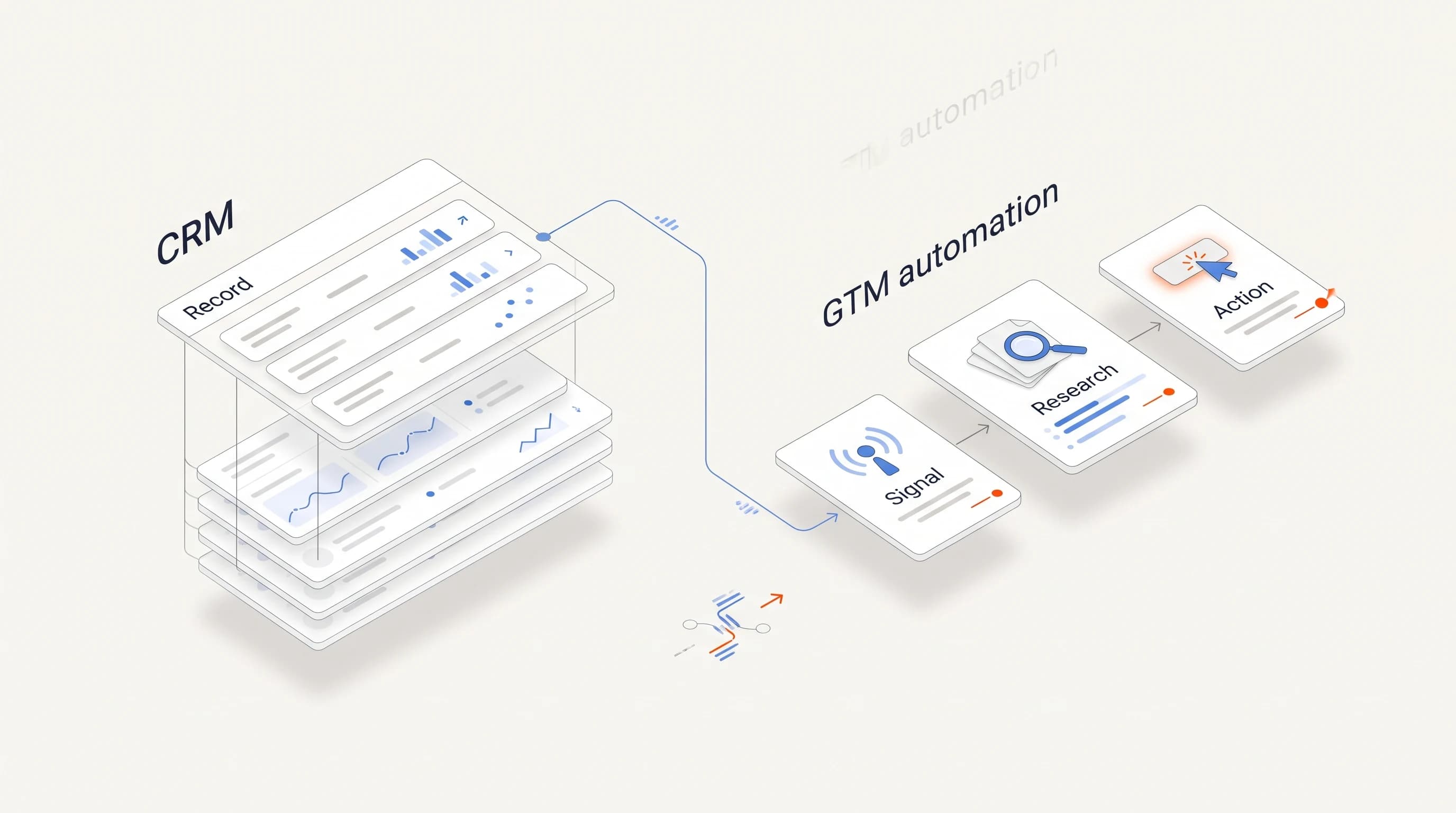
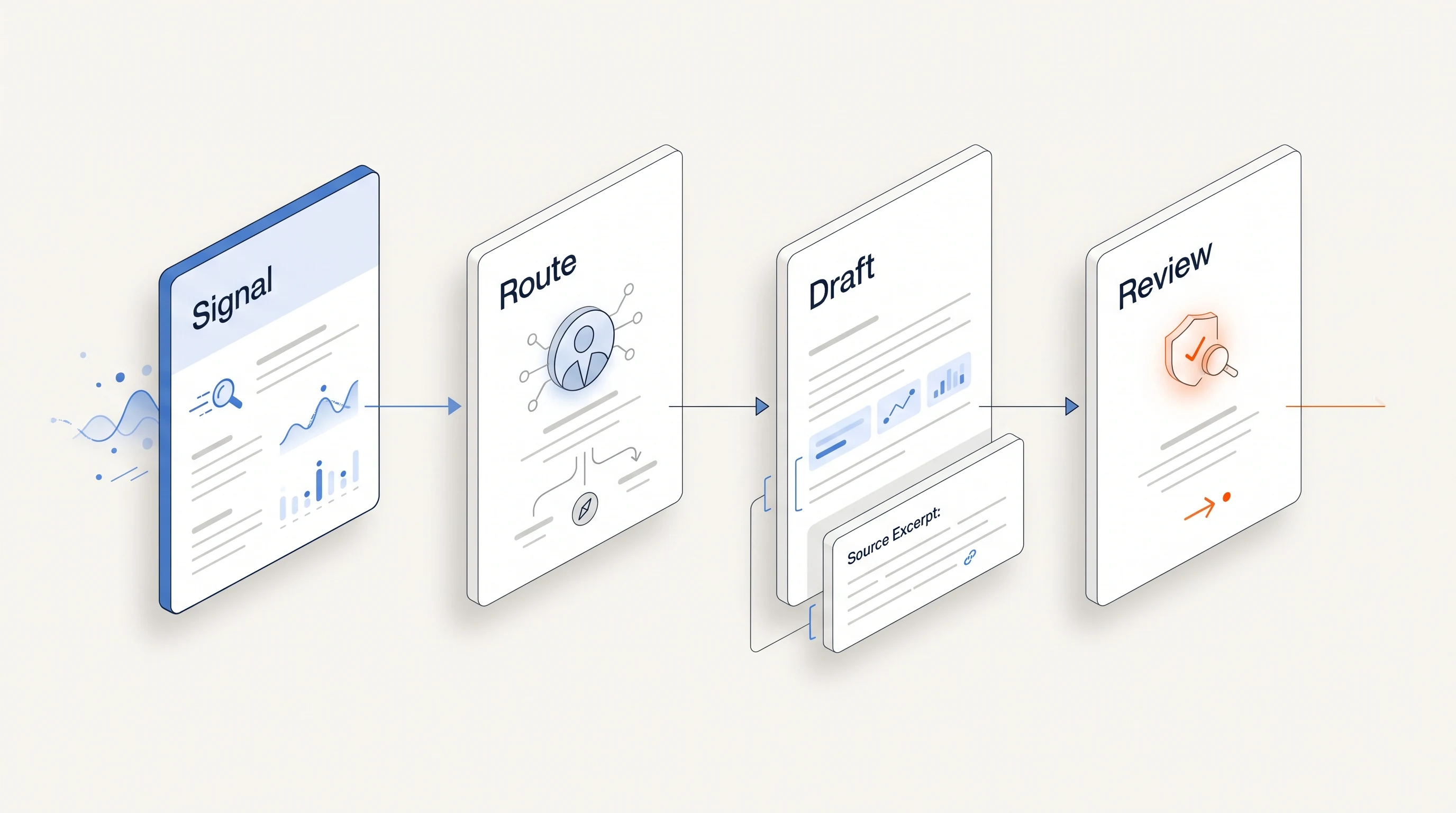
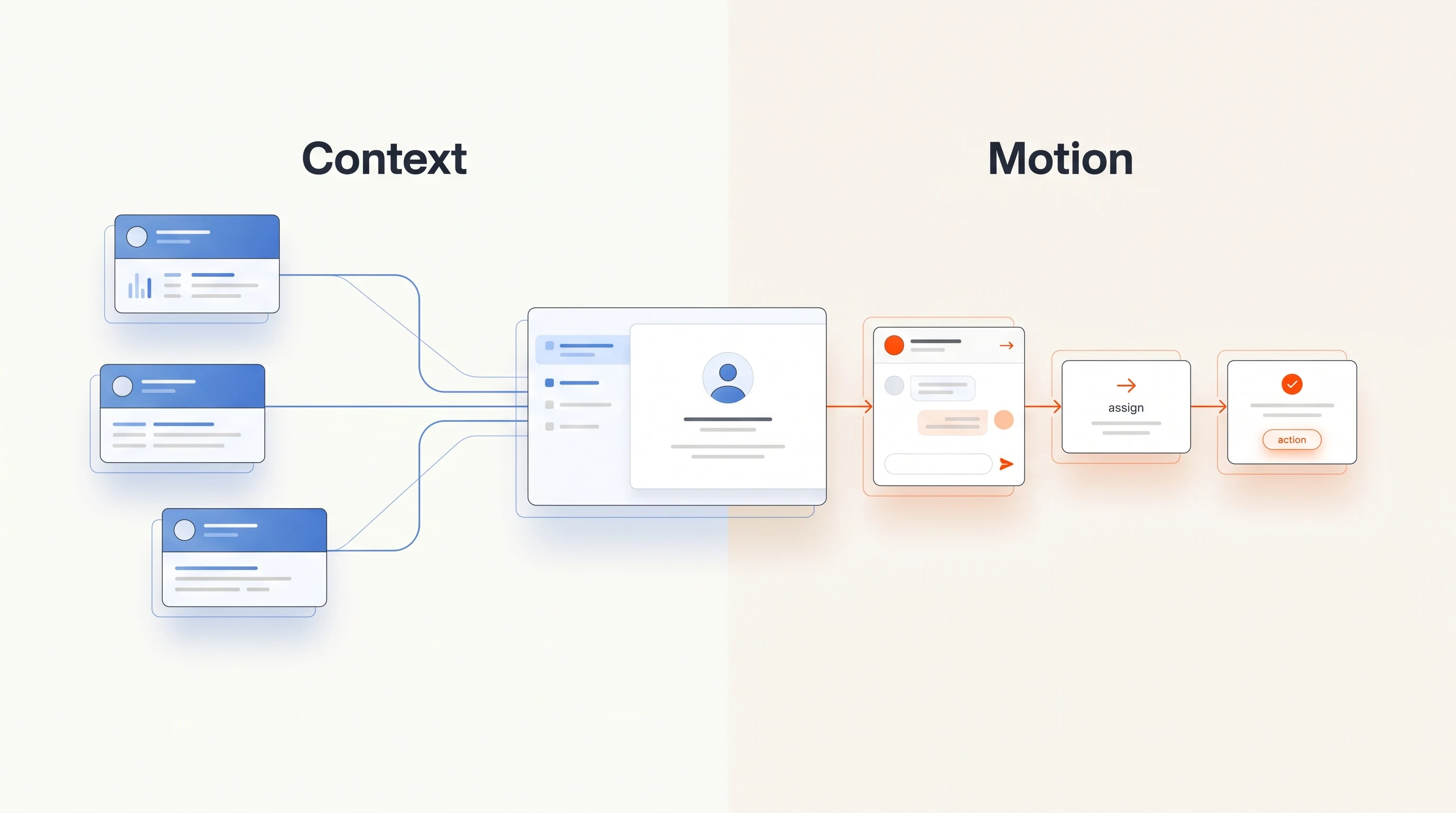
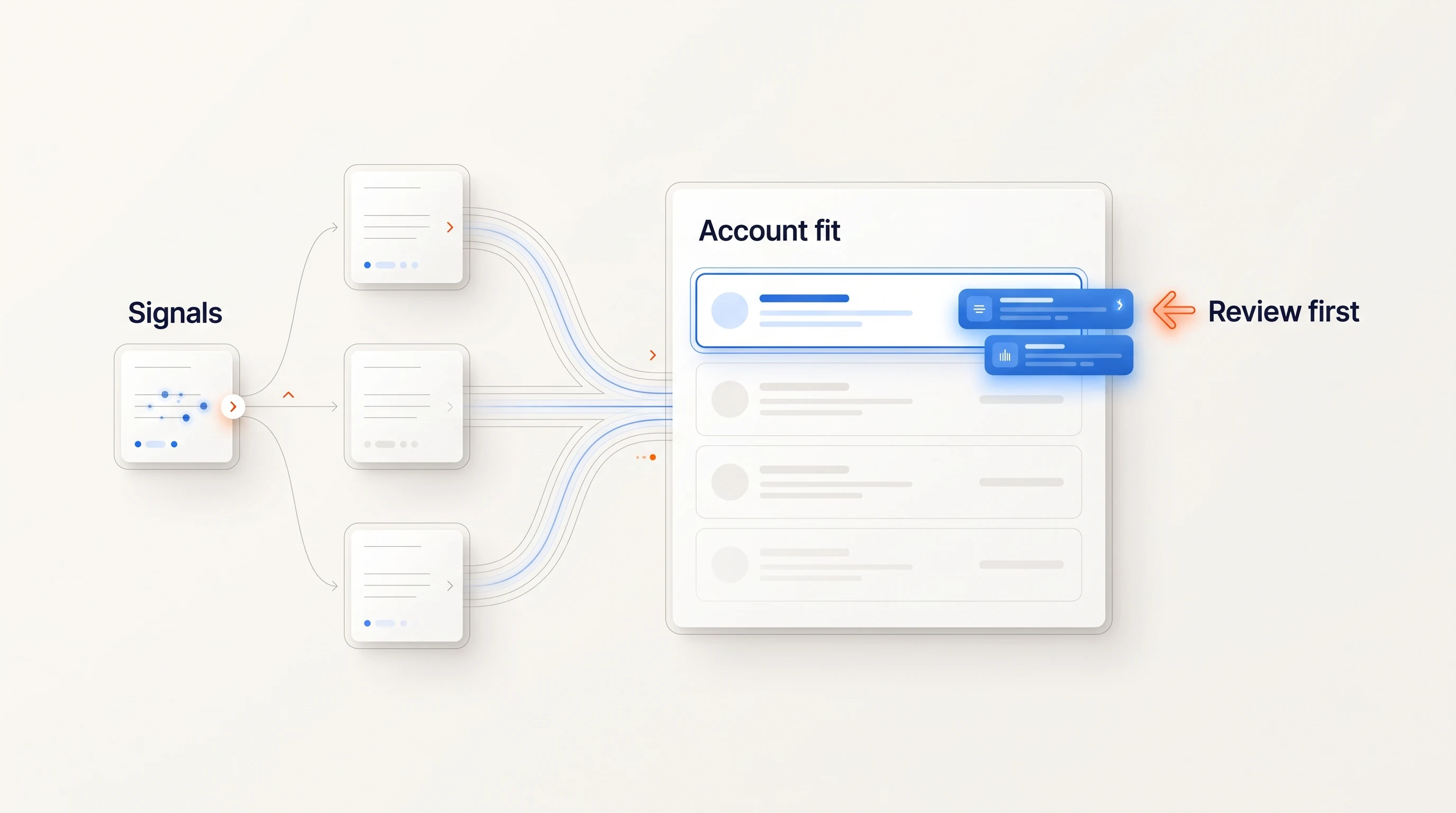
Signal-based prospecting changes the order. You start with an observable event at a company, such as a hiring push or a leadership change, and you reach out because of that event. Vendor guides describe it the same way: reaching out when an account shows it may be entering a buying window, rather than only because it fits a profile (Salesforge). The profile still matters. It decides which signals you watch and which companies you ignore.
Two terms are often confused with it:
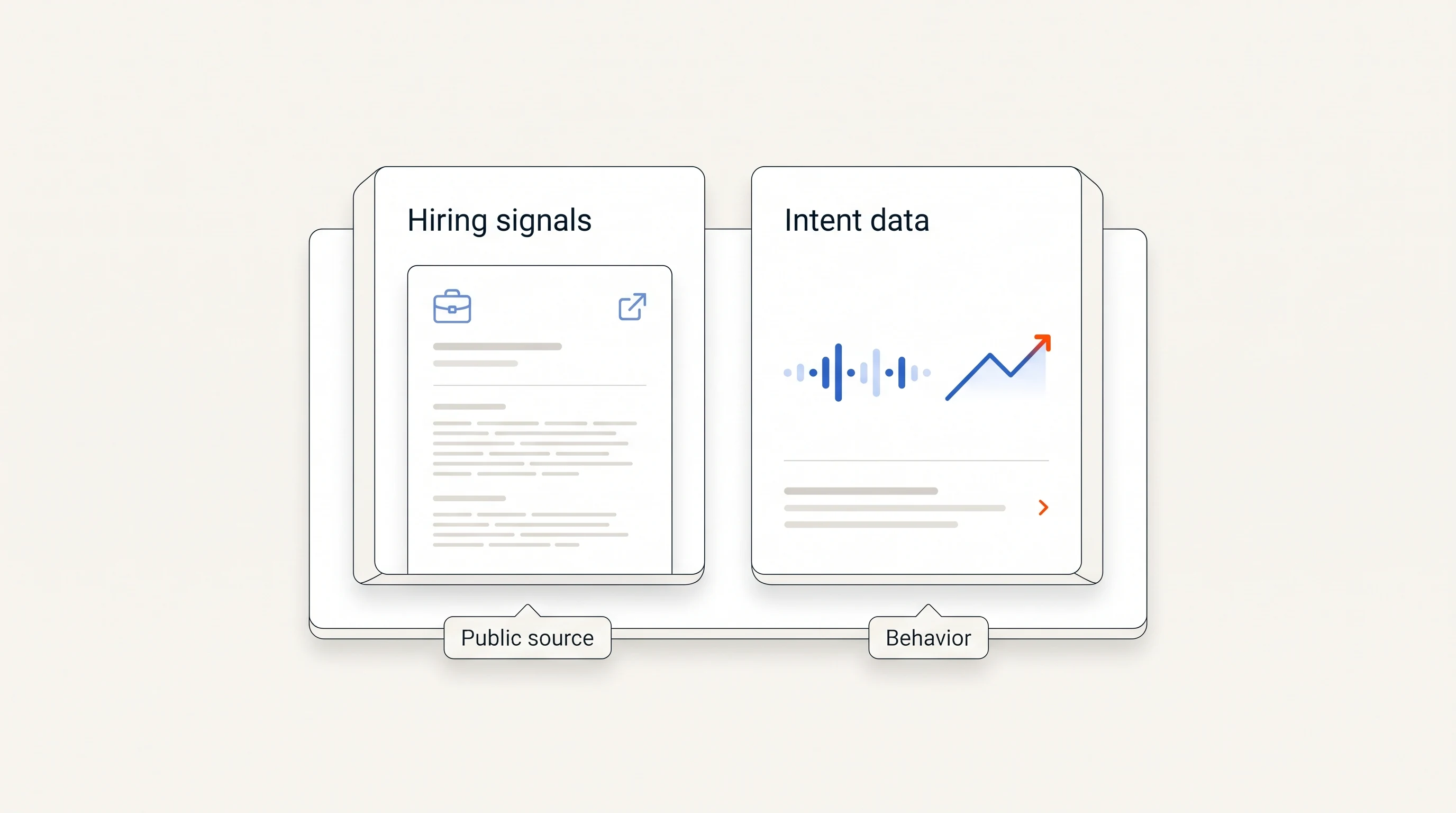
- Intent data usually means third-party topic research, aggregated across publishers, that suggests an account is reading about a subject. It is one kind of signal. See hiring signals vs. intent data for the difference in source and checkability.
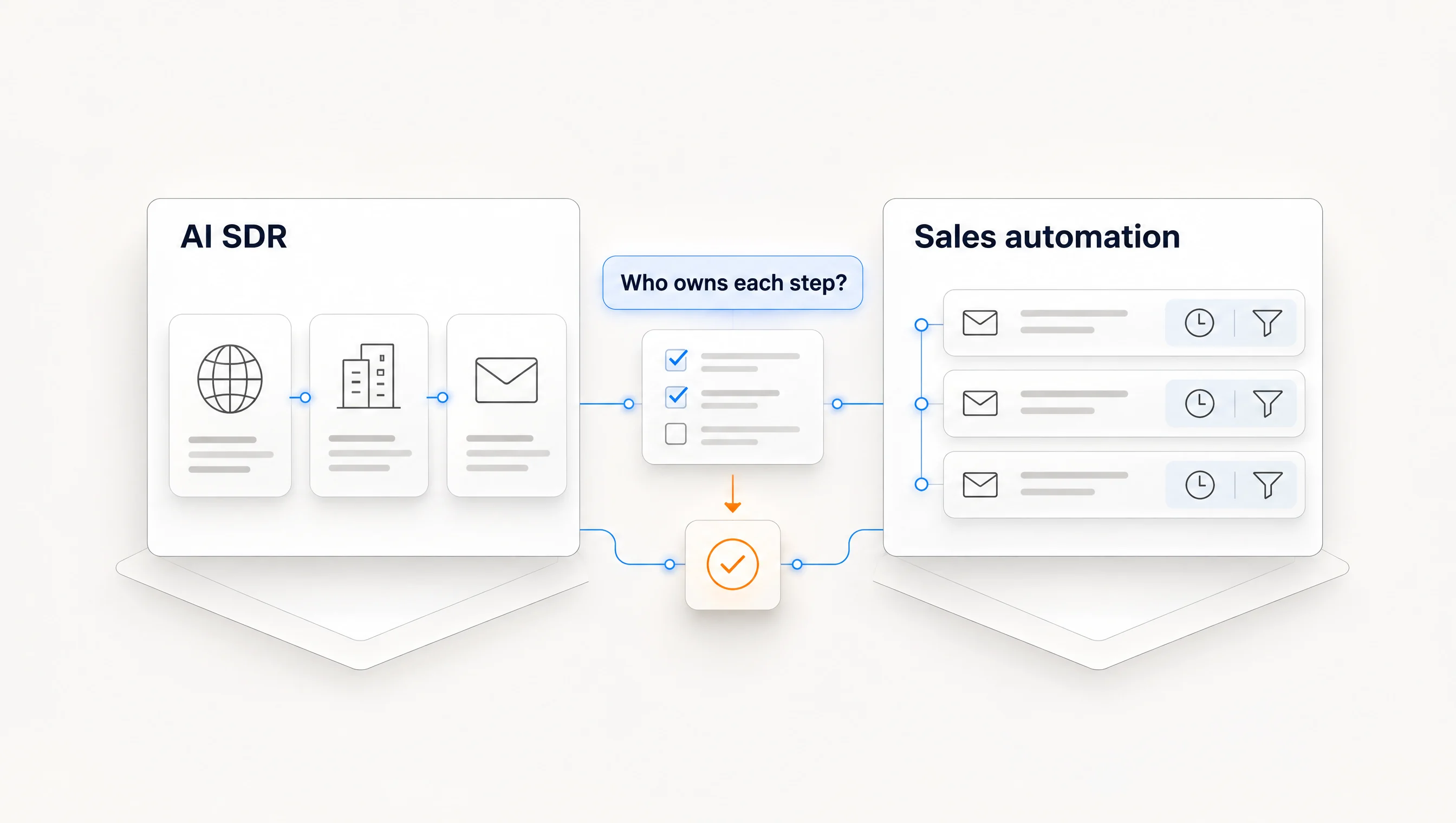
- Lead scoring ranks contacts by activity in your own systems. A signal can feed a score, but a score is a model output, while a signal is an event you can point to.
Six signals worth tracking
Not every signal is worth chasing. Some fire constantly, and others tell you very little about whether your work is relevant. These six are common starting points, each with a limit you should write down next to it.
| Signal | What you can observe | What it does not prove |
|---|---|---|
| Hiring | Open roles on a careers page, especially several in one function | A budget, a broken process or who owns the decision |
| New leader | A new head of a function, announced publicly | That the new person has priorities you can help with |
| Funding | A funding round announced by the company or press | How the money will be allocated |
| Expansion or launch | A new market, office or product announced | Which team will need support, or when |
| Technology change | A tool added to or removed from public pages | Whether the team is satisfied with the change |
| Website activity | An identified account visiting pricing or comparison pages | That the visitor is a decision maker |
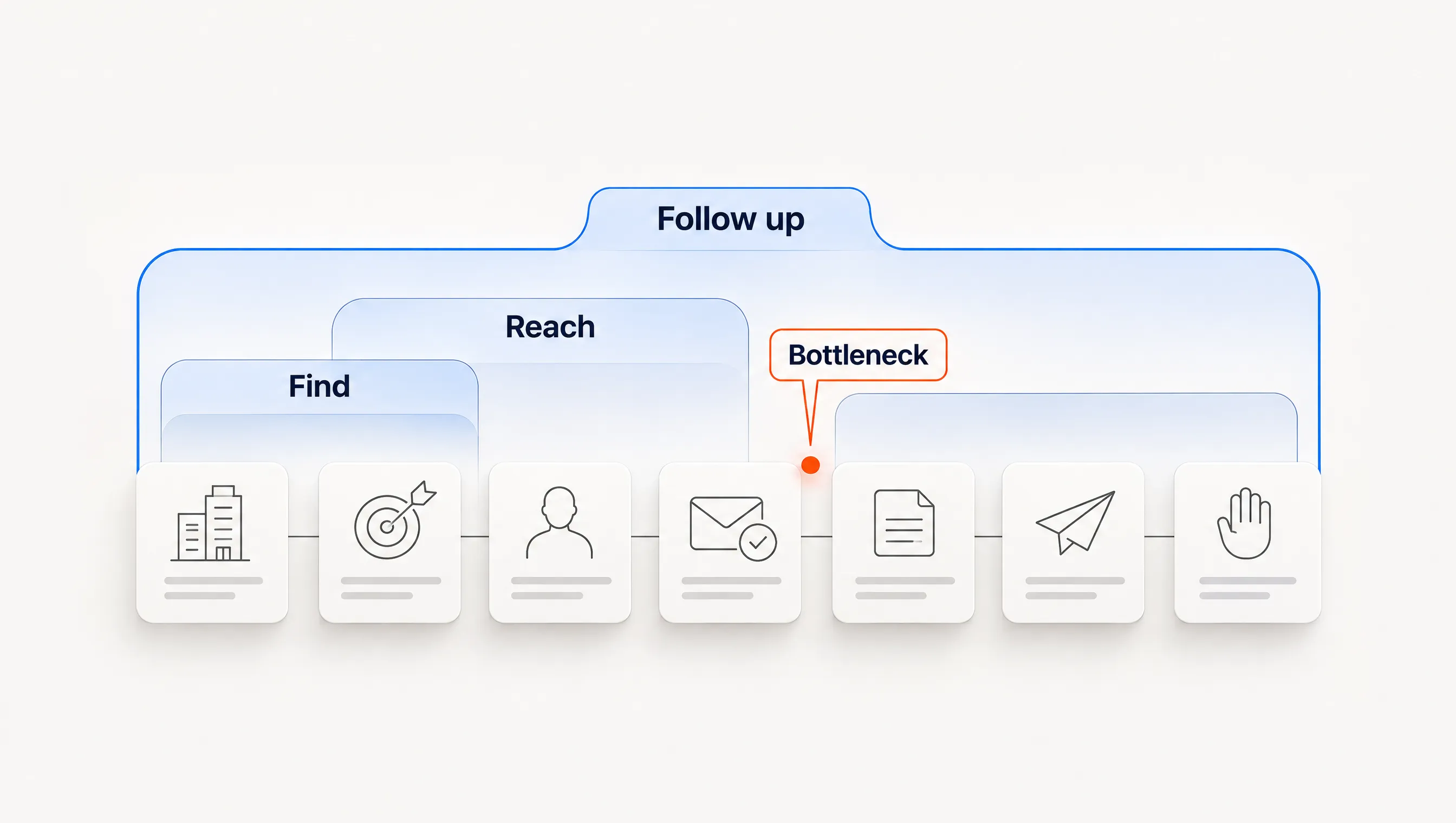
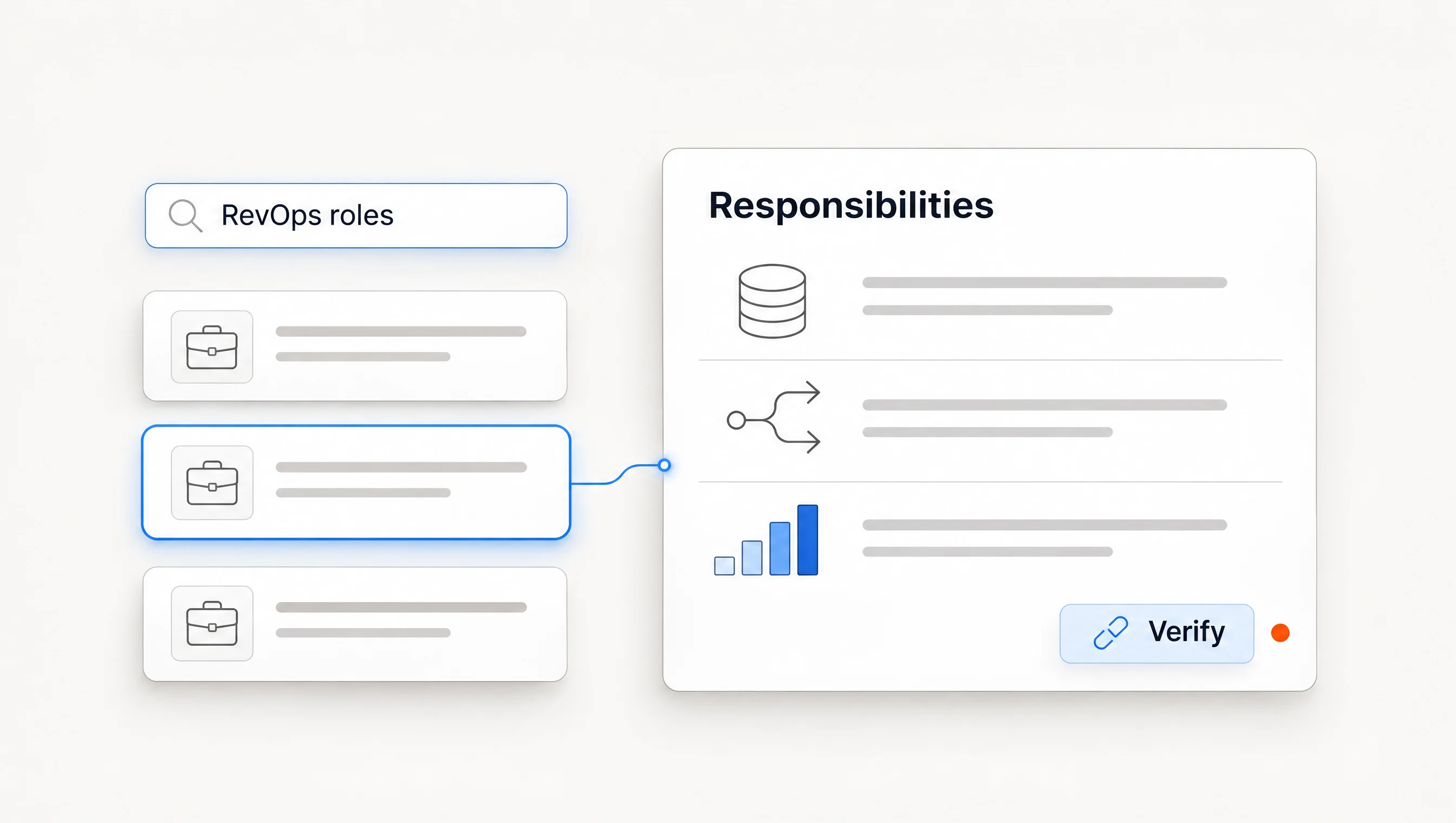
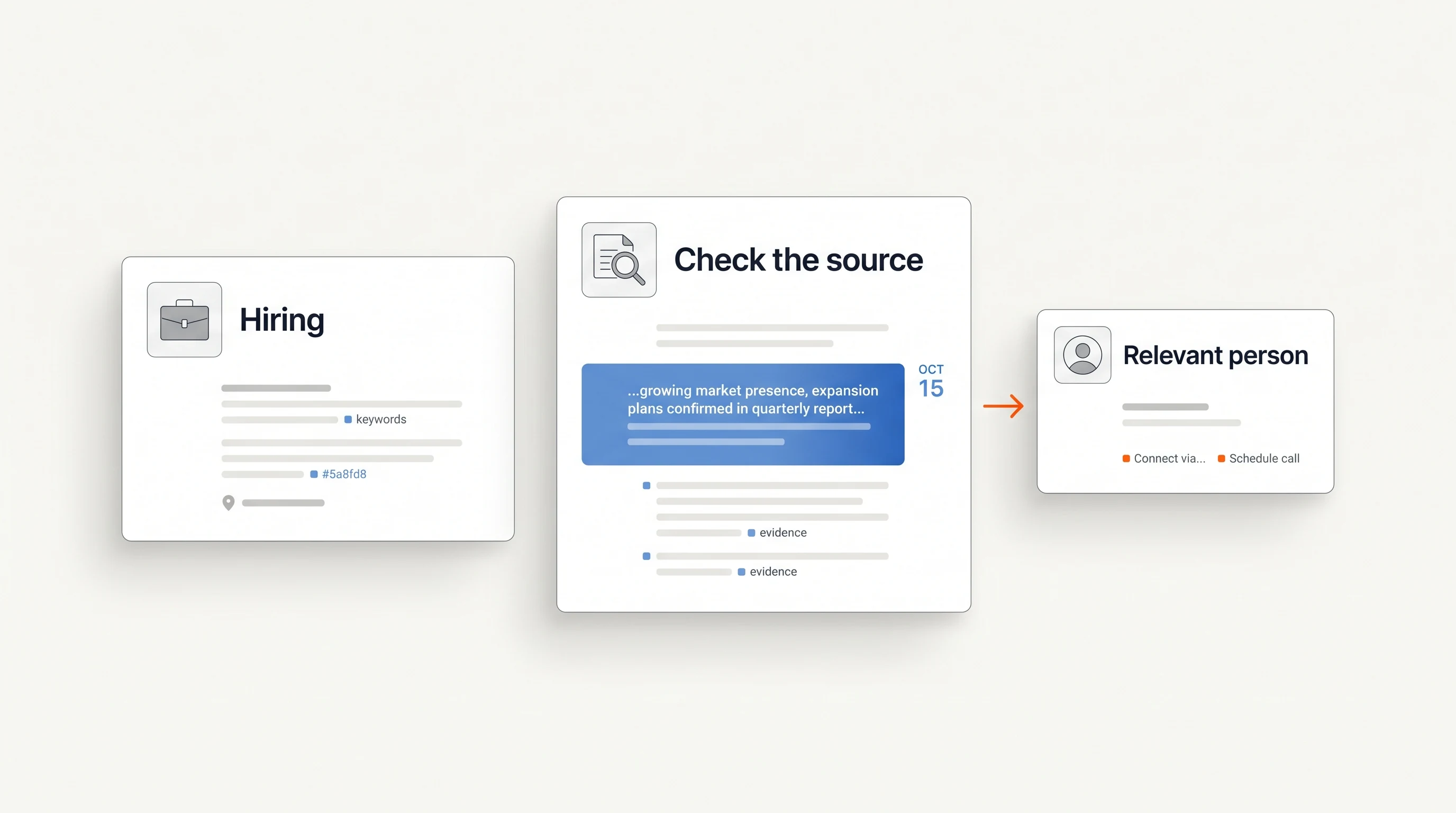
Hiring is a good first signal for a small team because it is public, dated and checkable: anyone can open the posting and see what the company says it wants. Our guides to buying signal examples and job postings as buying signals go deeper on how to read it.
Why timing changes the economics
The argument for the approach is simple. If you contact a company at random, you depend on it happening to be interested. If you contact it after a relevant change, you at least have a reason that is true and specific.
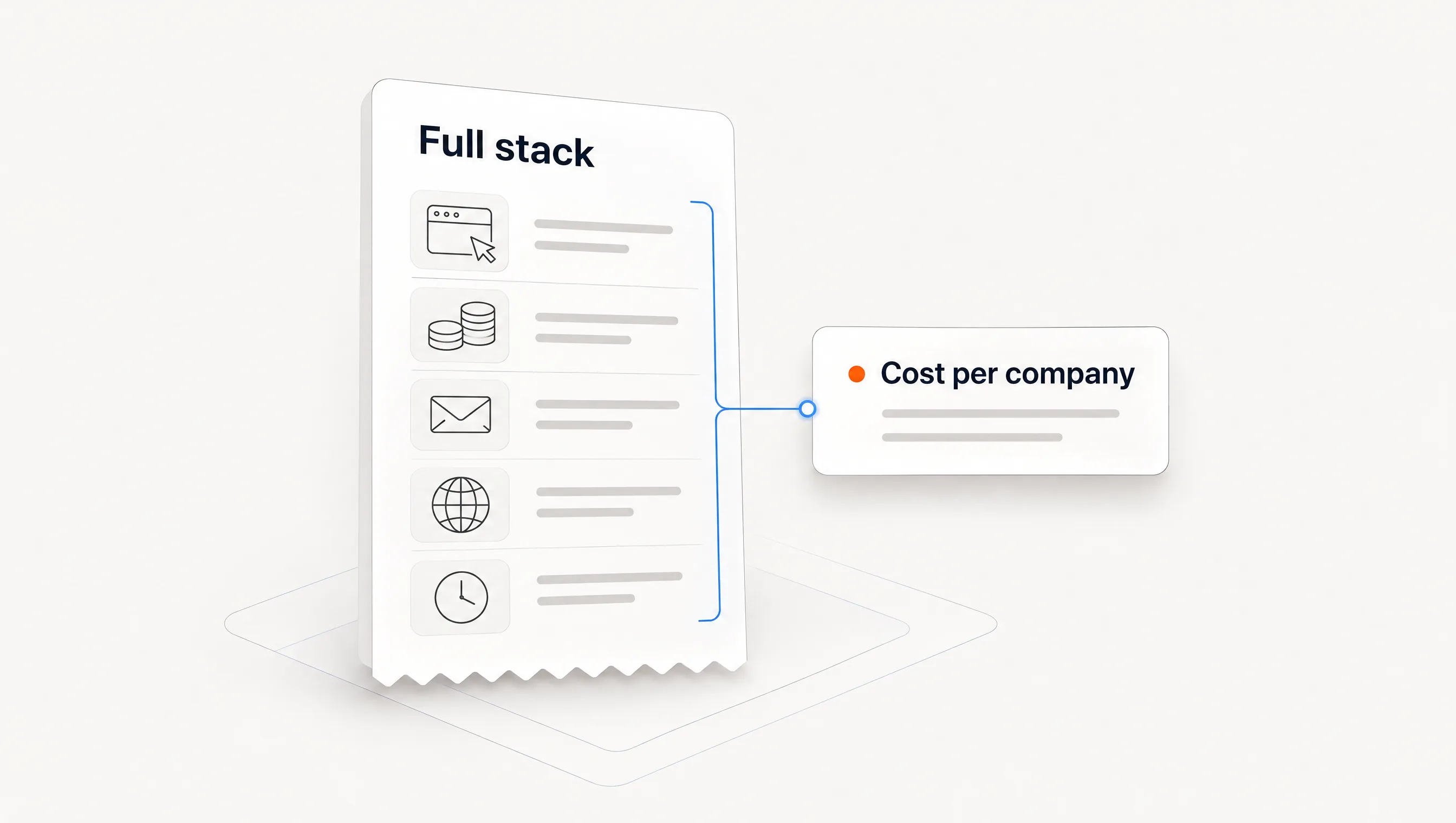
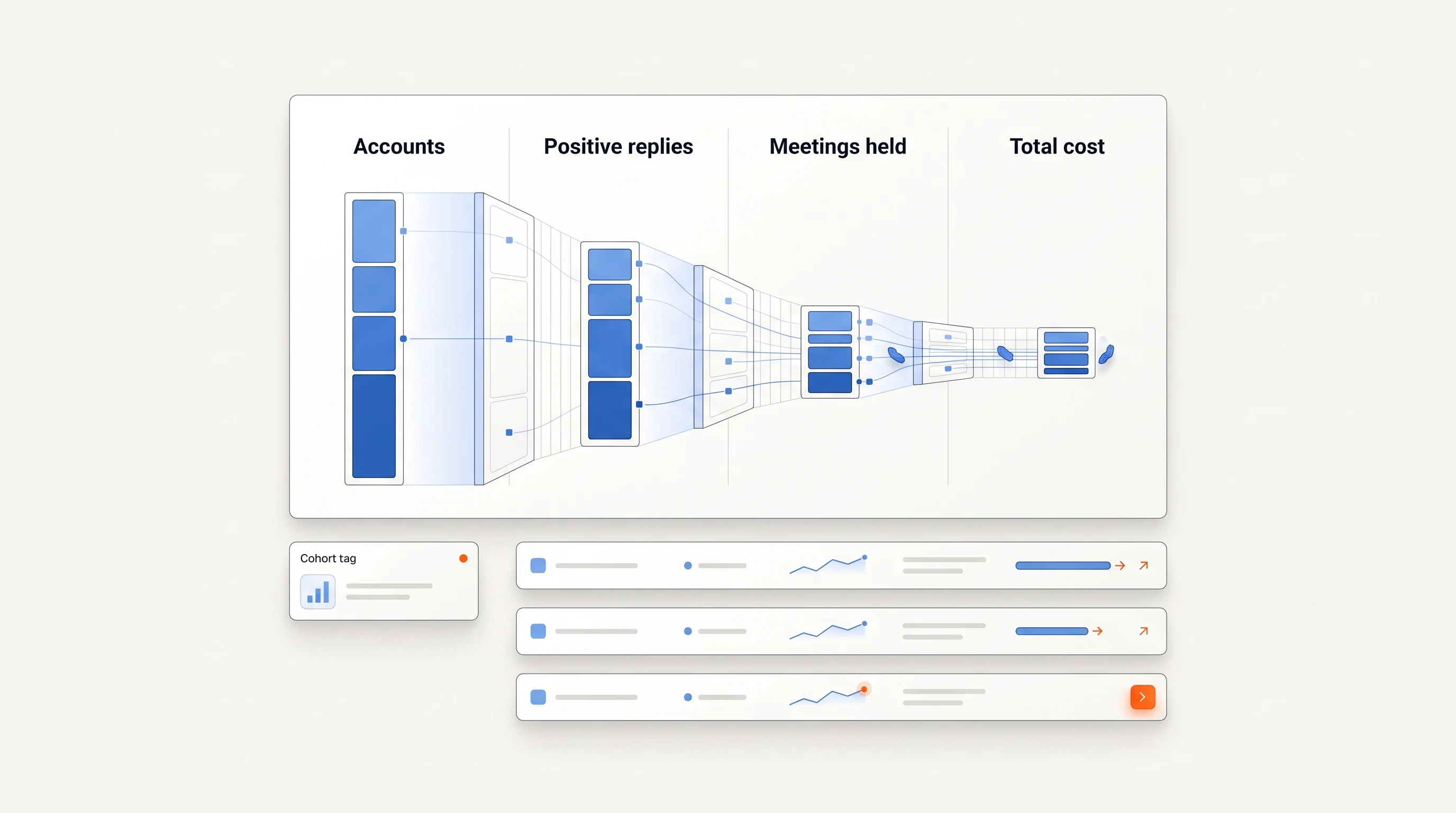
Vendor guides put numbers on this. Salesforge, for example, says generic sequences often struggle to reach even a 1–3% reply rate and that signal-triggered outreach lands closer to 15–25% (Salesforge). These are marketing figures without a published method, so treat them as claims, not benchmarks. A better test is your own: run a small campaign, count replies and meetings per reviewed company, and compare with your previous list-based results. Our campaign scorecard shows what to count.
There is also a quality argument that does not depend on any number. A message that starts from a real, checkable observation is easier to write honestly, easier for the recipient to evaluate and easier for your own team to review before it goes out.
A weekly workflow you can run
You do not need a platform to start. You need a short, repeatable routine. This one fits in a few hours a week for one person.
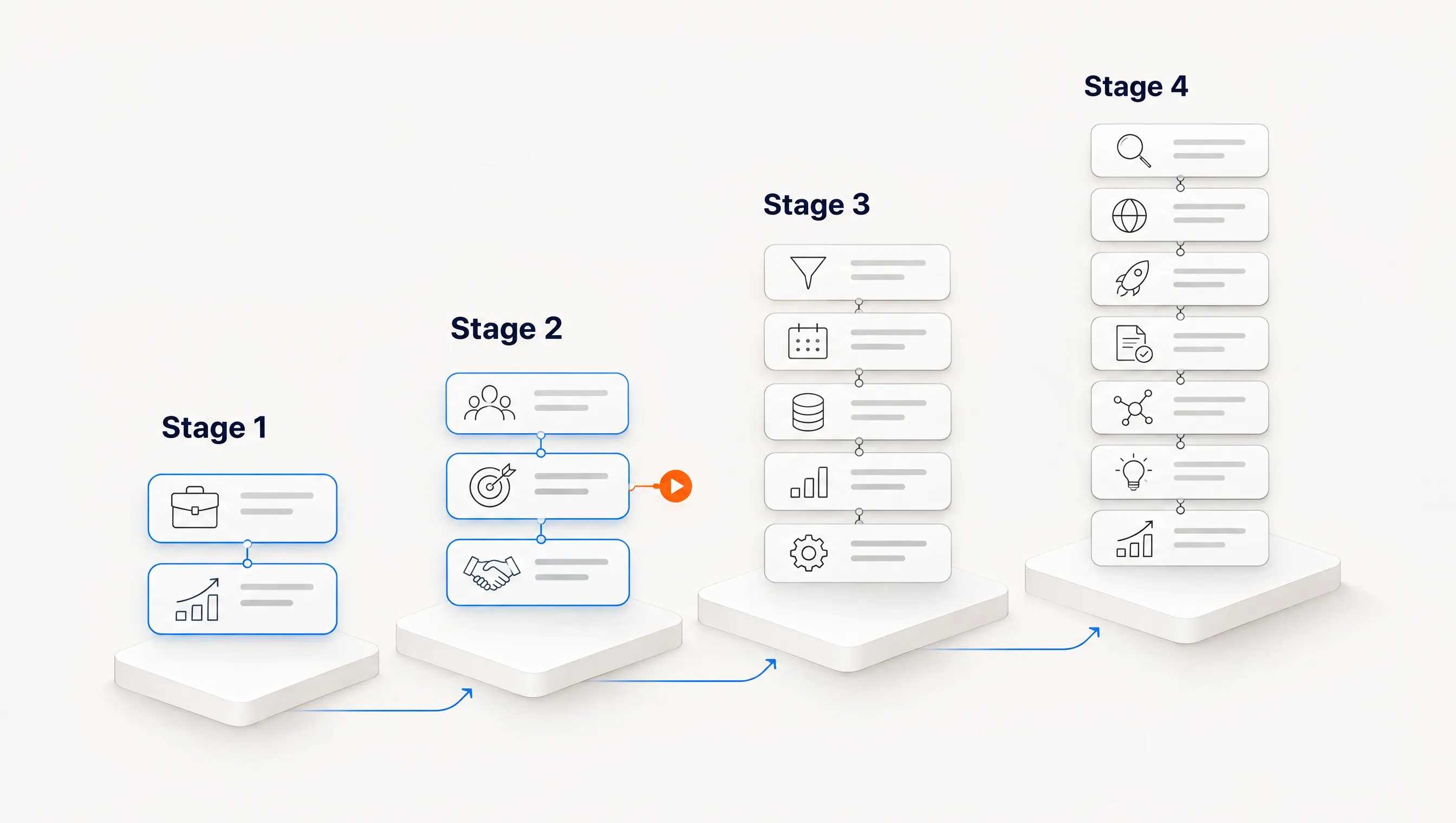
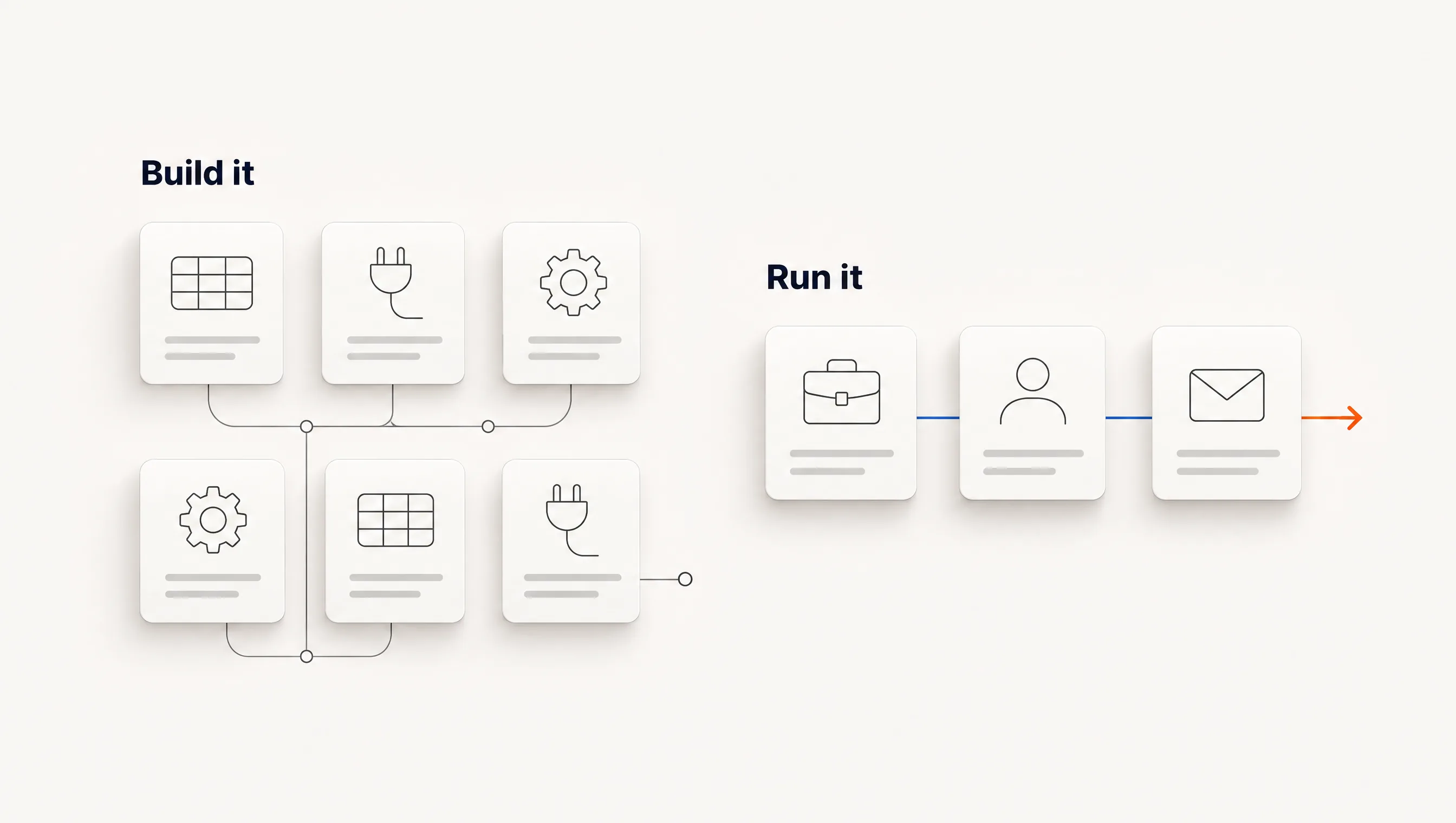
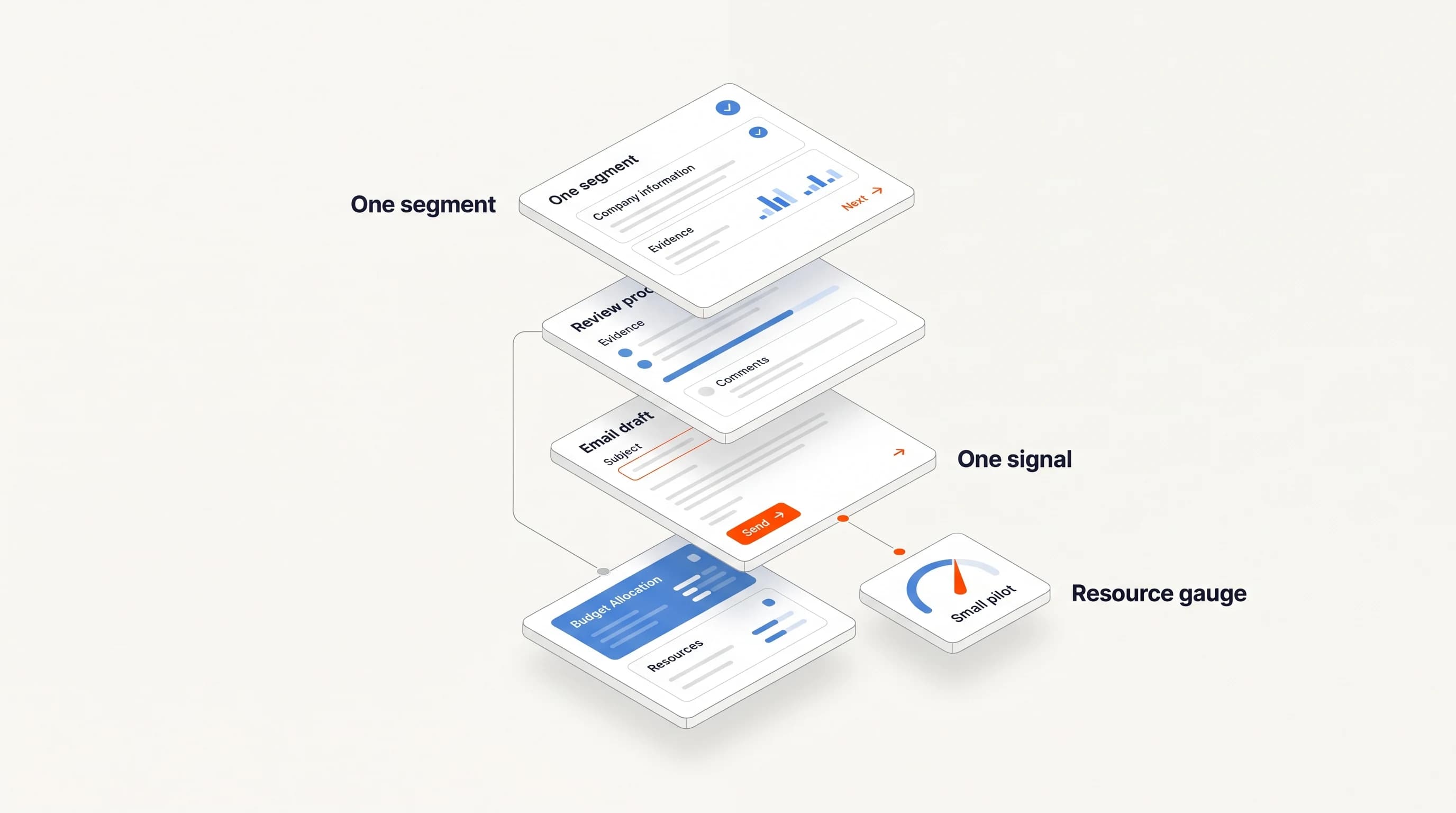
- Choose one segment and one or two signals. For example, B2B software companies with 50 to 500 employees that post sales roles. Narrow is better: you must be able to read everything you collect.
- Collect observations. Pull the companies that showed the signal in the past week. Keep the source URL and the date you found it, and the original publication date if it is shown.
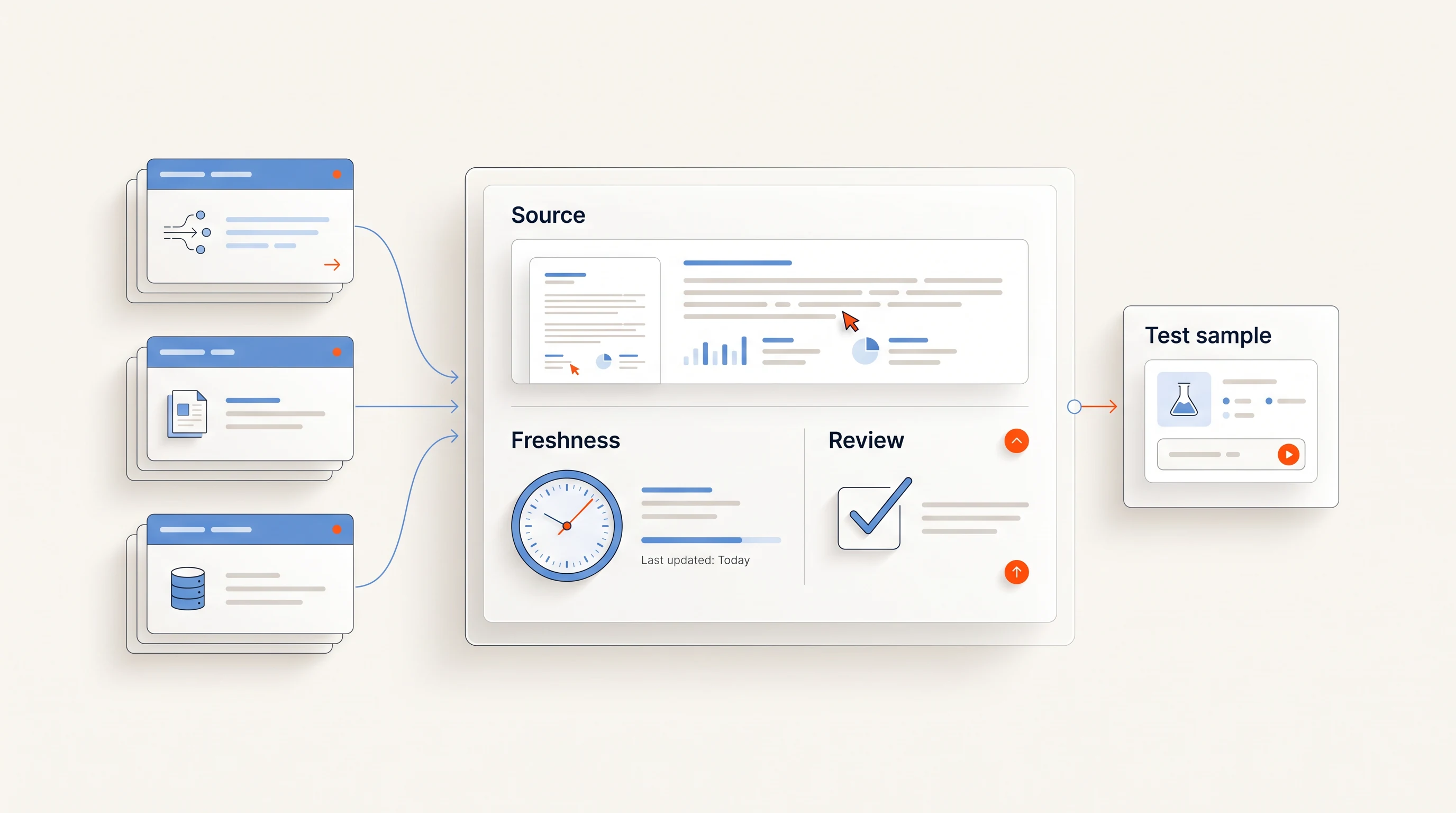
- Check the source. Open each one. Confirm the event is real, recent and what you think it is. Drop anything you cannot verify.
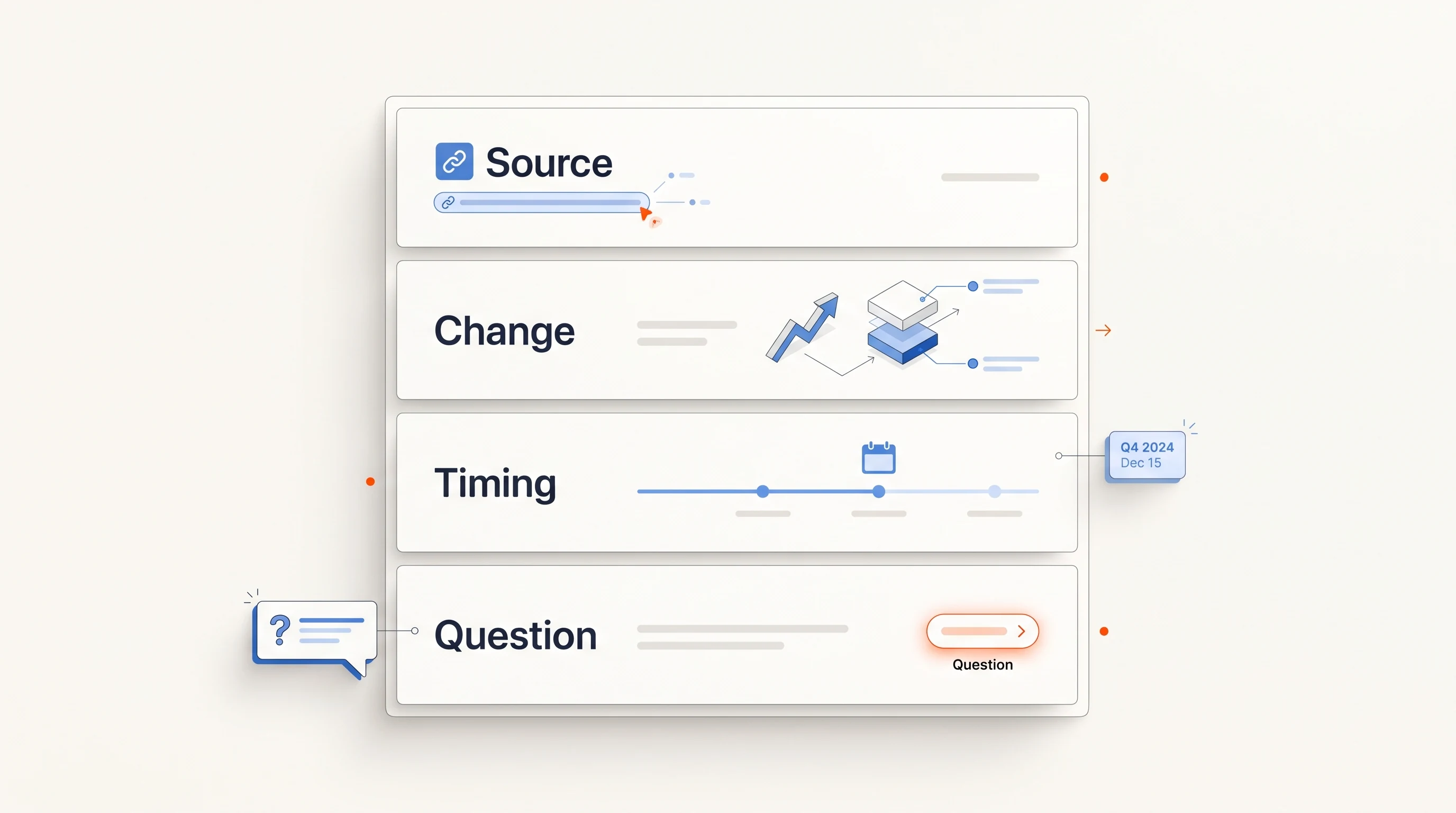
- Write the fact, the interpretation and the open question. One line each. The fact is what you saw. The interpretation is what you think it might mean. The question is what you would need to learn from the person.
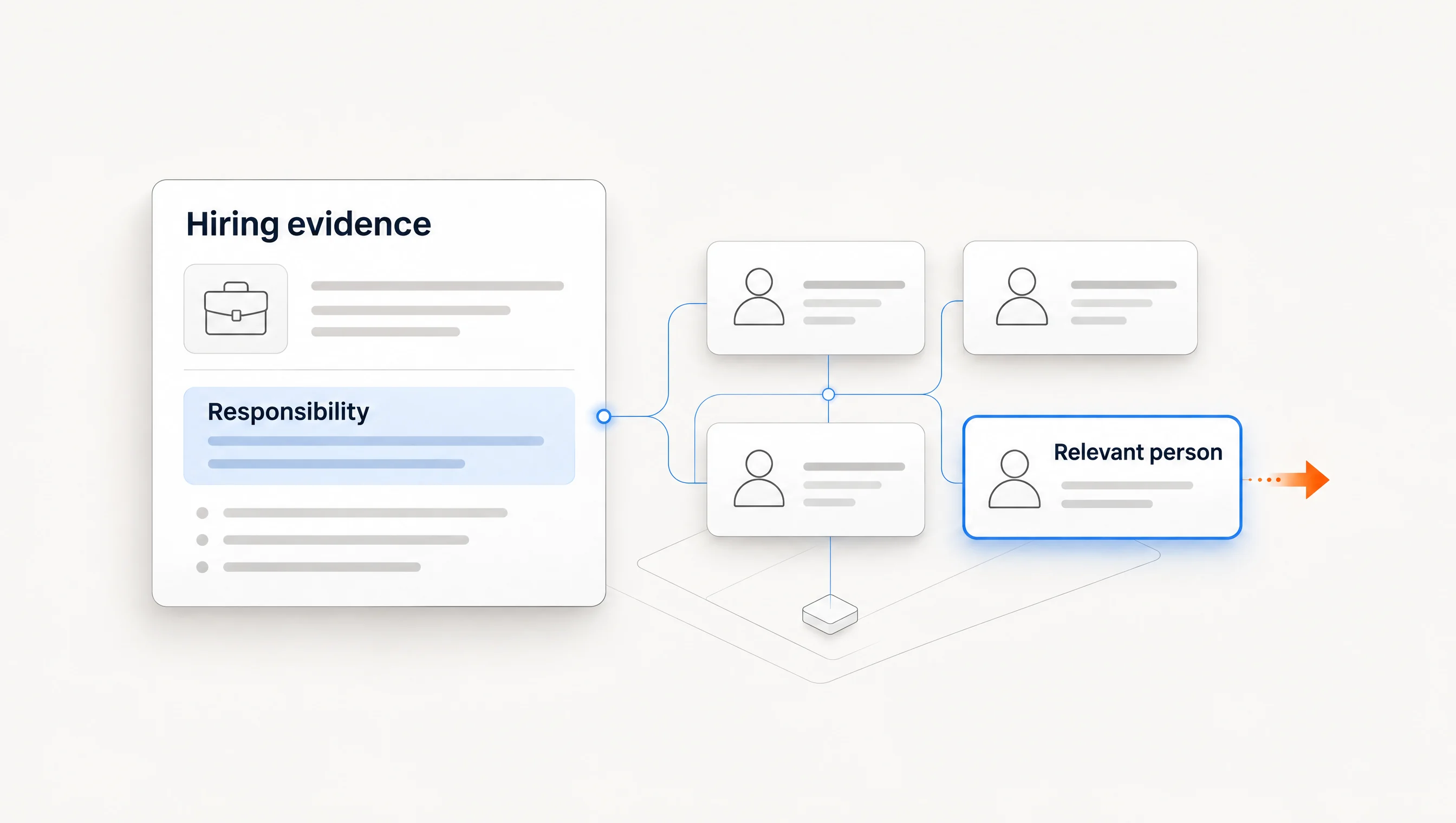
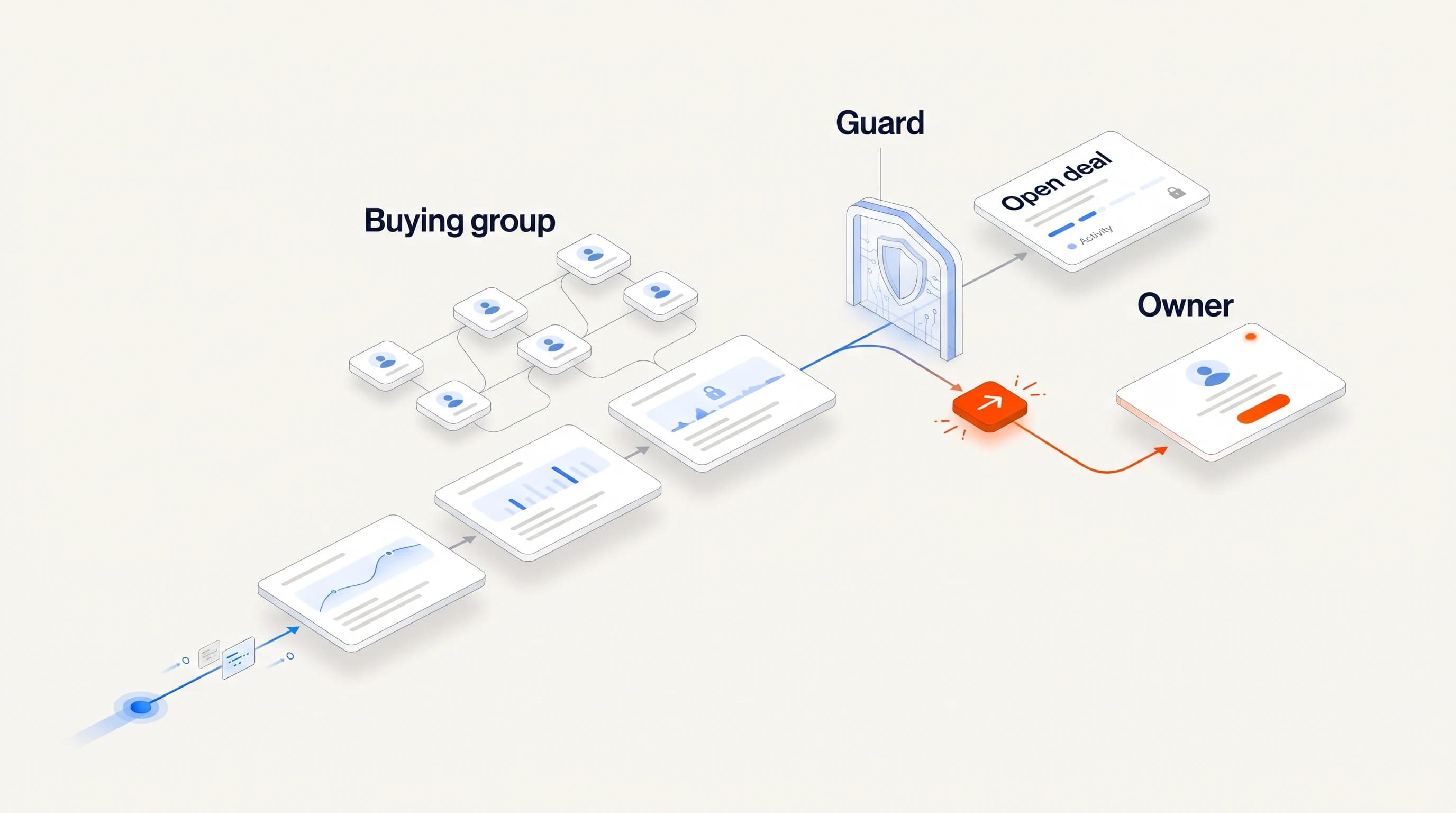
- Pick one person. Choose the person most likely to own the work the signal points to, and note why you chose them.
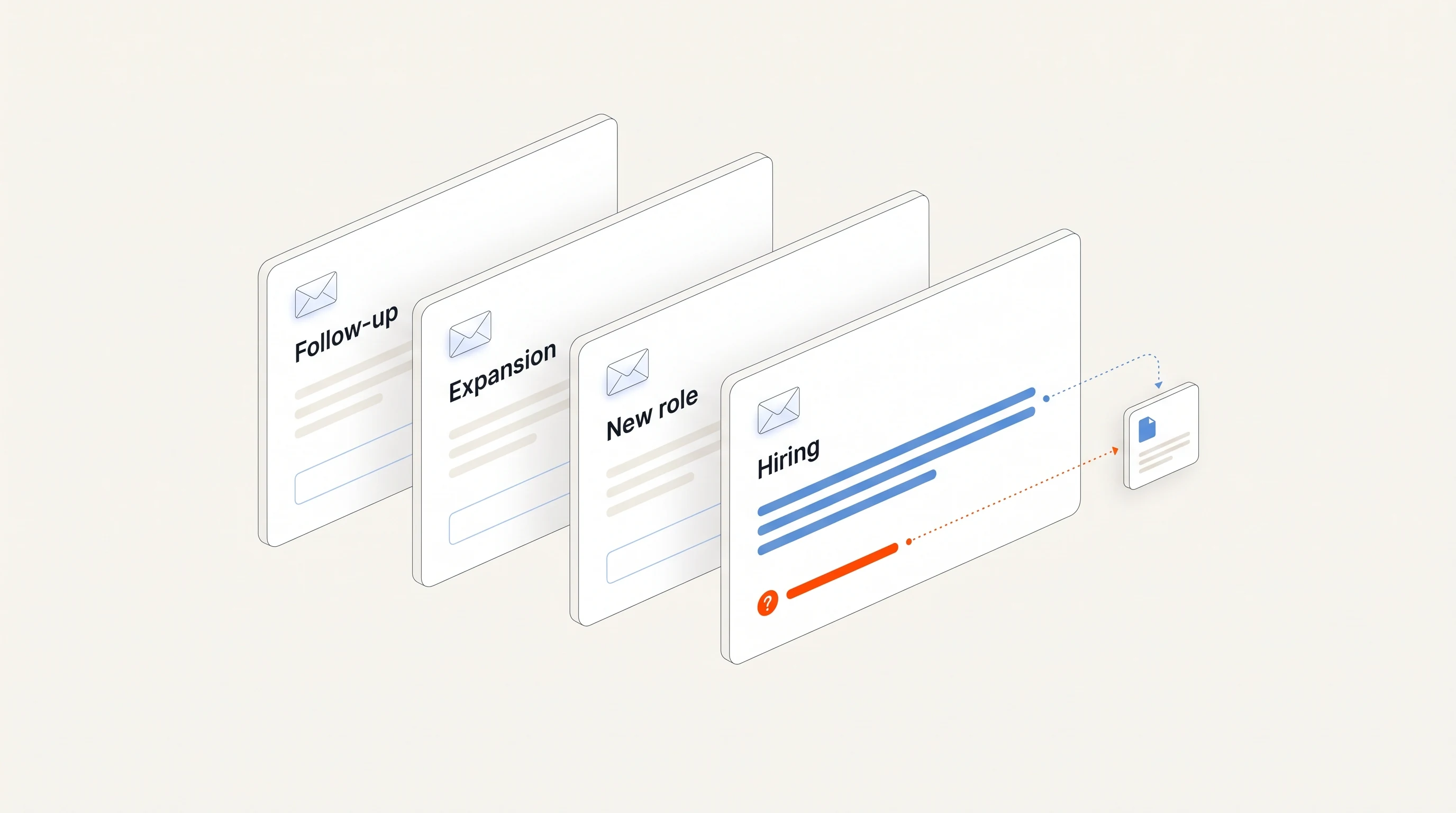
- Draft one short message. Name the observation and ask the question. See our signal-based email templates for four adaptable patterns.
- Review, then send. Read the draft as the recipient would. Remove any sentence that claims something about their business that you cannot support.
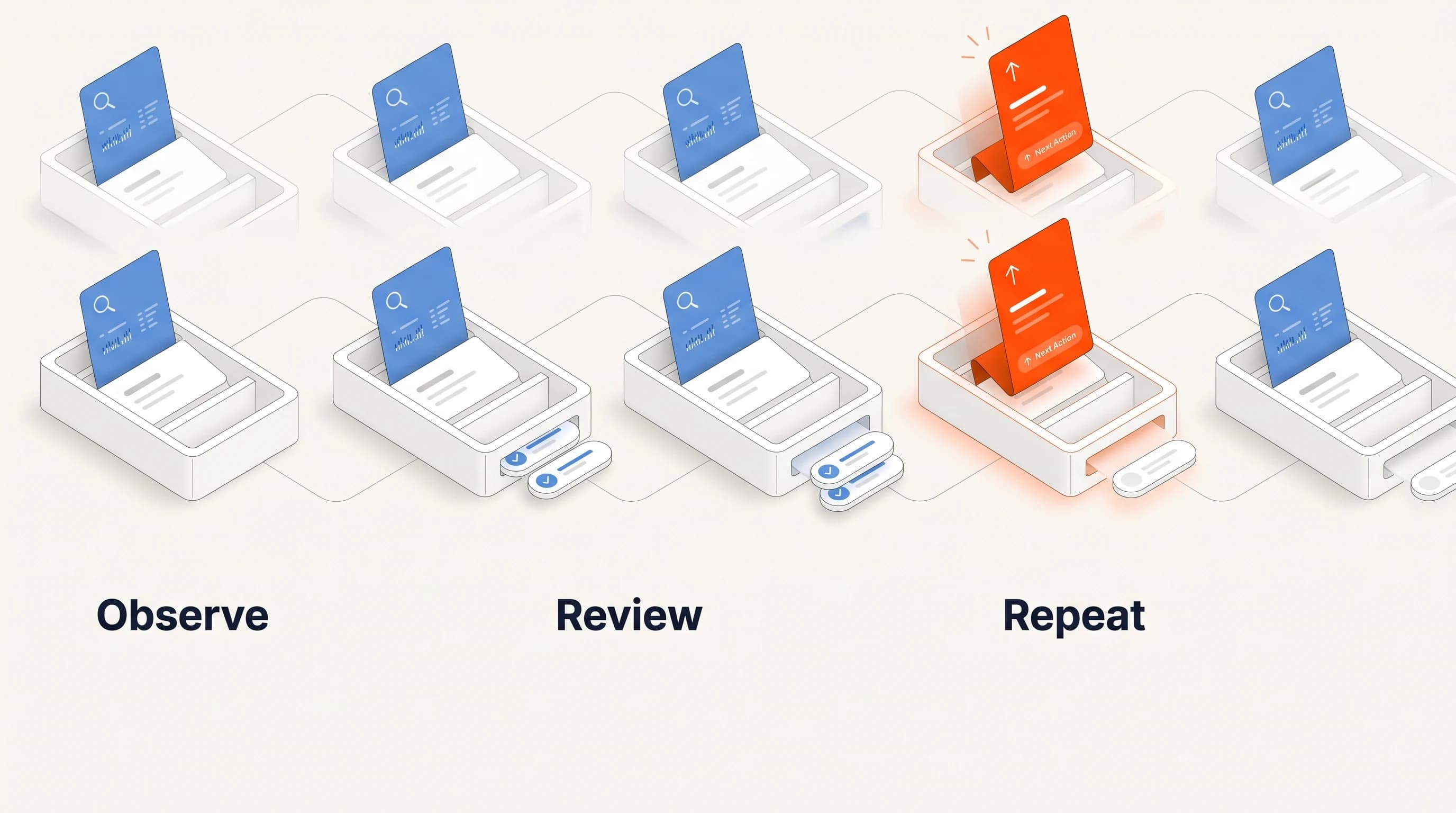
- Log the outcome. Replies, meetings and passes. Review the log at the end of the week and adjust the segment or the signal.
Common mistakes
- Treating a signal as intent. "I saw you are hiring" is a fact. "You need help with outbound" is a guess. Our post a signal is not a buying intent explains how to keep them apart.
- Tracking too many signals. Each additional signal type adds review work. Start with one.
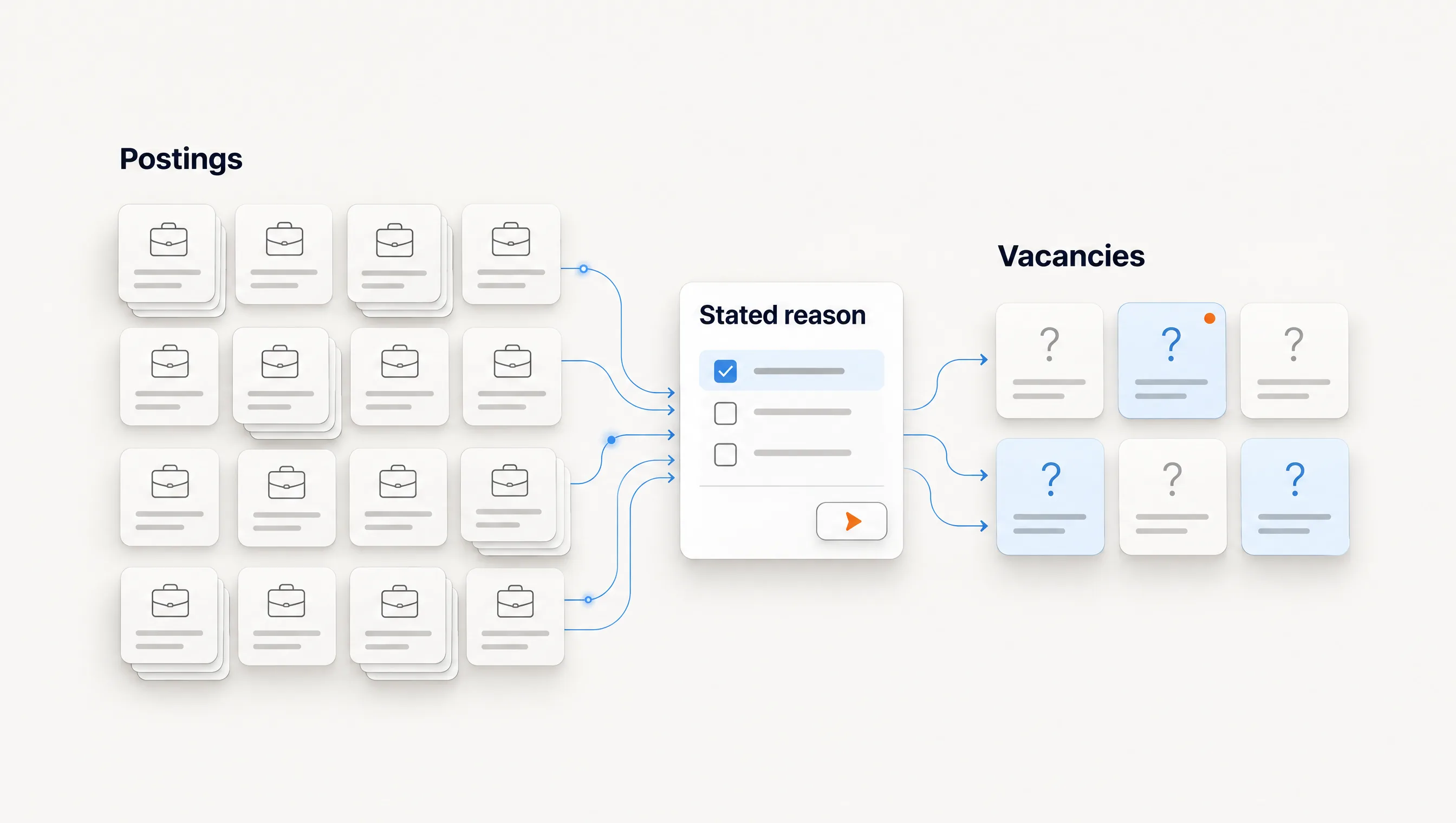
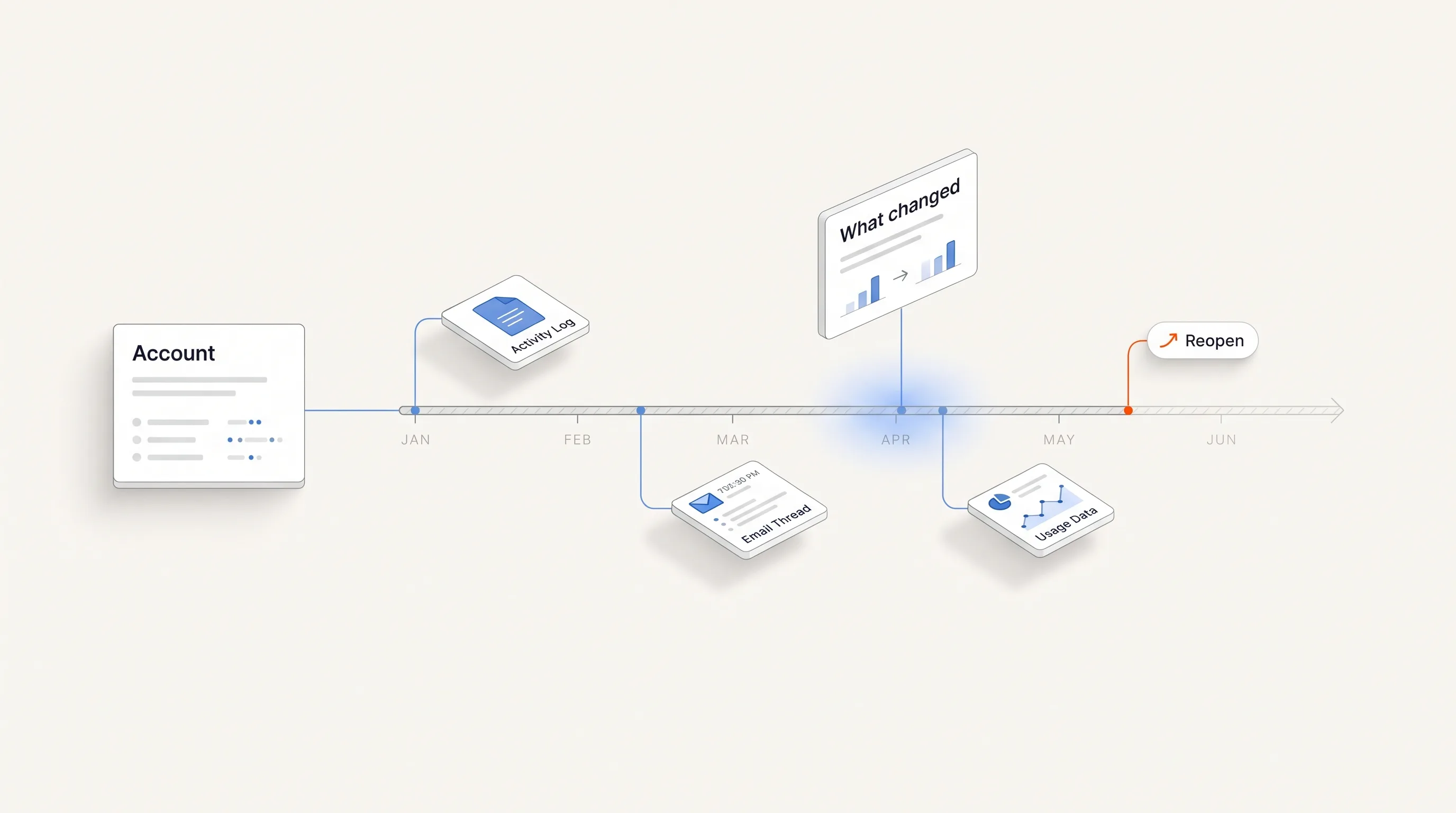
- Ignoring freshness. A posting from two months ago may already be filled. Keep the publication date separate from the date you found the page.
- Automating before you can review. If you cannot read a week of output in an hour, narrow the scope before you add automation.
- Writing about your product first. Start with their change and a question, then say briefly why you are asking.
Where Perpetual fits
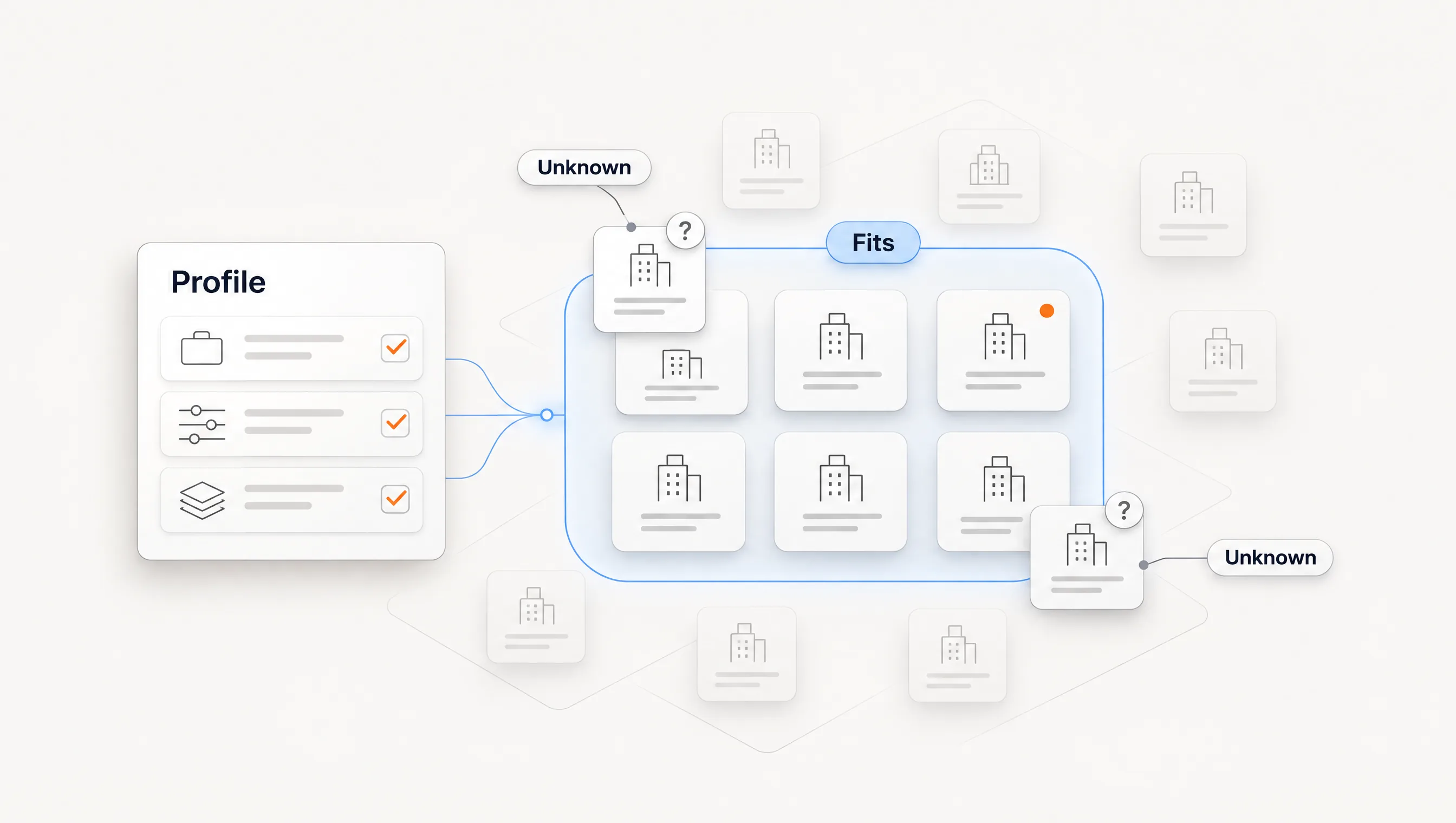
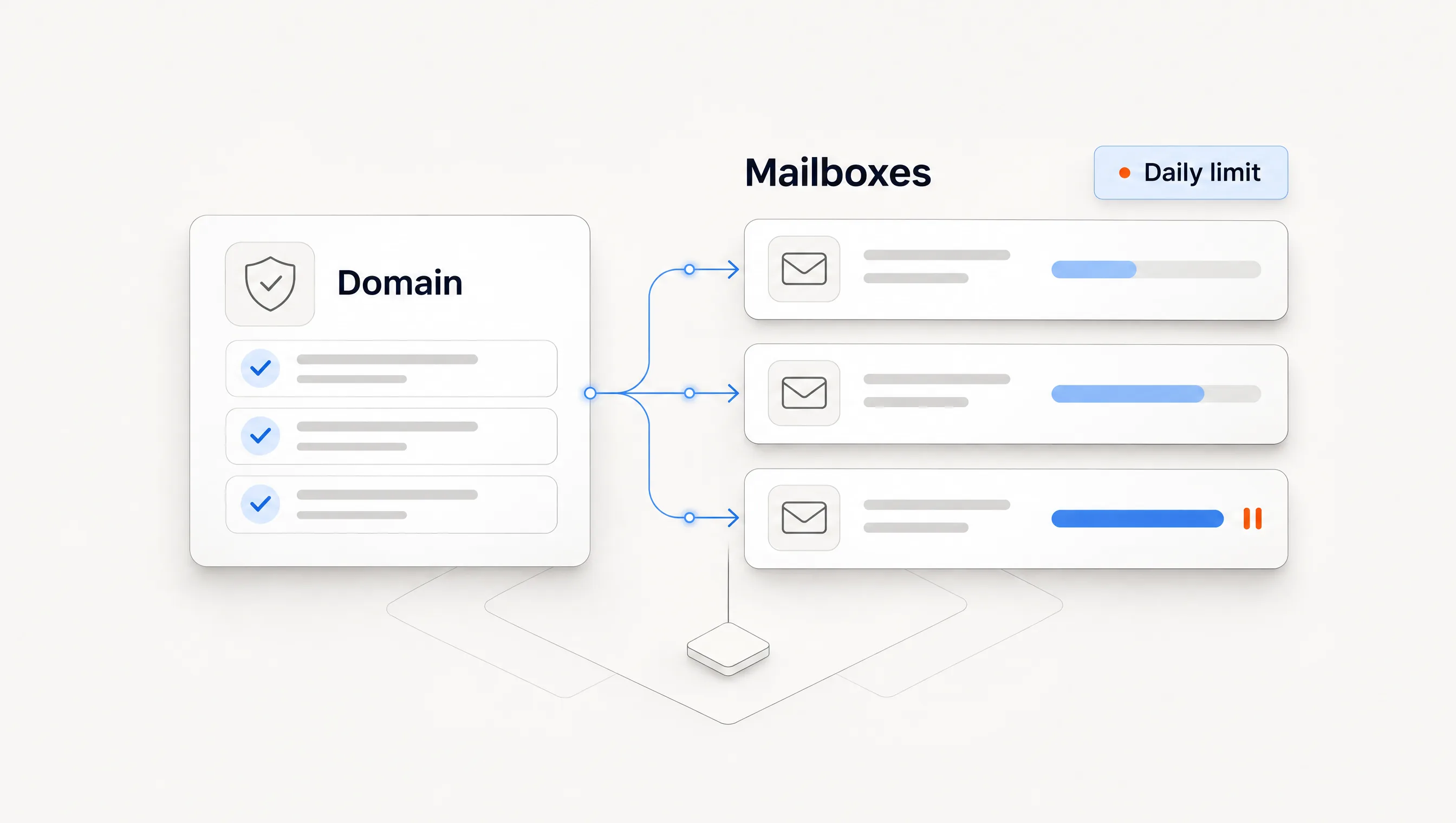
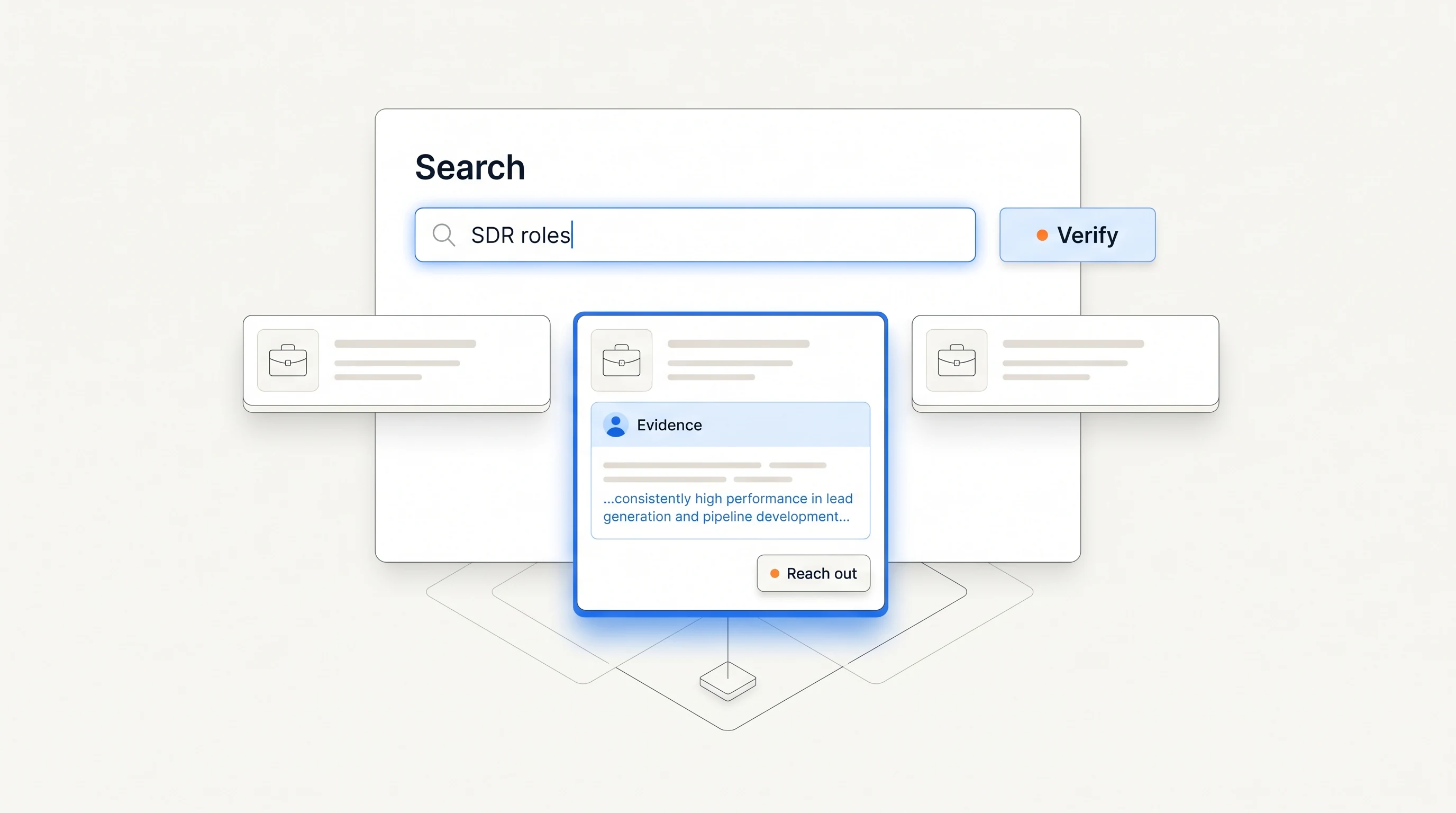
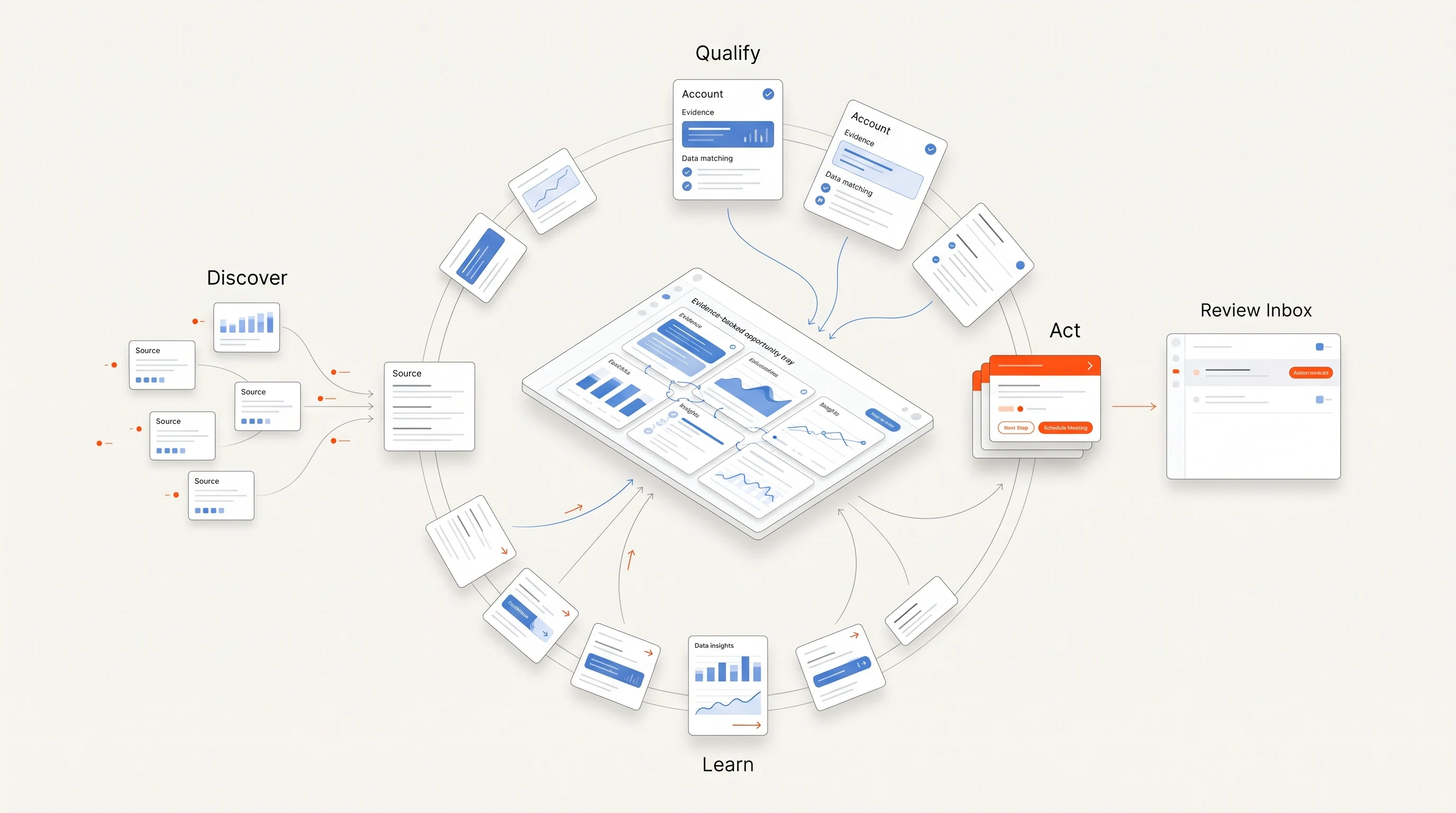
Perpetual applies this workflow to one signal family: public hiring activity. It finds companies whose open roles match your offer, keeps the public source and the date, states what the evidence does not prove, selects one relevant person with an explanation and drafts an opener grounded in the source. Completing campaign setup authorizes automatic email within your saved sending policy. There is no per-message approval. Manual review is available on request. You can inspect activity and pause a campaign at any time. Replies and opt-outs stop email follow-ups. Perpetual is not a lead database or a topic-intent feed, so teams that also want website activity or third-party intent will pair it with another tool.
Key takeaways
| Point | Detail |
|---|---|
| Definition | Reaching out because something observable changed at a company, not only because it fits a profile. |
| Signals are evidence, not intent | Each signal has a limit; write it down next to the signal. |
| Start narrow | One segment and one or two signals you can verify yourself. |
| Review is the product | Check the source, separate fact from interpretation, then write one question. |
Frequently asked questions
What is signal-based prospecting?
An outbound approach where you contact a company because of an observable change there, such as new job postings, a new leader or a funding round, instead of only because it matches your target profile.
What is the difference between signal-based prospecting and intent data?
Intent data is one kind of signal, usually modelled from third-party topic research. Signal-based prospecting is the broader practice and also uses public, checkable events such as hiring and announcements.
Which signal should I start with?
Start with one you can verify yourself. Hiring is a common choice because job postings are public and dated, and anyone on your team can open the source.
Do I need a tool to do signal-based prospecting?
No. A spreadsheet and a weekly review can work for a small segment. Tools help when the volume of observations grows beyond what you can read.
Does signal-based outreach guarantee higher reply rates?
No. Vendors publish figures, but they come without a published method. Measure replies and meetings per reviewed company in your own campaigns.