JournalEvaluationNo. 07
The GTM Tech Stack for a Small B2B Team, Stage by Stage
Which go-to-market tools a small B2B team needs at each stage, what to skip, and how to audit handoffs. Includes a free stack audit worksheet.
Petar Jovanović6 min read7 sections
Contents
Published by Perpetual
A small B2B team needs fewer go-to-market tools than most lists suggest. With one to three sellers, start with a CRM, a sending setup on your own domain and one source of reasons to contact companies. Add data enrichment, scheduling, routing and conversation intelligence only when a specific job breaks without them. Every tool you add creates a handoff that someone has to maintain.
Perpetual publishes this guide and sells one of the tools it describes. We read four vendor-published "best GTM tools" lists on November 12, 2026. They named between 10 and 27 tools each, every one ranked its own product first, and none said what a team of three should skip. This guide is organized by team stage instead.
The layers of a GTM stack
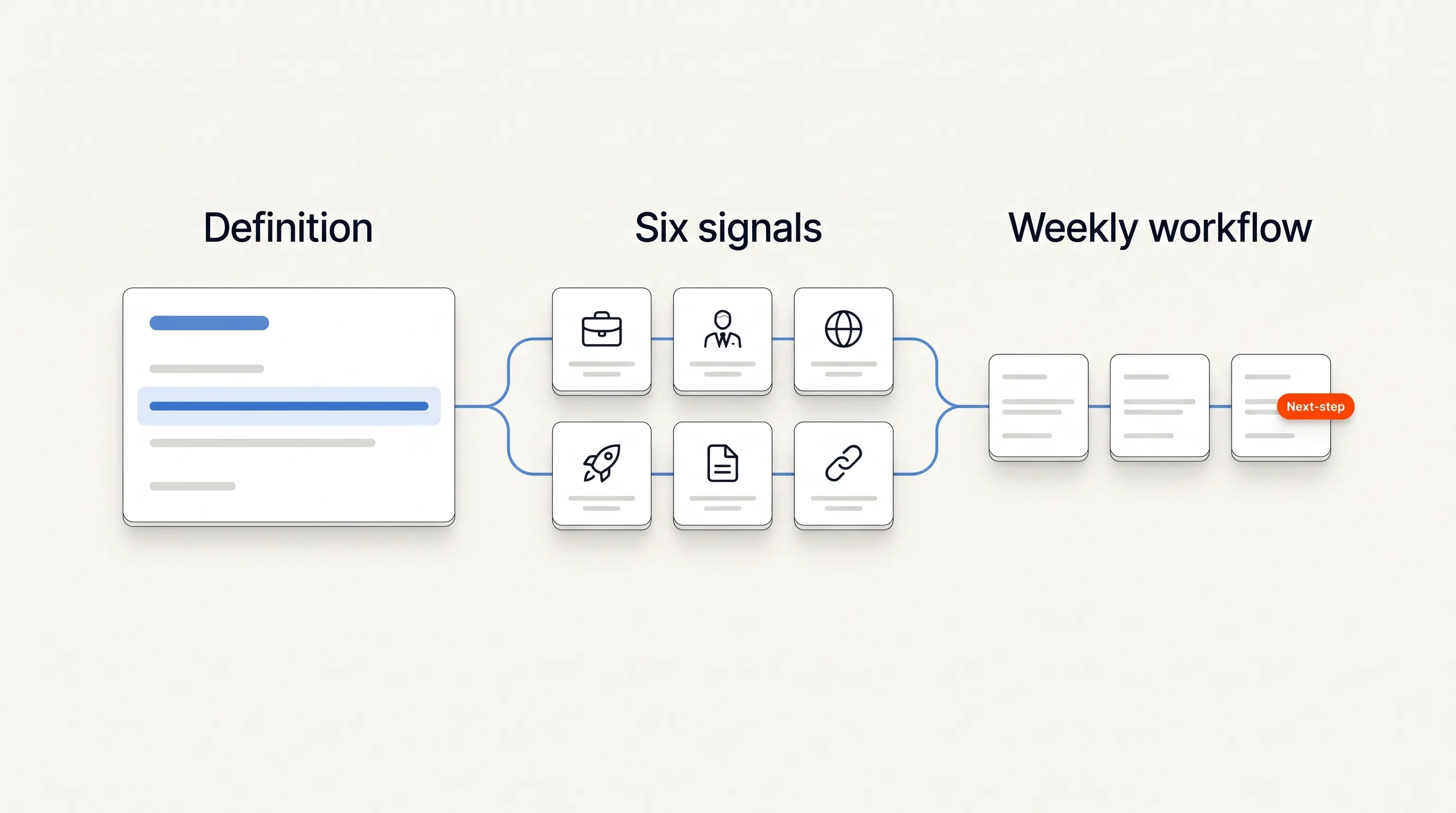
Most published lists mix tools from seven layers. Knowing the layer tells you what a tool replaces and what it depends on.
| Layer | Job | Examples | Needed at 1–3 sellers? |
|---|---|---|---|
| CRM | Record of accounts, contacts and deals | HubSpot, Salesforce, Pipedrive | Yes |
| Sending | Mailboxes, domains, sequences, reply detection | Google Workspace plus a sequencer | Yes |
| Reasons to reach out | Which companies, and why now | Signal tools, hiring data, your own research | Yes, in some form |
| Data and enrichment | Contacts, emails, firmographics | Apollo, ZoomInfo, Clay | Only if research is the bottleneck |
| Scheduling and routing | Book meetings, assign leads | Calendly, Chili Piper, LeanData | A booking link is enough |
| Conversation intelligence | Record and analyze calls | Gong, Fathom | Optional |
| Account intelligence and ABM | Intent scores, ad audiences, buying groups | Demandbase, 6sense | Rarely |
Examples show the kind of tool, not a recommendation. Choose within a layer by testing on your own accounts.
The stack by stage
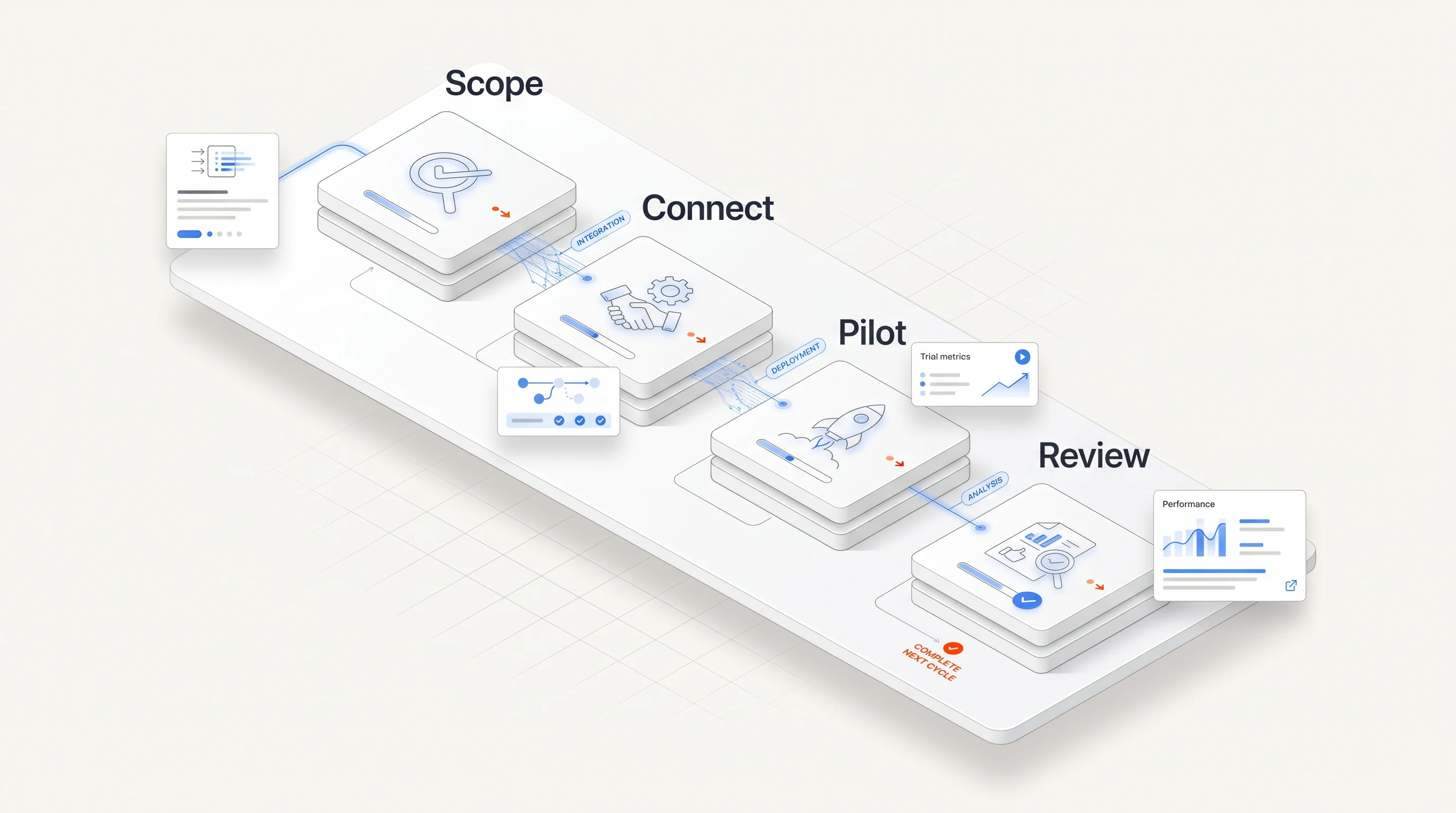
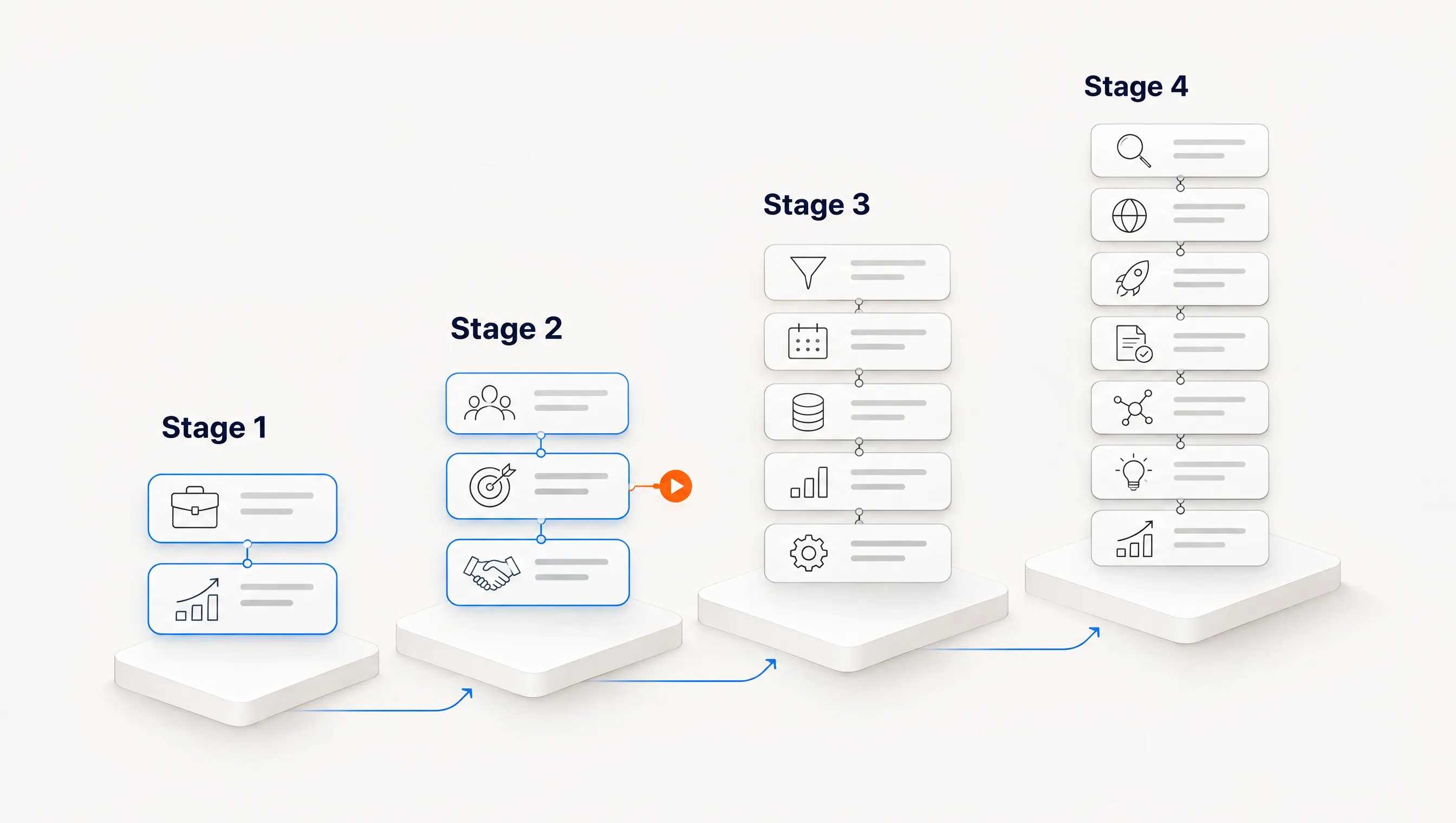
Stage 1: founder-led sales, no dedicated seller
Use a free or entry CRM, two or three mailboxes on a separate sending domain, and a weekly hour of research that produces a short list of companies with a reason to write. You do not need a database subscription yet. You need to learn which reasons produce replies. Our guide to signal-based prospecting for startups covers that weekly routine.
Stage 2: one to three sellers
Now consistency matters more than learning. Add a sequencer if the CRM does not send well, and replace the founder's research hour with a repeatable source of reasons: a signal tool, a hiring data source or a connected outbound system. Add contact enrichment only if finding the right person is where the time goes.
Stage 3: four to ten sellers, first operations hire
Routing, territory rules and reporting start to matter, so scheduling and routing tools earn their place. Conversation intelligence becomes useful for coaching. This is also the point where a workflow builder such as Clay can pay off, because someone has time to maintain it.
Stage 4: a RevOps team
Account intelligence, ABM platforms and multi-source data justify their cost when several teams share account lists and someone owns data quality. Before this stage, they tend to produce scores nobody acts on.
What to skip at each stage
- A contact database before you know your segment. More contacts multiply a targeting problem.
- An enterprise intent platform for a three-person team. Without someone to act on scores daily, they go unread.
- A workflow builder with no owner. A table that works once needs someone to notice when it stops working.
- Two tools that both send email. Two sending systems make it easy to email someone twice or miss an opt-out.
- Routing software when one person takes every meeting. A shared calendar does the job.
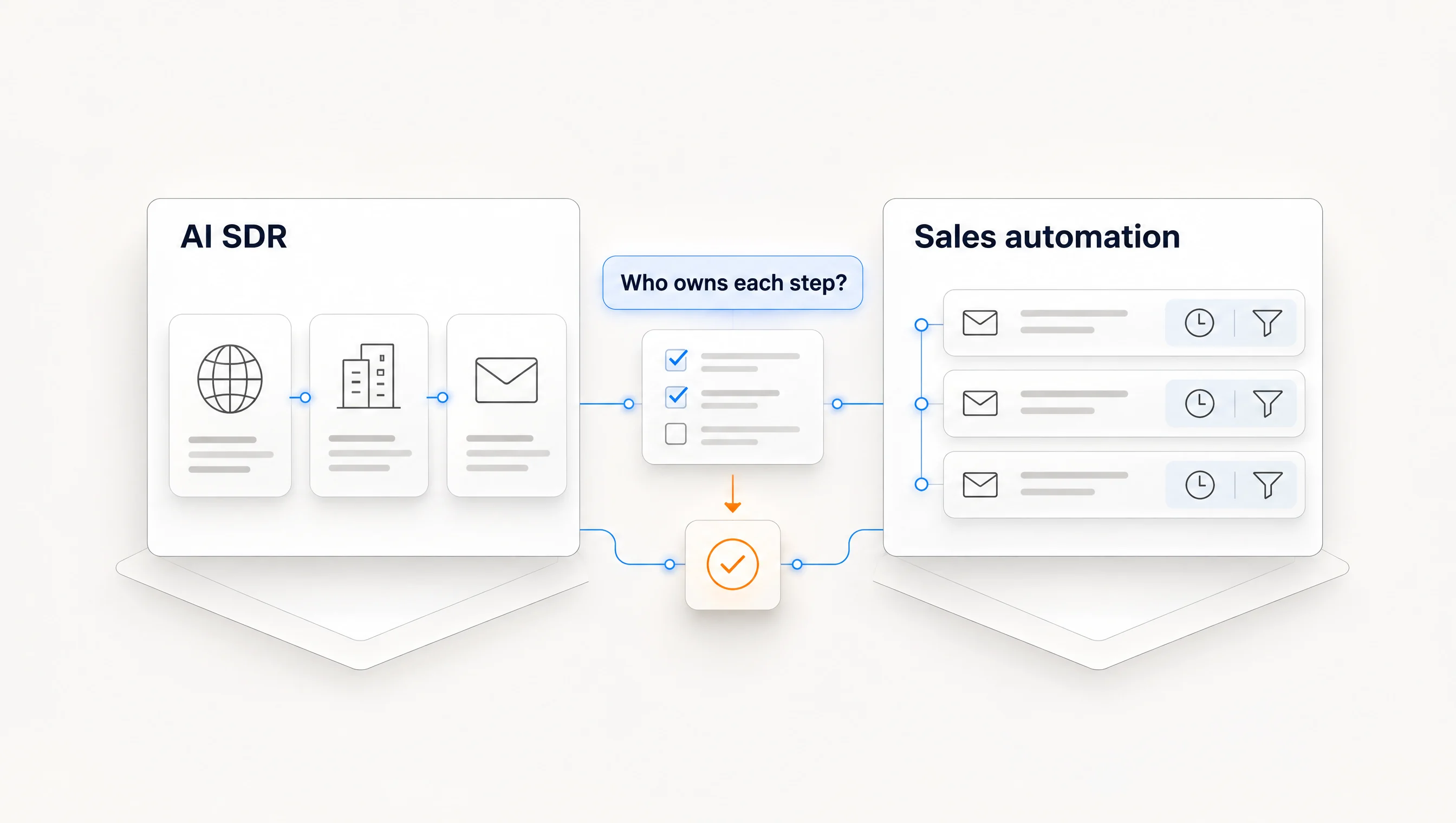
Ask of each tool: which job breaks if we cancel it tomorrow? If nobody can name one, cancel it.
Count the handoffs, not just the tools
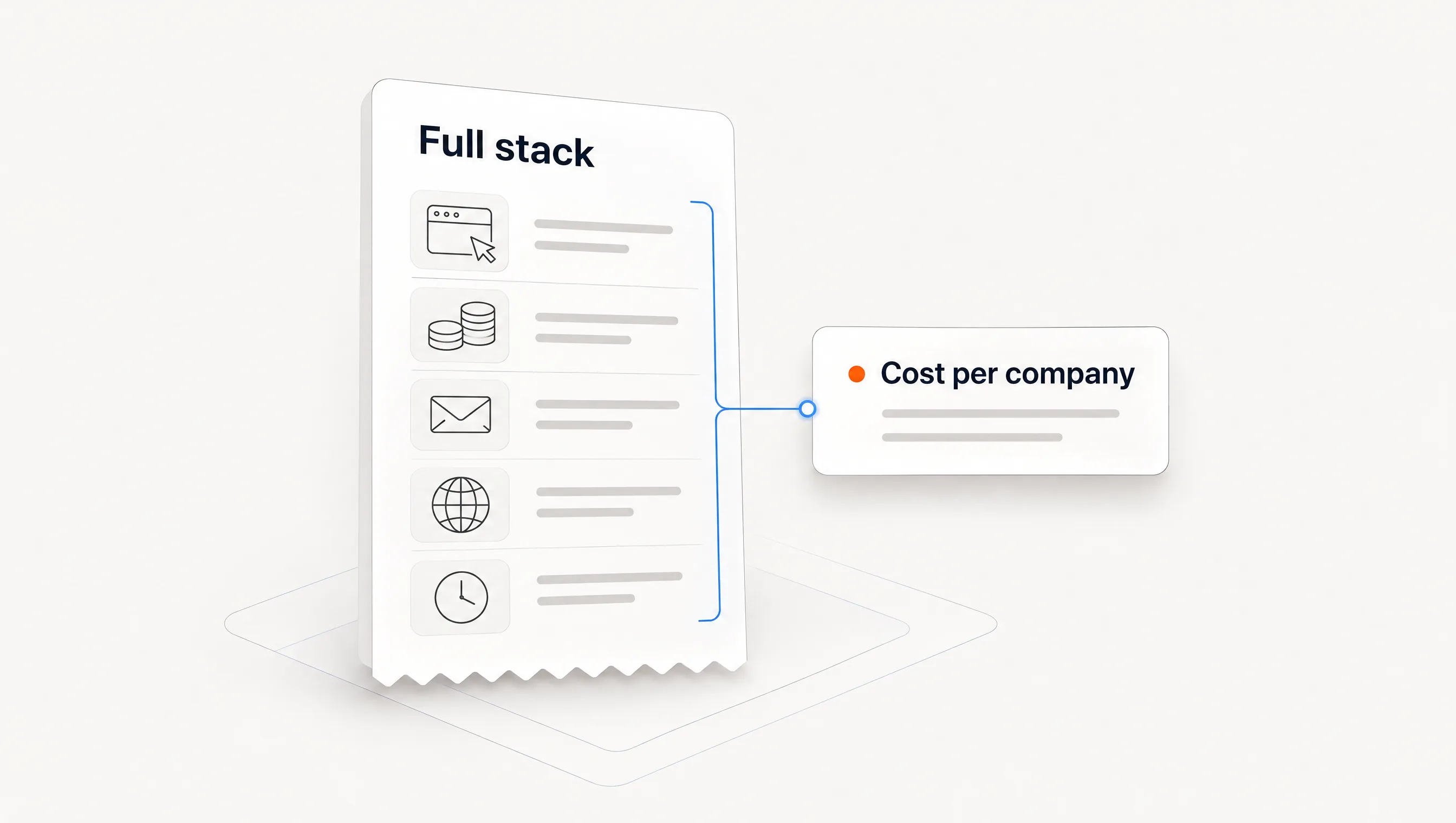
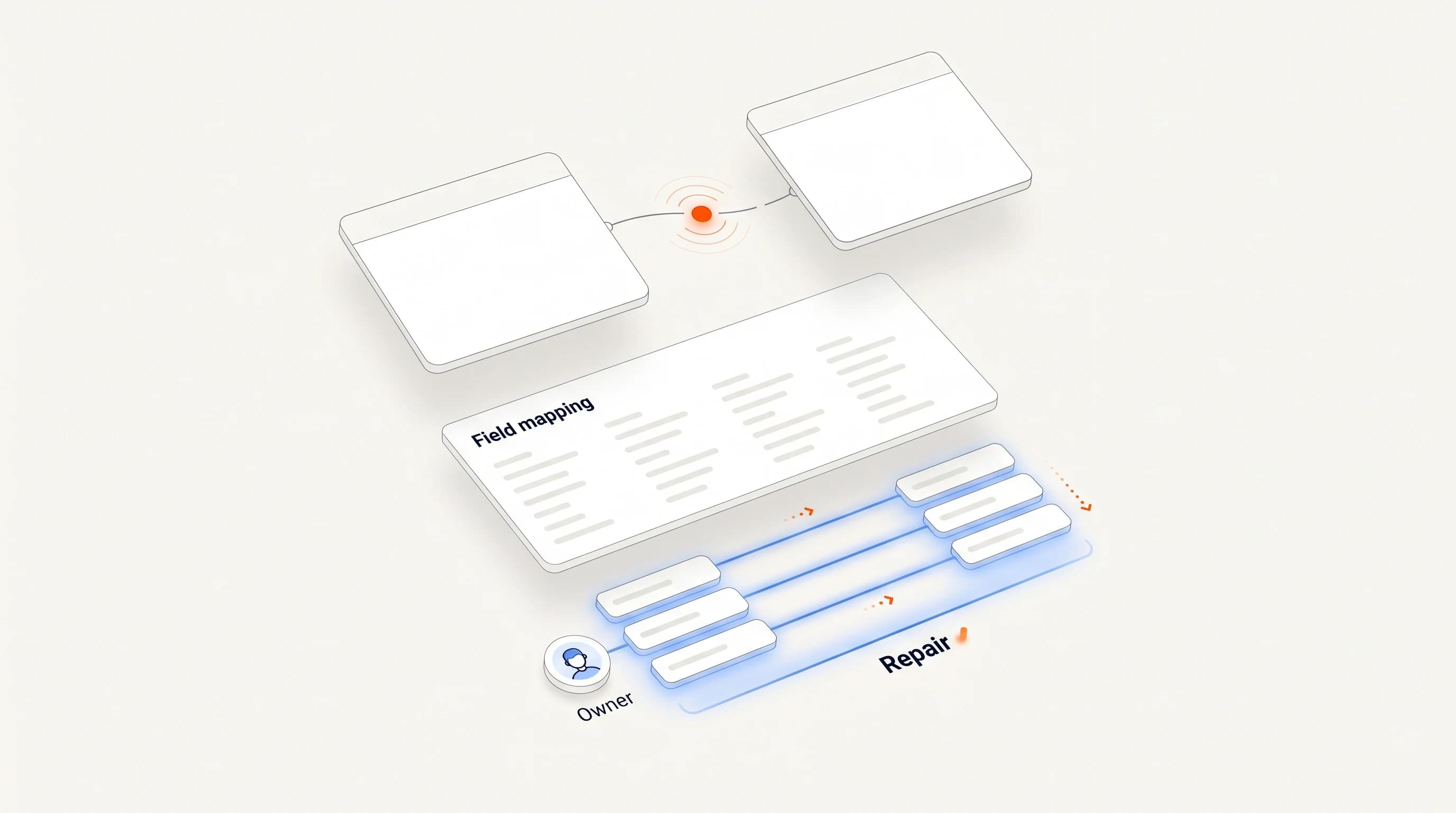
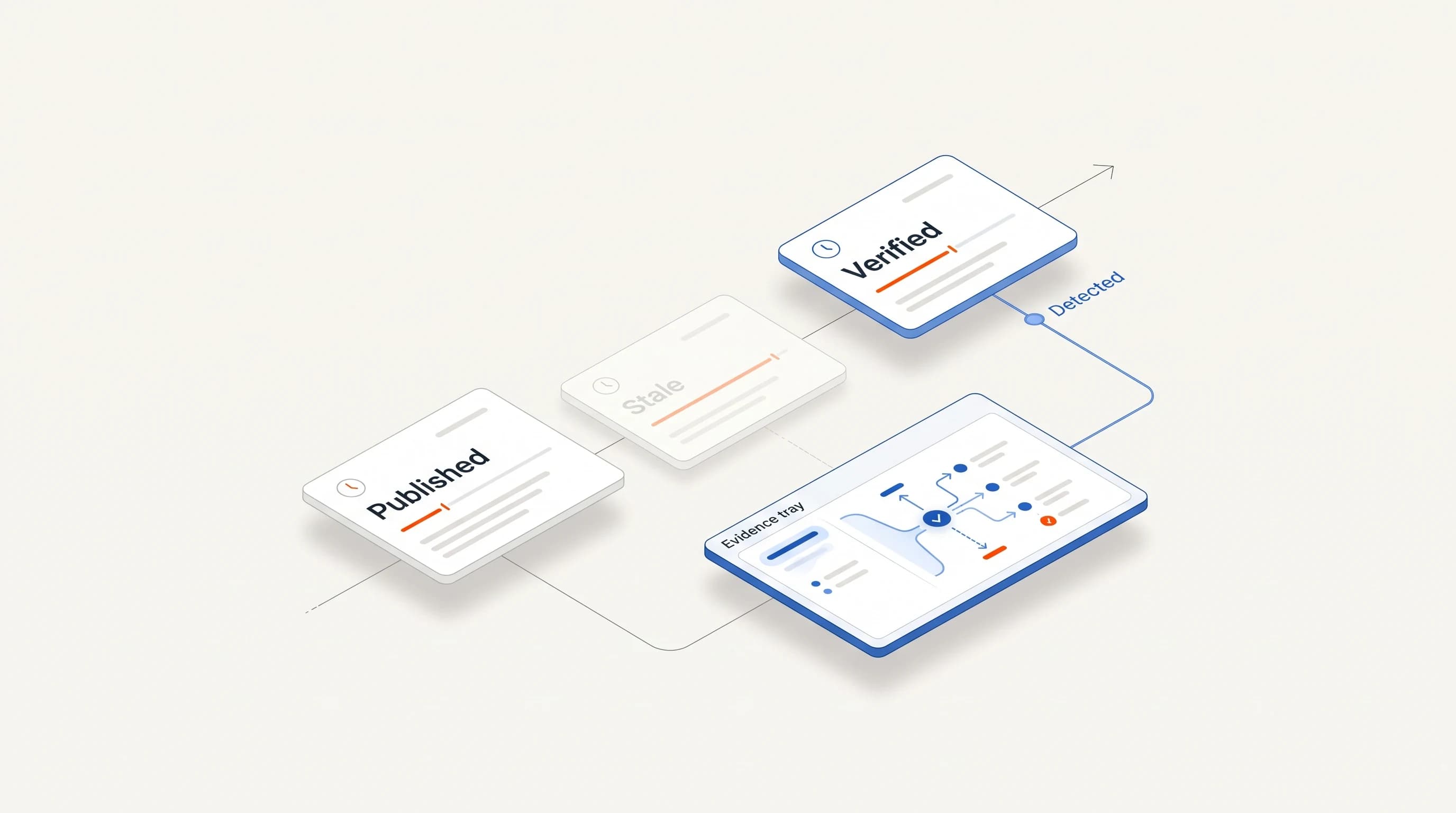
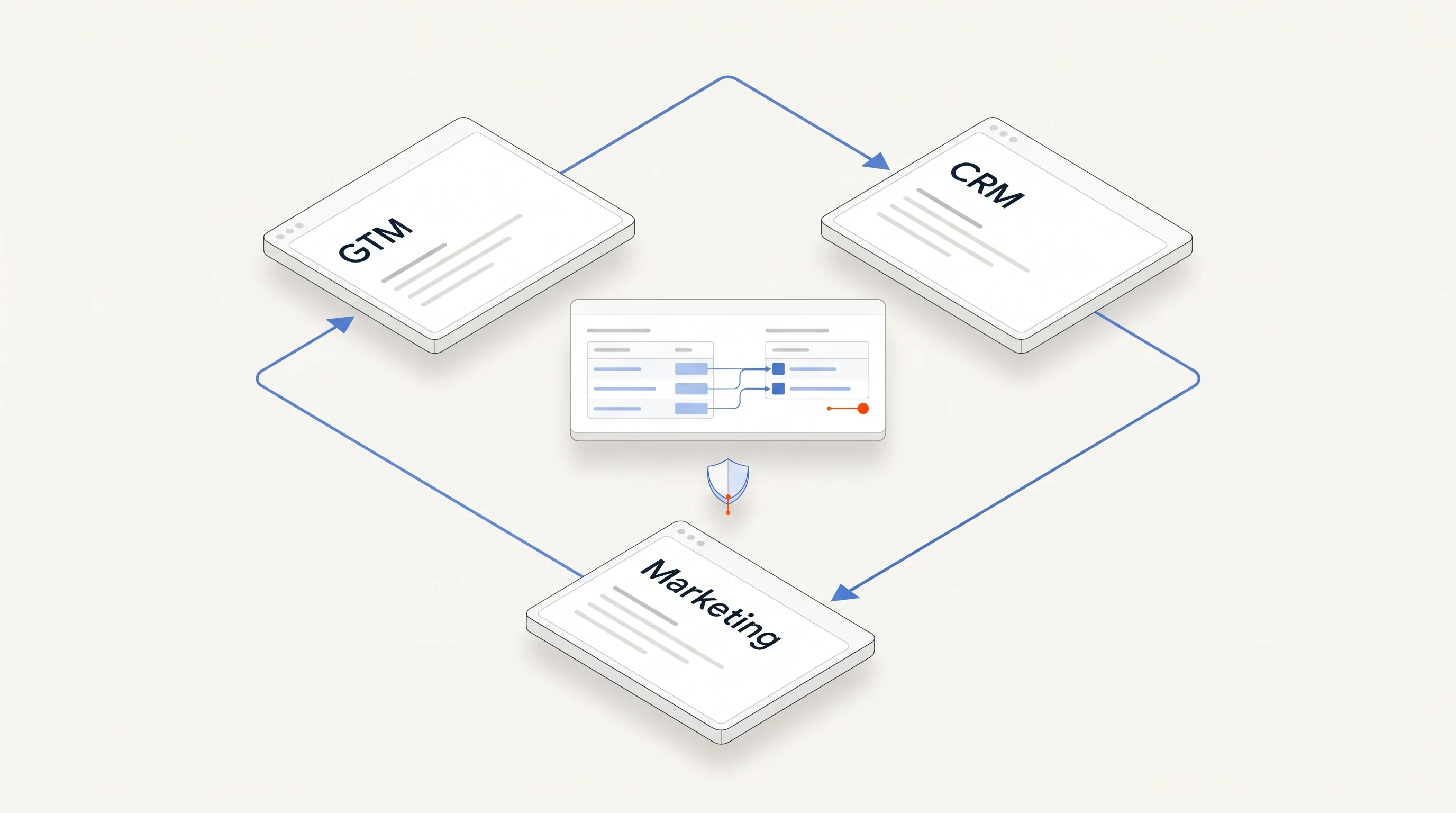
The cost of a stack is not only the subscriptions. Each place data moves between tools is a place it can go stale, duplicate or be lost. A contact enriched in one tool, sequenced in another and logged in a third needs three integrations to stay in sync, and someone to fix them when a field changes.
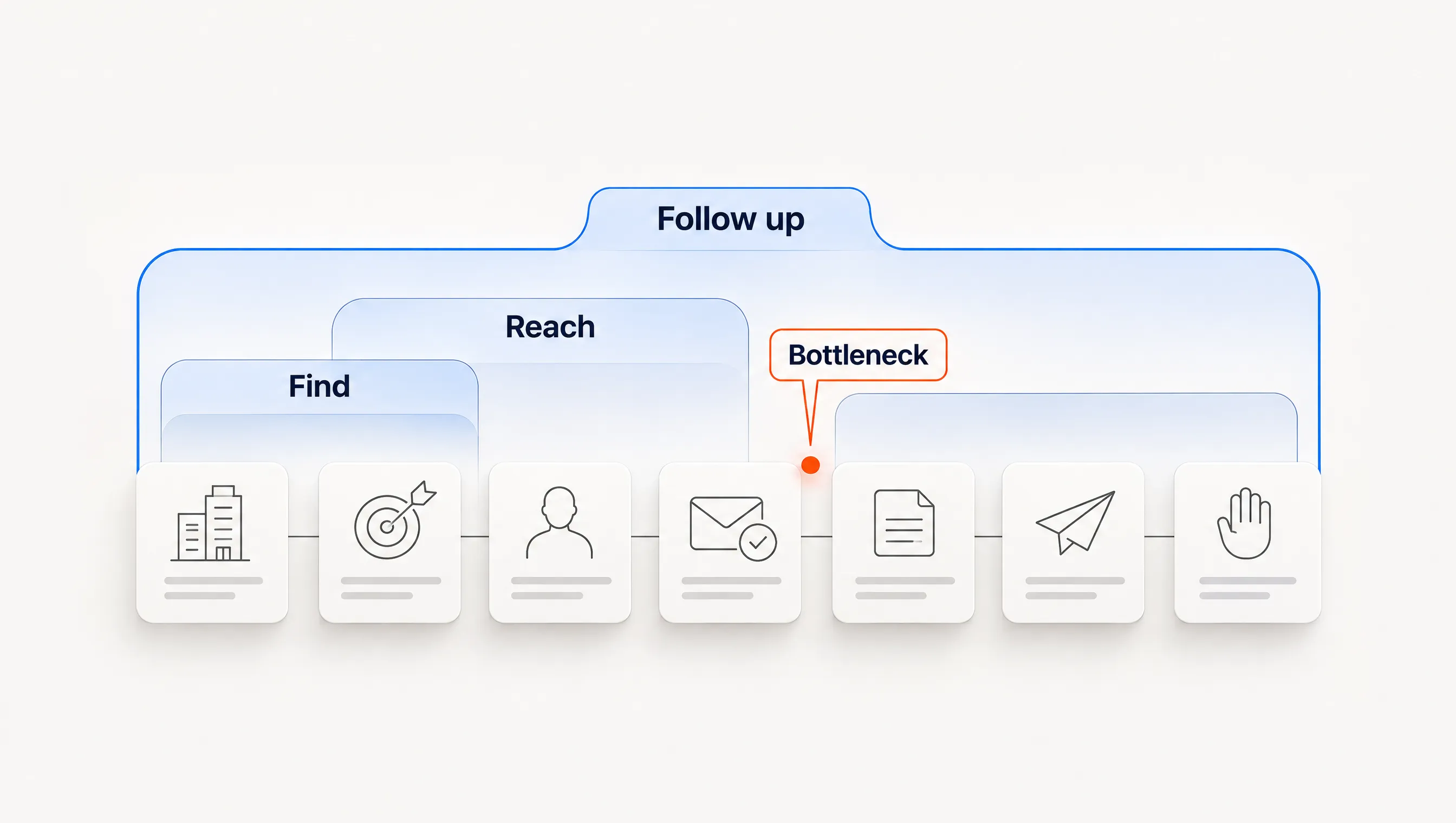
Draw your current outbound path on paper, from "we notice a company" to "a meeting is held". Mark each tool and each manual copy-paste. Small teams often find that the slow step is a handoff, not a missing feature. Our guide to CRM and marketing automation integration lists what to check at each connection.
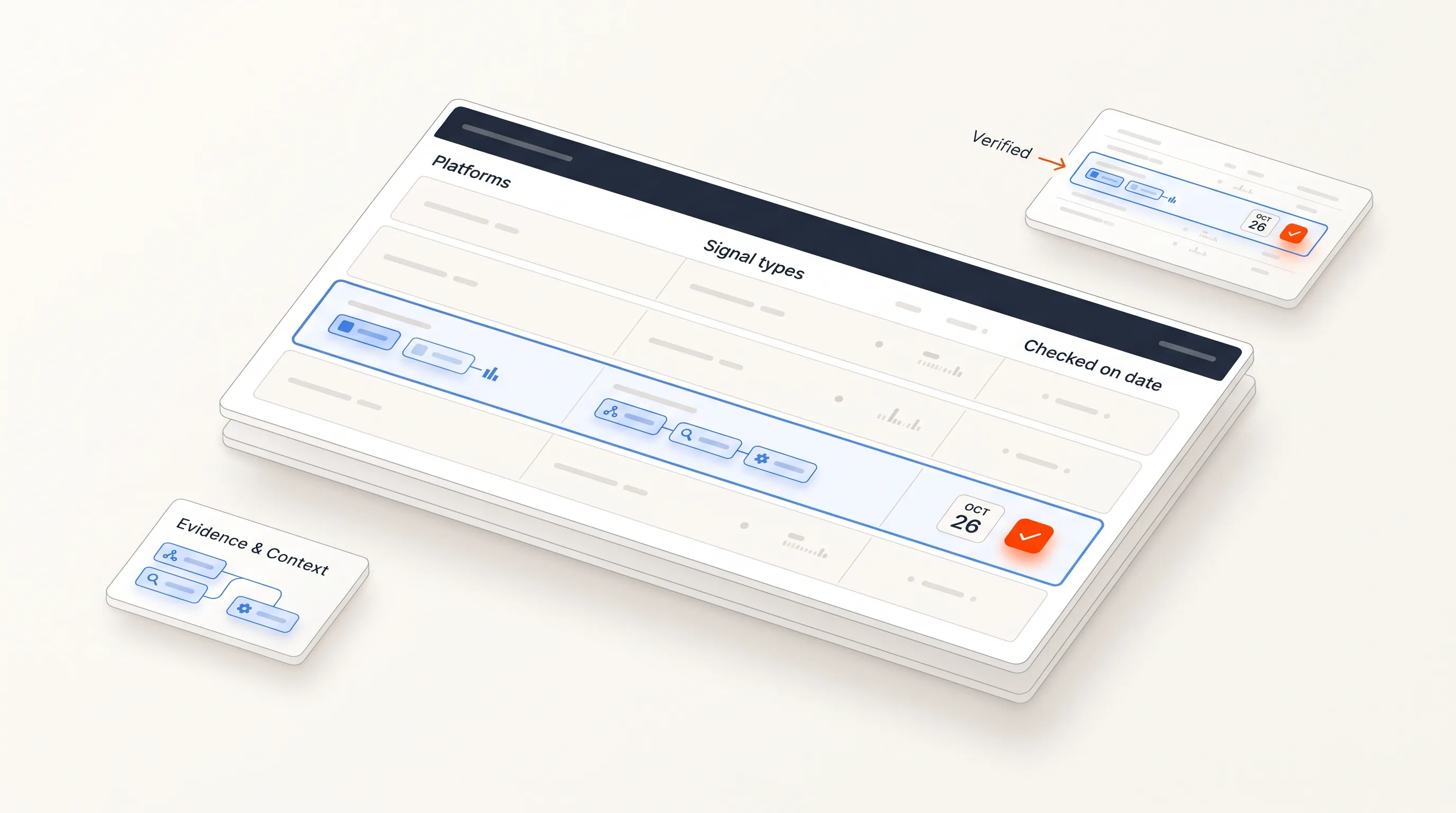
Download the stack audit worksheet (CSV) to list each tool with its layer, owner, monthly cost, the job it covers and what breaks without it.
Price the stack, not each tool
Many of the tools on published lists, especially in account intelligence and conversation intelligence, are sold on quote-only pricing, and billing terms differ between monthly and annual plans. Add up software, data credits, mailboxes and domains for your real monthly volume, then add the hours your team spends running the stack. Our outbound cost breakdown did this for five stacks at 500 contacts a month.
Where Perpetual fits
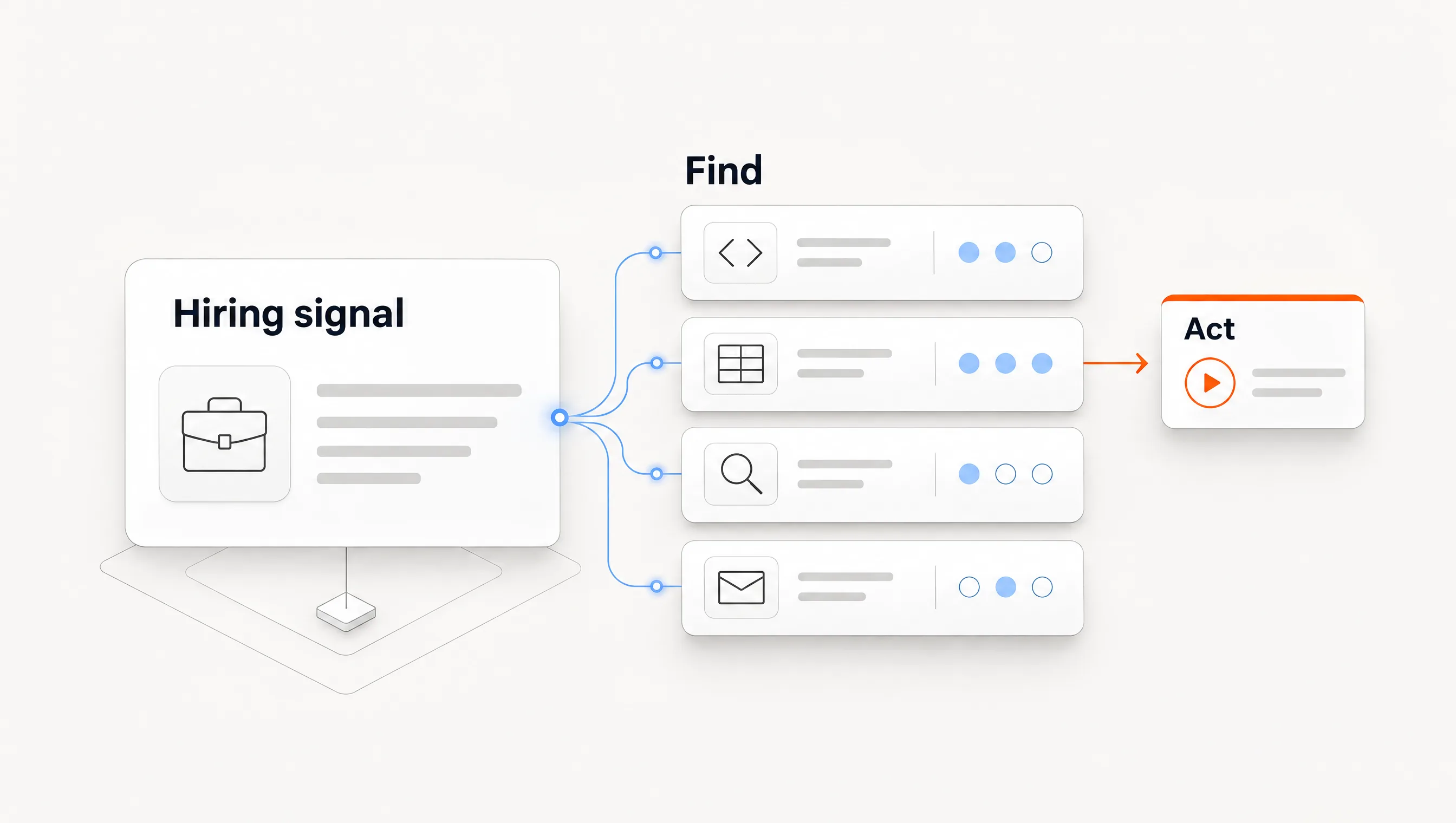
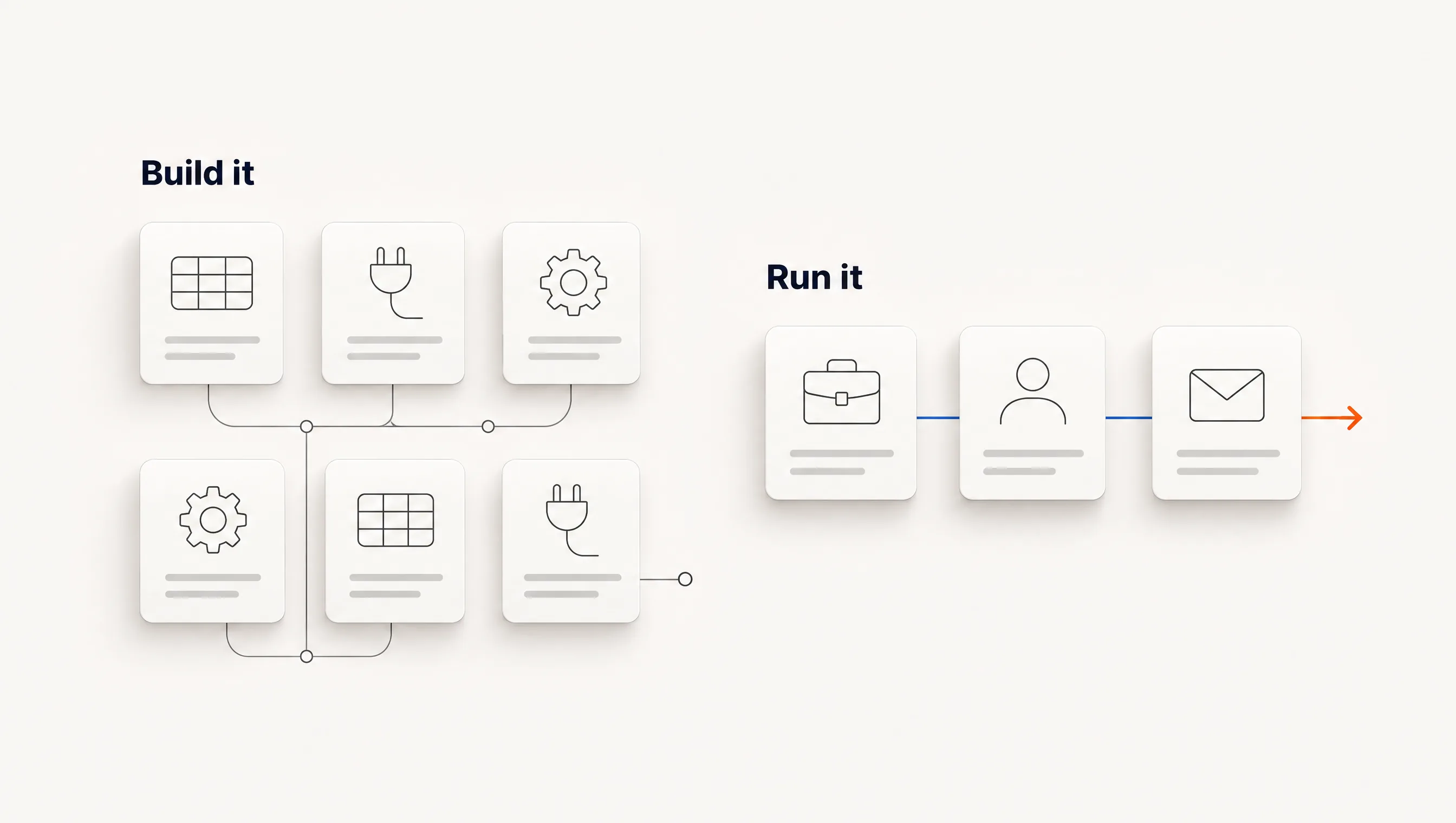
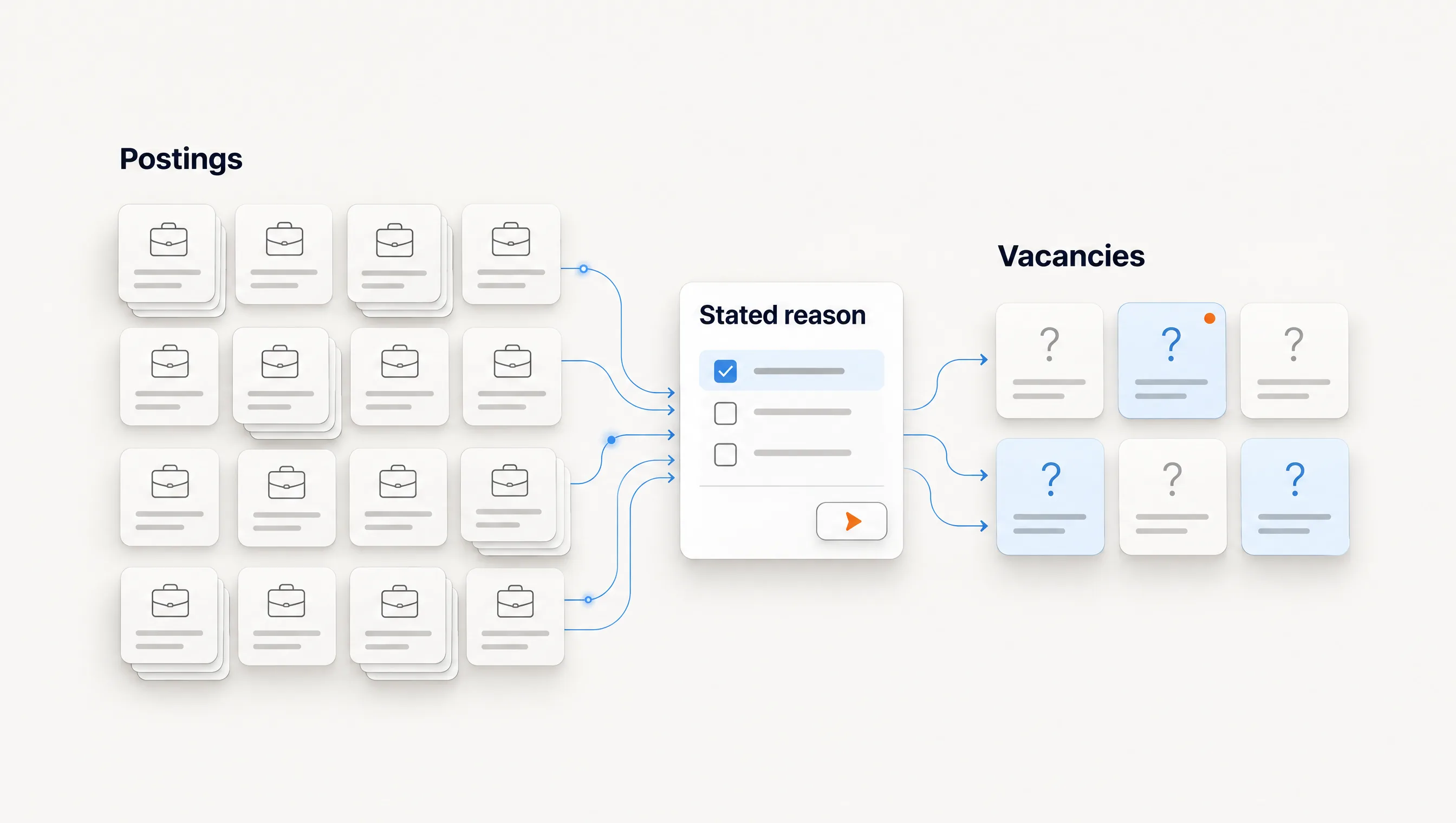
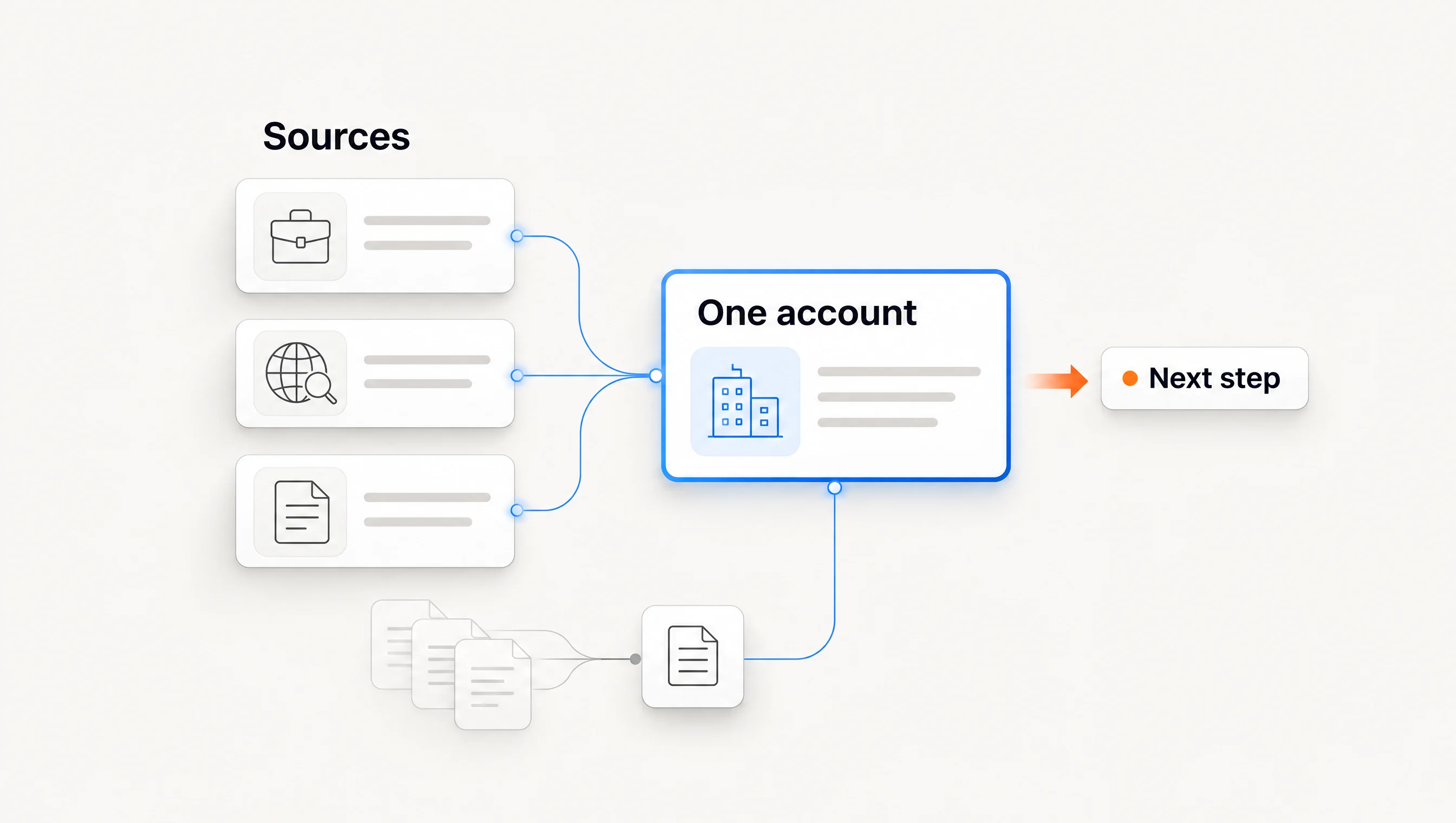
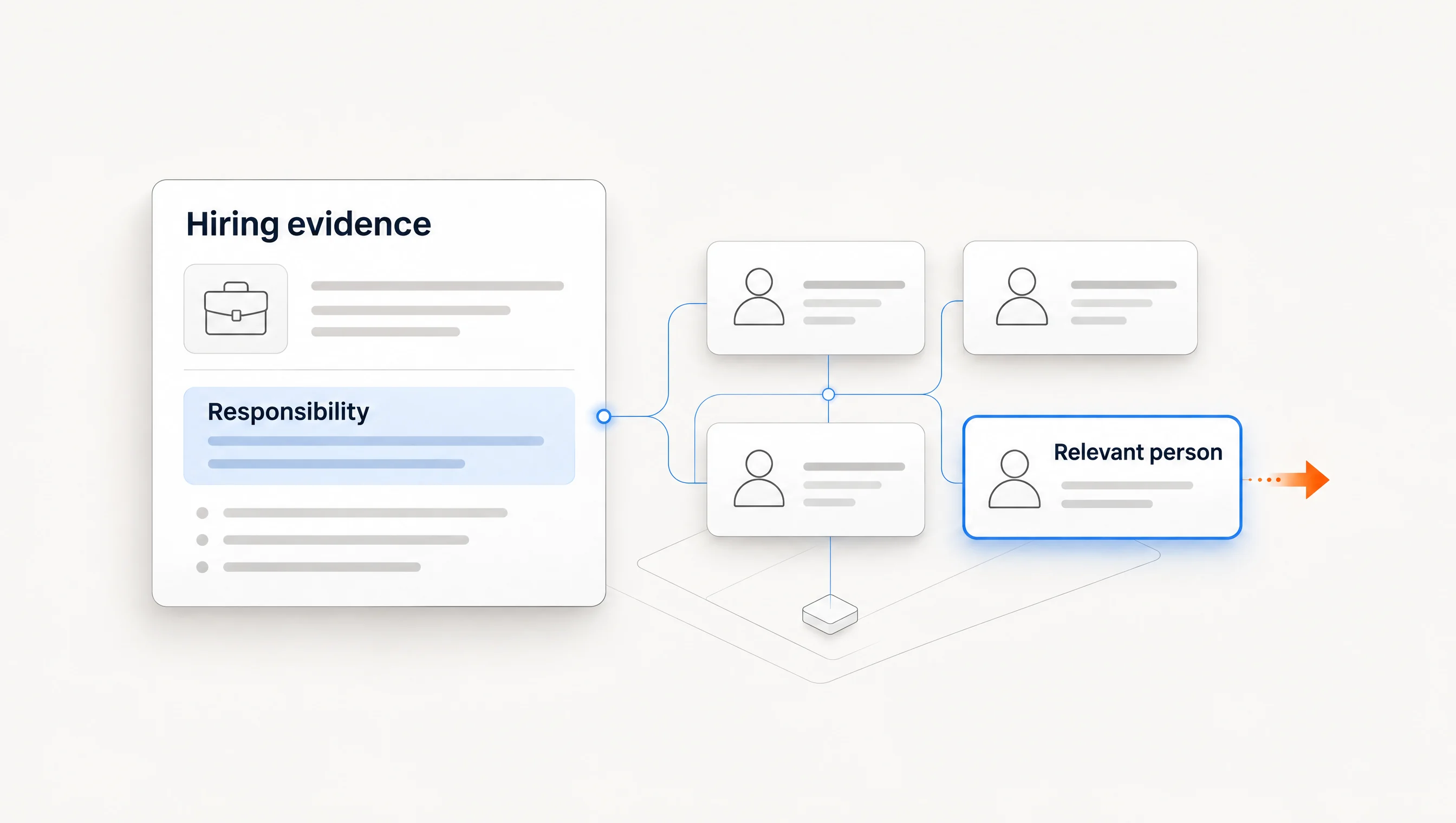
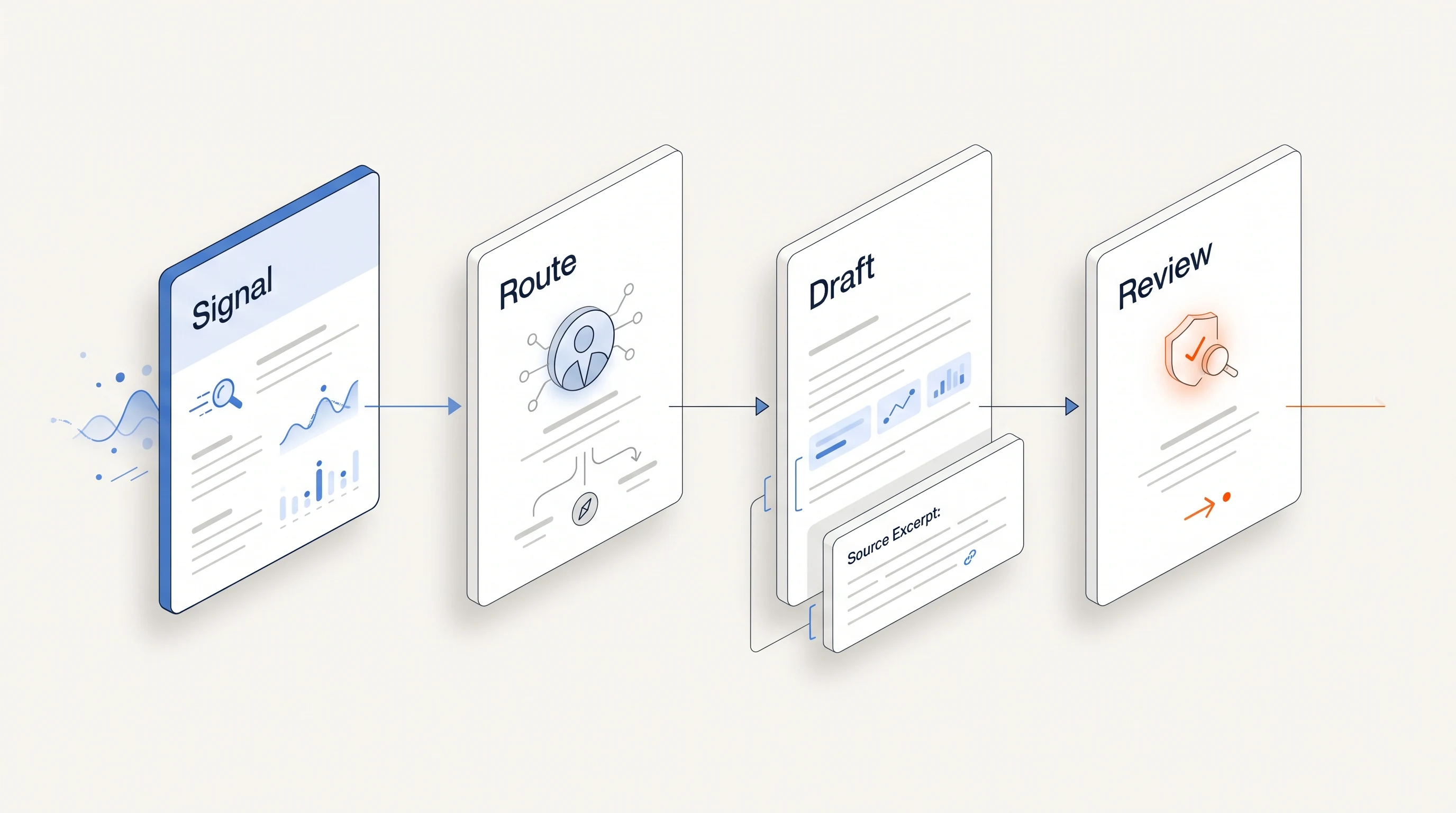
For a team at stage 1 or 2, Perpetual can cover the reasons-to-reach-out, contact and sending layers in one product, alongside your CRM. It starts from public hiring activity, qualifies companies against your offer, selects one contact with a reason, verifies the email, writes from the posting and runs follow-up from your Google Workspace mailboxes.
It does not replace your CRM, cover non-hiring signals as its main input or run LinkedIn steps automatically, and there is no free plan. See pricing, or our CRM vs. GTM platform comparison for how the two fit together.
Frequently asked questions
What tools are in a basic GTM tech stack?
A CRM, a sending setup with your own mailboxes and domain, and a repeatable way to choose which companies to contact. Everything else depends on which job is breaking.
How much should a small team spend on GTM tools?
There is no fixed figure. Price your actual workflow, including the hours spent running it, and compare that with the meetings it produces.
Should a small team buy an all-in-one GTM platform?
It can, if the platform covers your bottleneck and you accept its narrower path. Fewer tools mean fewer handoffs, but check that it does not lock you out of a step you need.
When should we hire someone to manage the stack?
Usually when routing, reporting and data quality take more than a few hours a week of a seller's time. That is often around the first operations hire.