JournalEvaluationNo. 02
Pay Per Lead vs. Subscription vs. Pay Per Result: Outbound Pricing Models
Pay per lead vs subscription vs pay per result: who carries the risk, what counts as a lead, what you keep, and a free checklist to compare offers.
Petar Jovanović6 min read7 sections
Contents
Published by Perpetual
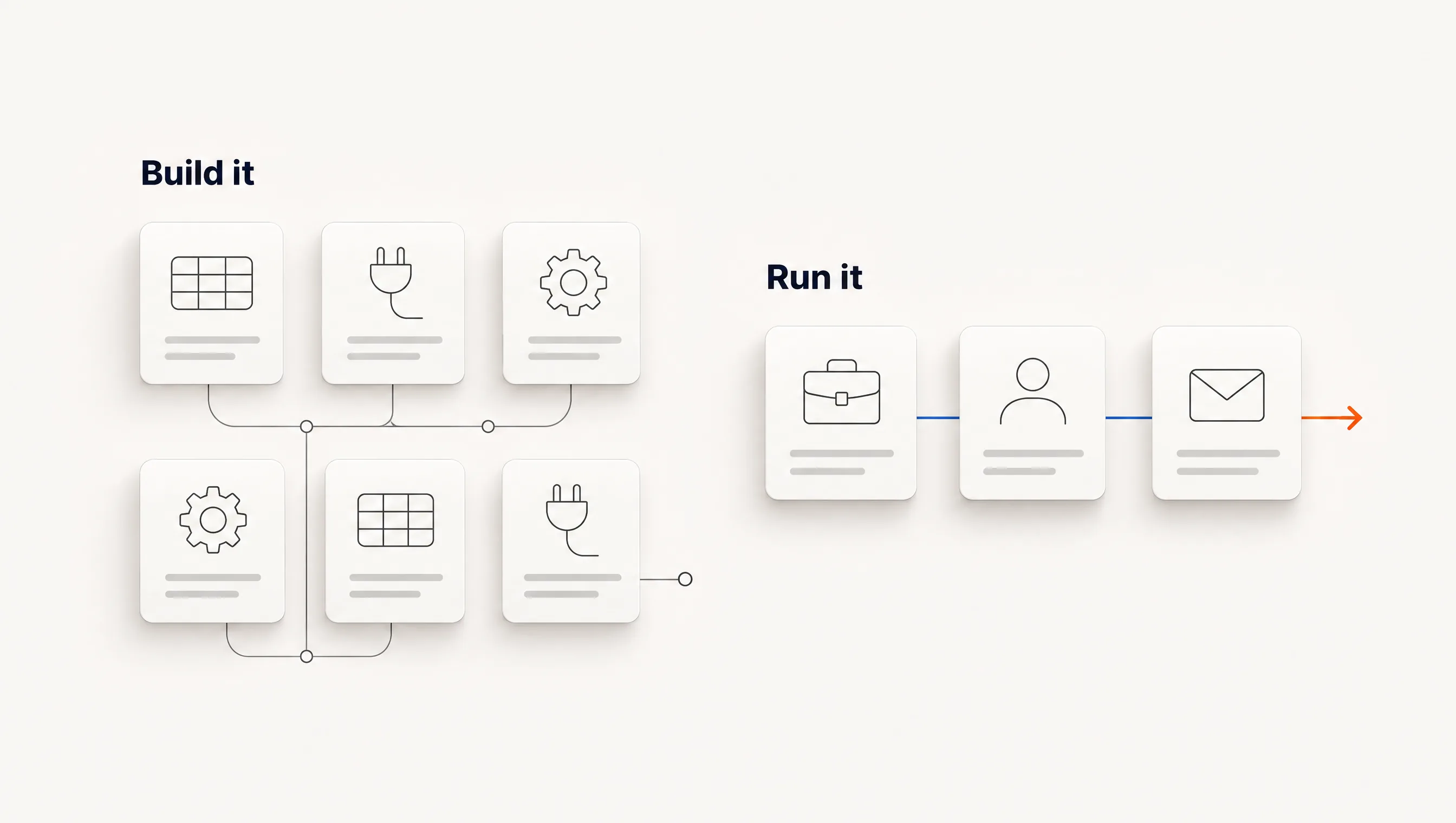
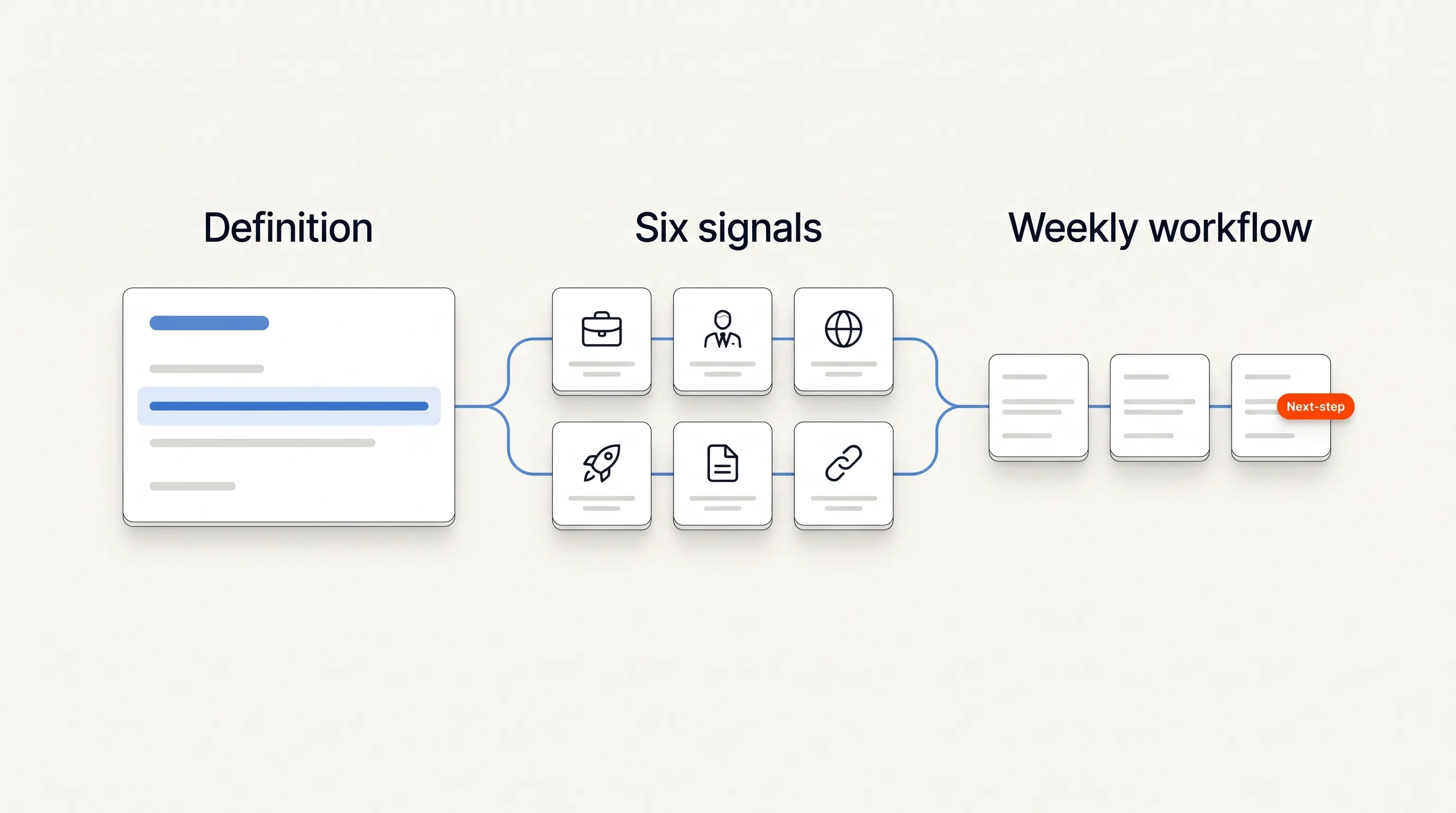
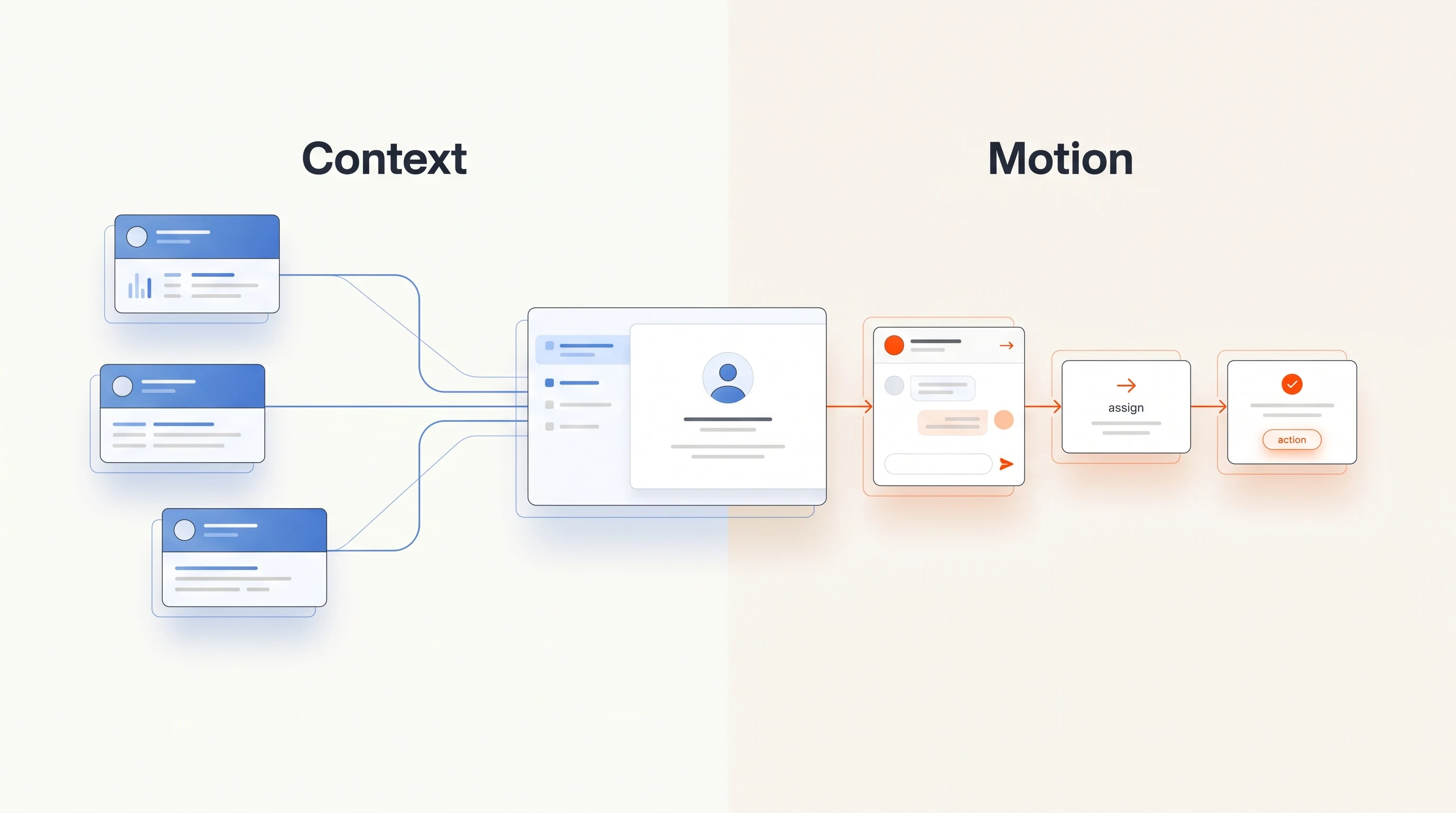
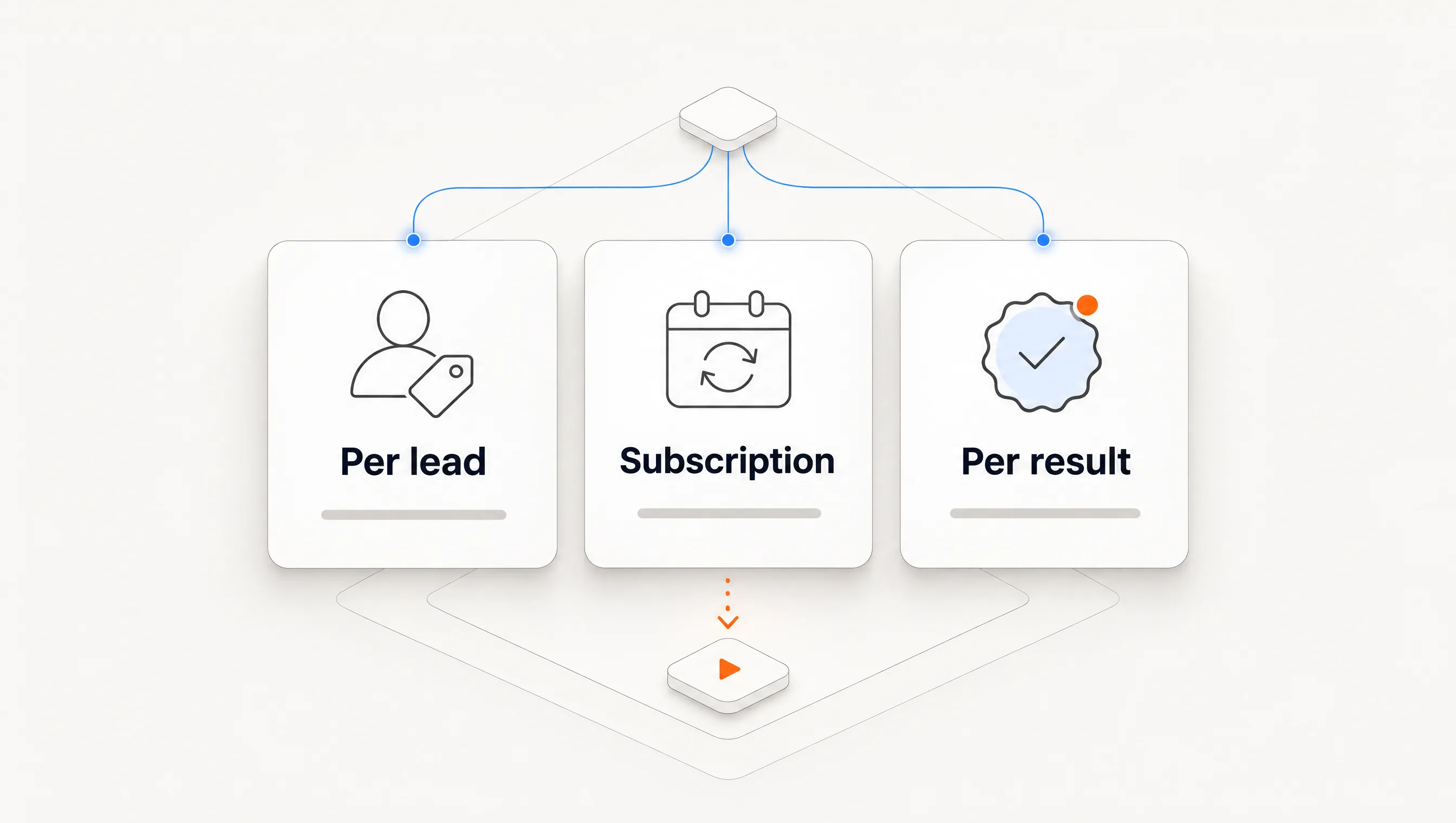
Pay per lead vs subscription, or pay per result, comes down to who carries the risk. With pay per lead, you pay for each lead a provider delivers, so the definition of a lead decides everything. With a subscription, you pay a fixed fee for software or a service and carry the risk of results yourself. With pay per result, you pay only when a defined piece of work is completed. Pay per meeting is a stricter variant of pay per lead. Choose the model whose unit you can verify yourself.
This guide compares the three, shows what to put in writing before you sign, and uses Perpetual's own credit model as a worked example of paying per delivered result. Perpetual sells that model, so read that section with this in mind.
The three models side by side
| Model | What you pay for | Who carries the risk | What to watch |
|---|---|---|---|
| Pay per lead | Each lead a provider delivers | Shared; depends on the lead definition | Vague lead definitions, disputes, who owns the data |
| Pay per meeting | Each booked meeting | Mostly the provider | What counts as booked, no-shows, fit of attendees |
| Subscription or retainer | Access to software or a team for a period | Mostly you | Minimum terms, what is included, usage limits |
| Pay per result (usage) | Each completed unit of work, such as a researched company or verified email | Shared; you pay for work done, not for outcomes downstream | How results are defined, whether failures are charged |
None of these is better in general. A model is good when its unit matches what you value and when you can check each charge.
Everything depends on what counts as a lead
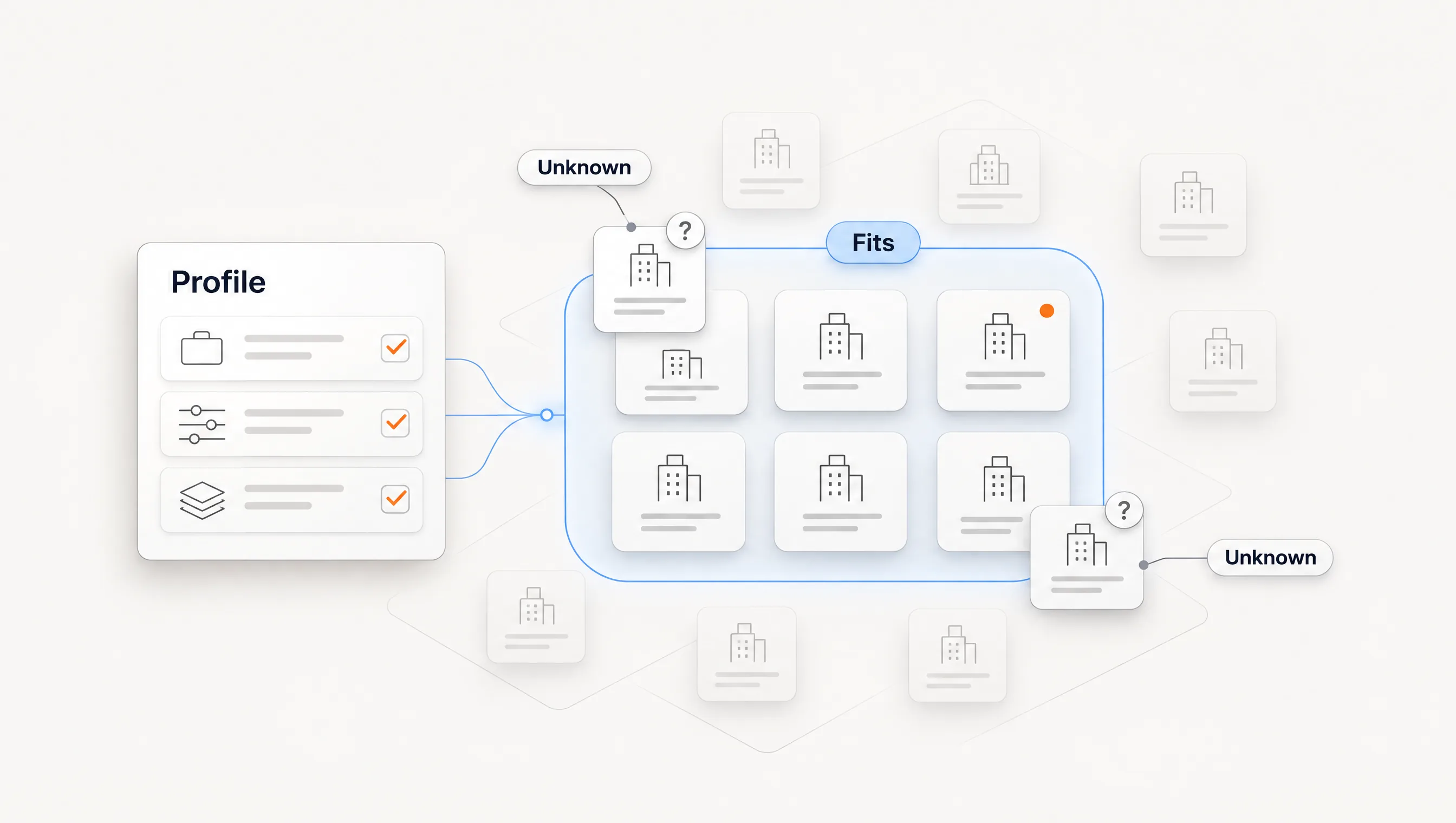
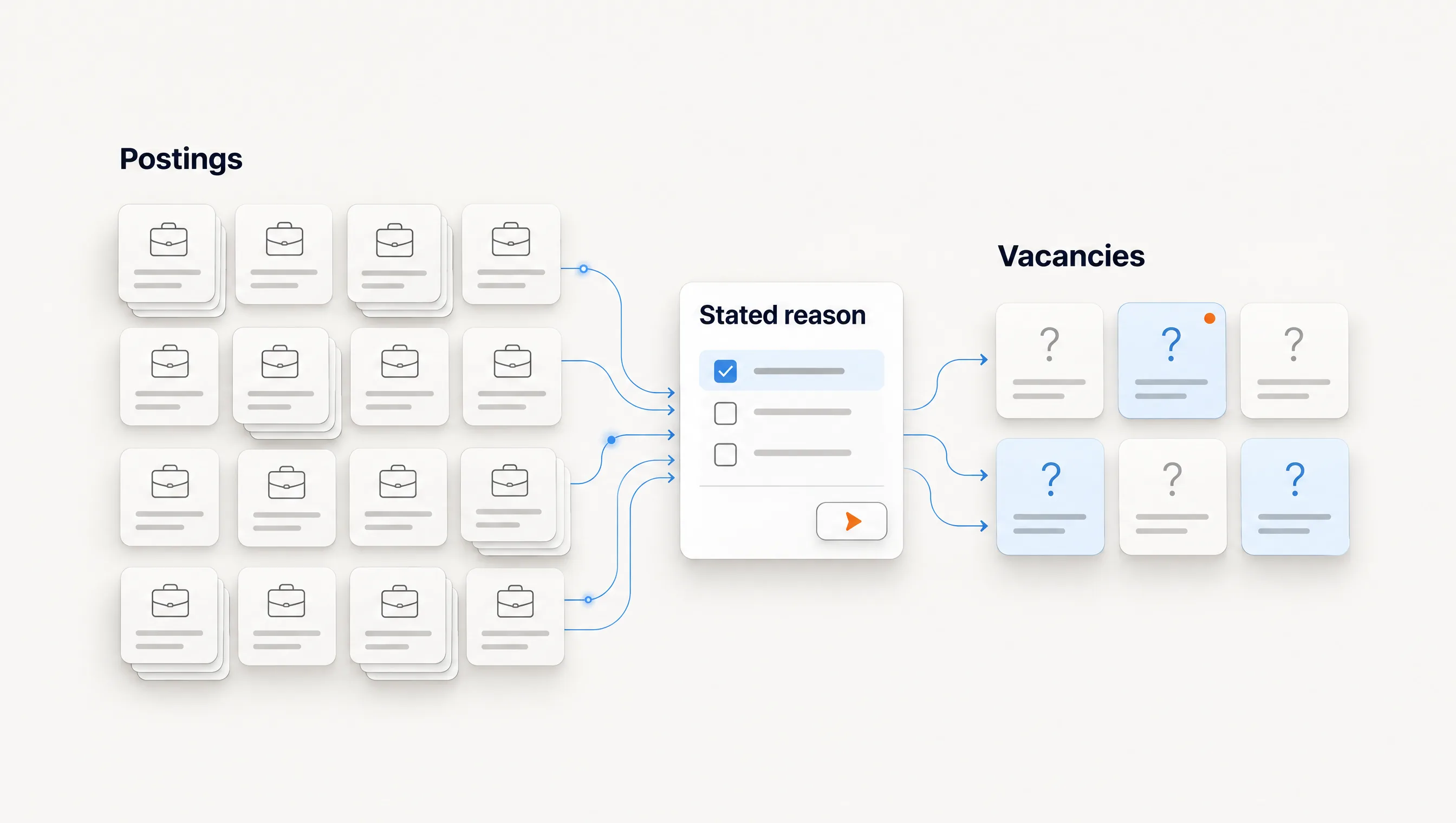
“Lead” can mean anything from a name in a spreadsheet to a person who asked for a call. Before paying per lead, write the definition into the agreement:
- Fit: which company sizes, industries, regions and roles qualify.
- Evidence: what shows the person is interested, such as a reply, a form or a booked call.
- Freshness: how recent the contact details and interest must be.
- Exclusions: existing customers, open deals and people you already contacted.
- Disputes: how you reject a lead that misses the definition, and how quickly.
The same applies to pay per meeting. Agree whether a no-show counts, who must attend and how far in advance the meeting must be booked.
Compare cost per outcome you care about
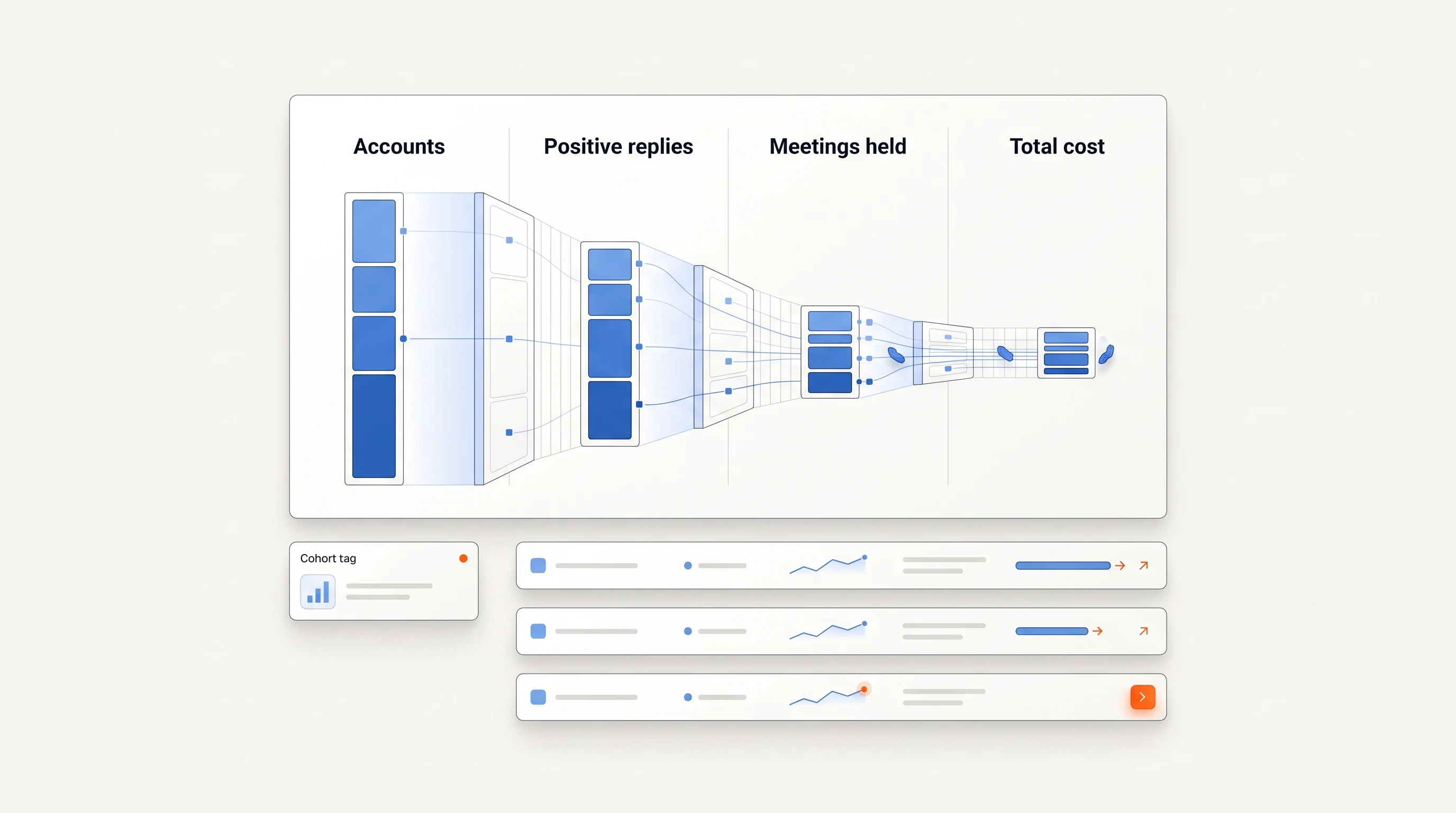
Unit prices are not comparable across models. Convert each to the cost of the outcome you actually want, such as a qualified meeting held. A simple formula:
Cost per qualified meeting = total spend ÷ qualified meetings held
For pay per lead, total spend is leads bought times price per lead. For a subscription, it is the fee plus your team's time, data and sending costs. An invented illustration, with numbers chosen only to show the arithmetic:
| Invented case | Spend | Qualified meetings held | Cost per meeting |
|---|---|---|---|
| 40 leads at $50 each | $2,000 | 4 | $500 |
| $250 subscription plus 20 hours at $50, before data and sending costs | $1,250 | 3 | $417 |
The cheaper model per unit is not always cheaper per meeting. Measure over the same period, with the same definition of a qualified meeting, as our outbound scorecard explains.
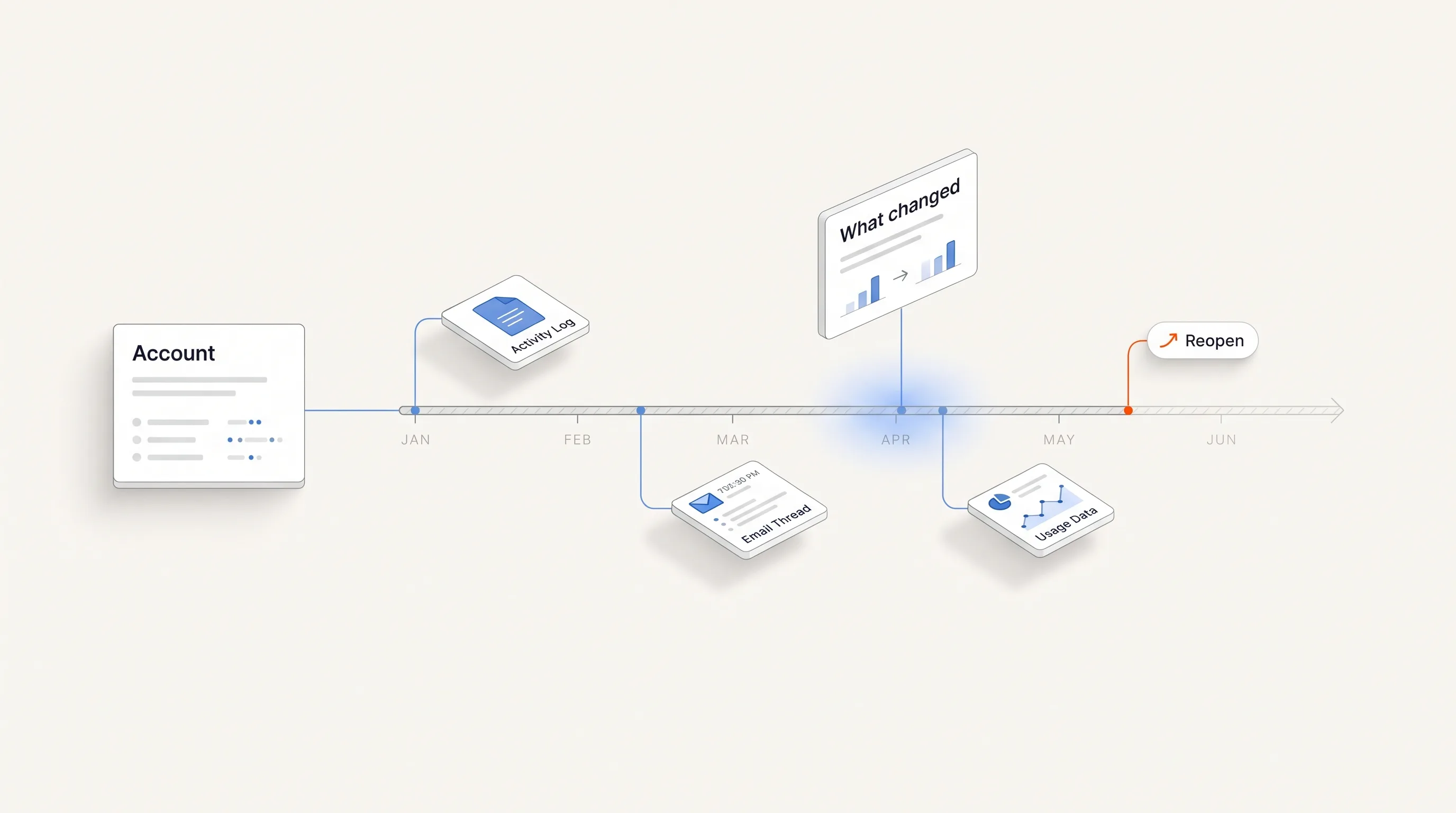
Ask what you keep when you stop paying
The model also decides what remains yours afterward. Ask before signing:
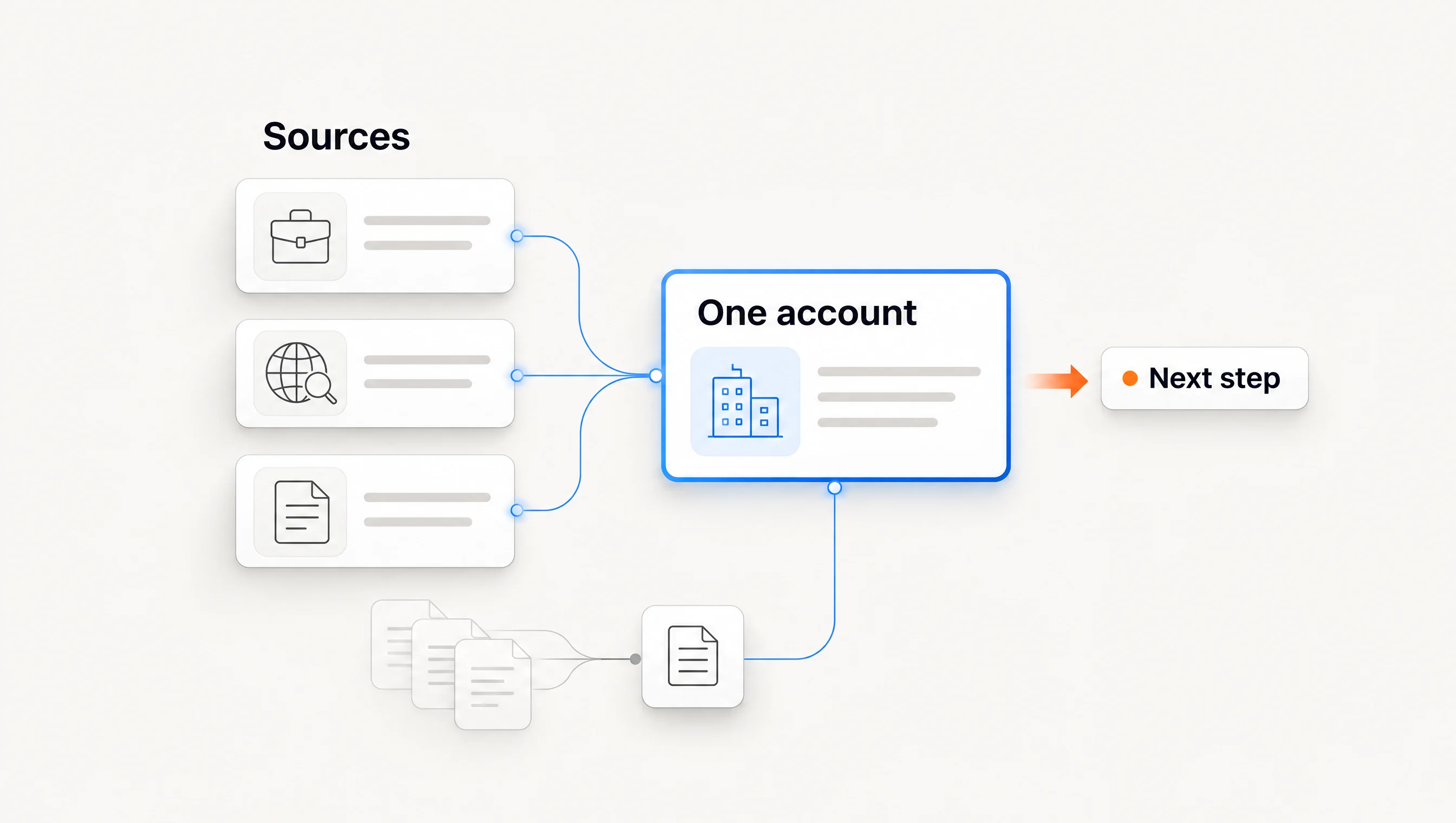
- Do you keep the contact lists, research and conversation history?
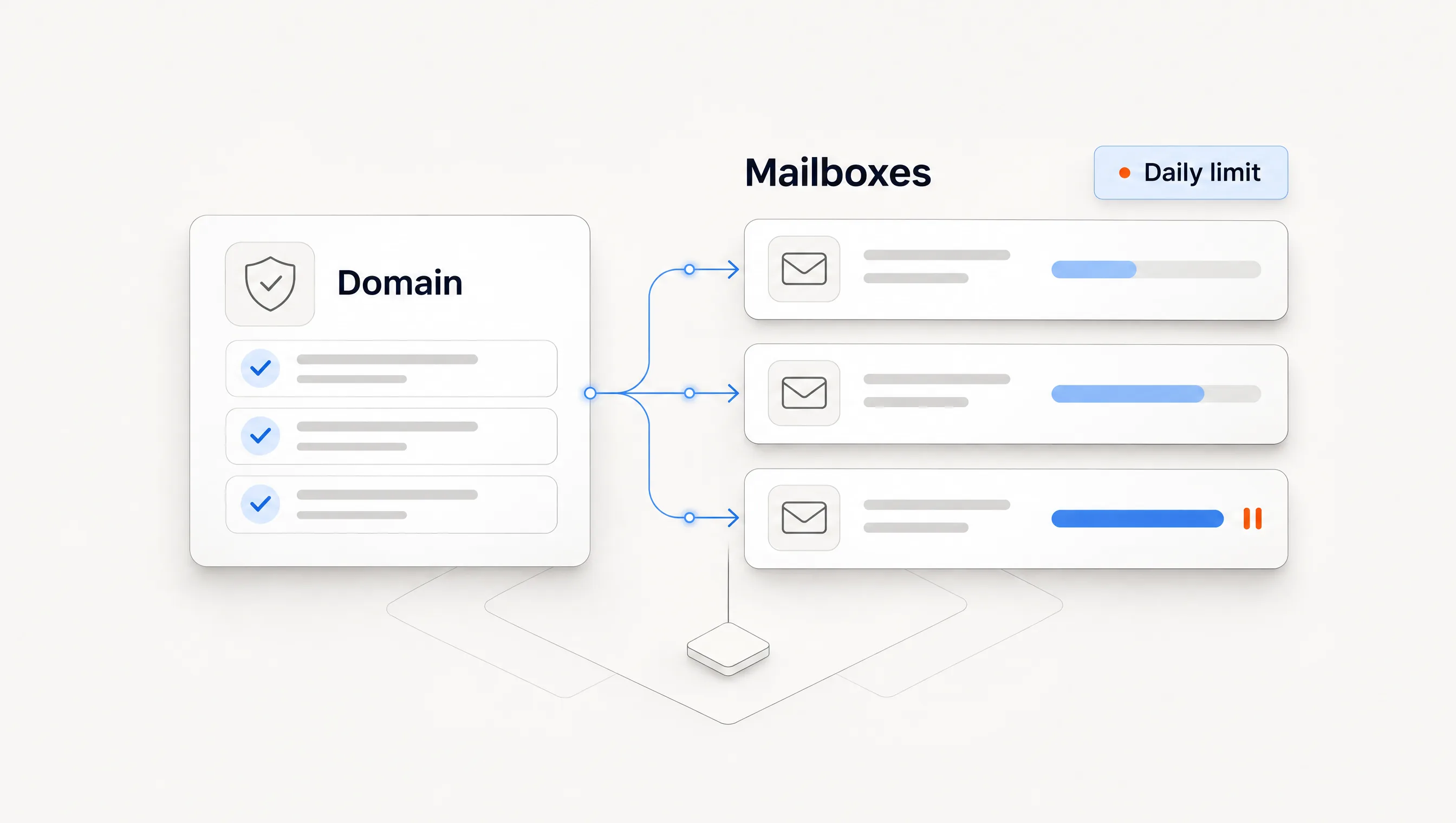
- Were emails sent from your domains and mailboxes, or the provider's? Reputation built on their domain leaves with them.
- Can you see and reuse the messages that worked?
- Is there a minimum term or notice period?
An arrangement that leaves you with nothing when it ends stops producing the day you stop paying. That can still be the right choice for a short test, as long as it is a conscious one.
A worked example of pay per result
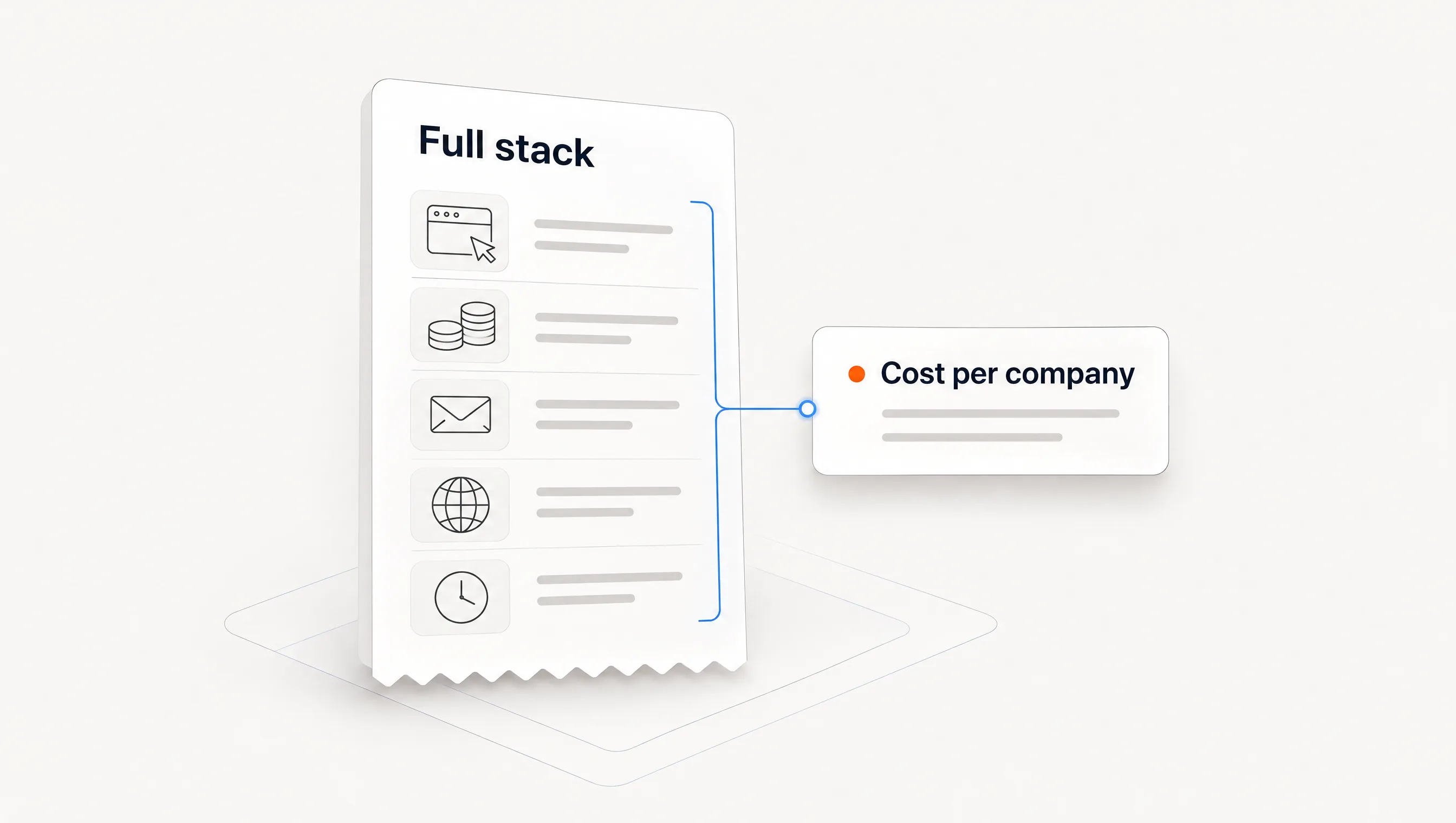
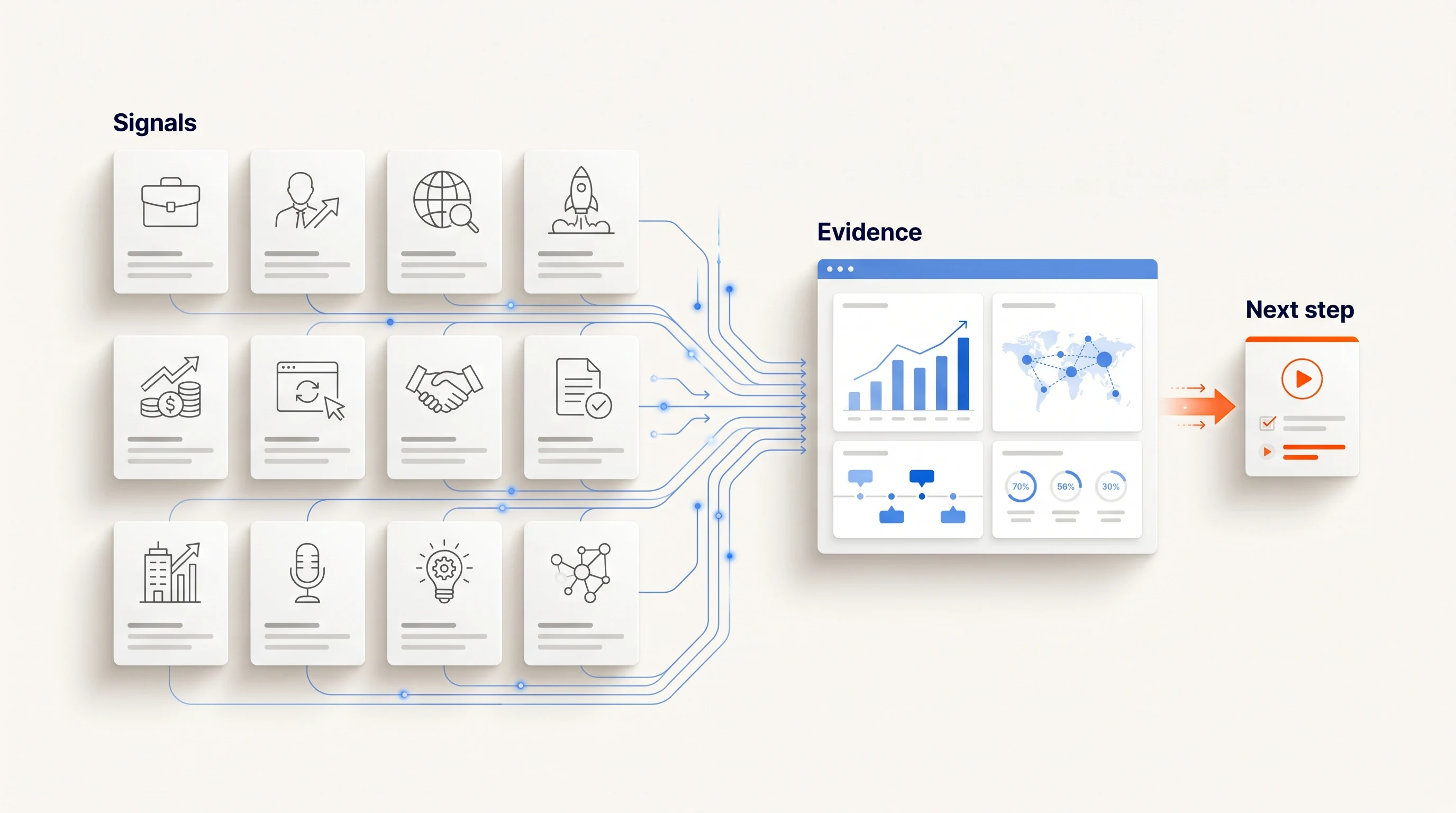
Perpetual is a subscription with result-based credits: the monthly fee is charged regardless, and the credits it includes are spent only on delivered results, not attempts. Unused subscription credits expire at the end of the month. Per its pricing page:
| Delivered result | Credits |
|---|---|
| Company research and qualification | 1, only when the company qualifies |
| Selected person and their LinkedIn profile | 1 |
| Verified email | 2 (1 for a catch-all address, which cannot be fully verified) |
| Validated first message, follow-ups included | 1 |
A ready contact uses up to 5 credits. A company that does not qualify uses none, and failed steps and infrastructure errors use none. Sending, follow-ups, reply tracking and CRM sync use no credits. The smallest plan is $249 a month for 4,000 credits.
What this model does not do: it does not charge per meeting or reply, so you still carry the risk of whether your offer and messages convert. It moves the risk of wasted research to us, not the risk of results.
Questions to ask before you sign
- What exactly is the unit I pay for, in writing?
- Am I charged for attempts that fail?
- How do I dispute a charge, and how fast is it resolved?
- Whose domains and mailboxes send the emails?
- What data and history do I keep if I leave?
- Is there a minimum term?
- Can I see every charge next to the work it paid for?
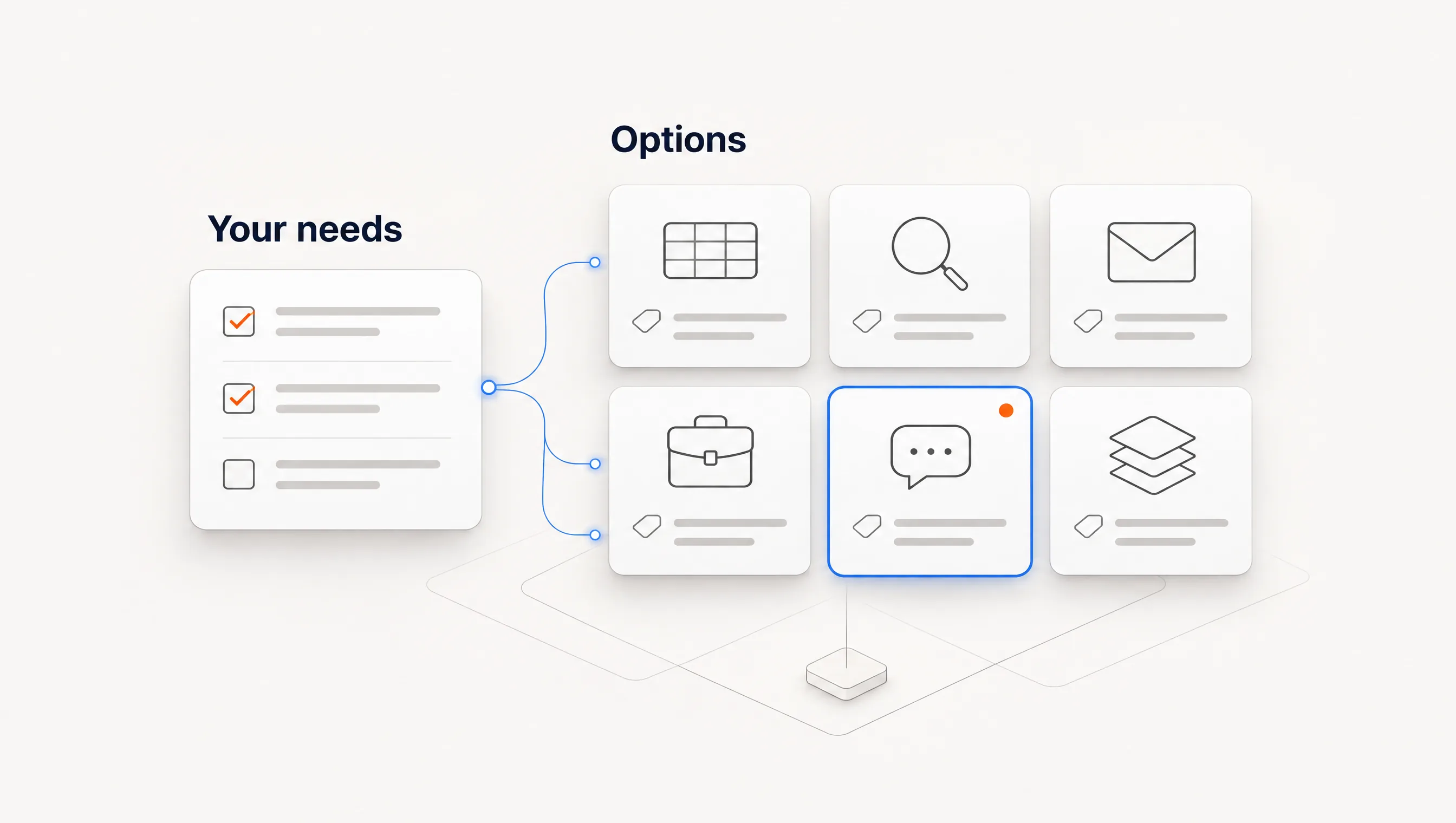
Download the pricing model checklist (CSV) to compare up to three offers on these questions side by side.
Frequently asked questions
What is pay per lead?
A pricing model where a provider charges a fixed fee for each lead it delivers. The value depends entirely on how a lead is defined and verified.
Is pay per meeting better than pay per lead?
It moves more risk to the provider, but only if a meeting is clearly defined, including no-shows and who must attend.
Why choose a subscription if it carries more risk?
You keep control of targeting, messages, domains and data, and costs do not rise with success. It suits teams that can operate the process themselves.
Does pay per result guarantee meetings?
No. It means you pay for completed work, such as researched companies or verified emails, not for what prospects decide.