JournalEvaluationNo. 01
ZoomInfo Alternatives for Small B2B Teams: Prices Checked
Compare ZoomInfo alternatives for small B2B teams by published price, price per credit and what a credit buys. Includes a 20-person data test.
Marko Raković7 min read7 sections
Contents
Published by Perpetual
The best ZoomInfo alternatives for a small B2B team are tools you can price or try without a sales call: Lusha and UpLead if you mainly need contact details, LinkedIn Sales Navigator if you sell through relationships, Apollo or Clay if you want data combined with outreach or workflows, and Cognism if you accept a quote-based contract. If your real need is knowing which companies to contact now, a signal-based tool may replace more of the work than a database does.
Perpetual publishes this guide and is one of the options, so test that placement. Every price below was read on the vendor's own pricing page on November 18, 2026, unless another date is shown. We have not used these products in production, and we did not test their data accuracy. The comparison shows what you can verify before a sales call: published price, what a credit buys and whether you can try it.
Why small teams look for a ZoomInfo alternative
ZoomInfo's pricing page lists its sales packages, Professional, Copilot Advanced and Copilot Enterprise, without prices. Packaging is based on the number of licenses, payment terms are agreed with sales, and each export costs one credit. A free trial button is shown, without its length or terms.
That model suits teams that want a broad database and are ready to negotiate an annual contract. A small team usually wants three things instead: a price it can see, a way to test the data on its own market first, and a bill that grows with use. Those are the criteria this comparison uses.
ZoomInfo alternatives compared by published price
| Alternative | Best for | Published entry price | Price per credit, monthly plan | Free plan or trial |
|---|---|---|---|---|
| Lusha | Quick contact lookups for a few sellers | $49.90 a month for 400 credits | About $0.12 on Starter, Pro and Premium | Free plan, 40 credits a month |
| UpLead | Verified contact exports with a clear credit unit | $99 a month for 170 credits | About $0.58 on Essentials, $0.50 on Plus | 7-day trial with 5 credits |
| LinkedIn Sales Navigator | Relationship-led selling to saved accounts | $119.99 a month per license | Not credit-based; 50 InMail a month | Free trial for eligible members |
| Apollo | Database plus sequencing in one tool | Not shown in the page text we could read | Not published there | Free plan with no time limit |
| Clay | Teams that combine many data providers in workflows | Launch listed at $167 and $185 a month, read November 10, 2026 | Depends on the provider used | Free plan |
| Cognism | Teams that accept a quote and want included seats | Not published; 5 seats included in Standard and Pro | 1 credit reveals 1 contact; allocation not published | Not stated |
| Perpetual | Small teams whose trigger is public hiring activity | $249 a month for 4,000 credits | About $0.06 per credit; up to $0.31 per ready contact at 5 credits | No free plan |
Price per credit is the monthly price divided by monthly credits, so it is the lowest possible cost per credit; credits you do not use raise it. It is not a like-for-like comparison: a credit buys different things in each product, which is the next section. Lusha's structured page data lists prices in US dollars; its annual figures did not multiply out consistently, so we used the monthly plans only.
What a credit actually buys
The cheapest credit is not the cheapest contact. Check exactly what one credit unlocks:
- UpLead states that one credit is one contact, unlocking email and mobile direct dial for download or CRM export. Extra credits cost $0.60 on Essentials and $0.50 on Plus.
- Cognism states that one credit reveals one contact.
- Lusha lists credits per plan; check how many an email or phone reveal uses before comparing. On monthly plans, unused credits roll over up to twice the plan's limit.
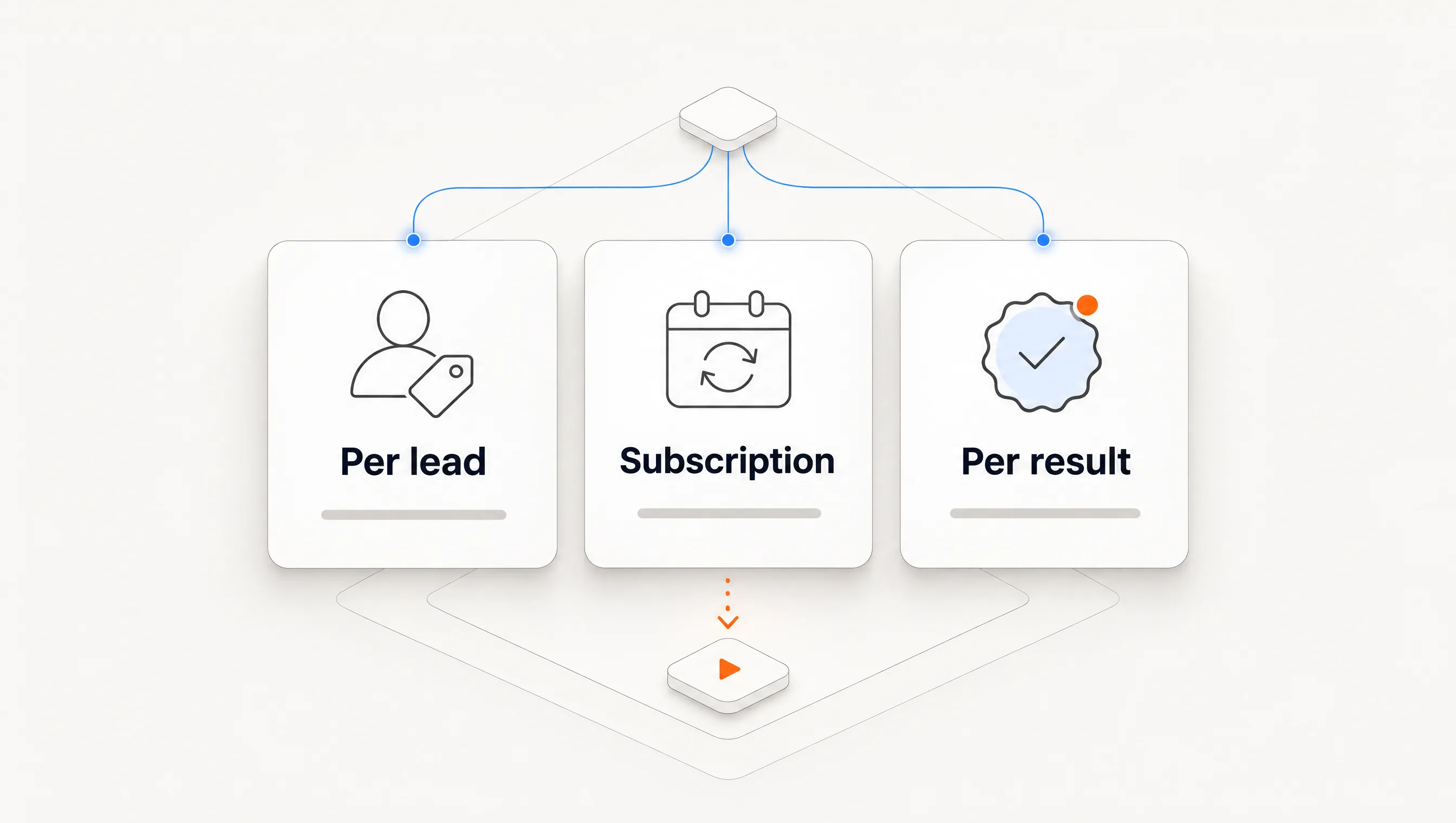
- Perpetual credits pay for delivered results: company research and qualification, the selected person, a verified email and a validated first message, up to 5 for a ready contact. Failed steps use none.
So $0.12 per Lusha credit and $0.31 per Perpetual contact are not comparable prices for the same thing. One buys a data lookup; the other buys research, selection and a written message. Price the whole job you need done.
Test the data on your own market first
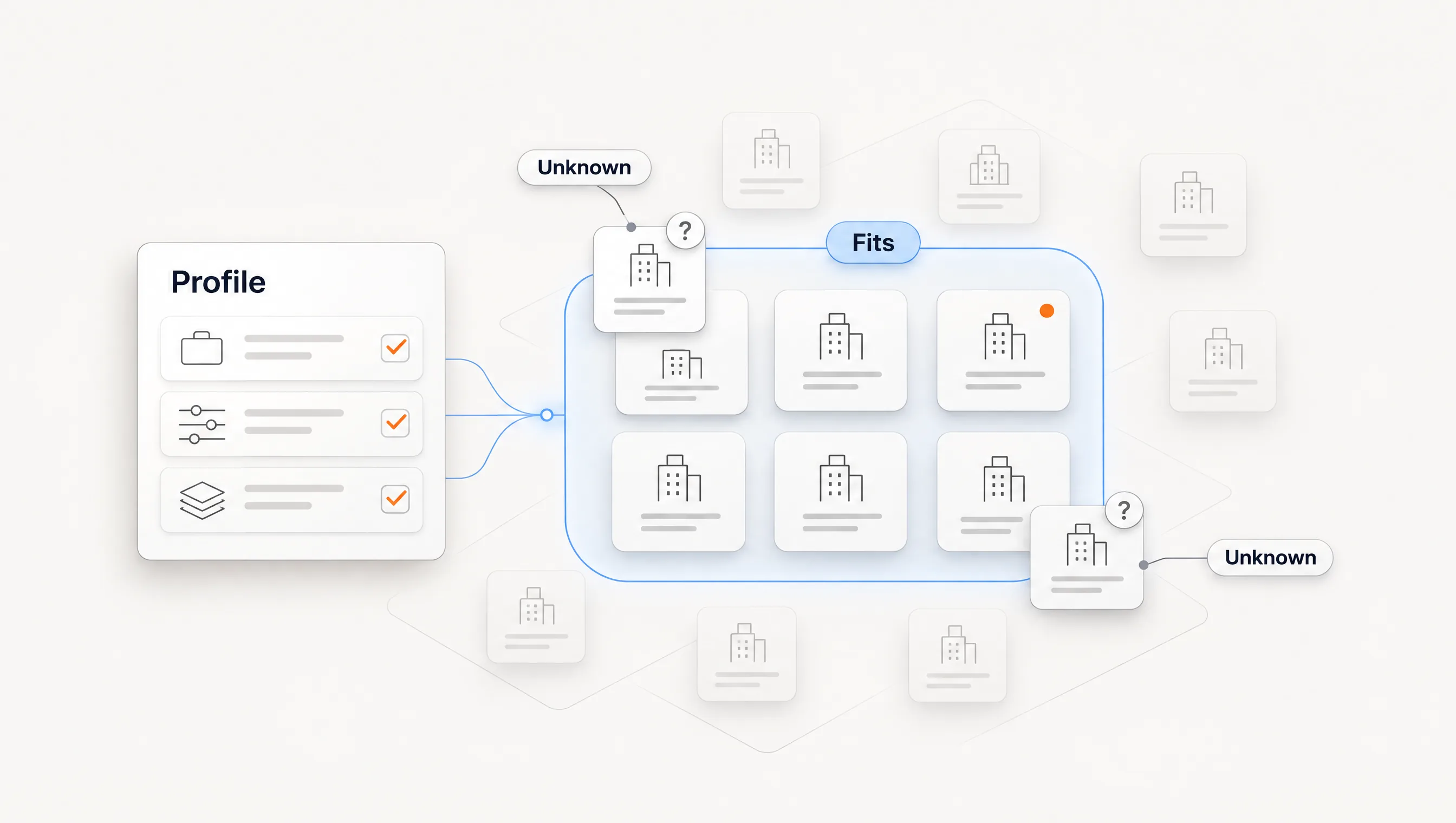
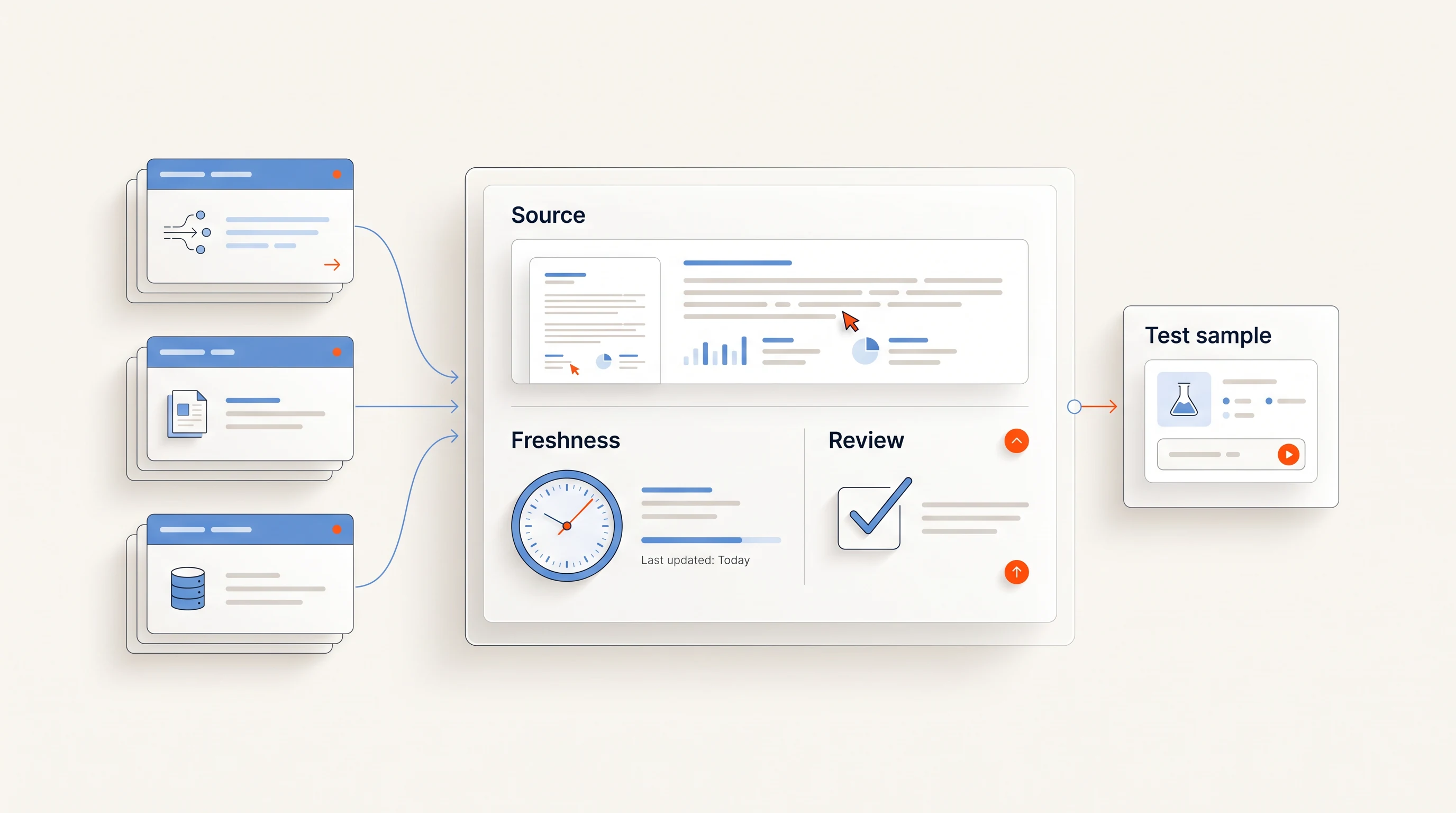
Coverage and accuracy claims are vendor-reported and measured differently. Before paying, run the same small test on every option that allows it:
- Pick 20 people you already know are current at companies in your market.
- Look each one up in the free plan or trial.
- Record whether the person was found, whether the email was valid and whether the title and company were current.
- Count how many credits the test used.
Lusha's free plan can cover part of the sample; UpLead's 7-day trial includes only 5 credits, enough for a spot check. Contact data that fails on people you know is unlikely to do better on people you do not.
The alternatives in brief
Lusha
Low entry price and a permanent free plan. A good first test for a founder or a few sellers who need phone numbers and emails occasionally. Larger teams need its custom Scale plan.
UpLead
Clear credit definition and per-credit overage pricing make it easy to budget. Its higher plans are annual only.
LinkedIn Sales Navigator
Not a contact database in the same sense: it helps you find and follow people on LinkedIn, but does not provide emails. Many teams pair it with one of the tools above.
Apollo
Combines a database with sequencing, and its free plan has no time limit. Its pricing page describes monthly and discounted annual billing, but we could not read plan prices from it, so check them directly.
Clay
Not a single database: it routes lookups across many providers inside workflows you build. Our Clay alternatives guide covers when that is worth the setup.
Cognism
Closest to ZoomInfo's sales model, with quote-based pricing and seats included. Choose it if you are ready for a sales conversation anyway.
Perpetual
A different category. It does not sell a database; it reads public job postings, qualifies companies against your offer, selects one contact and writes from the posting. Choose it if timing, not raw data, is your bottleneck. It covers companies that publish roles on public job boards it can read, sends only from Google Workspace mailboxes, and has no free plan.
How to choose
- You need occasional contact details: start with a free plan from Lusha or Apollo.
- You export lists into a CRM: compare UpLead and Cognism on what a credit includes.
- You sell to named accounts through relationships: Sales Navigator, plus one email source.
- You need data from several sources in one flow: Clay, if someone will build it.
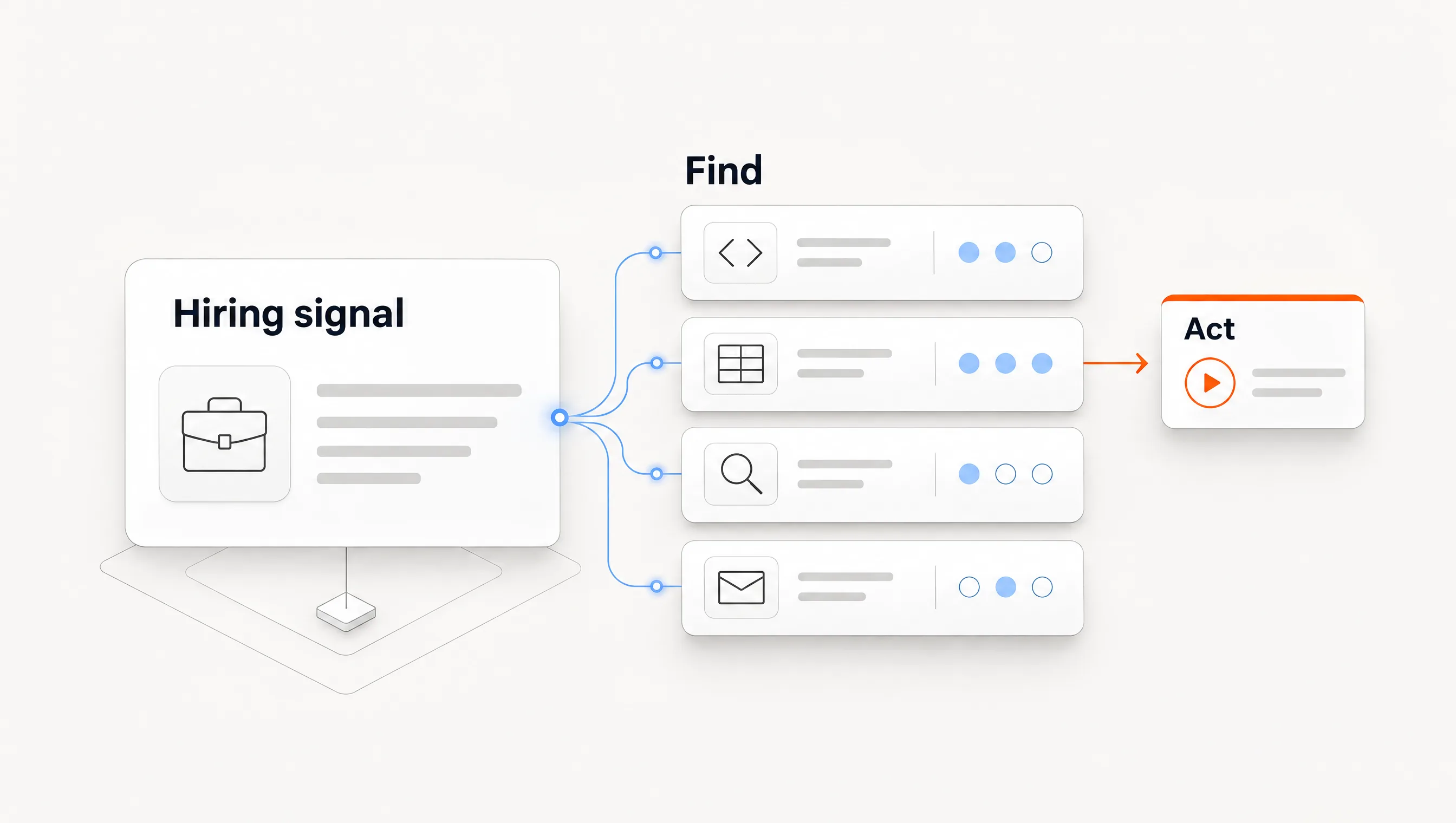
- You do not know which companies to contact this week: look at signal-based tools; our hiring signal tools comparison covers the hiring trigger.
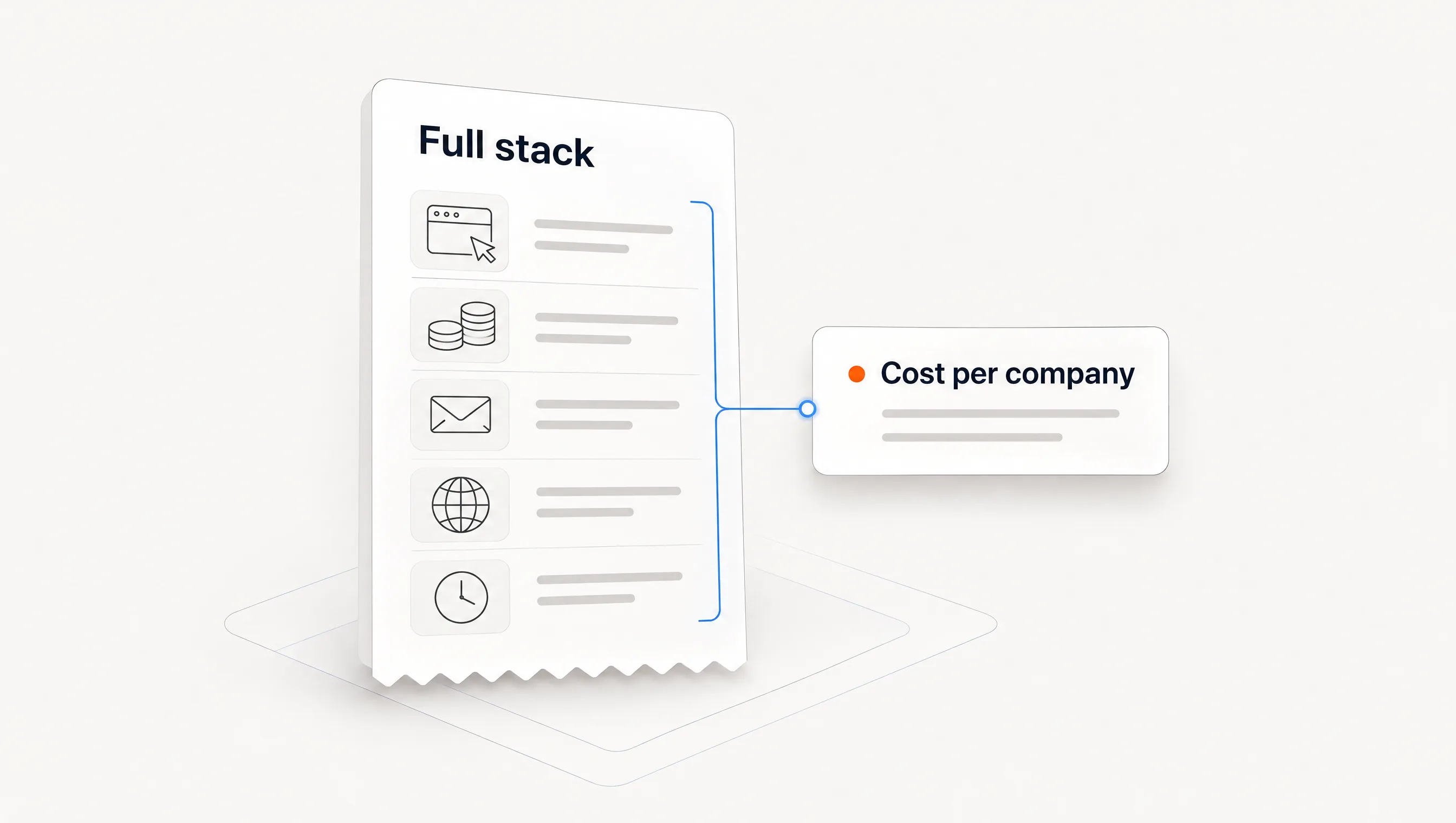
For the full monthly cost of an outbound setup, including mailboxes and human time, see our line-by-line cost breakdown.
Frequently asked questions
Is there a free ZoomInfo alternative?
Lusha and Apollo have free plans, and Clay has one too. UpLead offers a 7-day trial. Free plans have tight limits, so use them to test data quality rather than to run outreach.
What is the cheapest ZoomInfo alternative?
On published monthly price, Lusha's Starter plan at $49.90 is the lowest paid entry point among the published prices in this comparison. Compare what a credit buys before deciding.
Does ZoomInfo publish its prices?
Not on its pricing page. Packages are sold through its sales team and priced by the number of licenses.
Which alternative has the most accurate data?
We did not test accuracy, and every vendor's claim is its own. Run the 20-person test above on your market.